Small Town Celebration

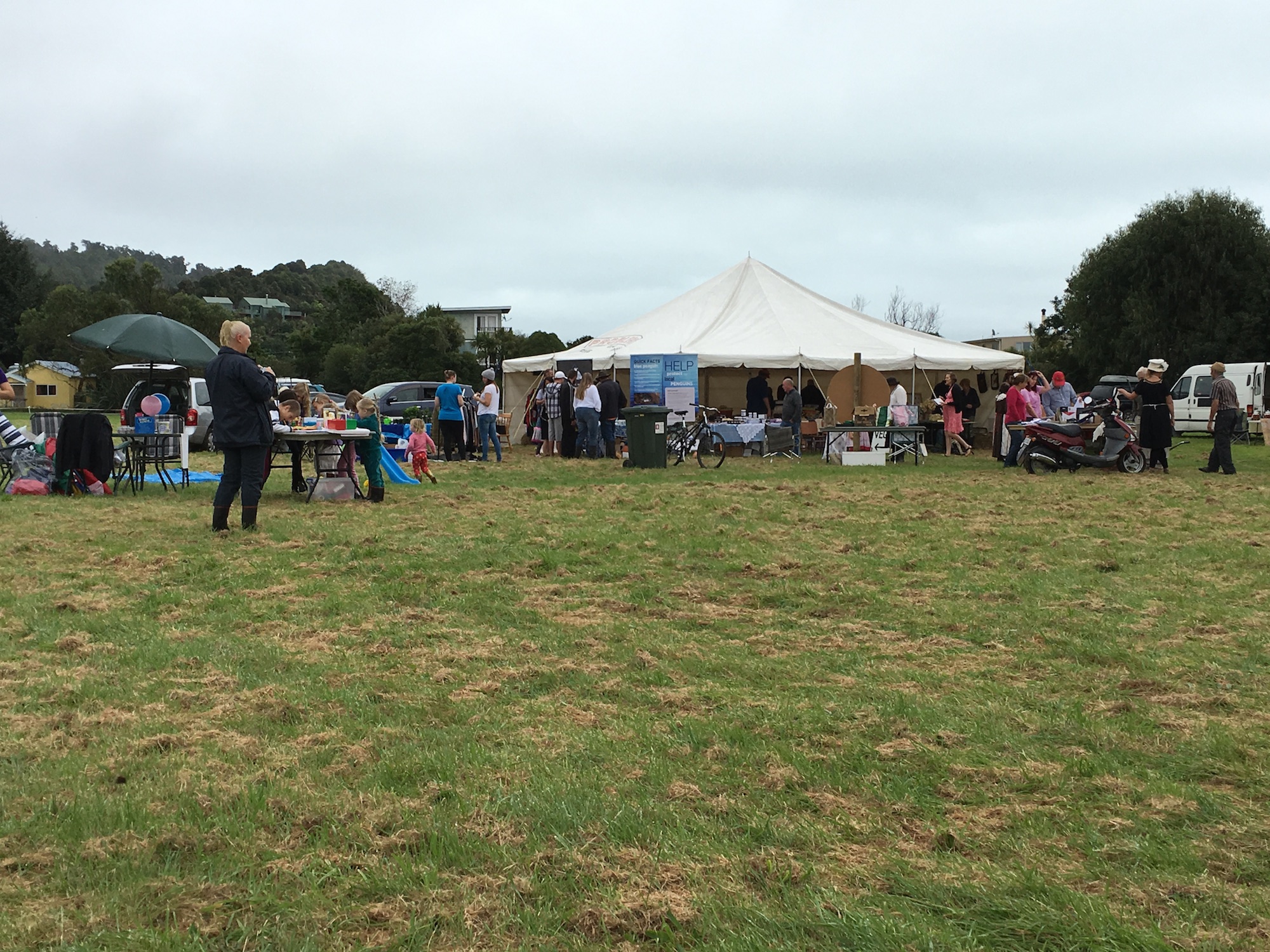
2016-03-26 10.31.51 smWe spent Friday and Saturday nights last week at the Okarito campground. As it happened, Saturday was Okarito’s 150th anniversary celebration. Okarito used to be a town of about 4000 people, back in the late 1800s when the West Coast gold fields were booming. The town sported a 25 hotels, 3 theatres, two banks, several general stores, and a public swimming pool, Today it has a year-round population of about 30. Most of what was once bustling streets has been reclaimed by the rainforest. There are no hotels (though many of the baches are rented as holiday homes), no banks, no pool, and the only remaining general store serves as a tiny museum and event venue seating 40. You can buy a coffee and insect repellent at the local kayak rental company.

Okarito is 30 minutes drive from the township of Franz Josef Glacier, and 3 hours from Hokitika. In the middle of nowhere, I was curious to see how many people would actually show up to the town’s 150th celebration.

It started off slow…

The festivities were scheduled to start at 9 am and run through to 10 pm on Saturday. At 9.00, there were a few people setting up in the marquis…

About 10.30, the bouncy castle was inflated, and half a dozen kids tumbled around on it. We bought a coffee from a food truck that had parked on the edge of the commons and some baked goods from some girls who had set up a table on the lawn. There was a woodworker, the local scout troupe, a few Department of Conservation staff, some locals selling second-hand goods, a knitter selling baby sweaters, a woman selling jam and goat cheese…And very few customers.

By the time the auction started, there might have been 50 visitors, most locals. A good proportion of the items up for auction were purchased by the auctioneer.

A couple of dozen people enjoyed the barbecue dinner.

When the band started playing at 7pm, there were maybe 30 people in attendance. But the music brought out a surprising number, and within half an hour, there was an audience of 125.

Most of that 125 knew one another. They were local farmers, residents, bach owners, regular visitors, and young people working the local tourism industry. Everyone knew each others’ dogs by name, and the dogs chased each other around the crowd like young cousins at the annual Labour Day get-together. It was a lovely atmosphere—more like a family reunion than a public event.

I don’t know whether the Community Association had hoped for a larger crowd, or if it exceeded their expectations. I don’t know if they made back the cost of the marquis rental. But I do know that those who were there smiled, laughed, and enjoyed the day.

Otira Valley

2016-03-25 10.41.03 smWe spent the past three days on the West Coast. On the way over the mountains, we stopped for a hike up the Otira Valley.

The track goes through stunning, diverse alpine vegetation, much of which was in seed at this time of year—lots of weird and wonderful berries to be seen! Though we were lucky to avoid being rained on ourselves, there had been recent rain, so the track was wet, and every little rivulet was running. The Otira River roared below us.

The day was moody, and low clouds shrouded the mountain tops around us.

2016-03-25 11.19.21 HDR smI love the alpine environment. One of the most wonderful things about it is that its beauty lies both in the minute plant life clinging to the rocks, and in the grand vistas—one must view the landscape at both scales to fully appreciate it. We spent our time divided between marvelling over some tiny plant, and admiring the peaks and waterfalls around us.

Hedge trimming

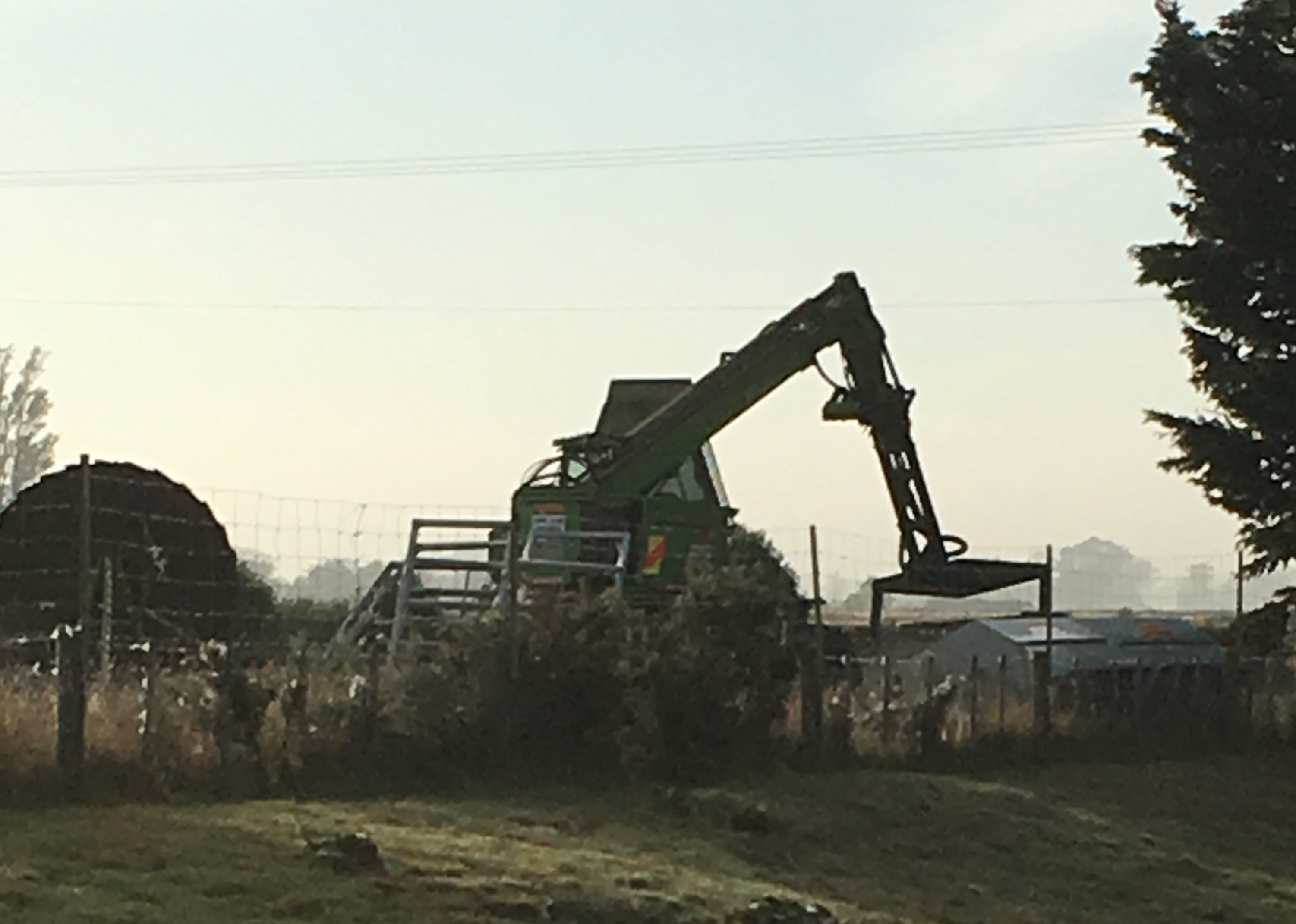
Trimmer looming out of the early morning fog. Note the circular blade to the left--he switched to that later.

Trimmer looming out of the early morning fog next door. Note the circular blade to the left–he switched to that later.

THWACK! THWACK! THWACK! THWACK! THWACK! THWACK!

The sound, like a helicopter crashing into a stand of trees, is unmistakable, though the first time I heard it, I had no idea what it was—a giant hedge trimmer.

Hedges are a necessity here on the windswept Canterbury Plains, and autumn is hedge trimming season.

Our hedge, hemmed in by fruit trees and the septic system, has to be trimmed by hand—a full-day job for my husband and me, and one we put off as long as we can every year.

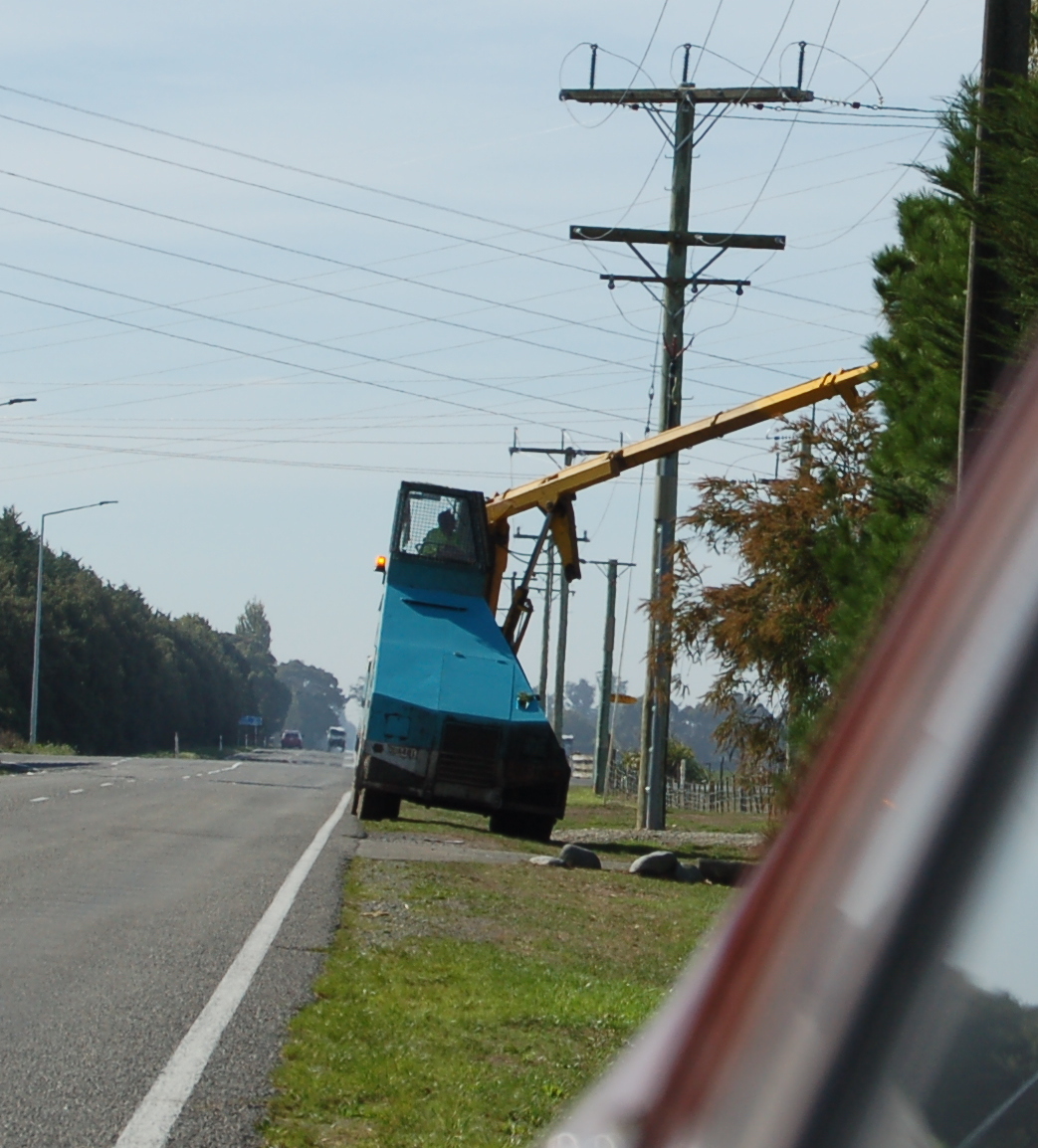
Here's another, snapped along the roadside on the way to town.

Here’s another, snapped along the roadside on the way to town.

Our neighbours, however, have their hedges trimmed by professional hedging contractors. The hedge trimming machines they use are terrifying—giant, armoured vehicles with a long crane arm bearing any one of a number of wicked-looking cutting devices.

There are circular saw blades the size of a man, two-metre wide lawn mower blades, heavy chains that just beat the branches off the hedge. The machines must be Occupational Safety and Health’s worst nightmare. Some have an 18 metre reach, and the result is perfectly trimmed hedges the size of castle battlements.


Melon time

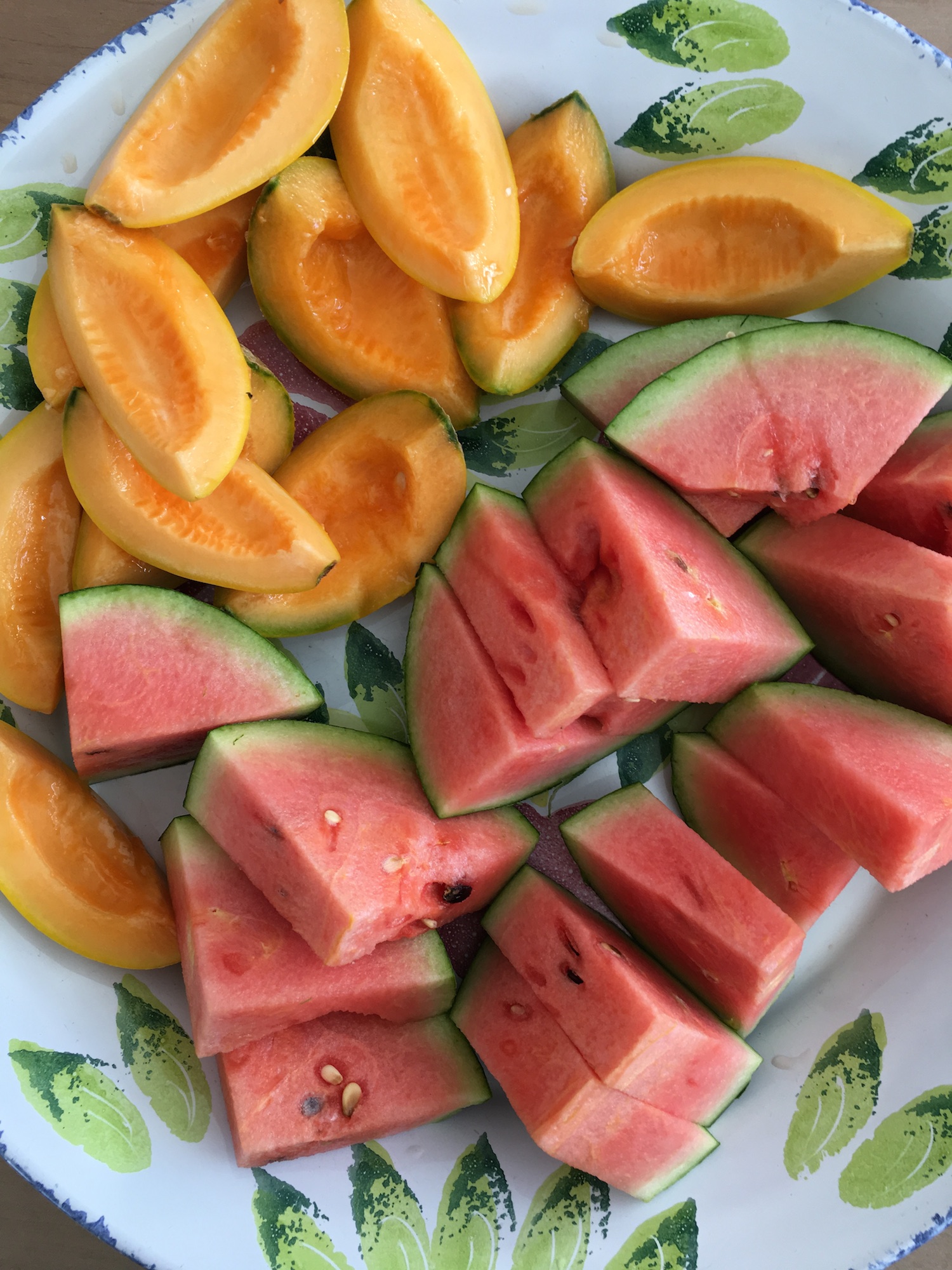
2016-03-14 17.47.43 smThey only just squeak into summer here, screaming in at the last minute, if they come at all.

Melons usually hate Canterbury summers—cool and dry just isn’t melon weather. I plant them every year anyway, because sometimes they manage.

This year has been a good year for melons. They would have liked more water, but they at least had the heat they wanted. Most of the melons are grapefruit-sized, but they’re delicious, and because they’re so small, they make fabulous lunchbox fruits—cut them in half, scoop out the seeds, then put the halves back together with a rubber band, and they travel beautifully.

And though they come in only after summer is officially over, they are still the ultimate flavour of summer.

German Wasps

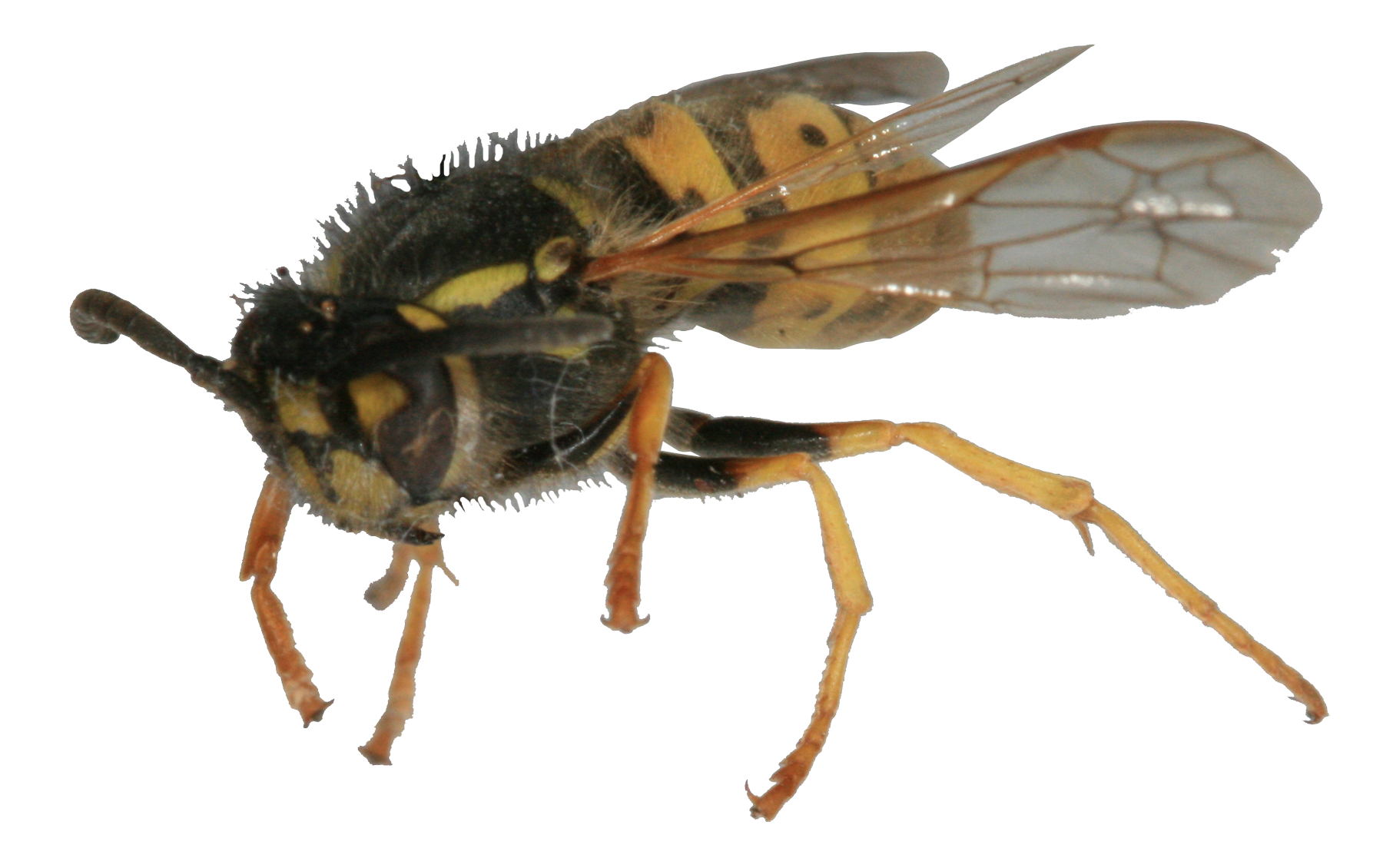
GermanWaspCanning fruit or tomatoes always brings them around—the German wasps can’t resist the sweet/tart smell of chutney, tomato sauce, or apples. And of course, their numbers are highest in late summer/early autumn when we’re doing lots of canning.

Today, they flitted around the kitchen most of the afternoon, licking up applesauce from the benchtops, and generally being a nuisance.

German wasps are opportunistic feeders—they’ll eat most anything, from fruit, to dead animals, to live insects. In the house, they not only go for whatever’s cooking on the stove, but they catch houseflies in mid-air, chomping them messily on the windowsills and leaving cast off fly legs and wings all over the place.

Though they are a nuisance indoors, and can prove deadly to people like me, with allergies to their stings, they do their worst damage in our native forests where they rampage like a pack of hungry teenage boys.

As flexible scavengers whose numbers can grow to an estimated 10,000 wasps per hectare in beech forest, their impact can be devastating. They compete for food with native birds, lizards, and bats. They also eat native insects and even baby birds.

Almost every year, we have a wasp nest somewhere on the property. I haven’t found this year’s yet, though by the number of wasps enjoying my applesauce today, I know there’s a nest somewhere nearby. When I find it, I’ll destroy it—from an environmental perspective, and from a personal safety perspective it needs to be done.

But I admit I will do so with a twinge of guilt. Troublesome as they are, I have great respect for wasps. These beautiful animals are the ultimate efficient eating machine. They are no-nonsense foragers who go out and get the job done so well that they’ve been able to invade diverse habitats throughout the world. I may not like the consequences of that, but I can admire an animal flexible enough to thrive almost anywhere.

The Midges!

A male midge, with feathery antennae.

A male midge, with feathery antennae.

It was like a scene from an Alfred Hitchcock film. The sliding glass doors of my office were swarming with midges, commonly called lakeflies here (because they lay their eggs in nearby Te Waihora/Lake Ellesmere, and rise off the lake in huge swarms in summer). By their density (at least 1 per square centimetre), and the size of the doors, I estimated that there were at least 90,000 on the doors alone, not counting the ones swarming around looking for landing space.

I had been working late in the office, with the lights on, and they were attracted to the light. I turned off the light, took a deep breath (breathing in midges is horrible), and bolted out the door, slamming it closed behind me.

A female midge, with thread-like antennae.

A female midge, with thread-like antennae.

There were about a hundred on my ceiling in the morning. I reckon that was pretty good, given how many were knocking on the door.

I actually don’t mind the midges much. They don’t bite, and their appearances are brief, if dramatic.

But the question is, what are they all doing in those great big swarms? Well, the swarms are great big mating displays called leks. Male midges (they are the ones with feathery antennae), fly around in large swarms trying to attract the eye of a female. The females drop by the lek, pick out their favourite male, and mate with him. The resulting eggs are laid in slow-moving bodies of water (or sometimes on wet car parks, where I imagine they don’t live long).

The larvae of our particular midges are called bloodworms. They are one of the few insects that have haemoglobin in their blood. That’s what gives our blood its red colour, and it does the same to the midge larvae. The haemoglobin allows the midge larvae to live in low-oxygen, stagnant water, because it can capture and store oxygen, just as it does in our blood.

Midge larvae are a critical part of the food chain in many terrestrial aquatic ecosystems, feeding fish and other insects. They also must be important food on land, too. The spiders and songbirds certainly enjoy them when they swarm.

Still, in spite of their harmlessness and their ecological importance, I think Hitchcock could have had made a great movie of them.

Jewels in the Garden

groundbeetlesmDigging potatoes for dinner yesterday, I came across one of my favourite New Zealand insects—the metallic green ground beetle.

When I teach about this insect, I always tell the kids it’s magical because at first glance it appears to be just a large black beetle. A closer look, however, reveals shimmering green around the edges.

Some individuals are more spectacularly green than others, and the one I found yesterday was one of the most vibrant I’ve seen.

Metallic green ground beetles are welcome in the garden. As larvae and as adults they eat slugs, grass grubs, and caterpillars—some of my worst pests.

But I think that what makes metallic green ground beetles most special is that they are endemic, not just to New Zealand, but to the Canterbury region. That means they are found nowhere else on Earth but in this little region of New Zealand.

They aren’t rare or endangered—they thrive in nearly every environment. They have close relatives nearby. But I appreciate the fact they are our own unique jewels.

Soundtrack For the Drive Home on a Summer Evening

(with special thanks to Dave Dobbyn)


2016-02-24 20.57.32Traffic thins, dusk falls

Be mine tonight.

Windows down, breathe cool air

Just add water and dissolve, Baby.

100 kilometres per hour past disinterested sheep

Guilty through neglect.

Moths in the headlights make furry windshield thuds

The outlook for Thursday, your guess is good as mine.

Stray hairs tap tap tap a rhythm on my cheek

It’s magic what she do.

Purple mountains against a bruised apricot sky

Shouldn’t you ought to be in love?

Kids playing frisbee in the dusk

            Call me loyal

Round the bend, the neighbour’s dogs bark

Welcome home.

22 February 2011

100_0076 smToday is the fifth anniversary of the Christchurch earthquake that killed 185 people and brought life as we knew it to a grinding halt.

It was the day my husband insisted we get cell phones.

It was the day I started posting details of my whereabouts on the fridge every morning, just in case I didn’t make it home.

Our house was fine (anything vulnerable to quakes had been destroyed by the September 2010 quake), and we watched in dismay as news of the destruction and death in town trickled out to us. We watched the rescue helicopters fly over, ferrying patients to Dunedin.

When we loaded the car with tools and food and drove to the eastern suburbs two days later to do what we could to help, we were stunned by the destruction.

Five years later, those eastern suburbs are still struggling, and life for all of us is fundamentally changed.

New Zealand sits on the Ring of Fire. It was built by the Ring of Fire. Earthquakes and volcanoes are simply what happens here.

Do earthquakes frighten me? I don’t know if frighten is the right word, but I will admit to a surge of adrenaline with every tremor. I admit that whenever I enter a new room or building now, I immediately assess earthquake hazards, shelter, and exits. I’ve lost my love of cliffs and caves, replaced by wariness and visions of falling rocks. I still pause at the sound of a loud rumble, poised to dive under the table until it resolves into the sound of a truck.

I suppose we could leave New Zealand. We could move back to the U.S., to live on firmer ground.

But, much as I hate to admit it about my homeland, there is an ugly culture of fear in the U.S. When a presidential candidate can preach a doctrine of hatred, misogyny, and racism and gain in the polls, that feels like a betrayal. When schools are patrolled by armed guards, it is an outrage. When violence against each other is considered normal, there has been a failure of humanity and society.

But in an earthquake, there is no malice. Though it may cause great destruction, it is impersonal. It is simply the earth doing what the earth does. An earthquake is not a betrayal. It is not an outrage. It is not a failure of humanity and society.

Not that bad people don’t do bad things in New Zealand—there is racism, sexism, and violence here, too. But here I need not wonder who is packing heat on the street. Children walk to school. Fear of each other does not pervade life.

And so I choose earthquakes. I choose the destruction and stress, the uncertainty, and the inconvenience. And if someday the earth should shrug me off as it shifts to a more comfortable position, I’m okay with that.


Sounds of Summer

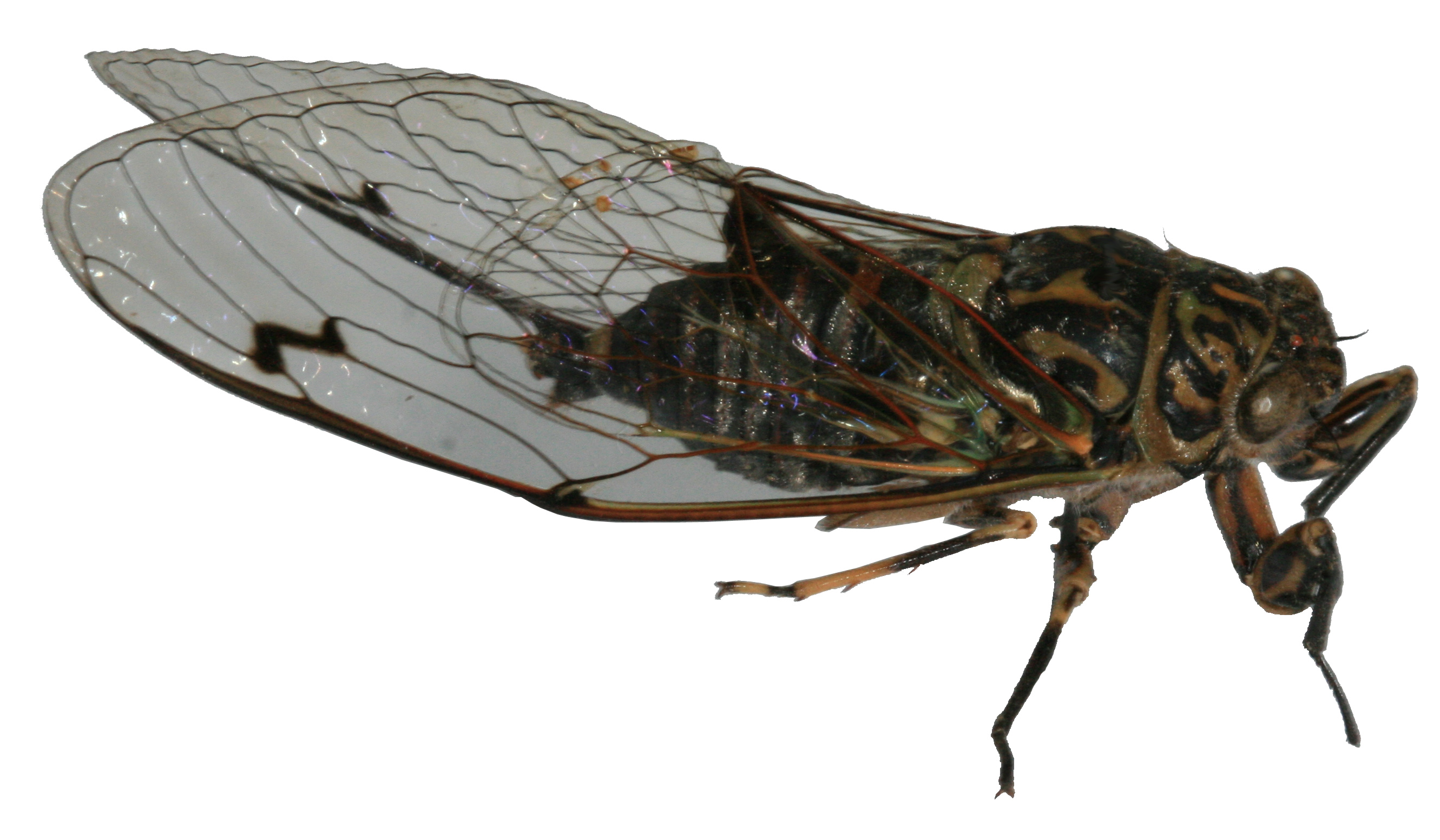
cicada2As we drove to the beach this afternoon, we passed out of the agriculturally blasted plains to the slightly less blasted Banks Peninsula. As we drew closer to the remnants of bush on the Peninsula, the decibel level outside the car rose dramatically. The culprit was the chorus cicada/kihikihi wawā (Amphipsalta zealandica). Wawā means roaring like heavy rain, and it’s an excellent description of the noise the males make en masse from every bush and tree. In some places, they are so loud, that conversation is completely impossible.

But their chorus is summer here. The season hasn’t really arrived until the cicadas start calling in January. As my husband noted today as we drove, “It just feels warmer when the cicadas are calling.”

And for as long as they call, we will believe it is summer. For as long as they call, we will feel we are on vacation, and the work week is simply a temporary interruption between trips to the beach.