Eggplant

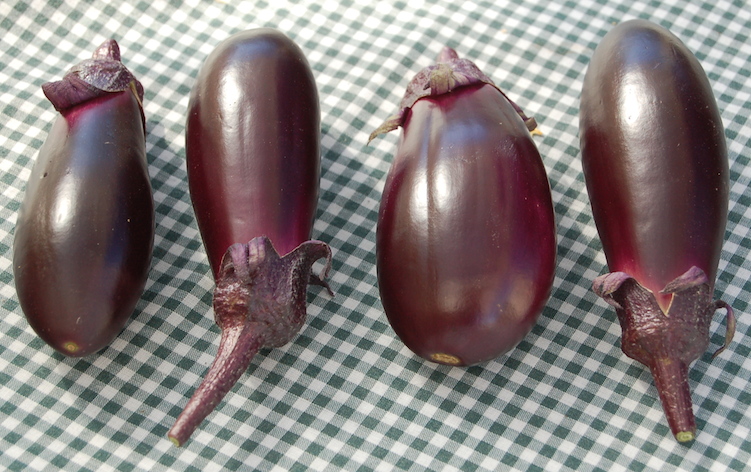
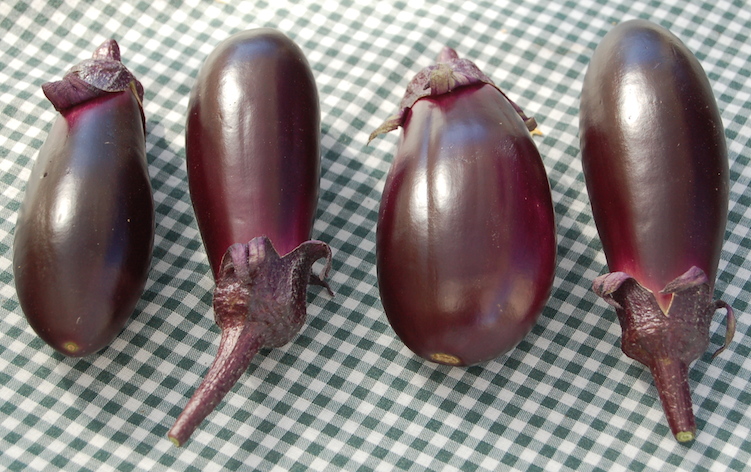
eggplants4cropsmEggplant is native to a wide region stretching from India through Asia into China. Unlike some of our vegetables, eggplant has changed little over the 2000+ years it has been cultivated. In different times and cultures, a varied and contradictory array of properties have been attributed to the plant. Is it an aphrodisiac, or a cure for diabetes? Does it cause uterine damage, or relieve asthma? Is it the source of leprosy, or a cure for ear disease? Today, various sources claim eating eggplant skin can reduce your risk of cancer, obesity, and heart disease (and there is limited research to back up these claims), but the important thing about eggplant is that it is delicious.

I know, I know, some of you are saying, “Are you kidding? Eggplant is disgusting!” I admit, it can be. Eggplant can be bitter, rubbery, and thoroughly unlikable. Big, mature eggplants you find in the grocery store, shipped from Spain during the winter, are often less than tasty, but there is nothing more amazing than a young, freshly picked eggplant. I seldom need to salt my eggplants (which helps if the fruit is bitter), and I use eggplant in dozens of ways. From January to April it serves as our “meat”. Grated, it thickens spaghetti sauce, sliced thin and sautéed it adds deep flavours to a stir fry, on the grill, it soaks up marinade and turns to a melt-in-your mouth consistency.

My kids like it best as the “fish” in my vegetarian fish and chips. I make up a spicy batter (just as you would for the real thing), and fry big lengthwise slabs of battered eggplant until it’s just cooked and still firm. Served with a generous tray of oven fries, it’s as good as fast food gets.

In fact, one of my favourite bar meals (back when I used to go to a bar maybe once a year) used to be eggplant sandwiches at some place in Ann Arbor, Michigan. Battered, fried eggplant slabs smothered in tomato sauce and cheese in a big sub roll. Mmm!

Yeah, you may think eggplant is good for you, but to me, it’s just plain good.

Do you have a favourite way to eat eggplant?
Veggie Burgers

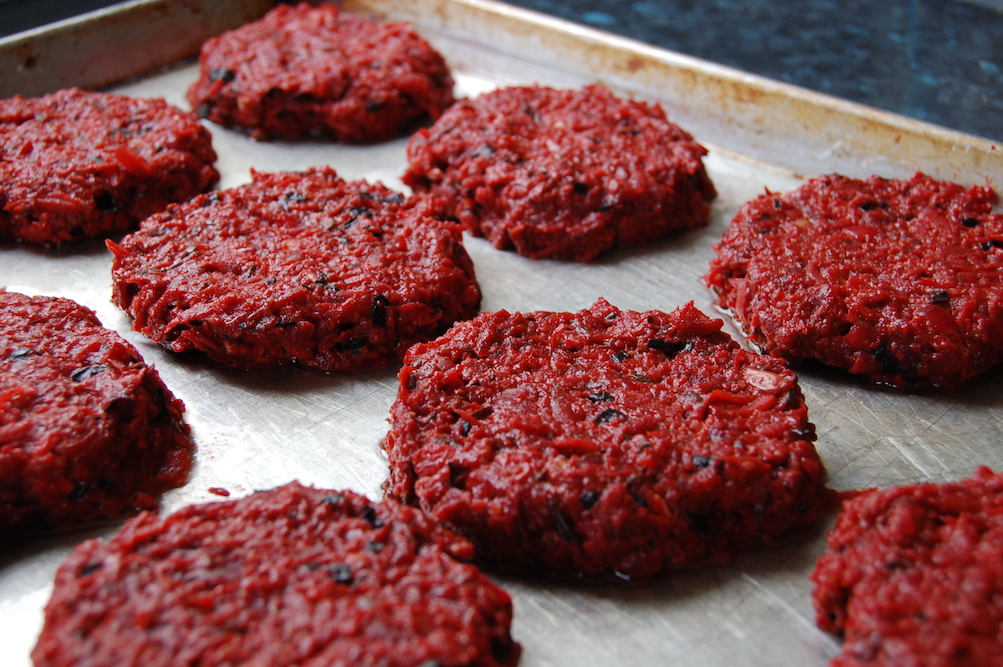
veggie burgers4 smOne of my favourite ways to eat overabundant summer vegetables is as burgers. After weeks of eating the same veggies over and over, burgers are a great way to make vegetables seem like not just ANOTHER dinner of zucchini (or whatever else we’ve been eating that week). And, of course, there’s nothing better in summer than a good burger dripping with melted cheese and slathered in ketchup!

As a vegetarian, I’ve experimented with a wide array of burger recipes. Some have great flavour, but fall apart when they’re flipped. Others taste dry and dull. Over the years, I’ve combined ingredients and techniques from dozens of vegetarian burger recipes to arrive at a versatile, simple recipe that tastes great, holds together well, and freezes beautifully. This recipe works with just about any vegetable you can grate, and I rarely make it the same way twice, because I use whatever is coming out of the garden at the time.

Here is my base recipe. I’ve included specific quantities as a guide, but I rarely actually measure anything that goes into my burgers—I measure my oats by the handful, and my oil by the glug—the burgers are reasonably forgiving, once you have a feel for what the final consistency should be like.

1 onion, finely chopped

2 cloves garlic, crushed or finely chopped

1 Tbs paprika (or ½ Tbs smoked paprika, or a combination of the two)

6-8 cups grated vegetables (any summer squash, carrots, beets, eggplant—use whatever you have in abundance)

½ cup old-fashioned rolled oats (or up to a cup, if your vegetables are particularly moist)

½ cup fresh herbs, finely chopped (basil, parsley, oregano, rosemary, and/or thyme)

¾ cup nuts or seeds, toasted and ground to a fine powder (sunflower seeds, walnuts, and cashews are my favourites)

1 tsp prepared mustard

3 Tbs sesame oil

1 ½ Tbs soy sauce

½ tsp ground fennel

1 tsp dried oregano

Black pepper to taste

1-2 eggs

½ c – 2 c bread crumbs

Preheat the oven to 375˚F (190˚C). Place nuts or seeds in a shallow pan and into the heating oven to toast. When they’re ready, they will be aromatic and slightly browned. Grind them in a spice or coffee grinder, or in a rotary cheese grater.

While the nuts are toasting, gently sauté the onion, garlic and paprika in a large skillet until the onion is translucent. Add grated vegetables and ¼ cup of water to the skillet, cover and let the vegetables cook until they begin to soften and release moisture, stirring occasionally. Once the vegetables begin to soften, add the oats and cook uncovered until most of the moisture is gone.

Mix all the ingredients except the eggs and bread crumbs together in a large mixing bowl and taste for spicing. Add enough bread crumbs to make the mix stiff, but not dry. Thoroughly mix in the eggs. Form into patties and place on a well-oiled baking sheet. Bake for 25-30 minutes, turning the burgers after about 15 minutes.

To make cheeseburgers, lay a slice of cheese over each burger 5 minutes before the end of baking.

Using the larger amount of vegetables, this recipe makes enough for two dinners for my family of four. The burgers freeze well and make a great dinner to pull out at the end of a busy day. Layer waxed paper between fully baked burgers so you can easily separate them when frozen. Reheat in the microwave or in the oven.


Eggplant

eggplants4cropsmEggplant is native to a wide region stretching from India through Asia into China. Unlike some of our vegetables, eggplant has changed little over the 2000+ years it has been cultivated. In different times and cultures, a varied and contradictory array of properties have been attributed to the plant. Is it an aphrodisiac, or a cure for diabetes? Does it cause uterine damage, or relieve asthma? Is it the source of leprosy, or a cure for ear disease? Today, various sources claim eating eggplant skin can reduce your risk of cancer, obesity, and heart disease (and there is limited research to back up these claims), but the important thing about eggplant is that it is delicious.

I know, I know, some of you are saying, “Are you kidding? Eggplant is disgusting!” I admit, it can be. Eggplant can be bitter, rubbery, and thoroughly unlikable. Big, mature eggplants you find in the grocery store, shipped from Spain during the winter, are often less than tasty, but there is nothing more amazing than a young, freshly picked eggplant. I seldom need to salt my eggplants (which helps if the fruit is bitter), and I use eggplant in dozens of ways. From January to April it serves as our “meat”. Grated, it thickens spaghetti sauce, sliced thin and sautéed it adds deep flavours to a stir fry, on the grill, it soaks up marinade and turns to a melt-in-your mouth consistency.

My kids like it best as the “fish” in my vegetarian fish and chips. I make up a spicy batter (just as you would for the real thing), and fry big lengthwise slabs of battered eggplant until it’s just cooked and still firm. Served with a generous tray of oven fries, it’s as good as fast food gets.

In fact, one of my favourite bar meals (back when I used to go to a bar maybe once a year) used to be eggplant sandwiches at some place in Ann Arbor, Michigan. Battered, fried eggplant slabs smothered in tomato sauce and cheese in a big sub roll. Mmm!

Yeah, you may think eggplant is good for you, but to me, it’s just plain good.

Do you have a favourite way to eat eggplant?
A Long-term Relationship with Food

grilled veggies meal3 smDieting websites and the media like to talk about our “relationship” with food–how and why we eat, how we use food to modulate our mood or to fill emotional needs. They tell us that if we can identify our eating habits, we can change them to become thinner or more healthy.

A gardener’s relationship with food encompasses far more than eating. It is more than a late-night ice cream binge; it is a long-term affair. I plan the garden, till the soil, plant the seeds, water, weed, squish pests, and do a hundred other tasks before finally harvesting, preparing and eating the food. For some foods, the relationship lasts well over a year, from planting to eating (or many years, if you consider the fruit trees).

A gardener’s relationship with food revolves about the seasons. A vegetable out of season tastes wrong, leaves me unsatisfied. Likewise, when a food is in season can become a key part of my relationship with it. For example, artichokes have become a comfort food for me, because they reliably produce during the early spring gap when there’s almost nothing to eat in the garden.

Do I love you because you're beautiful?

Do I love you because you’re beautiful?

A gardener’s relationship with food includes feelings about different varieties of plant. For example, I absolutely adore Brandywine tomatoes, so much so that I insist on planting them, even though they prefer a much hotter, longer summer, and don’t do well here. And I’ve grown very fond of Russian Red tomatoes, because they keep on producing until they are pounded down by repeated frosts, long after other varieties have given up.

A gardener’s relationship with food includes how a food is harvested and stored. Pumpkins make me feel surrounded by loved ones, because the family often helps pick, sort and store them. Hot peppers and garlic become special because of the care needed to string and braid them for storage, and their beauty as they hang in the kitchen waiting to be used.

A gardener’s relationship with food includes how it is prepared. For example, a jar of soup heated quickly for dinner when we all come home late is one of the most satisfying meals I know, because the soup was made by the whole family in an all-day team effort at the end of summer.

100_2519smMost importantly, I believe, a gardener’s relationship with food is a mutual one—I nurture the food, and the food nurtures me and my family. I walk through the garden and am fed. And when the family sits down to a meal, we thank not only the cook, but the gardener and the plants for the bounty before us.

Summer Simplicity

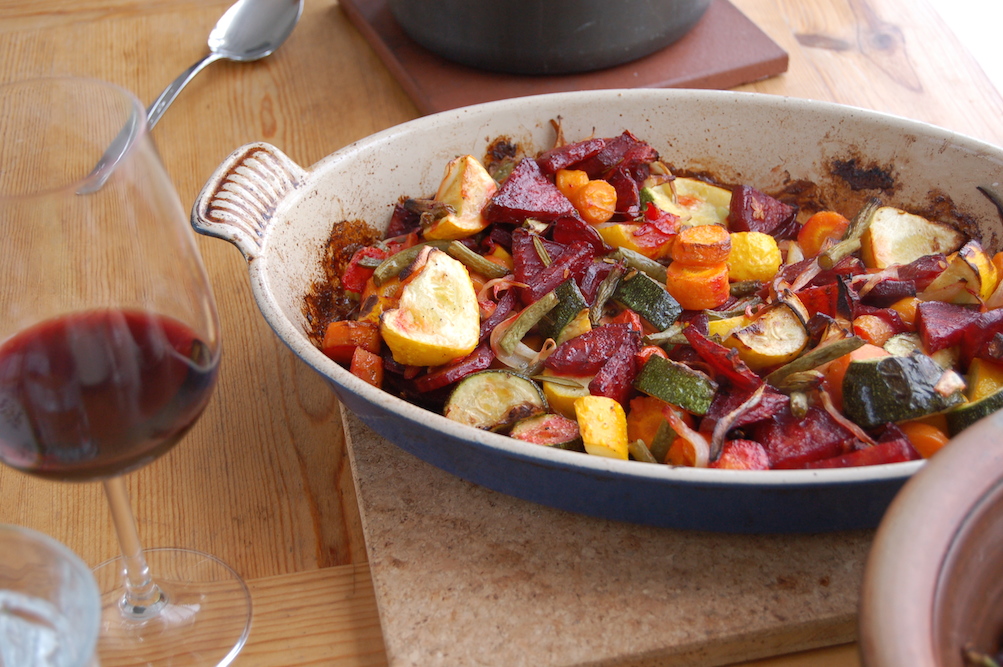
Roast veggies3smIronically, it’s when the garden is absolutely bursting with vegetables that I least feel like cooking. Hot summer days make me want to stay outside until dark. I don’t want to go inside to stand over a hot stove. I’d be happy to walk through the garden “grazing” instead of sitting down to a meal.

The good thing is that with so many vegetables at their best, summer cooking need not be elaborate. Simply prepared, and lightly cooked, fresh summer vegetables are at their best. Here is my absolute favourite simple summer meal. Though this dish does heat the kitchen, it’s quick to prepare and doesn’t need watching, so you can sit on the porch with a cool drink while it bakes.

Roast Vegetables

Chop a selection of vegetables into large chunks. Any of the following do nicely:

Carrot

Zucchini/courgette

Eggplant

Tomato (whole cherry tomatoes are especially nice)

Green beans

Potato

Sweet corn (still on the cob, cut each ear into about 4 chunks)

Sweet pepper/capsicum

Beets/beetroot (sliced to about 3mm so it cooks fully)

Mushrooms

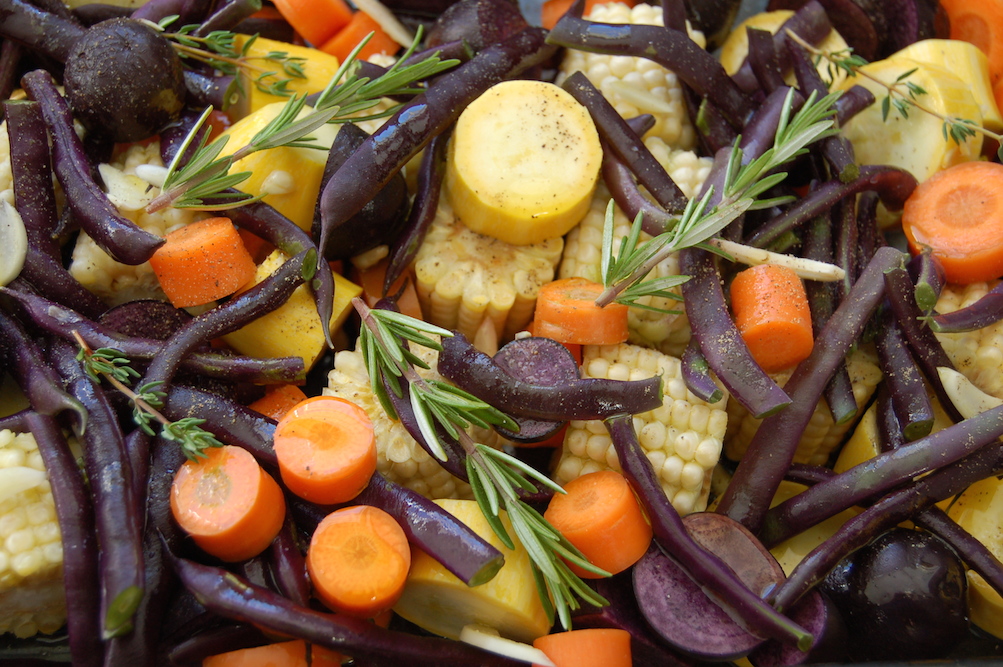
Put the vegetables into a wide baking dish, along with 2 cloves of sliced garlic, a few sprigs of fresh rosemary and/or thyme, and salt and pepper to taste. Drizzle a generous amount of olive oil over the vegetables, and toss until evenly coated. Bake at 230°C (450°F) for about 30 minutes, stirring once after 15 minutes. Serve hot or at room temperature.


The Pickle Lady

dilled beans7 smWhenever I think of my great grandmother Sturgis, I think of pickles. Now, she died when I was just a young child, so I’m certain my memory of her is wildly inaccurate, so I offer my sincere apologies to anyone who knew her. What I remember about her is hundreds and hundreds of jars of pickles—way more than an elderly married couple ever needed or could possibly consume. I remember a basement lined with shelves laden with dusty jars of all types of pickle–chunks, bread and butter slices, whole sweet pickles, dill spears… I imagine her an avid gardener who just couldn’t bring herself to rip out those cucumber plants once she’d put up enough pickles for the year. I know the temptation. The cucumbers are there. Pickles are good. You wouldn’t want those cucumbers to go to waste, would you? Pretty soon, the pantry shelves are groaning under the weight of pickle jars, you’re buying vinegar by the case, and you’re sending every guest home with a selection of half a dozen types of pickle. Before you know it, you’re known as “The Pickle Lady”. Neighbourhood children sneak around the house, daring each other to peek through the windows for a glimpse of the reinforced steel shelving stacked with pickles. Guests feign cucumber allergies. Family members drop hints about obsessive compulsive disorders their “friends” have. Your husband threatens to move out unless you remove the stacks of pickle jars from the bedroom.

This is why I only plant pickling cucumbers every other year. I can easily make two years’ supply of pickles with one planting (and still have cucumbers left over for the neighbours who like to make their own pickles). And it reduces the risk of becoming The Pickle Lady.

Of course, other vegetables can be pickled…

If you can’t beat ‘em…

Weeds. Gardeners hate them.

But weeds are just plants. And the weeds in my garden here in New Zealand are almost identical to the weeds I had in my garden in Pennsylvania, and the one in Minnesota, and even my garden in Panama.

So what are these weeds? They’re the plants that European colonists couldn’t do without. Food, medicine, pest control—it’s all there in those common garden weeds. Back when my husband and I lived and worked at residential camps and couldn’t have a garden, we used to forage for weeds to supplement the nutritionally suspect camp food we were served. Dandelions were one of our favourite early spring salad greens. Picked at the right time (before the flowers emerge), they are nutty and pleasantly bitter.

I took a walk around my garden today, and found the makings of a lovely meal among the weeds.

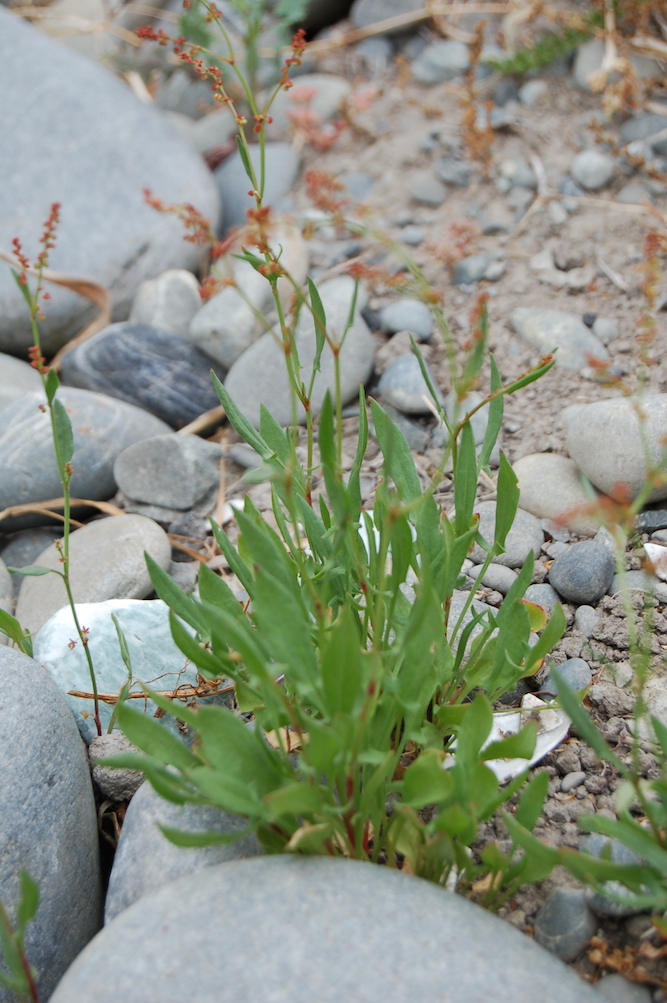
You'll be happy to eat pernicious sheep sorrel, just so the @#$&* things don't resprout.

You’ll be happy to eat pernicious sheep sorrel, just so the @#$&* things don’t resprout.

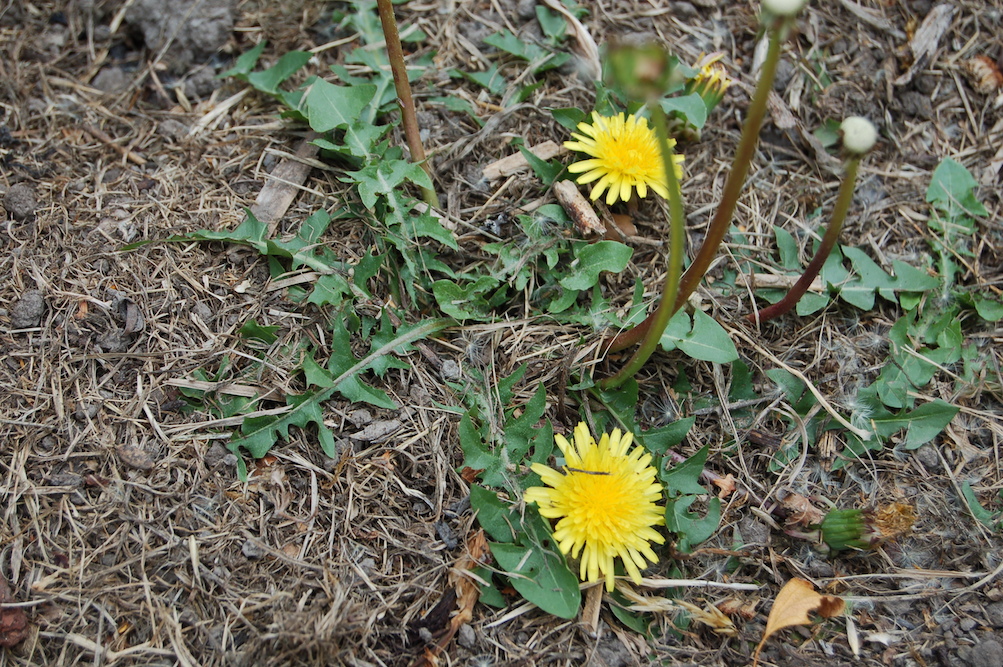
Dandelion greens make a delicious, nutty early spring green. Pick them before they flower or they'll be bitter.

Dandelion greens make a delicious, nutty early spring green. Pick them before they flower or they’ll be bitter.

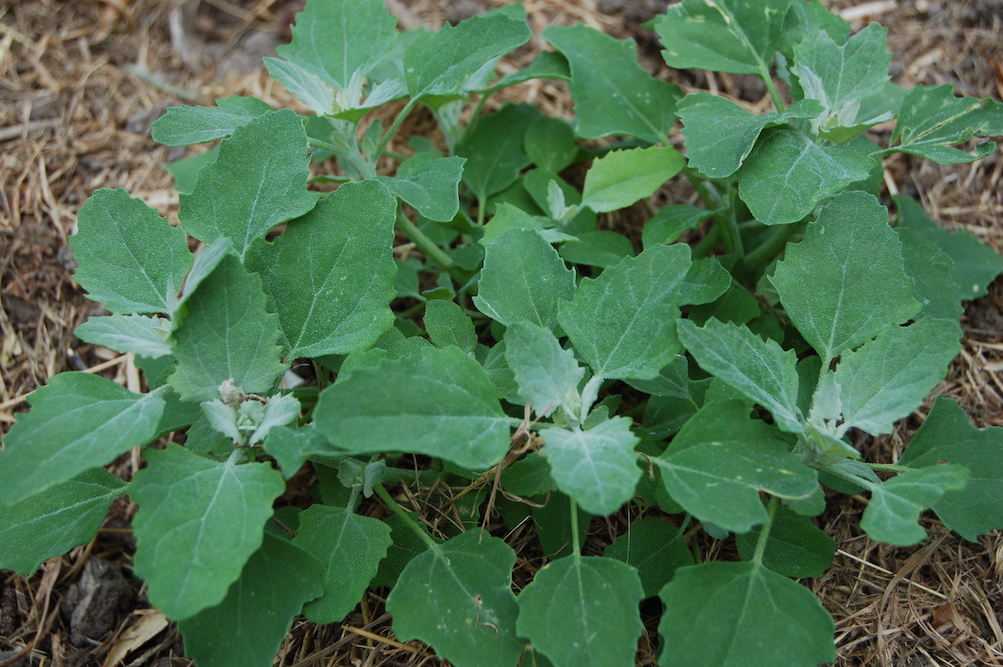
Lambs quarters, or henbit is a nice salad green all summer. The chickens love it, too.

Lambs quarters, or henbit is a nice salad green all summer. The chickens love it, too.

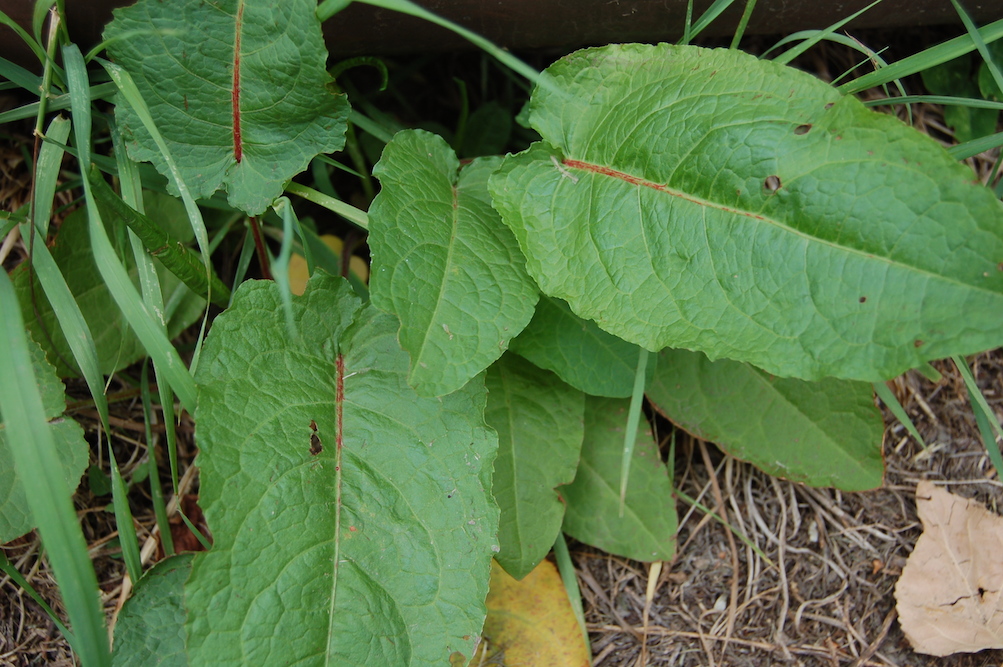
Cook up some dock greens as a side dish.

Cook up some dock greens as a side dish.

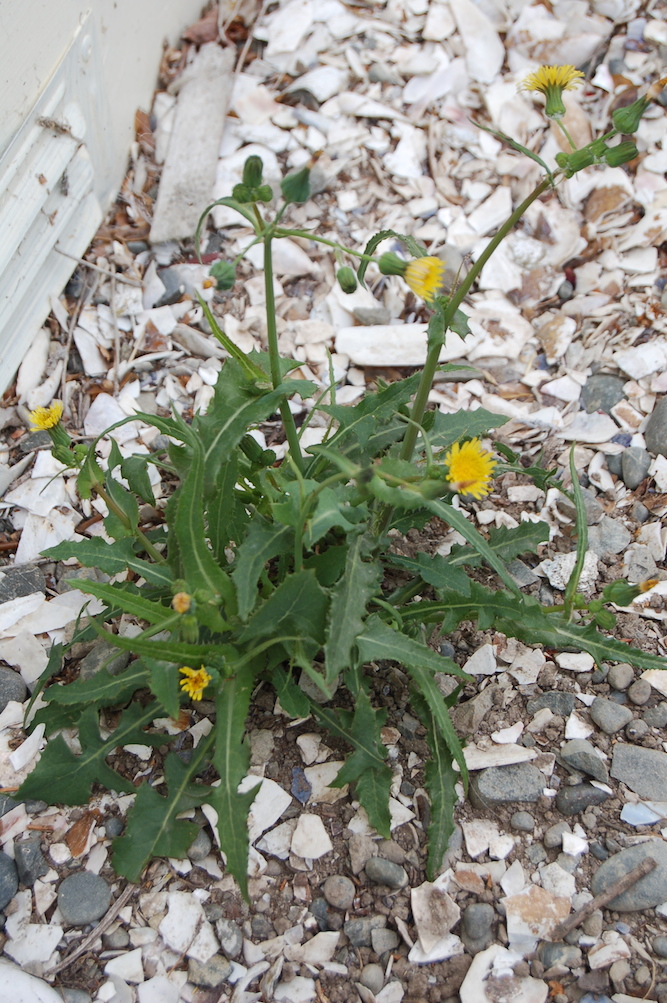
Even prickly sow thistle can be cooked and eaten.

Even prickly sow thistle can be cooked and eaten.


So next time you pull out a handful of weeds, remember—if you can’t beat ‘em, just eat ‘em!

Eating Out

We almost never eat out. It’s a 45 minute drive to anywhere other than a fish and chips shop, and with so much food coming out of the garden, we feel obligated to eat as much of it as possible every day. It’s also hard to eat out because we eat so well at home. Restaurant salads are never as fresh as ours. Eating out, we’re tempted by out-of-season foods, which are always disappointing. And there’s always so much waste at a restaurant (at home, any extras can be fed to the chickens or the goats)

So it was an unusual day today. We dropped the kids at summer camp, and since we were so close already, we had lunch in Akaroa before a swim at Le Bons Bay. We trolled the street (there’s really only one) looking for a good spot. Lots of fish in Akaroa—salmon, mussels, and various other edible sea creatures. There is surprisingly little vegetarian food on offer. What’s available are the standard Kiwi vegetarian options—frittata with kumara and feta cheese, pizza, panini with brie and a few vegetables, plain tomato pasta, and what we ended up with—cheese toasties and hot chips (that’s a toasted cheese sandwich with French fries for you Americans).

We don’t have a toastie maker at home—the clamshell like device that grills a sandwich on both sides at the same time, and makes a very different sort of sandwich than toasted cheese sandwiches on a griddle. We also never deep-fat fry our potatoes, so a toastie with chips is something of an exotic treat for us. Today’s toasties weren’t the best I’ve had, but they were gooey on the inside and crisp on the outside, and the chips were hot and salty. A nice treat.

Of course, we were required to eat extra zucchini at dinner because of it…

Drought

DSC_0011 smIn Christchurch, the City Council and the media are only just now recognising what we gardeners and farmers have known for two months. It’s dry. And hot.

It’s the fate of those who grow plants and raise livestock to grow grimmer and grimmer as everyone else trips off to the beach for yet another perfect summer day.

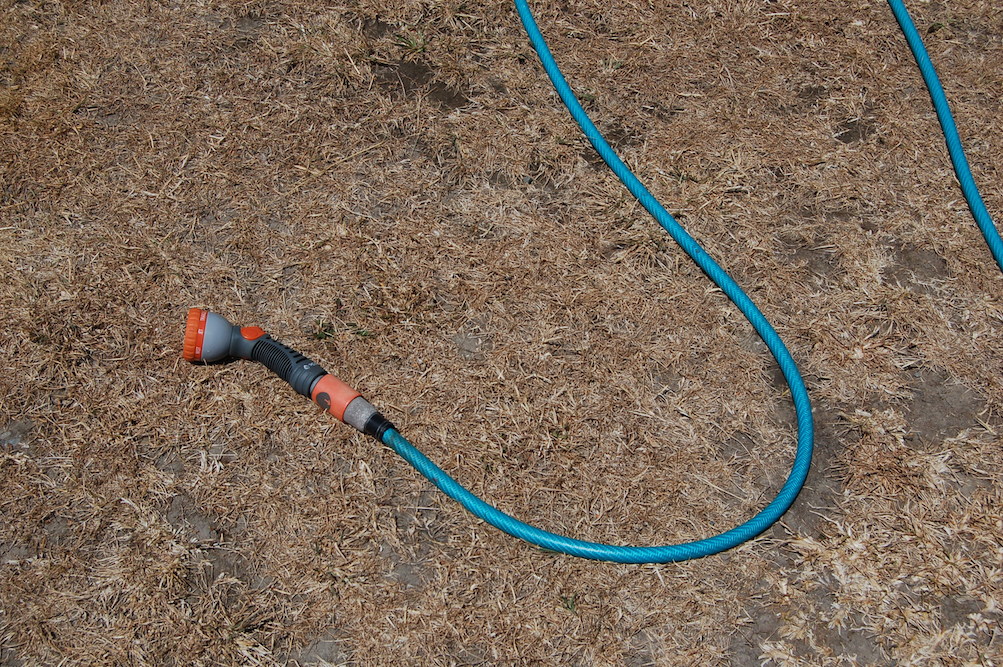
The grass has been dead for at least a month, new plantings have succumbed despite our efforts to water them, and even well established shrubs are showing stress. The poplars—large trees that have been here for forever—are shedding leaves.

Every day begins and ends with watering—food crops are the first priority, then new plantings, then (maybe) established plants. We are thankful for every drop of water that spills over from the neighbour’s irrigator.

Still, not everything will make it, even if it starts raining tomorrow (which it won’t). The ground is hot dust, so dry the water pools on the surface rather than soaking in. So we choose what to water and what not to water, what will live and what will die. We haul extra food to the livestock, because they have little to eat in the paddock. We watch the sky for clouds and sniff the air for smoke (header fires aren’t uncommon out here, and they can spread rapidly). We rescue what we can…then shrug and head to the beach with everyone else.

Vampires Beware!

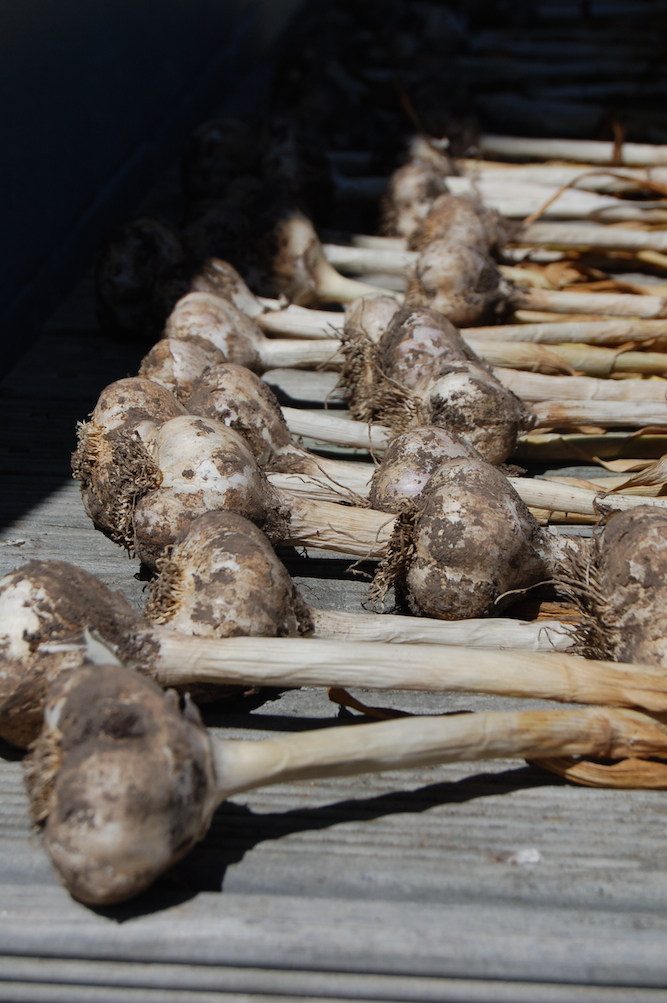
Garlic1smI harvested the garlic a few days ago. The only blessing in the drought we’re experiencing is that the garlic has dried down enough and should store well this year. It’s been curing in the sun, and today I braided it into ropes that will hang in the shed until we need them.

My favourite garlicky dish is Skordalia—Greek garlic sauce. Easy to make, and excellent as a dip for fresh vegetables! We made it last year with purple potatoes, and the vivid colour was a huge hit. Here is the skordalia recipe from Greek Cooking for the Gods, by Eva Zane.

6 cloves of garlic, minced

2 cups mashed potatoes

½ tsp salt

1 cup olive oil

½ cup cider vinegar

Place the garlic, potatoes, and salt in a blender on high speed until smooth. Slowly add the oil, alternating with vinegar, and blend until smooth. Chill for several hours before serving.