Dreaming Big

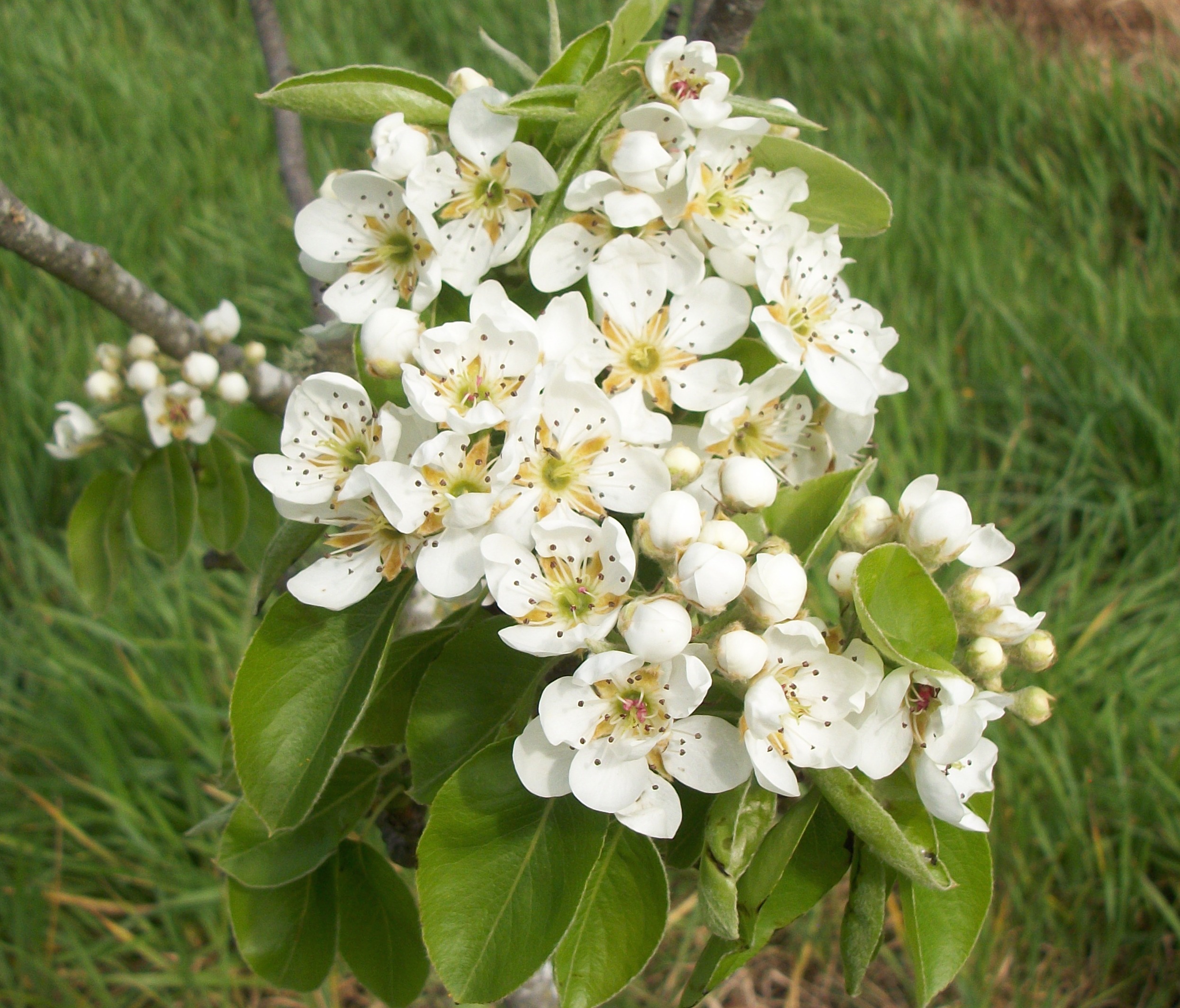
100_3861 cropDon’t count your chickens before they’re hatched.

And don’t count your apples before they’re in the basket.

But it’s lovely this time of year to think what you’re going to do with that fruit if ALL the flowers end up producing a fruit. All the fruit trees were flush with flowers this spring—apples, pears, peaches, cherries…

But it’s a long time between October and April. Anything could happen, and it usually does.

Some of those flowers won’t get pollinated and will drop from the tree once they’re done blooming.

A storm will blow some of the pollinated flowers off the tree.

The tree will naturally prune some of its own fruit, because it simply cannot support so many.

Birds will snatch the small fruits as they ripen, and possums will eat the larger fruits.

A hail storm will damage or destroy more fruit.

Before you know it, there will be, not bushels of apples, but maybe a few. Enough for a couple of pies, some apple crisp. Not the larder-filling bounty that spring promised.

That’s okay. I’ll still count my apples by the flowers each spring. I’ll imagine the applesauce and the pies, the crisp bites of tart flesh, and it will be just as if they were actually here.
Trench Warfare

IMG_3951 smWe have precious few trees on our property, maybe a dozen in total, all clinging to the fence lines, out of the way.

Except that they’re not out of the way, really. Though they only cast brief shade on the vegetable garden, their roots encroach well into the garden. I know exactly where a tree has stretched its toes out by the swath of dead and dying vegetables, and the parched earth that accompanies them. Last year, I lost most of my zucchinis and an entire row of strawberries to the trees’ depredations.

I can pull some of the roots out when I’m weeding, but many invade deep in the soil.

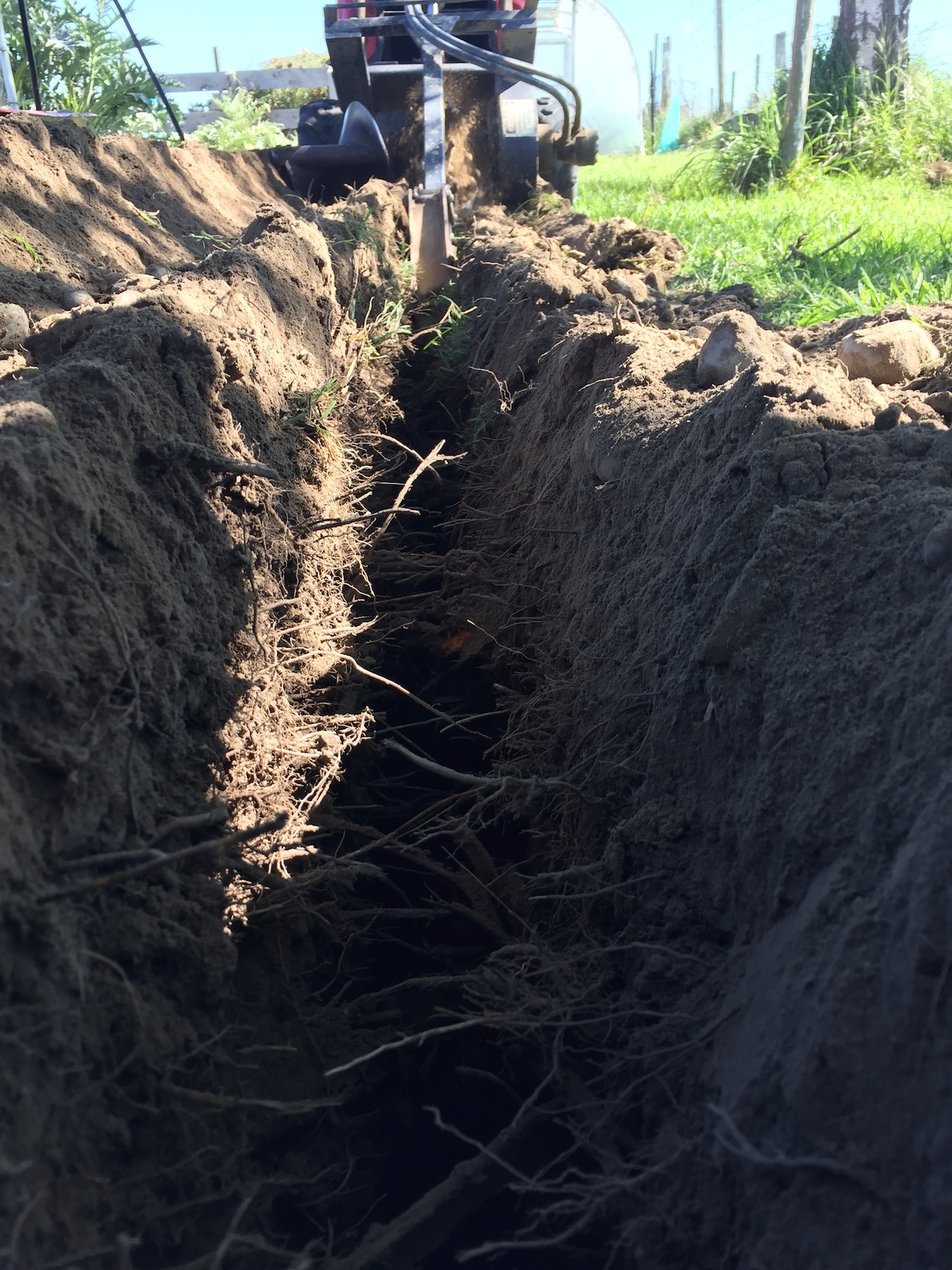
So we resort to trench warfare to keep them out.

Every three or four years, we hire a trencher from the local equipment hire place (well, okay, my husband hires the trencher—I stay away from loud petrol-powered machines as much as possible), and dig a metre-deep trench all around the garden.

It makes an enormous difference to the vegetables—I can almost hear them breathe a sigh of relief when the tree roots are cut. The roots grow back, eventually, but the trench gives us a few years to garden without competition.


Mint

100_3952smMint doesn’t like the dry soil of my herb garden…so it’s only a minor weed there.

And as weeds go, mint is a wonderful one—delicious in all sorts of drinks and dishes, both sweet and savoury.

My all-time favourite way to use mint is in Mrs. Cassel’s mint tea. Mrs. Cassel was a friend of my grandmother, and I remember nothing about her except for her tea recipe—orange juice and mint tea, well-sweetened and served over ice—summer in a glass!

In winter, a hot cup of mint tea is a great pick-me-up, especially when you have a cold.

Mint leaves, cut into strips, perk up any salad, and of course are essential to tabbouli and many other Mediterranean dishes.

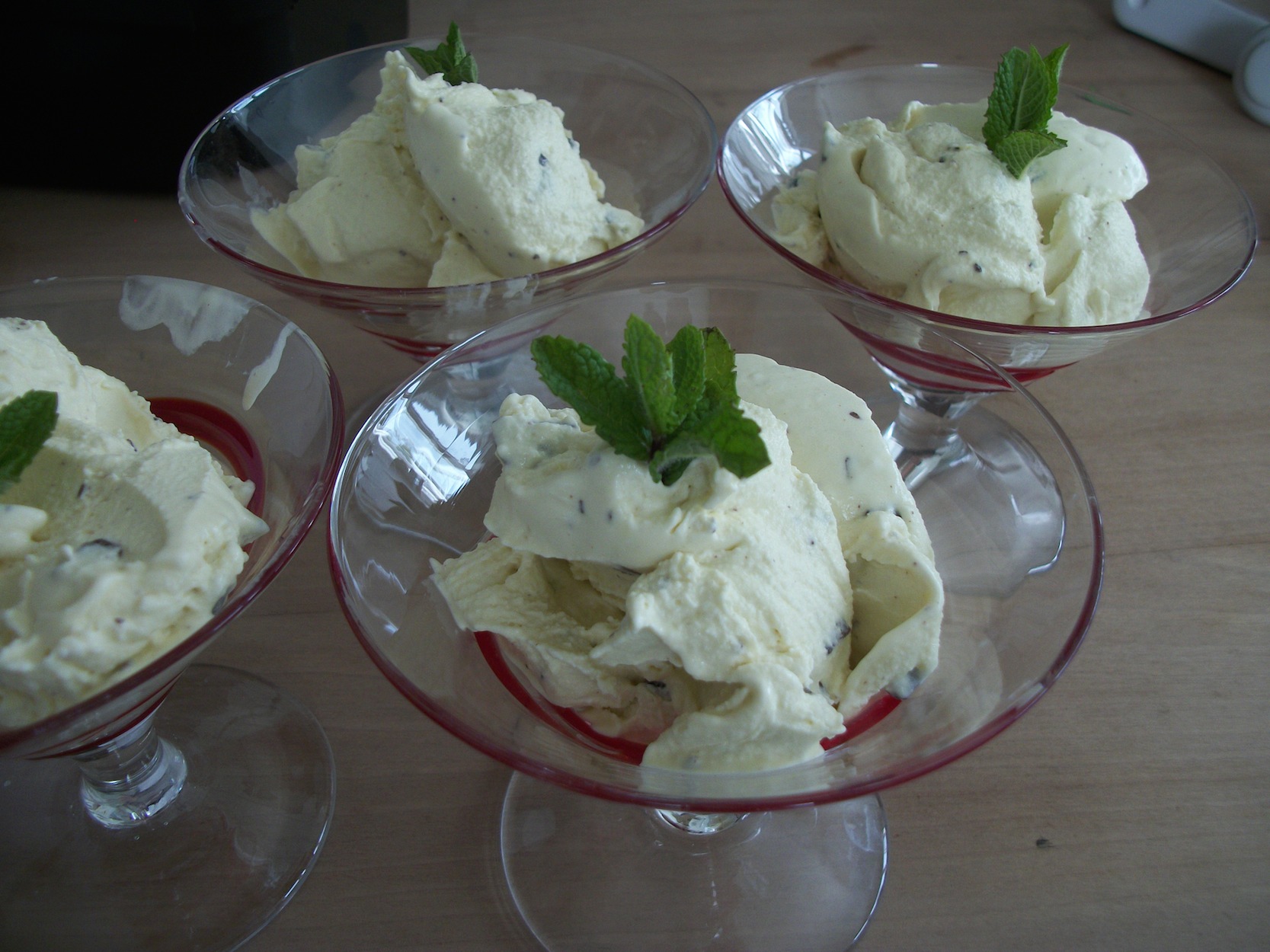
And the most important use of mint—homemade mint chocolate chip ice cream! Special thanks to my husband and daughter who made this treat yesterday!

Pak Choi

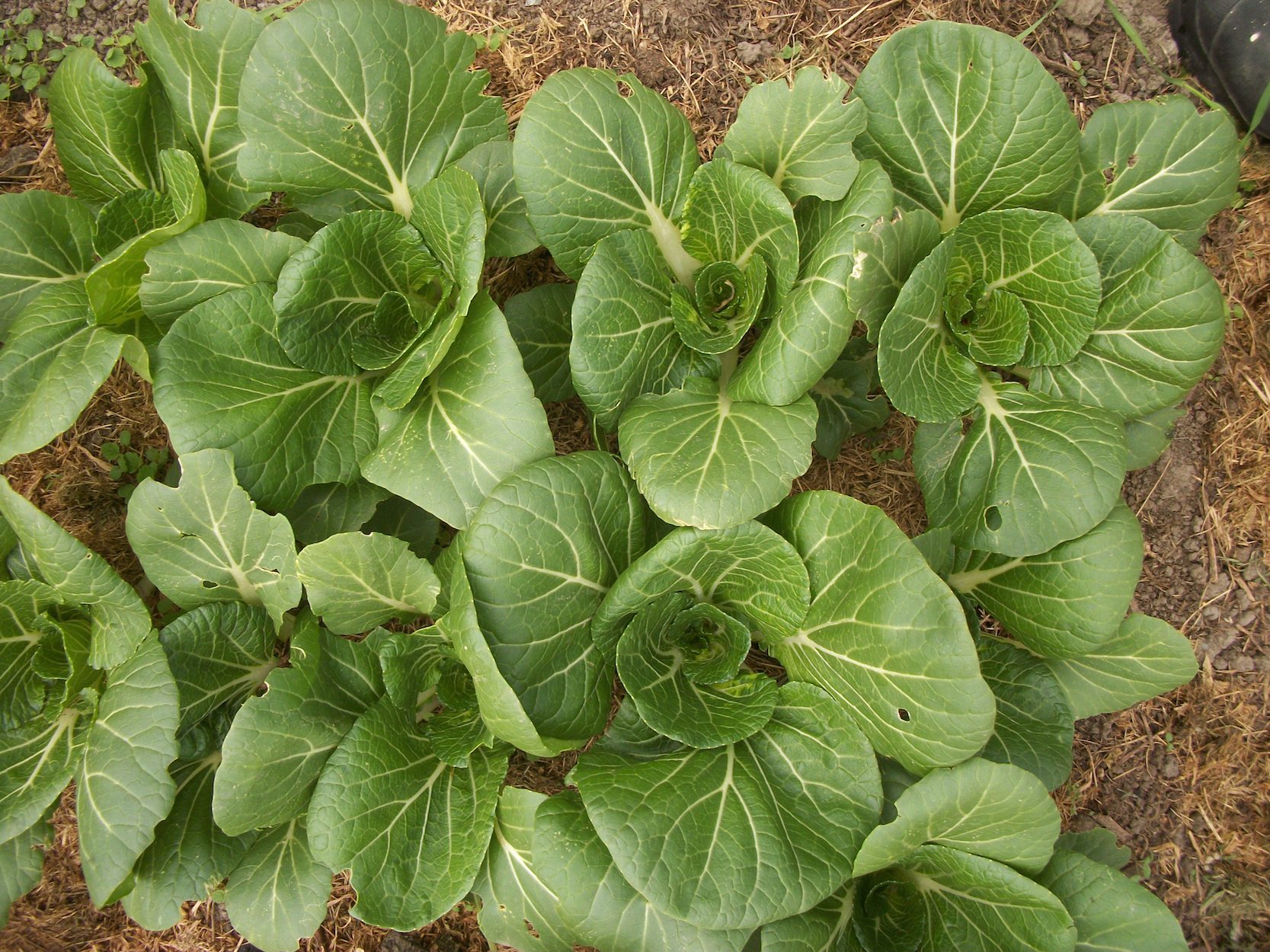
100_3943 smPak Choi, also known as Bok Choi or Chinese cabbage, is another of the early brassicas we enjoy in springtime.

Pak choi is best as an ingredient in stir fries. Lighly fried, it is crunchy and nutty, a bit like cabbage. It also imparts a glossy sheen to all the vegetables in a stir fry.

Pak choi’s origins go back at least 2000 years in China, and it is usually used with oriental spices. But pak choi is versatile. We also use it in pasta and even on pizza (where it is odd, but not bad).

Like most brassicas, pak choi doesn’t like heat or drought, and bolts once things heat up in summer. So we enjoy it while it lasts!

Broccoli raab

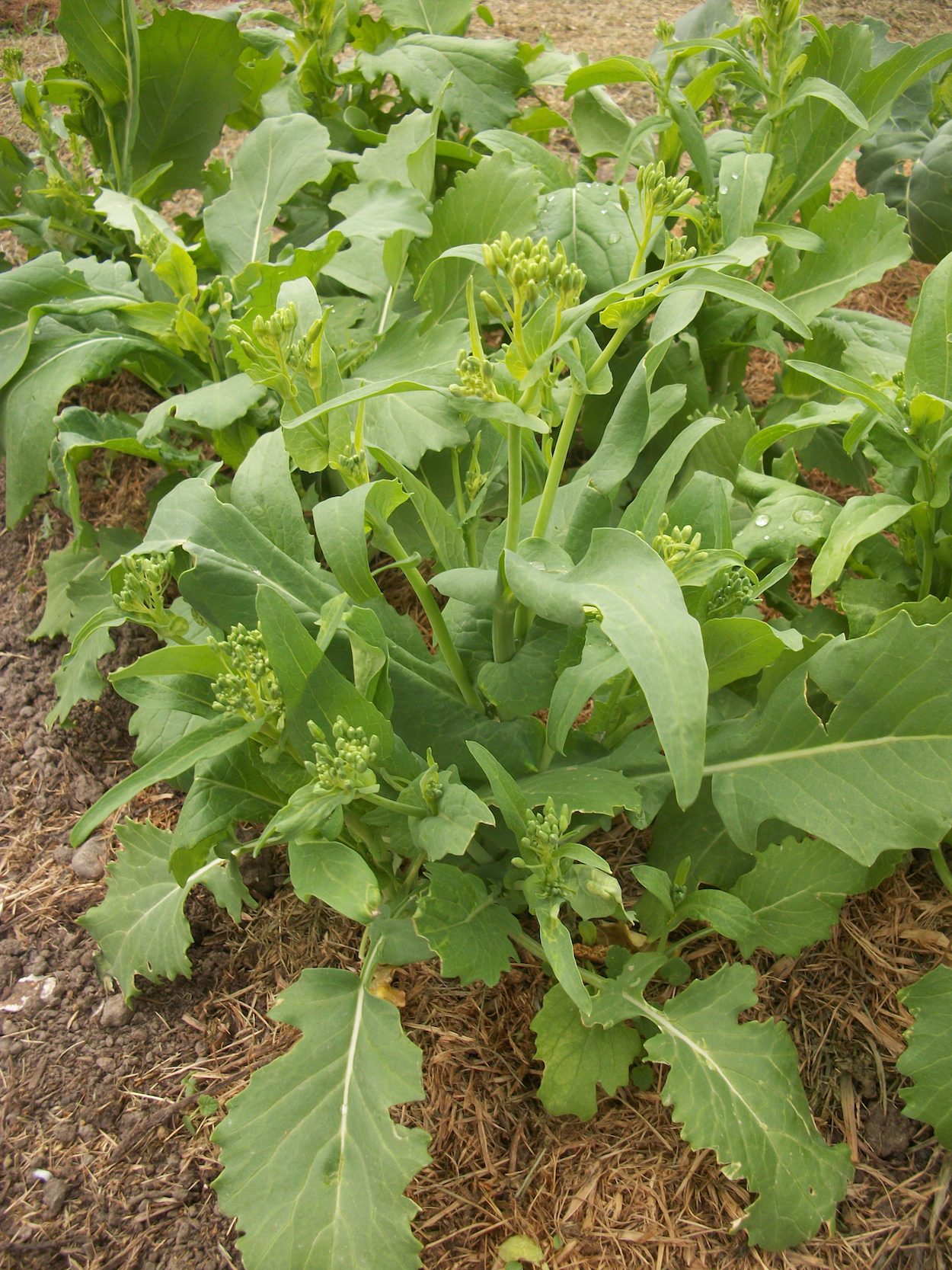
100_3940 smOne of my favourite spring vegetables is broccoli raab. Not so much because it is the best vegetable, but because it produces so early, before any of the other brassicas are ready.

Broccoli raab looks like mini-broccoli, though it is more closely related to turnip than to broccoli. Broccoli raab is eaten “lock, stock and barrel”—leaves, stem and flower buds. As one of the earliest spring vegetables at our house, it gets used in everything from stir fry to pasta to pizza to gratins.

It is more bitter and pungent than broccoli (more like turnip greens), and a little goes a long way in a dish. I plant just a small amount of broccoli raab, and by the time the other brassicas are producing, it has bolted and is ready to pull out. A perfect little filler crop that adds kick to springtime meals!

Trellis Trials

Trellis with jute

Trellis with jute

As a gardener, I’m always trying out new things, always trying to make my gardening easier and more productive.

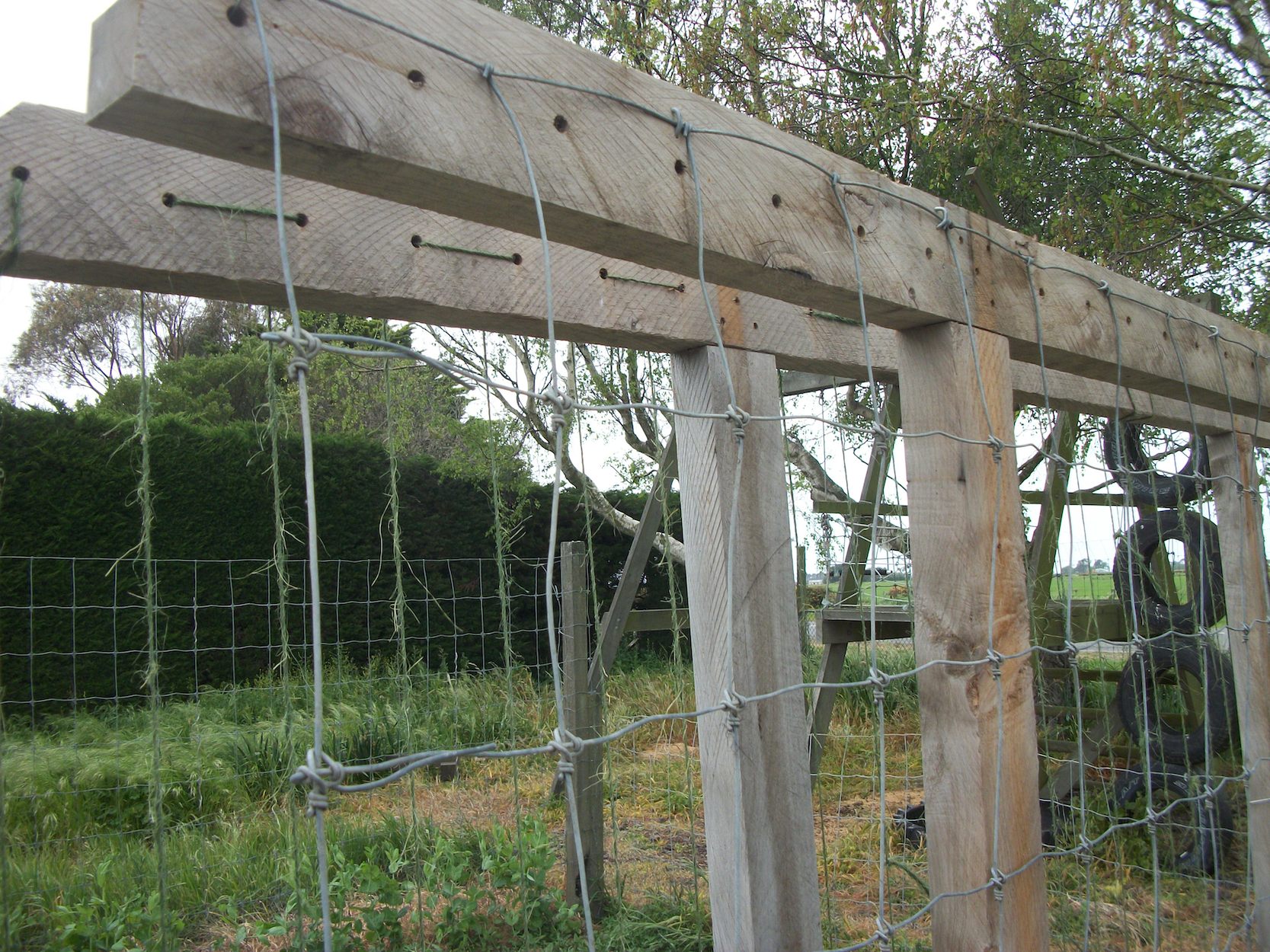
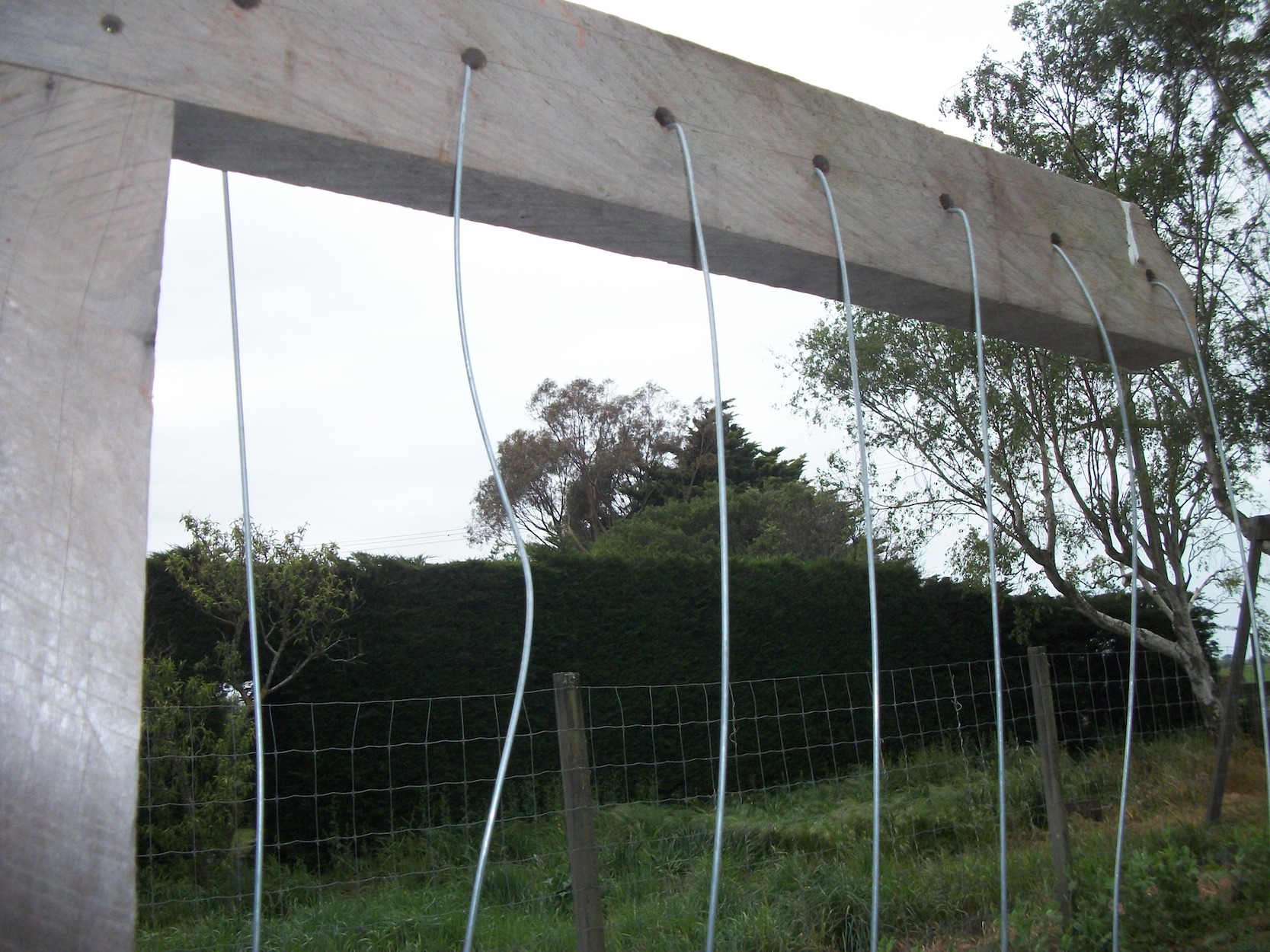
Last year, I tried out a new trellis, and it worked pretty well. This year, I’m testing variations on last year’s trellis.

Trellis with fencing

Trellis with fencing

The trellis is a wood frame composed of two supports and a top and bottom bar. Holes in the top and bottom bar allow me to string the trellis with jute. Last year, the jute worked well for peas and beans, but wasn’t strong enough for tomatoes. It was also a bit of a pain to string and clean up at the end of the year.

Trellis with wire

Trellis with wire

So this year, I’ve strung some of them with jute again, but I’ve also stapled deer fencing to one of them, and strung the tomato trellis with high-tensile wire (both of which were left over from other projects). Neither fencing nor wire looks as nice as the jute, but I’m hoping they are stronger, and they have the bonus that they won’t need to be replaced every year, saving me time and money in future years.

Underbed Boxes

100_3901 smIn springtime, I set up a temporary shelf unit in my office on which I start seeds. The office is warm and sunny, and I find that seeds sprout faster and more evenly in there than in the greenhouse.

The problem is that the office was never meant to act as a greenhouse. The floor is easily damaged by water. When I first started growing plants in there, I put down a sheet of plastic underneath the shelves. That helped, but sometimes water got underneath it, then sat and damaged the floor.

Last year, my husband made us a new bed with drawers in the bottom of it. We had no more need for the underbed boxes we used for extra blankets, and they were relegated to the shed, where they sat empty.

Until I had a brilliant idea.

Those underbed boxes were the perfect size for my plant shelves. They’re fully waterproof, so water no longer gets even close to the floor. And when the shelves overflow, I can use a box directly on the floor for more plants.

And the cat approves of them too—a box in a sunbeam!

Artichokes

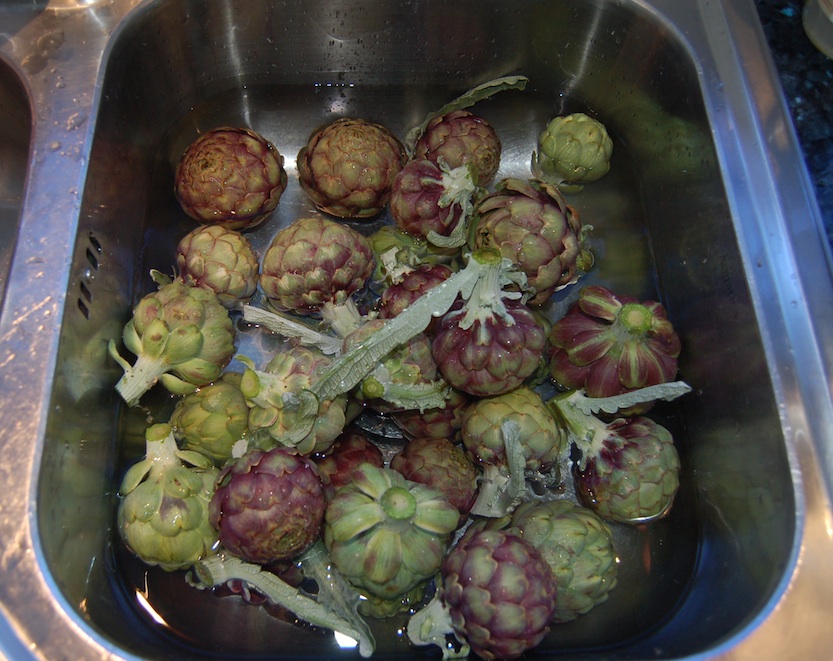
artichokes2cropsmI don’t think I ever ate an artichoke until I was an adult. They just weren’t a part of the diet in eastern Pennsylvania in the 1970s and 80s.

I probably could have counted on one hand the number of artichokes I’d eaten until I started growing them. And I had no idea how incredible and prolific they could be until I lived in a place where artichokes were perennial.

Now I can hardly imagine springtime without them.

The globe artichoke is a thistle (not to be confused with the very different Jerusalem artichoke, which is a sunflower). It grows as a large rosette of leaves and can reach over 1.5 metres tall. The edible part is the unopened flower bud. If you let the buds mature, they open into giant purple flowers that bumblebees can’t resist.

Artichokes are the same species (different variety) as cardoon which is more commonly planted as an ornamental. Cardoon flowers are smaller, and it is generally the leaf stems that are eaten. I grew cardoon for food briefly, before realising that blanching the leaves (by wrapping the plants in straw and cardboard as they grow) is time-consuming, and the final product—the cooked leaf stems—tastes a lot like artichoke, only more bitter and less rich. (Then, of course, I tried to get them out of the garden—it took four years—they are thistles after all) Now I keep just one in the flower garden as a stunning centrepiece plant.

The first records of artichokes come from ancient Greece, where wild varieties were selected and bred into the large-flowered plants we grow today.

Today Egypt and Italy produce about half the world’s artichokes, but with new cultivars that can tolerate cold winters, they can be grown just about anywhere. Put them in the perennial part of your garden, and even if you don’t like to eat them, you can enjoy their beauty!

Favourite Kitchen Tools—Mortar and Pestle

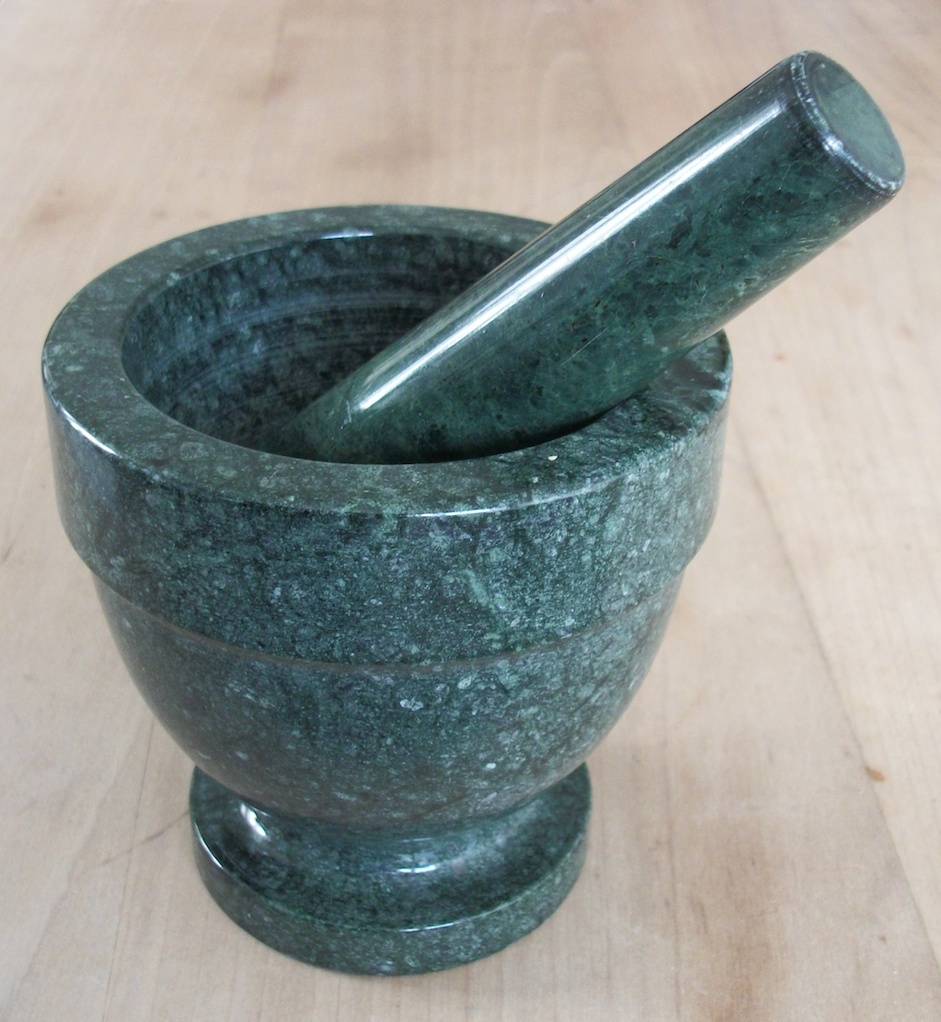
100_3915 smOkay, I admit it. We own two mortar and pestles—a large wooden one, and this small stone one. And we use them both.

There’s something satisfying about a mortar and pestle. There’s the timelessness of the act of grinding food between two stones—people have been doing that probably since we first used tools. There’s the rewarding transformation of some seed, herb, or vegetable into a powder or paste. There’s the lovely aroma of whatever it is you’re crushing. And there’s the joy of the physical work (which always makes me think of the Luddite’s Kitchen Weight Loss Programme). You just don’t get all that from a spice grinder or food processor.

We grow all of our own herbs, and some of the spices, too, so the mortar and pestle gets used regularly on herbs and spices. It’s great for crushing the dried garlic we use at this time of year, too. And with the milking season underway, I’ll soon be using it to grind rock salt to just the right consistency for salting cheeses.

A very handy tool to have around!

Watercress

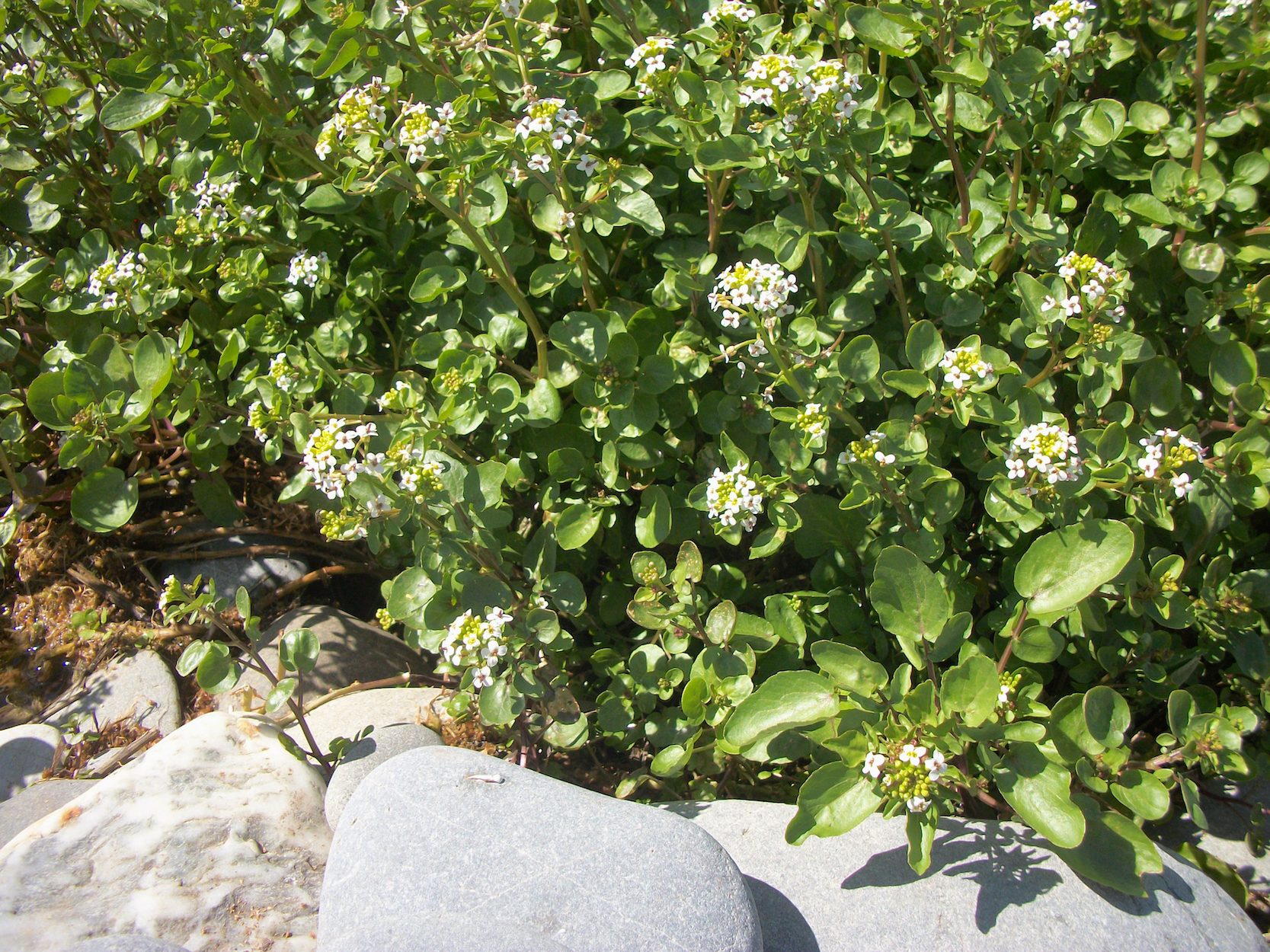
100_3897 smI probably first read The Trumpet of the Swan, by E.B. White when I was 7 years old. I remember being enthralled by the book, and ever since, I have loved the song, Beautiful Dreamer, which the mute swan Louis plays to woo his lady friend, Serena. I don’t remember much else about the book, but for some reason I vividly remember that Louis and 11-year-old Sam eat watercress sandwiches.

This was the only experience I ever had with watercress until we grew it ourselves (though thinking back, I’m pretty sure it grew in the neighbour’s stream, growing up, but I didn’t know what it was at the time).

Now, I’m very impressed that Sam ate watercress sandwiches. I can’t imagine many 11-year-olds who would do that.

Watercress is in the mustard family, and it’s glossy leaves are sharply bitter, like a mixture of arugula and radishes. They are delicious, but challenging for the palate of a child. I enjoy them on a cheese sandwich (and my 11-year-old does, too), but I’m not sure I would want an entire sandwich of nothing but watercress.

Still, watercress is a great way to spark up salads and sandwiches, and I look forward to trying it in soups and stir-fries as well.