Going bananas

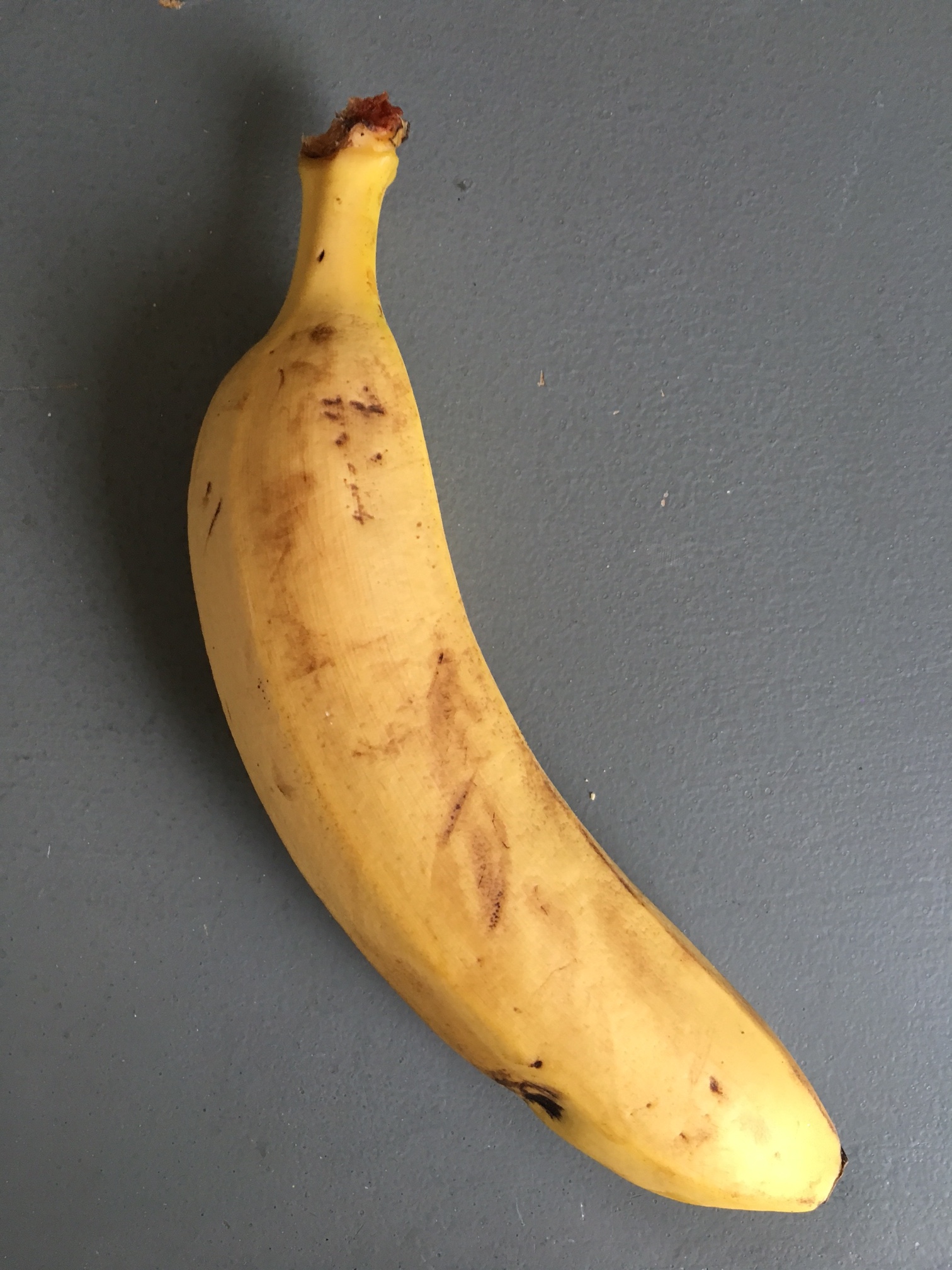
bananaOver 100 billion bananas are eaten globally every year, making bananas the fourth most important food crop in the world. Most bananas are consumed locally—only 15% are exported. Almost all the bananas grown for export are a variety known as Cavendish. New Zealand is said to have the highest per-capita consumption of Cavendish bananas in the world, at 18 kg per person per year.

The Cavendish was named for the Duke and Duchess of Devonshire—whose family name was Cavendish. Their head gardener imported a plant from Mauritius in 1830 and grew it in the family’s hothouse. The banana flourished and provided the duke’s guests with fresh bananas to eat. The Cavendish banana grew so well, the duke was able to supply two cases of plants to a missionary in Samoa. Those bananas were the start of the banana industry in Samoa.

Missionaries spread the Cavendish throughout the Pacific, but it wasn’t until the 1950s that the variety became popular commercially.

Until the 1950s, the most important banana for export was the Gros Michel, but in that decade, it was almost wiped out by a fungus known as Panama disease.

The Cavendish—smaller and not as flavourful as the Gros Michel—was immune, so growers switched largely to the Cavendish.

Almost all commercially grown bananas today are Cavendishes—clones of the plant grown by the Duke and Duchess of Devonshire.

Panama disease didn’t sit idly, though. By 1992, a strain evolved in Southeast Asia that was able to attack the Cavendish. And since the plants are all genetically identical, they are all susceptible to the new strain of the disease. At least 10,000 hectares of Cavendish bananas have been destroyed, and more will certainly fall as the fungus spreads.

For many of the nations that export bananas, it will be an economic disaster. For those of us who enjoy bananas…who knows?

There will likely be a time in which bananas become more expensive, even hard to find in our grocery stores.

But having lived in Panama, I know there are many banana varieties (about 1000, worldwide). And every single one I’ve eaten is better than the Cavendish. The Cavendish’s main selling point is its ability to survive transport, not its flavour.

In our village in Panama, everyone grew bananas. They came in many sizes, shapes, and colours. Some were more starchy, some were sweeter. Some tasted so much like banana, they seemed almost fake. Others tasted like a fruit salad, with tangy citrus overtones to the banana flavour.

I have to believe that as growers develop a replacement for the Cavendish, they will naturally end up with something more flavourful than the bland Cavendish. If we’re really lucky, they’ll develop more than one variety, providing greater insurance against the future evolution of Panama disease and more variety in our supermarkets. That has to be a good thing in the long run.

Want to know more? Visit the Panama Disease website.

Heavenly Hash Browns

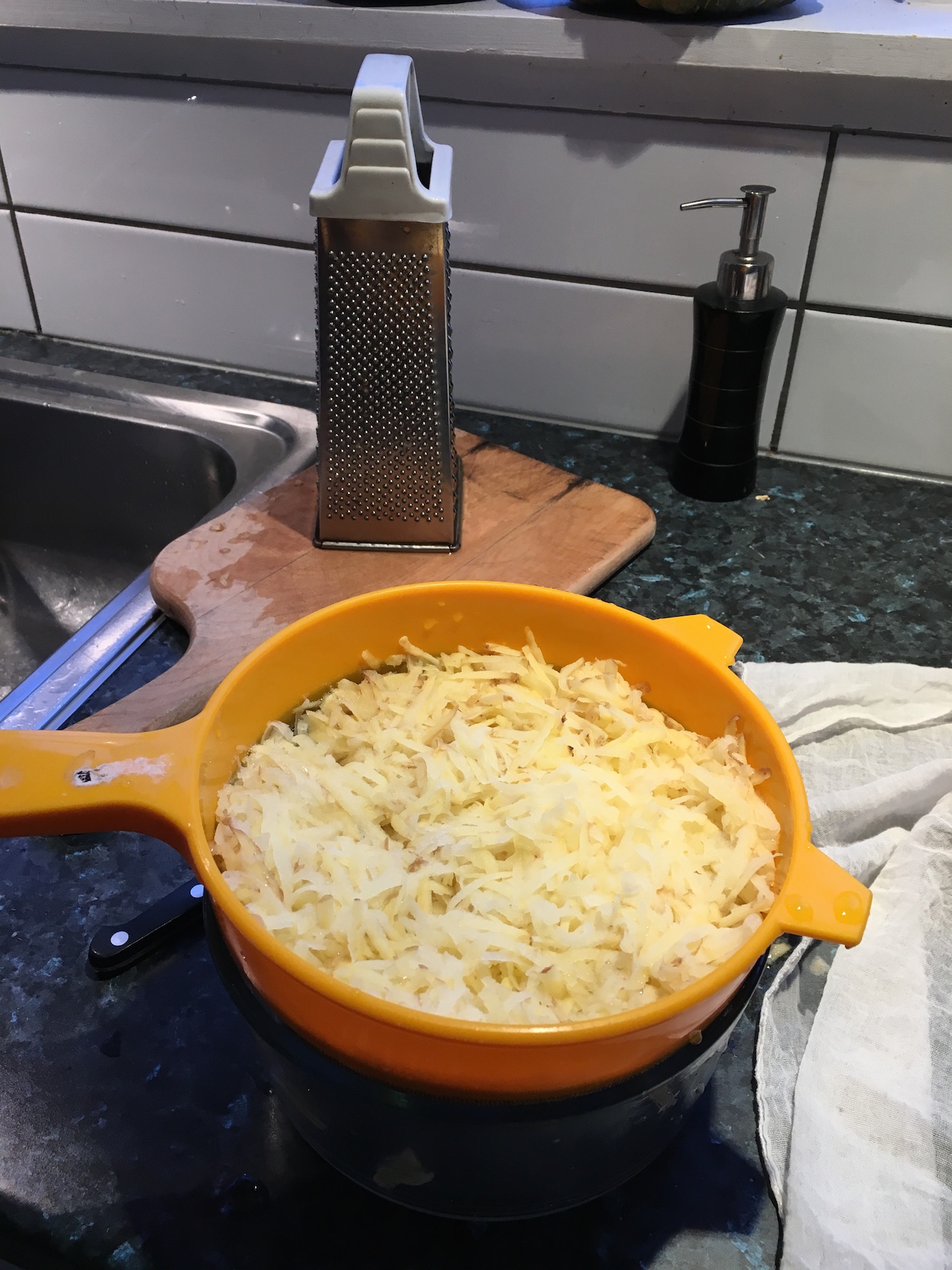
2016-08-07 17.28.05 smSunday is usually a day for cooking an elaborate dinner. But the kids and I were in the city all afternoon, and came home late. After scones for breakfast and leftovers for lunch, none of us really needed a big dinner anyway.

So we had breakfast, instead—fried eggs and hash browns.

They were the first really good hash browns I’d ever made. In the past, my hash browns have been a bit too gummy, a bit too soft.

But thanks to the Internet, I had many hash brown recipes at my fingertips today (yes, it’s been that long since I made them—I had only cook books before).

So, I tried a new method today, and hit it just right.

After grating my potatoes, I rinsed them well, and squeezed the excess water out of them. I tossed them with salt and pepper and fried them in a non-stick skillet with a generous quantity of clarified butter.

They were everything a hash brown should be—salty, crispy, and greasy.

Looks like hash browns are back on the menu!

Swiss Army Kitchen

2016-08-01 12.36.13My husband and I try to maintain good kitchen utensils and appliances. Our kitchen is well-stocked with mixing bowls, spatulas, knives, and measuring cups. We have a cutting board for every occasion. We have a high-quality tool for every task in the kitchen.

Except one.

We don’t have a single decent can opener.

We used to have two—one each from our pre-marriage days. Neither one worked well, but we limped along with them for 23 years. Last Christmas I decided that, though we don’t use a can opener very often, we deserved a new one. Guess who got a can opener in his stocking?

I happily threw away the two old ones, only to fish one back out of the rubbish when we found that the new one was absolutely useless.

That quarter-century old opener has been growing progressively worse in the past months (I think it knows I threw it away, and it’s bitter about that). Now, instead of reaching for the kitchen drawer when I want to open a can, I’m going to my purse—the can opener on my Swiss Army knife is vastly superior to the one in the kitchen.

One of these days, I’ll try buying another.

Until then, the Swiss Army knife is my new best kitchen tool…

Frosting Experiments

2016-07-27 18.47.26 smI should have known it would be disappointing.

Nothing can compare to a good cream cheese frosting.

That’s what these delicious pumpkin cupcakes needed, but I had no reason to leave the house yesterday, and couldn’t justify going out simply to get cream cheese.

Surely, I could use yogurt, right? I had yogurt in the house.

A quick search online uncovered a variety of yogurt frostings and glazes. Many were, frankly, disgusting-sounding attempts to make a fatty, sweet confection with no fat or sugar—soy yogurt sweetened with stevia was the worst. But my thought was to just mix yogurt and confectioner’s sugar to a spreadable consistency, with a little vanilla for flavour.

It certainly worked. Two cups of sugar, half a teaspoon of vanilla, and about 3 tablespoons of unsweetened yogurt made a reasonable frosting.

But it wasn’t cream cheese frosting—too sweet and not sour enough. Not enough fat, either. It was less like cream cheese frosting, and more like a sugar and lemon juice glaze. In fact, with more yogurt and less sugar, it would probably make an excellent thin glaze for sticky buns.

Next time I make pumpkin cupcakes, though, I’ll make sure I have cream cheese in the house first.

This Shouldn’t Work

2016-07-06 09.03.42 smOur family is vegetarian, but we don’t go in for veganism. We like our cheese, eggs and milk. A lot.

But sometimes, curiosity gets the better of us.

My husband made hummus the other day, and tried something really weird with the water he boiled the chick peas in.

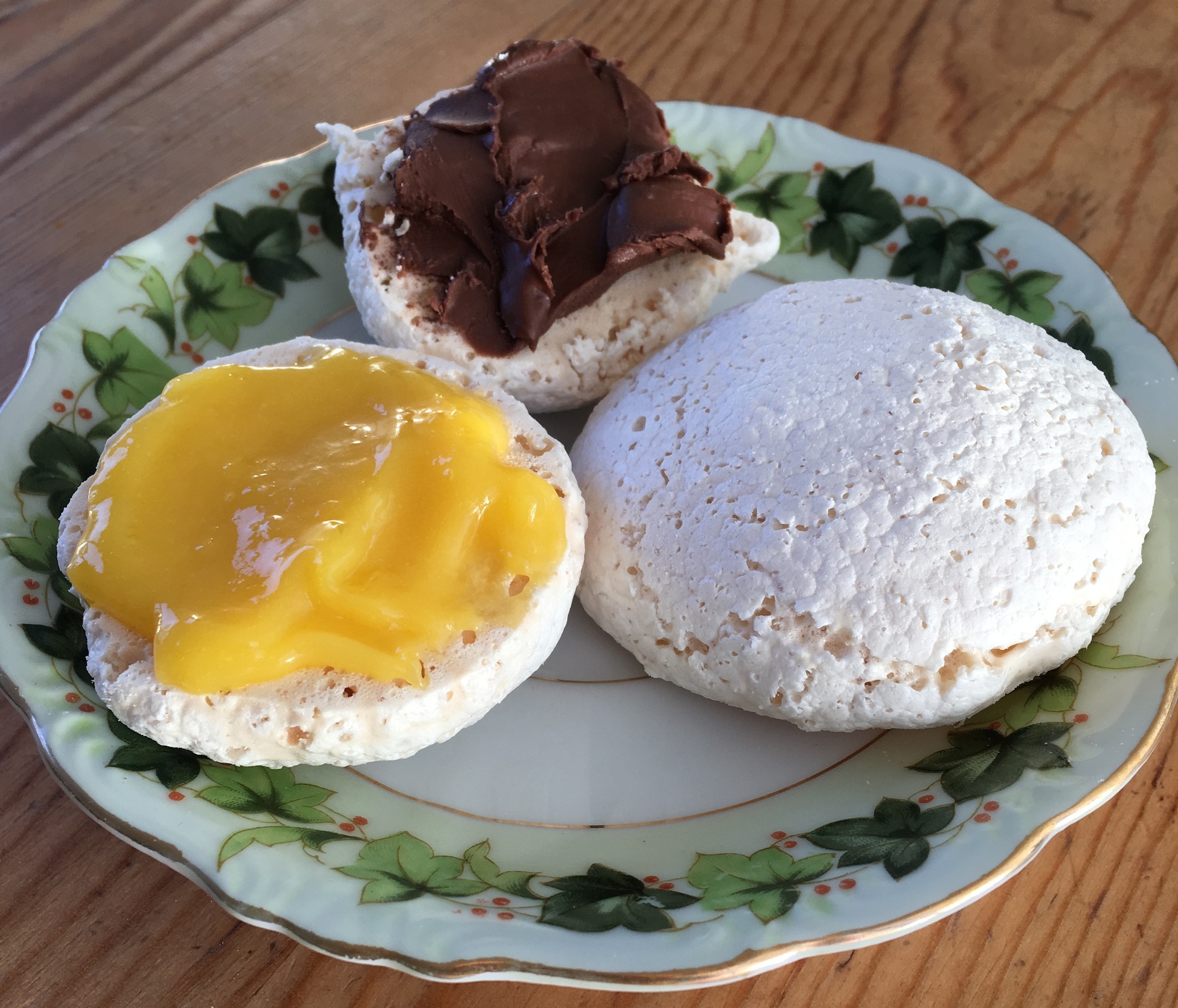
He made meringues with it.

Yep. Meringues. Who’d have thought.

Turns out, the bean water (call it aquafaba if you want it to sound gourmet) foams up when beaten, just like egg whites do.

The meringues came out crisp, and melt in your mouth just like a meringue should.

There is a slight beany aftertaste to them, but I prefer it to the eggy aftertaste of egg-based meringues. In fact, I dislike meringues as a rule, because of the egg flavour, so these were a real bonus for me. And spread them with lemon curd or Nutella, and that bean flavour is covered up nicely.

Completely crazy, and absolutely wonderful!

If you want to try your own bean-water meringues, there are lots of recipes on line. My husband was inspired by this article and recipe in Slate.

Nutmeg Memories

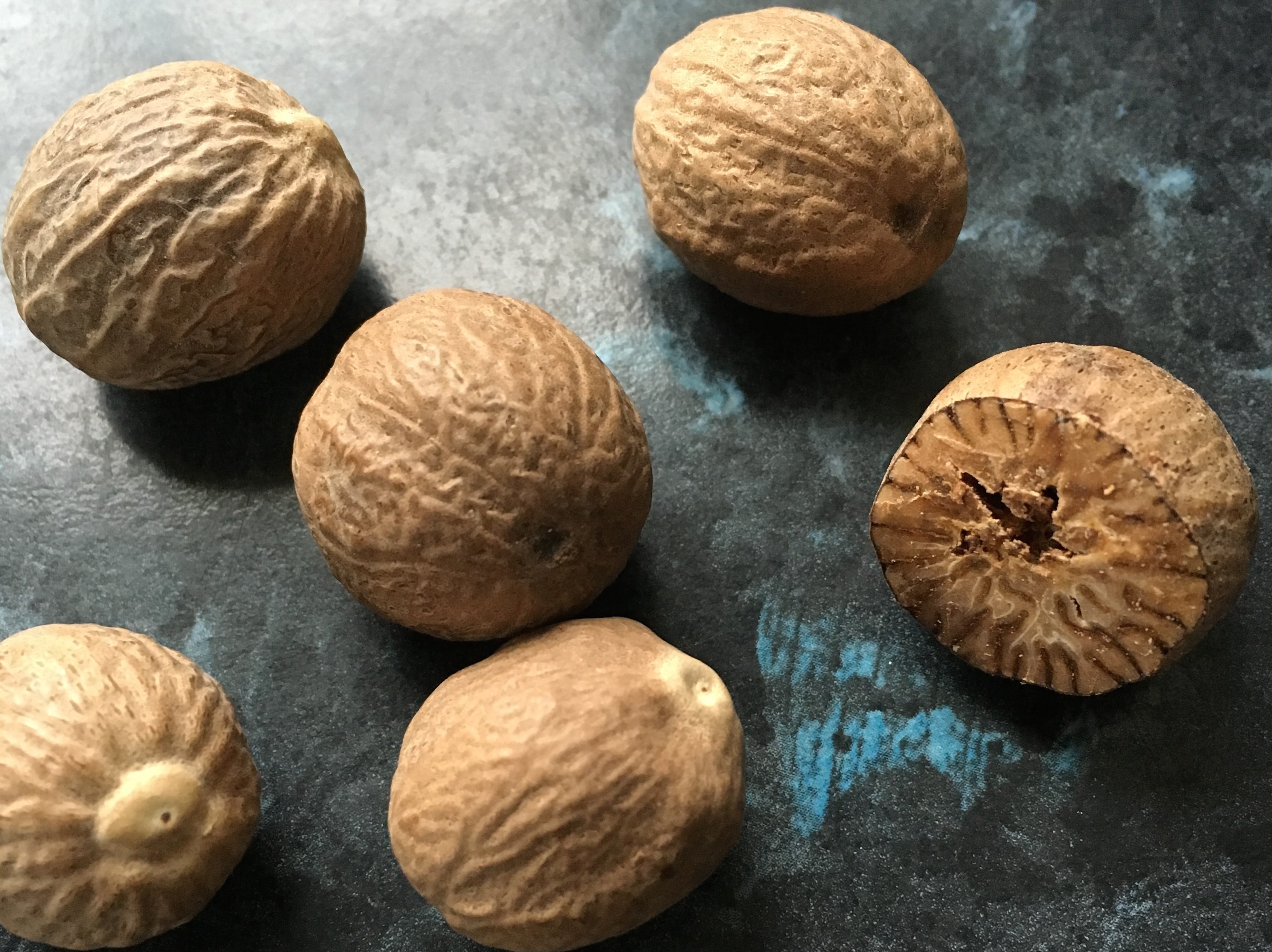
2016-07-05 09.26.26 smWe were almost out of nutmeg, so I put it on the grocery list.

But finding whole nutmegs here isn’t always easy. I had to go to three different grocery stores before I found one that carried them.

It’s only fair, I suppose, that nutmeg is hard to find here. It grows only in the tropics, and whole nutmegs don’t fit well into the little commercial spice jars.

But there’s not a lot of point in buying ground nutmeg, as the flavour dissipates quickly once it’s ground.

My husband and I were lucky enough to have a friend who did her Peace Corps service in Grenada, where 20 percent of the world’s nutmeg is produced. That’s 20 percent of global production on an island that’s only 349 square kilometres (133 square miles) in size, with a population of about 110,000.

Naturally, we had to visit her during her service. My overwhelming impression was that the island exhaled nutmeg. There were nutmeg trees everywhere, and piles of drying nutmegs along the roadsides. The smell hung in the air and clung to my clothes. It was joined by the smell of mace (also from the nutmeg tree), cinnamon, cloves, allspice, and a wide array of tropical fruits. My memories of Grenada are intimately linked to the olfactory experience.

Since then, I can’t smell nutmeg without being transported back to a white sandy beach, with seawater as warm as bathwater, colourful flowers, and an island that moved in languid tropical time.

Jelly Diagonals

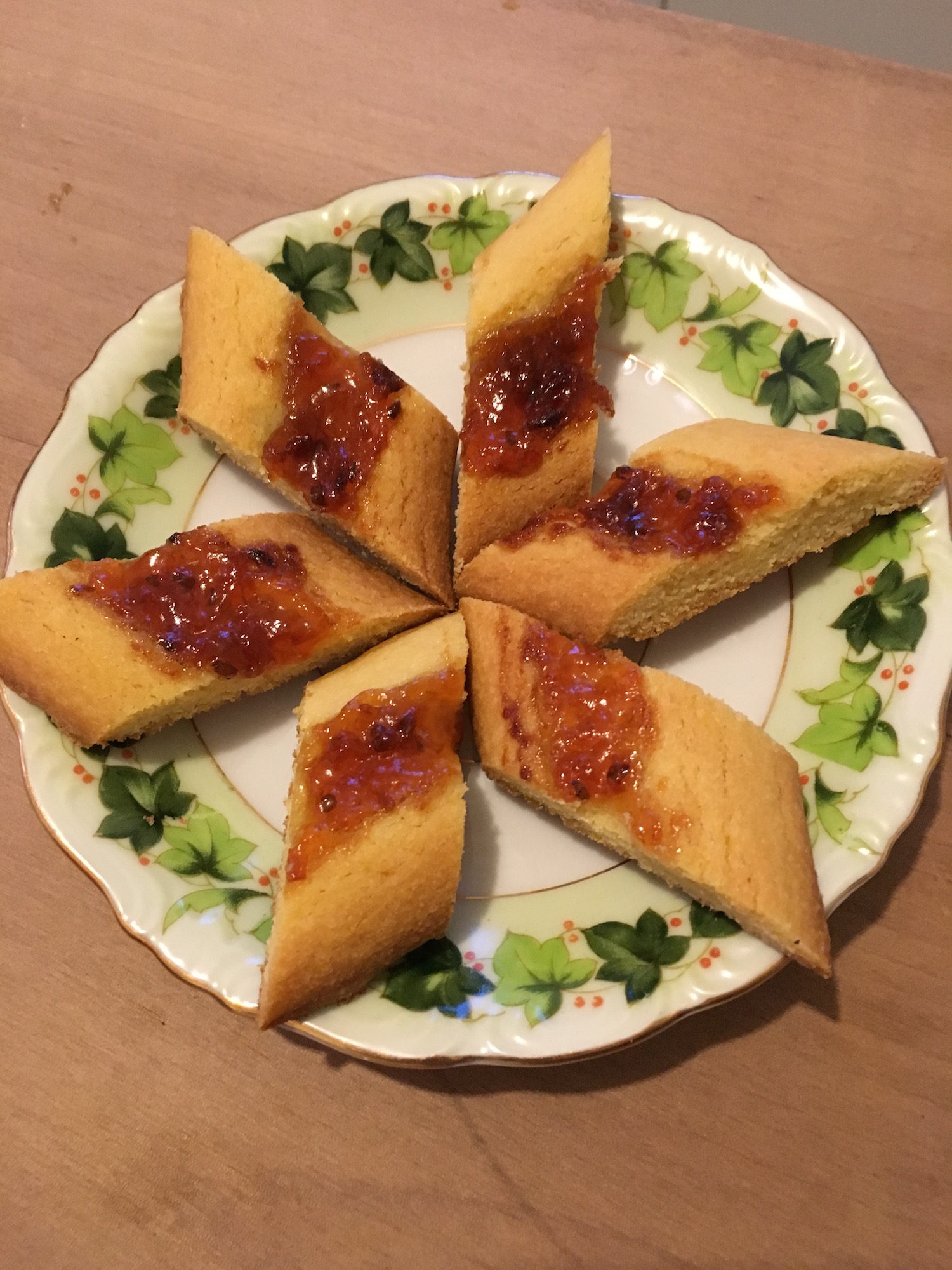
2016-07-02 17.16.26 smLove thumbprint cookies, but can’t be bothered filling a hundred little thumbprints with jam?

Try Jelly Diagonals! Not only are they quicker to make, they look like something special.

I use a recipe from Farm Journal’s Cookie book, but you could use any thumbprint cookie recipe.

Once you’ve made the dough, divide it into four pieces and roll each piece out into a log about 2 cm (¾ inch) in diameter. Lay the logs onto a baking sheet (two per sheet), and press a channel down the length of each log. I use a wooden spoon handle for this. The channel should be a scant centimetre (3/8 inch) deep.

Fill the channel with your favourite jam, and bake until brown on the edges.

Cut into diagonal slices while still warm. Cool on a rack.

Vegetarian Sloppy Joes

IMG_1389My family loves tofu meatballs, so any tofu I buy usually ends up in spaghetti with meatballs. But I enjoy tofu in many forms. Vegetarian sloppy joes comes in a close second to meatballs for me. This is a winter-friendly recipe, using canned tomatoes and dried herbs, but there’s no reason you couldn’t make it with fresh tomatoes and herbs in season.

300 g firm tofu, crumbled
1 onion, chopped
1 clove garlic, chopped
8 button mushrooms, finely chopped
1 can chopped tomatoes
2 Tbsp paprika
1 tsp smoked paprika
½ tsp ground cumin
½ tsp ground fennel
1 tsp dried basil
1 tsp dried oregano
1 tsp mild mustard
2-3 Tbsp olive oil
salt and black pepper to taste

Sauté the tofu in the oil until it begins to brown. Add the onions and paprikas and continue to sauté until the onion is translucent. Add the garlic and mushrooms. When the mushrooms begin releasing their moisture, add the remainder of the ingredients. Cover and bring to a boil, then turn the heat to low and simmer for at least 30 minutes. You may need to uncover the pot during the last 10 minutes or so to allow some of the moisture to boil off.

Serve on Mum’s Fluffy Buns.

Playing with Fire

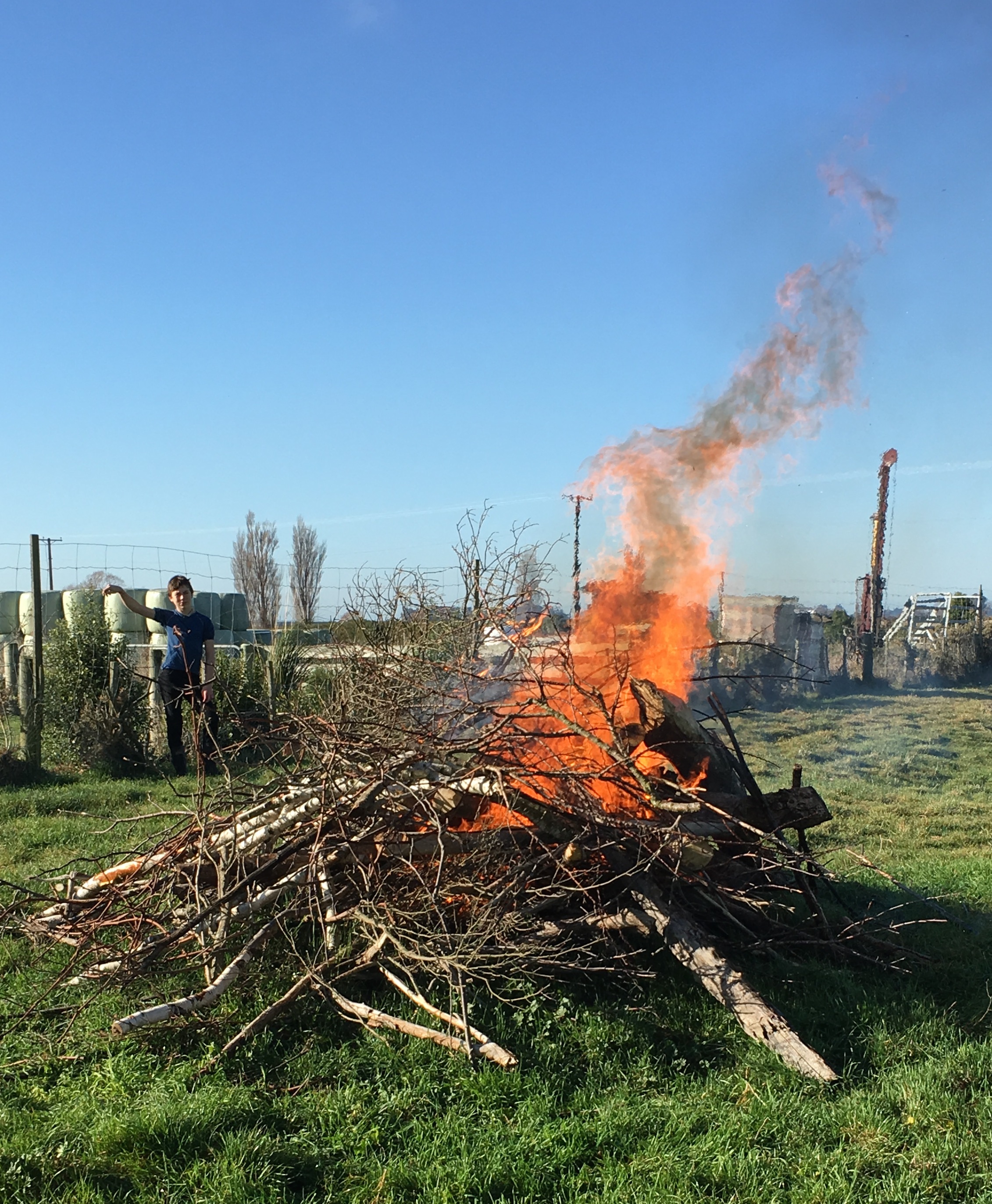
2016-06-25 11.56.06There is nothing better calculated to get my teenage son outside than the prospect of fire.

Most weekends, he spends the day indoors reading books or playing computer games. He’ll come out to help in the yard or garden if we ask him to, but as soon as he’s released, he’ll be back inside.

Tell him we’re going to burn off the brush pile, though, and he’s out the door like a shot, and will spend all day pottering around the fire—tossing sticks in, raking coals together, hosing down the grass around the fire to keep it from spreading.

What makes fire so compelling, especially for teenage boys?

Believe it or not, scientists have actually tried to answer this question. Researchers at the University of Alabama found that gazing at even a video of a fire reduced subjects’ blood pressure. The longer they watched the fire, the more relaxed they became. The researchers suggest that the multisensory aspect of a fire focuses our attention and reduces anxiety.

Whether that is simply an outcome of meditation associated with this sensory focus, or an evolutionary response to the social and physical security that a fire was to our ancestors is a matter of speculation.

Fire is, in fact, essential to humans. Our power-hungry brains need the extra nutrition provided by cooked food (about one-fifth of our calories are used by our brain). We can’t grow and develop properly on a raw diet, and human culture never would have evolved without it, so it stands to reason it would be important to us.

So, why are kids so interested in fire—more so than adults?

Researchers at UCLA have studied fire play among children in various cultures, and have concluded that the desire to master the control of fire is common among cultures. This makes sense from an evolutionary standpoint—we need fire to survive, so those able to control it historically did better and produced more children.

In westernised cultures, where open fires aren’t used on a daily basis, children’s interest in fire lasts longer than in cultures where fire is a daily necessity for cooking or heating. They remain fascinated by fire until they’ve learned to master it.

This doesn’t fully explain my teen—he mastered fire years ago, learning to light and maintain a fire in our log burner. But I do think there is an aspect of control that keeps us coming back to fire, especially when we’re young. Fire has incredible destructive power. To ignite that power, then hold it in check to achieve a goal (heating the house, cooking dinner, or disposing of brushwood), is a heady thing, particularly for teens who have so little control over their own lives.

All of which leads me to believe that it’s important for us to teach our kids to safely light and control fires. Research indicates they will play around with it until they learn—it’s an innate need. Better they learn safely than by burning down the house.

I also think that giving kids safe ways to exert control is important for their growing sense of accomplishment and self-worth. There is so much we can’t let them control—they can’t drive, they have to go to school, they can’t leave home—I remember all those restrictions eating away at me when I was a teen, eager to exert myself on the world.

So, yeah, we let our kids play with fire. It’s good for them.

Evaluating the garden year

A jumbo pink banana squash--one of last year's winners.

A jumbo pink banana squash–one of last year’s winners.

The new seed catalogue will be out in a little over a week, so it’s time to consider which new plants did well and which didn’t last summer.

It’s difficult to really evaluate varieties I hadn’t tried before, because last summer was so devastatingly hot and dry, but I got a feel for them by how my tried and true varieties did.

Tomatoes were a bust—all varieties—it frosted extremely late, and then was just too dry. But I did find that one of the new varieties I tried—bloody butcher—was extra sensitive to the neighbour’s herbicide overspray. So that one’s off the list for next season.

Same went for the yard long red noodle beans—they didn’t recover from the overspray until March, and then it was just too late.

The blue corn was preferentially eaten by the rats, and none survived past seedling stage. Doesn’t mean I won’t try again next year, but I’ll need to protect it better.

Jumbo pink banana squash was a winner, though. Not only was it a spectacular plant in the garden (anything that can grow half a metre in one day has my vote), but the fruits were equally spectacular. They have good flavour and texture, too. The only real drawback is that it’s difficult to fit one in the oven, because they’re so big.

The purple carrot, pusa asita, was also a winner, though its germination was spotty, like all the purple carrots seem to be. The colour was worth it though, as the purple goes all the way to the centre.

And the fire candle radishes were fantastic—delicious, spicy, and slow to bolt.

I’m looking forward to the arrival of the new catalogue and the chance to try out some new varieties for the coming year!