Cheesy Scones

I came home late earlier this week. No time to really cook. So I pulled out a couple of jars of summer soup and made savoury scones (biscuits to the Americans) to go with it.

But I didn’t want plain scones…

These are what I threw together, and they were divine.

1 cup all-purpose flour
3/4 cup whole wheat flour
1 Tbsp baking powder
1/2 tsp salt
60 g butter (about 4 Tbs)
1/2 cup chopped parsley
1/4 cup chopped dill
1 cup grated cheddar cheese
2 small leeks (about 1/2 cup), finely chopped
3/4 cup milk

Combine flours, baking powder and salt in a large bowl. Cut butter in until it’s the consistency of coarse meal. Mix in the herbs, cheese, and leek. Stir in the milk. On a well-floured board, knead the dough gently 4 or 5 times, then roll out to 1.5 cm (5/8 inch) thickness. Cut into squares or use a biscuit cutter.

Bake on an ungreased sheet 15 minutes at 200ºC (400ºF).

An Abundance of Artichokes

It’s a terrible thing, having excess gourmet vegetables. We are in our usual springtime artichoke excess. It’s not unusual for us to eat eight or nine artichokes five days out of seven.

A quick online search shows artichokes currently selling for anywhere from US$3 to 10 per pound (that’s NZ$9-31/kg). Given we easily eat a kilo per meal…Well, you get the idea. If we had to pay for them, we couldn’t afford them.

Of course, the problem remains–what do you do with that many artichokes? We preserve quite a few for use at other times of the year, but that still leaves plenty to enjoy during the season.

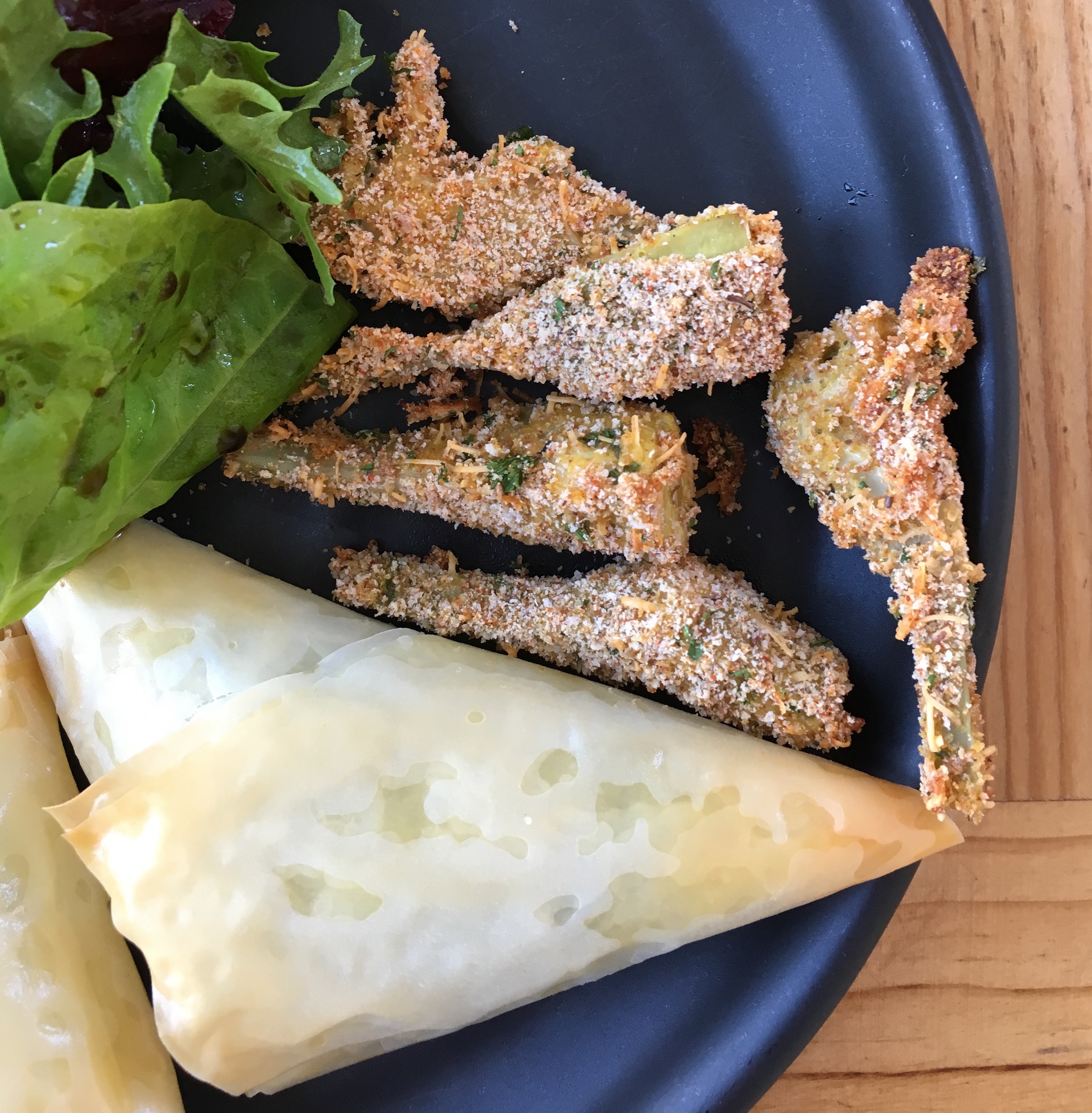
We eat a lot of artichokes in risotto, pasta, pizza, and gratins. The other day, I tried a new way of preparing them–crusted with parmesan and baked.

It’s simple, if a bit time-consuming (it would be trivial if you simply bought canned or frozen artichokes).

First, prepare the artichokes: snap off the outer leaves, peel the base and stem, trim off the top 1/3 of the leaves, remove the choke and any spines on the inner leaves, and cut the remaining heart into wedges. Drop wedges into a bowl of lemon juice and water as you go to avoid browning. Drain and steam for 3-5 minutes, until just tender, but not falling apart.

Then prepare the breading: mix in a medium bowl 1 cup bread crumbs, 1 cup grated parmesan cheese, 1/4 cup finely chopped parsley, 1 tsp salt, 1 tsp paprika, 1/8 tsp cayenne, and black pepper to taste.

In another bowl, beat two eggs.

Dredge the artichoke wedges first in the egg, then in the breading to coat thoroughly. Arrange in one layer on an oiled baking sheet. Bake for about 20 minutes at 190°C (375°F) until brown.

I served them plain, but they would be lovely with a dipping sauce like aioli or skordalia. They made a delicious accompaniment to the tiropitas (spinach and feta triangles) and salad that rounded out the meal.

Restaurant Review: Crazy Corner Cuisine

“I e-mailed you a picture. I want a blog.”

I find it difficult to blog about a meal I haven’t cooked myself. I can’t give you a recipe or even a detailed ingredient list.

So I’ll have to blog as though I went to a restaurant for a fine meal…

I walked into Sedgemere’s finest vegetarian restaurant, Crazy Corner Cuisine, early–my reservation wasn’t until six–but I was ushered into the lounge and encouraged to relax with a book while I waited. As I reclined in a delightful window seat overlooking the restaurant’s herb gardens, the wonderful aroma of my meal wafted through the restaurant.

Crazy Corner isn’t your usual restaurant, where the meal is prepared behind closed doors. At Crazy Corner, the chef consults with the patrons, tweaking the meal to suit their tastes. In fact, on this visit to Crazy Corner, I was given a colander and allowed to enter the restaurant’s garden to pick my own salad.

Crazy Corner Cuisine grows nearly all the vegetables used in the restaurant, so you can be sure that whatever you eat, only the freshest ingredients are used.

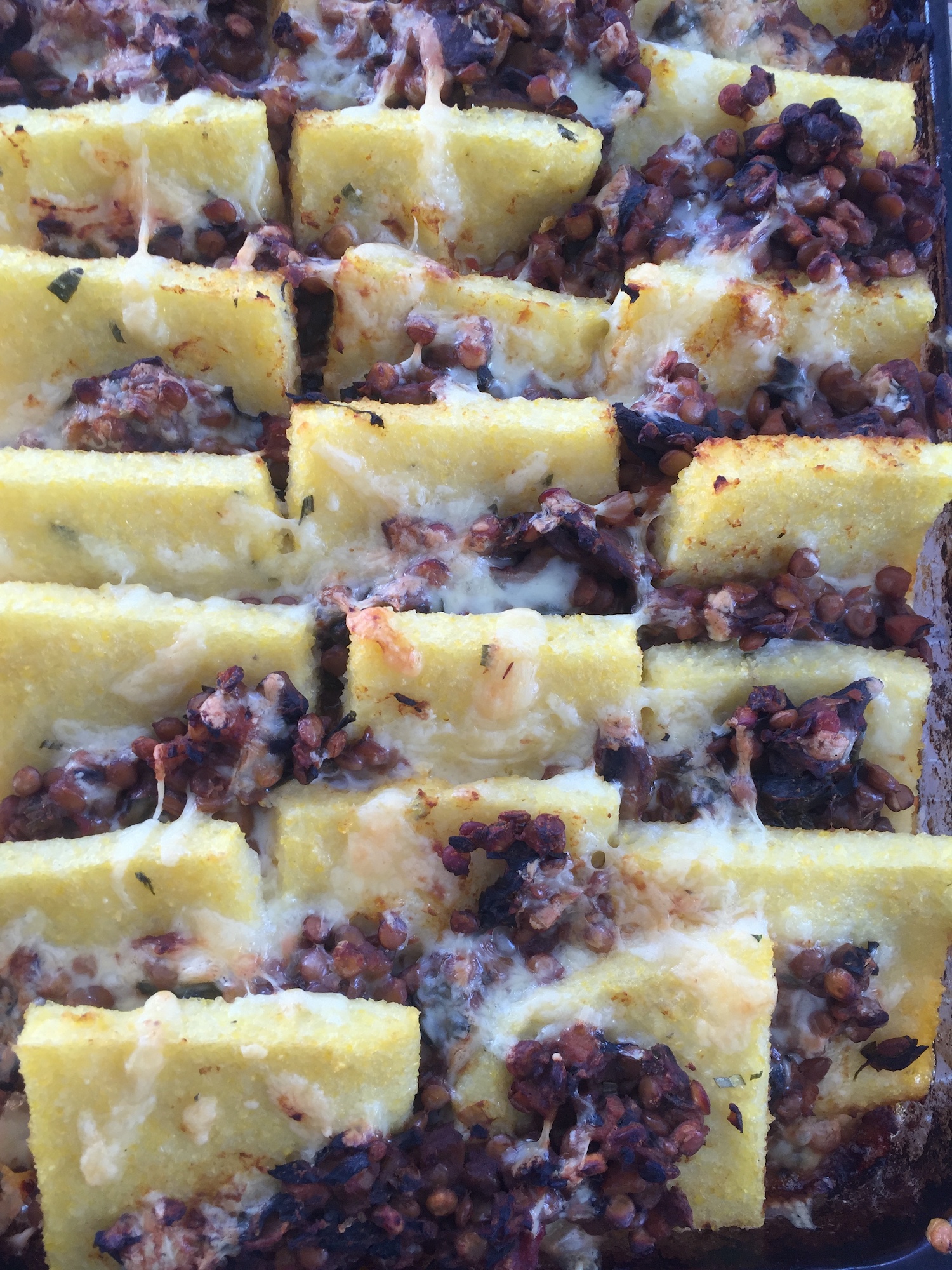
On this visit, dinner included a beautiful polenta ‘lasagna’–layers of herb-filled polenta and thick lentil stew rich in mushrooms and spinach generously topped with cheese and baked to perfection. The portions were generous, and the side salad was the perfect foil to the hearty lasagna. The meal was accompanied by an excellent New Zealand Merlot.

I have to put in a good word for the kitchen staff, too. Though quite young, they cleared the table efficiently and I heard them industriously washing dishes as I left.

The whole experience was delightful and relaxing. I highly recommend a visit to Crazy Corner Cuisine the next time you’re in Sedgemere.

Spring Weeds–Dock

Springtime is weed season, and there are plenty in my garden–57 species at last count.

I grumble about weeds, but I also find them fascinating. Weeds are the opportunists, the survivors, the tough and persistent plants of the world. Some have been spread accidentally, through virtue of their mobile, sticky, or tough seeds, but many more have been introduced on purpose. They are plants we once considered useful, and it is our changing values that make them weeds today.

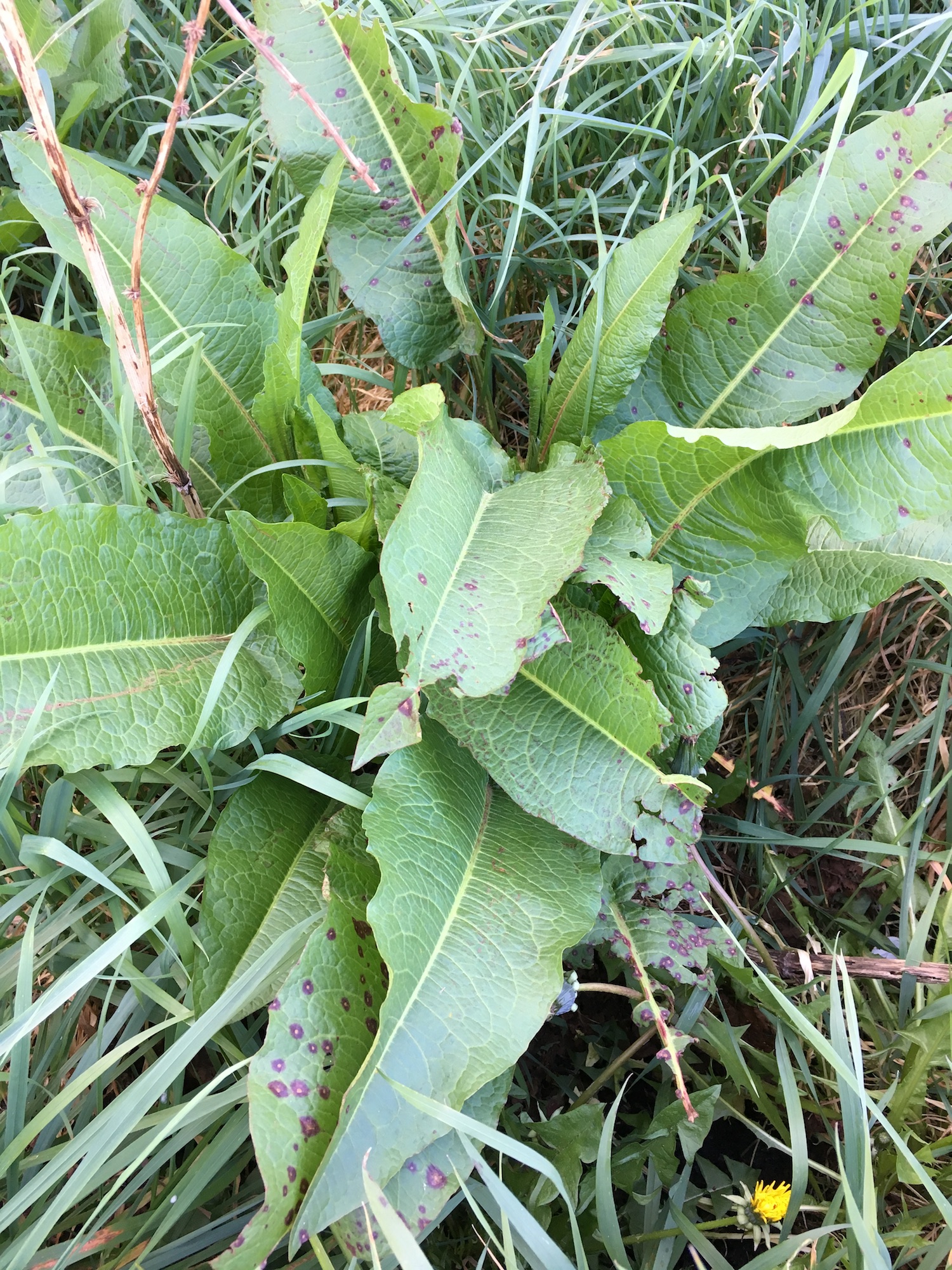
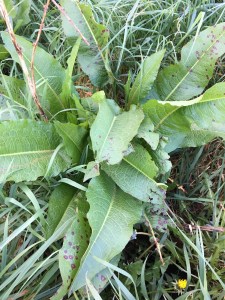
So I’ll be introducing some of my weeds over the next few weeks as they sprout and flower and generally annoy me. We’ll start today with a weed I love to hate–broad-leaved dock (Rumex obtusifolius).

Dock isn’t my worst weed. Not by a long shot. But it is persistent. Deep, branching taproots make it a struggle to pull out, and with each plant able to produce up to 60,000 seeds a year which can remain viable in the soil for up to 50 years, there is an unending supply of new plants. Still, dock struggles to compete with established plants, so it’s mostly a weed of disturbed soil.

The goats absolutely love it, so I can’t complain there. Dock is high in magnesium, phosphate, and potassium, and the tannins in the leaves can help prevent bloat in ruminants. Any dock I pull out of the garden goes directly to the goats.

It is likely dock was brought to New Zealand (from its native Europe) on purpose in the mid-1800s. Though the leaves are high in oxalates, which can irritate the stomach and bind to calcium, potentially leading to calcium deficiency, the plant was regularly eaten like spinach. It was also used to treat a variety of ailments, from coughs to cancer.

Dock often grows side by side with stinging nettle and, like many nettle associates, it can supposedly cure nettle stings. I’ve used dock for this purpose, and can attest that it seems to help, but then so does just about any fresh leaf rubbed on nettle stings.

I wouldn’t want to fight dock on a large scale–it scoffs at most herbicides, easily survives mowing, and can resprout from pieces of root left in the soil after ploughing–but for me, it’s a manageable weed that even has some utility.


Gate Sales

I picked up a kilo of honey and a lovely variegated sage plant while I waited for my son at piano lessons today. And I didn’t step into a grocery store or a nursery.

One of my favourite aspects of New Zealand life is the practice of ‘gate sales’–selling your produce at the farm gate. Gate sale setups can be elaborate, like the beautiful flower cart one of the local daffodil farms uses, or they can be simply a table or box by the side of the road. They operate on an honour system–there’s no one there to make sure you pay–you simply drop your money into a box. Theft does happen–I know from my own experience–but most people are honest.

I’ve seen all sorts of things for sale on the roadside–all manner of vegetables, eggs, walnuts, plants, honey, in-season fruits, flowers–whatever the grower has in abundance. And it’s not just commercial growers–did your lemon tree produce a spectacular crop? Sell the excess at the gate. Zucchinis out of control? Sell the them at the gate. I used to pay my entire year’s garden expenses from gate sales of whatever was extra. I’ve gotten better at planning in recent years and have two teenagers in the house now, so I don’t have the same problem with excess produce anymore.

While I don’t sell much anymore, I take full advantage of those who do. I’ll even go out of my way to buy something (like honey) directly from the farm, rather than picking it up at the grocery store. Other times, the farm is much closer than the store. If we’ve run out of potatoes or eggs, all I have to do is walk to the neighbour’s place to get more. I like the idea that my money is going to the producer, and not to all the middlemen. I like fact that whatever I’ve bought has been locally produced. I like the feel of the trust inherent in the transaction. It feels good, neighbourly, and personal.

As we move into spring and summer, gate sales will be increasing. I’ll be ready, with my ’emergency’ stash of loose change in the car so I can stop and pick up whatever is fresh and at the gate today.

An Egg-cellent Harvest

A few months ago I bought three new chickens because my old girls were no longer laying. I was convinced it wasn’t just a winter slump, because they really were getting on in years (for chooks), and they’d stopped laying long before winter.

But I think they’re trying to one-up the new chickens, because now that all three new ones are laying daily, the two remaining old ones have started laying again.

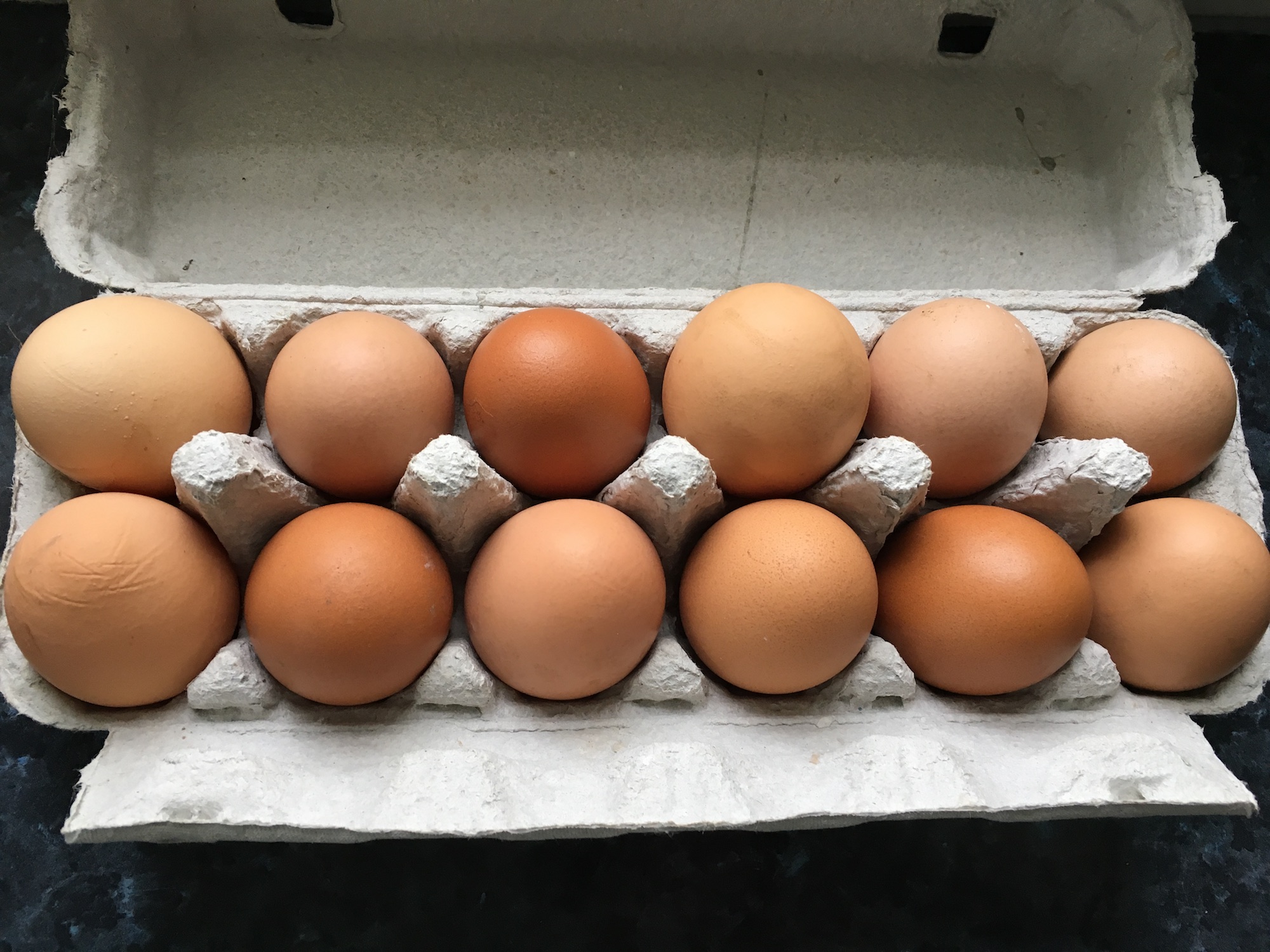
So now I’m getting five eggs a day–way more than we’re used to eating.

And that’s just fine by me. It’s a sparse time of year in the garden, so a few extra eggs are welcome in our diet. And if we can’t eat them all, eggs make great gifts. One of the things that makes rural life seem like such a luxury is seasonal abundance. There may be little left in the veggie garden beyond a few old beetroots, but we can still spread around our rich harvest of eggs.

Nettle Season

It’s stinging nettle season and, as I’ve mentioned before, my garden is host to an irritating quantity of nettle—quite literally.

But though it is a stinging weed, I’ll admit to a certain fascination with nettle. Look at the stinging hairs (trichomes) under the microscope, and you’ll find beautifully wicked structures like fine hypodermic needles. Those syringes are full of an irritating mix of acetylcholine, histamine, serotonin, moroidin, leukotrienes, and formic acid to irritate your skin.

But the triggering mechanism for the trichomes depends upon turgor (water pressure), so once a nettle wilts, it can’t sting.

And once it wilts, nettle is an incredibly useful plant. It is edible and quite nutritious for both humans and livestock. The cooked greens are used in traditional dishes throughout the Northern Hemisphere where it is native.

It can be used to make a vegetarian rennet for cheesemaking, and is used to flavour and decorate some cheeses. I’ve made nettle rennet myself as a substitute for commercial rennet when I’ve run out.

Nettles can be used to make tea, cordial and beer.

The fibrous stems can be used to make linen-like textiles. The roots can be used to make a yellow dye.

Fed to chickens, nettle is an effective egg colourant, which may explain the deep orange colour of my chickens’ egg yolks at this time of year.

All in all, stinging nettles don’t deserve their bad reputation. Like many of our weeds, they’re useful plants that we’ve forgotten how to use.

Who’s Debbie?

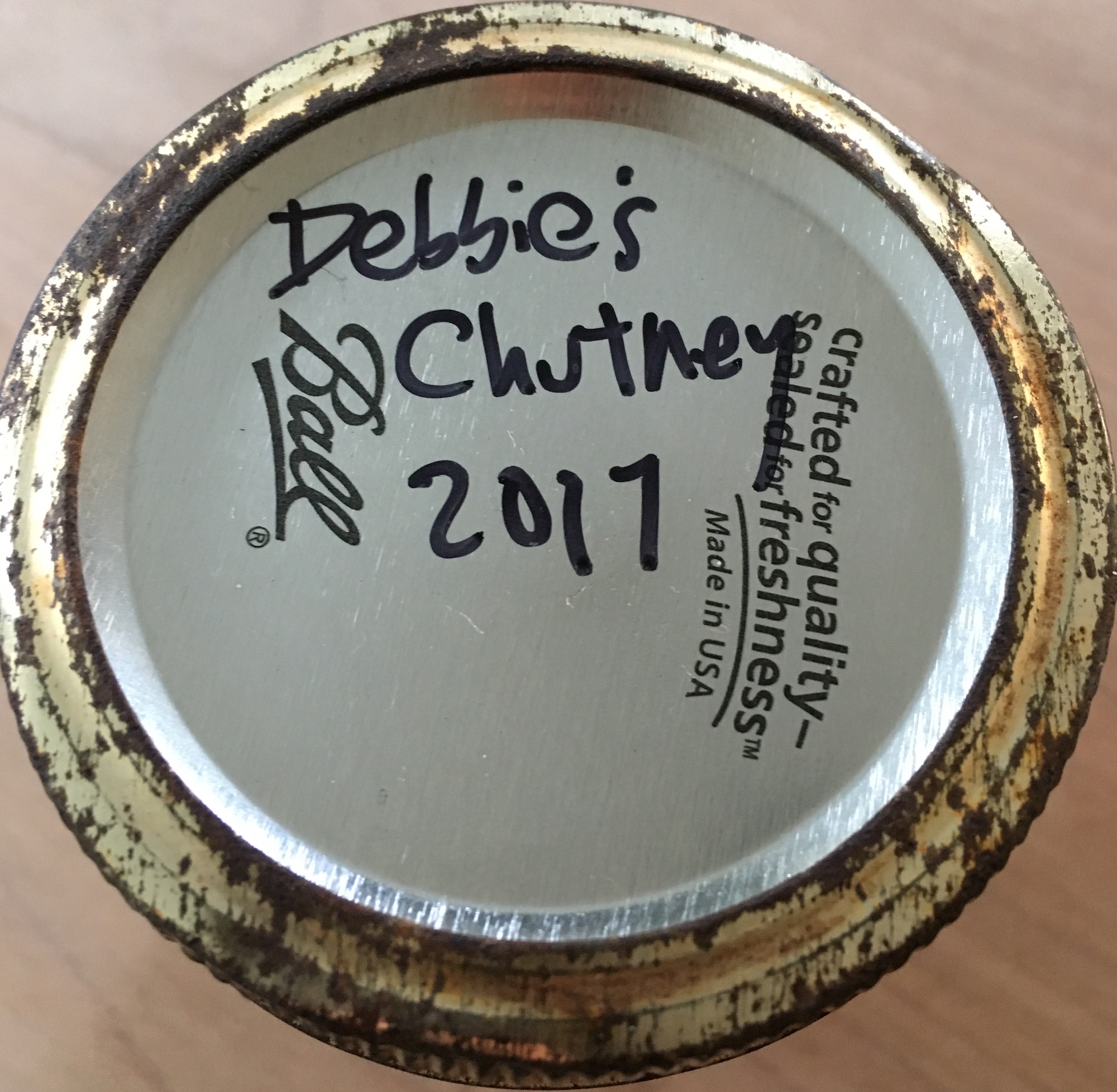
We pulled a jar of chutney from the cabinet a few days ago, and it inspired hours of speculation.

Who is Debbie? My husband made the chutney, and he labeled it, but no one can remember why it’s called Debbie’s chutney. Did someone named Debbie give us some fruit that was used in the chutney? Is Debbie an acronym for something? Delicious black boy [peach] interesting experiment? Is it a description of what’s in it? December berries?

The truth is, no one remembers. Which is a shame—I’m sure it’s a good story.

Many of our preserves and homemade products have names that tell a story, or describe what went into them. Just a few memorable ones:

Strawgooberry Jam—strawberry and gooseberry jam

Brewcurgooberry Jam—black currant, strawberry, red currant, and gooseberry jam.

Windfall Chutney—made from not-quite-ripe apples that blew down in a storm.

Black Daze of May—a dark beer brewed during a May several years ago when it rained continuously.

Baby Butt Bitter—a beer brewed many years ago during the potty training phase of one of the children.

Non-Dillicious Pickles—a batch of dill pickles that I forgot to put dill into (they were actually quite good)

Ginpricot Jam—apricot and ginger jam

Taumutu Squeak—mozzarella cheese that hasn’t quite worked properly and can’t be stretched, but squeaks when you bite into it

And, of course, Summer Soup—soup made of all the late summer vegetables.

So…

Who the hell is Debbie?

Lemon Meringue Pie

I had extra pie dough from making a quiche earlier in the week, a bunch of lemons that needed to be used, and tons of eggs. What could I do but make lemon meringue pie?

I don’t think I’ve ever actually made lemon meringue pie before. It seems a gross oversight on my part, though not entirely surprising—I’m not fond of meringue, so it wouldn’t be the first thing I’d ever think of doing with lemons.

But, hey there’s a first time for everything, and the rest of the family loves meringue. So lemon meringue pie it was.

And it was very good—a study in textures and colours, with wobbly bright yellow custard underneath and foamy egg whites on top, nestled in a crunchy crust.

Would I make it again? Maybe occasionally, but it will never be one of my regular desserts. Even with the pie dough already made, it was nearly an hour from the start of the process to putting the pie in the oven. I don’t mind spending that sort of time on a dessert now and again, but every week? I can get my sweet fix much more easily than that.

And so, now I’m dreaming of a nice, whip-it-together in-a-few-minutes pan of brownies…