Summer Stocktake

Mid-April, and it’s time to take stock of the summer’s garden. 

Compared with gardens at the old house, this year’s was a disaster—stunted plants that died off early, solanaceous crops decimated by viral disease, and heat and drought that I struggled to combat with irrigation.

But compared with what I expected, the garden was a huge success. I managed to provide the plants enough nutrients and water that they all managed to give us something. We had enough peas, corn and carrots to freeze some. We gorged on strawberries and melons. I gave away heaps of zucchini. The laundry room is piled with pumpkins. We’ve got more garlic and onion than we’ll be able to eat before it starts to sprout. And we’ve had a steady supply of tomatoes, eggplants and peppers. 

The stars of them all have been the carrots. Last spring I blogged about how well my carrots germinated this year—better than they ever had before, which was quite a surprise in the new garden. At the time, I reserved judgement—it was too much to hope the carrots would grow well in heavy clay soil studded with rocks.

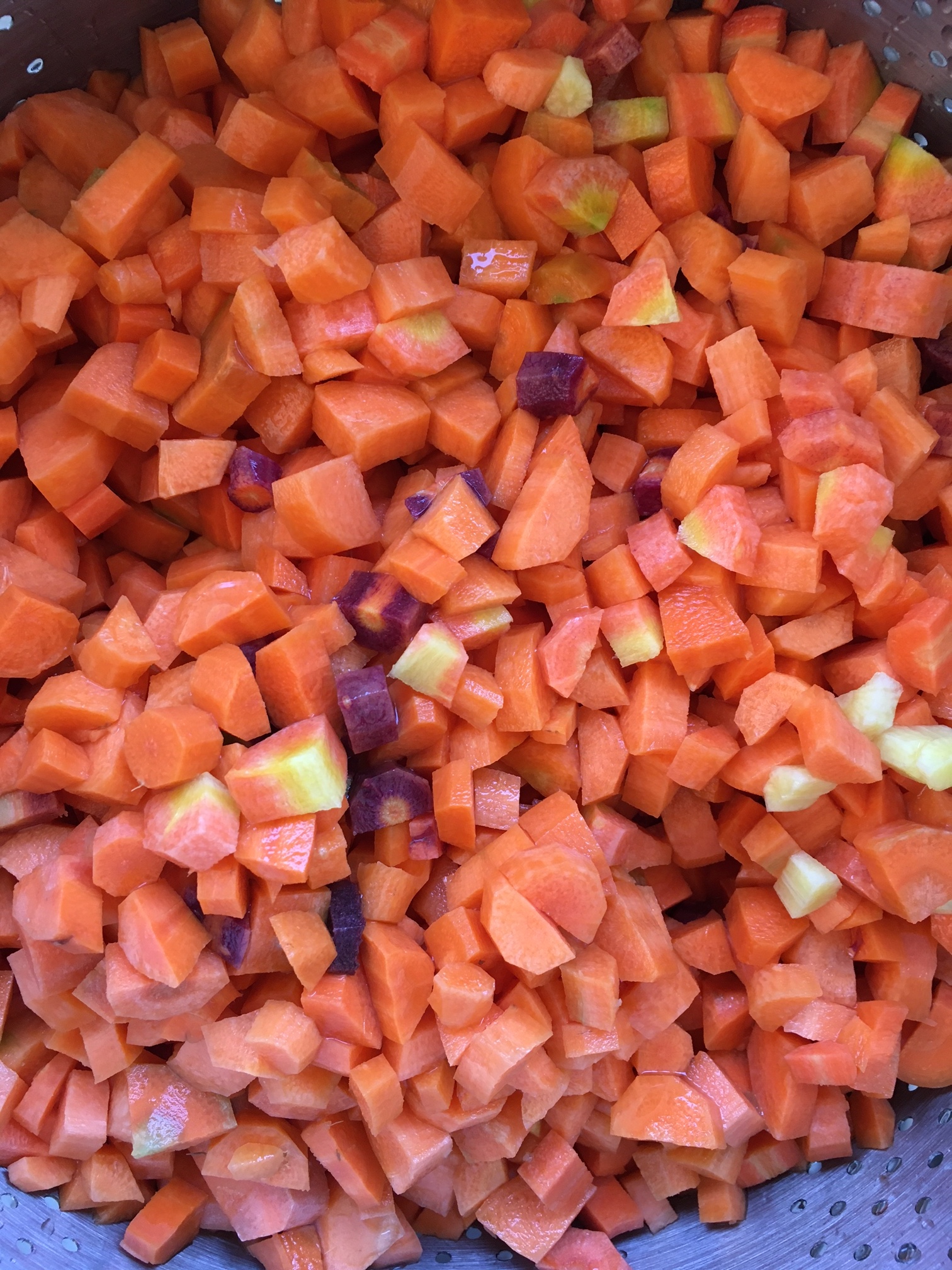
But all summer we’ve been eating beautiful carrots, and last week I harvested everything remaining in the bed, because the slugs and slaters were taking their toll. The fridge is packed with carrots now, and I blanched and froze several kilograms as well.

In spite of everything, it was one of the better years I’ve had for carrots. To be fair, the roots are small, compared to the old garden. Some are bent where they hit a rock, and many broke off when I tried to lift them—if they penetrated too far into the clay, they were nearly impossible to harvest.

But even the purple carrots grew, which is quite an accomplishment for me—in past years, the purple carrots have done well in early spring, but then have been decimated by aphids, so we only ever eat them as baby carrots. Last week I harvested quite a few nice big purple carrots.

Best of all were the Paris market carrots—little, super sweet round roots perfect for lunch boxes and snacks. Their shape made them easy to pick, so there weren’t any left when I harvested the lot last week, but they’ll definitely be in next year’s lineup as well.

Overall, I consider the summer’s garden to have been a success. It’s looking pretty bare out there now, and I’m hauling cow manure from the neighbour’s place and incorporating it into the soil, so by spring I hope to have a few more nutrients available for the plants. I’m already looking forward to next summer.

Gevulde Speculaas

I recently purchased the book Sweet, by Yotam Ottolenghi and Helen Goh (because the book was always checked out of our local library when I went for it). Like Ottolenghi’s other cookbooks, Sweet is a celebration of flavours, and unapologetic about excess.

My first foray into making some of the glorious recipes in the book was gevulde speculaas—stuffed speculaas.

Speculaas is a staple cookie in my household—richly spiced, quick to make, and delicious any time of year. Ottolenghi’s gevulde speculaas recipe, however, is speculaas for special occasions.

His spice mix includes cinnamon, aniseed, white pepper, ginger, coriander, cardamom, nutmeg and cloves. These are incorporated into a soft dough that is wrapped around an almond paste filling flavoured with lemon and candied citrus peel.

The cookies are baked as a log and cut into slices when cool. Each bite is a spectacular flavour explosion. Unlike traditional crisp speculaas, these stuffed speculaas are soft and moist. They’re the perfect accompaniment to a cup of coffee or tea, and look amazing too.

They are a lot of work to mix up, but they partly make up for it by being baked as a log, so there’s no individual cutting or shaping of cookies to do. They’re definitely celebration cookies, not everyday ones, but I’m certain I’ll be pulling the recipe out again.

Crazy Cake Season 2021: Cake #3

After my daughter’s octopus cake, the remainder of Crazy Cake Season has been less than crazy. My son’s cake was a bit of a do-it-yourself kit, and consisted of plain cupcakes and a tub of frosting posted to him, since he was back at university for his birthday. 

Cake number three, for my husband, was a small affair, since it’s only the two of us at home now. I don’t think I’ve ever made a cake this small—it seemed hardly worth the effort when I pulled the single 18 cm round out of the oven. 

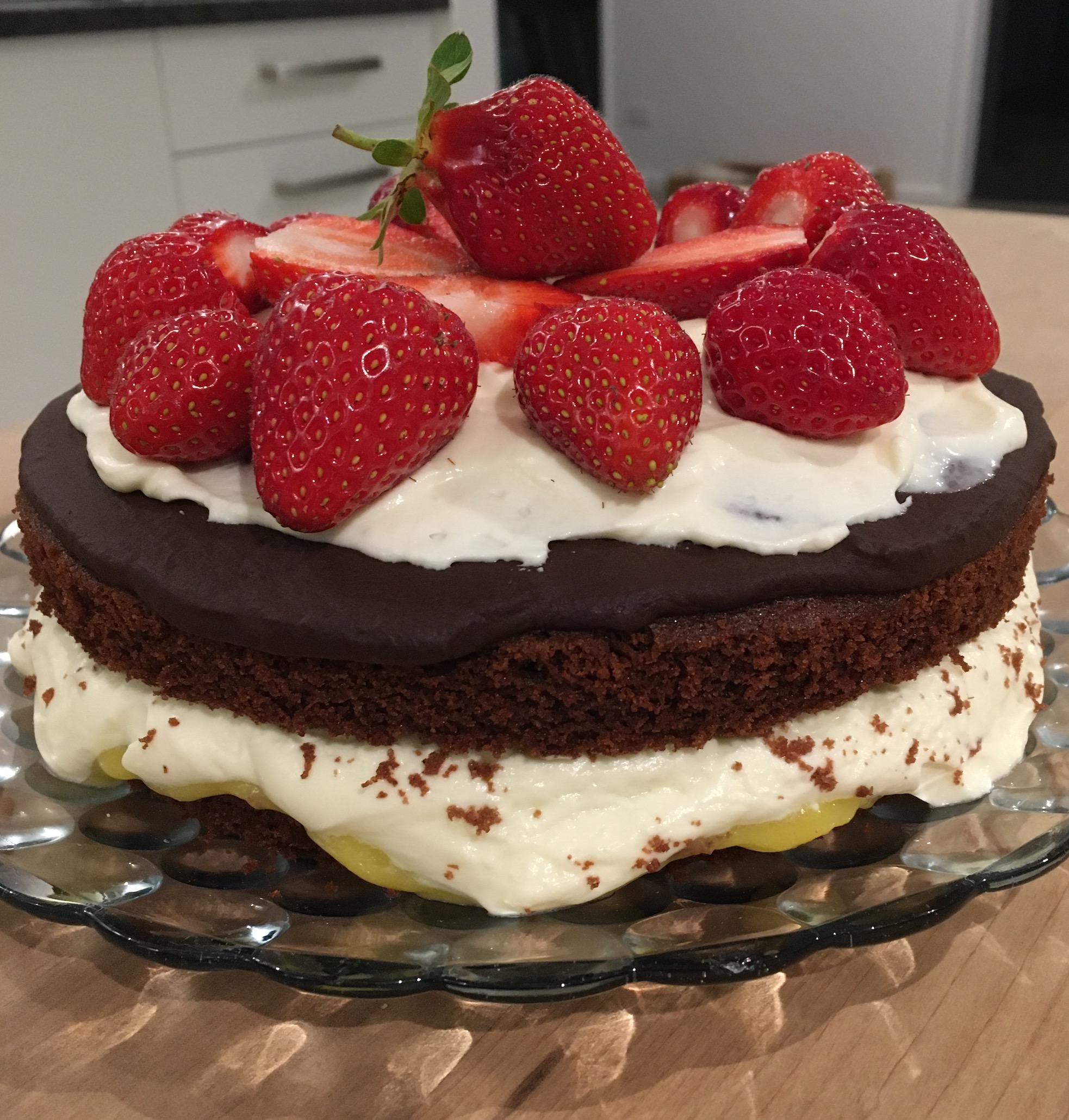
He had asked for ‘fruity chocolate’ cake this year. So I made a chocolate madeira cake, filled with lemon curd and a lovely whipped cream and yogurt filling. I topped it with chocolate ganache, more whipped cream and yogurt filling, and fresh strawberries.

The cake was a new recipe for me, inspired by a slice of commercial cake I ate at a dinner party a few weeks ago. The commercial cake was delicious, with an intriguing texture—quite different from the usual bland froth of commercial cakes. A little research on the bakery’s website revealed it to be madeira cake, so I’ve set myself a goal to try making madeira cakes. My first try was a bit dry—something to work on—but with the fillings and fruit, the total package was delicious. 

I was particularly taken with the whipped cream filling, which came from CookingLight, and was easy to make:

1/2 cup cream
1/3 cup icing sugar
1/2 cup plain Greek yogurt
1/4 tsp vanilla (I increased this to 1/2 tsp)

Whip the cream and sugar together until stiff peaks form. Add the yogurt and vanilla and beat until smooth.

I had extra strawberries and was munching on them as I assembled the cake. In the process I discovered that the filling makes an amazing fruit dip. Worth making some extra, just for dipping strawberries into.

A Squirrelly Weekend

Dried vegetables don’t look nice, but they’re great for backpacking.

I had a very squirrelly weekend last week. It wasn’t full of bushy-tailed, nut-eating rodents (they don’t live in New Zealand); I was the squirrel in my weekend. Squirrelling away food for later.

Thursday, I addressed an overabundance of zucchini by making zucchini bread. I tucked three loaves into the freezer to eat in the coming weeks.

On Friday, I used more of that zucchini, along with lots of other vegetables from the garden to make a vat of pasta sauce. Some of the sauce was eaten for Friday’s dinner, but most went into the freezer to eat in the coming months.

On Saturday, I shelled dry beans from the garden. Once they’ve fully dried, I’ll pack them in jars to be made into chilli and refried beans over winter.

Later that day, I made six meals worth of veggie burgers to squirrel away alongside the pasta sauce in the freezer.

All weekend, I had the dehydrator running, drying fruit and vegetables for tramping (backpacking) trips over the next year.

On Sunday, I picked, processed and froze the year’s harvest of soy beans.

My husband got into the act, too. He made two large pizzas, two-thirds of which we froze for future meals.

The garden is beginning to empty and the freezer is filling up. It’s a good feeling, in spite of the work involved. Like a squirrel, I’ll be able to curl up in my nest through the winter, nibbling on the food I’ve stored up.

When Everything is a Gift

My stunted yellow corn.

I never expected much from this year’s vegetable garden. The soil test revealed a virtually sterile substrate, nutrient-free, stripped by decades of conventional agriculture and then scraped by the developer’s bulldozers. It will take years to improve the soil to the levels of my old garden. In the first year, I figured I’d be lucky to coax a few meals out of the garden.

There’s no question the vegetables I planted are suffering. The plants are half the size they should be, and many are yellow and senescing early for lack of nutrients.

But the compost, manure, and other organic fertiliser I’ve incorporated into the soil have done some good. We have plenty of onions, cucumbers, carrots, herbs and green beans. We are overwhelmed with zucchini. The soy beans and dry beans will all give harvests. Pumpkins swell on their vines. We’ve even eaten a few melons.

Every fruit feels like a gift.

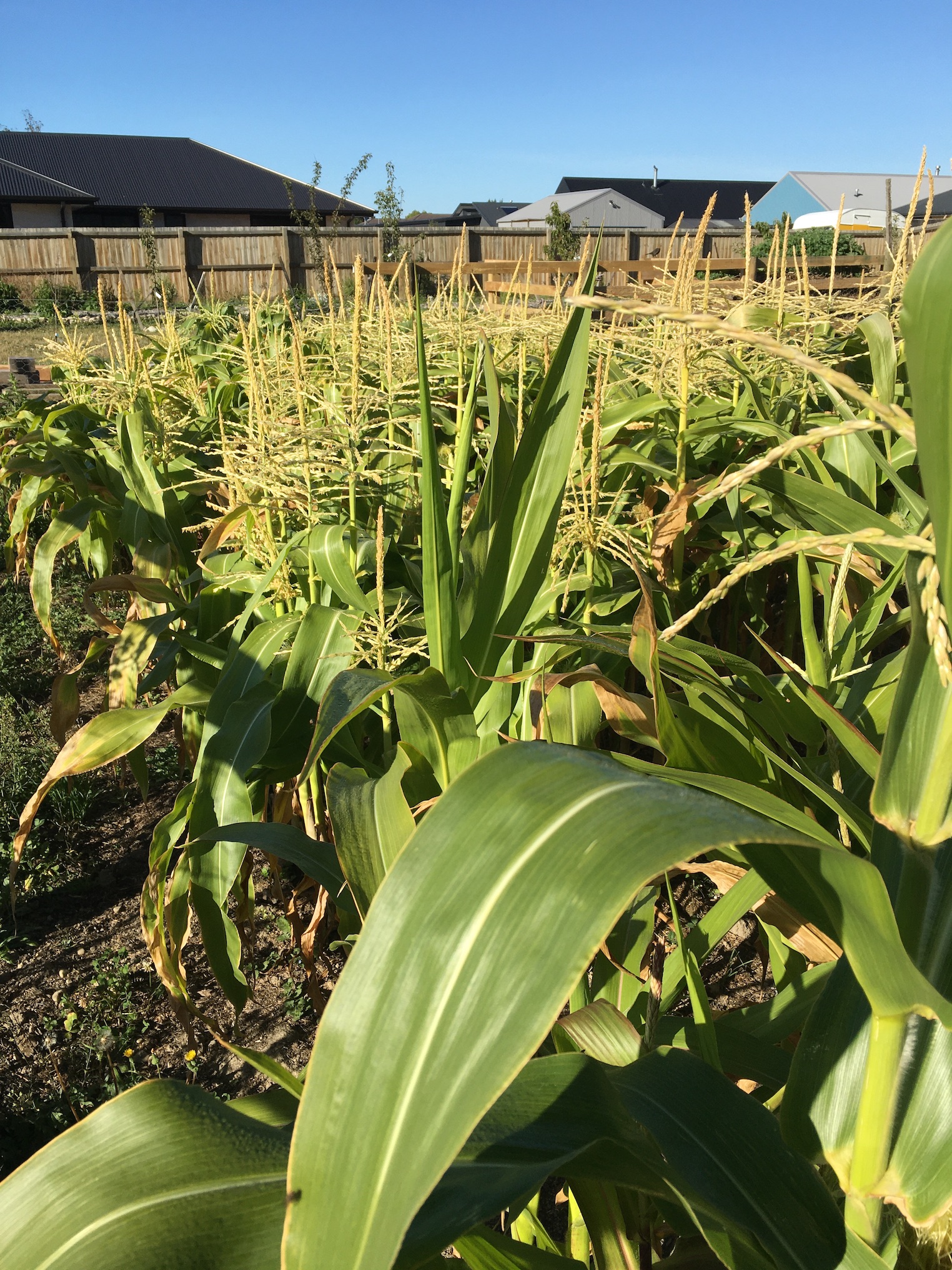
I could be dismayed at the state of the garden—corn only waist high, tomatoes ripening at golf ball size, potatoes decimated by disease … but I know what the plants are up against. I know how hard they’re working to produce anything. I admire their effort and determination.

So, in spite of how pathetic the garden is, I am pleased. I feel blessed at every meal, and I look forward to an even better year next year.

2021 Crazy Cake Day #1

Many years ago, I tried to make vegetarian rolled fondant. It was a complete disaster.

So when my daughter asked for an octopus cake for her birthday, I first wondered if I could manage to do it in buttercream frosting. I quickly decided that, no, it was really only going to work in fondant. So …

I spent a couple of hours on Tuesday scouring the city for the ingredients. They were easier to find this time—vegetarianism has become more commonplace, so gelatine substitutes are now available in some mainstream grocery stores. I took it as a good sign. My fondant would work this time.

I baked the cake (chocolate), and made the filling (peanut butter), and on Wednesday sculpted the octopus’s body. After a night in the refrigerator, the cake was ready to cover in fondant. Thursday morning I got to work.

The first batch of fondant was marginal at best. It had little elasticity, and I had to roll it out in pieces, rather than one big sheet to cover the whole cake. No worries. I managed, and the result was only a little bit lumpier than I’d hoped.

But I’d used nearly all my fondant, and I still had eight legs to make.

So, I made another batch. This one would be better, of course, because it was the second try. And it seemed to be going better for a few minutes. But by the time it was finished, it was clear this batch had even less elasticity than the first. 

At least I didn’t have to roll it out thin. It worked fine for the legs, as long as I worked slowly and didn’t try to curl the legs too much.

It took quite a long time to smooth all that lousy fondant into what looked like one continuous animal, but eventually I managed. Then I had a fabulous time painting it, watching the octopus colouration take shape.

It took a bit of trial and error to work out how to make zillions of suckers—thinned fondant piped into balls, partly dried, and then shaped before allowing them to harden. Then it took ages to place them all. I finished up just as my husband was putting dinner on the table. 

It was a heck of a lot of work for one cake.

But the final octopus looks like it could swim away any moment. And more importantly, I think my daughter is truly impressed—a rare feat.

Aromatic Memories

Smells have amazing powers. They can conjure spirits.

I was chopping parsley and mint the other day to put in dinner and, as the combined smell wafted from the cutting board, I though of Rhian Jones.

I shared a house with Rhian and five other women during my last year at university. Yellow House, as we called the brightly painted Edwardian edifice, was a good place to live. Though all seven of us had different majors and different personalities, we shared a desire to make the place feel like home.

We all enjoyed cooking, and regularly shared food. Rhian made tabbouleh that sang with flavour. “Granny’s” tabbouleh, because the recipe came from her grandmother. I still have that recipe.

I haven’t thought about Rhian for years, but the mix of herbs under my knife the other day drew her into my kitchen. I heard her infectious snorting laughter, remembered her vast collection of colourful bras, and tasted her granny’s tabbouleh shared among us on hot summer days.

I don’t know what became of any of my housemates from that year, but it was lovely to have Rhian laughing in my kitchen thirty years later. I hope wherever she is, she’s still making tabbouleh.

Inspirational Flavours

I was surfing the internet last week for something different to do with lentils and found a recipe for an intriguing lentil stew topped with roast broccolini and lemon on Bon Apetit’s website (Marinated Lentils with Lemony Broccolini and Feta).

I didn’t have broccolini, but I did have an overabundance of zucchini (surprise, surprise … It’s January; of course I have too many zucchini).

I was intrigued by the idea of roasting lemon, so I substituted zucchini and spring onions for the broccolini in the recipe, vaguely took inspiration from the herbs and spices in the lentils, and ran with it.

The result was delicious and refreshingly different from my normal lentils. The roast lemon was good—sour, bitter, and slightly caramelised. It enhanced the lightness of the vegetables and was quite pretty, too. And the spicy, tangy lentils were a nice complement to the vegetables. I can envision the dish working well with many different vegetables—eggplant, green beans, even beetroot—a great way to highlight an individual vegetable against the richness of lentils.

It’s gotten me thinking about other places I might include roast lemon slices—in mixed roast vegetables over couscous, in a lemon/butter sauce over pumpkin ravioli, floating atop a bowl of vegetable soup … there are lots of intriguing options. I love when a recipe inspires new ways to prepare old ingredients.

Ugliest Cake Ever

Yesterday was a bad baking day, for sure. In the afternoon, I tried to make meringue with aquafaba, which we’ve done before with great success. Not so on this attempt. After nearly 40 minutes of beating, my meringue mixture was still nowhere close to being stiff enough. I tipped it into the compost pile.

Later, I made chocolate cupcakes using a tried-and-true recipe. What could go wrong? First, I was out of cupcake papers. No problem—I greased and floured two cake tins instead. The layers looked gorgeous coming out of the oven.

But fifteen minutes later when I tipped them out of their pans, they stuck. By the time I got them out, one layer had the entire bottom ripped off, and the other was in a dozen chunks. 

I should have broken up the rest of the cake and made a trifle out of it—it would have been an excellent trifle! But the whole inspiration for making cake was to make frosting for it from a half-block of cream cheese that had been sitting in the fridge for ages unused.

So I glued the layers together with generous slatherings of tart apricot jam from last year’s bumper apricot harvest, then topped it with my cream cheese frosting, which wasn’t enough to cover a whole cake, of course, since I only had half a block of cream cheese (would have been plenty for cupcakes…).

The result was …

“A remarkable recovery,” in my daughter’s words.

And I suppose it was, considering the crumbled mess I started with. Still, this is a cake to eat quickly and with closed eyes.

It is delicious, though. Especially with all that apricot jam glue holding it together.

Ghosts of Christmas Past

Christmas day dinner–no cooking required.

Much of the world has entered the holiday season under the threat of Covid. Holiday gatherings, a highlight for many, are necessarily smaller or cancelled altogether.

For some, a Christmas without parties and large family gatherings will seem … well, not like Christmas at all. 

I’ve been thinking about this as I talk to my family about their holiday plans, and there’s a lot of similarity in what they are going through to what my husband and I have gone through as expats. We’re used to holidays far from parents, grandparents, siblings, aunts, uncles and cousins. We know how the ghosts of family-filled Christmases past haunt the table set for two on Christmas eve. We’ve learned how to fill the holidays with meaning even if we can’t fill them with loved ones. I imagine most other expats have done the same.

It occurred to me that the lessons we’ve learnt are applicable to those stuck at home due to Covid. So here are some musings on how we’ve navigated (and come to love) solo holidays.

  • Treat yourself the way you’d treat guests. Do you usually make a special dinner Christmas Day? Cook it for your household, even if that’s only two people. Do you stay up late partying to ring in the new year? Well, put on the stereo and dance, no matter how few you are.
  • If the previous idea raises too many ghosts for you, create new ‘traditions’ instead. Throw out the holiday rulebook. Instead of a party, go for a hike with your household. Instead of buying a live tree, get creative and make one with your immediate family out of whatever’s lying around the house. Instead of a formal meal in the dining room, have pizza and popcorn while watching a movie on the couch. The more different the new tradition, the less likely those Christmas ghosts will show up. Just make the new plan as much of a treat as the old (not simply your usual routine). 
  • Dress up. Staying home? Put your party clothes on anyway. It will make the day feel special, even if all you do is lie around reading books.
  • Share with family and friends far away. This is so much easier today than it was 27 years ago when my husband and I had our first Christmas overseas. Then, I wrote letters describing our Christmas punch and mailed photos of our tiny Christmas tree. These days, we share via telephone, Skype, Zoom and FaceTime. It’s not the same as being there, I know, but I am thankful for the opportunities we have to be ‘together’ for the holidays.
  • Focus on what you can gain, not what you’re losing. Quiet time with your partner and/or children. Time alone to do what you want, not what the whole gang wants. Freedom from the intense cooking, cleaning and planning that go into hosting holiday events. A chance to re-think your holiday traditions. A reprieve from that loud uncle who always drinks too much and starts talking politics … I’m sure there are plenty of things you’ll happily miss out on this year.

No question about it, this year’s holiday is going to be different from normal for most people. But that doesn’t mean it has to be bad. Make the most of the opportunities to try something different this year. Who knows? Maybe something you do this year will become part of your holiday traditions for years to come.