A Day Off

DSC_0020 smI don’t do anything on Christmas Day. I take the day off. Well, okay, I have to do the milking and the other animal care, but I do only the essential daily tasks.

Before Christmas, I make sure the garden is well-weeded, so I’m not tempted to pull any on the day. I make sure all the picking and processing of fruits and vegetables is caught up, so I don’t feel I have to make jam or sauerkraut. I make sure the laundry is all done the day before, so I don’t feel a need to do washing. As soon as I’m done with the morning chores, I put on a skirt, just to make it harder to do work.

I don’t even cook much. Christmas breakfast—sticky buns—are made the night before, and left to rise in the fridge overnight. All I do is throw them in the oven in the morning. Lunch on Christmas is leftovers from Christmas eve dinner—usually calzones. Christmas dinner is salad, cheese, and bread. Easy and summery.

So I take a day of rest, and I enjoy it a great deal. I read a book. I take an afternoon nap. I do a little sewing, I play games with the kids.

The problem is the next day.

My body is obviously made to be in motion. Sitting around all day is not good for it.

The morning of the 26th of December, I can barely get out of bed, my back is so stiff and sore. I hobble around groaning for the first hour of the day.

So I’m happy to be back at work on Boxing Day, weeding, harvesting, doing the laundry. Good thing Christmas comes only once a year!

Summer Christmas

Photo: Ian Dickie

Photo: Ian Dickie

It took me a while to get used to Christmas in the summer. Walking past shop windows frosted with fake snow while wearing shorts and a t-shirt, decorating a tree with lights that we don’t bother turning on because they can’t be seen in the long summer days, listening to Christmas carols that speak of snow…it’s all a bit ridiculous here.

But I’ve learned to be flexible and view Christmas as a summer holiday. And we’ve picked up a few southern hemisphere Christmas traditions.

Champagne with strawberries—nothing says summer better than a little bubbly with a fizzing strawberry in the bottom of the glass. Anytime after 11 am on Christmas day is time for a little champagne.

Christmas camping trips—this is a Kiwi tradition we’ve embraced wholeheartedly. We enjoy a pre-Christmas tramping trip every year to get us in a festive mood.

Trips to the beach—The holiday season wouldn’t be complete without at least one day on the beach. It should also include ice cream.

A laid-back approach to life from mid-December to mid-January—it used to really irritate me that I couldn’t count on anyone being in their offices for the better part of a month around Christmas. I was the sort of person who worked up until Christmas eve, and was back at it no later than the second of January. But I couldn’t get anything done because everyone else was on vacation. Eventually I got the message—it’s summer. Relax. The work will still be there in February. It can wait.

Have another glass of that champagne.

Seasons greetings to you all!

Broad Beans

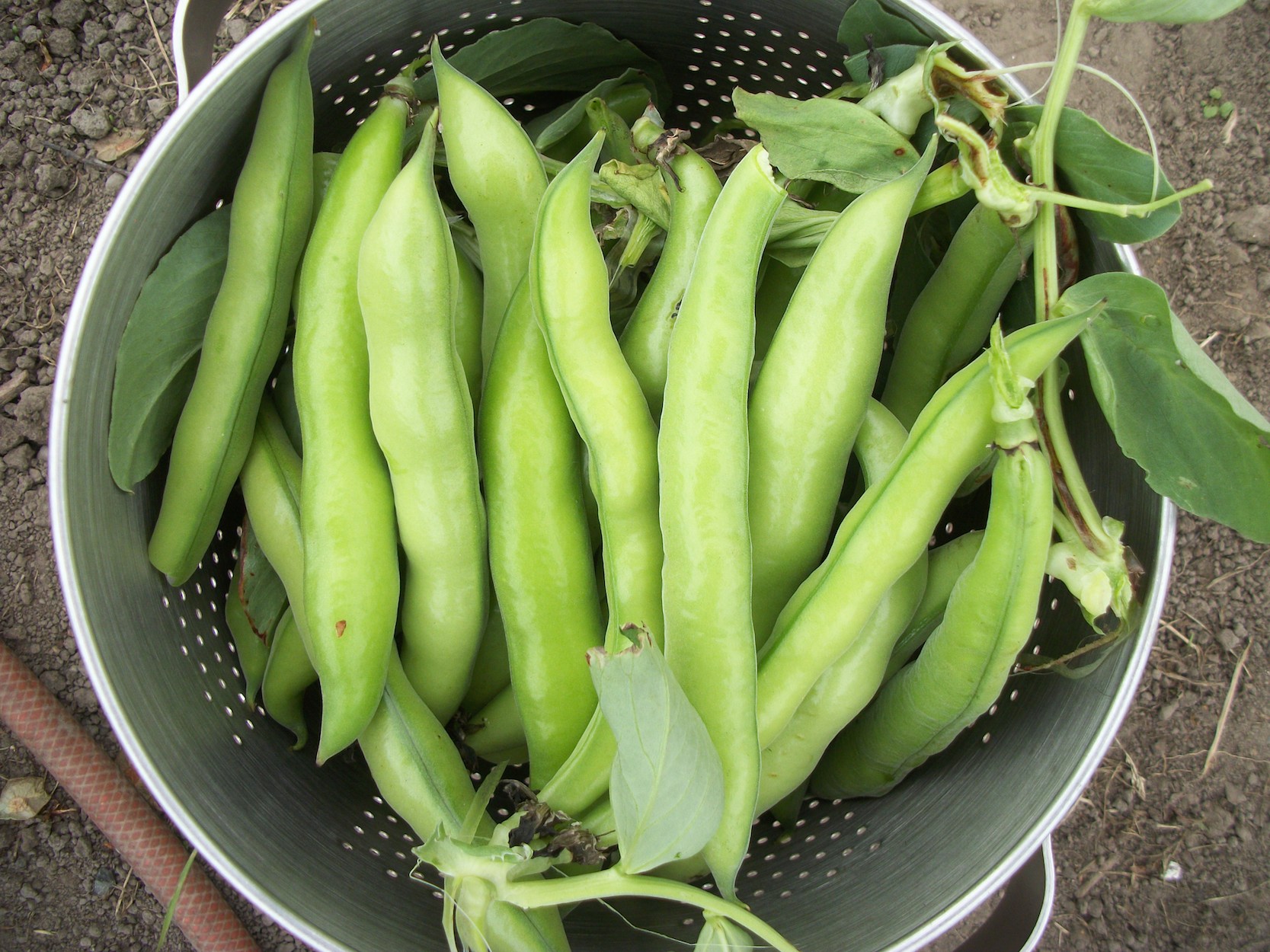
100_4007 smI had never eaten broad beans (aka fava beans) before moving to New Zealand, but now I can’t imagine early summer without them. They’re uncommon in the U.S., and even here where they’re grown by the hectare, they’re often considered “old people’s food”. During my brief stint selling vegetables at the Leeston market, I never sold broad beans to anyone under the age of 80.

But his attitude is unfair. Broad beans are more versatile than that. They have a bold, almost floral flavour that needs no embellishment. When young, the beans are sweet like peas, and they grow starchier as they mature. Somewhere between sweet and starch, they are at their best.

The “usual” way to eat broad beans is to blanch them, peel the skin off each bean, then serve them or cook them into a dish. Nothing wrong with that, unless you’re the cook, who has to shell and peel all those beans.

We prefer to make the consumers do half the work. We blanch the beans and serve them as finger food. They make a lovely appetizer—pop them out of their skins right into your mouth. Paired with a nice Sauvignon Blanc and eaten outdoors on a summer evening, they are no longer “old people’s food”. They become urbane and sophisticated. Something to be savoured with intelligent conversation.

And if you’re more the beer and burgers type, broad beans will oblige. They make a mean green burger that goes well with cheese, mushrooms and ketchup. Light enough for a lager, strong enough for a stout, broad bean burgers go with just about anything.

Broad beans—a versatile legume that’s not just for old people.


Library Evolution

100_3972 smI remember libraries as a child. They were quiet, austere places. No food or chewing gum was allowed to enter, and librarians had lips permanently puckered from saying “Shhhh!” We tiptoed between towering shelves of books in hushed silence. We spoke in whispers when we dared to speak at all. Our books were chosen and checked out with a minimum of noise. The librarians’ well-oiled carts rattled like cattle trucks through the hushed corridors.

But something happened between the time I graduated from university and the time I got my children their first library cards. Libraries transformed and reinvented themselves.

Comfortable couches in conversational arrangements and large tables that encouraged discussion replaced the tiny desks tucked into dark corners. Children were invited in to flop into bean bag chairs with their favourite books. Librarians stopped saying “Shhhh!” and began leading children in songs, belted out in the middle of the library for all to hear.

No Food or Drink signs gave way to cafés inside the library. Now you can browse your favourite titles while having a coffee or eating lunch. You can sit and chat with friends—loudly—and no raptor librarians swoop upon you with a scowl.

Community groups began to meet in the library. Not in some ante-chamber tucked away behind a soundproof door, but right smack in the middle of the library. Knitting and gossiping, playing board games, having raucous meetings.

Televisions and computers showed up, and now you can watch a football match, or play video games in the library.

Libraries have awakened. They have roused from their quiet slumber and become vibrant community hubs. The smell of book binding glue is now mixed with the aroma of fresh coffee and scones. The turning of pages is matched by the tap of keyboards. The hum of conversation overpowers the hum of the fluorescent lights.

I spend significant time in several different libraries, using them as an office when I can’t be in my own. I am not alone. Most days I have to fight for space at a table and a place to plug in my laptop. Some days it is almost unbearably noisy, and I have to resort to noise-cancellation headphones in order to concentrate. It is a far cry from the libraries of my youth.

I don’t mind. What better backdrop for our communities than that of books? What better place to go to engage and be inspired? To learn and grow?

Long live the library!

Hand and Foot

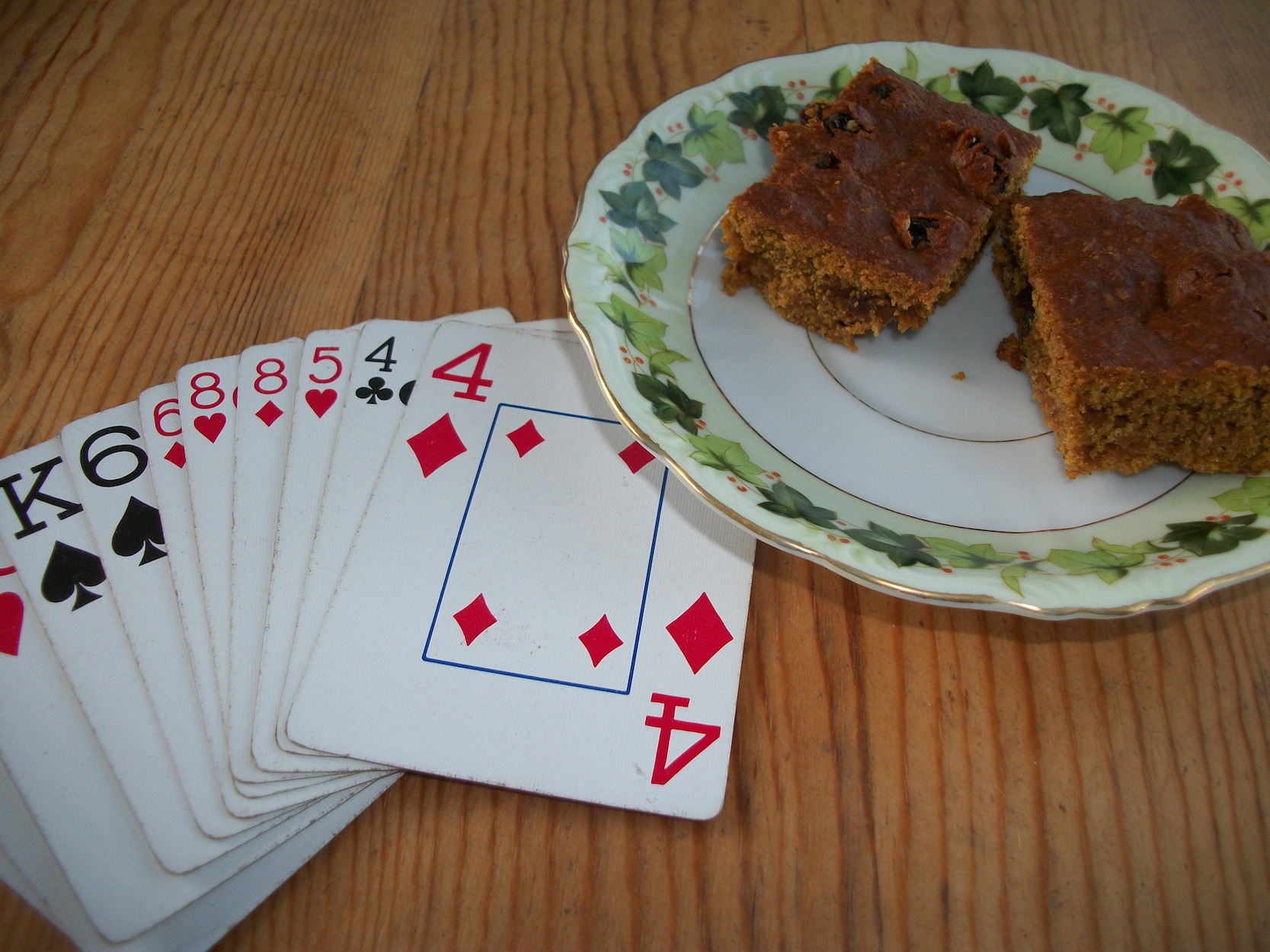
100_3964 smHand and Foot always goes hand-in-hand with food.

Hand and foot is a 4-person card came similar to Canasta, and played with 4 decks of cards. The game was introduced to me by my husband’s family. Indeed, I think it must have been written into the marriage agreement somewhere—will learn Hand and Food and agree to play whenever called upon.

The game is a good mix of luck, skill, and partner compatibility, so it works well as an evening’s entertainment at home or when visiting relatives.

Best of all, it is always accompanied by food—usually decadent and seasonally appropriate food. Cookies in the winter, ice cream in summer, strawberry shortcake in spring or pumpkin pie in the fall.

You might win or lose the game, but you always end happy and well-fed.

Grasp the Nettle

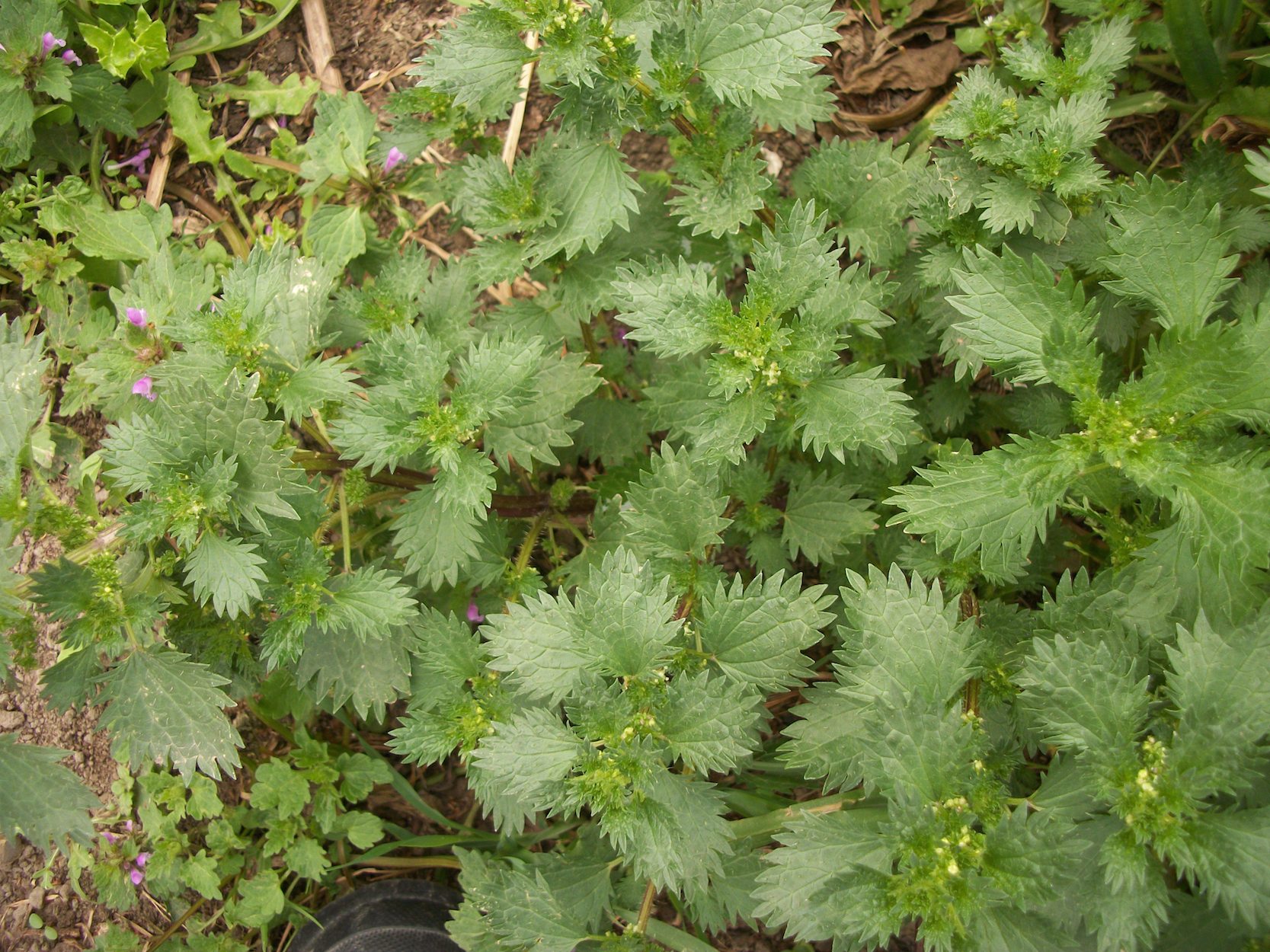
100_3950 smMy garden is blessed and cursed with an abundance of nettles. Blessed because they are the larval food plants for two attractive native butterflies—the red and the yellow admiral. I love watching the butterflies flit around the garden!

Blessed because nettles only thrive in good soil, and mine are the most vibrant and robust nettles anywhere.

Cursed because…well…they’re nettles. Careful as I may be, I can’t avoid being stung on a regular basis.

But like all problems, meeting them head-on is the best tactic. As they say, grasp the nettle. A nettle that brushes gently against your skin as you’re trying to avoid it will almost always sting. But grab a nettle firmly, even with bare hands, and you can usually pull it out without pain.

It really is a good metaphor for life (even if most people have no idea what it means).

And so I dive into the nettles of life like I dive into the ones in the garden—grappling them bare-handed and pulling them out with a quick, confident tug.

At least, that’s the theory, anyway…

Pretending…

100_3827 smIt was a lovely spring day today—wind strong and biting, but the sun warm and kind.

We took the opportunity to spend a day on the Banks Peninsula, hiking and going to the beach. It was a glorious celebration of the season, and we topped it off with a meal to match.

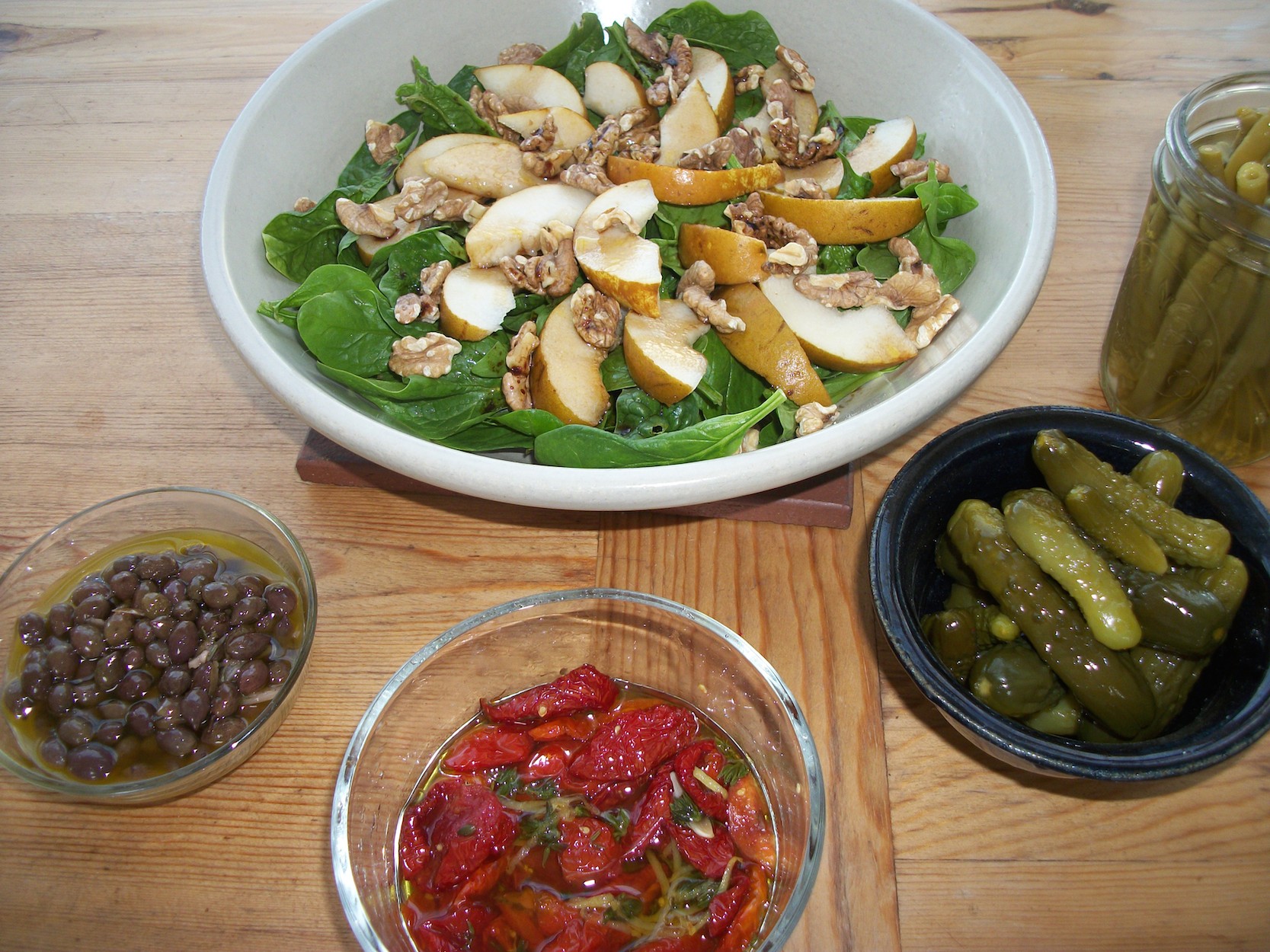
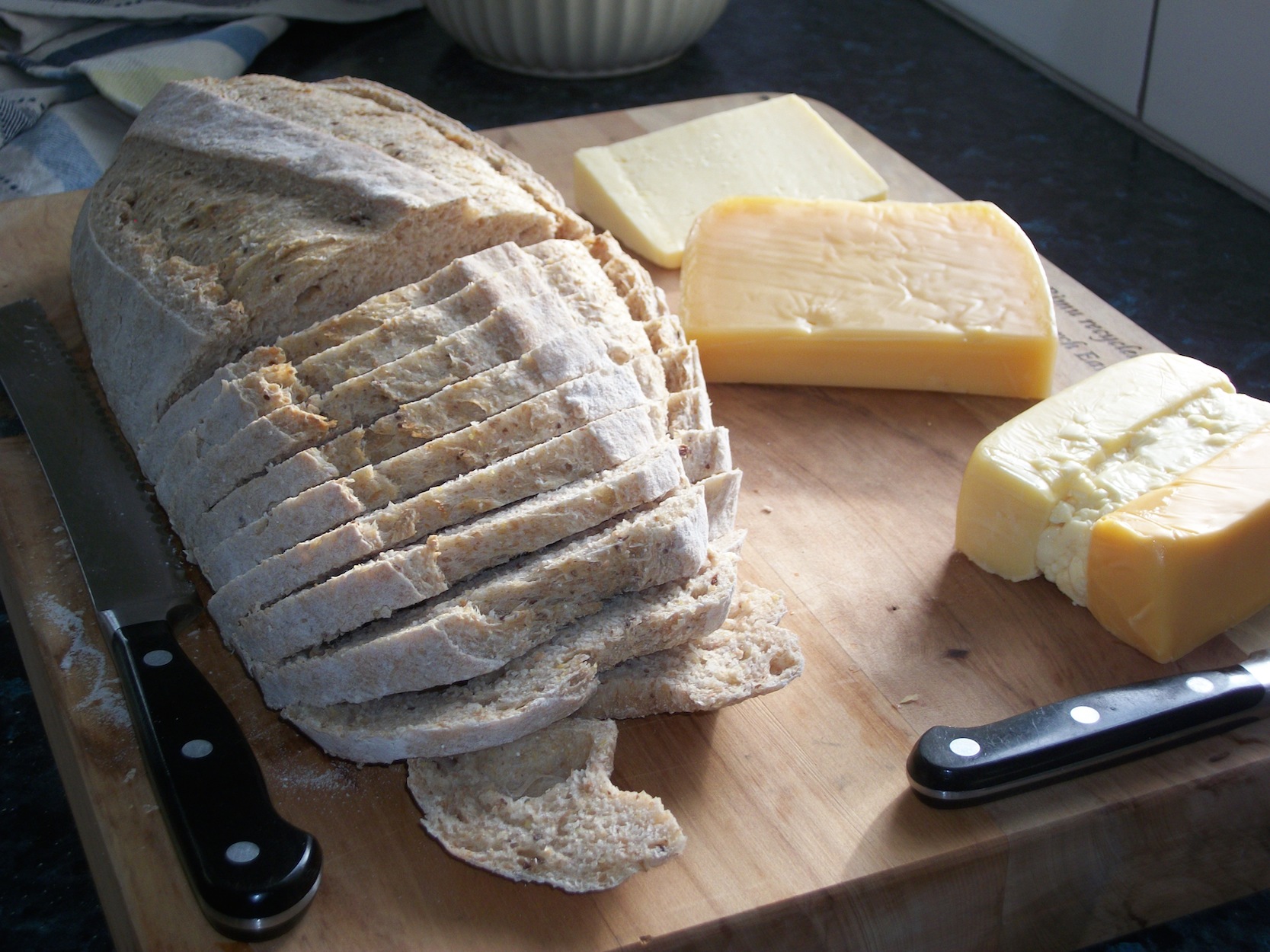
100_3831 smWe picked up a few fancy cheeses from Barry’s Bay Cheese on the way home. Added some homemade sourdough bread; home grown olives, dried tomatoes, dilled beans, and sweet gherkins; and a salad made with the last of the winter spinach—a veritable feast!

And with a lovely glass of Sauvignon Blanc to wash it all down, we could almost pretend it was summer…

A Saucy Meal

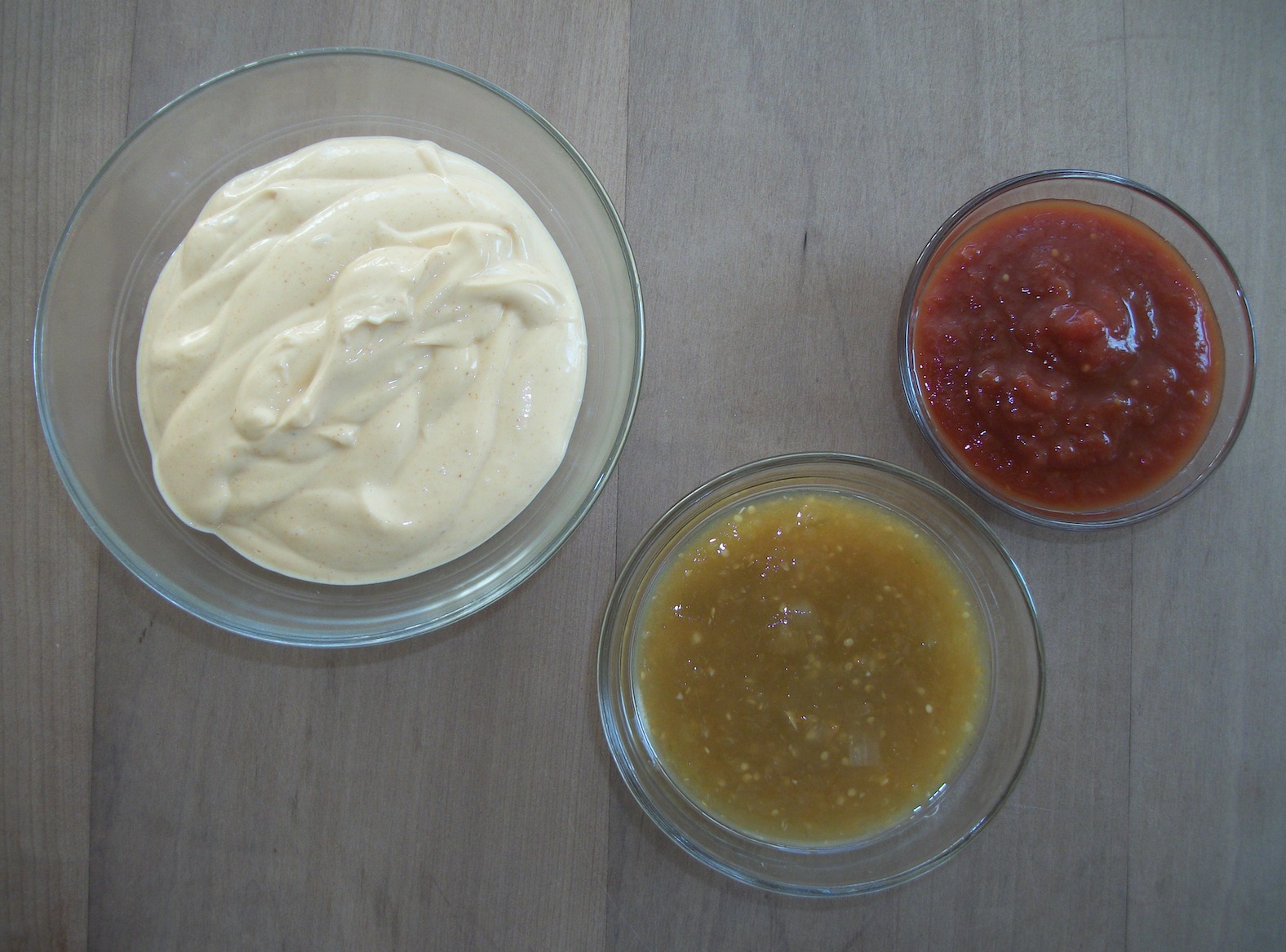
100_3799 smI made kūmara (sweet potato) chips for dinner today. Normally I would just serve them with ketchup. But our new chickens are already laying, and Ian celebrated by making mayonnaise with one of the new eggs. I remembered a bit of salsa verde sitting in the fridge, and voila—we had a very saucy meal!

It was quite the mix of cultures—ketchup originated in China, salsa verde (my version with tomatillos) is Mexican, mayonnaise is French (or Spanish, depending on which side of the border you live on). And the sauces were all served on a South American vegetable that spread to Polynesia around 700 AD, and came to New Zealand as a traditional Maori food.

But there was no clash among these cultures this evening. All three sauces tasted great on the chips!

So…

¡Buen provecho!

Bon appétit!

Kia mākona!

Chī hǎo!

Enjoy!

Talk like a pirate, me hearties!

100_3775 cropAhoy, Maties! It’s Talk Like a Pirate Day today, so I figured I’d blog like a pirate!

And what would a pirate blog about?

Probably about the lousy food on board pirate ships, which would invariably lead to a discussion of scurvy.

Scurvy is a condition caused by the lack of vitamin C. It shows a variety of symptoms, including spongy gums, spots on the skin, bleeding of the mucous membranes, tooth loss and fever (just to name a few). Untreated, it is fatal—victims usually bleed to death.

Scurvy is not often a problem on land—most fresh fruits, many vegetables, and even some meats contain vitamin C. But in the days before refrigeration, sailors and pirates, eating a diet of salted meat and dry grains, would often suffer from scurvy. It used to be a major limitation to the length of sea voyages, and between the years 1500 and 1800, it is estimated that at least 2 million sailors died of scurvy. Some ships lost up to 90% of their crew on long journeys, mostly to scurvy.

The cause of scurvy wasn’t discovered until 1932, but folk remedies and herbal cures have been used for thousands of years. Without understanding exactly what caused the disease, however, the cures were often of limited use.

Oddly, most animals can synthesise their own vitamin C—only the higher primates (simians and tarsiers), guinea pigs, bats, and some fish and birds can’t.

(So your dog can never be a ‘scurvy dog’, because dogs don’t get scurvy.)

And on Talk Like a Pirate Day, I say…

Eat your greens you scurvy dog, or I’ll make ya walk the plank!

The kitchen fireplace

DSC_0017 cropIt used to be that every kitchen had a fireplace. It was what you cooked on, after all! It’s unusual these days, but we are blessed to have a fireplace in our modern kitchen.

When we gutted the kitchen years ago, we talked about tearing out the fireplace. It’s an open fire, and very small (originally for burning coal), so it really only serves to make the house draftier. It is a superhighway for mice from under the house to the kitchen. The beige tile around it is, frankly, ugly. And we could use the space for more cupboards, or countertop.

But it’s a fireplace in the kitchen! What is more romantic and cosy than that?

The fireplace stayed.

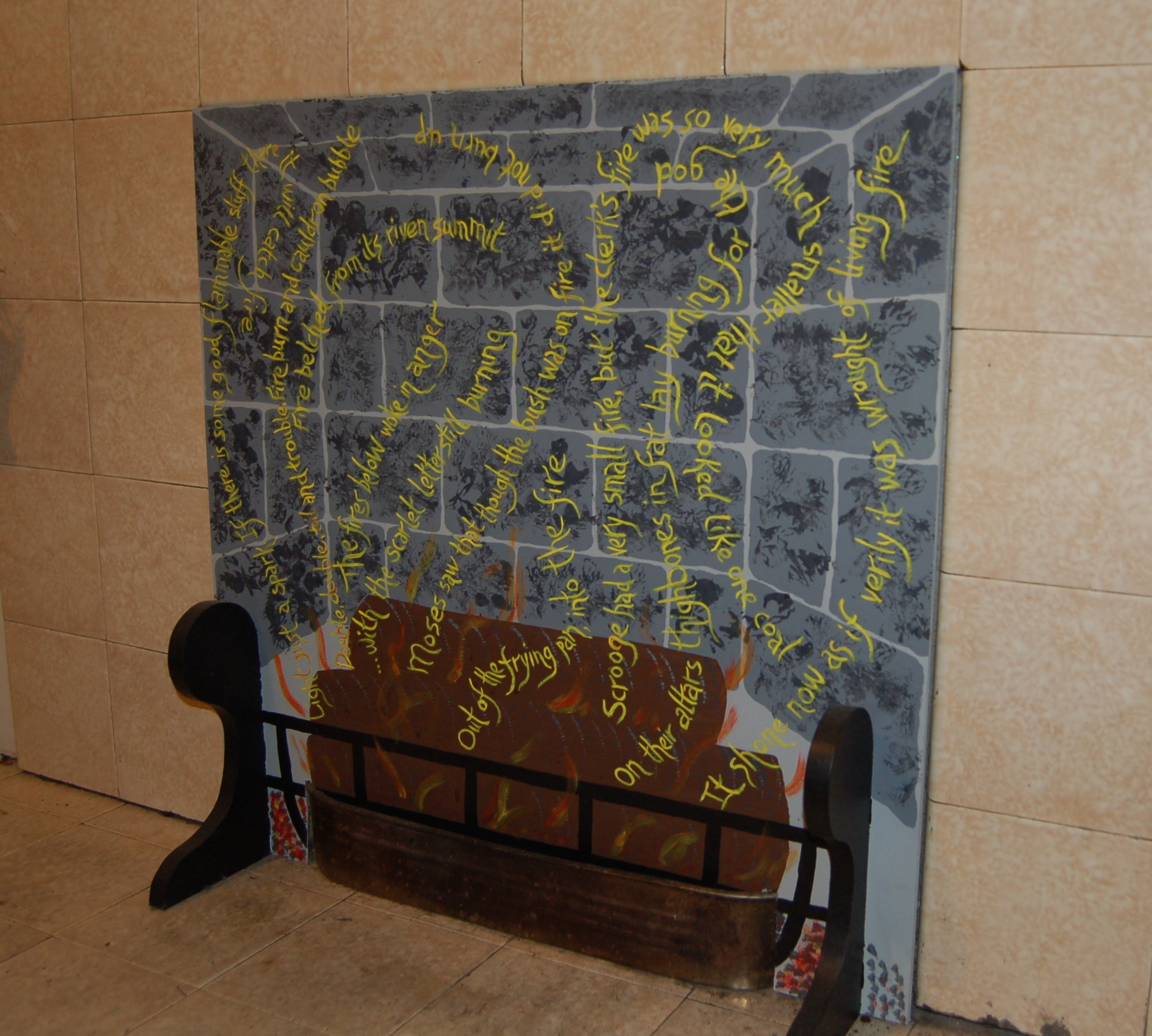
Most of the time, it remains covered with a mouse-proof, draft-proof board that I painted with a fake fire in which the flames are fire-related quotes and sayings.

But there are times when you just need a fire in the kitchen. On those rainy nights when the kids have friends over, it’s a great place to make s’mores. On crisp autumn evenings with a party in progress, when you want the atmosphere of an open fire. When the hot water cylinder has been off for days (because we’ve been away, or the power has been out) and the quickest way to heat up all that cold water is the wetback behind the kitchen fireplace.

Or when we just feel like it.

So, though there is absolutely no practical reason to have the kitchen fireplace, I am happy it’s there.