Truffles!

truffles1One of my husband’s colleagues (Alexis Guerin-Laguette at Plant & Food Research) is working on the commercialisation of truffle production in New Zealand. They’ve just harvested this year’s crop, and as an ‘insider’ Ian got early access to the bounty.

“You don’t want to know what I paid for these,” he said of the five tiny mushrooms nestled carefully in a tissue-lined jar.

But, who cares—they were truffles! The real, if-you-have-to-ask-you-can’t-afford-it thing! They weren’t a food item, they were a life experience!

Of course, I will admit that they smelled odd. My son described it as, “sort of like petrol,” and my daughter declared the odour “weird”. I reserved judgement until the fungi were properly prepared and sitting on my tongue.

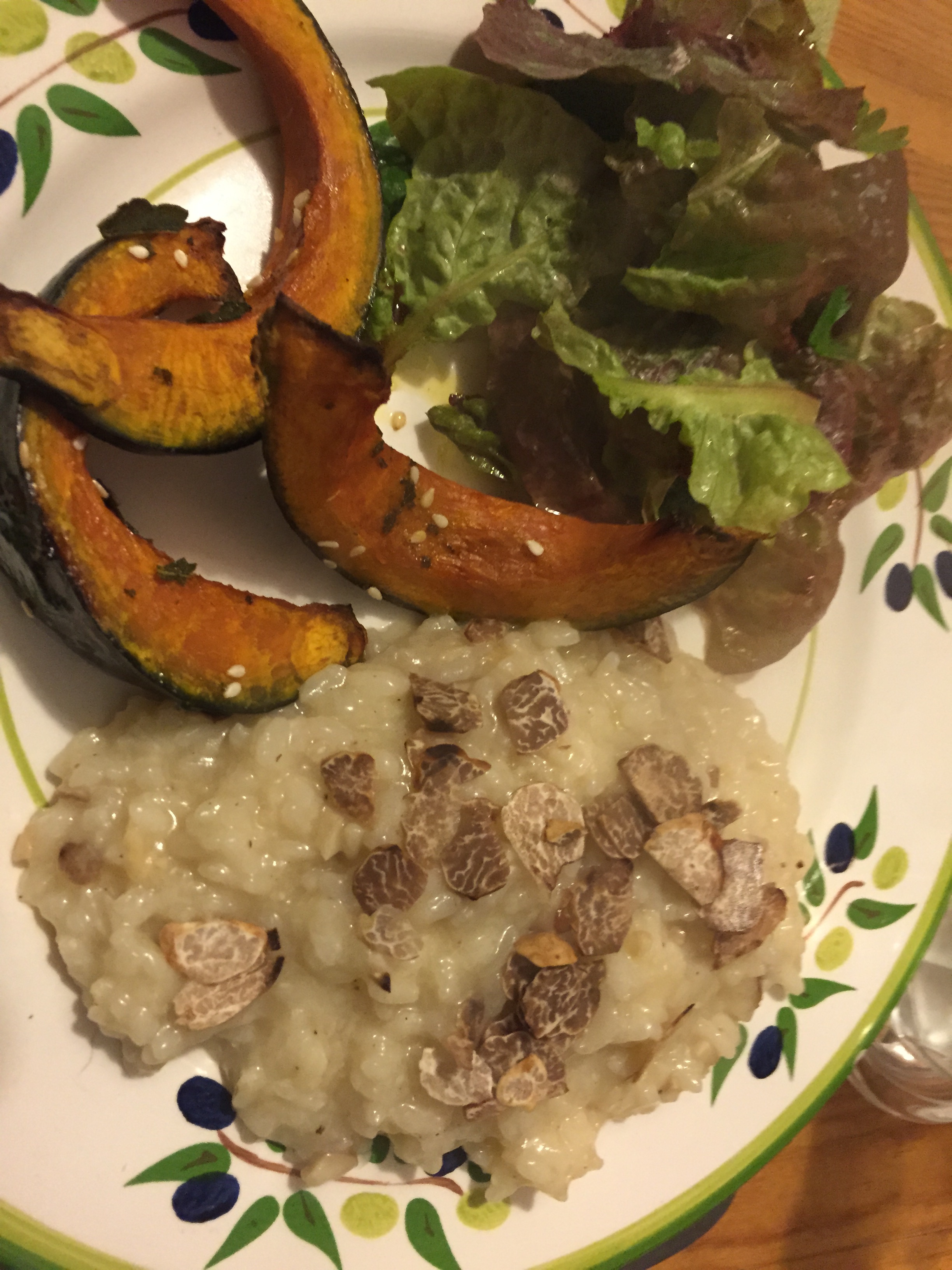
Ian described the flavour as “Sitting in my grandfather’s green leather chair in front of the fire on a crisp autumn night.” He obviously experienced it much more intensely than I did, because my description didn’t come close. I very much enjoyed the flavour—strong, rich and earthy, and unlike any other mushroom I’ve eaten. I also appreciated the crisp texture of the paper-thin slices on top of creamy risotto. Was it worth it? Yes. Worth every penny (even at $2500/kg)!

For those of you near Christchurch who want to try out some truffles yourself, check out the truffle festival July 11-18!
Vegetarian Meatballs

100_3355 copy“Why do we call them meatballs when there’s no meat in them?”

A fair question, from my daughter one day as I stood in the kitchen making one of the family’s favourite meals—spaghetti with meatballs.

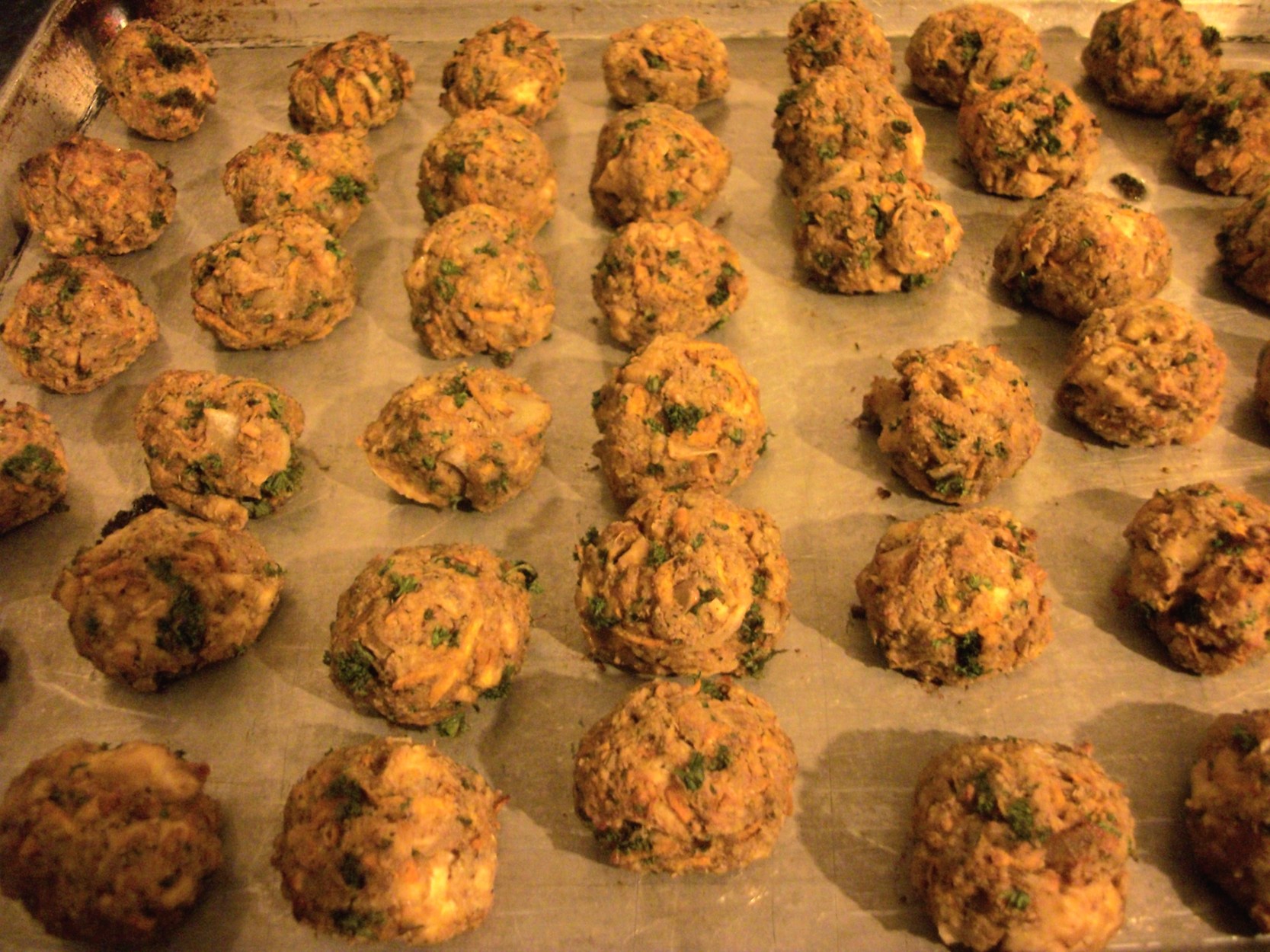
Of course, as vegetarians, our meatballs contain no animal muscle tissue whatsoever. Their effect on the gustatory pleasure centres is comparable to a good traditional meatball, though, so the name sticks.

When I was breast feeding my son (13 years ago!), there were very few foods I could eat without causing him colic. It took eight weeks of round-the-clock screaming for me to work this out, and when I finally got him to stop howling by reducing my diet to nothing but carrots, rice and potatoes for a week, I was loath to add anything back in, lest the crying (his and mine) resume. I needed a source of protein, though, and eventually found that tofu was ‘safe’. The problem was that I wasn’t terribly fond of tofu. I knew it could be delicious, because I’d eaten some incredible tofu dishes made by a friend. I rang her up and begged her to send some recipes. One of the recipes she sent was for tofu meatballs.

Those meatballs (minus about half their ingredients) kept me alive for that year of breast feeding. When I was through nursing and was able to add back into the recipe the onions, mustard, and peppers that would have caused my son grief, they stayed on the menu. They are one of those foods that induces overeating. My husband admits that he refrains from using tofu for stir fries or other dishes in the hope that I’ll make meatballs.

I don’t know where this recipe originally came from, and I would love to cite the source. If you recognise it and can enlighten me, please do so!


Mix together in a large bowl:

500g firm tofu, crumbled

1 grated carrot

1 onion, finely chopped (I sauté the onion first—we prefer the flavour that way)

1 green pepper, finely chopped

¼ cup fresh parsley, chopped

¾ cup finely ground walnuts

1 c bread crumbs

2 eggs

3 Tbsp soy sauce

2 tsp Dijon mustard

1 ½ Tbsp sesame oil

1 tsp ground fennel

1 ½ tsp dried basil

1 tsp dried oregano

ground black pepper to taste

Form into small balls and place on an oiled baking sheet. Bake at 190°C for about 30 minutes, or until beginning to brown. Serve with a simple tomato sauce over pasta.

Favourite Kitchen Tools: rotary grater

sunflower seeds grater4 sm

Works great on seeds, too!

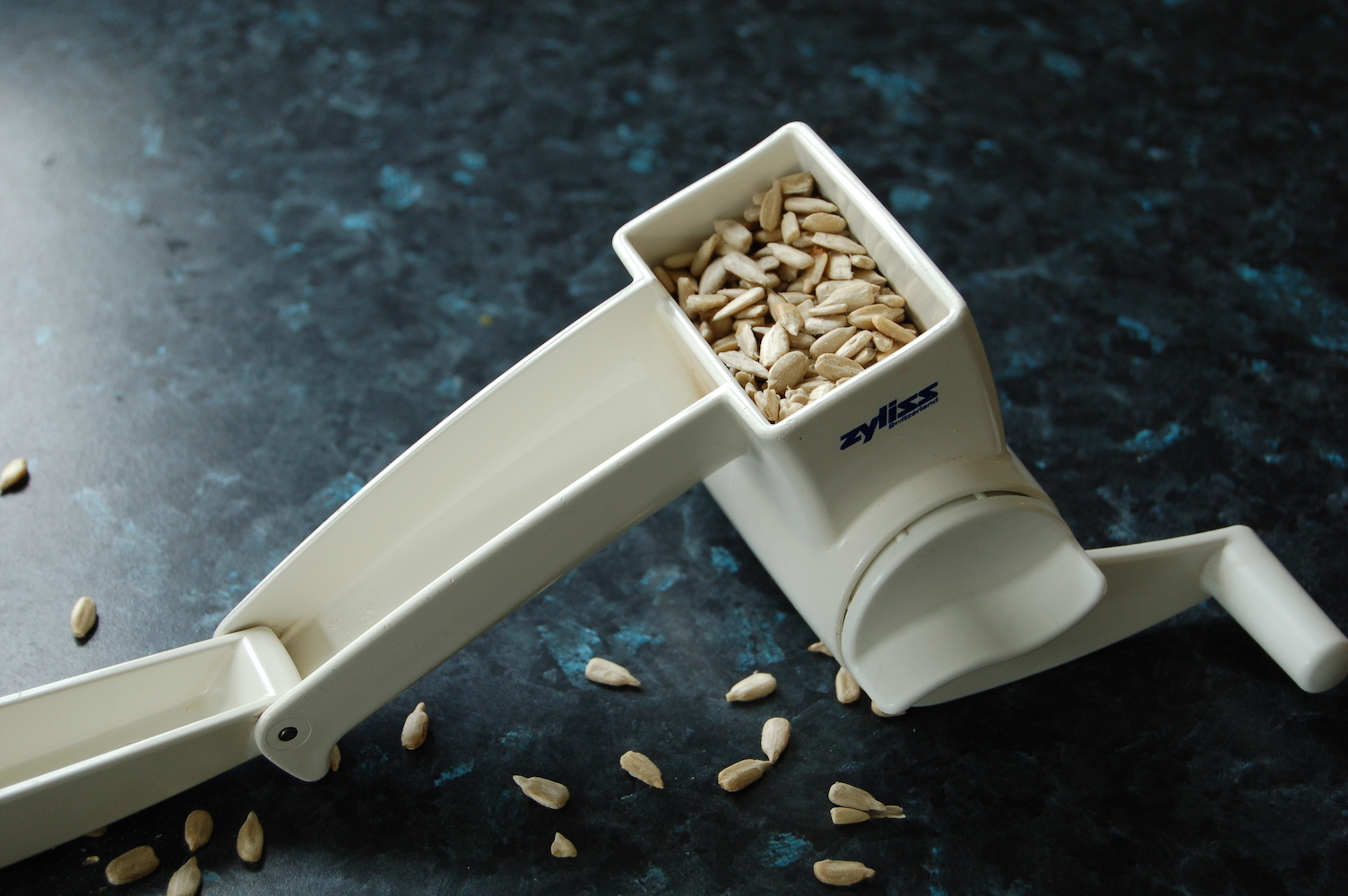
Time for another favourite kitchen tool. This time, the rotary grater. I loved this tool right from the start for grating parmesan cheese and nutmeg without taking off my knuckles, but it really captured my heart when I discovered what it does to nuts.

Grinding nuts with a food processor or coffee grinder works well, but when both coffee grinder and food processor died several years ago, I resorted to doing it by hand with a knife. The process is tedious and yields poor results. Then I tried the rotary grater. It yielded the most beautiful, fluffy nut powder I’d ever seen. In fact, now that I have a food processor again, I still use the grater, because it does a better job.

Beans, Beans

Beans baked overnight in the bread oven

Beans baked overnight in the bread oven

Beans, Beans

The wonderful fruit.

The more you eat,

The more you toot.

The more you toot,

The better you feel,

So eat your beans

With every meal.


I have no idea where that poem came from or who wrote it. My husband apparently learned it at Scout camp when he was a boy. It makes the 12 year-old in me giggle.

The truth of the matter is that beans don’t make me toot, and they are, indeed, wonderful. We eat beans regularly, in many different forms. Usually I can grow enough beans to get us through the year. I grow black, borlotti, and soy beans. We eat most of the soy green, but I always save some for dry beans. Beans are one of those wonderful, long-storing products from the garden. They’re a low-maintenance, high-yield sort of crop, like potatoes. Best of all, they’re delicious in a wide variety of dishes.

Burritos and burgers are probably my family’s favourite ways to eat beans. They’re time-intensive meals, but well worth the effort. Baked beans, too, are time intensive—mostly oven time, so we usually only make them when we have the bread oven fired up. They bake beautifully in the long tail-end of the oven’s heat.

Simple beans and rice is the most common way we eat beans. If I remember to put the beans to soak in the morning, it becomes an effortless meal, and a perfect winter warmer.

The best flavours to go with beans (no matter how they’re cooked)? Fresh cilantro (added at the very end of cooking), smoked paprika, and cumin. A bit of tomato is lovely, too.

Baked pumpkin slices

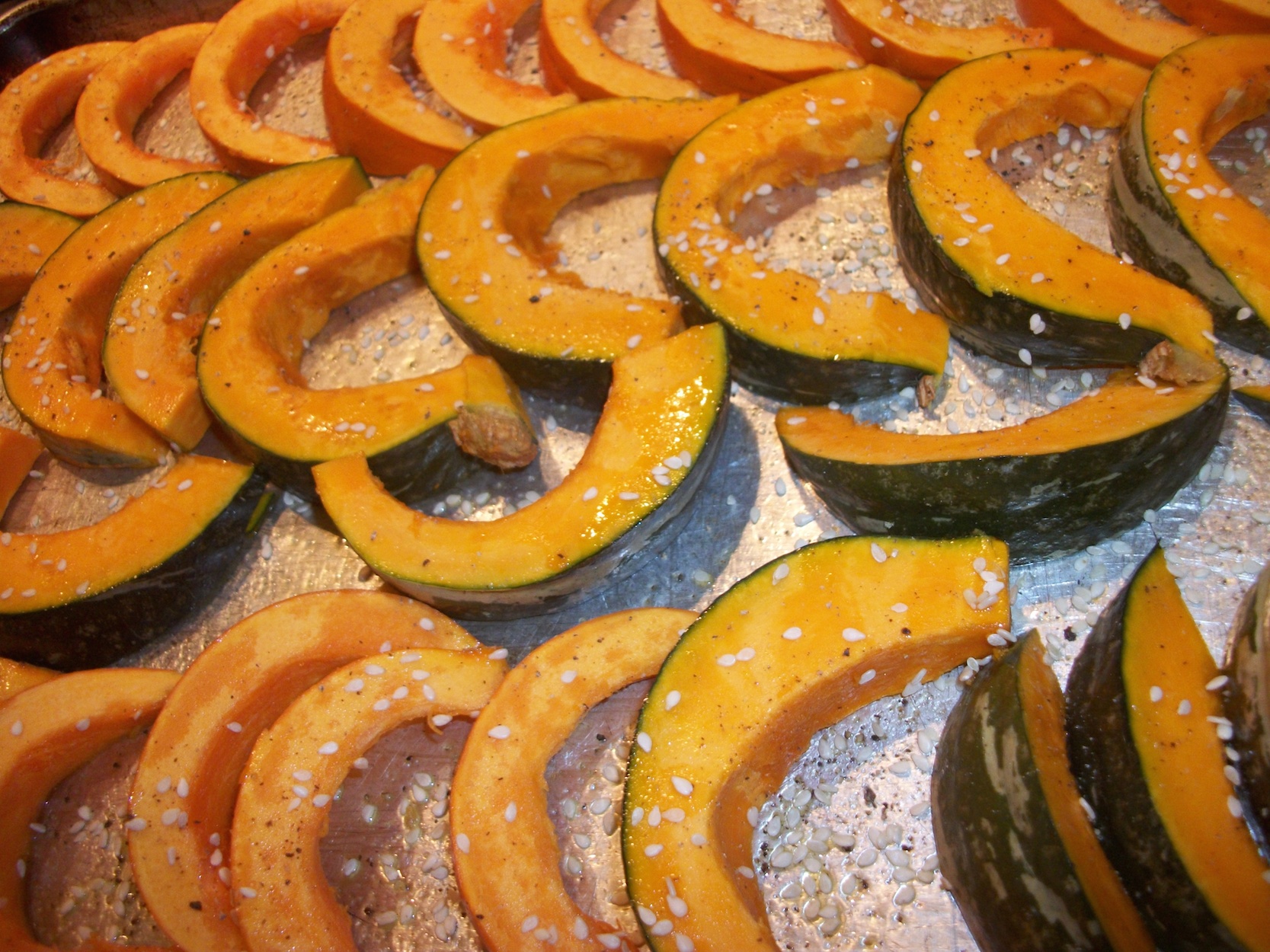
100_3334 smI think my husband was the first to try it—baked pumpkin slices. We all love pumpkin, but it can be a real pain to prepare—either you spend an hour baking whole pumpkins, or you peel and cube dangerously hard raw ones. These lovely slices, with the peel on, are easy to prepare and bake up quickly. They make a wonderful side dish with lentils or burgers (and probably go well with animal flesh, too, for the meat eaters among you).

Halve a pumpkin or other winter squash. Scoop out the seeds. Slice each half into wedges about 1.5 cm thick. Place on an oiled baking sheet, flipping each slice once to make sure it’s coated with oil on both sides. Sprinkle with coarse salt, freshly ground pepper, and sesame seeds. Bake at 190°C (375°F) for 20-30 minutes.

A Culinary Adventure

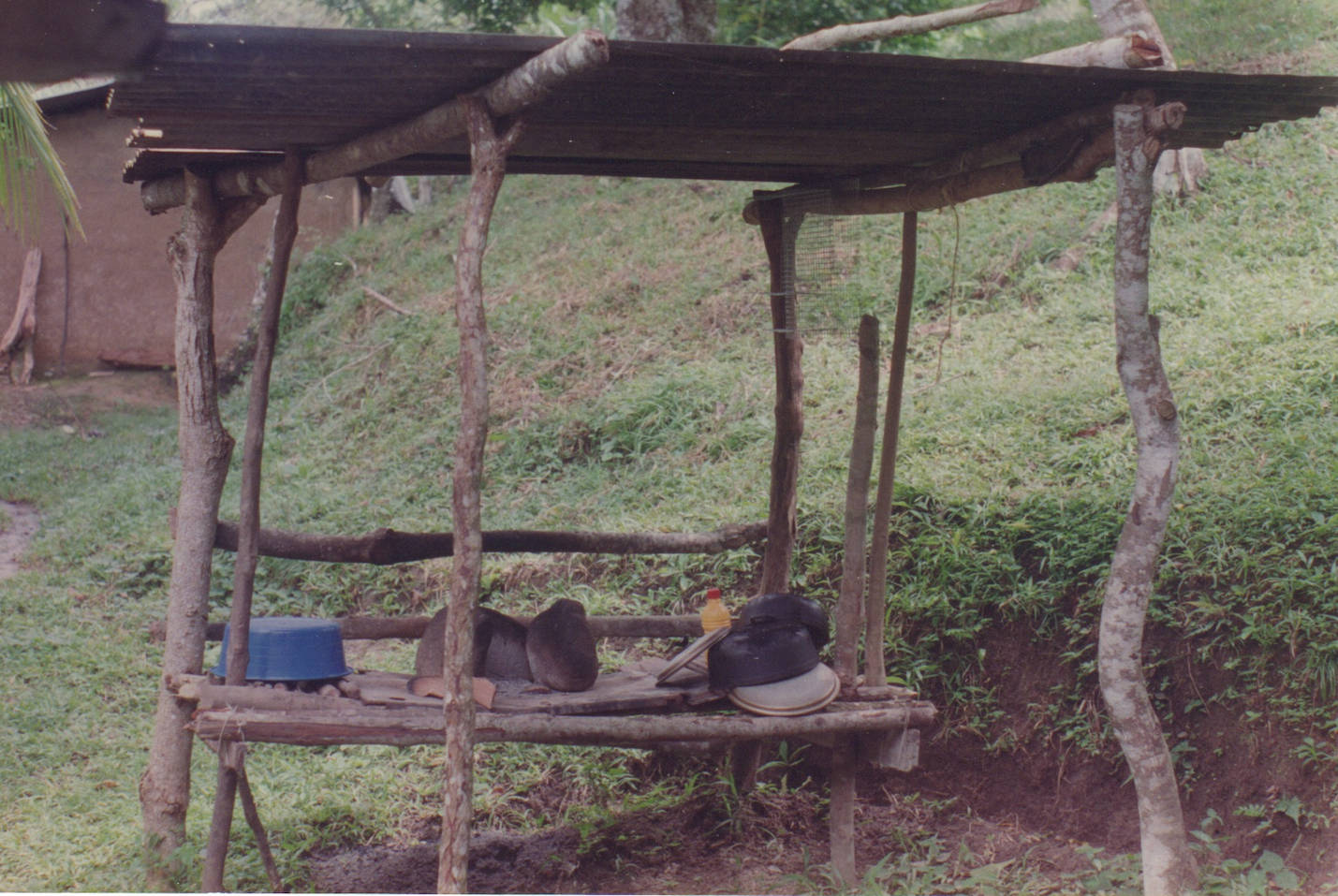
The kitchen, with 3-rock fire.

The kitchen, with 3-rock fire.

I spent a couple of hours today going through the letters I wrote home from Panama when we were in Peace Corps–trying to decide if there’s a book in that mass of experiences. As I went through, I noted that, in almost every letter, there is something about food. Life in rural Panama was a nutty mix of plenty and famine, luxury and squalor. We had no electricity, and only rudimentary water, but we had fresh hot bread delivered to our door every morning. Sometimes we ate nothing but rice with a spoonful of chutney for dinner, and other times we stuffed ourselves with fresh produce and tropical fruits.

Every week, I had something to say about food:

“Last night’s dinner was actually pretty good. The rice and beans and juice they brought us tasted fine as long as you ignored the dead bugs in both. Same with the soup for lunch today and the mouse droppings.”

“Tonight our dinner was 25 cents worth of bread and a little peanut butter. After eight hours of walking I would have liked more…oh well, we won’t starve to death.”

“6:15 am–I’m sitting here enjoying a delightful warm roll that was just delivered to our door a minute ago.”

“Thanksgiving dinner didn’t quite turn out as planned—the papaya we were planning on for the bulk of our fruit salad was full of worms—but it was very good.”

“We each ate about four oranges yesterday…and the citrus season still isn’t in full swing! We’re hard pressed to eat all the citrus we’re getting now! Guess we’ll just have to suffer.”

“We stopped by a kiosko (little store) on the way home this afternoon for a Coke (warm, of course).”

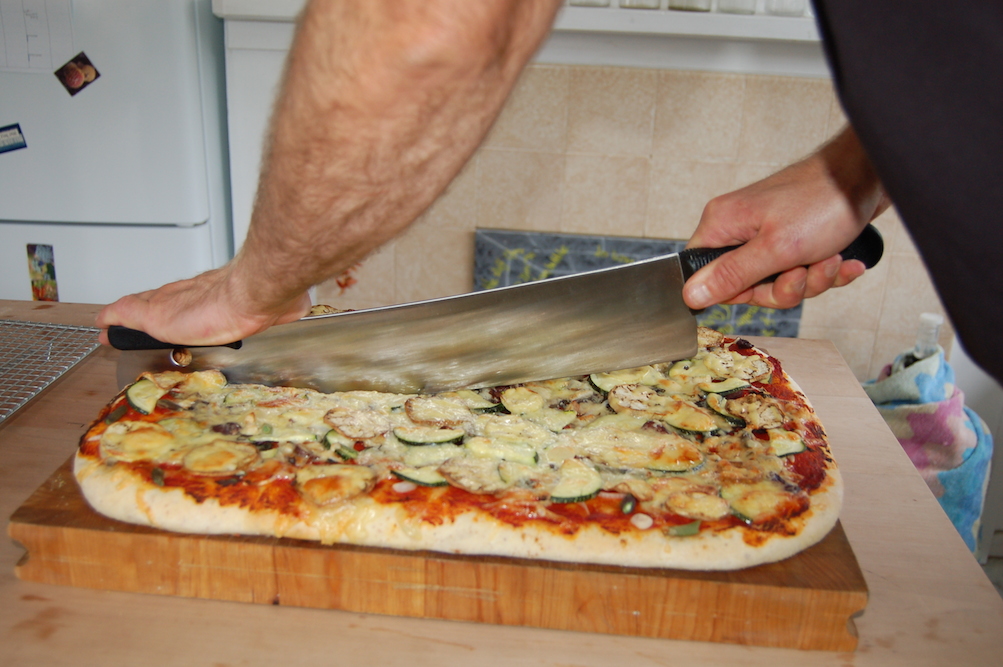
We grew to love the local lentils and rice, boiled yuca lightly salted and served with a slice of tomato, and thick sweet oatmeal drink that substituted for a meal in the fields. We perfected the art of straining ants out of the coffee with our teeth. We learned how to make lasagne and pizza on our 3-rock fire. It was a culinary adventure!


Vacation

“So, should I put this pizza in the freezer for next week?”

“Yeah, that’d be great.”

“Um. There’s no room here.”

The freezer was already full of ready-made meals waiting for a day when they were needed. We’ve gotten into such a habit of making extra to throw into the freezer, that we’ve outstripped our need for those “heat and eat” meals.

So I took a vacation yesterday.

Dinner was baked beans made in the bread oven last week, reheated, served over rice. Fried eggs on the side. A 15-minute meal. And a few extra minutes to roll out a pie dough I made earlier in the week, fill it with gooseberries from the freezer and throw it in the oven. Felt like cheating.

Instead of cooking, I pottered around the yard on the unseasonally warm day, played the piano, paid a social visit to the goats, and did a little writing.

Excellent!

Ojaldre

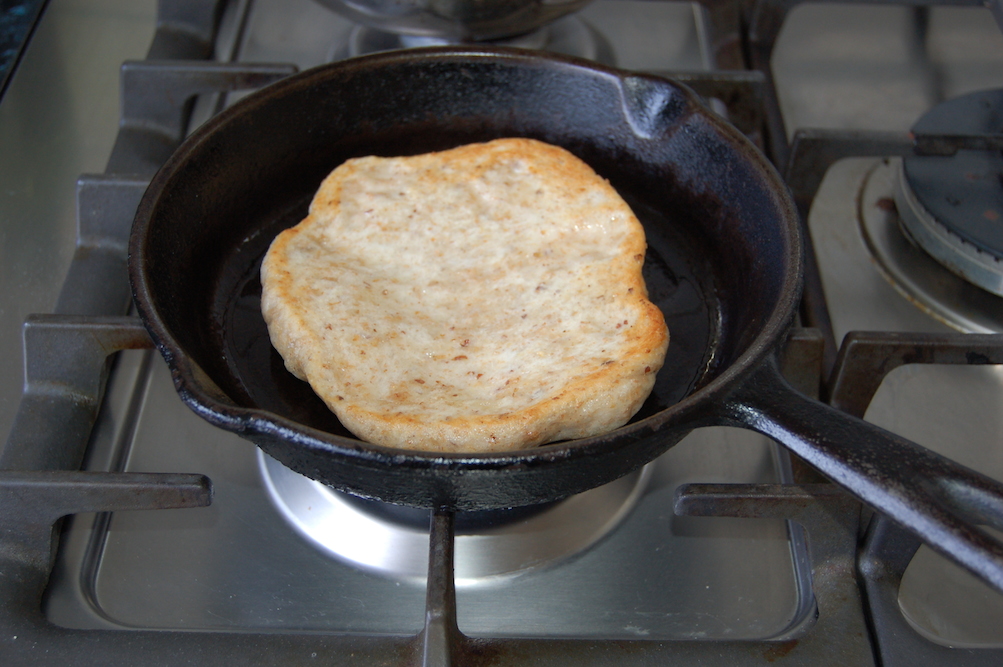
ojaldre smWhile I’m talking about fried food, I thought I’d share one of my favourite Panamanian foods—ojaldre.

Ojaldre is fried bread. It’s something we used to eat at fairs and festivals, like you’d eat French Fries.

I make ojaldre almost every time I make bread (which isn’t that often, as Ian usually bakes the bread). I always hope for a little extra dough—a little too much to put in that last loaf.

Take that extra dough, pat and pull it into a flattish, roundish sort of shape, and slap it into half an inch of hot oil until it’s brown and crispy on both sides. Shake a little salt onto it, and you’ve got a snack that reminds me of rodeos and terrifyingly decrepit carnival rides.

Anticipation

100_3284 copyIt is a bread day. A real bread day, with the wood fired bread oven. It feels like forever since we’ve fired up the oven—with a fire ban almost all summer, and major DIY weekends since.

Ian has been preparing for two days already—ramping up the sourdough, and gathering wood for the oven. My daughter and I walked to the neighbours before dawn to buy eggs (my chooks are on strike at the moment), and I spent the morning planning and preparing for the cakes and cookies I will bake after the bread is done. My son has chopped a pan of vegetables to roast for dinner, and later I’ll prepare a couple trays of pumpkins for baking and freezing.

The fire has been built and burnt, and built and lit a second time. Soon the oven will be hot enough, and the dough will be ready. Then the frenetic work will begin.

For the moment, we wait, in anticipation of the baking to come.

See a time lapse of a bread day at Crazy Corner Farm!

Guest Post–Figs

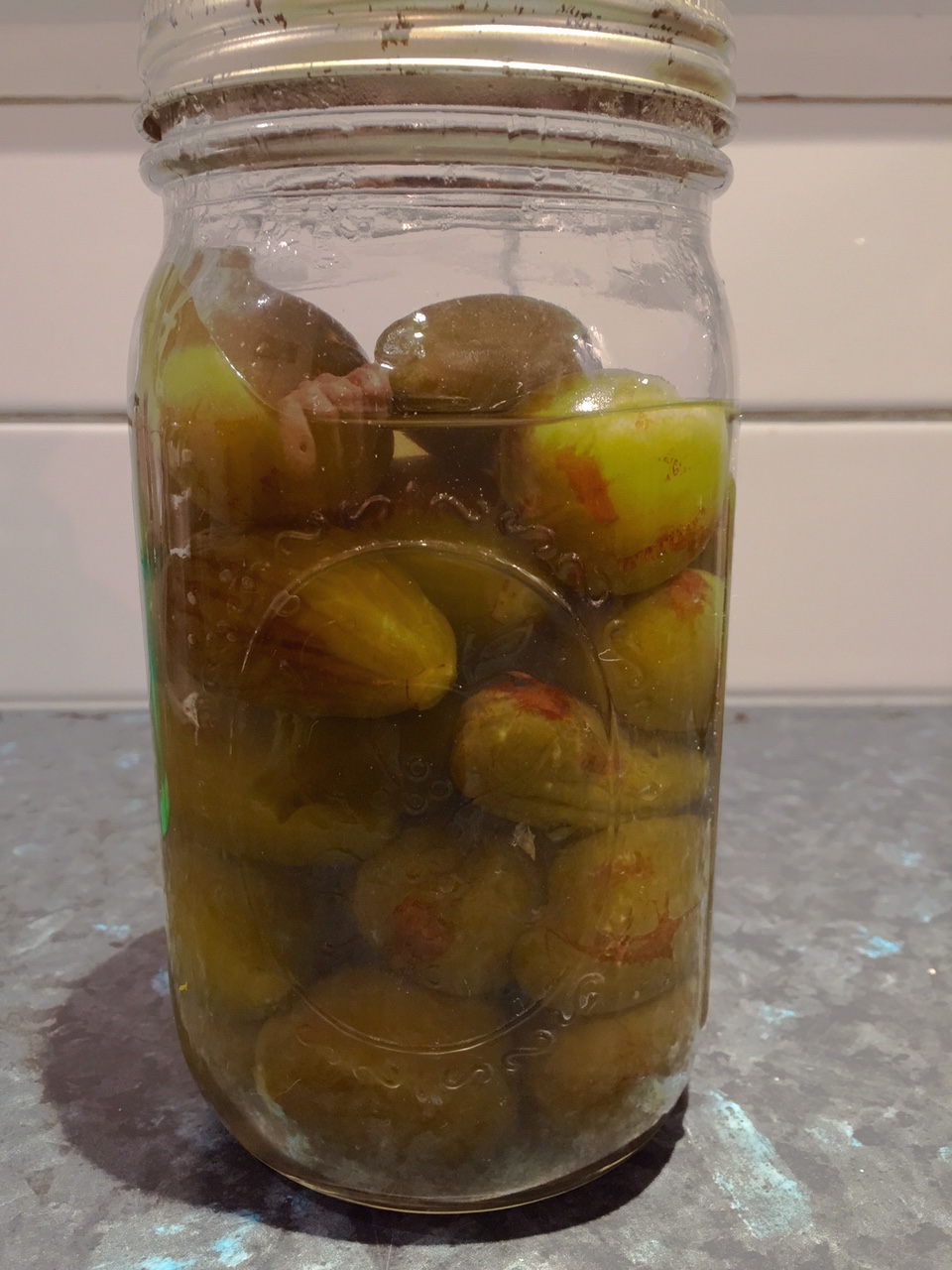
FigsToday’s post is a guest post written by my 11 year-old daughter about the figs she picked and processed today:

Last week I ate a fig for the first time ever. We have one fig tree. It started looking the most decimated of all the small fruit trees, but now it’s the only one that has given us fruit.

I noticed the figs were being eaten by birds so decided to pick one and try it. It tasted sweet and somewhat like Neptune’s necklace (a seaweed), but unlike Neptune’s necklace, it was quite tasty.

Today we picked the rest of the figs because the tree was getting frosted. We then boiled them and put them in a syrup. They are meant to be let sit for three weeks, but now they taste like somewhere between a fig and a sweet gherkin.