Sunflowers

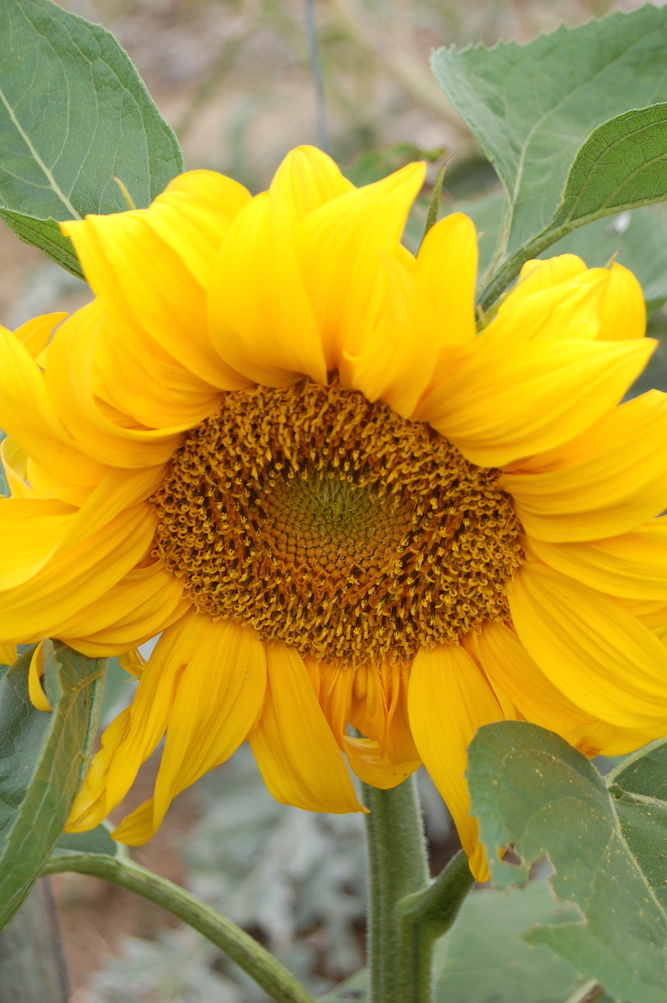
DSC_0009 smMany vegetable plants are attractive. Many have pretty flowers—okra (a hibiscus), scarlet runners, peas. None is more showy than the sunflower. Indeed, sunflowers are in the ornamentals section of the seed catalogue, not the vegetable section. There are plenty of sunflowers that don’t produce big meaty seeds for eating, but those that do are no less ornamental.

We eat sunflower seeds in a variety of ways. They are delicious sprinkled on top of a casserole or galette. They add nutty flavours to granola and veggie burgers. And they make a great snack!

We don’t grow nearly enough sunflowers to satisfy our appetite for sunflower seeds, but it’s always worth growing them, even if it’s only to enjoy the flowers!

Stomach bugs!

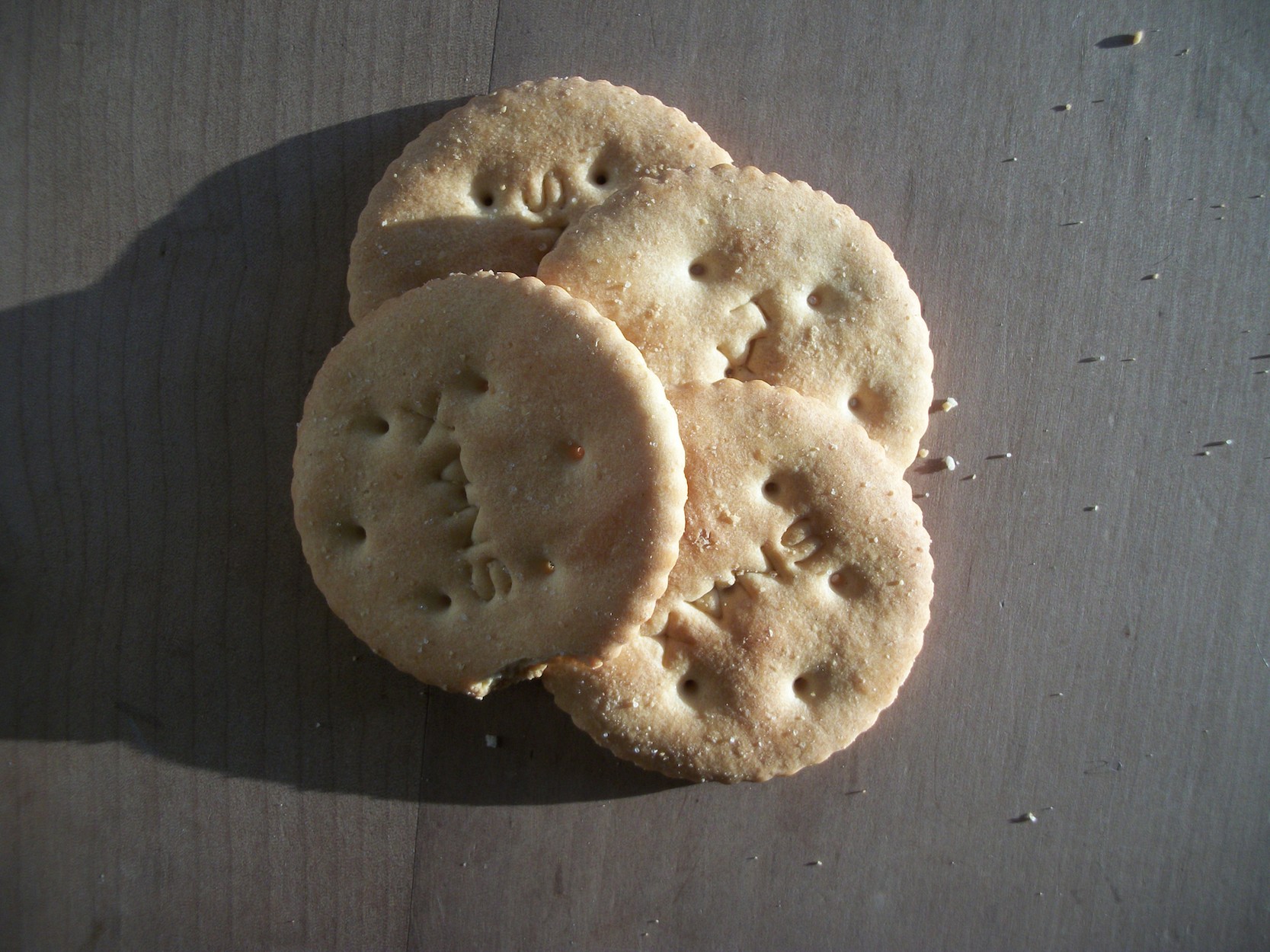
100_3544 smIt has been many years since a stomach bug has hit our family, but I’ll admit I expected this one, after we brought a very green friend home from school earlier in the week. He didn’t quite vomit in the car, but it was a close thing.

So when I got the text at 10 am that my son was vomiting in the sick bay at school, and could I come get him please, I was disappointed, but not surprised.

But of course, that begs the question, What do I serve for dinner? It’s no problem for the sick boy—he’ll get miso broth with plain crackers, if he eats at all. But I was planning on burgers slathered in ketchup and jalapeño peppers. The rest of us feel fine now, but we were just as exposed to this bug as my son, and at the same time. There’s a good chance we’re going to start vomiting in the next 12 hours, too. Do we really want burgers and hot peppers in our stomachs when we do?

I think not.

I’m thinking that something bland and easy to digest is probably the wiser choice for dinner. We’ll save those jalapeños for some other day.

5-minute Beets

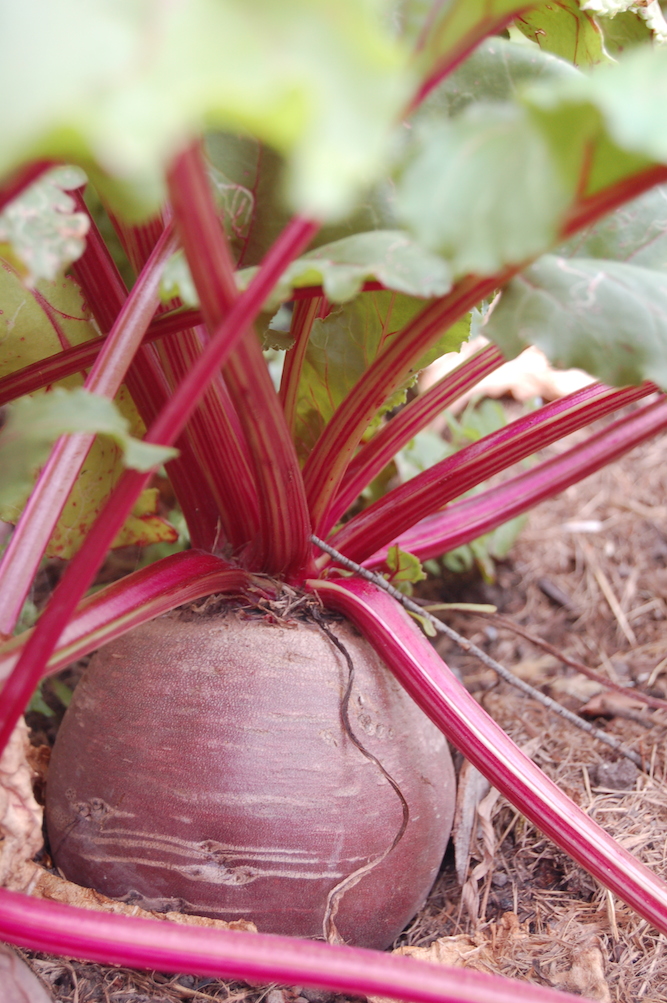
DSC_0036smIt took years to get our son to eat beets.

No. That’s not true.

He ate beets for years before he liked them.

Red beet eggs, nope.

Roasted beets, uh uh.

Grilled beets, no.

5-minute beets, OH YES!

This recipe comes straight from Vegetarian Cooking for Everyone, by Deborah Madison (one of my favourite cookbooks), and I’ve never been tempted to alter it in any way. It is absolutely perfect!

4 beets (about 500g/1lb)

1 Tbsp butter

Salt and pepper

Lemon juice or vinegar to taste

2 Tbsp chopped parsley, tarragon, dill or other herb

Grate the beets coarsely. Melt the butter in a skillet, add the beets, and toss them with ½ tsp salt and pepper to taste. Add ¼ cup water, then cover and cook over medium heat until the beets are tender. Remove the lid and raise the heat to boil off any excess water. Adjust salt, season with a splash of lemon juice or vinegar (I use balsamic), and toss with the herb.

Extra meals, extra time

Stop and smell the roses...or at least weed them.

Stop and smell the roses…or at least weed them.

My husband is away for two weeks. Before he left, we made sure there were meals ready-made in the freezer, so that my job as sole parent would be easier, particularly on those nights when extracurricular activities meant we didn’t get home until late. I also made sure that, over the weekend, I made extra burgers, so we had another quick meal in the fridge.

As I considered the meals available and our schedule for this week, I realised that I don’t need to cook at all this week.

Which, of course, begs the question, what do I do with that extra hour of my day?

The weather has been lovely, so I’ve been spending those pre-dinner hours outside—washing the car, weeding the flower beds, tidying downed branches in the yard…

It almost feels like cheating, and I have to remind myself that I did put in the hours to make the meals we’re eating this week—I just did it ahead of time.

Though I enjoy cooking, and have no problem spending an hour or more preparing our evening meal each day, the break is nice. The car and the yard are looking much nicer for it!

Sweet potato oven fries

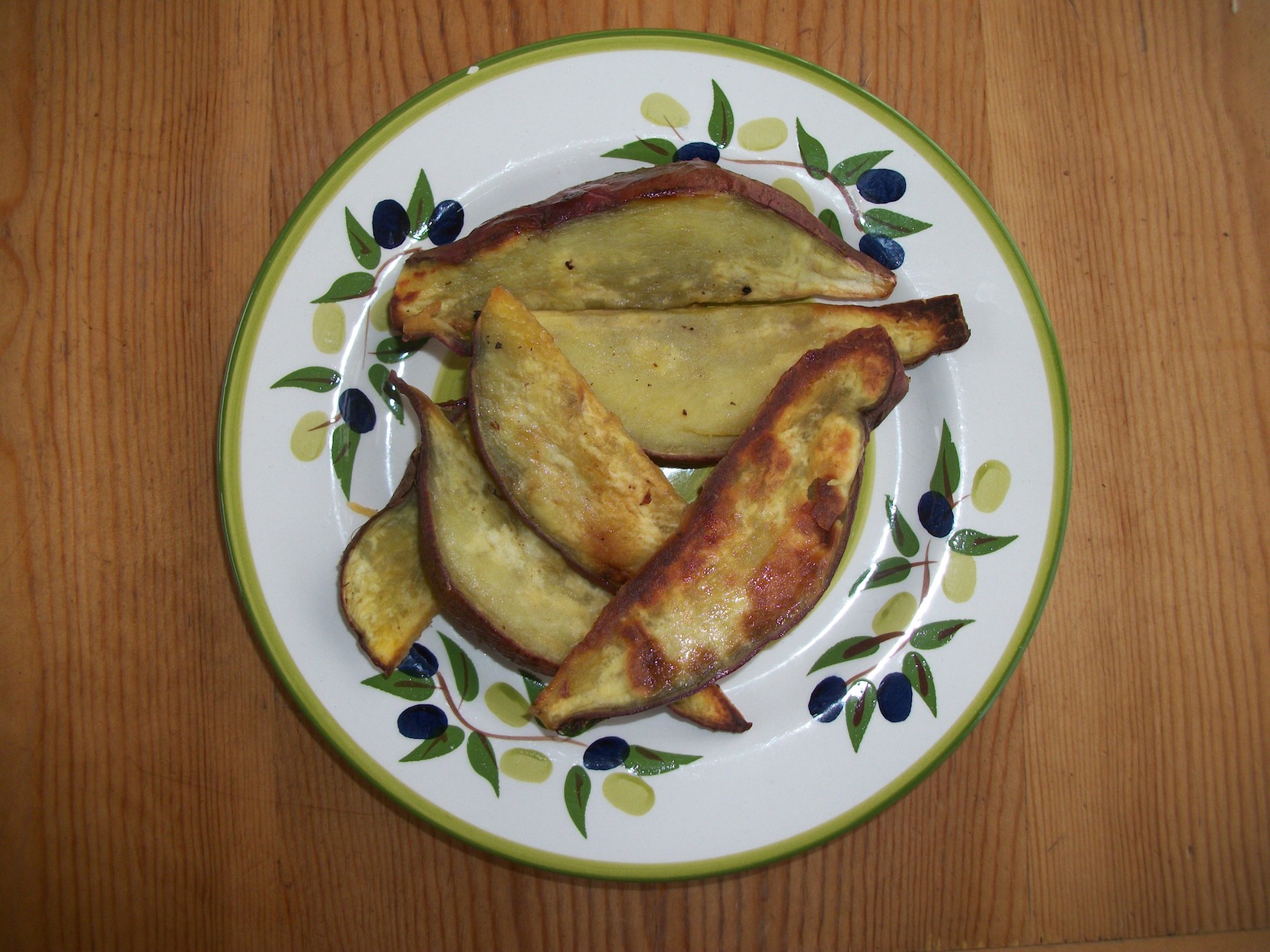
100_3540 smI made lentil burgers for dinner last night and served them on Mum’s Fluffy Buns. I wanted a side dish, but I wasn’t in the mood for ordinary fries, so I made sweet potato (called kumara here) fries instead. I cut the sweet potatoes into wedges about 1 cm (1/2 inch) thick, tossed them in a shallow baking dish with olive oil, salt and black pepper, and baked them at 190°C (375°F) for about 30 minutes, until they were browning and the thin edges were crispy.

Easy as! And delicious, too!

Moose on the Loose!

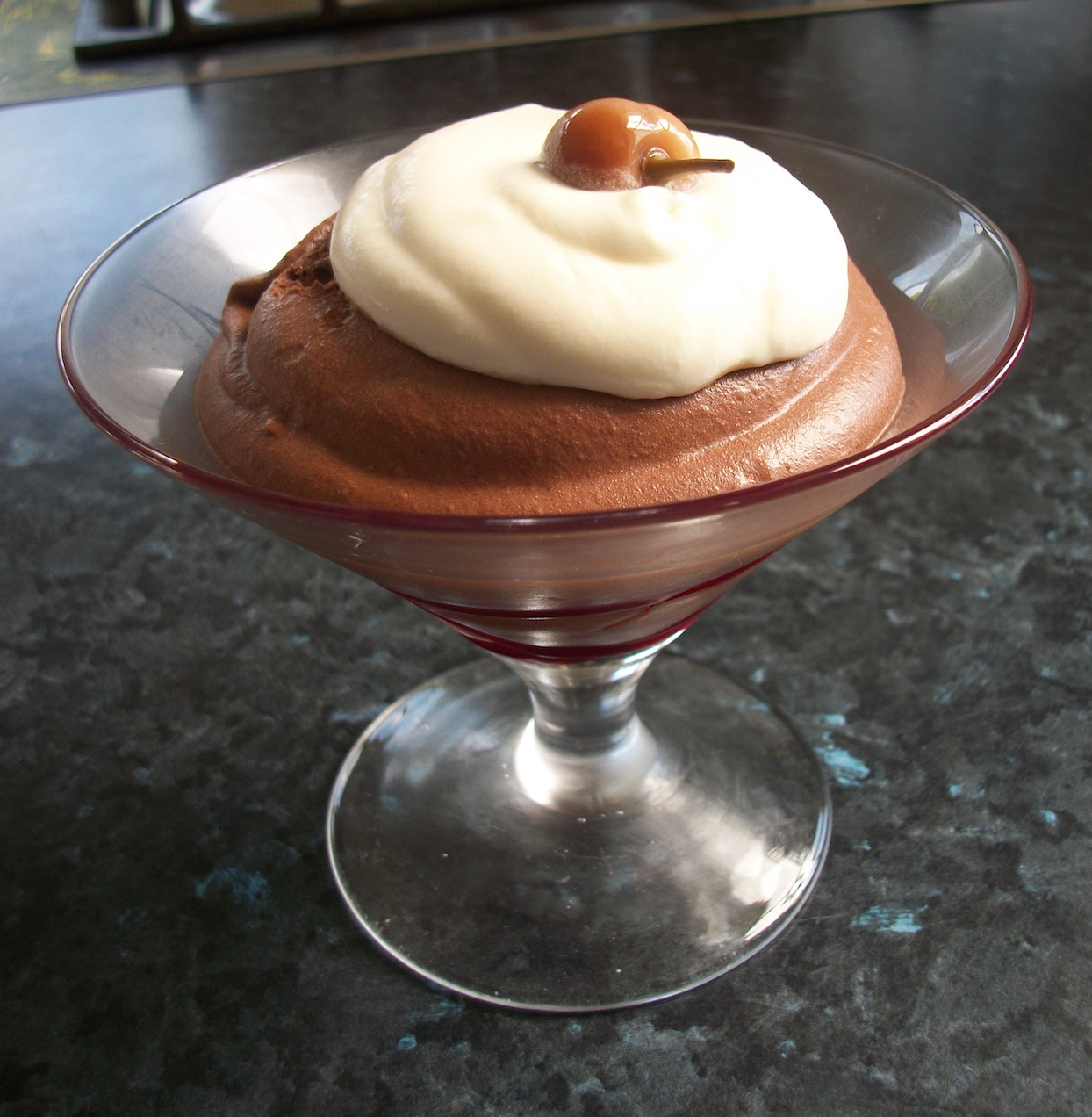
100_3526 smWell, not moose, but mousse. Chocolate mousse!

A friend mentioned mousse the other day, and I couldn’t get it out of my head, so I picked up some lovely dark chocolate and some cream and made mousse this morning.

While I was making it, I remembered why I don’t make mousse very often. Though it’s not necessarily difficult, it dirties an inordinate number of mixing bowls, and involves a lot of whisking!

Still, I enjoy making mousse, just for the chance to play with foams. There are three separate foams in the mousse recipe I use.

First is a cooked egg yolk foam. This robust foam is the first to be mixed into the melted chocolate. Next is a stabilised egg white foam, gently folded in. Then finally comes the delicate cream foam (mixed in, and dolloped on top for serving!).

The result is a divinely fluffy and rich mousse.

A foam is simply a film of proteins surrounding pockets of air. Foams are important in food—the structure of a foam changes the flavour and feel of food, and has a profound impact on how we experience it. Ice cream, fruit smoothies, cakes, soufflés, whipped cream, beer, and fancy coffees rely on foam to make them what they are.

So go ahead and enjoy some foam today, in whatever form you like it!

Diverse cultures, diverse food

Three unnamed ducks. Photo: Eric Weiss

Three unnamed ducks. Photo: Eric Weiss

I was delighted by this post on the Peace Corps Facebook page. The post and the hundreds of responses showcase the wonderful diversity of the human diet.

Food in Panama is generally not so…leggy as it is in many places around the world, but cow brains and chicken feet were regular menu items in our village.

Our landlord, Julián, loved to tease us about our vegetarian diet by introducing us to the carnivorous aspects of Panamanian cuisine.

One day he walked carefully down the path between our houses with a plate in his hands and a wicked smile on his face. As he grew close, we could see that, on the plate was the head and neck of a large duck, plucked and cooked, but expertly posed, as though it was casually resting on the plate while the remainder of its body went for a nice swim.

Julián explained that stuffed duck head was prepared for pregnant women near their due date. The dish was supposed to facilitate an easy delivery.

When Julián had returned home with his duck head, my husband and I turned to each other in horror, exclaiming in unison, “That was Dave!” Dave was a drake who frequented the drainage ditch by our porch. He had an unmistakably gnarled face.

We never named another duck again.

Oh, what a taste!

Beer, anyone?

Beer, anyone?

You would think that, taste being such a fundamental part of human culture and survival, we would know all about it.

Not so!

When I was a child, we were taught that there were four tastes: sweet, salt, bitter, and sour. Later, scientists discovered the taste, umami—the taste of glutamates, inosinate and guanylate–found in many foods, including meat, vegetables and dairy products, and often added to Asian foods in the form of MSG.

Now, scientists have discovered a sixth taste—oleogustus, or fat. Like bitter, fat is a flavour that, by itself, is disgusting. It is only in mixing with other flavours that fat becomes palatable (think chocolate—by itself, it is almost inedibly bitter, but add sugar and it’s delicious).

This sixth taste makes sense to me. The best foods combine all the flavours, and I’ve always maintained that a little fat goes a long way to making food taste good. Vegetable soup made by simply boiling the vegetables is flat. But sauté the onions first, adding a little fat, and suddenly the soup tastes rich.

The best foods include all the tastes. Think about the worldwide popularity of tomato sauces. Tomatoes are themselves an incredible mixture of sweet, sour and umami. Add to them some sautéed onions for a little fat, a handful of bitter herbs like oregano and rosemary, and a little salt, and you’ve got a sauce that excites all the senses. Serve it with a grating of Parmesan cheese (with fat, salt, and umami), and it doesn’t get much better.

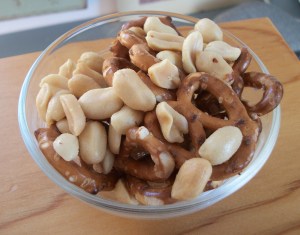
And, of course, it explains why a beer begs for peanuts and pretzels alongside it—the sour and bitter of the beer need the fat, salt, sweet and umami in the peanuts and pretzels to join them!
Dad’s Decadent Submarine Sandwich

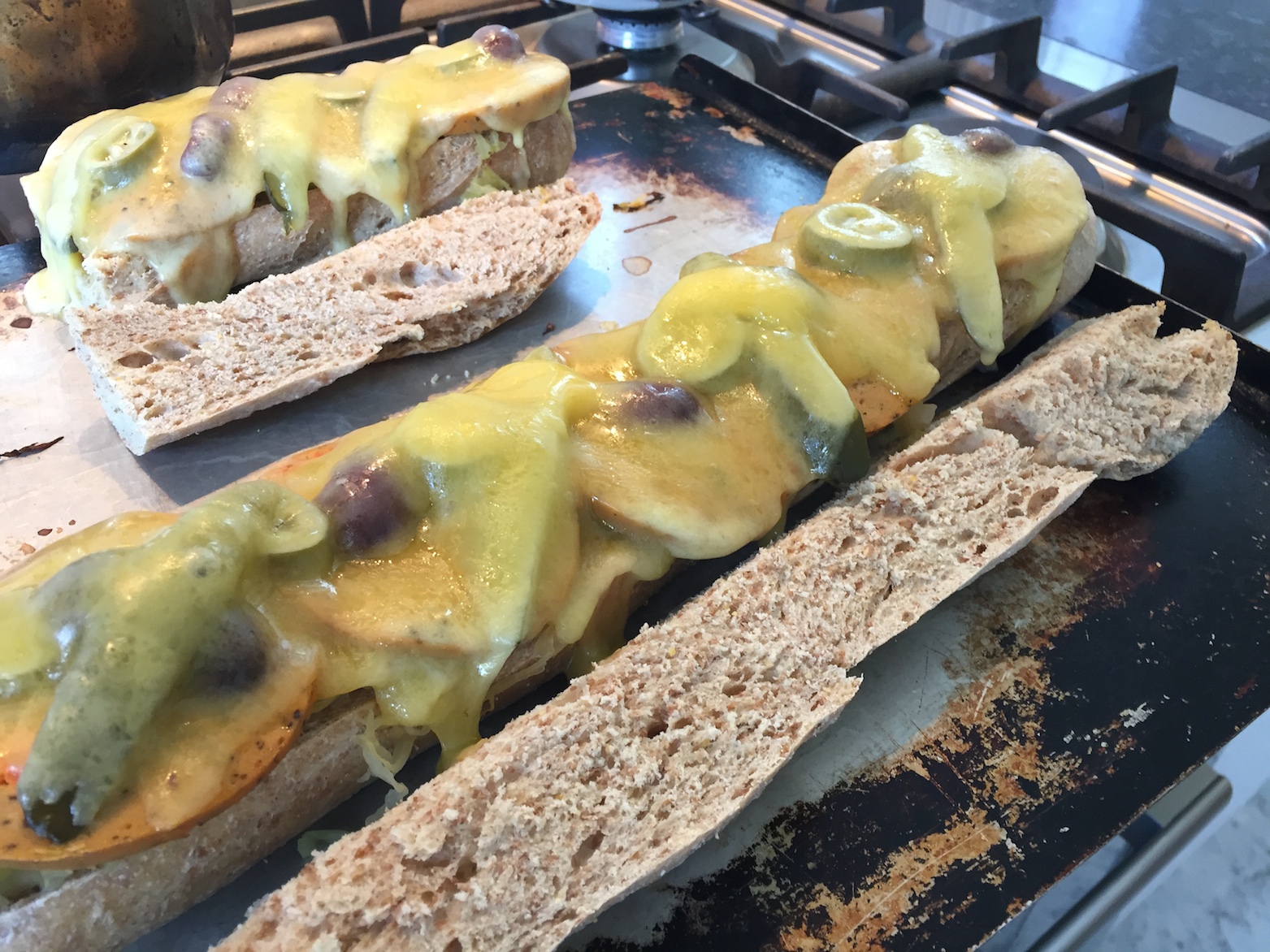
subsandwichsmI will admit, I give little consideration to lunch. I’m usually quite ready to eat by midday, but am loathe to stop whatever it is I’m doing. During the week, I usually eat at my desk. On the weekend, of course, there are others to consider—the whole family sits down to lunch together. I still try to hurry things along; I’ll pull out bread and cheese, pickles, and carrot sticks, and call it lunch.

My husband is more relaxed about lunch, and often more willing to invest time in its preparation. One of his signature lunches is Dad’s Decadent Submarine Sandwich.

The ingredients of one of these sandwiches varies, depending upon what’s in the refrigerator at the time. Yesterday’s included cheese, sauerkraut, dill pickles, tofu luncheon, jalapeño rings, mustard, and black olives.

He generously piles all these ingredients into one of his wonderful baguettes and pops it under the broiler for a few minutes to melt the cheese.

Delicious!

Word Famous Pancake Recipe

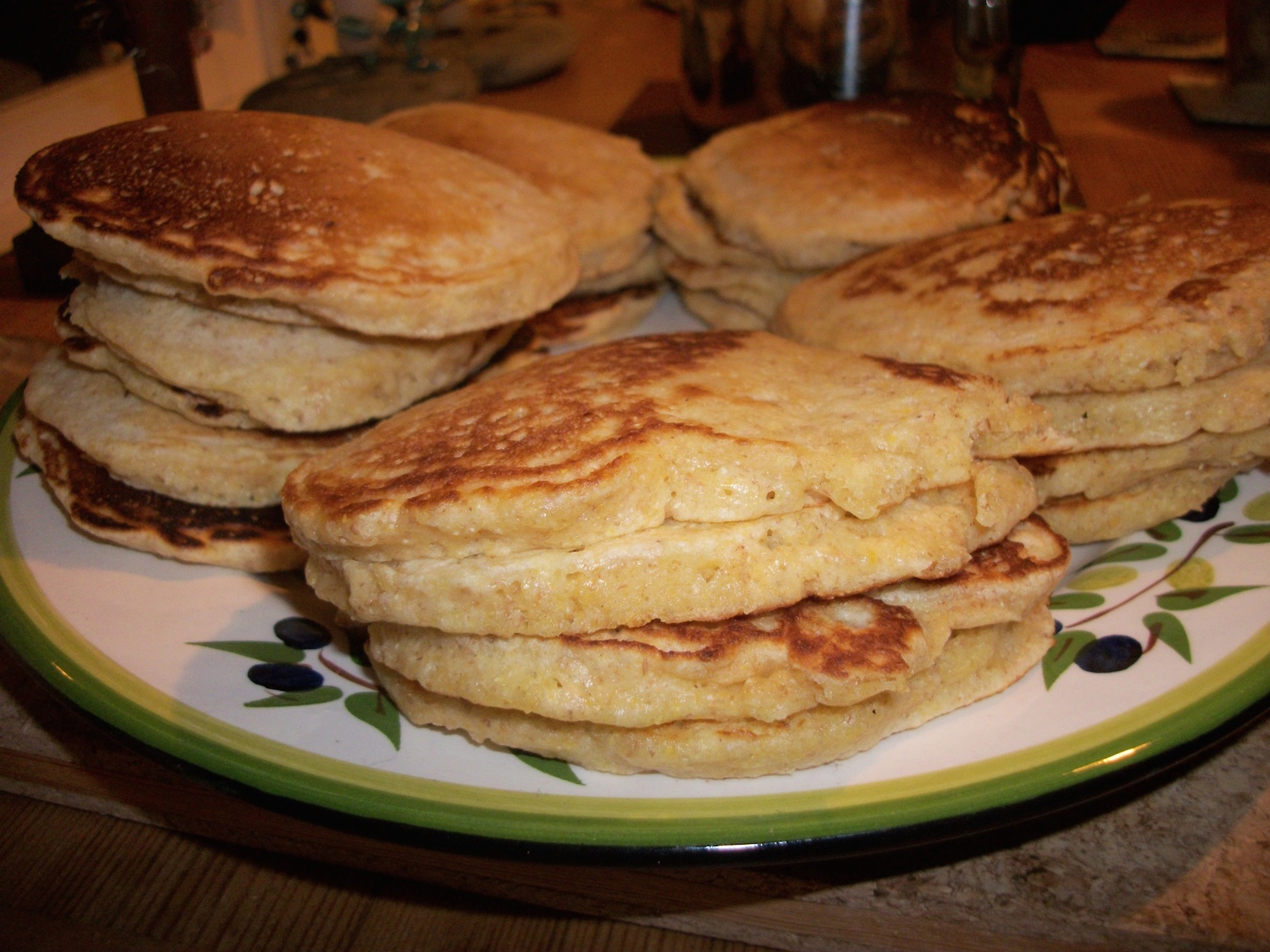
100_3505 copyFew of my recipes are made beyond my own kitchen, but one has gained a certain amount of recognition. Okay, maybe it’s not world famous, but thousands of people have eaten “my” pancakes over the past 17 years.

I used to work at Shaver’s Creek Environmental Center, and one year I was put in charge of pancake production for the annual Maple Harvest Festival. I figured we could save some money and have better tasting pancakes if we made them from scratch instead of from a boxed mix as they’d always done before.

I used my own recipe (multiplied 10 times for each batch!), and spent the day flipping pancakes for hundreds of visitors to the festival. Within an hour or two, I had scribbled the recipe on scraps of paper for several people. For the second day of the festival, I printed up a stack of recipes to hand out.

We certainly ate better tasting pancakes, but whether we saved money, I’m not sure—the pancakes were so good, the average visitor ate almost twice as many as they had in previous years!

That was around 1998, and my recipe has been used for Maple Harvest Festival ever since. The festival has grown, and now attracts more than 2,000 people annually. That’s a lot of pancakes!

Here’s the recipe. I double this for breakfast for four.

1/2 cup all-purpose flour

1/2 cup whole wheat flour

1/2 cup cornmeal

1 tsp salt

3 Tbsp sugar

1 ¾ tsp baking powder

2 eggs

3 Tbsp melted butter

1- 1 ¼ cups milk

Mix dry ingredients in a medium bowl. Whisk eggs, butter and milk together in a large bowl. Combine wet and dry ingredients with a few swift strokes. Bake on a hot griddle, lightly greased with butter, flipping to brown on both sides.