Looking for reading material this month? Fill your e-reader with free books in this October giveaway!

Looking for reading material this month? Fill your e-reader with free books in this October giveaway!
To celebrate the completion of the Fatecarver trilogy last week, I made trailers for all three books. There will be no BAFTA awards for these little videos, but I had a lot of fun putting them together.
I’m thrilled to announce that the third and final book in the Fatecarver trilogy is now available in both print and ebook formats!

Saving a people is hard enough. How do you save a god?
In the final book of the Fatecarver trilogy, Kalish’s magical power grows along with her influence. Her once rag-tag band of followers swells as clans fall to her mother’s strangling grasp. The rebellion she started becomes a full-scale insurrection bent on societal change.
As the powerful Fatewalker leading the uprising, Kalish is treated like a god—revered, feared. Her role pushes her further and further from her heart’s desires—a normal life, a home, family. She dreams of a day in the future when she will live in peace, with love.
But the god, Iskra, is depending upon her to save her people from greed—specifically her mother’s greed.
When her mother destroys Iskra’s last stronghold, Kalish must draw on every bit of her power to bring the god back. But her power alone isn’t enough, and resurrecting a god requires sacrifice. One that may cost her all her dreams.
While I wait for my beta readers to read Fatemaker, I’ve been planning the sequel to Demonic Summoning for the Modern Woman. I’ve spent a lot of time the past two weeks staring off into space while I think, researching really weird things, and taking long walks while I sort out ideas.

I’ve learned a lot about planning a novel since I made my first, aborted (and truly dreadful) attempt at one.
I’m definitely a planner, rather than a pantser when it comes to writing novels. I find writing the first draft difficult, and have learned that the better I plan, the easier the first draft is to write. I thought I had a pretty good system in place, but when I sat down to write Fatemaker I found my planning completely inadequate, because there were so many threads to draw together in the final book of an epic fantasy series. So I wrote a chapter by chapter plan of the book, summarising what had to occur in each chapter in order to wrap up everything by the end of the book. It probably took a week to create that summary, but by the end of the week, I had a detailed guide for my story, and I could focus on it chapter by chapter as I wrote, without worrying that I was forgetting something. I wrote the first draft in three weeks, rather than my usual six to eight weeks.
So I’m following the same process for the second book of the Rifton Chronicles, even though this book is not overly complex. Hopefully it will make the first draft fly onto the page.
My current planning process looks like this:
Oh, yeah, and there’s the staring off into space, researching bizarre things, and taking walks—those are critical components of every step in the planning process.

Here in the dark part of the year, the lack of daylight can be depressing. Rise in the dark, eat breakfast in the dark, have a few hours of light, then eat dinner in the dark, go to bed in the dark … And even during the day, shadows are long, and the frost lingers in every chilly pocket of the yard. The trees across the road cast shade on my office windows for much of the day, so even the sunny side of the house can feel dark.
But the low angle of the sun in winter comes with its own beauty. While my office is mostly shaded, the trees don’t provide complete shade. Shafts of sunlight track across my office as the sun moves. An antique chandelier crystal my husband bought me years ago catches the sun’s rays and fills my office with thousands of rainbows that appear and disappear throughout the day, shimmering on the white walls and ceiling and splashing across the floor.
In summer, the sun is too high to hit the crystal—it’s shaded by the eaves. I could hang the crystal lower, so it made rainbows all year, but I like to think the rainbows are winter’s gift to me. They’re something to look forward to during these short days.
The second instalment of Dragons of Aotearoa New Zealand is here!
In this episode, we explore the dangers of an encounter with one of Aotearoa’s most elusive and surly dragons.
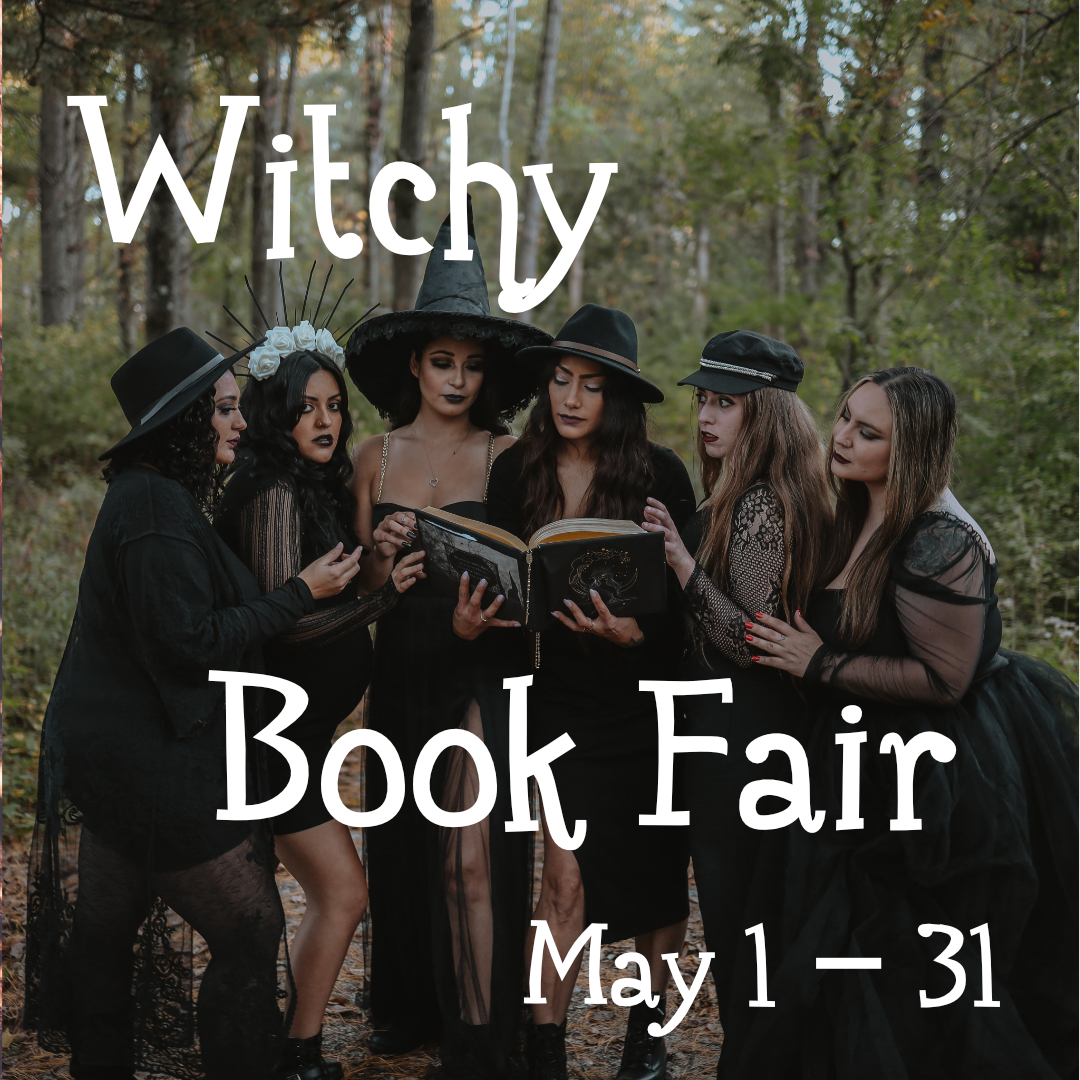
Like a little romance with your witchcraft? Forty-two authors have joined forces to bring you paranormal romance and urban fantasy romance stories featuring witches, mages, and wizards. We’ll be promoting these books all month during the Witchy Book Fair.

A couple of years ago, I wrote a poem for my students. It was an introduction to poetry that I used when I started a poetry unit, and was a response to the groans and moans I got whenever I introduced a poetry unit. The poem has been a hit–I slide smoothly into it when the kids start complaining, and when they realise I’m speaking in verse, their whole attitude changes.
I hadn’t really planned on publishing it, but when I found the perfect fit, I couldn’t resist.
It has just been published in the literary journal Teach. Write.
You can download the e-version here.

My cosy urban fantasy, Demonic Summoning for the Modern Woman, is one of over 45 new releases featured in this month’s BookMojo promotion. Check out a wide range of books you’ve never read–you might find your next favourite author!
My epic YA fantasy, Fatecarver, was featured on JD Reads. 🙂 Watch below, or on YouTube.
And have a look at the other books he features on his channel–there’s some great stuff there!
 Robinne Weiss