Escape the Heat

2017-03-02-15-12-14I love my office. The northeast and northwest walls are formed almost entirely by large sliding glass doors. I have sunlight in the office all day. On warm days I can throw open the doors and enjoy feeling like I’m working outdoors.

In winter, I rarely have to run my heater–even ten minutes of sunshine can heat up the room. The insulated and windowless south-facing walls keep the room cosy and draught-free, even in howling storms.

That’s all great…for most of the year…but when the outside temperature climbs above 30°C (86°F), all that sunshine becomes too much. No matter how nice the breeze through those open doors, sitting in the sun becomes unbearable. My attention starts to wander. My brain become sluggish. My hourly word count plummets. At some point I have to either give up work for the day or take it elsewhere.

A pool of shade, a grassy seat, and a clipboard, and I’m back in business. It’s officially autumn here, but it’s still hot enough to need to escape the heat. I’m looking forward to cooler days when I can appreciate my office again.

The Dragon Slayer’s Son–cover reveal

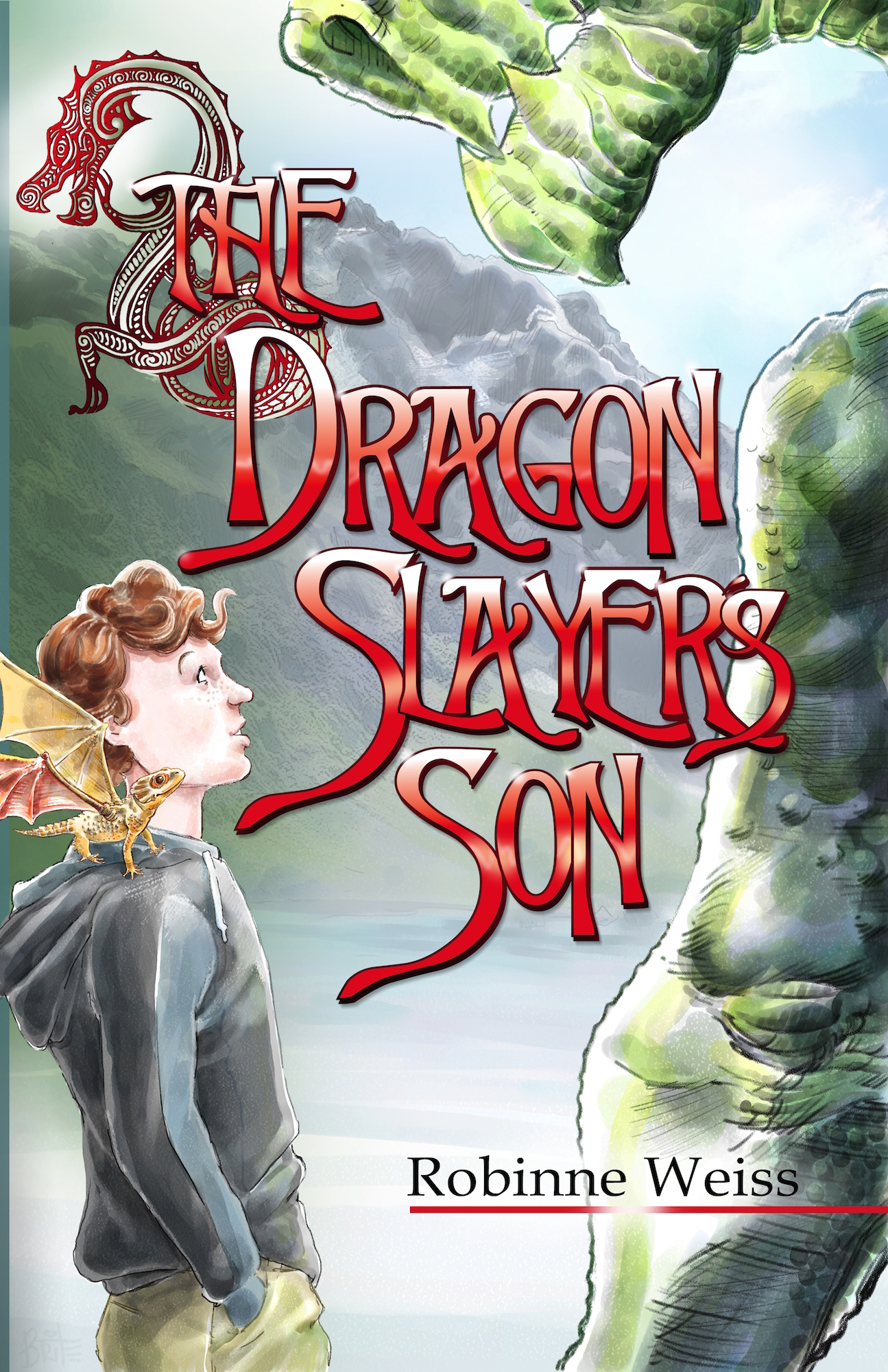
dragonslayer004d-smI’m thrilled to be able to reveal the cover of The Dragon Slayer’s Son–a middle-grade fantasy set in modern-day New Zealand…with dragons.

Nathan is shocked to learn that his father is dead, and even more shocked to learn that he died in the line of duty as a dragon slayer. Everything he thought he knew about his father was a lie. But he has no time to think about what it means before he is whisked away to the Alexandra School of Heroic Arts to train as his father’s successor.

At school, Nathan and his new friends soon learn:

Dragons are not what they thought.

Neither is the schoolmaster, Claus Drachenmorder.

And Nathan’s dad might not be dead…yet.

Nathan and his friends escape from school and embark on a journey through the mountains to find Nathan’s dad. To succeed, they will need to survive the dangers of the mountains, evade Drachenmorder’s henchmen, seek the aid of the dragons, and unravel an international ring of wildlife smugglers.

Coming soon to an online retailer near you…

Failure

2017-01-21-09-23-03smI’ve been in a veritable frenzy of pickling the past couple of weeks. Before that, there was a good stint of jam-making. I’ve had a brilliant run. I’ve been able to run a full canner-load almost every time, every jar has sealed, and the jam has been the perfect consistency.

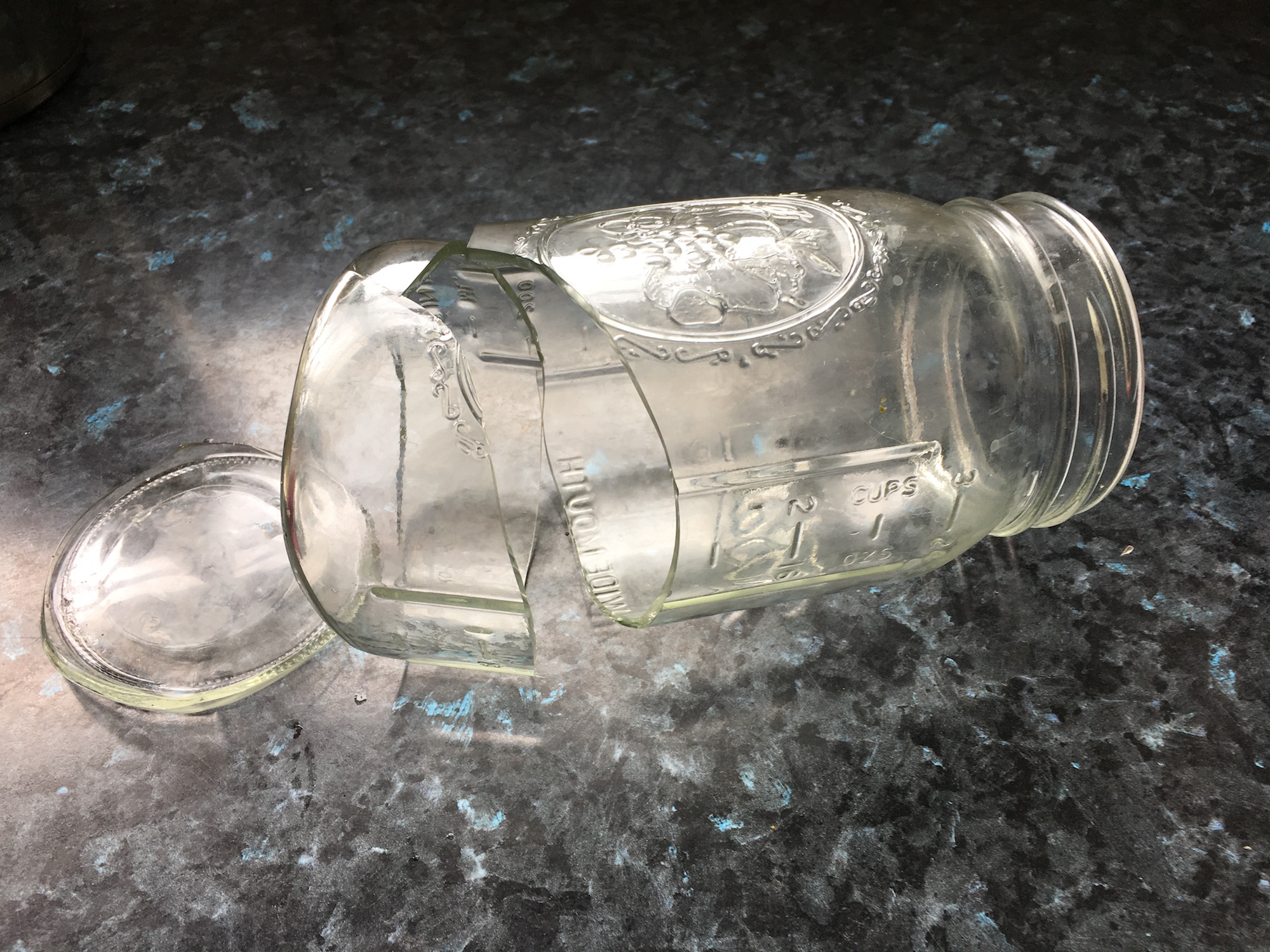
Until two days ago, when a jar of dill pickles exploded when it was lowered into the canner. Then yesterday, I ran fifteen jars through the canner, and FIVE of them didn’t seal. What? FIVE? I never have that sort of failure rate. I did what I always do though, upon reflection, maybe my lids or jars weren’t quite as hot as they should have been, because I was doing two batches at once, and my attention was divided.

Today I reran the five unsealed jars, making sure they were nice and hot, and they all dutifully sealed.

But it made me think about failure and my response to it.

I fail a lot. I have hundreds of rejections of my writing from agents and publishers. I’ve thrown away entire rounds of cheese that just didn’t work properly. I’ve made loaves of bread that could be deadly projectiles. I’ve made birthday cakes that didn’t look anything like what they were meant to be. I’ve taught lessons that have flopped completely. I’ve made clothes that have gone immediately into the rubbish upon completion. The list of my failures goes on and on.

When we fail, we have a number of options.

Option 1: We can pout, blaming our failure on the weather, the phase of the moon, the person next to us, the wrong tools, millions of illegal immigrants, or whatever. This might make us feel good, because it allows us to pretend our failure was not our own fault. But it doesn’t make us likely to succeed next time.

Option 2: We can get angry, blaming our failure on our own stupidity, clumsiness, incompetence, or lack of innate ability. We can believe that, because we failed, we are a failure. This is an easy response, because it allows us to justify not trying again. “I’ve tried that, and I can’t do it.”

Option 3: We can critically analyse what went wrong. Maybe it was poor tools–I’ve had cheese fail when a thermometer was inaccurate. Maybe we got sloppy–I’ve ruined garments by rushing to finish them. Maybe we didn’t understand enough about what we were doing–the first time I taught preschoolers, they chewed me up and spit me out, because I had no idea how they related to the world. Analysing our failures takes time. It requires a willingness to critique ourselves in an honest and constructive manner. It requires us learn new things. It requires us to get back on that bicycle and try again.

It’s hard.

But it’s the only option that leads to success.

Insects in the Classroom

insectsintheclassroomcoverI’m pleased to announce the release of Insects in the Classroom!

This collection of insect information and activities is the only one of its kind written specifically for the New Zealand classroom. Special features include:

  • Background information about insects and their relatives
  • Instructions on how to care for live insects in the classroom
  • A dozen buggy classroom activities
  • Student-friendly identification guides designed for the New Zealand school yard
  • Insect-themed colouring sheets and worksheets

The book is released in conjunction with a new outreach programme for schools–Bugs and Books–that uses science as the inspiration for writing.


No More Grammar

img_2951I’ve spent the last three days—11 hours each day—editing. I have no brains left to write a blog—they have all leaked out, stabbed by excessive punctuation, and strangled by curly quotes. If I see another comma, I will scream. I’ve had my fill of cut-and-paste errors. No dependent clauses can depend upon me this evening.

Instead, I will head to the garden, or to the piano. I’ll ignore infinitives, and banish adverbs. I will say whatever I please, and not worry about sentence fragments. Sentences without verb. Subject. Object.

  1. Do. Not. Care.

The English language can take a holiday this evening. Tell the Oxford Style Manual to stay home. I won’t answer the door. Come back tomorrow.


Entogeeks Anonymous

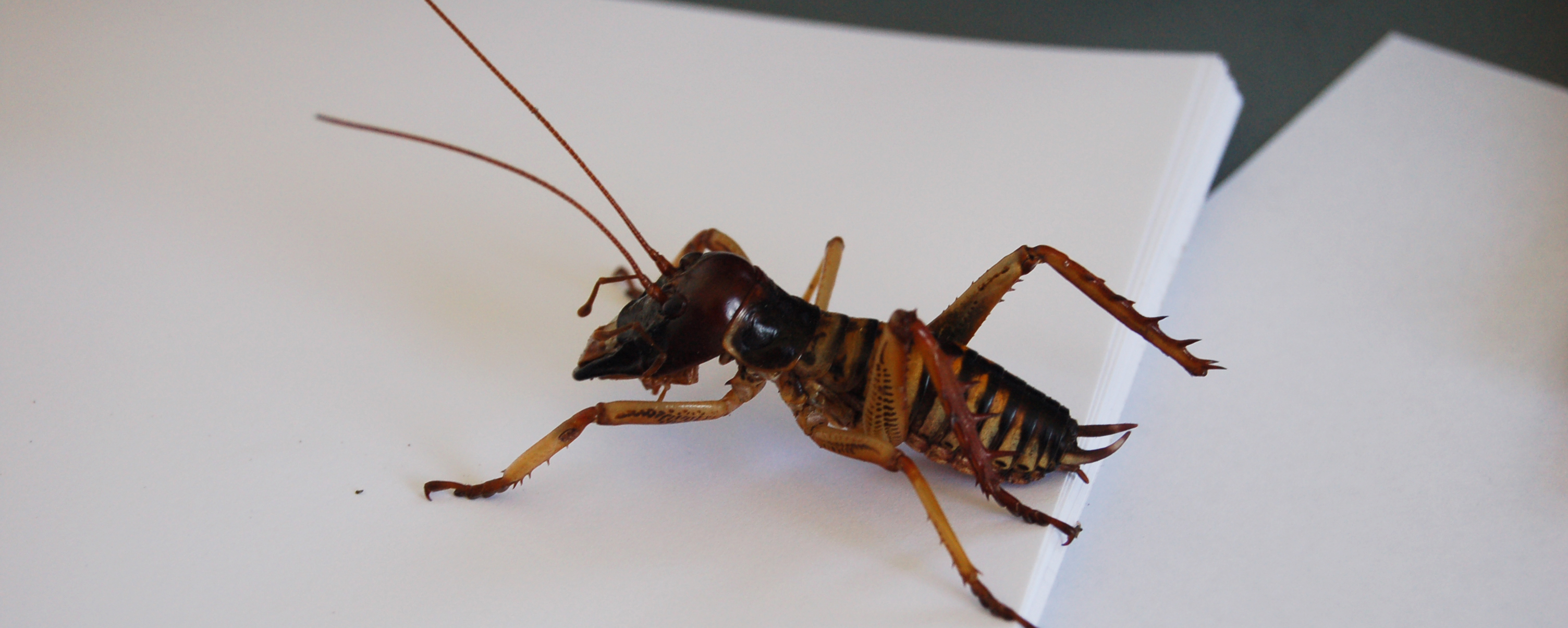
wellingtontreeweta3cropYou know you’re an entomologist when…

You find aphids on your lettuce, and eat it anyway.

You apologise to the grass grubs before squishing them.

You rescue the earwigs and lacewing larvae floating in the sink after washing vegetables.

You drop everything when you hear someone say, “Wow, look at that bug.”

You waste hours at work watching the spider on the window.

You keep a hand lens and a microscope within arms reach at all times, just in case.

The glove box of your car contains a folding insect net and several jars.

You sit down to write the day’s blog (a nice poem, you think), and get sidetracked for an hour trying to determine whether Mantophasmatodea is still considered a separate order or whether it is now grouped with the Grylloblattodea in the new order Notoptera.

*sigh*

Fantasy Gardener

2016-11-20-19-24-32What if gardening magazines were written like fantasy novels?

The day was hot. Sun glared from a bleached sky, and heat shimmered off the soil.

Robinne squinted into the sun, eyeing her enemies, calculating the risks. They were arrayed in their thousands—rank upon rank of weeds as far as the eye could see. Their green shoots groped for the sky, smothering her unwary crops. She knew their roots ran deep.

This would be no mere skirmish, no quick-strike street fight. This would be a war beyond reckoning.

Sweat beaded on Robinne’s brow as she considered her strategy. She pulled on her gloves and patted the secateurs hanging at her side for reassurance. She could do this. She had to do this. She was the garden’s only hope.

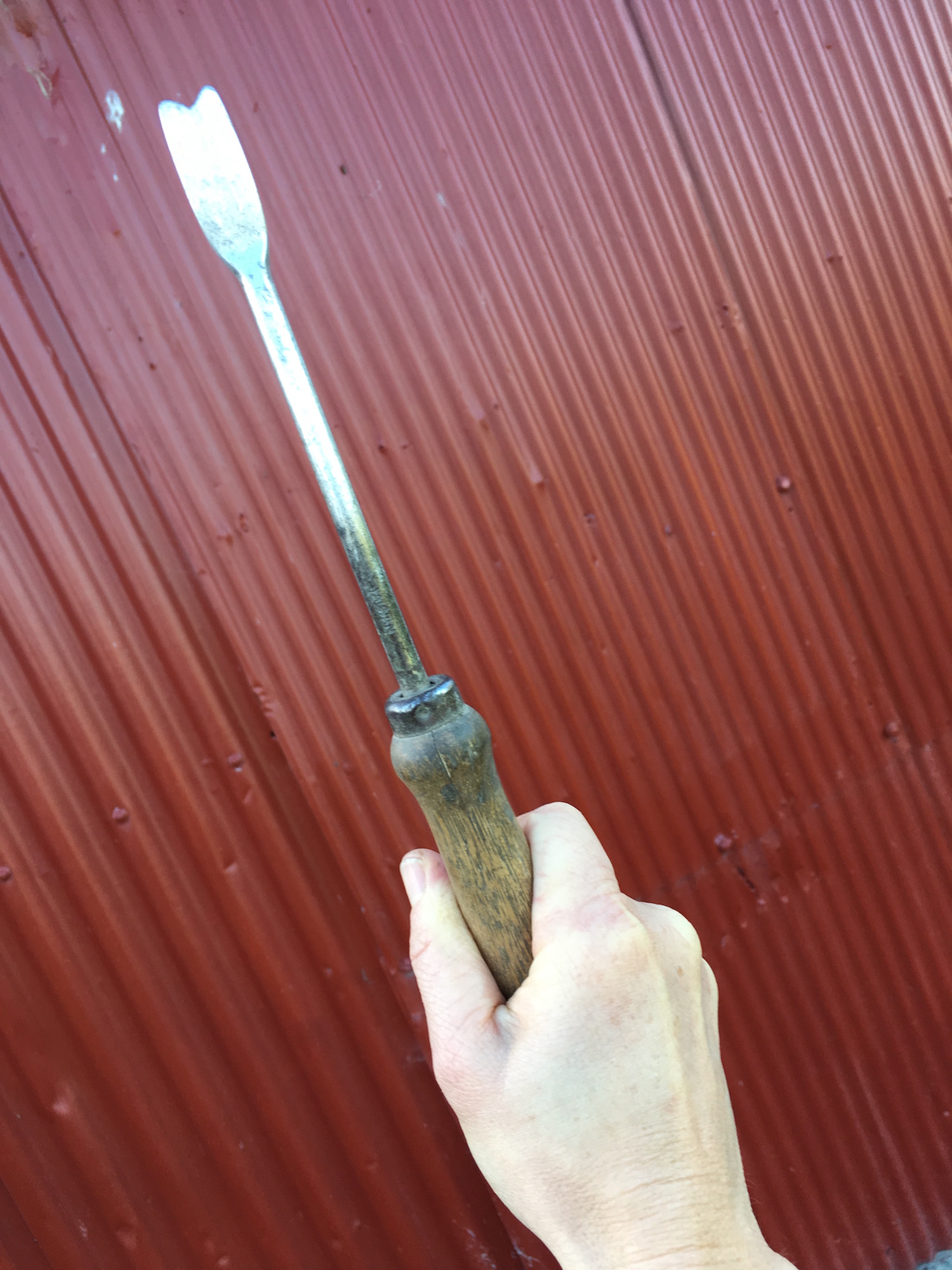
Robinne drew out her weeding tool, Weedlebuzzer—an ancient weapon, handed down through generations of warrior gardeners. The weeding tool thrummed in her hand, eager to get to work. Robinne smiled grimly, opened the gate, and stepped into the garden.

White Noise

robinneheadfuzzSit down to write
Nothing comes out but a hiss
Can’t think of anything
Thinking of everything
All at once.

Sentence fragments
The smell of lemons
A stubbed toe
What should I make for dinner?

The grass needs mowing
Pizza
Warm sun on bare feet
Itchy back
My desk is a mess

The cat wants in
The cat wants out
Words on paper
Spell check.

Freckles
Clean the house
Wet paint
Elephants

Meteor showers
Drifts of flowers
Girls and boys
White noise.

Literary Peanut Butter

2016-09-20-07-22-52I don’t normally get into endorsing products, but I feel compelled to comment on this one.

Pic’s Peanut Butter has recently started showing up in our local supermarkets. Shopping for a family for whom peanut butter is a major food group, I was immediately attracted to the large jars Pic’s came in. Glancing at the label, I found it was made with Australian peanuts by a small company in Nelson. That appealed to my social and environmental conscience, and I thought I had to try it.

It wasn’t until we had the first jar sitting on the kitchen table that one of the kids noticed the nutrition information. After the usual list of energy, protein, fat, carbohydrates, fibre, and sodium was…

Poems: quantity per 100 g—1.

And, sure enough, on the inside of the label was a poem. It wasn’t about peanuts; it was just a poem. There purely for our enjoyment.

2016-09-20-07-21-25And not all jars have the same poem, we have discovered. It’s a mystery until you’ve used enough peanut butter to be able to read the inside of the label (because we’re not nearly patient enough to wait until the jar is empty and soak the label off).

The poem is reason enough to spend a little extra for this peanut butter (though it is delicious peanut butter, too, and worth the money).

It is the sort of creativity I like about small businesses—the sort of creativity that is all too rare in this day of giant multi-national corporations that stamp out cookie-cutter products for the lowest cost possible in order to maximise profit to shareholders. It recognises that peanut butter is not just peanut butter, and consumers aren’t just units sold. It recognises the humanity of those making the peanut butter, and those eating it. It recognises that whimsy and wonder are critical parts of what it means to be human.

Okay, maybe the folks at Pic’s didn’t think all that when they were trying to work out how to make their peanut butter stand out among the cheaper products on the shelf. Maybe they just wanted to sell more peanut butter. Maybe they just have a desperate poet on staff who can’t publish otherwise. Either way, they’ve created something joyful from an ordinary food, and I, for one, am happy to support that.

Still Life with Poems

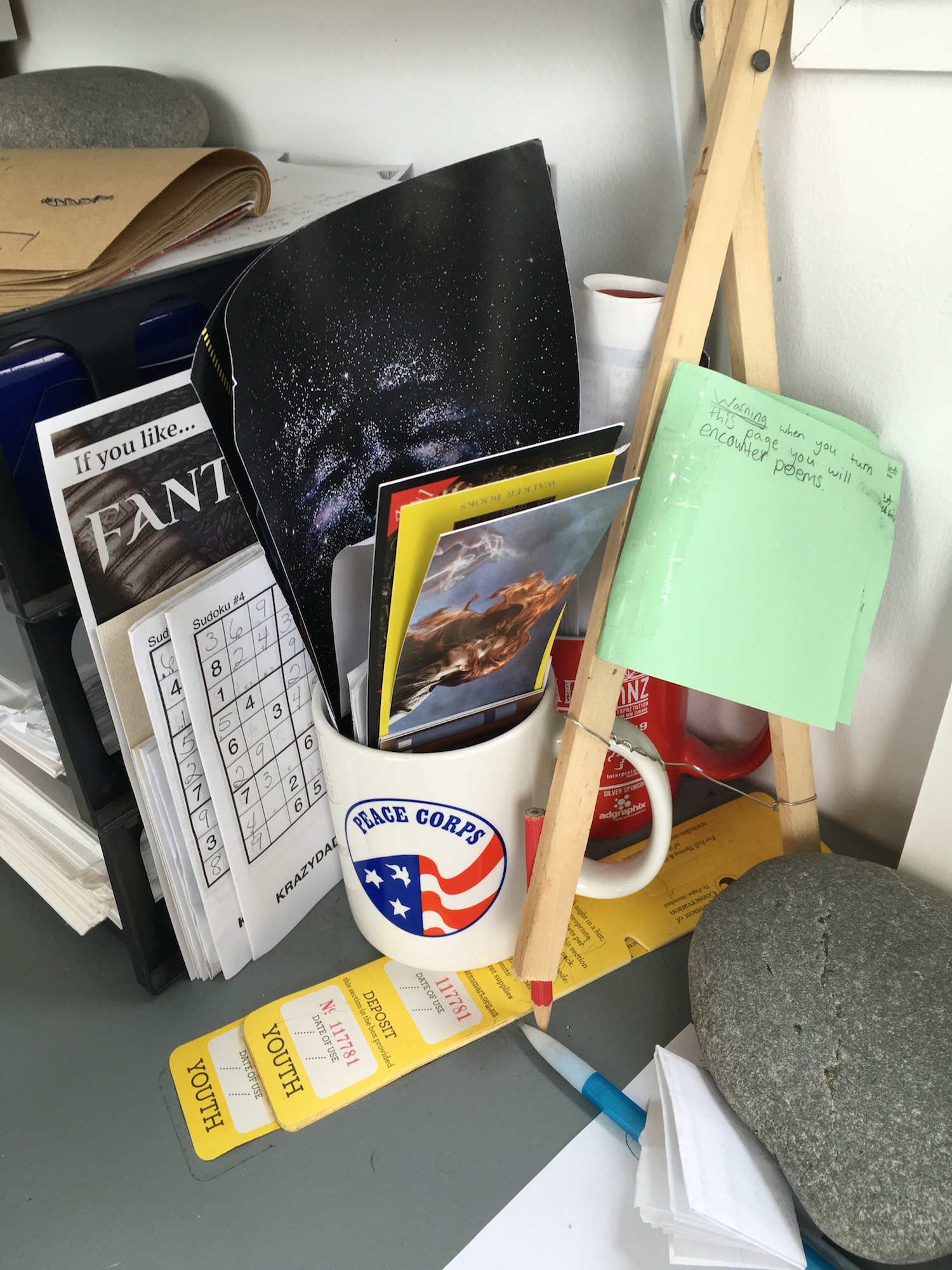
2016-09-19-09-52-35I picked up my phone today, and it automatically opened the camera, which I had used last. This is the picture it framed—a corner of my desk—and it struck me as a curious slice of my life and personality. In the picture are:

  • A flier from the library with a list of fantasy authors they recommend.
  • A couple of half-finished Sudokus—lunchtime brain breaks.
  • A Peace Corps mug—still flying those colours after 21 years. It’s a rare day I don’t think about our time in Panama. That mug is filled with more fliers for books I’d like to read.
  • A mug from the Some Like it Hot Conference—from another past life when I was Secretary of Interpretation Network New Zealand. That mug is stuffed with notes to myself—names and addresses I want to remember, ideas for birthday and Christmas gifts, web sites of interest, the odd poem.
  • A gift from my daughter—a hand-made compass, complete with a book of poetry attached.
  • A rock from our beach—part paper weight, part touchstone, grounding me in this place.
  • A pencil—my favourite writing tool.
  • A folded wad of paper to stabilise my computer stand, which wobbles on uneven legs.
  • A stack of Department of Conservation hut tickets from a trip that I intended to take my ecology students on, but which was cancelled due to weather.
  • A scrap of paper awaiting the day’s to-do list.

There you have it. The messy corner of my brain, where poems vie with the day’s to-do list, and numbers and words mix, and good intentions meet reality, and maybe
today’s to-do list
becomes
tomorrow’s poetry.