First Frost

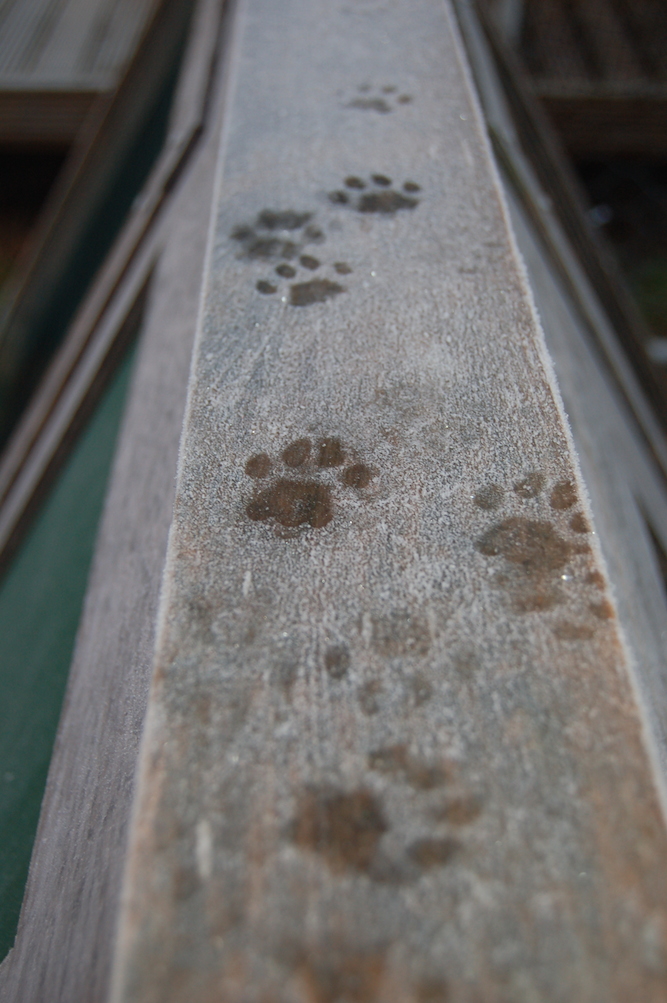
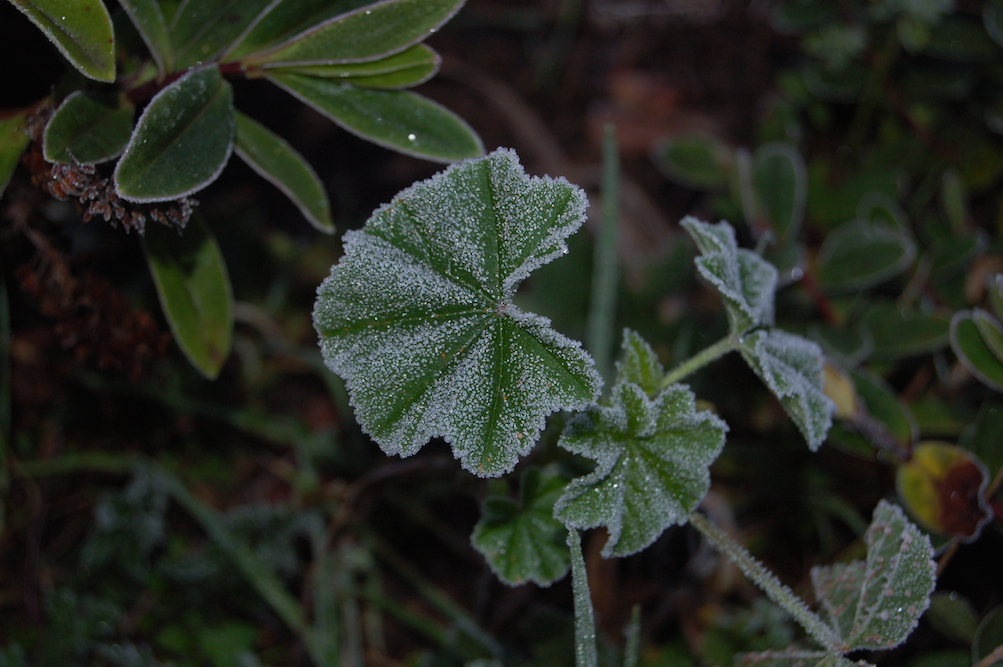
DSC_0006 copyThe grass sparkled in the beam from my headlamp this morning and crunched underfoot—our long-overdue first frost. After such a hot summer, we should have expected a warm autumn, but I was beginning to wonder if it would ever frost; it usually occurs near the end of April.

Of course, even without a frost it’s been too cool for the summer crops outside the greenhouse; they gave up weeks ago. So we’ve been eating as though it has already frosted, but there’s something decisive about the first frost.

First frost gives me permission to haul out the sewing machine after a summer’s interruption to crafts. It encourages me to pull out a good book. It gives me leave to contemplate steaming pots of soup and chunky vegetable stews for dinner. It is a milestone in the year. A time for taking stock, reflecting on the summer’s crops, and enjoying a brief break from most garden chores. Though the garden looks wasted and sad after the first frost, it is a time to savour, like every other event and milestone in the garden year.

Beginnings and endings

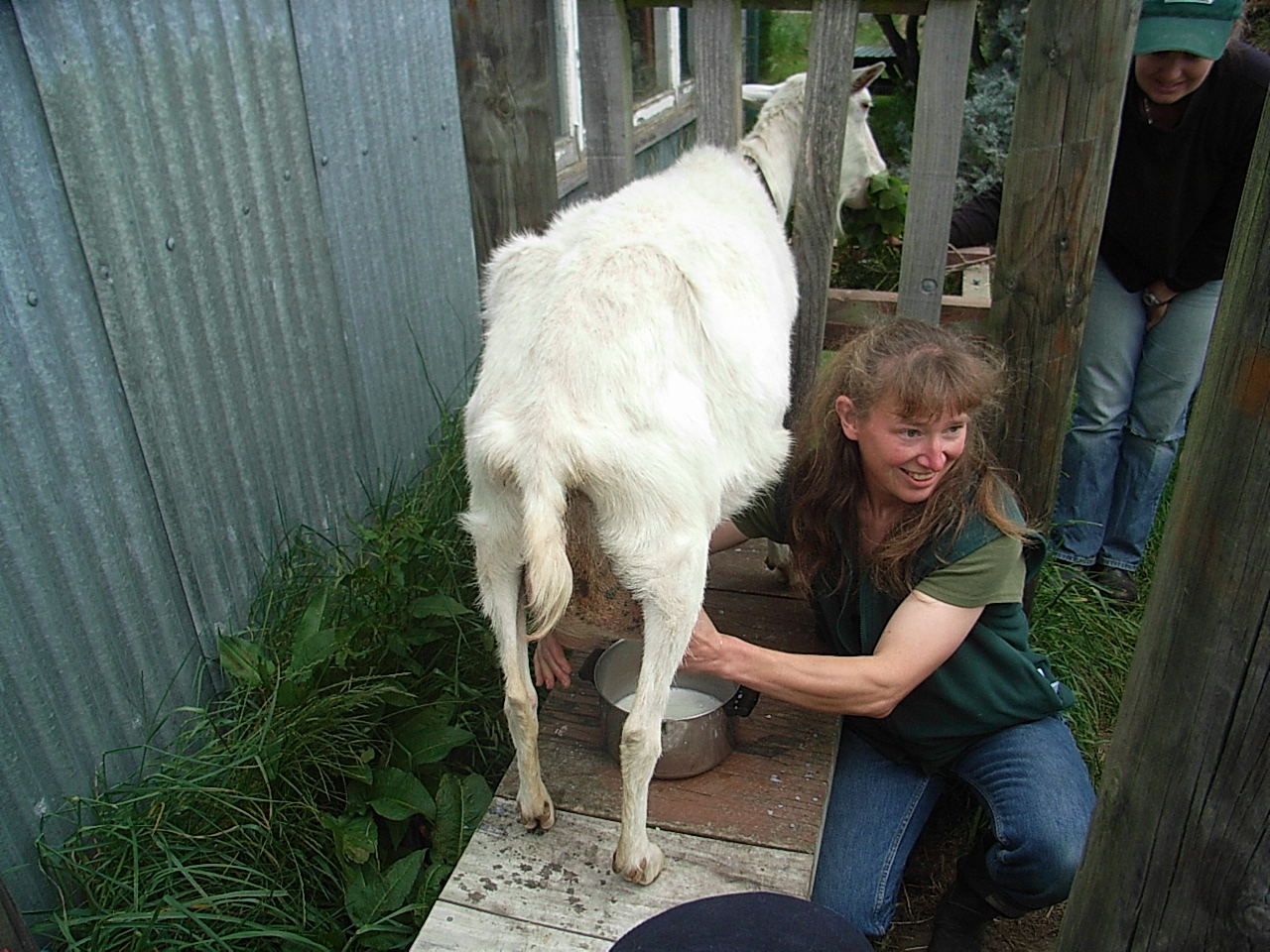
Exif_JPEG_PICTUREThis week marked the end of this year’s milking season, and the beginning of next year’s.

We’ve been in the tail end of the milking season for a while now—the low-stress time when I could quit at any time and dry off the goats. Usually I quit milking when the weather turns bad in mid April. This year has been so mild, I’ve just kept going. But the goats needed worming, and rather than throw away milk for a couple of weeks while the medicine passed through, I decided it was time to end the milking season.

Besides, it’s time to start thinking about next year! The does are coming into season now, and it’s time for their annual visit to the buck. I have retired my old girl, Artemis, so she’s hanging out in the paddock with this year’s kids, but my young Toggenburg, Ixcacao, is spending the next three weeks boarding with the local breeder’s two bucks. Hopefully she’ll come home in kid, and I’ll start all over again, preparing for milking in the spring.

In the meantime, I will enjoy the excuse to sleep in a little in the mornings!

Migratory Chickens

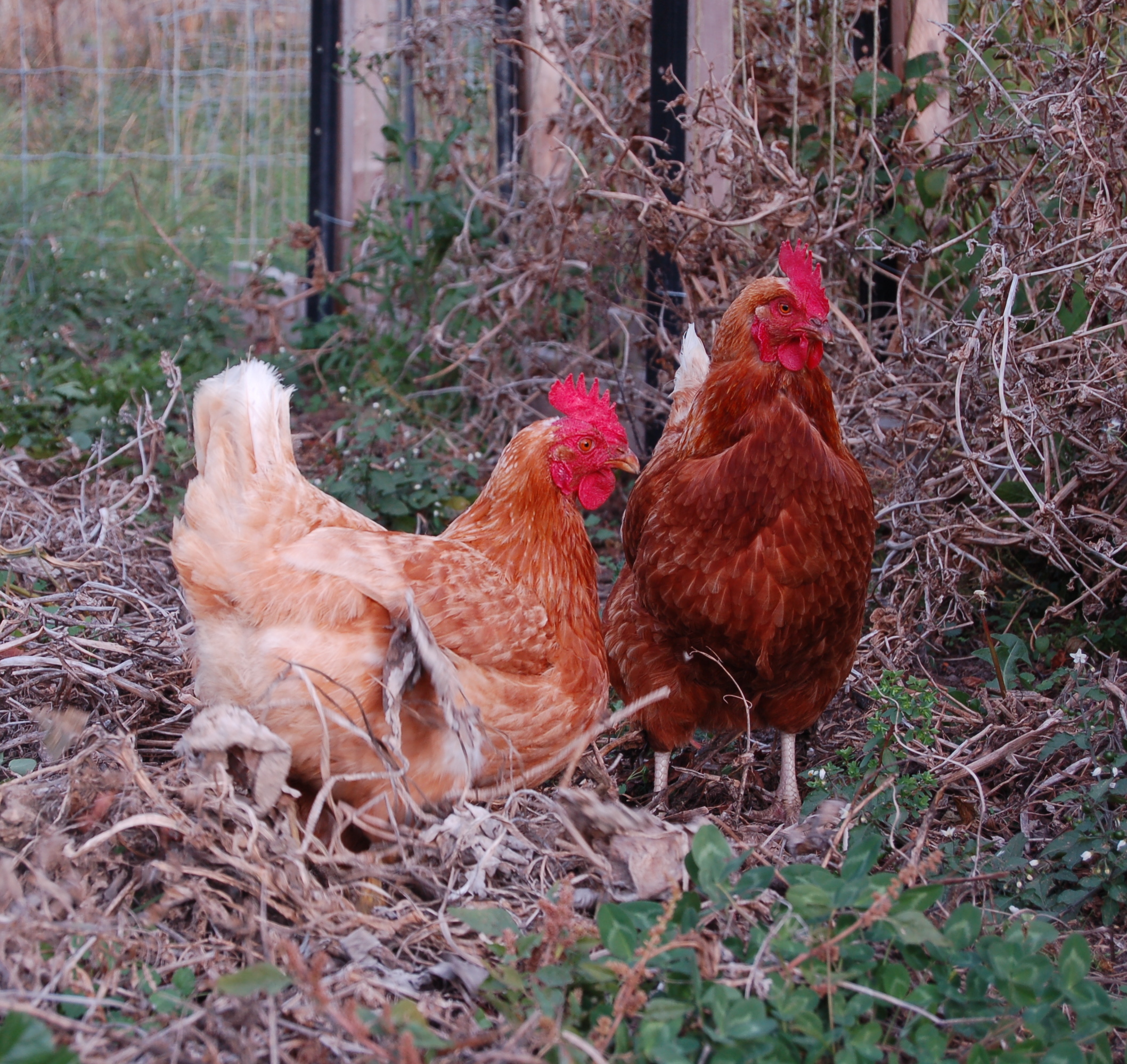
The chickens migrated to the vegetable garden today.

The chickens migrated to the vegetable garden today.

My chickens are migratory; they have a summer home and a winter home. In summer they have a dedicated paddock—an otherwise useless little corner of the yard under some birch trees. Their winter home is the vegetable garden. I fence off a quarter of the space for my winter crops, and let the chooks take care of the rest.

I used to struggle with waist-high weeds in the garden each spring, injuring my back or my arms almost every year just trying to prepare the garden for planting. But since I started employing the chickens in the garden over winter, spring planting has become a breeze.

Well, OK, not a breeze. It’s still a ton of work, but I can do it without injury.

The chickens eat weeds and pests alike, keeping both under control all winter. There are weeds they won’t eat, of course, but as long as I swing through the garden once or twice over the winter to root out the biggest ones, I arrive at spring with minimal weeds or pests to get rid of.

And the icing on the cake is that the chooks love the garden. Egg production often slows down in the autumn, but it shoots right up again when the birds are let loose among the leftover vegetables. Everybody wins!

Autumn

DSC_0009 copyAutumn

Is a yearning

Wreathed in smoke,

Struck through

With the amber rays

Of a westering sun.


Autumn

Is a farewell,

The caress

Of soft wind,

A sigh

Of leaves.


Autumn

Is anticipation:

Wood shed full

Of logs

Awaiting the fire,

Windows

Waiting to be closed,

Tomatoes

Awaiting their first

And final

Trimming of frost.

Life as a Squirrel

pumpkins2 smHaving recently crossed over into the dark side of the year, I am naturally looking ahead to the winter to come. The days are growing short, the nights cool.

As I sneak a late-night snack of almonds and raisins (though I’m not particularly hungry), I begin to wonder…Am I like a bear, eating extra food, building up fat in order to hibernate all winter?

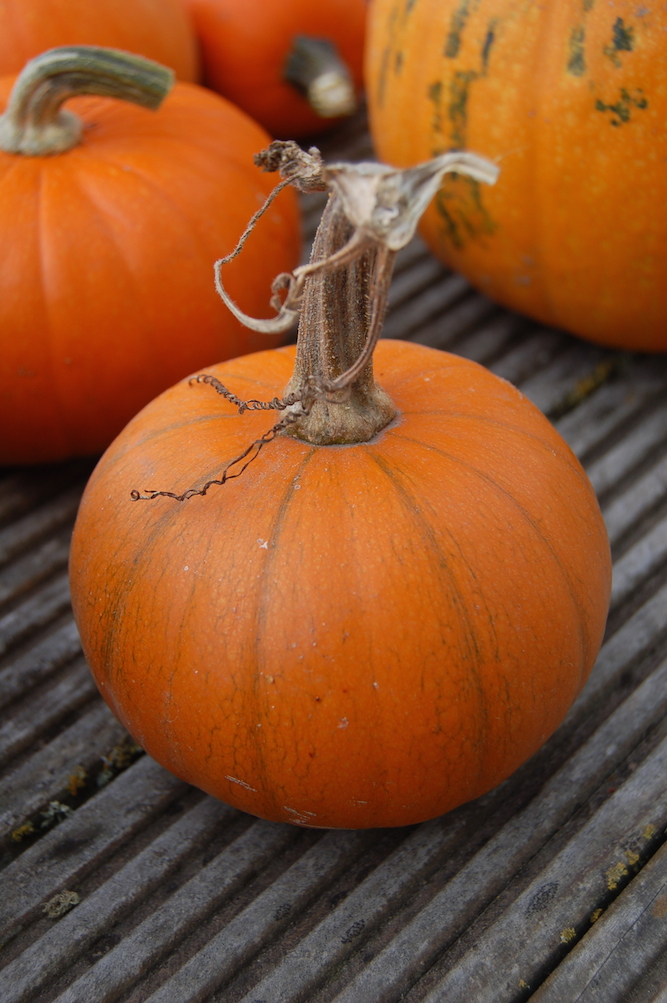
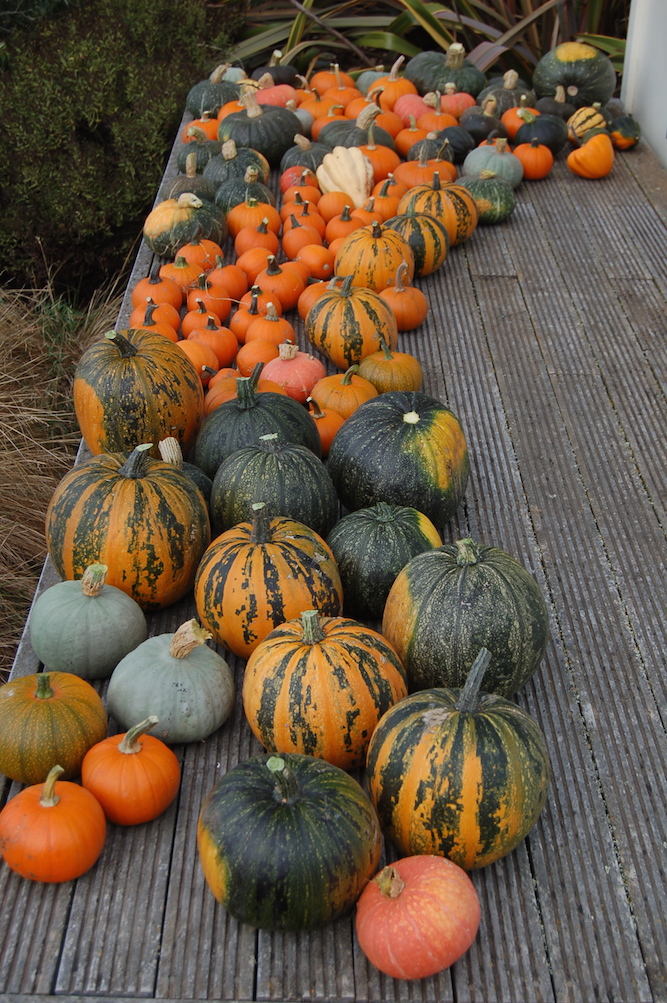
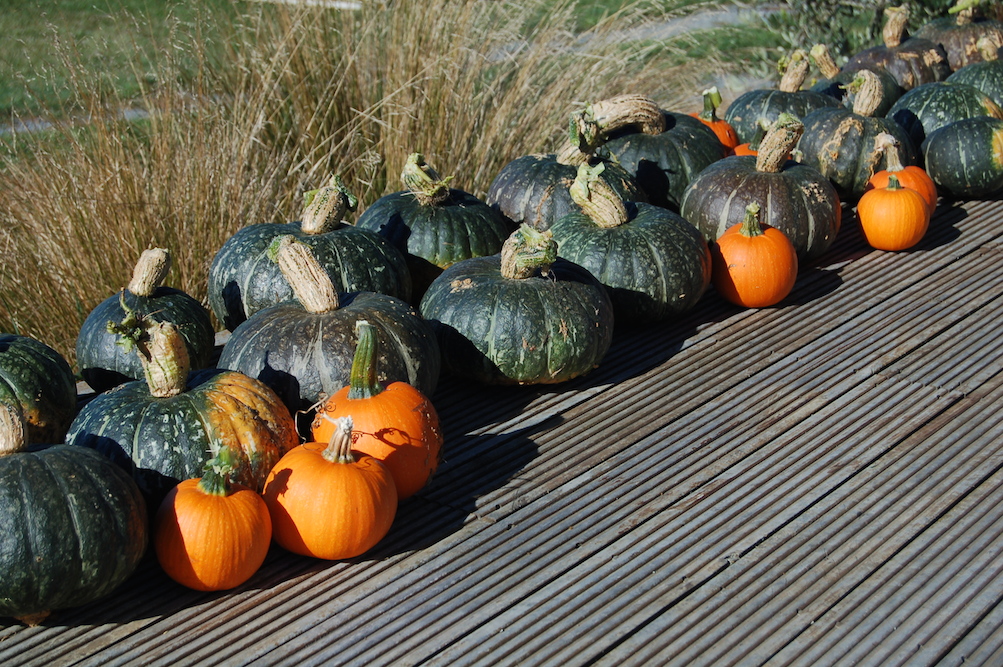
Then I harvest the beans, corn and pumpkins and store them away in cupboard, freezer and shed, and I believe I am like a chipmunk, filling its larder with autumn’s bounty so I can huddle inside munching on the fruits of my labour all winter.

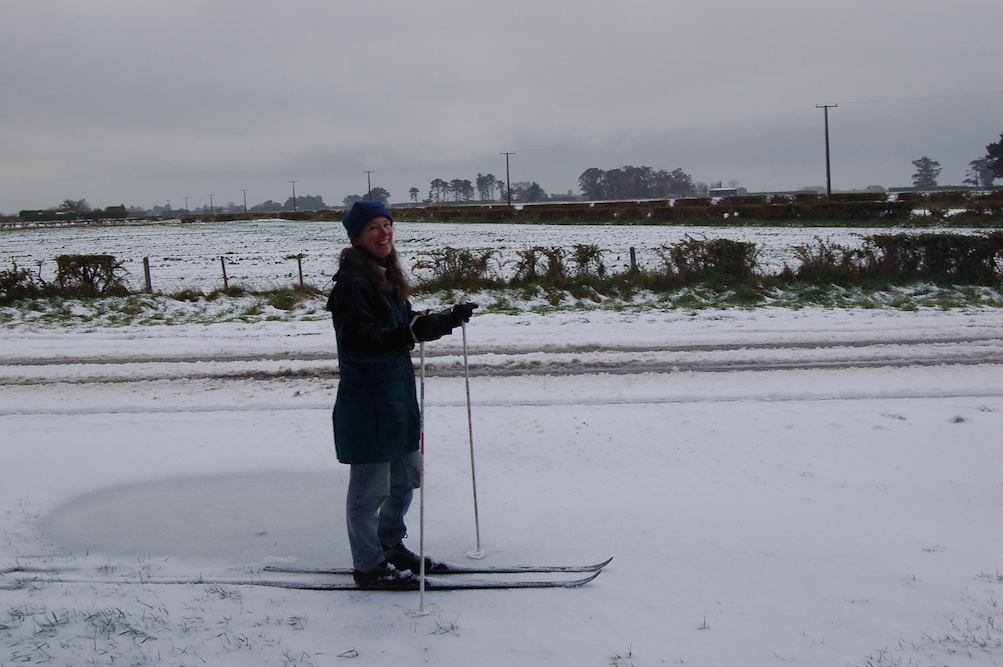
Our last snow--in 2011. We rarely get snow to frolic in, but it's nice to frolic when I can.

Our last snow–in 2011. We rarely get snow to frolic in, but it’s nice to frolic when I can.

But that’s not quite right, either, because I’m truly more like a squirrel. I hunker down in my winter nest during the worst weather, but on fine winter days I like to frolic outdoors, to scamper around searching out the little tidbits I’ve stashed here and there. The chard I left growing on the compost pile, the lettuces in the greenhouse, the last of the potatoes and carrots still in the garden, the cabbage and broccoli that hang on through the cold months. Sometimes, squirrel-like, I forget where I’ve hidden something—the last jar of artichokes, in the back of the cupboard, perhaps, or the leeks, quietly growing without my noticing until one day they are ready to eat.

I’m sure that, for a squirrel, fine winter days are a frantic race to stave off winter starvation, but for me, winter frolicking is just that—a little light weeding, gathering in the meagre winter crops, and enjoying the release from the hard labour of summer.

I still have a month or more to go before I can rest from summer labours, but on this tired end of the year, I look forward to my squirrely winter days, curling up in my nest and eating from my food caches.

City Mouse, Country Mouse

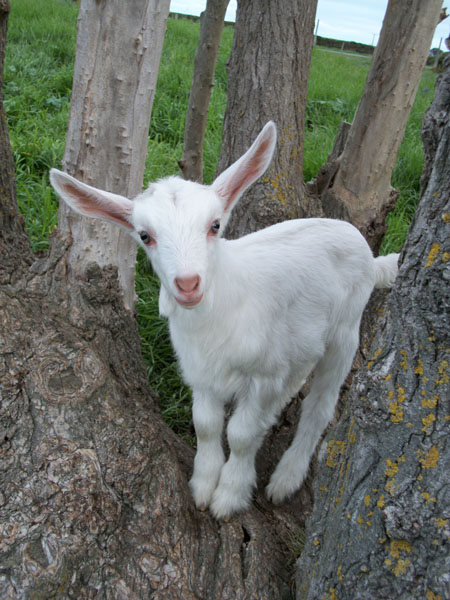
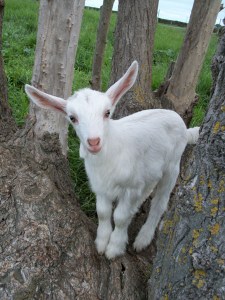
See a beautiful goat kid? Beauty belies the truth: manually pulled from her mother, bottle fed because she was two weak to stand, then put down at 3 months old because of an injury.

See a beautiful goat kid? Beauty belies the truth: manually pulled from her mother, bottle fed because she was too weak to stand, then put down at 3 months old because of an injury.

I glanced down at my shirt as I got out of the car. Damn. Frayed on the hem, and stained with something dark—blood, probably. I sighed. Once again I would be the worst dressed parent at school—the country mouse among city mice.

It was easy when the kids were at the local rural school. Most of the parents showed up in manure-splattered gumboots and dirty coveralls there. But now that the kids are at school in the city, I feel a vast cultural divide between myself and the other parents.

They walk in wearing impeccable make-up, high heels, and dry clean-only clothes. They sport jewellery and labour-intensive hairstyles. Meanwhile, I’ve thrown on my least decrepit pair of blue jeans, hiking boots, and a t-shirt of dubious cleanliness. If I’m lucky, I’ve combed the hay out of my hair.

When these city parents find out I live on a lifestyle block in the country, they wax lyrical about how someday they want to live “the good life” in the country. I look at them dubiously. Those high heels wouldn’t work well in a muddy paddock. If they persist, I describe for them my daily routine, beginning at 5 most mornings. I enumerate the hours of hard labour in the garden, the DIY vetting (not for the faint of heart) that comes with owning livestock, the never ending struggle to maintain a rotting 125 year-old house.

It’s worse when city folk come to visit. Of course, other than at kidding time (see Worst Hostess of the Year), when visitors arrive, work stops. We make sure the garden is weeded, the grass trim, and the usual mess of half-finished projects is cleaned up before visitors come. We serve the fruits of our labour—homemade cheeses, fresh fruit and vegetables. We relax with a glass of wine. Visitors get the impression it is always like this.

The truth is much dirtier and sweatier, and it’s visible in our clothing. No matter how careful I am, eventually I find myself trimming hooves, treating an abscess, or tying up tomatoes in my “city” clothes. I sweat every day. I am regularly splattered with blood—my own or a goat’s. None of my shoes is reliably without manure on the soles.

So while the city folk see only the romance of rural subsistence farming, we live the reality. Are there moments of romance? Yes. In the silence of early morning milking. In the evening strolls around the property, when the day’s work is done. In the daily sweep through the vegetable garden to pick dinner. In the frolicking play of goat kids in the paddock. But it takes long, hard work to create those moments of romance, and the romance probably isn’t worth it unless you also enjoy the work. And, of course, if you don’t mind being the worst dressed parent at school.
Cheese Magic

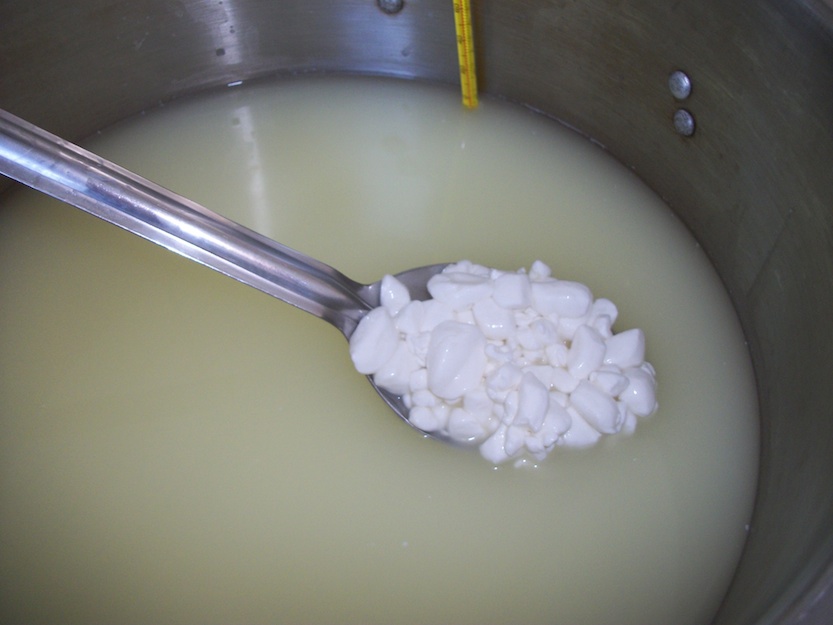
Curds and whey

Curds and whey

To be honest, until I had dairy goats, I don’t think I knew at all how cheese was made. Oh, I knew it was made from milk, but beyond that, I had no clue. I loved cheese, and I ate quite a lot of it, but how it came to be on the supermarket shelves, I didn’t know.

Truth is, cheese making is magic.

Well, OK, not really. It’s a simple matter of coagulating proteins, and the whole process is governed by the laws of chemistry. But it feels like magic.

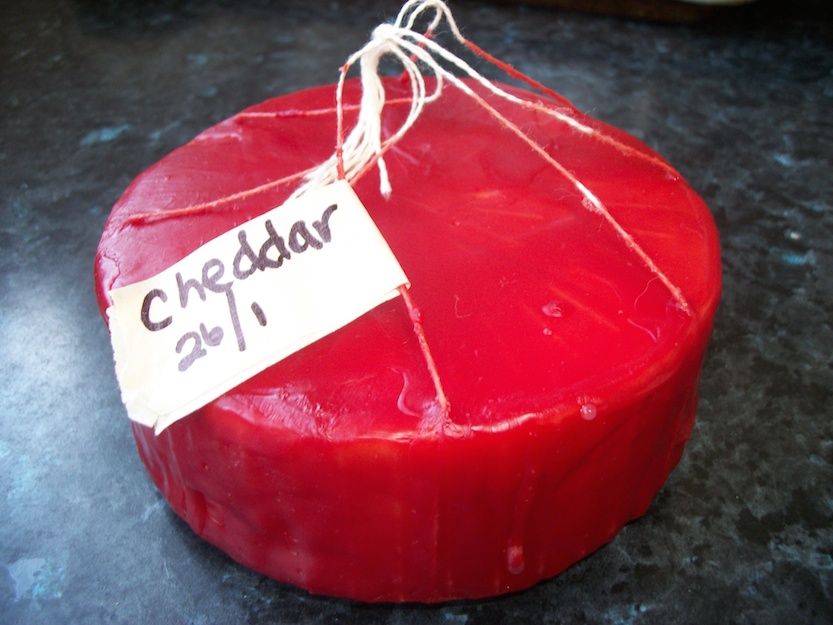
Slow and painstaking magic, that is. Ignore for a moment the six months of planning and animal husbandry required to produce the milk itself, and let’s focus on the actual cheese making process. The process to make a simple farmhouse cheddar, one of the least time-intensive hard cheeses I make, usually starts at about 6.15 am. Two hours of heating the milk and adding cultures and rennet, and the first of the magic happens—liquid milk becomes a solid mass of cheese curds. I carefully cut the curd into small cubes, marvelling at its beautiful silky firm texture. Then I tediously stir for almost an hour and a half while I heat the milk to expel liquid from the curds. The curds finally go into the press at about 10 am. The “green” cheese doesn’t come out of the press until 11 pm. A week later, once the surface of the cheese has dried, it is waxed, and left to age for at least 4 weeks.

cheddarsmSo, the fastest of cheeses is almost 5 weeks in the making. Other cheeses require much more active processing, and a much longer aging period (parmesan needs a minimum of 10 months, and is best after a year). Some cheeses aren’t waxed, and need daily or weekly washing for their entire aging period to avoid mould.

But once a cheese is ready, the second bit of magic happens, and it is my favourite part of cheese making–opening a new cheese. Only at this point do I know for certain how the cheese making months before actually went. Is it the right texture? Is it properly salted? Has it aged enough? Was I able to prevent unwanted mould growth? The whole family is drawn to the opening of a cheese. Everyone gets a slice, and weighs in on how good it is. This magical moment, standing around in the kitchen with the family is worth all the tedious stirring and waiting.

The French Potager

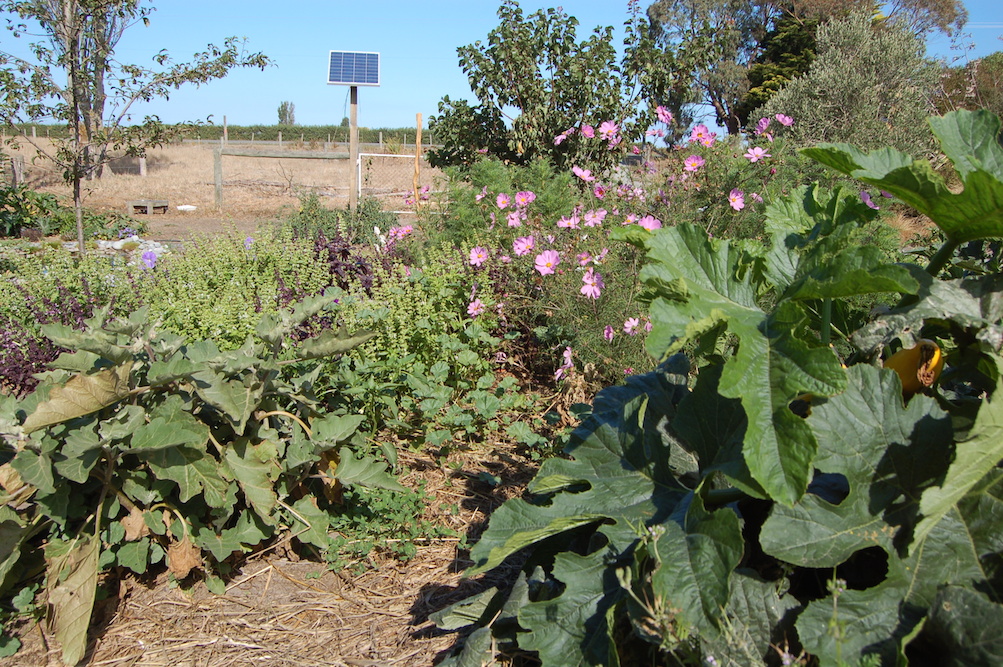
Zucchini, eggplant, basil and cosmos nestle happily together.

Zucchini, eggplant, basil and cosmos nestle happily together.

I love the idea of the French potager—the small garden densely planted with a mix of flowers, herbs, and vegetables. When we lived in St. Paul, Minnesota with a yard the size of a postage stamp, we had a delightful potager in raised beds near the house, and flowing down rocky terraces to the sidewalk. Showy okra flowers competed with cosmos and marigolds for the most beautiful plant award. Eggplants nestled next to thyme, corn formed a backdrop for zinnias, and colourful lettuces marched in a neat border around the whole arrangement.

Now that we have more than enough space, the vegetables are segregated and confined to the vegetable garden, where I can be sure they are well watered and mulched, and I don’t worry about a few spent, ugly plants hanging around. I’ve also found that here in the land of pernicious twitch (couch grass), planting perennials and annuals together is usually a recipe for disaster—annuals don’t compete well with twitch, and the perennials harbour fragments of twitch among their roots, providing an endless source of the weed.

But this spring, Ian was looking for temporary plantings for his new pond garden—plants he wouldn’t mind killing off along with the weeds in the fall when he plants the perennials he wants there. He picked up a few flats of annual flowers, took all my leftover vegetable plants, and created a delightful potager bursting with colour, fragrance and flavour. It’s a lovely reminder that you don’t need a “vegetable garden” to grow food, and that vegetable plants are beautiful, too.

The Caprine Composter


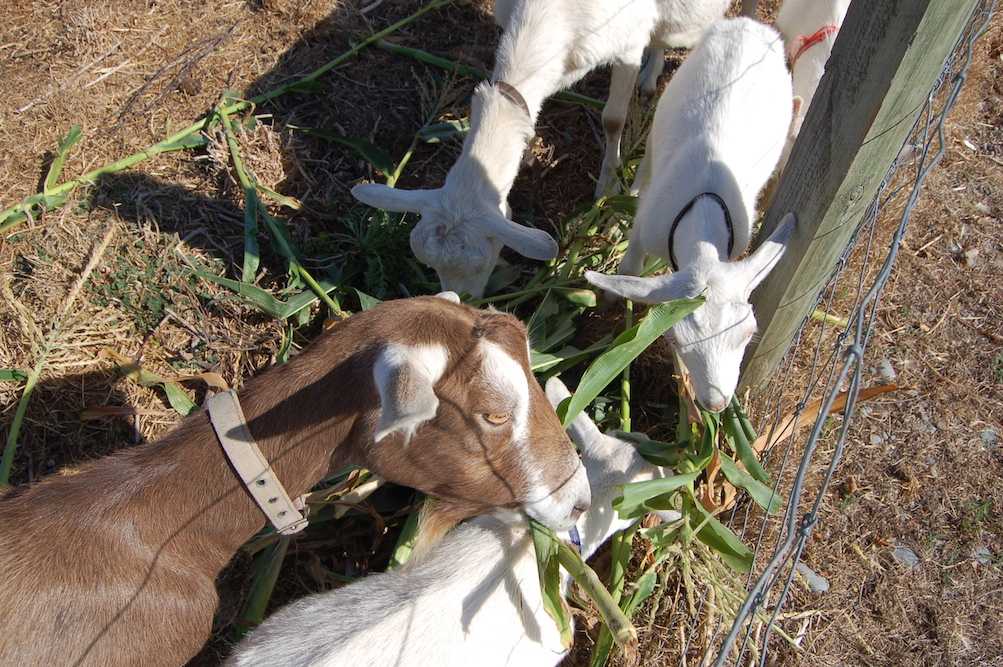
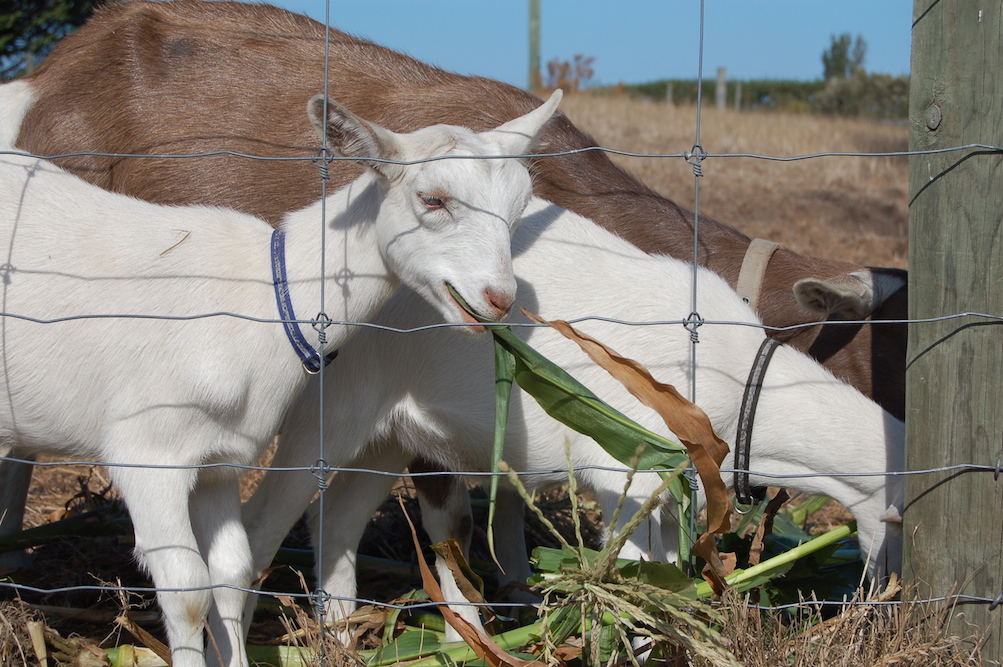
Caprine Composters at work on tough corn stalks.

Caprine Composters at work on tough corn stalks.

There are dozens of ways to compost. There are barrels that rotate, rocket-shaped bins with handy doors on the bottom for extracting the finished compost, clever bokashi buckets, and worm bins. Then, of course, there are the non-commercial composting systems like sheet or pit composting, and my personal favourite, throw-it-in-a-pile-and-ignore-it composting.

None of these systems works well for large, woody items, though—small branches, corn stalks and the like. These things linger (or don’t even fit) in most composting systems.

For these woody items, I prefer the Caprine Composting System. This effective and efficient composter takes large woody plant material, and reduces it to convenient, pelletised fertiliser in just 24 hours. No tedious chopping and waiting on your part, just throw it over the fence, and the Caprine Composter does the rest!

Bonus! The Caprine Composter is adorable, too!

Bonus! The Caprine Composter is adorable, too!

Comes in fashionable and discrete colours like white, brown and black. No assembly required.

Caution! The Caprine composter is highly efficient, and can compost valuable trees, shrubs, and other plants if not properly operated and restrained. Read all instructions before operation. Use with care!