Carpe Diem

2016-01-22 14.08.29 smI had a lot on my to-do list today—Painting the office, washing the house, fixing a tap, weeding the garden, laundry…

I also hoped to have a chance to work on a new short story, a jeans jacket, and a rug.

But when it hit 33˚C (91˚F) by 10 am, and my paint was skimming over in the can and drying instantly on contact with the wall, I knew something had to be done.

Something drastic.

I called the kids for a meeting.

“It’s hot,” complained my daughter.

“Yes. It is. Should we go to the beach?”

The vote was unanimous, so while I put away paint brushes and ladder, the kids gathered boogie boards, towels and togs.

In five minutes, we were on the road.

It was a brilliant day for swimming—big waves, a gentle sea breeze, sand hot enough to peel skin…

And the chores will be there tomorrow.

Summer Camp

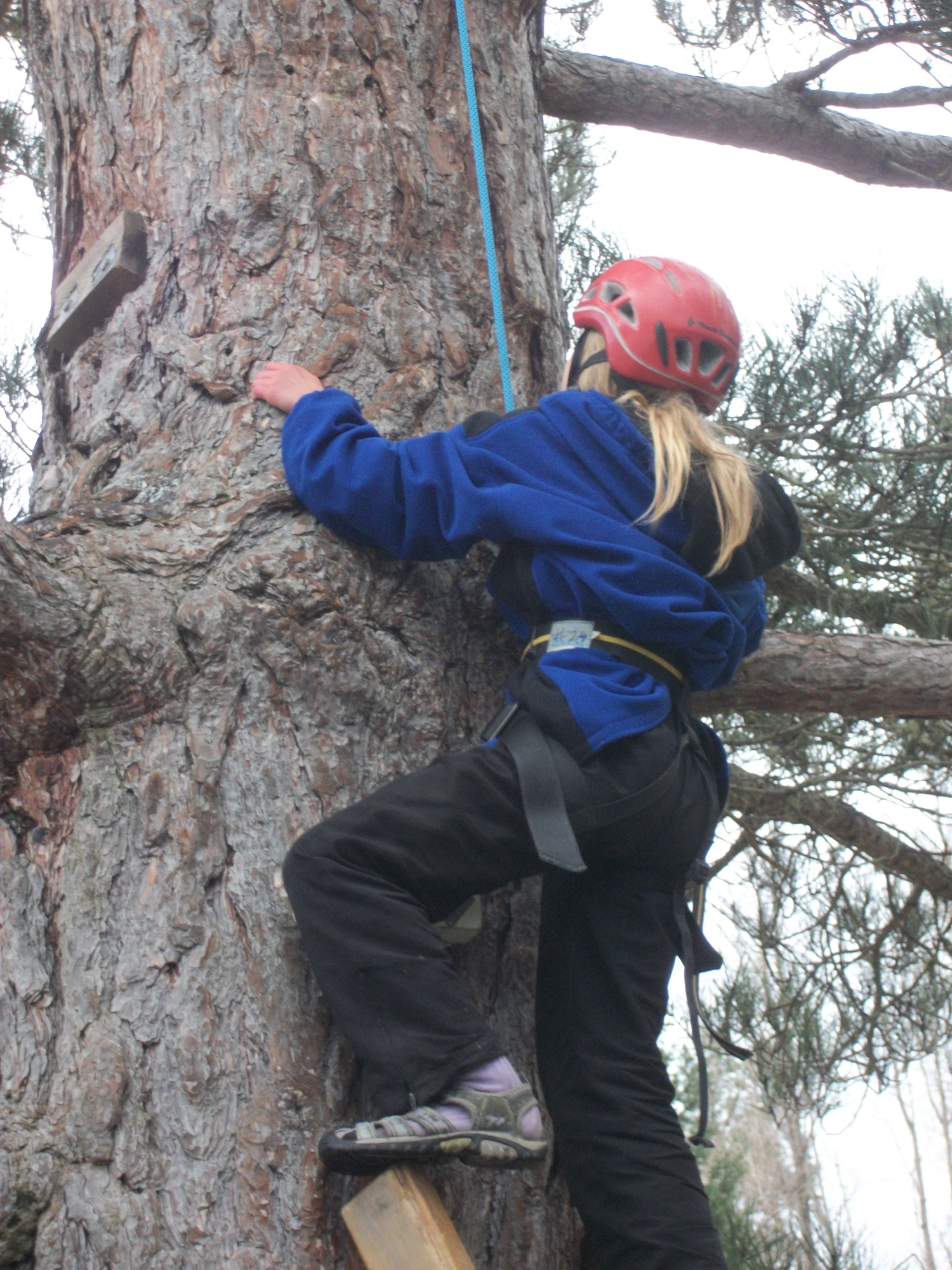
100_2444 smI never went to a sleep-over sort of summer camp until I attended the Governor’s School for Agricultural Sciences just before my senior year in high school. So I admit I was a bit reluctant to send my kids to a week-long summer camp when my husband first suggested it. Who needed summer camp? We did all those camp activities as a family anyway. And a week of summer camp isn’t cheap, either.

But my husband, who had done those sorts of camps as a kid was insistent, and the kids were eager, so four years ago we packed them off to camp for a week.

We’ve been doing it every summer since, and they’re agitating to go to the spring and fall school holiday camps, too.

And I have been won over to the idea of sleep-over summer camp.

Every year, the kids leave camp exhausted, but bubbling over with excitement. Full of stories about what they did (some of which we as parents really don’t want to know about), what they ate, and who they knew from the previous year.

They come home sunburnt, bruised, and smelly, with band-aids on their knees. They come home having worn the same socks for a week and not having combed their hair since they left.

I know there are tears at camp. Frustration. Loneliness. Injuries.

But the kids come home older and more confident than when they left. They stand taller. They take more responsibility for themselves.

So, though I may jokingly say that we send the kids to camp so we can have a break, that’s not really why.

We send the kids to camp so they can struggle and succeed, so they can push themselves, be someone new, learn to create a community from strangers, and explore the world with new friends and mentors.

Of course, the week off is really nice…

When the cat is away, the mice will…

Kids or no, I'll be here...

Kids or no, I’ll be here…

The kids are at summer camp. An entire week with just my husband and me in the house. No children lingering at my office door with the “Mum, I’m bored” look. No teenager hiding in his cave with his earphones on, to be prodded into activity.

We’re free to do whatever we want!

So, um, I’m cleaning the house, my husband is making the week’s bread. Later I’ll milk the goats and do some weeding…

We tried to go out for lunch and a stroll on the beach after dropping them off at camp, but…well…there was work to be done at home, and the weather wasn’t great, and we weren’t really hungry for lunch…

I reckon it’s a sign we’ve managed parenthood reasonably well so far that when we’re free of the children, we don’t rush out and party. We pretty much carry on as usual, because we pretty much do what we want when the kids are here, too.

Oh, we’ll do a few things differently. Tonight’s dinner will be bread and cheese with a glass of wine on the porch instead of some healthy cooked affair. But we’re unlikely to go out at all, and the week will proceed pretty much the same as if the kids were here.

Perhaps we’ve been selfish parents—the kids have always known that mum and dad need their space. Bedtime has always been strictly enforced, so that the adults have ‘their’ time at the end of the day. And from the beginning, the kids have gone to art museums, historic sites, etc, with us. We’ve included them in our adult lives, and they’ve happily come along for the ride.

Yes, we spent many hours bored, watching them at playgrounds when they were younger, but we made sure that they also spent time bored at ‘adult’ things, too.

It wasn’t long before they became interested in those adult outings—the art museums, the historic sites, the tramping trips. Just as we learned to appreciate the subtleties of playground design, they learned to appreciate the play of light on a sculpture, or the patterns of wear on an artefact.

And so, when the kids are away, we feel no need to get our fill of ‘adult’ things or to make up for lost ‘us’ time. We will certainly enjoy our week of relative quiet, and fewer articles of clothing to pick up off the floor. But we enjoy spending time with the kids, doing the things we all like to do.

Margaret Mahy Playground

IMG_0072For those unfamiliar with Down the Back of the Chair, The Great White Man-Eating Shark, and The Man Whose Mother Was a Pirate, Margaret Mahy was a prolific author of children’s books and young adult novels. She lived just over the hill from Christchurch, in Governor’s Bay from the late 1970s until her death in 2012.

Her books are quirky, adventuresome, and often wildly creative.

The recently opened Margaret Mahy Playground is also quirky, adventuresome, and creative.

We don’t frequent playgrounds anymore—our kids are mostly past the age where they insist on playground stops—but when we were in town the other day to visit the (finally) reopened art museum, we decided to check out the new playground.

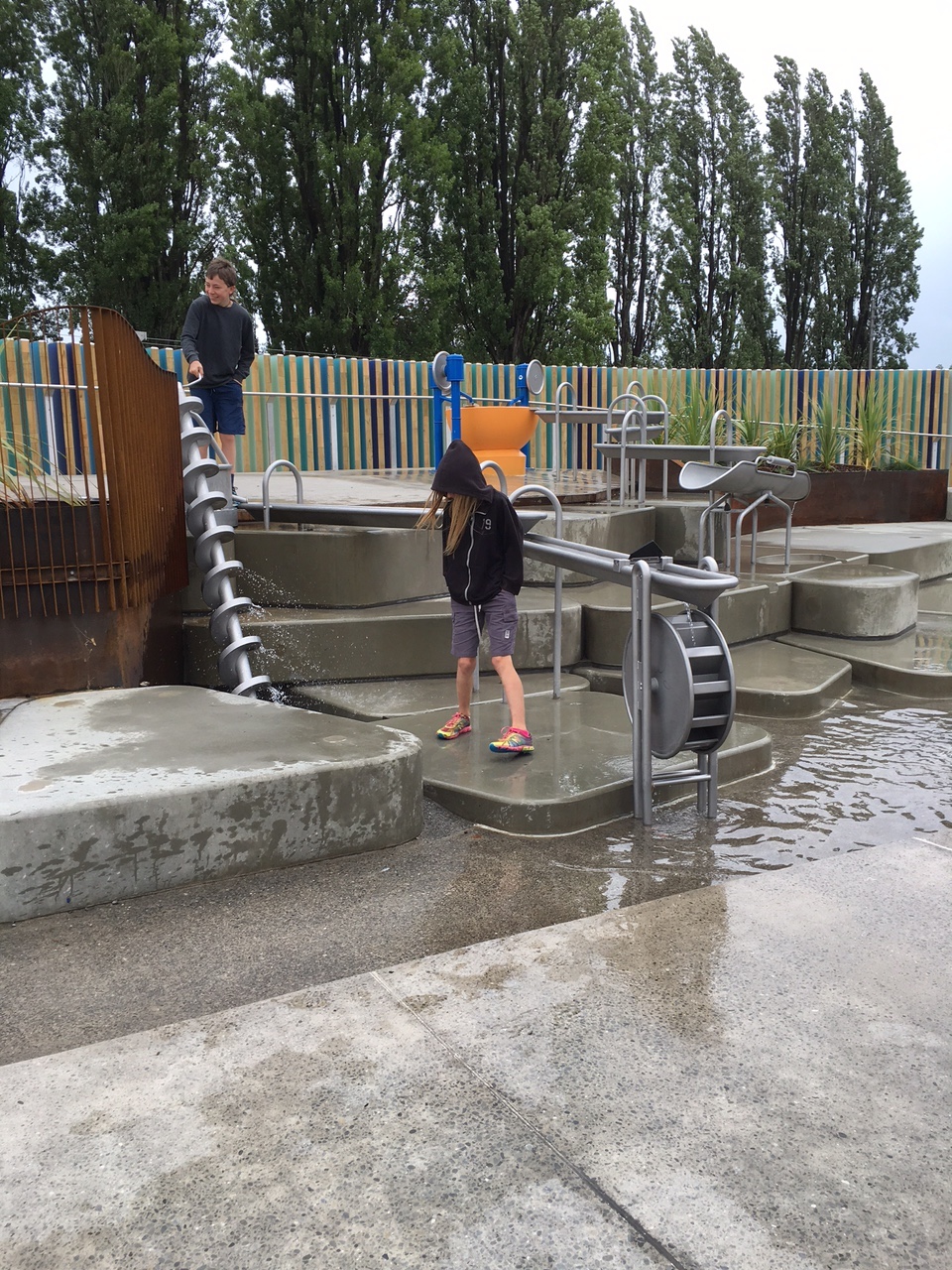
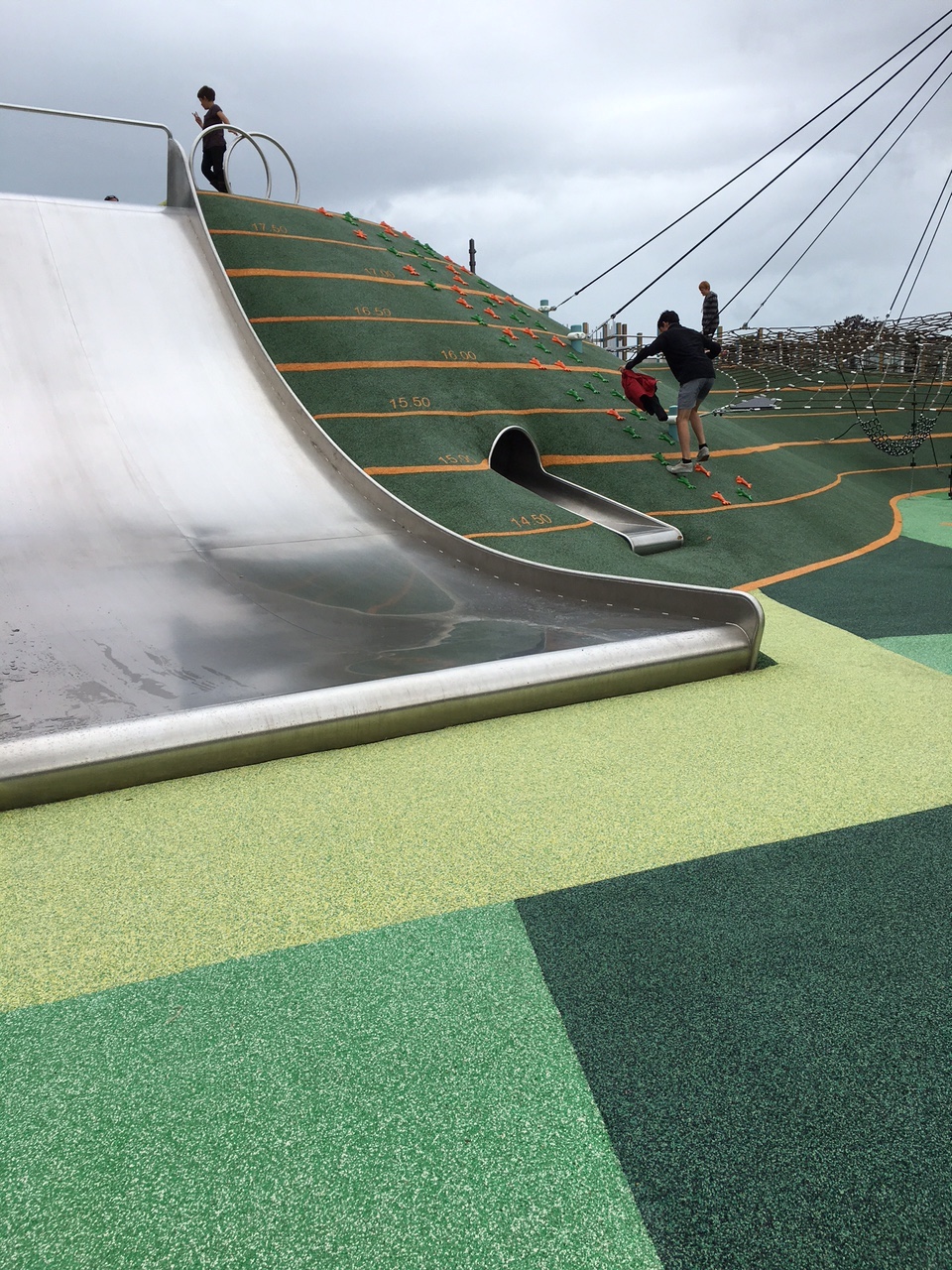
IMG_0084Water, sand, a flying fox, climbing structures, the “fastest slide ever” (according to my daughter who flew off the end of it like a champagne cork), and a hill marked with contour lines…Horrakapotchkin! The playground was awesome. Even my too-cool-for-playgrounds teenage son went down the slide (twice), sent water through the sluice system, and delighted to find the sensors that turned on sprays of water.

Best of all, there is a path out the back of the playground down to a dock on the river.

The only downside to the playground is that all the surfaces are concrete or rubber mat. A necessary choice of materials, I’m sure—even on the chilly, rainy day we visited, the playground was crowded. Grass would be trampled to death in a day.

One of the best playgrounds I’ve ever seen, and a great tribute to Margaret Mahy.

Eating Together

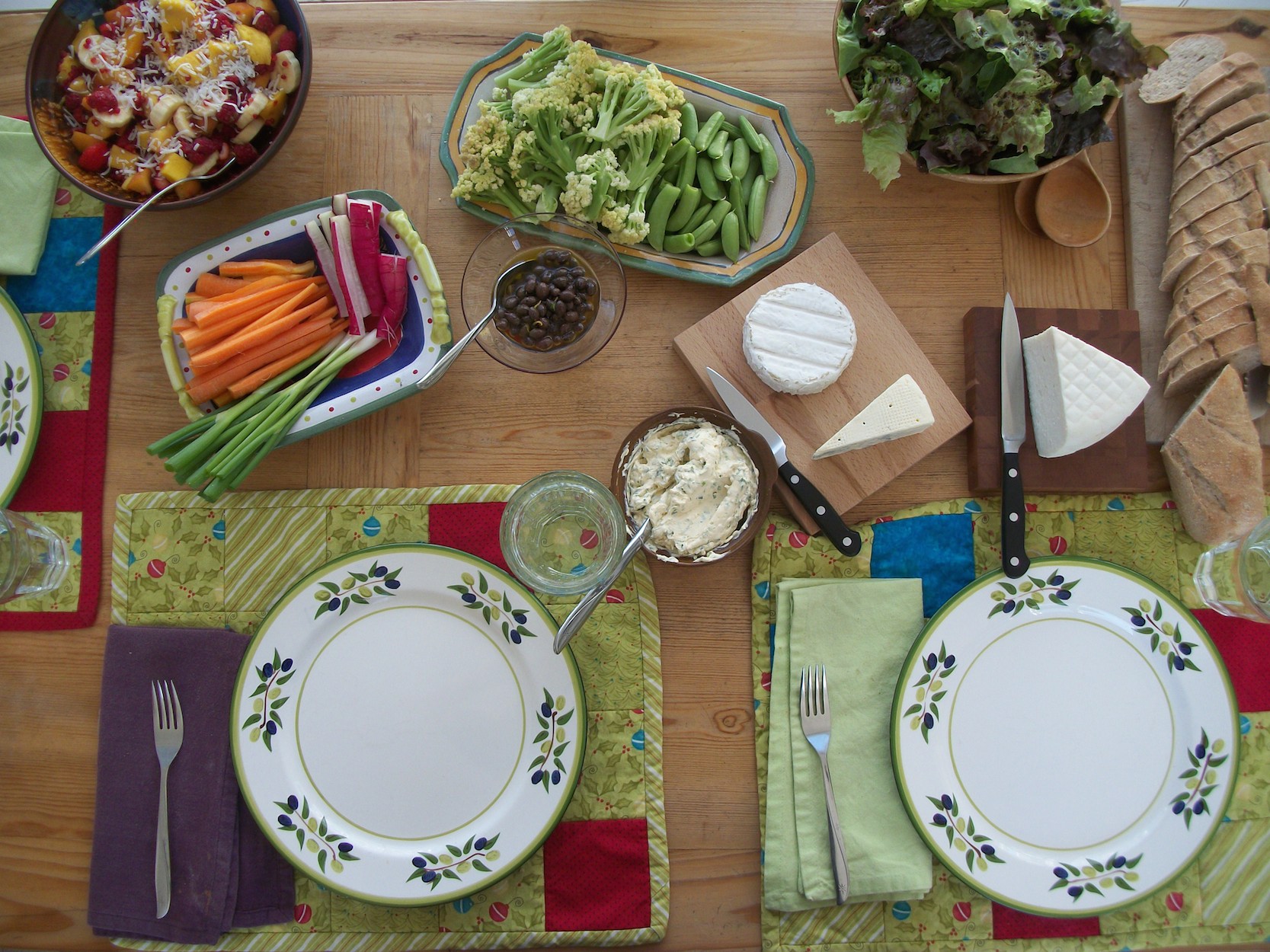
100_4263 smAt the festive time of year, it seems right to blog about family meals.

There has been a great deal of hoopla over the past ten years or so about family meals. Some researchers have claimed they reduce childhood obesity, raise GPAs, reduce depression, reduce delinquency, and a host of other benefits.

The truth isn’t quite so amazing. When factors such as socioeconomics, family structure and other demographics are controlled for, it appears that family meals slightly reduce childhood depression, and that’s it. All the other ‘benefits’ are simply correlated with the other features that contribute to a family that sits down together for a daily meal.

But I like to think that, just as smiling makes you happier, sitting down to a family meal every day makes the family better. It makes it more likely the family will have the other characteristics that lead to higher GPAs, lower obesity, etc.

A family meal is a time to talk to each other, to discuss current events, ideas, and feelings. It’s a time to teach children manners and respect for one another. It’s a chance for quality time with the people we love—why not take advantage of it? You’ve all got to eat—make the most of it.

We eat dinner as a family every day, and on weekends, we eat lunch together. Sunday, we even sit down together for breakfast. Sometimes I’m reluctant to take the time for a family meal, particularly lunch, when I’m in the middle of the day’s work, and would prefer just to grab a quick bite and be on my way. But a family meal forces me to slow down. It forces me to check in with my family and see how their day is going. A family meal reminds me that my work is less important than my family, and I regularly change my day’s plans based on what I see the family needs when we sit down to eat.

Because we eat together, I not only talk to my family more, but I play more games with the kids, I do more projects with them, I go to the beach more often, and I stress less about life.

So pull up a chair. Fill your plate. Sit down, and tell me about your day.


Homemade and Home grown

100_4265 smMy family loves food. We eat well. We eat a lot. But what I’ve come to realise is that we don’t just love food for its own sake. We don’t go out to restaurants, and we don’t wax lyrical about our favourite products from the grocery store.

For us, food is as much about how it gets to our table as it is about what it tastes like there. Food is a labour of love, a creative endeavour, a team effort. Food is inseparable from its origin.

Years ago, my son asked, “If we didn’t grow the ingredients ourselves, is it really homemade?” That is how deep our relationship to our food is.

I sometimes wonder if this is healthy—this obsession with food. But it really isn’t so much about the food as it is about the process and all the corollary benefits.

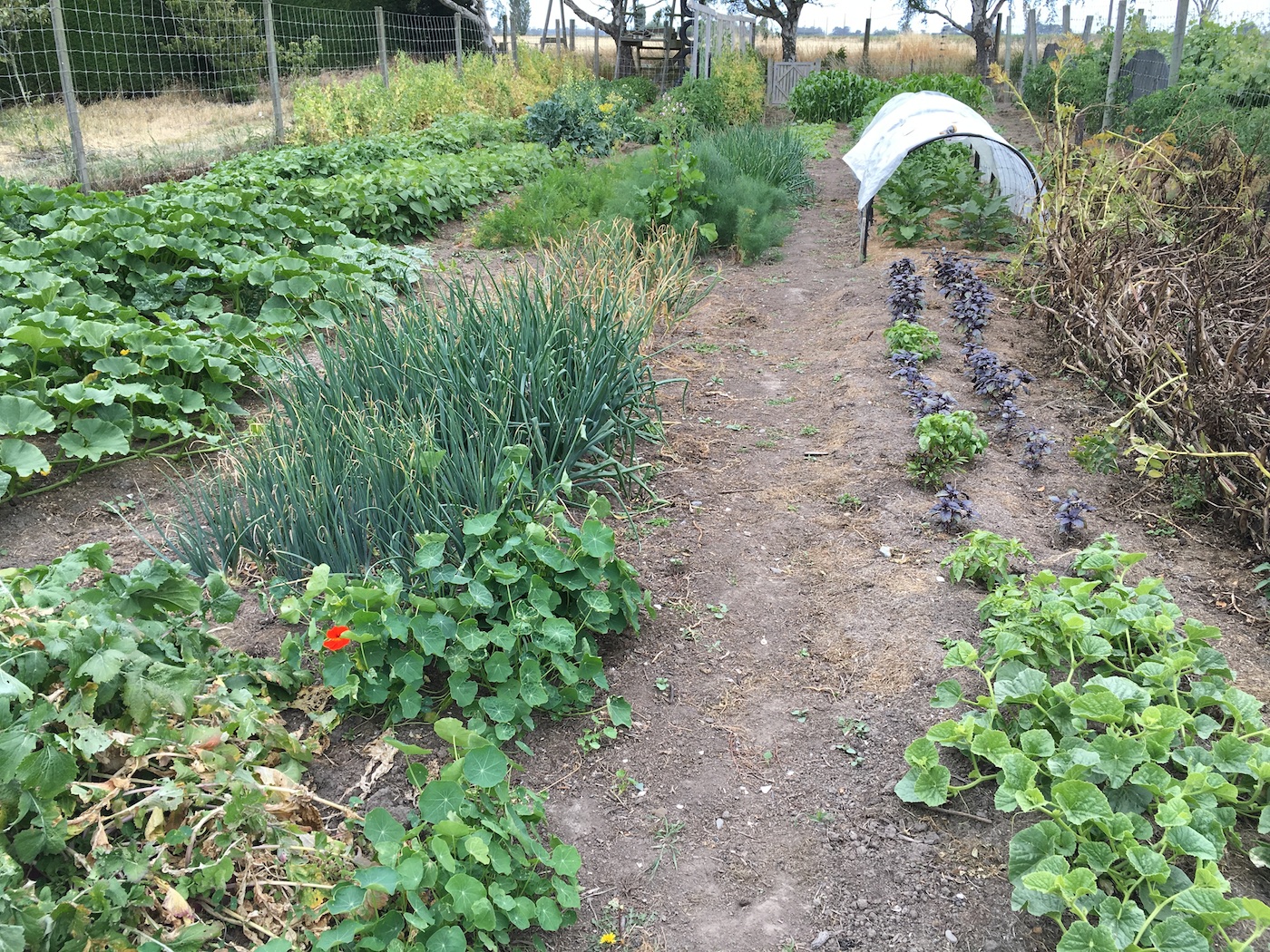
Producing our own food, we stay fit without paying for gym memberships, we have food security in the face of natural disasters, we learn to work together as a family, the children gain a sense of worth from helping to feed us all, we eat better, we reduce our impact on the earth…the list goes on and on.

Producing our own food is a way to nurture the family, a way to acknowledge our place in the natural world, a way to celebrate each day of the year and the gifts it brings.

Gingerbread

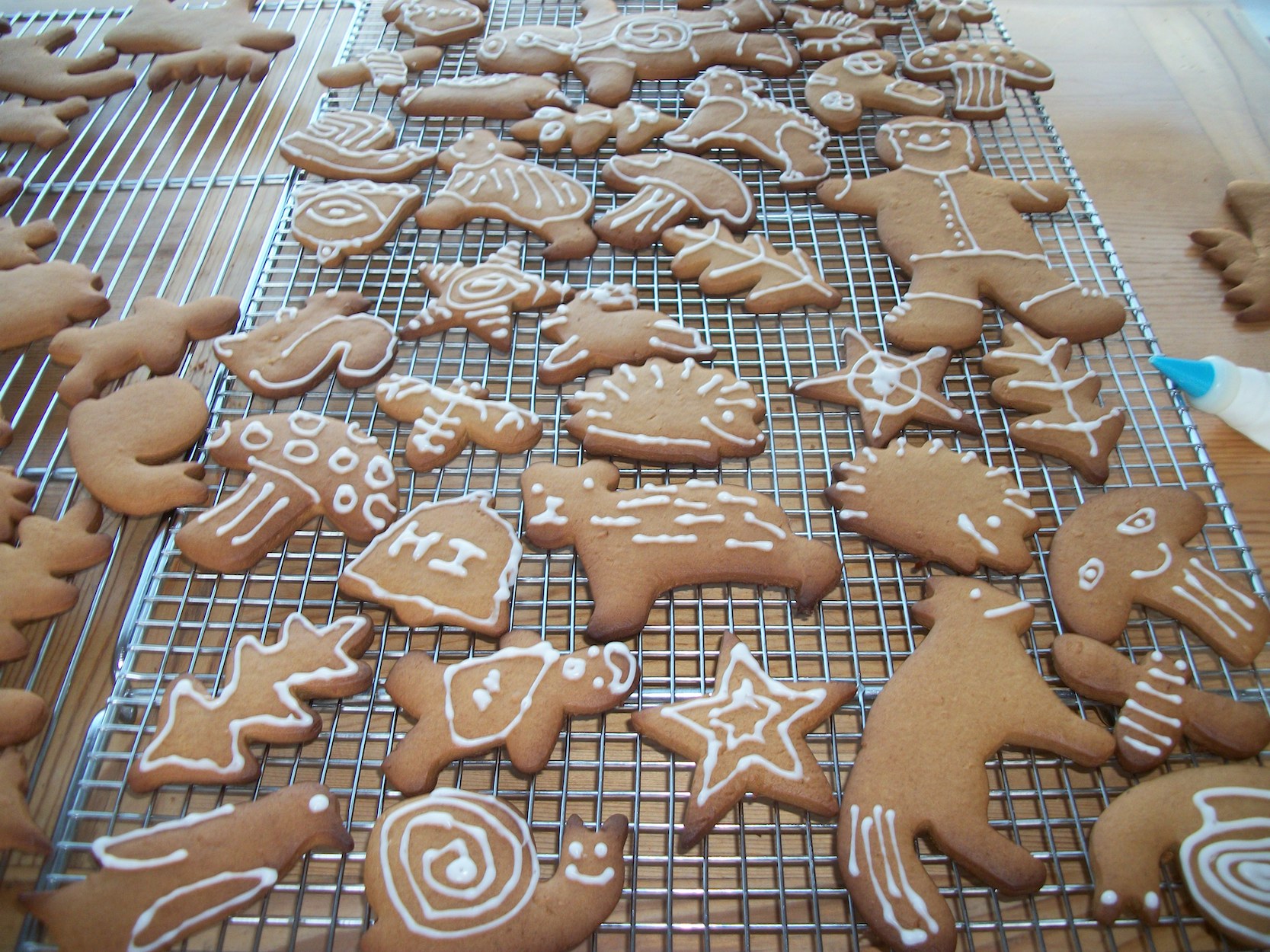
100_4159 sm‘Tis the season, and though I’d rather be eating strawberries, I feel culturally obliged to bake cookies.

And I’m obliged by my husband to bake gingerbread…

his mother’s recipe…

because that’s THE gingerbread recipe, according to him.

As gingerbread goes, it is a very nice recipe—full of lemon and orange in addition to the ginger and cinnamon. And the dough rolls and cuts well.

And it makes a TON of cookies!

Thankfully, this year the kids did all the decorating!


Girls’ Night In

100_4041 smMy son is at school camp and my husband is at a workshop, so it was just me and my daughter for dinner tonight.

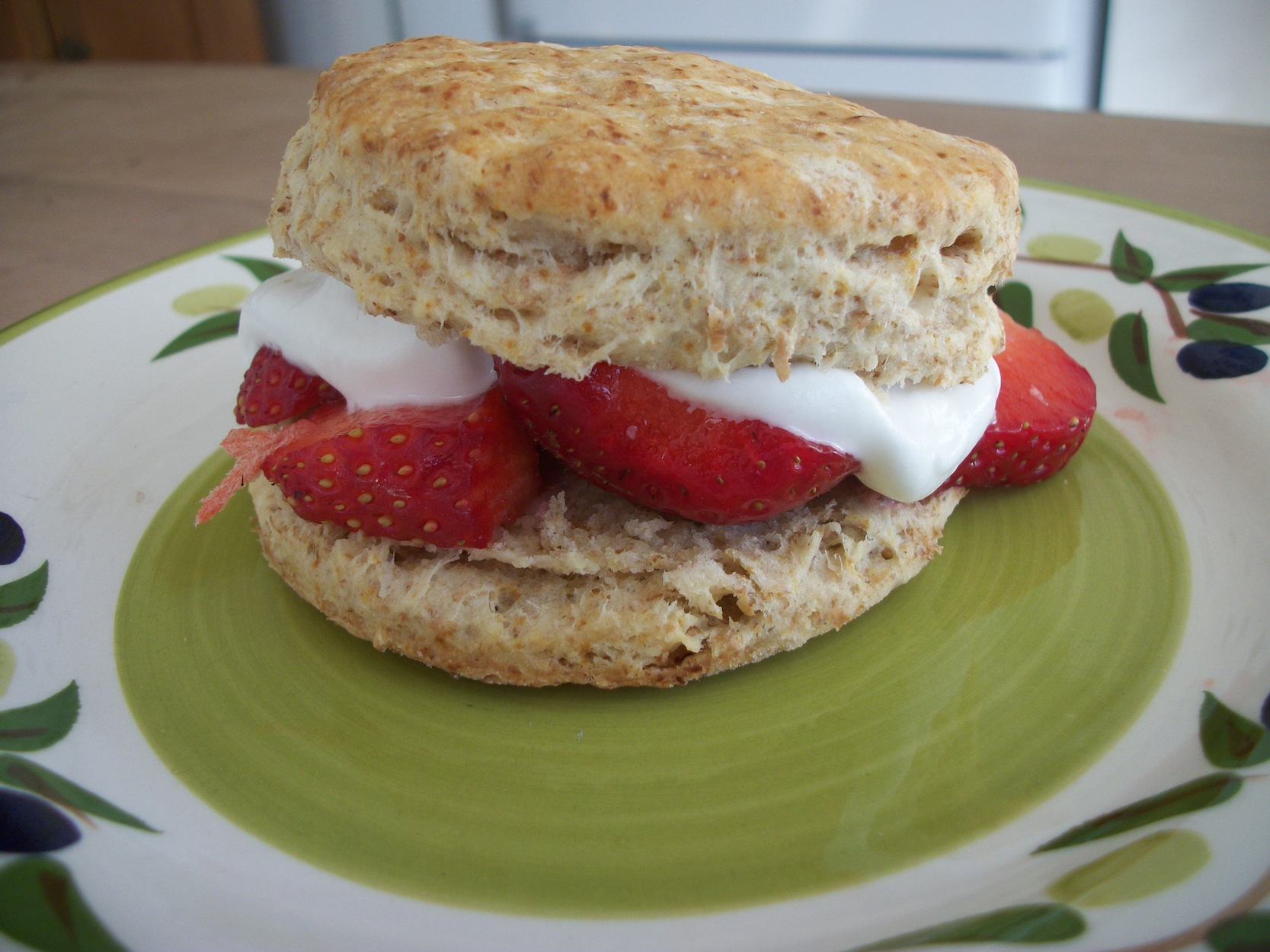
We indulged in biscuits—eaten first with egg, cheese, lettuce, and all manner of toppings as dinner, then later filled with strawberries and whipped cream for dessert.

MMMMMMM…

A game of washers in the late evening sun, and it was a perfect Girls’ Night In!


Salad Spinner

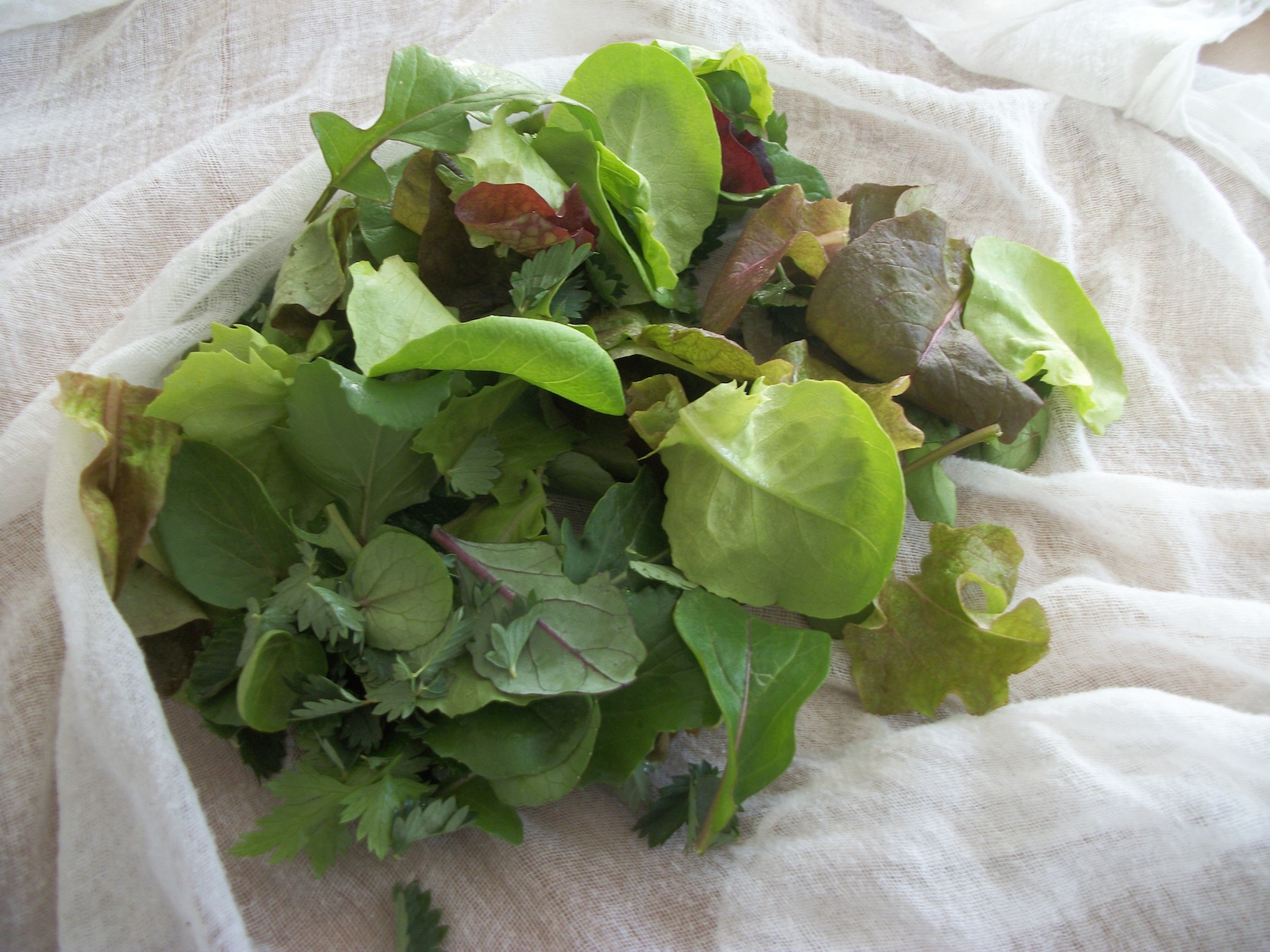
100_3890 smWe had our first salad from the new, spring-planted lettuces yesterday—a carnival of colours and flavours!

It got me thinking about salad, and the preparation of salad.

Which of course, led me to think about salad spinners.

Now, I don’t own a TV, so I don’t know if there are still salad spinner commercials, but I remember back in the 1980s when they were all the rage—fancy machines that spun your salad leaves dry. A quick Google search tells me that salad spinners are still out there, though whether they rank as such a gourmet sort of tool anymore or not, I have no idea.

Growing up, I never considered the water on my lettuce leaves. You washed it, gave it a good shake, and that was that.

But when I married, I found my husband prefers dry lettuce. I wasn’t about to buy a salad spinner, and I wasn’t going to put my lettuce in the spin cycle of the washing machine, as I’ve heard some people do (What?!).

Instead, we use a high-tech, oh-so-fancy way of spinning our salad.

Remember when you were a kid and you learned the trick where you swing a bucket full of water around without spilling a drop? Now, put your salad greens in a tea towel (I use my cheese cloths—they’re perfect!), hold onto the corners, step outside, and do the same. A few good twirls, and your salad greens are nicely dried.

Best of all, the kids LOVE doing it, especially if they get to spray a sibling with the water as they whip the towel around. One more dinner preparation task Mum doesn’t have to do!

Strawberry care

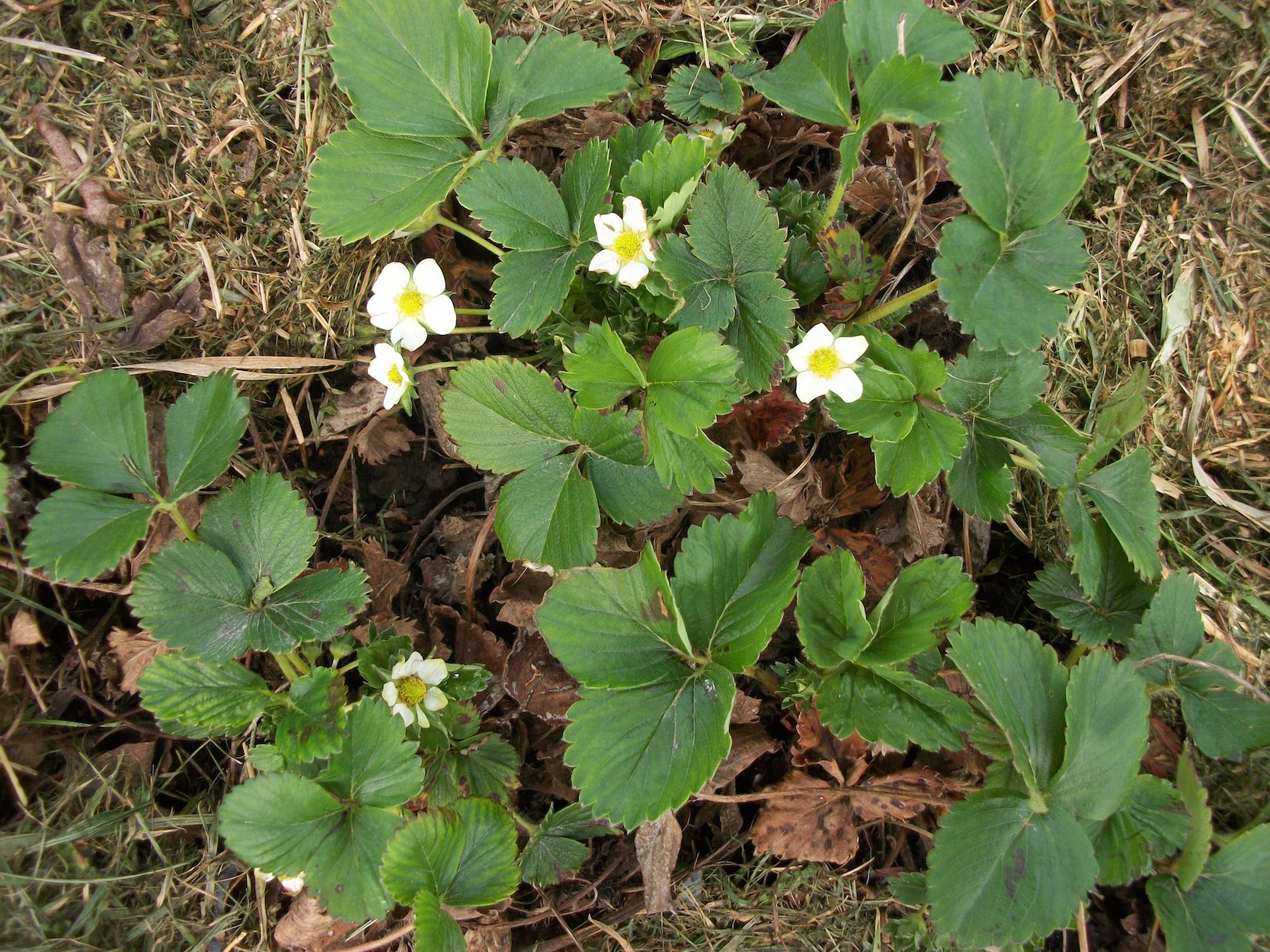
100_3855 smI have always been a strawberry-aholic (see my previous post about them). I just can’t get enough of those lovely sweet-tart gems! I’ve planted them most everywhere I’ve lived, and I appreciate the plants as much as I do the fruit.

Here at Crazy Corner Farm, I have a generous strawberry patch. Okay, okay, it’s ridiculously huge…*sigh* I admit I’m a problem strawberry eater. But anyway…

I have a dog’s breakfast of strawberry varieties, and I try to manage my strawberry patch to favour the ones I like best. Even so, I do precious little to the strawberries. I keep them weeded. I re-establish my paths every winter by digging out and replanting “stray” plants. I mulch them with grass clippings. I water them when they get particularly dry.

I don’t fertilise them, I don’t prune them, I don’t fluff their pillows and straighten their blankets.

No, for the most part, my strawberries are on their own.

Friends and acquaintances regularly ask me how I manage to grow such luscious strawberries, and in such quantity. They run down a long list of all the things they’re doing to their plants, and end it with, “But I’m just not getting many berries, and they’re not as good as yours.” I tell them my berries are so good because I abuse my plants.

My theory is that strawberries need to suffer a little. They need to have to fight for nutrients, they need to get a little thirsty now and again—not to extremes, of course, but if you coddle the plants too much, they’ll be bland.

I think it’s the same with people. We all need a little hardship in our lives, or else we turn bland, boring. In order to develop character, we need challenges on which to test our character. We need challenges in order to become the best we can be. Without them, we’d be as tasteless and dull as a supermarket strawberry.