Broad Beans

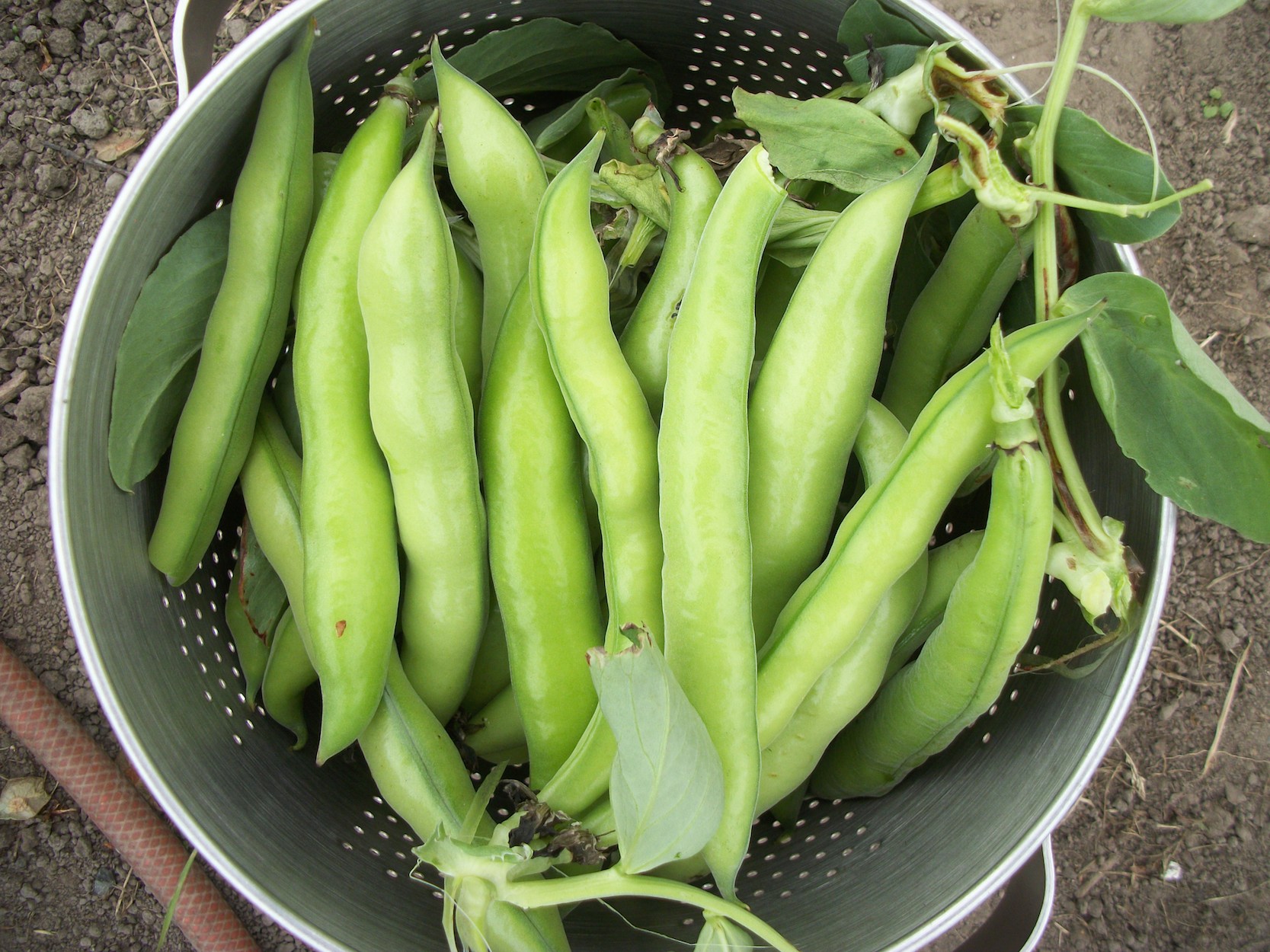
100_4007 smI had never eaten broad beans (aka fava beans) before moving to New Zealand, but now I can’t imagine early summer without them. They’re uncommon in the U.S., and even here where they’re grown by the hectare, they’re often considered “old people’s food”. During my brief stint selling vegetables at the Leeston market, I never sold broad beans to anyone under the age of 80.

But his attitude is unfair. Broad beans are more versatile than that. They have a bold, almost floral flavour that needs no embellishment. When young, the beans are sweet like peas, and they grow starchier as they mature. Somewhere between sweet and starch, they are at their best.

The “usual” way to eat broad beans is to blanch them, peel the skin off each bean, then serve them or cook them into a dish. Nothing wrong with that, unless you’re the cook, who has to shell and peel all those beans.

We prefer to make the consumers do half the work. We blanch the beans and serve them as finger food. They make a lovely appetizer—pop them out of their skins right into your mouth. Paired with a nice Sauvignon Blanc and eaten outdoors on a summer evening, they are no longer “old people’s food”. They become urbane and sophisticated. Something to be savoured with intelligent conversation.

And if you’re more the beer and burgers type, broad beans will oblige. They make a mean green burger that goes well with cheese, mushrooms and ketchup. Light enough for a lager, strong enough for a stout, broad bean burgers go with just about anything.

Broad beans—a versatile legume that’s not just for old people.


Ellesmere A&P Show

ellesmereA&Pparade1Today was the Ellesmere A&P Show (that’s Agricultural and Pastoral Show—Farm Show to you Americans). In true Ellesmere Show fashion, it rained, but we headed to the show mid-afternoon when it cleared somewhat.

We have a routine at the A&P show—the same every year. First stop is Karikaas Cheese.

When we first arrived in New Zealand, we could only get Karikaas cheeses at the A&P show. Now, nearly all the supermarkets carry their cheese. Still, we always make sure we buy a few wedges at the show.

Then, of course, we had to pick up a bottle of our favourite olive oil—South Lea, which I’ve blogged about before—if only to say hello to Frances Baylis.

Of course, there are the obligatory mini-donuts. It wouldn’t be an A&P show without them!

The highlight of my trip to the show is usually the sheep shearing competition. Not that it’s exciting—indeed, this year, even the caller seemed bored with the action (though it was a pretty lopsided contest we caught—no exciting race to the finish)—but because it’s just such a Kiwi thing.

We admired the poultry (some particularly handsome roosters this year), the baked goods (our neighbour, Suzie, swept the baking section as usual), the giant swedes, and the radish seed (Suzie’s brother-in-law, also a neighbour, placed second there).

We watched the wood chopping competition (another favourite stop at the show), and the kids considered a carnival ride, but found them uninspiring.

ellesmereA&Pparade2A new find this year was Emilio’s Cheese, a real Italian woman selling serious Italian cheeses, including some that could probably be classified as biohazards. We came home with two—a lovely provolone, and another whose name I can’t remember, but that oozes and smells like dirty socks (that one was double bagged before being put in the fridge!).

We stayed long enough to watch the grand parade, with the Ellesmere Pipe Band marching sedately ahead while a lurching band of livestock and their handlers followed behind.

An exciting day out, for sure.

Blue Sky Blues

Are we in for another dry summer?

Are we in for another dry summer?

We had our first “dry southerly” today—a storm that is forecast to bring rain, but doesn’t. I fear it is a harbinger of the season to come.

Our rain comes primarily from southerly storms rolling in off the ocean. When the wind shifts to the south, we expect rain.

But during the summer, those southerly shifts often arrive without rain. The weatherman might forecast showers, but they never materialise.

A dry southerly at this time of year is not unheard of, but it’s not particularly common, either. With a dry year behind us, I worry about what an early dry southerly means for the spring and summer ahead.

A strong El Nino is predicted for this year. For us that means a parched summer. If we start off dry…well, there’s the grumpy farmer in me talking.

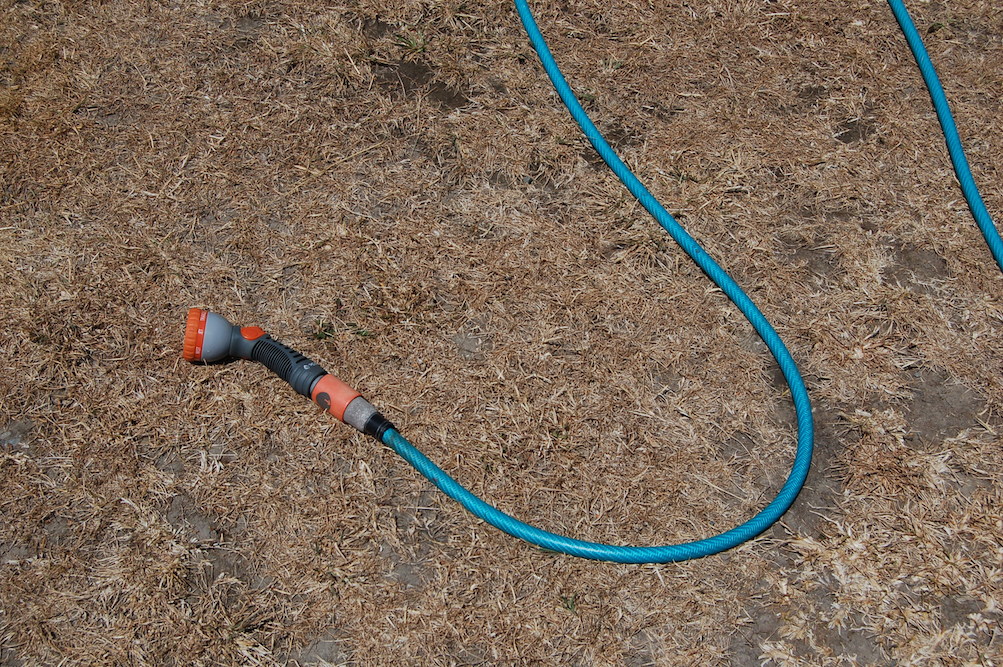
But I’m thankful to have the new water tank full. All I can do beyond that is mulch well, water while I can, and pray for rain.

Dust bowl

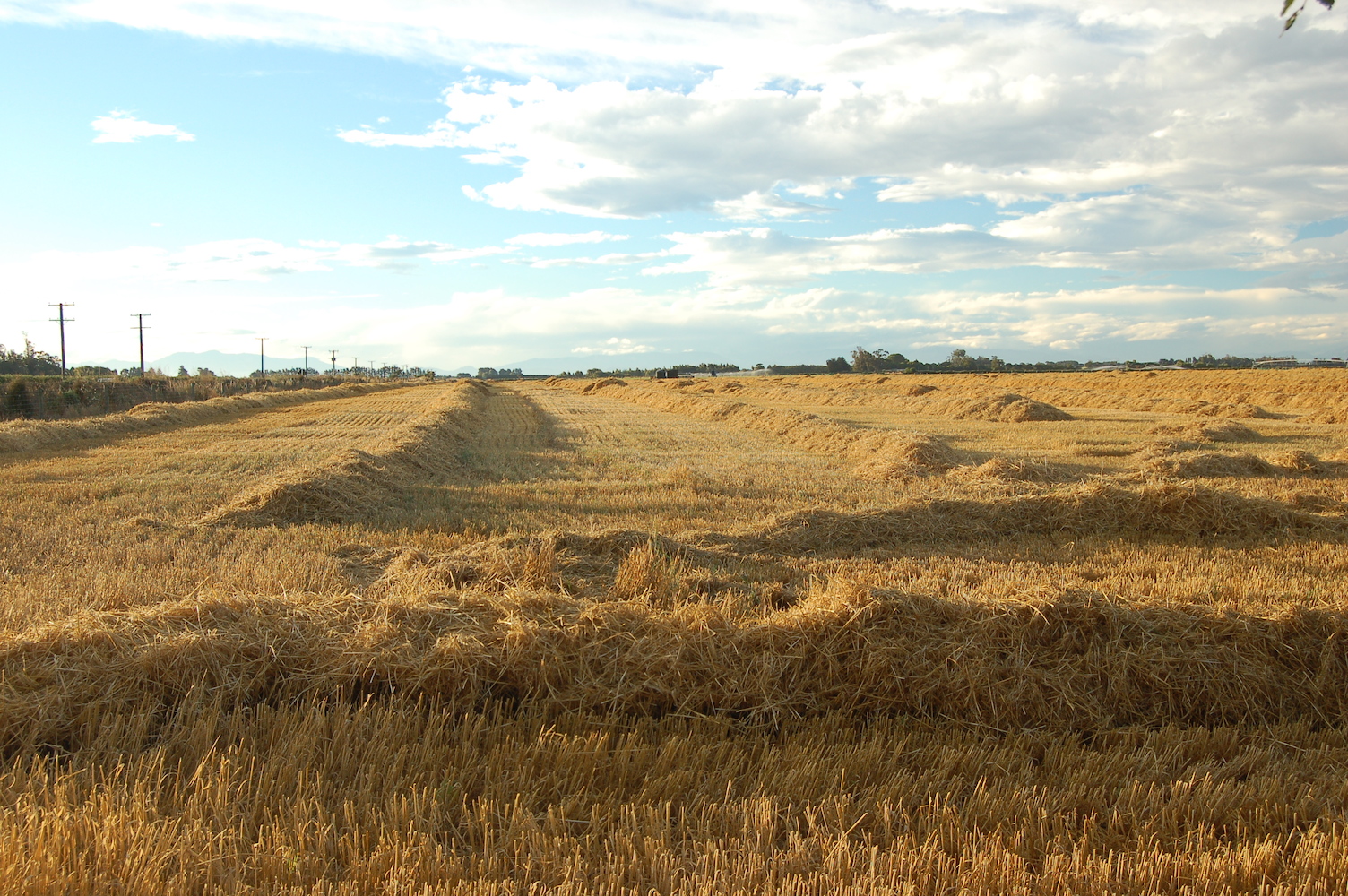
hay5 sm

On a relatively clear day, we can see the Southern Alps.

Sustained winds of 63 kph (39 mph) today, with gusts to 150 kph (93 mph). That’s not unheard of here, but it is severe. Though it is warm and sunny, we are largely spending the day indoors—it’s just not very pleasant out there!

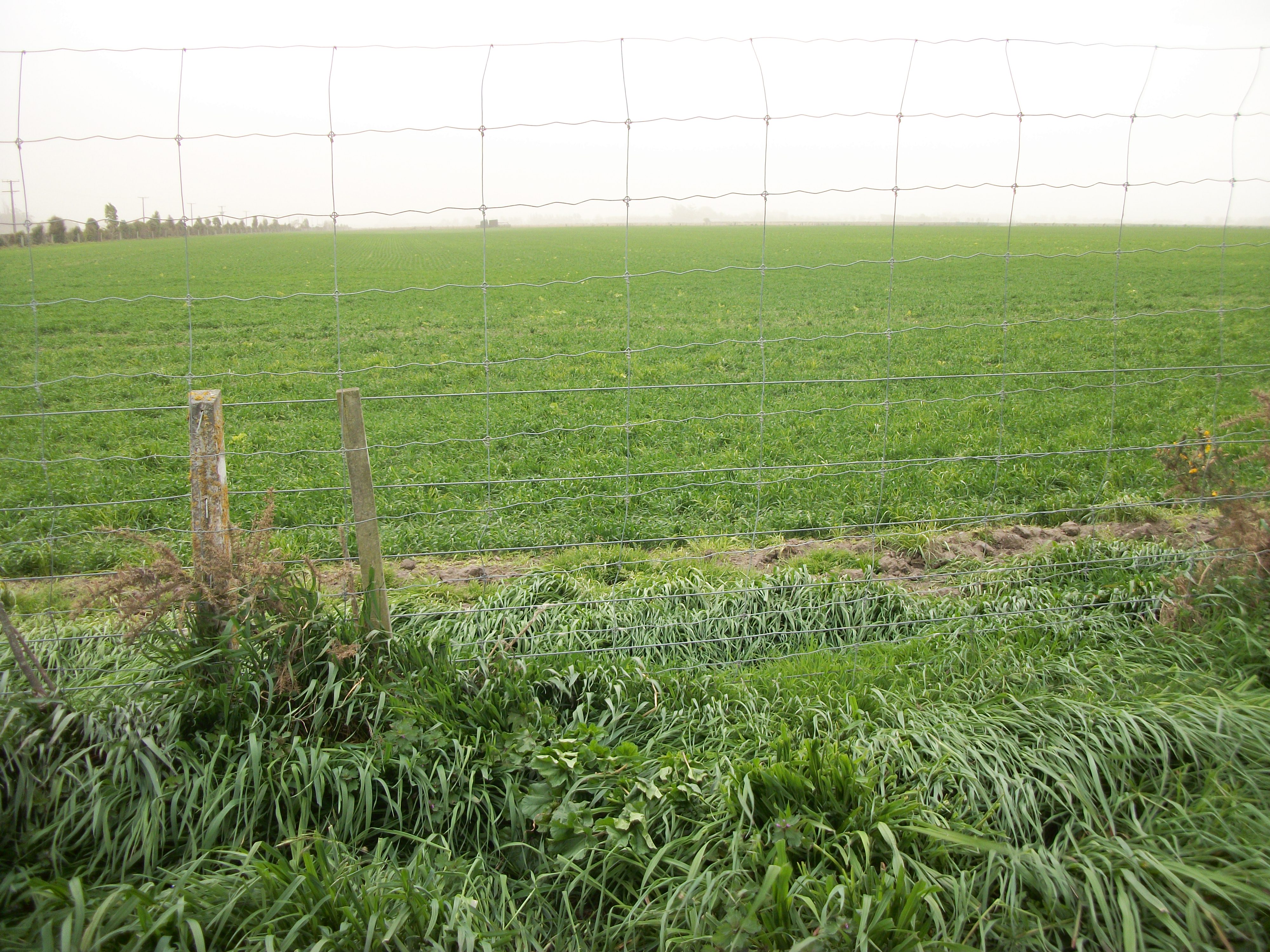
Today, we can barely make out the neighbour's hedge.

Today, we can barely make out the neighbour’s hedge.

I watered the garden well before the wind picked up, to give it the best possible chance to survive the day, and I added an extra tether to the greenhouse, lest it blow away entirely. So far, most everything seems to be holding up.

It’s really the dust that’s most bothersome. Visibility is poor—even the neighbour’s house looks vague and hazy. Indoors, a fine grit settles on everything. My mouth feels gritty, and I find myself wiping off the computer keyboard every few minutes. It’s nothing like the dust storm we had late last summer—the ground is relatively moist still—but it’s an impressive show, nonetheless.

Pretending…

100_3827 smIt was a lovely spring day today—wind strong and biting, but the sun warm and kind.

We took the opportunity to spend a day on the Banks Peninsula, hiking and going to the beach. It was a glorious celebration of the season, and we topped it off with a meal to match.

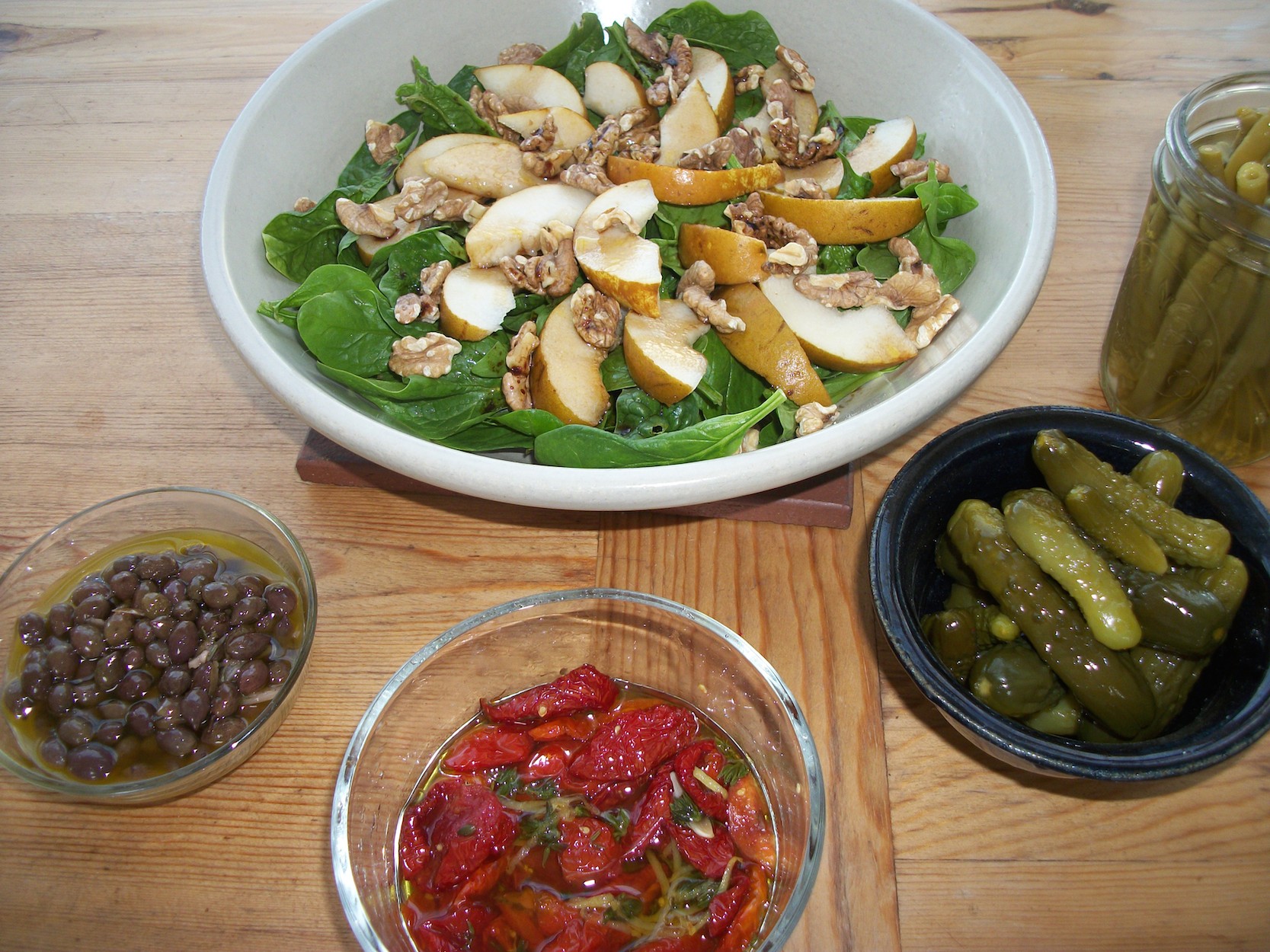
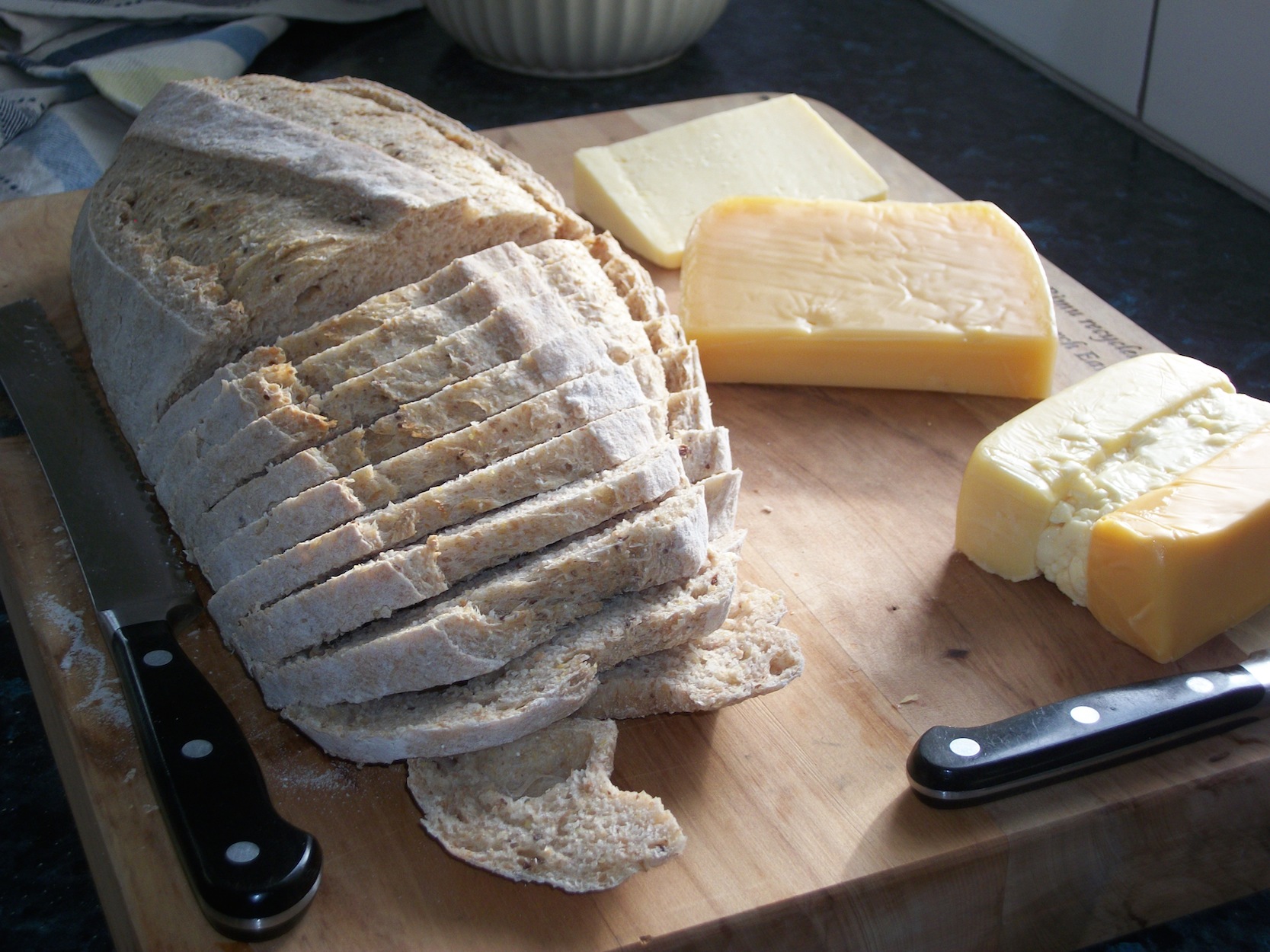
100_3831 smWe picked up a few fancy cheeses from Barry’s Bay Cheese on the way home. Added some homemade sourdough bread; home grown olives, dried tomatoes, dilled beans, and sweet gherkins; and a salad made with the last of the winter spinach—a veritable feast!

And with a lovely glass of Sauvignon Blanc to wash it all down, we could almost pretend it was summer…

Five Years on…remembering the 2010 quake

100_0076 sm“Good, good, good, good vibrations…” The sound of the Beach Boys emanating from the wind-up emergency radio made me smile. I bopped to the music, learning then that the best way to weather the aftershocks was to keep moving. Knowing then that my relationship with the earth had fundamentally changed.

I was sitting on the floor in the middle of my dark living room. Just a few minutes earlier, at 4.35 am. We had all been jolted out of bed by a M7.1 earthquake centred about 20 km away. The rest of the family had all gone back to bed, but I knew I couldn’t. I would have been up at five anyway, and the excitement of such a large quake wouldn’t let me sleep.

And so, when National Radio broadcast the Beach Boys minutes after the quake, I was there to hear it and smile.

Memories of the first quake and the nearly 15,000 aftershocks since are still fresh. Just the other day, one of my daughter’s friends was recounting how they had had little food in the house when the quake struck. With power out and shops closed, they subsisted on Weet-bix for four days.

We were more fortunate. It had been a good winter garden, and though it was only early spring, there were plenty of vegetables to eat. And with a gas stove, we were able to cook those vegetables in spite of no electricity.

As for water, we might have been worried, if we’d known what the quake had done to our well. But until the power came back on, we were blissfully unaware that the well had filled with black silt. We confidently used the many litres of water I had stored for this very possibility—a week’s worth of drinking and cooking water. More, if we were frugal with it. The rain barrel behind the shed provided water for the toilet.

We circled the wagons and waited. The family was together. It was spring, and there was much to do in the garden. We spent the days outside in the sun, and the nights eating by candlelight, and riding out the aftershocks. What little we knew of the extent of the damage came through the wind-up radio, which we listened to eagerly. It was an oddly peaceful time—the aftershocks were frightening through the nights, but the sun shone during the day, and we went for walks as a family and played board games.

I am by no means a “survivalist”, but I do believe in being prepared. Though we had no idea what a major earthquake was like, we were prepared. And being prepared, we weathered it well, even when we did discover that our well was destroyed, and when it was another five months before we had regular, reliable water. Even when we were subjected to thousands of aftershocks, some even more destructive than the first quake.

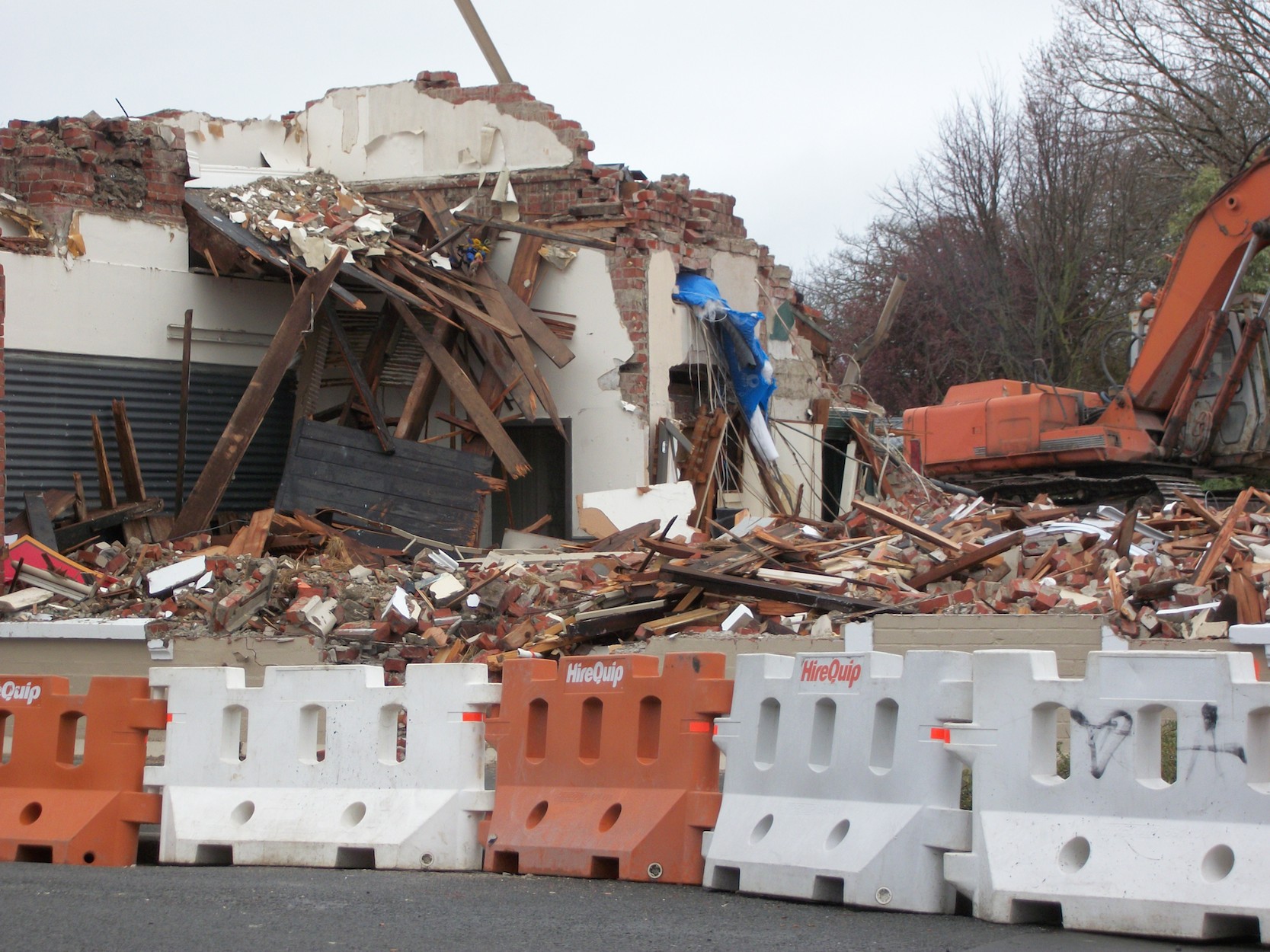
Life has changed since the quakes. I cannot enter a room without assessing safe areas, hazards, and exits. I store even more water, and make sure I always have over a quarter tank of petrol in the car. I keep a torch by the bedside. I expect to get lost every time I venture into the centre city—another building will have been demolished, another will have sprung up, another road will be closed for repairs. More fundamentally, I now understand, in an intimate and visceral way, the dynamic nature of the planet. I know the vast power of the earth, and how insignificant my own is by comparison. I am in awe. I am in love. I am honoured to be allowed to live on this amazing world.
Capturing water

100_3635 smSummers are dry here. Nor’west winds whip hot and dry across the plains, sucking moisture from the plants and soil. Though I protect my garden as best I can, with mulch and shelter, there is no escaping the need to water, at least once in a while.

That’s in a good year, when it rains occasionally during the summer.

Last year, we got almost no rain from October to February, and our autumn and winter have been unusually dry as well. The prediction with climate change is for more of our years to be like that.

Which naturally leads me to worry about water. For now, there is plenty of water in our well to keep the vegetable garden green in a dry year. But if we have more and more dry years, who knows what might happen to the water table.

So this year, when we needed to address some aging guttering on our sheds anyway, we tried to arrange things so we could make better use of the rain that does fall on the property.

We had a rain barrel before—a rusty old 55 gallon drum of unknown origin, from which we were able to draw rust-flecked orange water in an emergency. It was great for flushing the toilet after the earthquakes, but it wasn’t particularly pleasant, and it wasn’t enough water to make much difference if we needed to use it on the garden.

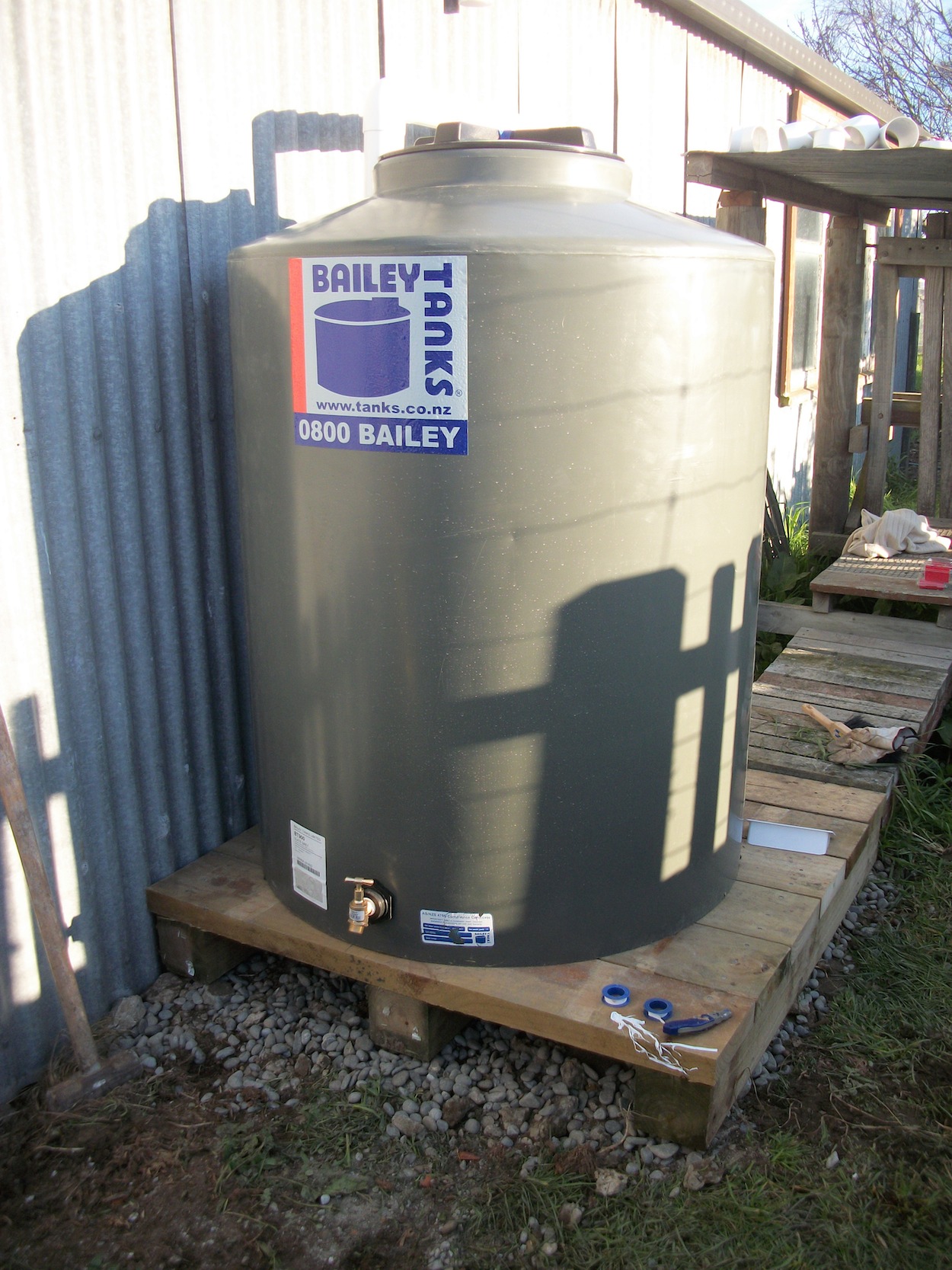
Now we have a 900 litre tank collecting water off our large shed roof, set up so I can easily attach a hose and draw off the water when I need it. And the water from the small shed’s roof is being directed into the pond, so that, hopefully we won’t need to refill it with water from the well when summer evaporation threatens to dry it up. Any overflow will water the garden around the pond.

There is still a lot of water we don’t capture, but the rain off the house roof currently runs out into perennial garden areas, including some of our fruit trees, so it’s reasonably well used.

Waste not, want not. At least, we hope so.

Space Salad

Simple to grow at home. Not so simple in space.

Simple to grow at home. Not so simple in space.

Astronauts on the International Space Station made history today—they were the first people to eat lettuce grown in space. Red romaine, I understand. With a little balsamic vinegar.

It took years to work out how to do it. Things gardeners take for granted like gravity, 24 hour day cycles, water, and air, are a challenge when growing vegetables in space.

So, why is it important that astronauts can eat fresh lettuce? As of yet, we’ve found nothing edible beyond our own planet. If humans are ever to spend significant time in space, we’ll need to know how to produce food wherever we are, not just for logistical reasons, but who would want to eat those nasty pre-packaged astronaut meals for years on end?

This is another example of people taking their crops with them wherever they go, as I discussed two months ago in Eating Native?

Which, of course, makes me think of how some of the foods introduced to New Zealand have become weeds and pests, damaging the native life forms. Will there someday be weeds in space? Let’s hope we’ve learned a thing or two about avoiding introducing pests before we get to that point.

It Ain’t Over ‘Til the Magpie Sings

Photo: Eric Weiss

Photo: Eric Weiss

We’ve had more than our fair share of beautiful warm winter days this year. Though we’ve had some very cold nights, the days have been sunny, and we’ve gotten only a fraction of the rain we normally do over winter.

So you could have been forgiven for thinking, back in July, that winter was over. In fact, my daughter argued that it was spring a month ago.

I knew better. Winter would assert itself again.

It did so this past weekend, with icy winds bringing sleet, snow and rain. We huddled by the fire, venturing outdoors only to take extra food to the animals and split more firewood.

But in between icy squalls, at 4:00 am two days ago, I heard it—the certain sign that winter is on its way out.

A magpie.

Magpies are noisy all year long, but when spring is almost upon us, their noise changes. They start their wardle-oodle-ardling at four in the morning, and carry on until the sun rises. They feel what we know only because of the calendar—spring is just around the corner.

When the magpies start calling, I get restless. I wake when they do, and their call urges me out of bed.

Wardle-oodle-ardle!

Get up! Get up! Get ready!

            But it’s dark and raining!

Wardle-oodle-ardle!

Get up! Get up! Get ready!

            But it’s cold! Can’t I stay in bed?

Wardle-oodle-ardle!

Get up! Get up! Get ready!

Wardle-oodle-ardle!

Get up! Get up! Get ready!

Spring is coming!

Rosemary

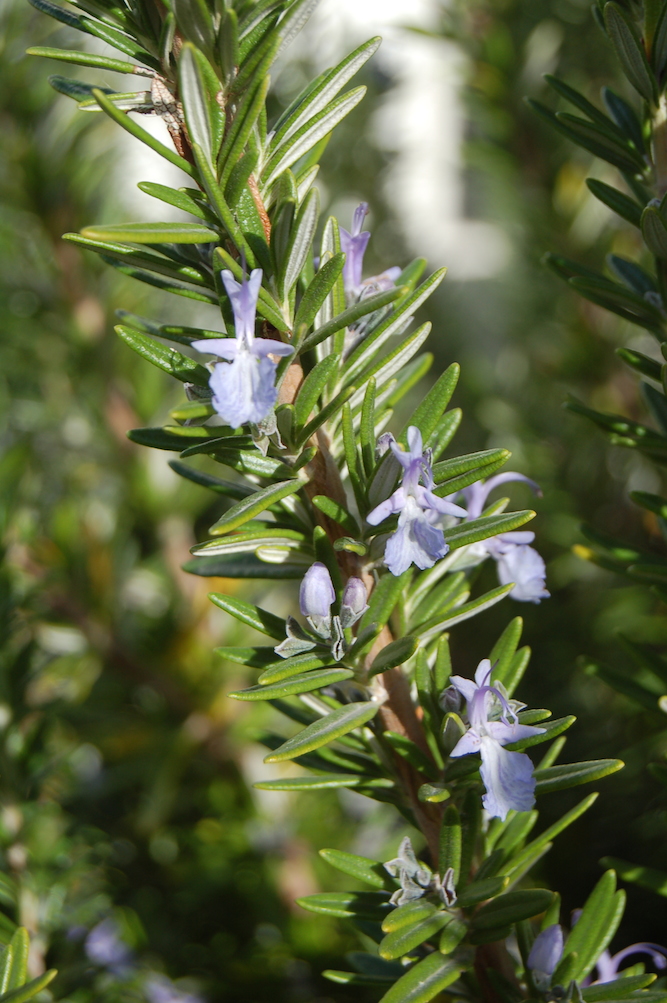
Rosemary1 smIn Minnesota, I grew rosemary in pots and brought it indoors for the winter, lest it be killed by the cold. Here in New Zealand, I grow my rosemary in the garden, and have to hack it back twice a year to keep it from growing taller than I am.

Rosemary is one of my favourite herbs, whether in dinner, in the garden, or in a flower arrangement. It is decorative as well as delicious.

Rosemary was named by Pliny in the first century. Ros (foam) mare (sea)—meaning that it grew so close to the sea that the foam sprayed on it. The Greek gods supposedly valued a rosemary wreath more highly than one made of gold (think how much I could make selling my biennial rosemary trimmings to Zeus!).

Rosemary was first used medicinally and culturally. It entered the kitchen in the Middle ages as a way to disguise the saltiness of salt-preserved meat. I’m told it goes well with lamb, pork, and game. As a vegetarian, I like rosemary with potatoes, pumpkin, and in Italian tomato sauces. And I love to brush the bushes with my hands as I walk past, so I can bring that lovely smell with me wherever I go!