Almond Conundrum

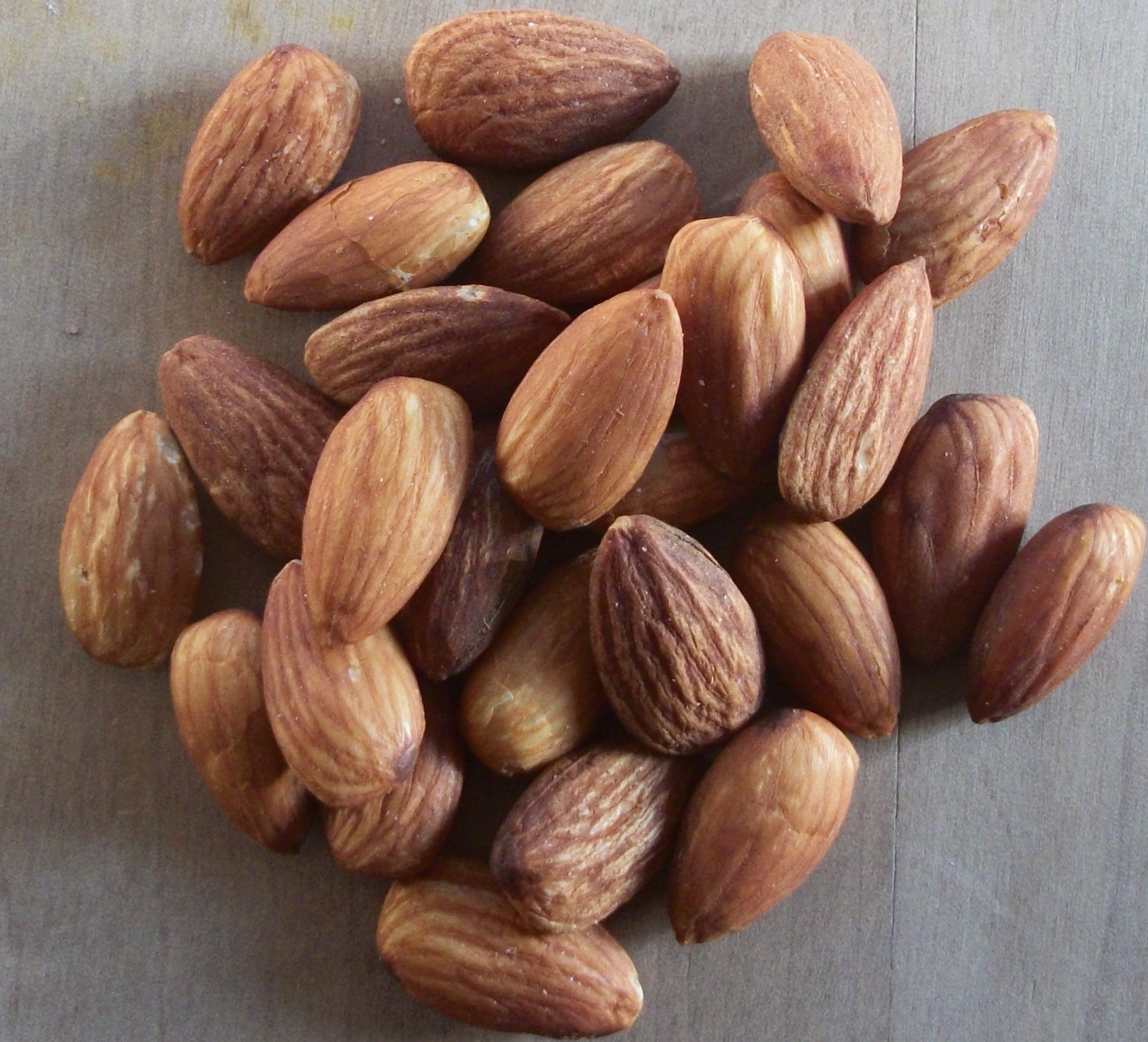
100_3428Well, there they go—the last of the almonds. The last I will buy for a long time.

I absolutely love almonds. They’re one of my favourite nuts. But I had already replaced most of the almonds we eat (which come from California, producer of 80% of the world’s almonds) with locally grown walnuts, in my effort to eat closer to home. Now, however, they’ll be a very rare treat.

In my post last week about our relationship with bees, I talked about how North American bees are forced to forage in agricultural monocultures, leading to poor nutrition and exposure to pesticides. The largest of those monocultures is in California’s almond growing region, where the bees are “parked” every year during almond flowering in order to pollinate the trees.

Add to that the gallon of scarce California water that goes into producing each almond, and I find I can’t keep buying them. At least not the ones at the grocery store.

BUT, in deciding that, I’ve discovered that there are NZ almond growers as close to us as Marlborough, and that, with a little coddling, we might even be able to grow them ourselves!

So, with that, I have cheerfully sworn off California almonds. I’ll be checking out my local nurseries for almond trees, and tracking down those locally produced nuts!

Leftover Soup

There could be anything in here...

There could be anything in here…

It always happens. At some point in winter, we start to see the end of the vegetables. Winter’s vegetables lose their fight against the cold and rain. The remaining potatoes are small and beginning to sprout, the pumpkins are nearly gone, as are the onions. The garlic is sprouting. The frozen and canned vegetables are harder to find, requiring rummaging around in the freezer or cupboard. There are still vegetables to eat, but we can start to see the bottom of the barrel.

At that point, leftovers from dinner stop going to the chickens. We keep an ice cream tub in the fridge, and leftovers go there instead. When the ice cream tub is full, we have enough for leftover soup.

Leftover soup is always a surprise. Indian food mixes with Italian food. Tomato sauce might mix with a Béchamel. Doesn’t matter what it is, it goes in. Add a little water, maybe make some savoury muffins to have with it, and ‘voila’! A dinner that doesn’t deplete the remaining stores from summer. And, usually, it’s not half bad, either! It usually takes us a week to build up enough leftovers for soup, and we’ll often time a leftover soup night for Friday. An easy dinner, then a family movie is a great way to kick off the weekend!

Vegetable Poetry

Painted Mountain,

Long White Wonder,

Indigo Rose

Indigo Rose

Full Moon,

Flying Saucers,

Pink Banana Jumbo,

Bloody Butcher,

Collective Farm Woman,

Drunken Woman Fringed Head,

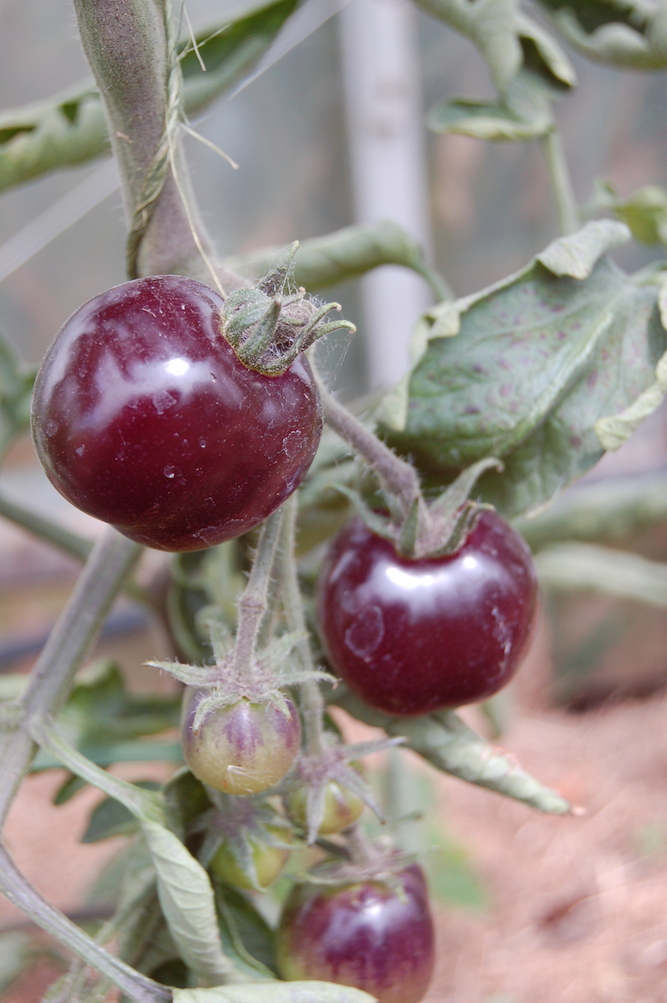
King of the Blues,

Peppermint Stick.

I love the poetry of vegetable names! I’ll be planting many of these vegetables this spring. Can you identify what each is?

Gardener’s Porn

IMG_2948The catalog has arrived! After a brief tussle with my husband, I snagged first rights to it. I poured a glass of wine, curled up next to the fire, and prepared to feast my eyes on what Ian calls ‘gardener’s porn’.

I have a seed catalog ritual. When the catalog comes, I first flip through quickly, looking at pictures, checking for new plants and things that catch my eye, and revisiting ‘old friends’. The second time through, I circle those seeds I know or think I want to buy. The third time through, I prepare my order, consulting my list of needs, and selecting or rejecting the many ‘wants’ I’ve circled.

I look at my order critically then. It almost always shocks me how many seed packets are on the list. Do I really need both large and small gourds? How many tomato varieties is too many?

While I’m fretting over the length of my list, Ian usually snags the catalog. He invariably manages to goad, heckle, and request several more seeds onto my order.

He is the id, and my super-ego has no chance against him when it comes to seeds. I give in every time, and the order gets longer.

Finally, the order is made and sent off, but the catalog doesn’t necessarily get put away. It remains out for a few days as we all enjoy the bright colours of summer in the middle of winter.

July = Seed Catalogue!

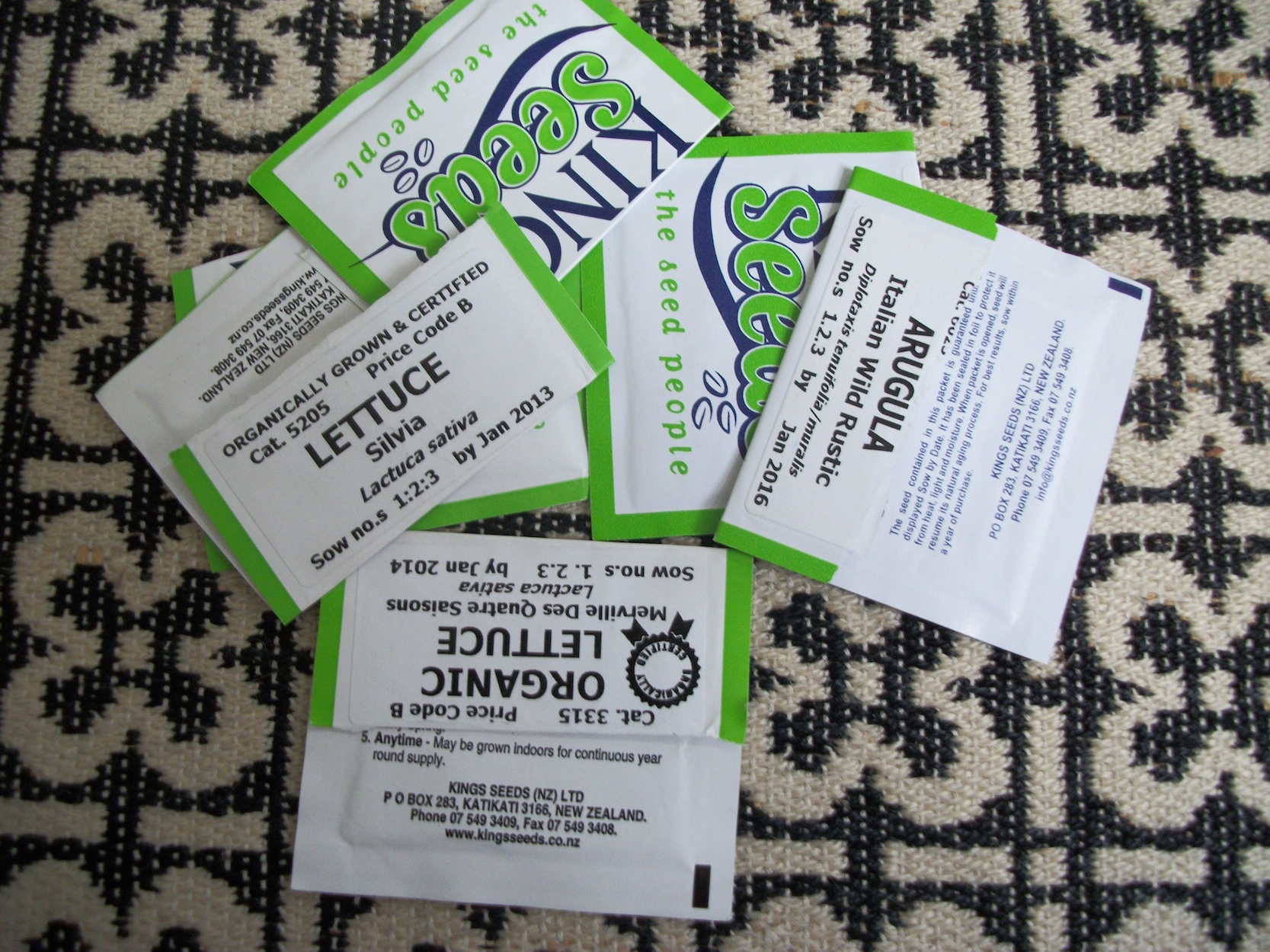
100_3404 copyKings Seed announced yesterday that the new year’s catalogue is shipping this week. I can’t wait! I’ve also got my work cut out for me, now.

Before the catalogue arrives, I need to assess my current seed situation and make a list of what I need. If I don’t, I tend to buy EVERYTHING, and end up with too many seeds. As it is, I have a hard time limiting myself to what I need, plus a few “special” things.

It’s slightly easier here than it is in the US. Before we moved here, I used to get half a dozen seed catalogues every winter, and choosing among such a huge range of options was incredibly difficult. Here, with only one decent mail-order seed supplier, I at least have only one catalogue to pore over.

So tonight I’ll pull out the seed packets and the computer (where I maintain a spreadsheet of all the seeds I have), and update my records so I can purchase sensibly when the catalogue arrives…well…if not sensibly, at least I’ll know I’m buying too many seeds! 😉

Winter Solstice

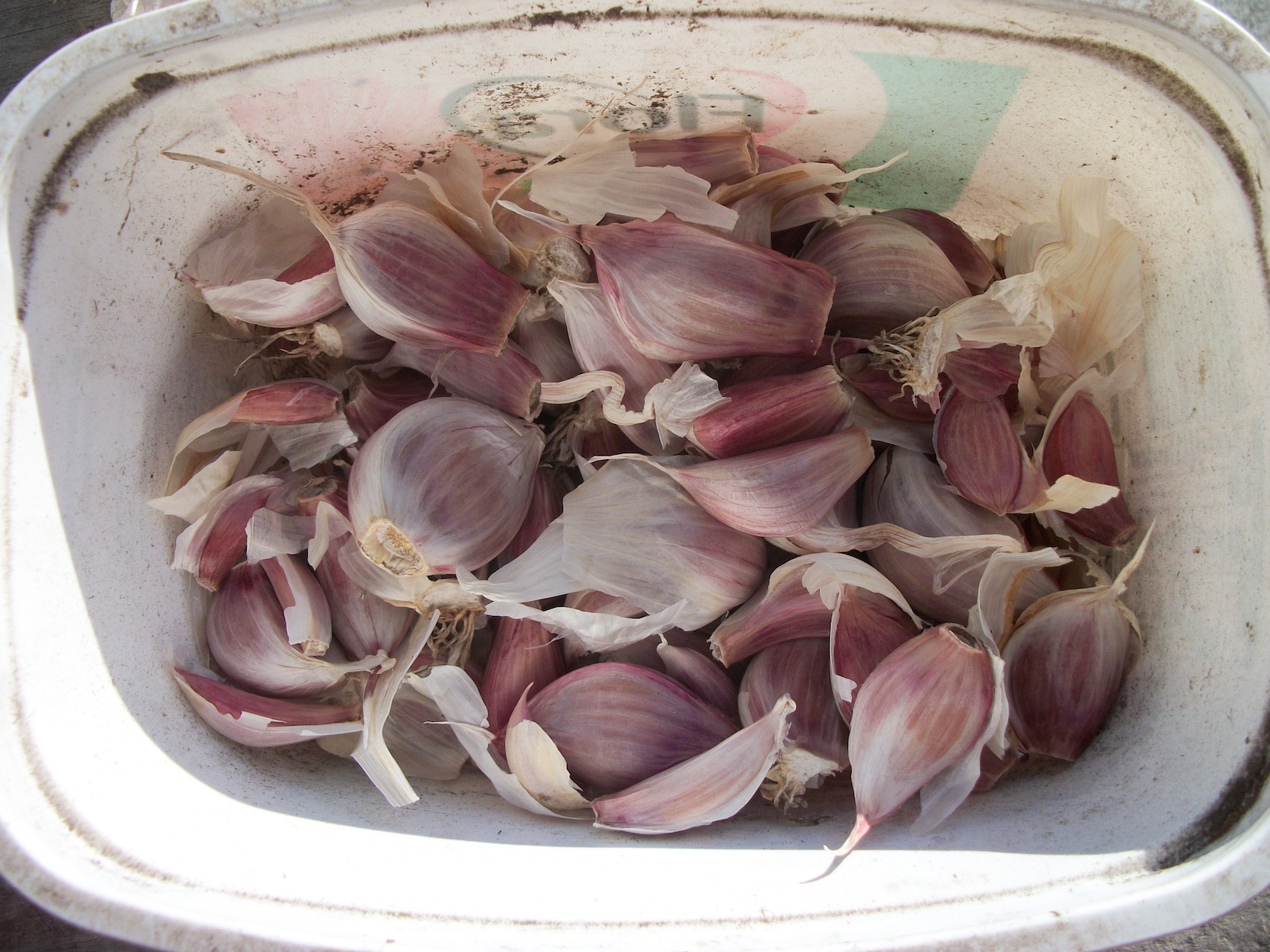
Garlic cloves ready to plant.

Garlic cloves ready to plant.

The forecast for tonight into tomorrow is for cold southerlies and snow lowering to sea level. So what did I do today? Planted garlic, of course!

Plant on the shortest day, harvest on the longest, is what I learned for garlic. Truth is that here, at least, it’s not ready to harvest until mid-January, but I do try to plant on the solstice. Coming from a homeland where the ground was frozen solid at the winter solstice, it feels positively cheeky to plant anything at that time. It’s a bit of defiance—I even planted through snow one year, just because I could.

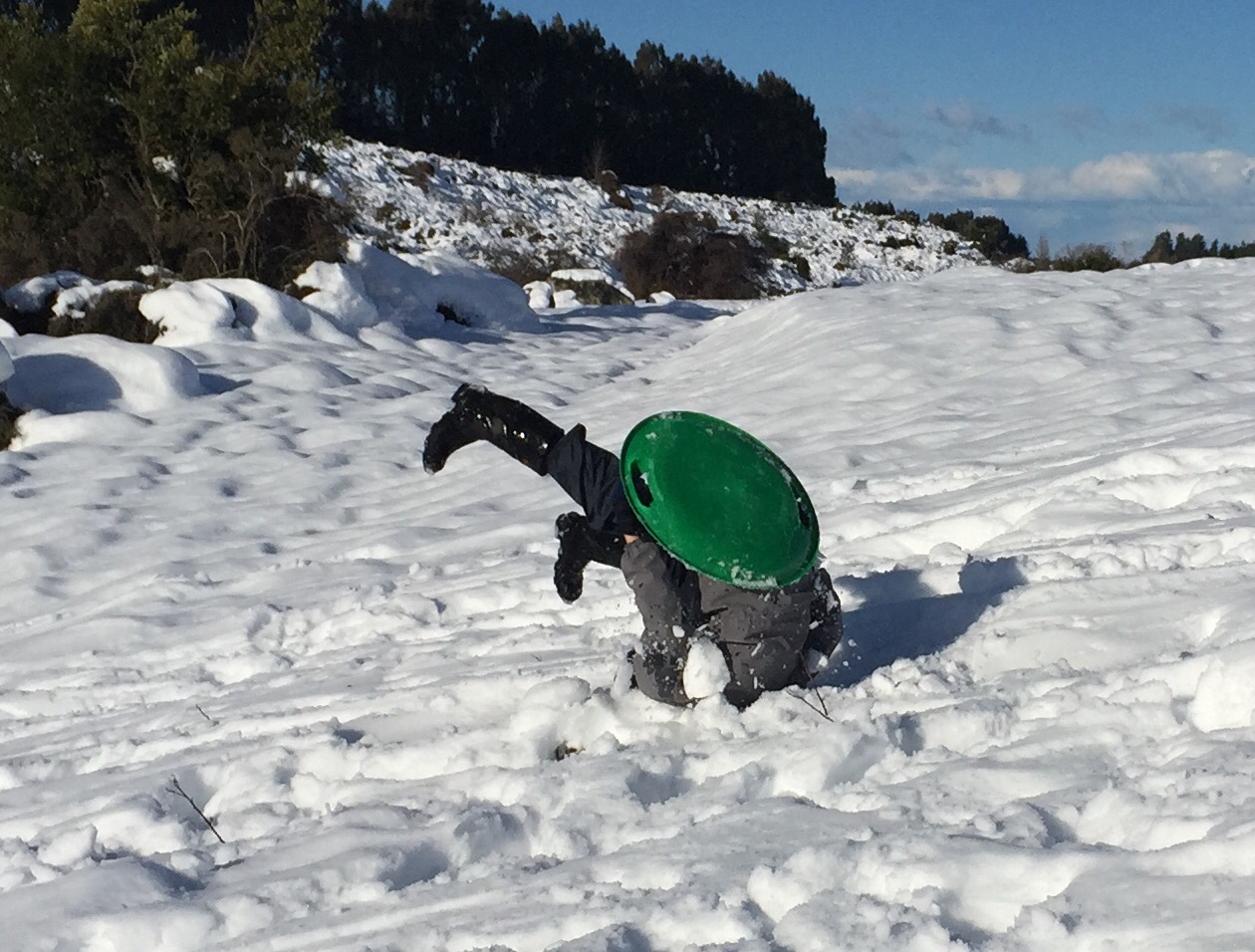
Wipe out!

Wipe out!

Today, I just had to break up mulch stiff with frost before I could plant. It was actually a beautiful (if chilly) day, and after spending the morning in the garden, we rugged up and headed to the hills for a fabulous afternoon of sledding in 30 cm of snow! Winter just doesn’t get much better than that!

Happy Matariki, (Maori New Year) to you all!

100_3340I love a good New Year celebration, but the January one has less meaning here than Matariki, which is seasonally appropriate, and a much needed celebration in the dark of winter. Matariki is celebrated on the new moon after the constellation Matariki (a.k.a. the Pleiades, Subaru, 7 Sisters) appears in the pre-dawn sky, after being absent from the night sky since April.

The modern celebration of Matariki only dates back to the early 2000s, and is a quirky blend of Maori traditions and European ideas. Kite and lantern making, food, song, and traditional crafts have all become part of the modern celebrations. Matariki is a time for looking back and honouring the past, and for looking forward with hope. It is a time to give thanks for the bounty of the harvest, and to begin to prepare for the coming planting.

So this Matariki, I will honour the spirit of my grandfather, who died late last year and taught me to pursue my dreams, even if it meant striking off the beaten path. I will look forward to the future, striving to make the coming year I find my place in my new career. I will celebrate the bounty of the past summer’s garden, bringing out jars of summer soup, peaches, and pumpkins for a weekend of glorious food. I will begin to prepare for next year’s garden, weeding the strawberries, and planting garlic in the cold, wet soil. I will celebrate light amidst the dark of winter, with candles and toasted marshmallows over a campfire.

May you find wonderful things to celebrate this weekend, too, whether you are celebrating Matariki, Winter Solstice, Summer Solstice, or just another day.

Beans, Beans

Beans baked overnight in the bread oven

Beans baked overnight in the bread oven

Beans, Beans

The wonderful fruit.

The more you eat,

The more you toot.

The more you toot,

The better you feel,

So eat your beans

With every meal.


I have no idea where that poem came from or who wrote it. My husband apparently learned it at Scout camp when he was a boy. It makes the 12 year-old in me giggle.

The truth of the matter is that beans don’t make me toot, and they are, indeed, wonderful. We eat beans regularly, in many different forms. Usually I can grow enough beans to get us through the year. I grow black, borlotti, and soy beans. We eat most of the soy green, but I always save some for dry beans. Beans are one of those wonderful, long-storing products from the garden. They’re a low-maintenance, high-yield sort of crop, like potatoes. Best of all, they’re delicious in a wide variety of dishes.

Burritos and burgers are probably my family’s favourite ways to eat beans. They’re time-intensive meals, but well worth the effort. Baked beans, too, are time intensive—mostly oven time, so we usually only make them when we have the bread oven fired up. They bake beautifully in the long tail-end of the oven’s heat.

Simple beans and rice is the most common way we eat beans. If I remember to put the beans to soak in the morning, it becomes an effortless meal, and a perfect winter warmer.

The best flavours to go with beans (no matter how they’re cooked)? Fresh cilantro (added at the very end of cooking), smoked paprika, and cumin. A bit of tomato is lovely, too.

Repurposed tent

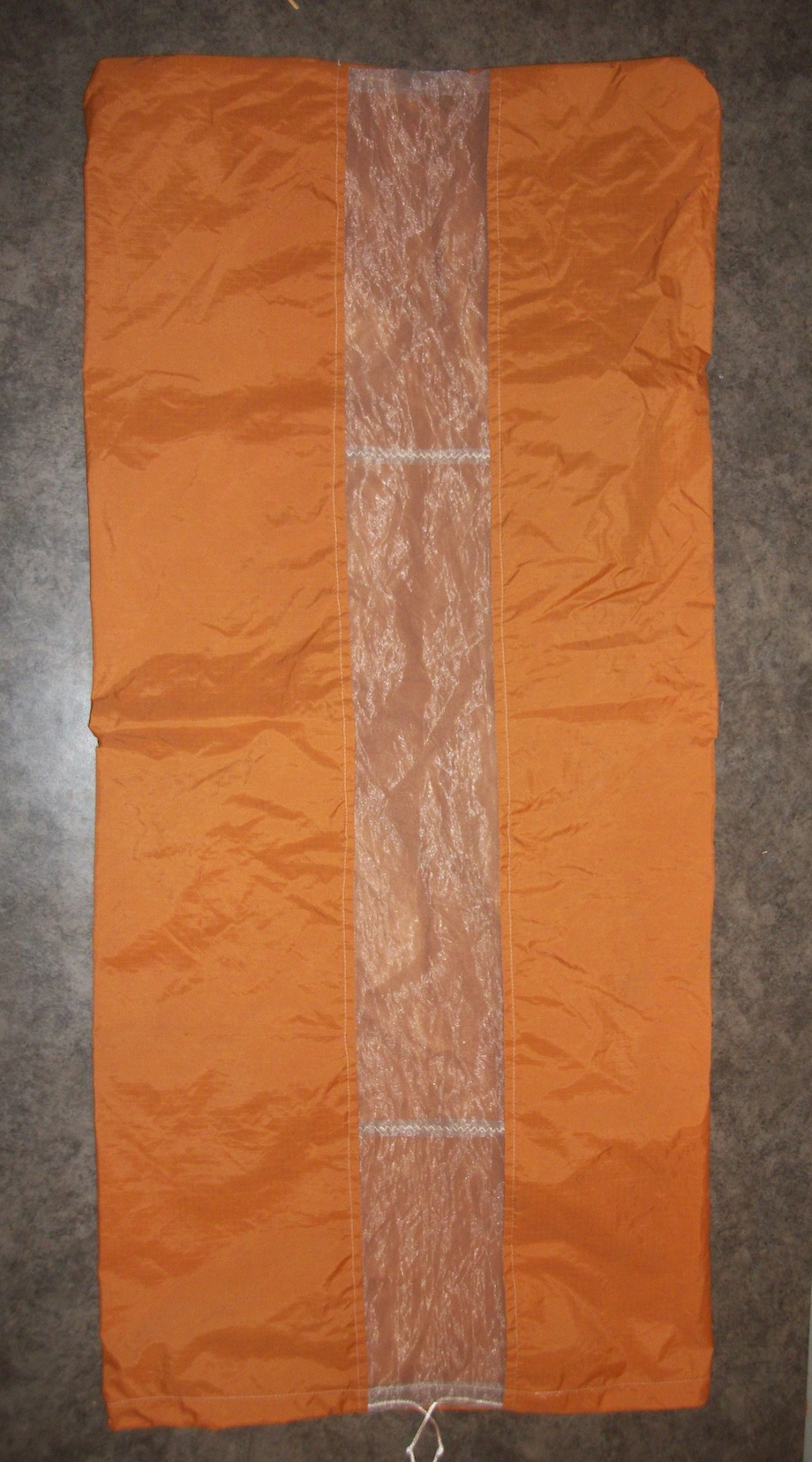
100_3308 copyOur 30 year old Eureka tent finally gave up the ghost this past summer, after many previous repairs and many years of use. I salvaged as much hardware as I could from the tent, and was about to toss the remainder in the rubbish when my hand slid over the silky no-see-um netting of the tent’s windows. That beautiful mesh was still in perfect condition, as was a lot of the rip-stop nylon of the tent itself. I found myself unable to throw it away.

It wasn’t long before I came up with the perfect project for repurposing the tent—mushroom growing bags! Last year, we covered the mushrooms with old pillowcases to keep the fungus gnats from infesting them. The pillowcases were not quite long enough, and did a marginal job. Ian had already asked me to make some custom bags with draw string bottoms to keep the flies out. What could be more perfect than bags made of tough, largely waterproof tent nylon? Add a strip of that no-see-um netting so you can peek in to check on the mushrooms, and the project was perfect.

So yesterday, I whipped out a raft of these slick bags from the old tent fabric. Felt great to repurpose the old tent, and I can’t wait to try them out!