Space Salad

Simple to grow at home. Not so simple in space.

Simple to grow at home. Not so simple in space.

Astronauts on the International Space Station made history today—they were the first people to eat lettuce grown in space. Red romaine, I understand. With a little balsamic vinegar.

It took years to work out how to do it. Things gardeners take for granted like gravity, 24 hour day cycles, water, and air, are a challenge when growing vegetables in space.

So, why is it important that astronauts can eat fresh lettuce? As of yet, we’ve found nothing edible beyond our own planet. If humans are ever to spend significant time in space, we’ll need to know how to produce food wherever we are, not just for logistical reasons, but who would want to eat those nasty pre-packaged astronaut meals for years on end?

This is another example of people taking their crops with them wherever they go, as I discussed two months ago in Eating Native?

Which, of course, makes me think of how some of the foods introduced to New Zealand have become weeds and pests, damaging the native life forms. Will there someday be weeds in space? Let’s hope we’ve learned a thing or two about avoiding introducing pests before we get to that point.

It Ain’t Over ‘Til the Magpie Sings

Photo: Eric Weiss

Photo: Eric Weiss

We’ve had more than our fair share of beautiful warm winter days this year. Though we’ve had some very cold nights, the days have been sunny, and we’ve gotten only a fraction of the rain we normally do over winter.

So you could have been forgiven for thinking, back in July, that winter was over. In fact, my daughter argued that it was spring a month ago.

I knew better. Winter would assert itself again.

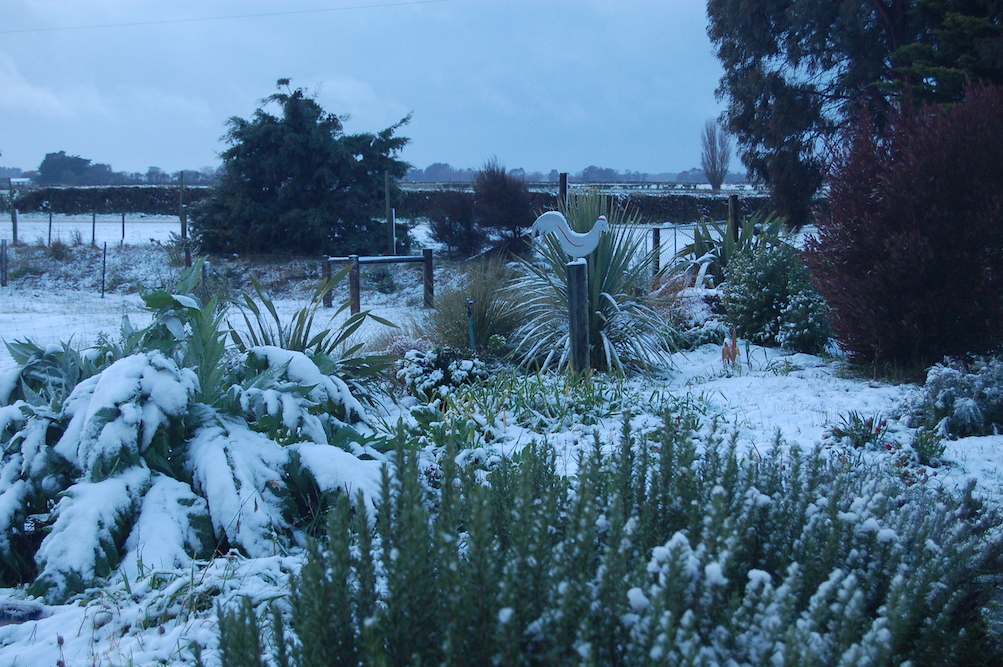
It did so this past weekend, with icy winds bringing sleet, snow and rain. We huddled by the fire, venturing outdoors only to take extra food to the animals and split more firewood.

But in between icy squalls, at 4:00 am two days ago, I heard it—the certain sign that winter is on its way out.

A magpie.

Magpies are noisy all year long, but when spring is almost upon us, their noise changes. They start their wardle-oodle-ardling at four in the morning, and carry on until the sun rises. They feel what we know only because of the calendar—spring is just around the corner.

When the magpies start calling, I get restless. I wake when they do, and their call urges me out of bed.

Wardle-oodle-ardle!

Get up! Get up! Get ready!

            But it’s dark and raining!

Wardle-oodle-ardle!

Get up! Get up! Get ready!

            But it’s cold! Can’t I stay in bed?

Wardle-oodle-ardle!

Get up! Get up! Get ready!

Wardle-oodle-ardle!

Get up! Get up! Get ready!

Spring is coming!

Sunflowers

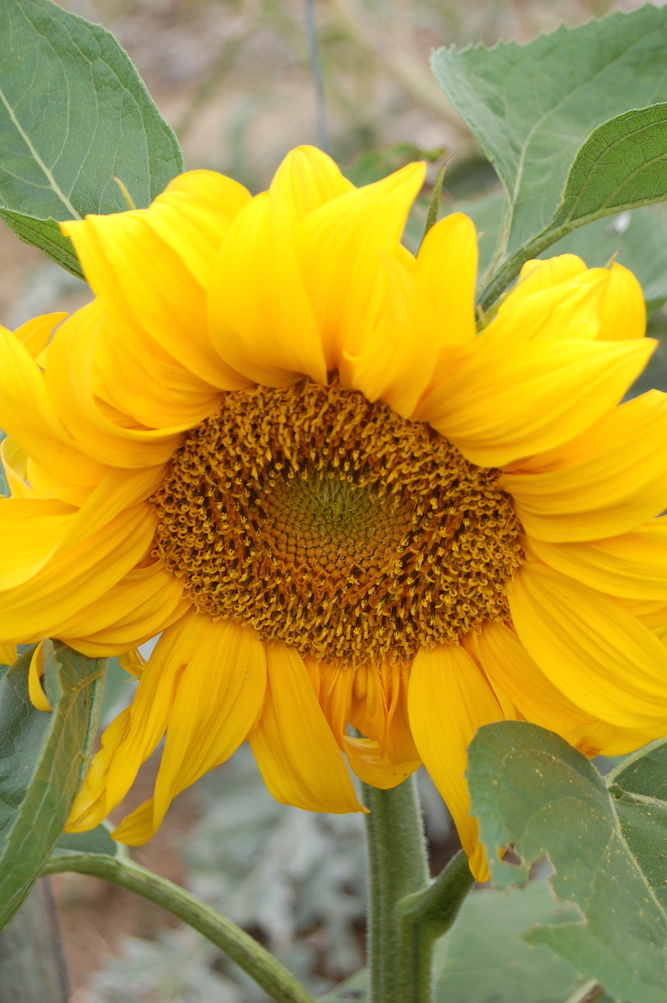
DSC_0009 smMany vegetable plants are attractive. Many have pretty flowers—okra (a hibiscus), scarlet runners, peas. None is more showy than the sunflower. Indeed, sunflowers are in the ornamentals section of the seed catalogue, not the vegetable section. There are plenty of sunflowers that don’t produce big meaty seeds for eating, but those that do are no less ornamental.

We eat sunflower seeds in a variety of ways. They are delicious sprinkled on top of a casserole or galette. They add nutty flavours to granola and veggie burgers. And they make a great snack!

We don’t grow nearly enough sunflowers to satisfy our appetite for sunflower seeds, but it’s always worth growing them, even if it’s only to enjoy the flowers!

The Gardeners’ Level of Hell

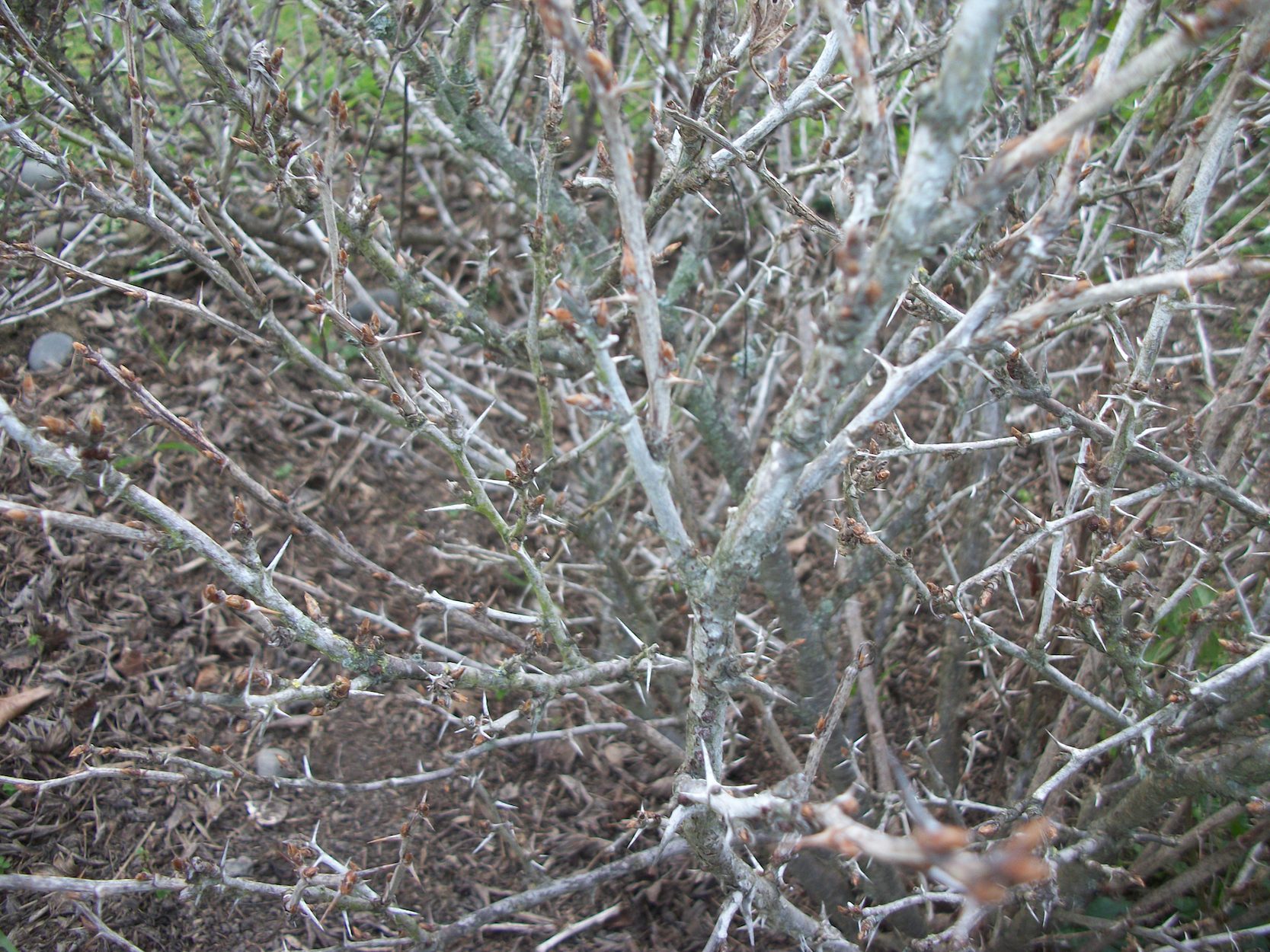
gooseberryplantsmI used to imagine that there was a special level of Hell for bad gardeners in which one was forced to weed thistles out of raspberry bushes for all eternity. I’ve since revised my idea of that level of Hell; I’m now convinced it involves weeding those thistles out from under gooseberry bushes. The combination of prickly plants with tap roots (that will grow back in less than a week) and vicious spines gouging eyes, face, and arms is as good as anything Dante conjured.

I spent an hour of my afternoon in this hell, and have the scars to prove it. But the gooseberry bed looks very nice now—neatly weeded and mulched!

Rosemary

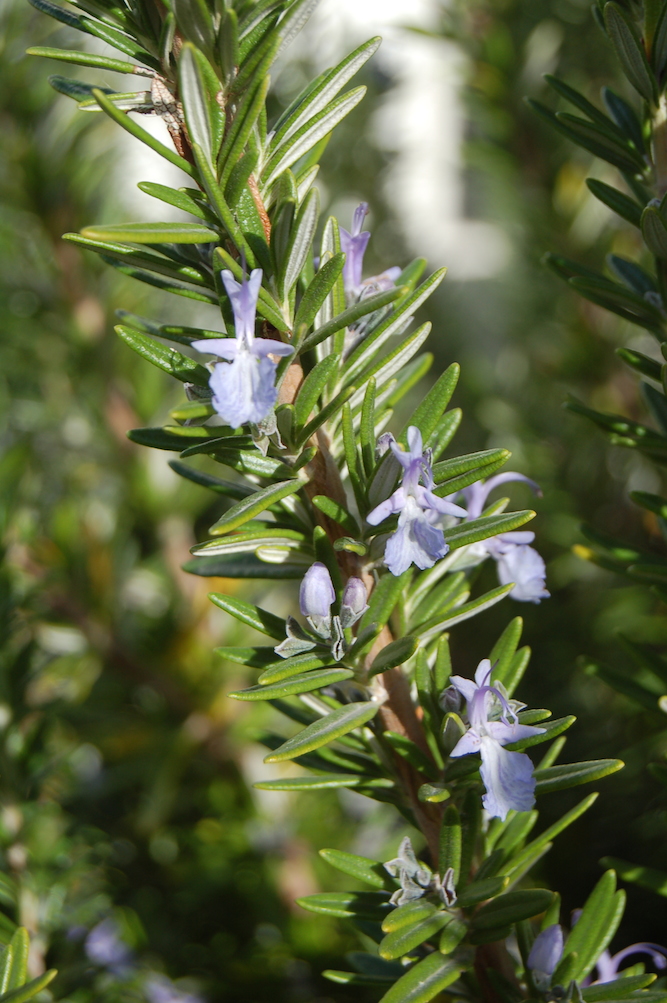
Rosemary1 smIn Minnesota, I grew rosemary in pots and brought it indoors for the winter, lest it be killed by the cold. Here in New Zealand, I grow my rosemary in the garden, and have to hack it back twice a year to keep it from growing taller than I am.

Rosemary is one of my favourite herbs, whether in dinner, in the garden, or in a flower arrangement. It is decorative as well as delicious.

Rosemary was named by Pliny in the first century. Ros (foam) mare (sea)—meaning that it grew so close to the sea that the foam sprayed on it. The Greek gods supposedly valued a rosemary wreath more highly than one made of gold (think how much I could make selling my biennial rosemary trimmings to Zeus!).

Rosemary was first used medicinally and culturally. It entered the kitchen in the Middle ages as a way to disguise the saltiness of salt-preserved meat. I’m told it goes well with lamb, pork, and game. As a vegetarian, I like rosemary with potatoes, pumpkin, and in Italian tomato sauces. And I love to brush the bushes with my hands as I walk past, so I can bring that lovely smell with me wherever I go!

Promise

DSC_0046 smThere comes a day every year. A day when winter loses its grip.

A day when the wind vane lazily turns around and the breeze no longer cuts sharply into our cheeks, but gently caresses our faces and tucks the hair behind our ears.

It is a day when the lanolin of four hundred Romney lambs next door warms and mixes with the smell of freshly turned earth and the exhalations of the grass.

It is a day when we throw open the windows, though it is only fourteen degrees outside.

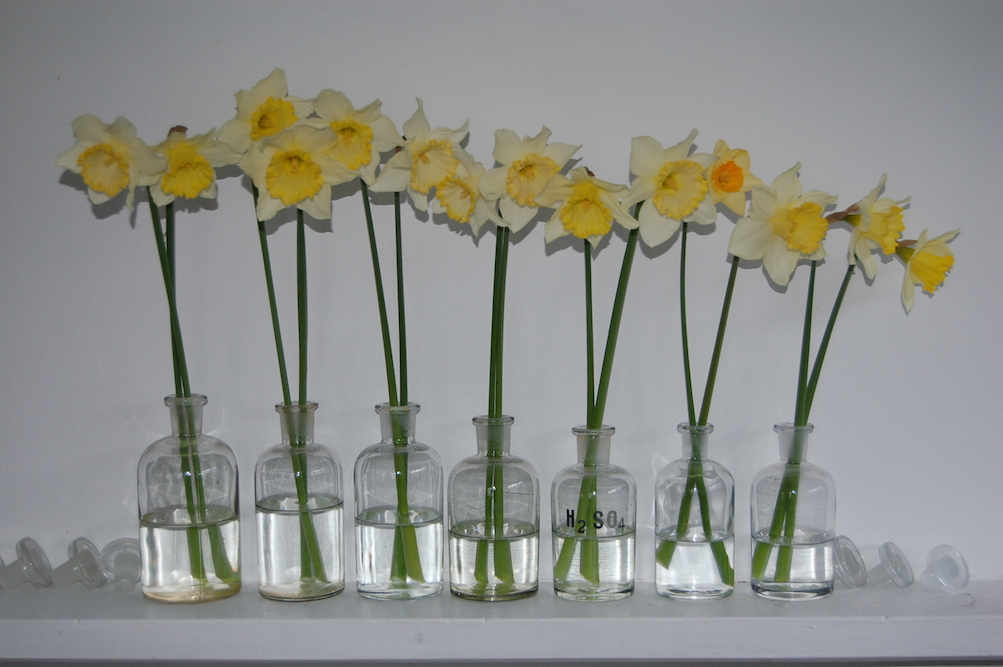
daffodils2 smIt is a day when we don’t worry that the firewood is scarce, when we can imagine a day that doesn’t start and end with a fire in the grate.

It is not spring. That day will come, but not yet. There are still weeks of kindling to split, and ice to break off the water troughs.

But it is the promise of spring.

And it is enough.

Friends don’t let friends plant horseradish

You can pull it out, but it will never die.

You can pull it out, but it will never die.

When we first moved in, ten years ago, we had big plans for the landscaping around the property. The first priority, however, was the vegetable garden. Even before we moved in, we had the garden tilled.

So it was natural that, when we had the odd plant that was supposed to go in some perennial bed not yet existent, we tucked it into the vegetable garden until its ultimate home was ready.

In my foolishness, I did this with horseradish.

I have spent the last ten years regretting it.

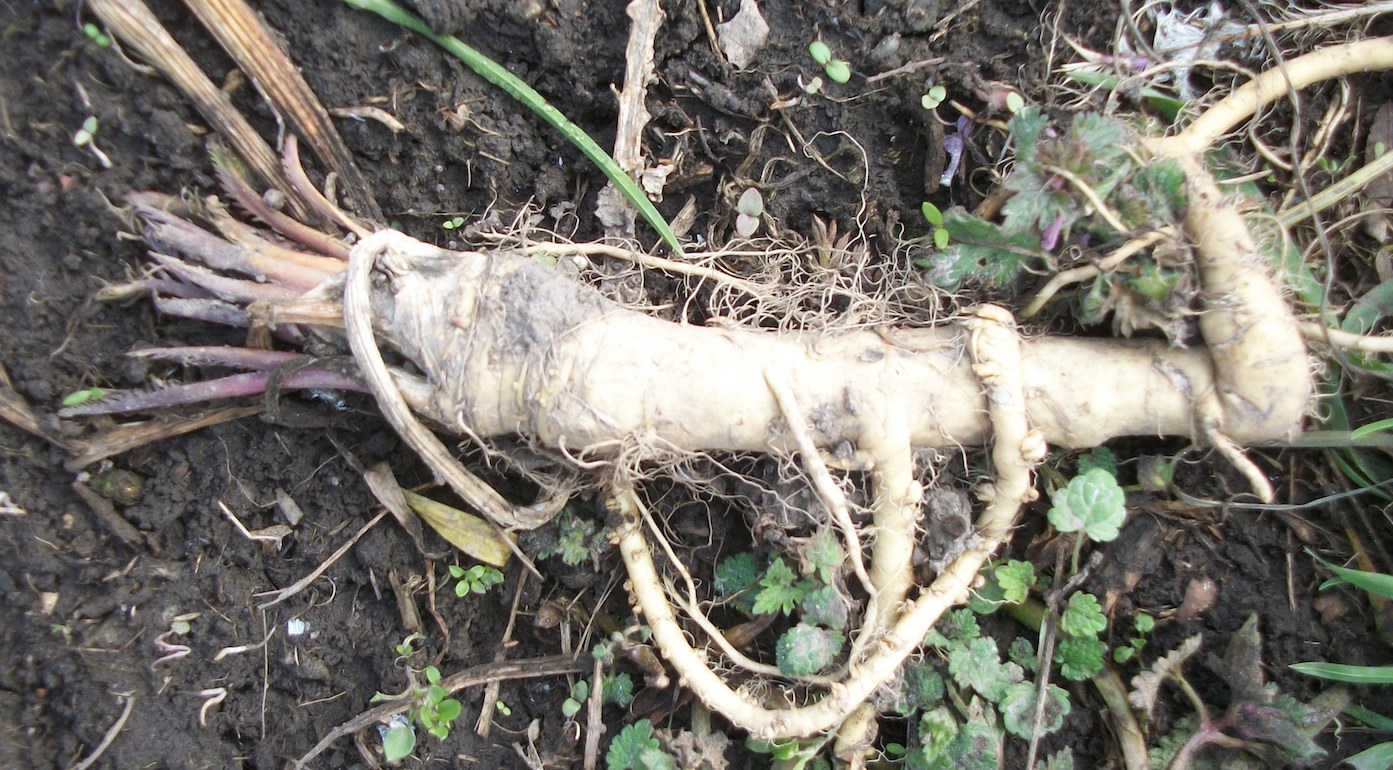
The horseradish never did establish well where we wanted it, but it thrives in the vegetable garden. I have dug it out down to 30 cm. I have planted large, smothering crops over it. I weed it out as soon as it pokes its leaves above ground. And still, the patch expands every year.

I like horseradish, and we eat the larger roots I pull, but never again will I plant it where I don’t want it.

Lentils

100_3491 smEver since our stint in the Peace Corps, we’ve eaten lentils at least once a week, often several times. Lentils and rice was a staple meal in Panama, and it has since become a comfort food. And since lentils feature in many cuisines, they find their way to our table in many guises.

As a gardener, I found lentils intriguing. They show up in none of the seed catalogues, yet they can be grown in a wide range of conditions and locations. The two biggest lentil producing countries are Canada and India. If they grow in these disparate climates, surely I could grow them here!

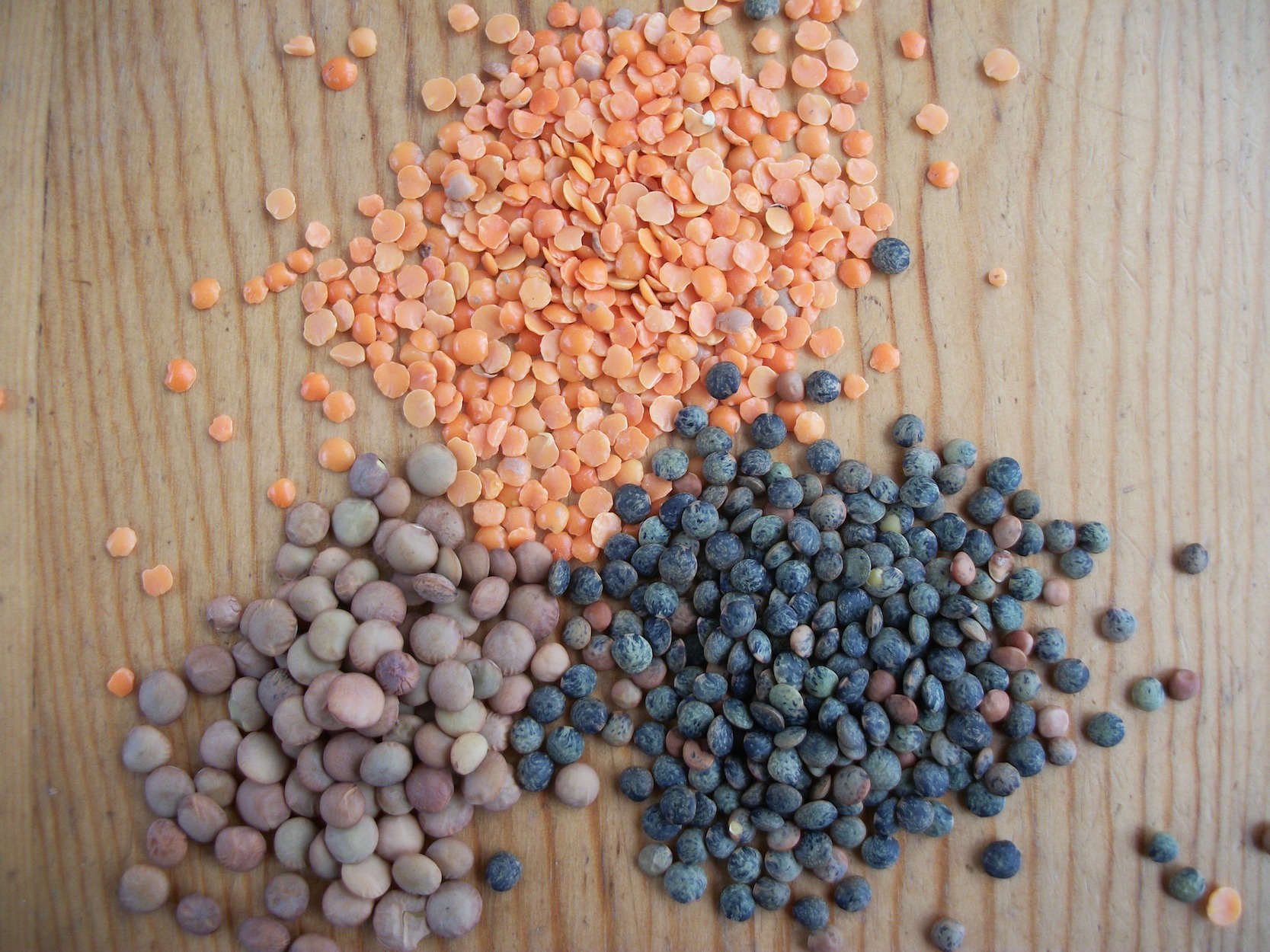
With this in mind, a couple of years ago, I took a handful of lentils purchased at the grocery store and tested their germination—100%. Hooray! I was in business! I planted two types of lentils—brown and French green—at the same time I planted my beans. They sprouted well and grew vigorously. Their feathery leaves were a beautiful and intriguing addition to the garden. Patiently I watched them grow, flower, and set seed.

When the plants died back and the seed pods dried, I harvested whole plants, laden with pods.

Then I discovered why home gardeners don’t grow lentils.

Each pod contained only one or two seeds. If the plants were sufficiently dry, many of the seeds could be extracted from the pod by rubbing the plant between my hands. But even dry, a lot of seeds had to be picked individually out of the pod. And rubbing the dry plant left a lot of chaff mixed into the lentils. The chaff and the lentils were about the same weight, so blowing the chaff off also blew off many of the lentils.

After hours of painstaking work, I had enough lentils for, maybe, two meals. From the same garden space, and for a lot less work, I could have produced a year’s worth of dry beans.

I don’t regret growing lentils, and I’m pleased to know I can grow them. I’m also quite content to let someone else grow them (and harvest them mechanically) for me.

Food Security

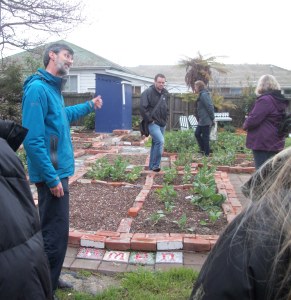
A post-quake community garden in Christchurch

A post-quake community garden in Christchurch

After the recent earthquake in Nepal, I wrote a blog post about food security in the face of natural disasters, but I never actually posted it.

But this piece about using vacant red-zoned land to produce food in Christchurch, in the news today, made me come back to that post and decide it was worth posting.

After the February 2011 quake in Christchurch, I saw firsthand how much more devastating natural disasters could be in the city verses in rural areas. Responding to a request for help on Trade Me, my husband and I, along with a couple of neighbours, loaded the car with shovels, wheelbarrows, tools and food, and ventured into the hard-hit eastern suburbs.

We spent a day clearing houses and yards of liquefaction, tearing out buckled and destroyed linoleum, and sharing out the vegetables, bread, and milk we brought from our farms. The people we met were amazingly strong in the face of the destruction around them—not one house in the neighbourhood was still straight and level, and the street was nearly impassable, buckled and cracked.

But they had no tools to tackle the devastation. The carload of tools we brought with us for the day was more than the entire neighbourhood could muster. City living doesn’t require heavy duty wheelbarrows and large shovels, and there were more willing hands than tools to go around.

Then there was the lack of gardens in the city. With stores closed and power out for many days, getting and preparing food was difficult. While meals were airlifted into the city, in the country we simply lived on food from the garden.

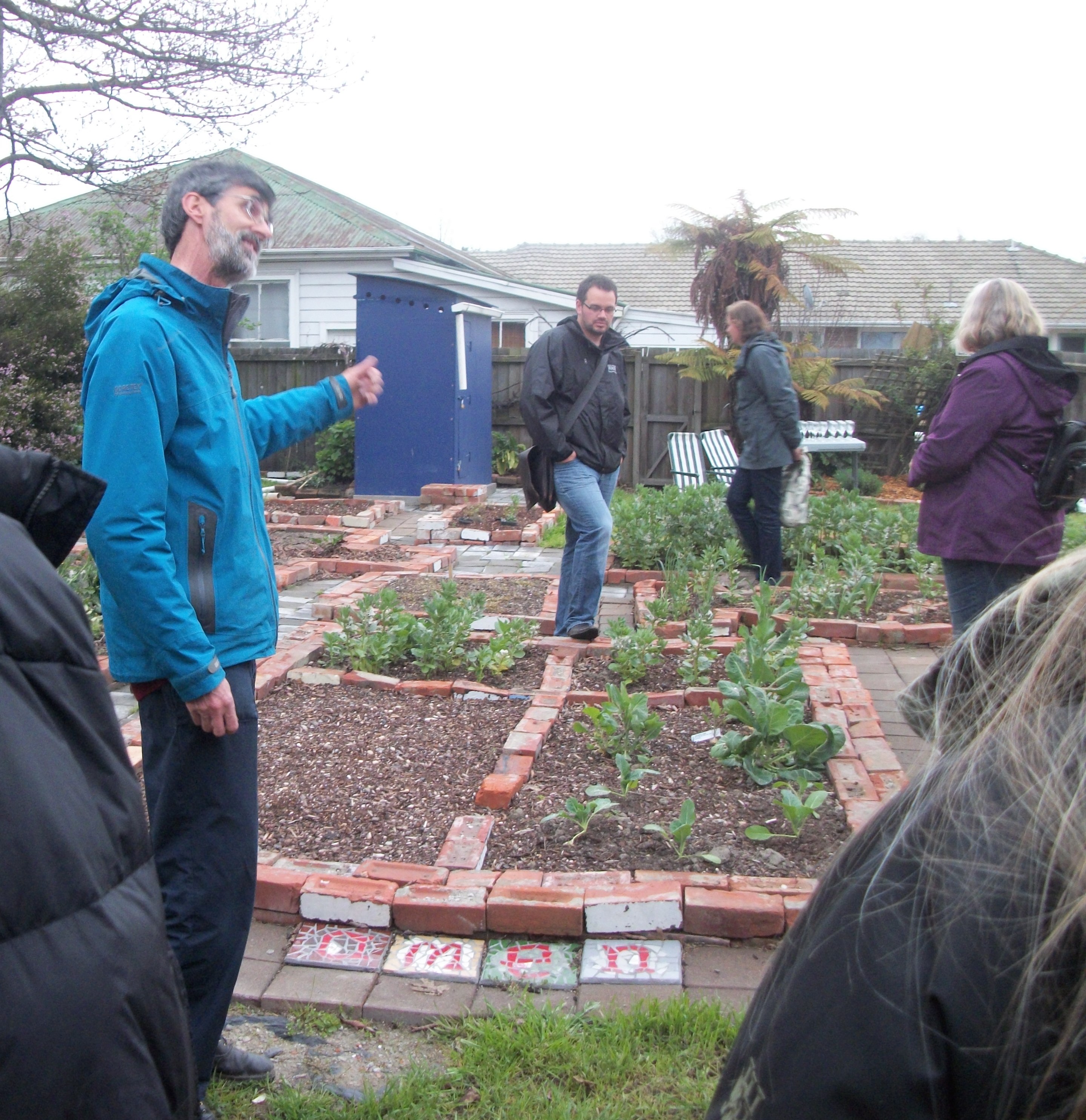
So, how do we build resilience and food security into our cities? How do we create cities that can feed themselves, at least for a short time, after a natural disaster? Part of the answer lies in community gardens that can provide food and positive community support, as they did in Christchurch after the 2011 quake. Part of the answer lies in taking a long-term approach to city planning—planting fruit trees in public parks, preserving green space with good soil within the city instead of covering it all with buildings and roads.

I would love to see Christchurch, and all cities, bring food production back within the city limits. No, a city cannot produce all its food, but having community gardens and food-producing commons makes a city a more humane place, even when there isn’t a natural disaster to weather.

Flowers to brighten the day

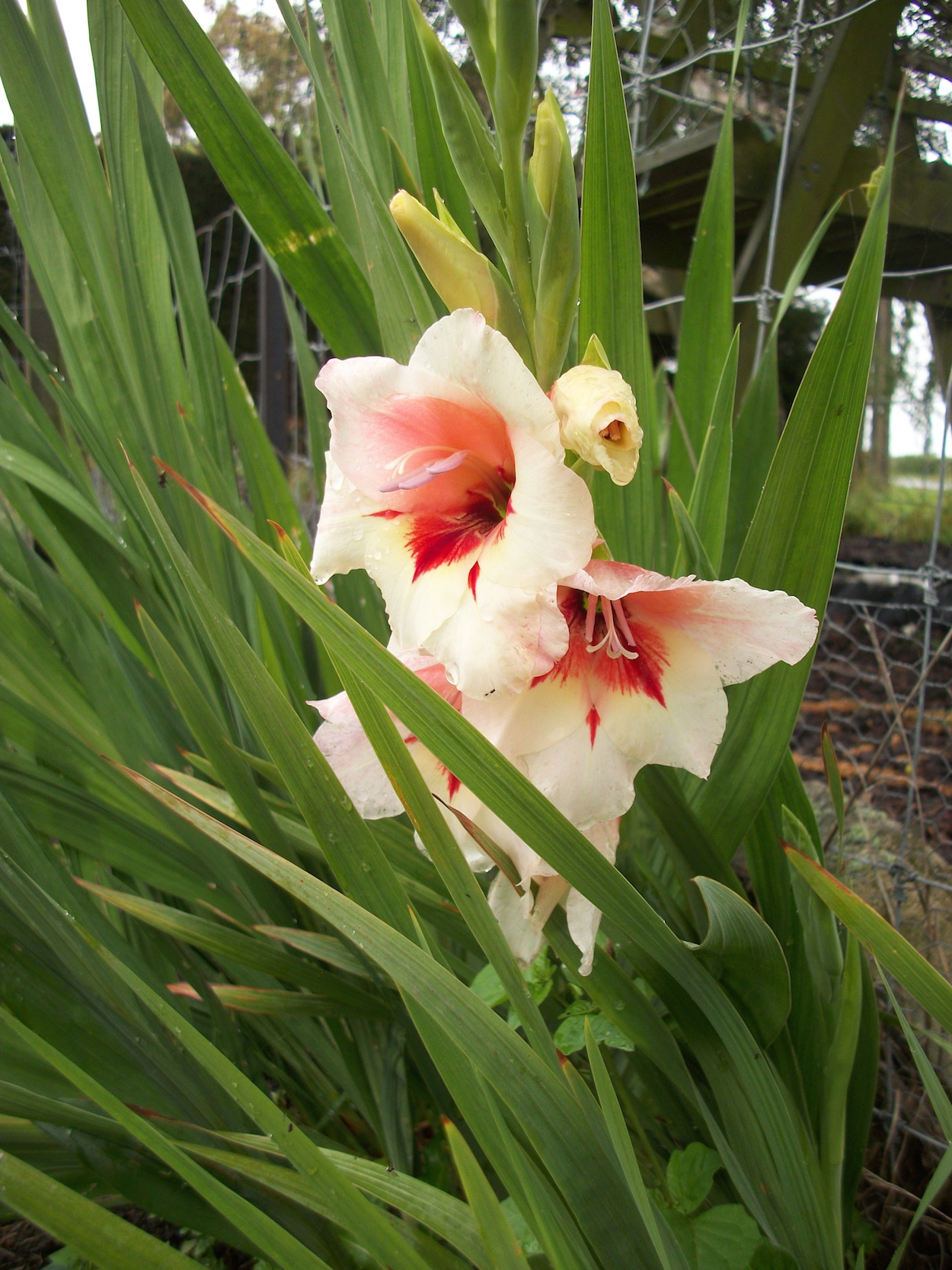
100_2148 smIt’s a dreary, drizzly day, so I thought I’d base today’s post on a lovely flower photo from last summer!

Ten years ago, when we moved into our house, there were drifts of bulbs–glads, daffodils, snow drops, grape hyacinths, etc.—planted all around the house. One of our first jobs was to re-pile the south side of the house, which was largely held up by a few broken bricks and toilet seats (I kid you not). We hated to just trample all those bulbs, and we wanted to get vegetation away from that side of the house anyway, to help dry it out a bit. So we dug up all those bulbs—hundreds of them. I tucked many of them into the end of the vegetable garden, for lack of any other place to put them. My intention was always to remove them once we’d managed some landscaping in other places.

I did end up moving most of them, but I’ve grown rather fond of the glads that pop up around the garden gate every year. That end of the garden isn’t very productive because there is too much tree competition, so I’ve left the flowers. Vegetables are every bit as ornamental as “ornamental” plants, but it’s nice to have a bit of useless beauty amidst all those hard-working vegetables (and the hard-working gardener).