Jack-o-lanterns

2016-04-17 11.17.03 smWhile you folks in the Northern Hemisphere are cleaning out your pools, dusting off the barbecues and planting seeds, we in the South are enjoying all that autumn has to offer.

And something we always look forward to is carving pumpkins. Growing up in the US, it was one of my favourite Halloween activities. Here pumpkin season falls inappropriately near Easter.

That doesn’t stop us from celebrating the season with jack-o-lanterns.

All my pumpkins are grown for food, but the edible part of the Austrian oilseed pumpkin is its seeds—the flesh is only suitable for goat food (and even the goats aren’t excited by it). So once I scoop out the delicious seeds, I have no problem using the shells for artistic purposes.

A nice crop of Austrian oilseeds this year means there is plenty of raw material for our artwork.
Naked Ladies

2016-04-14 08.43.56 smDo I need to say more?

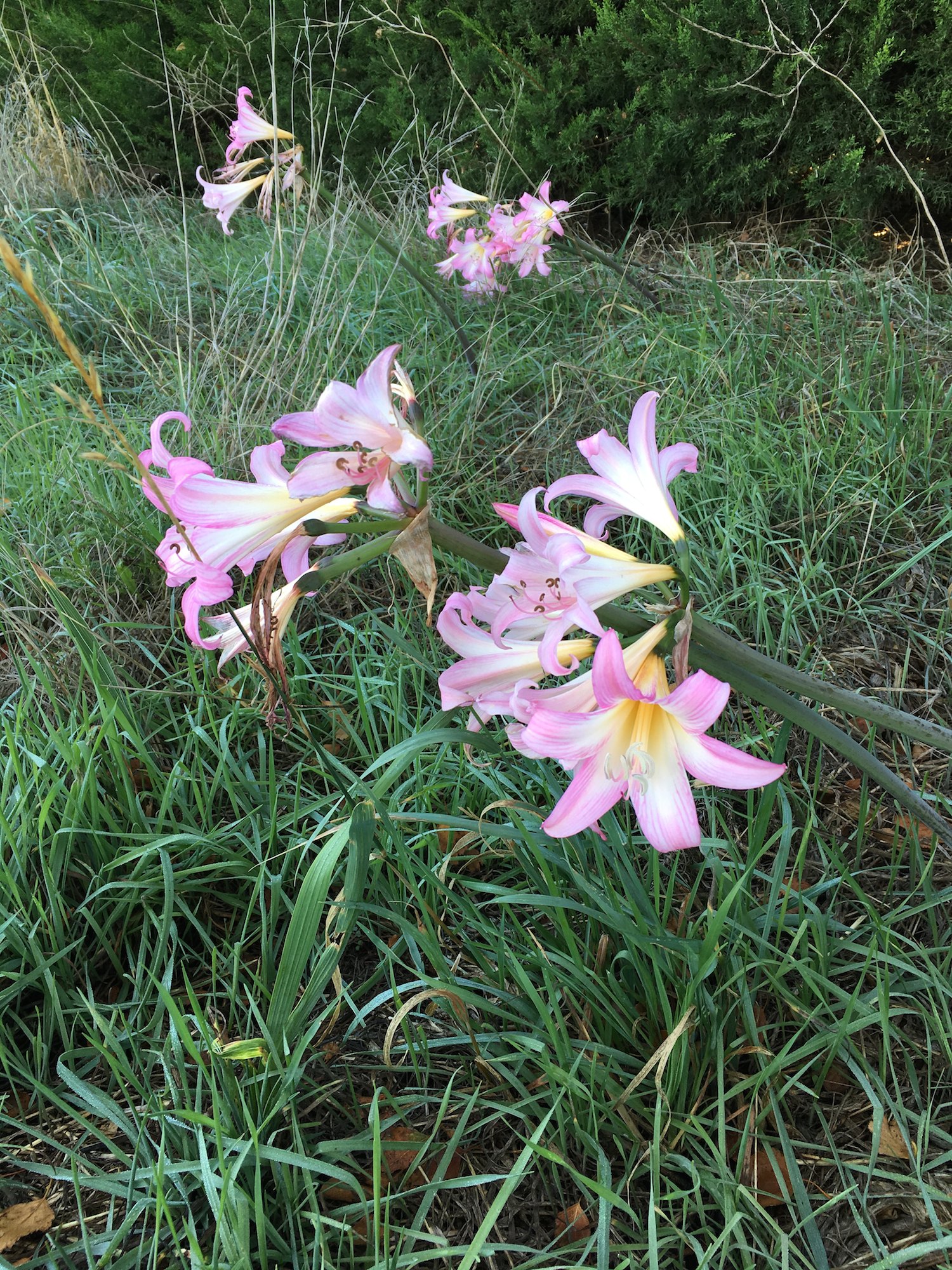
These are some of the most delightful flowers in our yard. When we first moved in, there was a row of non-descript green plants in front of our hedge. They were uninspiring. I planned on removing them.

The plants died back over summer. We mowed the remains down.

Then one day I looked out to see a row of gorgeous pink blooms! What a lovely surprise! When I described them to my mother, she immediately said, “Oh! Naked ladies!” My response was, of course, to giggle. But the name is apt, as these lovely ‘girls’ bloom long after the leaves have died back.

We did end up removing the naked ladies…in order to put them in a better spot, as the hedge was smothering them. Every year, I forget they are there, and every year I have the joy of heading outdoors one day and finding them in bloom.

They make me smile. What more can you ask from a flower?

Touched by Frost

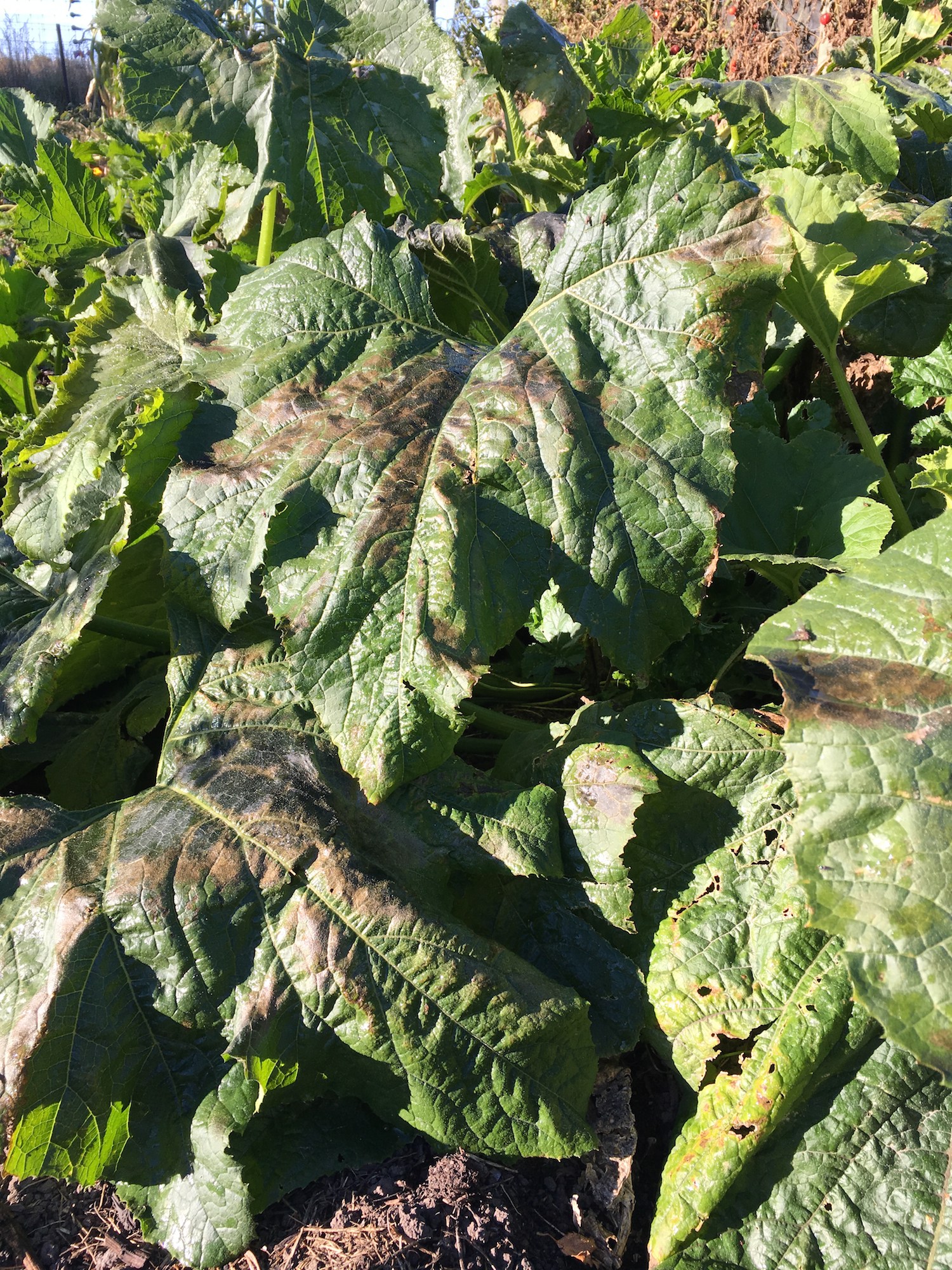
2016-04-14 08.42.53 smIt happened. The first frost hit the vegetable garden. Not hard, but enough to show. Most of the tender and unprotected plants were already done for the year, anyway—the tomatoes had largely succumbed to drought, the cucumbers had given up, the melons were done, the pumpkins were already harvested, and the basil had gone to seed. The summer squashes were only lightly touched—a few of the leaves browned, but most of the growing tips in good shape.

Of course, at this time of year, any day could be the last.

So we savour each day—enjoying the tastes of summer while they last.

Pumpkins

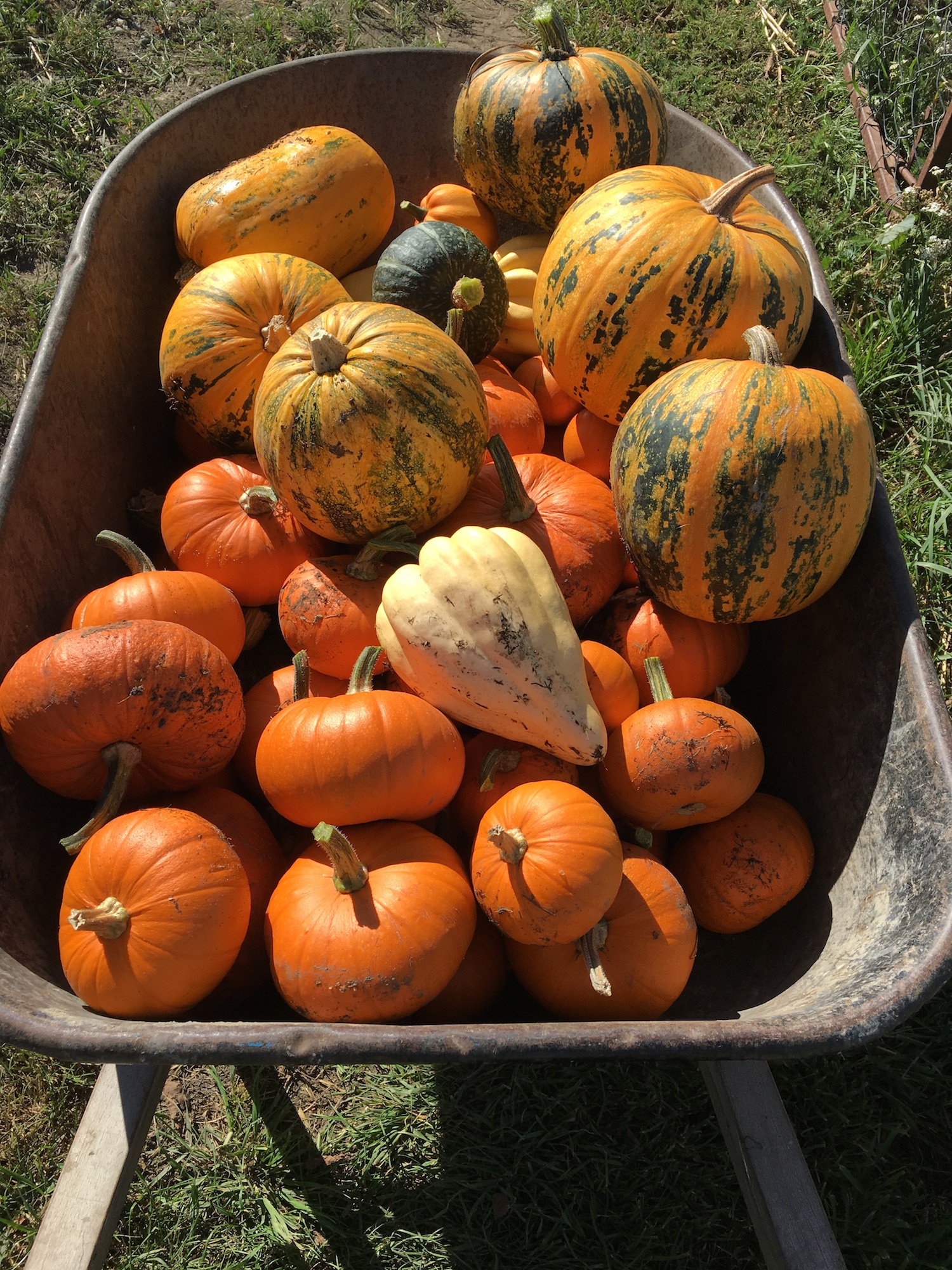
About a third of the harvest.

About a third of the harvest.

Autumn wouldn’t be complete without the requisite wheelbarrow loads of pumpkins and other winter squash. In spite of some late-frost drama this spring, the harvest wasn’t bad.

My kids ask every year, “Which are the pumpkins and which are the squash? What makes a pumpkin a pumpkin?”

The short answer is that a pumpkin is a squash that we call a pumpkin. There are four species and countless varieties that variously get called pumpkin and squash. Some fruits are known as pumpkins in one place, and squash in another.

I don’t bother with the distinction. The important distinctions are between varieties. Some are best made into soup, others make splendid pies. Some have robust, dry flesh that holds up well in savoury galettes. Some are just the right size for baking whole. Some keep well, and others need to be eaten quickly after harvest. Some have flesh only useful as goat food, but have naked seeds that are wonderful toasted with salt and spices.

Which is, of course, how I justify planting so many pumpkins of so many varieties. I need them all!

The Aphipocalypse

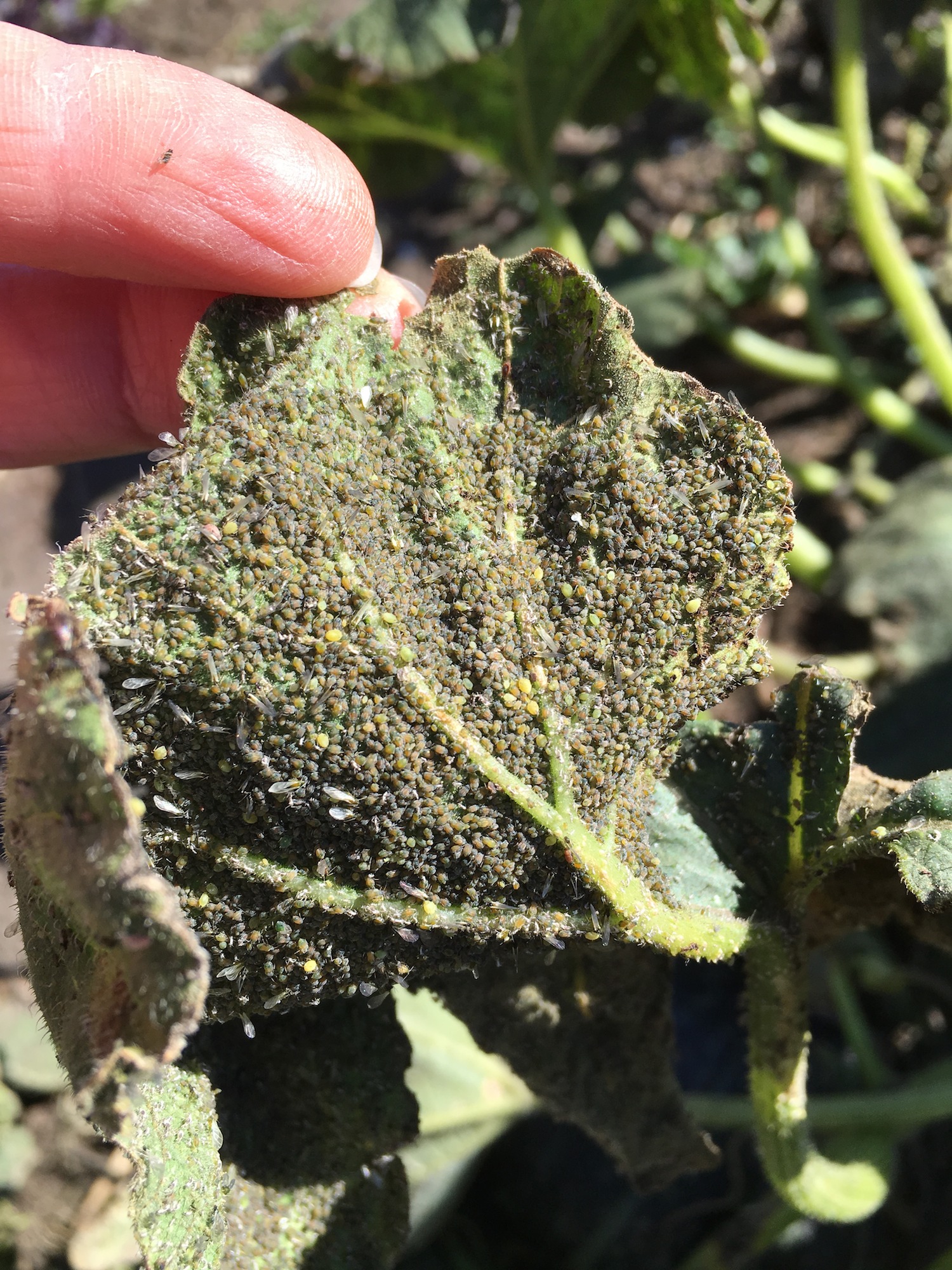
2016-04-09 11.19.43 smIt has been years since I’ve seen an aphid infestation quite this bad, and rarely at this time of year.

As I’ve mentioned before on this blog, I usually have aphids in early spring, and then the predators and parasitoids knock them back to almost nothing through the summer.

But somehow, the predators and I all missed the aphids on the pumpkins. I expect the warm dry summer was perfect for their growth. I rarely take note of the pumpkins from December to April—they need little weeding, and are generally pest free.

So when I went to harvest, it was a bit of a surprise to find millions of aphids on the underside of nearly every leaf in a back corner of the pumpkin patch.

All summer, the aphids have been cloning themselves, producing dozens of replicas every week—an army of little green girls. Only girls. It wouldn’t have taken them long to build up the population level out there right now. Some of the generations of aphids had wings (you can see some on the left side of the leaf in the photo), and dispersed to other plants, but most stayed put, slowly spreading across one leaf after another.

But, as big as the population is today, they will all die over winter. About this time of year, the females will start producing a few males—also genetically identical to themselves, with the exception of a missing sex chromosome. Only in the fall will females mate and produce eggs. The eggs will overwinter, hatching out in spring (all female) to start the cycle over again.

I think I won’t wait for these girls to lay eggs. I’m afraid that, now that the pumpkins are gone, the infested vines will be dunked in a bucket of soapy water and buried deep in the compost pile. No sense in letting them get a head start on next spring!


Standard Time

2016-02-04 07.21.17We came off Daylight Savings Time last Sunday. And though it doesn’t change the actual day length, it does seem to shorten the days.

I’m still milking in the dark—an hour doesn’t change that. But now, it is all but dark by the time we’re doing the dinner dishes. There is no time to potter in the garden in the evening. The dinner leftovers destined for the chickens have to be saved until morning, because the chickens are already roosting for the night by the time we’re done eating.

But the truth is, there isn’t much still to be done in the garden. Oh, there are pumpkins and popcorn to harvest, and at some point I need to bring in the remaining carrots, but all those tasks can be done on the weekend. Large swaths of the garden don’t need to be weeded anymore—the crops there are done, and the chickens will appreciate the weeds when I turn them out into the garden for the winter.

So instead, I have time to read a book after dinner, which is a luxury I don’t have during Daylight Savings Time. I’m actually quite excited by it this year, as we have a new book nook my husband built along with some beautiful cabinetry for the bedroom. The perfect place to curl up with a book.


Herb Garden Reboot

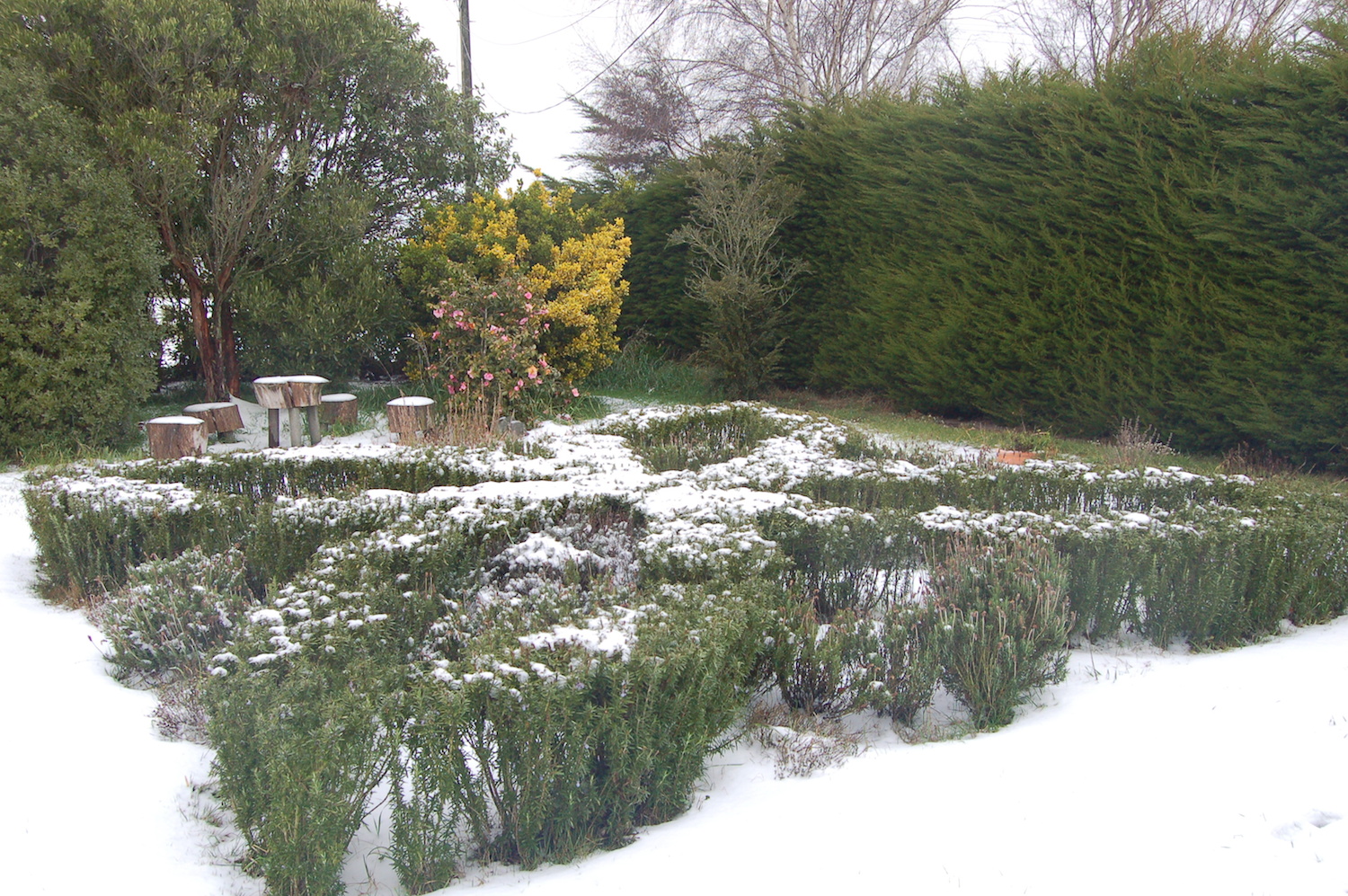
The herb knot in the snow a few years ago.

The herb knot in the snow a few years ago.

You know you’ve lived somewhere for a while when it’s time to replace perennial gardens you planted.

One of the first gardens we established when we moved in eleven years ago was the herb garden. That garden is now looking sad—the plants are aging, and this summer’s dry hot, weather took a toll. The beautiful Celtic knot of lavender and rosemary is overgrown and the plants are dying in patches. The clay pots we nestled into the ground to contain the mint are cracked and crumbling. A few of the surrounding shrubs are dead.

We’ve also been talking about some changes to the flower garden that flows into the herb garden. When we turned it from driveway to garden about seven years ago, it was meant to be full of annual flowers, but no matter what I’ve done to it, it still feels like I’m digging in a driveway every spring when I plant out the annuals. Perennials would really make more sense there.

It’s time for some planning!

2016-04-03 13.15.16 smMy daughter went out there this afternoon with clipboard and tape measure and measured off the area, including features we want to keep, but ignoring everything else. I took those numbers back to the office and made a scale drawing of the space on the computer.

Now comes the fun part.

I’ll print out blank copies of the space, and we’ll scribble garden ideas on them. The pages will float around the house. We’ll draw ideas over breakfast, after dinner, at odd times of day and night. We’ll list all the things we “need” to have in the garden. We’ll take our sketches out into the yard to try to visualise them. We’ll argue about how many rosemary plants we actually need, whether the lemon trees would prefer the warmth of the northeast side of the house or the better soil on the southeast side, and how many artistic installations is too many.

We’ve got roughly 285 square metres to play with, which I’m sure will seem like not enough as we plan, but will feel like way too much once we’re in there pulling out plants and reconfiguring the space.

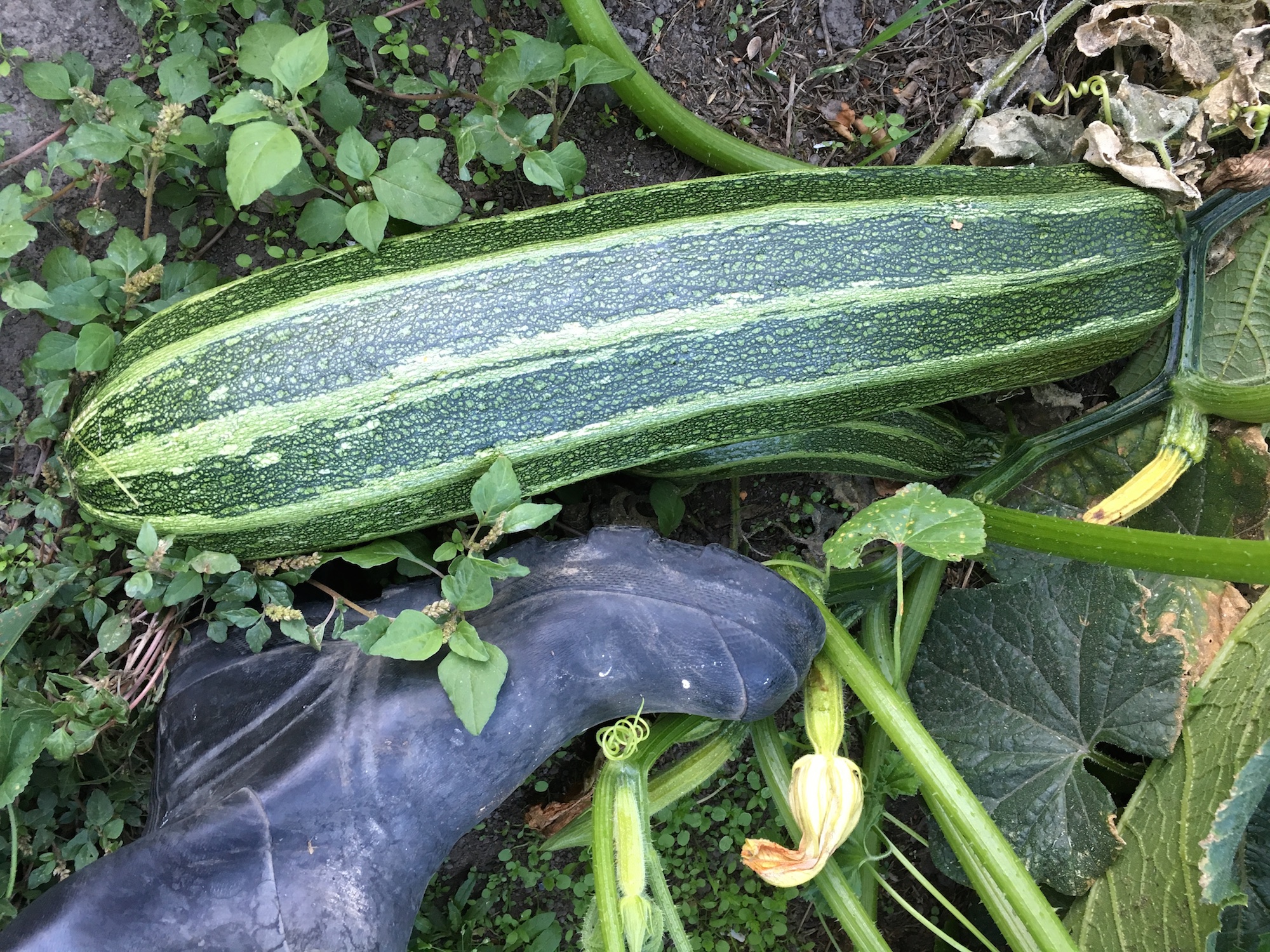
What do you do with a giant zucchini?

2016-04-02 18.47.15 smTo the tune What do you do with a drunken sailor?


What do you do with a giant zucchini?

What do you do with a giant zucchini?

What do you do with a giant zucchini,

Early in the morning?


Hey, they just get bigger.

Hey, they just get bigger.

Hey, they just get bigger.

You can’t eat them all.


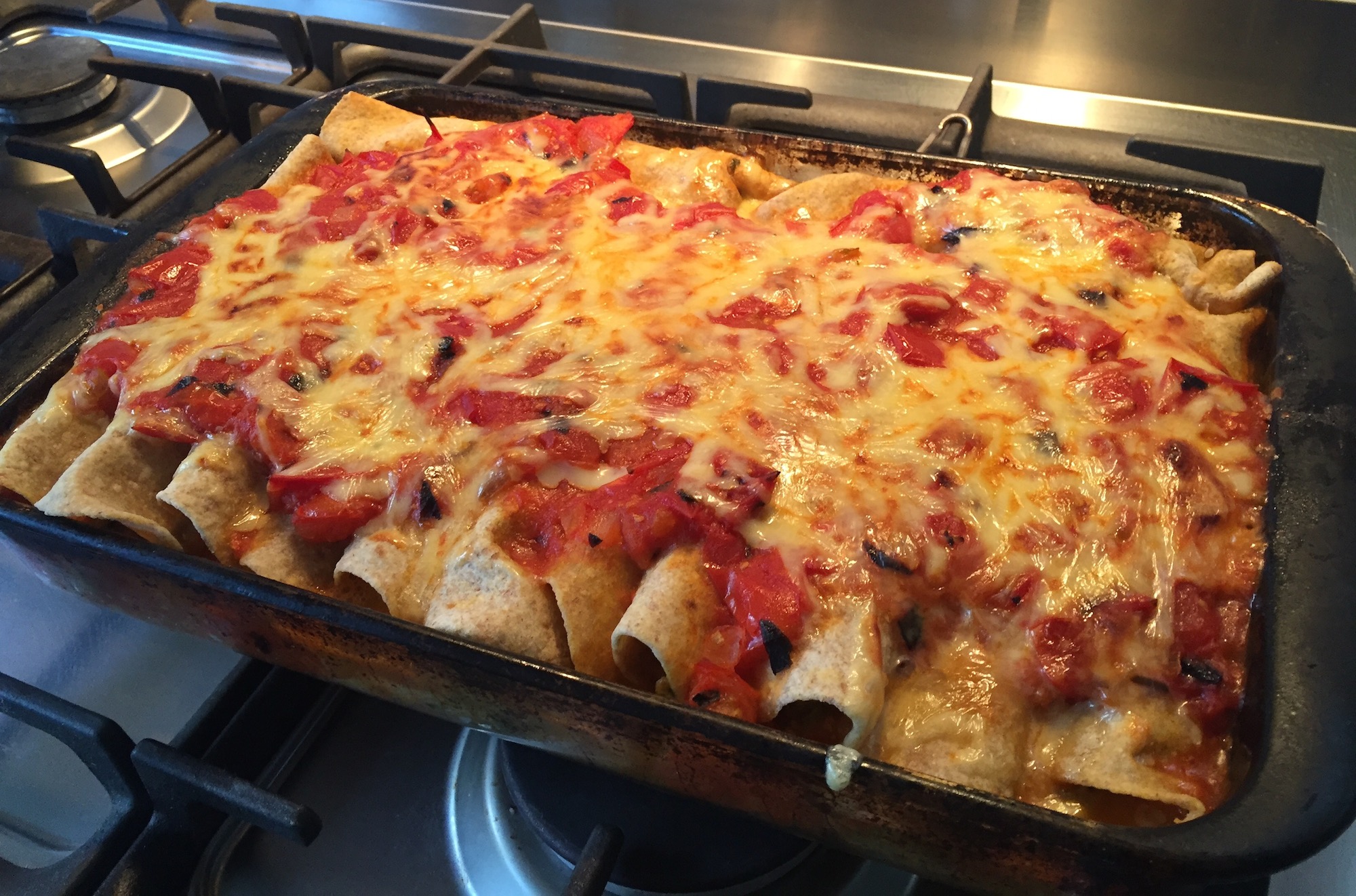
zucchinienchiladassmCook ’em in a sauce and make enchiladas,

Cook ’em in a sauce and make enchiladas,

Cook ’em in a sauce and make enchiladas,

Early in the morning!


Hey, they just get bigger.

Hey, they just get bigger.

Hey, they just get bigger.

You can’t eat them all.


chocolatezucchinicakesmBake ’em in a cake and add chocolate chips,

Bake ’em in a cake and add chocolate chips,

Bake ’em in a cake and add chocolate chips,

Early in the morning!


Hey, they just get bigger.

Hey, they just get bigger.

Hey, they just get bigger.

You can’t eat them all.

Hedge trimming

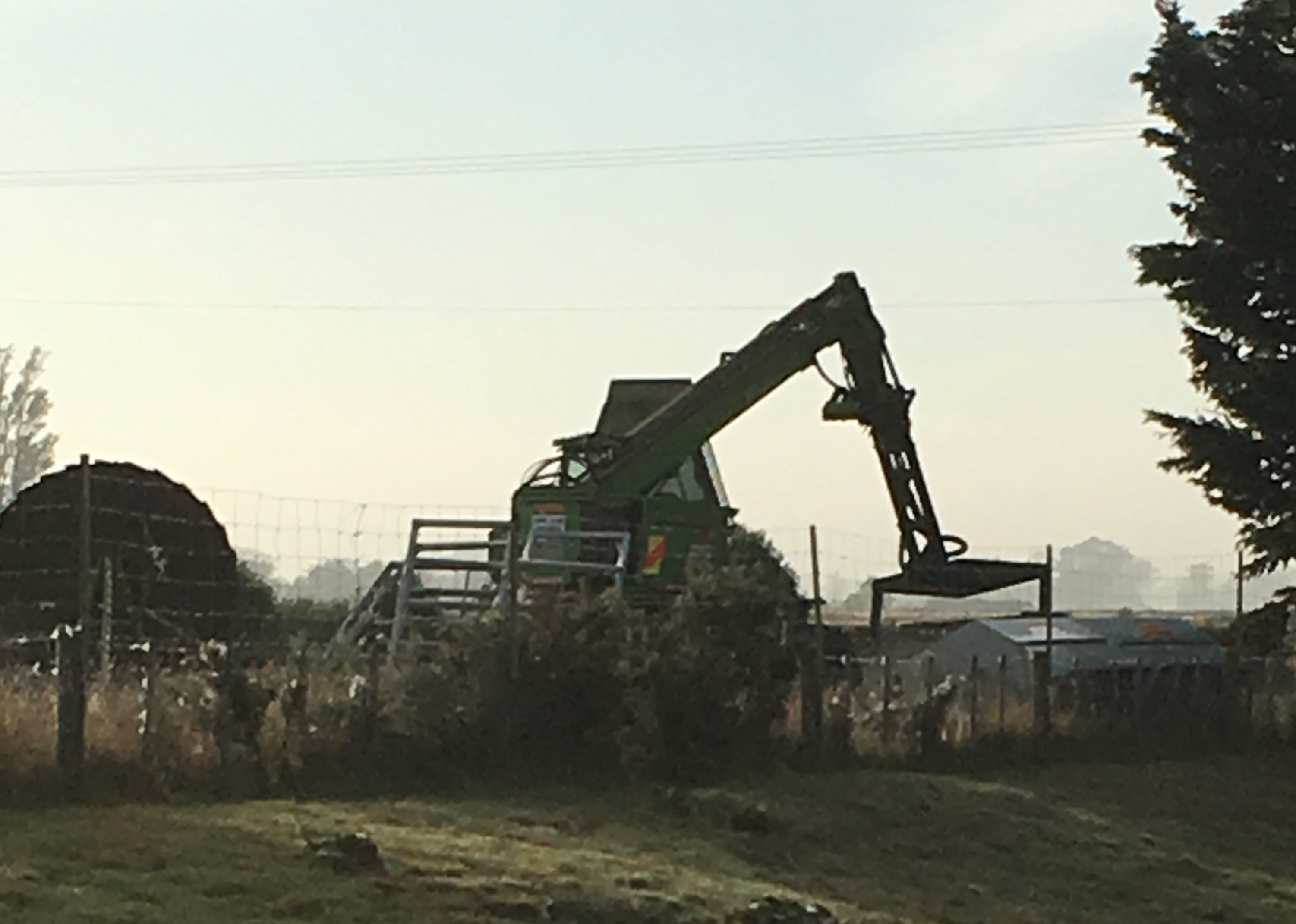
Trimmer looming out of the early morning fog. Note the circular blade to the left--he switched to that later.

Trimmer looming out of the early morning fog next door. Note the circular blade to the left–he switched to that later.

THWACK! THWACK! THWACK! THWACK! THWACK! THWACK!

The sound, like a helicopter crashing into a stand of trees, is unmistakable, though the first time I heard it, I had no idea what it was—a giant hedge trimmer.

Hedges are a necessity here on the windswept Canterbury Plains, and autumn is hedge trimming season.

Our hedge, hemmed in by fruit trees and the septic system, has to be trimmed by hand—a full-day job for my husband and me, and one we put off as long as we can every year.

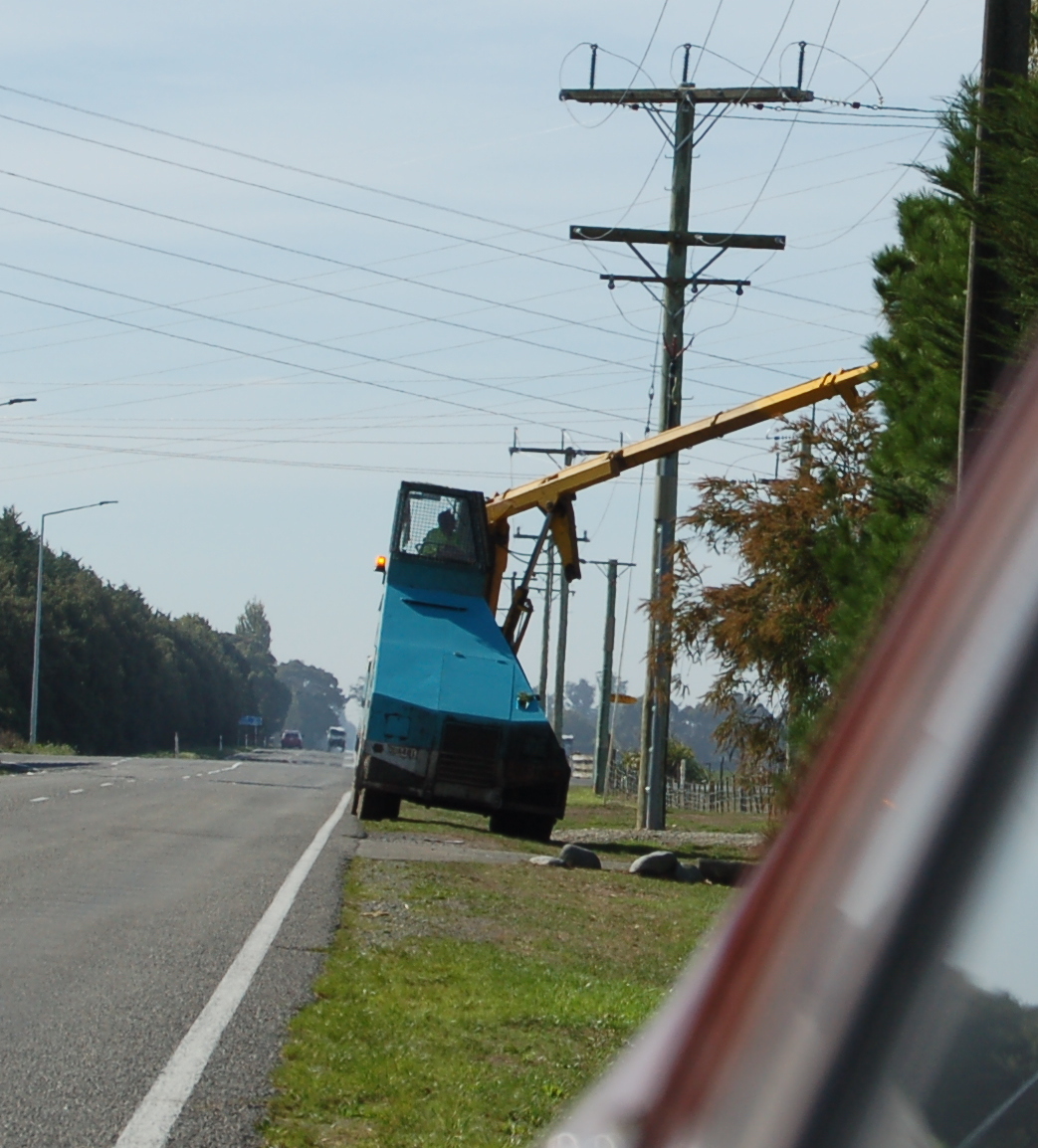
Here's another, snapped along the roadside on the way to town.

Here’s another, snapped along the roadside on the way to town.

Our neighbours, however, have their hedges trimmed by professional hedging contractors. The hedge trimming machines they use are terrifying—giant, armoured vehicles with a long crane arm bearing any one of a number of wicked-looking cutting devices.

There are circular saw blades the size of a man, two-metre wide lawn mower blades, heavy chains that just beat the branches off the hedge. The machines must be Occupational Safety and Health’s worst nightmare. Some have an 18 metre reach, and the result is perfectly trimmed hedges the size of castle battlements.


Cape Gooseberries

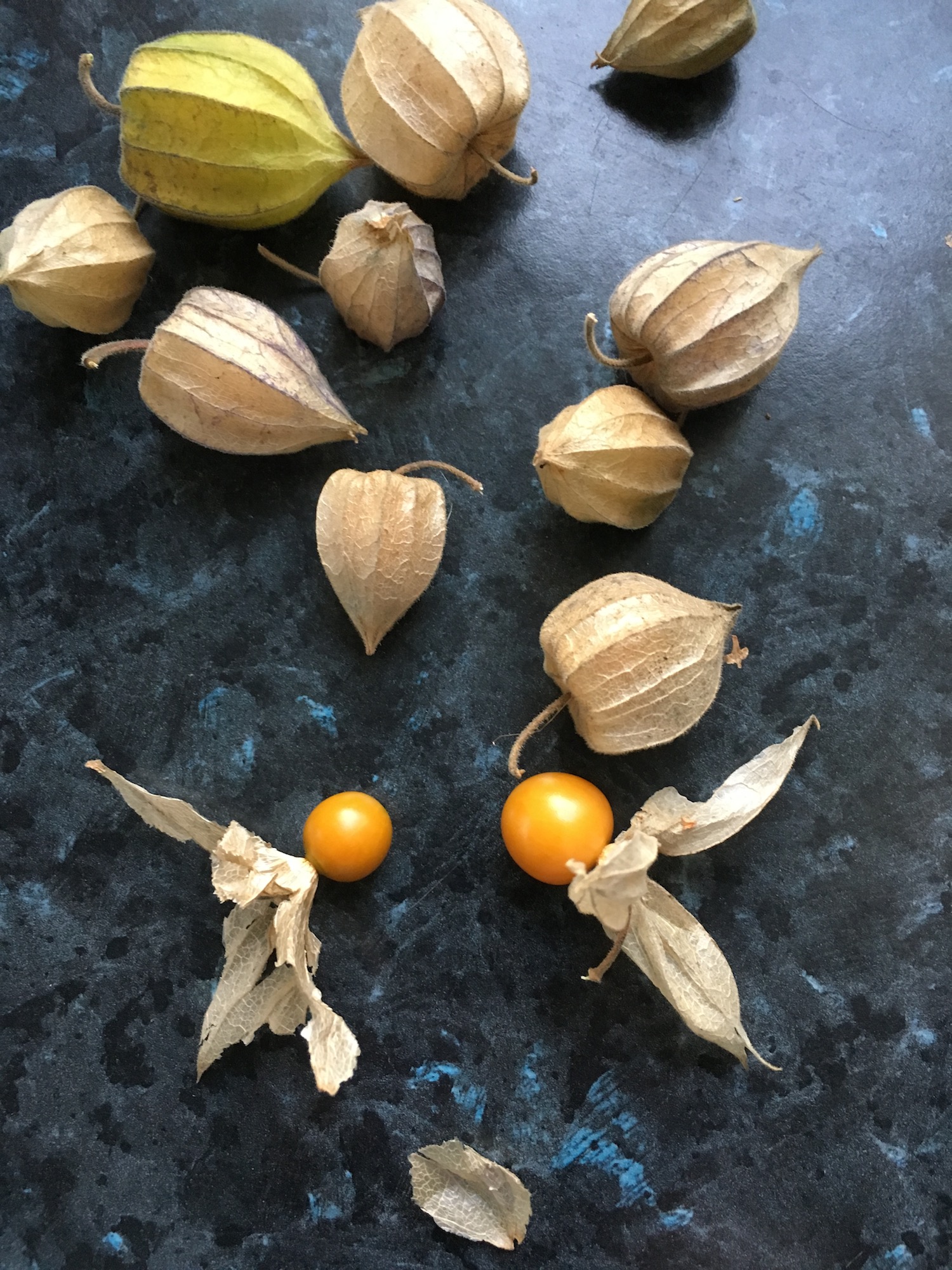
2016-03-22 19.08.56 smCape gooseberries (Physalis peruviana) are not something you’re likely to find in the grocery store. The plant is native to Peru and Chile, and has been introduced into most temperate and tropical climates around the world as a fruit for home gardens. It has been only sporadically commercially grown, however.

The fruit’s flavour defies categorisation. It is like a sour grape crossed with a tomato—not entirely surprising, as it is related to tomatoes. The initial sensation is the sour, and then they leave a lingering fruity tomato flavour in the mouth.

Cape gooseberries grow reasonably well here—some years they grow too well, actually. I’m still learning how to use them and how to enjoy their odd flavour. This year we got only a handful, as I wasn’t able to water them as much as they needed in this hot, dry summer.

Their tartness goes well in jams, chutneys, pies, and fruit salads. They’re also good eaten right in the garden—the papery husk acts as a handle, so you can snack on them even with hands dirty from gardening!

In temperate climates they are an annual, though here they often overwinter, if the weather is mild. In tropical climates they are perennial.

They’re definitely a plant to try, if you’ve never grown them.