Planning Season

It’s that time of year again, when I eagerly await the seed catalog. The garlic has been planted, and I’ve made a list of the seeds I have and the seeds I need. I’ll determine what seeds I want once the catalog arrives.

I’ve created the garden map for this coming season, but haven’t yet filled in the spaces. I’ll wait for some cold, nasty evening to do that.

I’ve been eyeing the garden itself, too. There’s still clean-up work to be done out there, and there are big mallow plants to be pulled (the chickens manage many of the weeds, but they can’t deal with mallow). I keep telling myself it won’t be long before I can get out there again. It’s a bit of a lie—it’s still six weeks before I can realistically start preparing the garden for spring. But if I keep myself busy with planning, spring will be here before I know it.

That’s my hope, anyway.

Winter Roses

It was -3°C (27°F) yesterday morning, and only 8°C (46°F) in the house when I got up to light the fire. The days are short and often rainy. Nights are long. Towels in the bathroom never dry.

Sometimes it can feel miserable.

But over the weekend, I picked roses.

And I have to remind myself that at the winter solstice in Minnesota, I was hacking parsnips out of the frozen ground with a pickaxe, and months would go by without the temperature rising above freezing. The day my daughter was born, the noontime temperature was -31°C (-23°F). I used to teach snowshoeing. The winter we moved to New Zealand, the ground froze to 3 metres (10 ft) deep–froze people’s septic systems for months. Winter was real and deadly.

By contrast, I have not worn a winter coat since we moved here twelve years ago.

The lawn needs mowing year round.

I grow a winter garden (and the vegetables don’t freeze solid).

I pick roses.

Hard to complain about that.

Name that dinner…

While doing the afternoon chores today, I considered what I would make for dinner. Before I came inside, I gathered some of the ingredients I needed from the garden and from storage in the shed.

Can you guess what vegetable I paired with these flavourful ingredients?

Yep.

You got it.

Pumpkin.

Truthfully, I didn’t decide exactly what I was making until after I gathered these seasonings; I only knew I wanted pumpkin. And to me, there’s nothing that says pumpkin like sage, thyme, onion and garlic. (Unless, of course, you’re talking sweet pumpkin, in which case it’s cinnamon, nutmeg, and allspice.)

I think many gardeners do this. We look at what vegetables we have on hand, and often know the ingredient list for our meals long before we know quite what we’re making.

Tonight I used my pumpkin in a cheesy pasta, but it could have just as easily become risotto, galette, or pot pie with very little change in ingredients.

Of course, the only reason I think sage and thyme when I consider pumpkin is because of my cultural background. If I were Indian, I might pair my pumpkin with cumin, coriander, garam masala and turmeric for a spicy pumpkin curry.

It’s what keeps gardeners from getting bored of eating the same vegetables day after day. Small changes can make a big difference in the final product.


Geeky Pruning

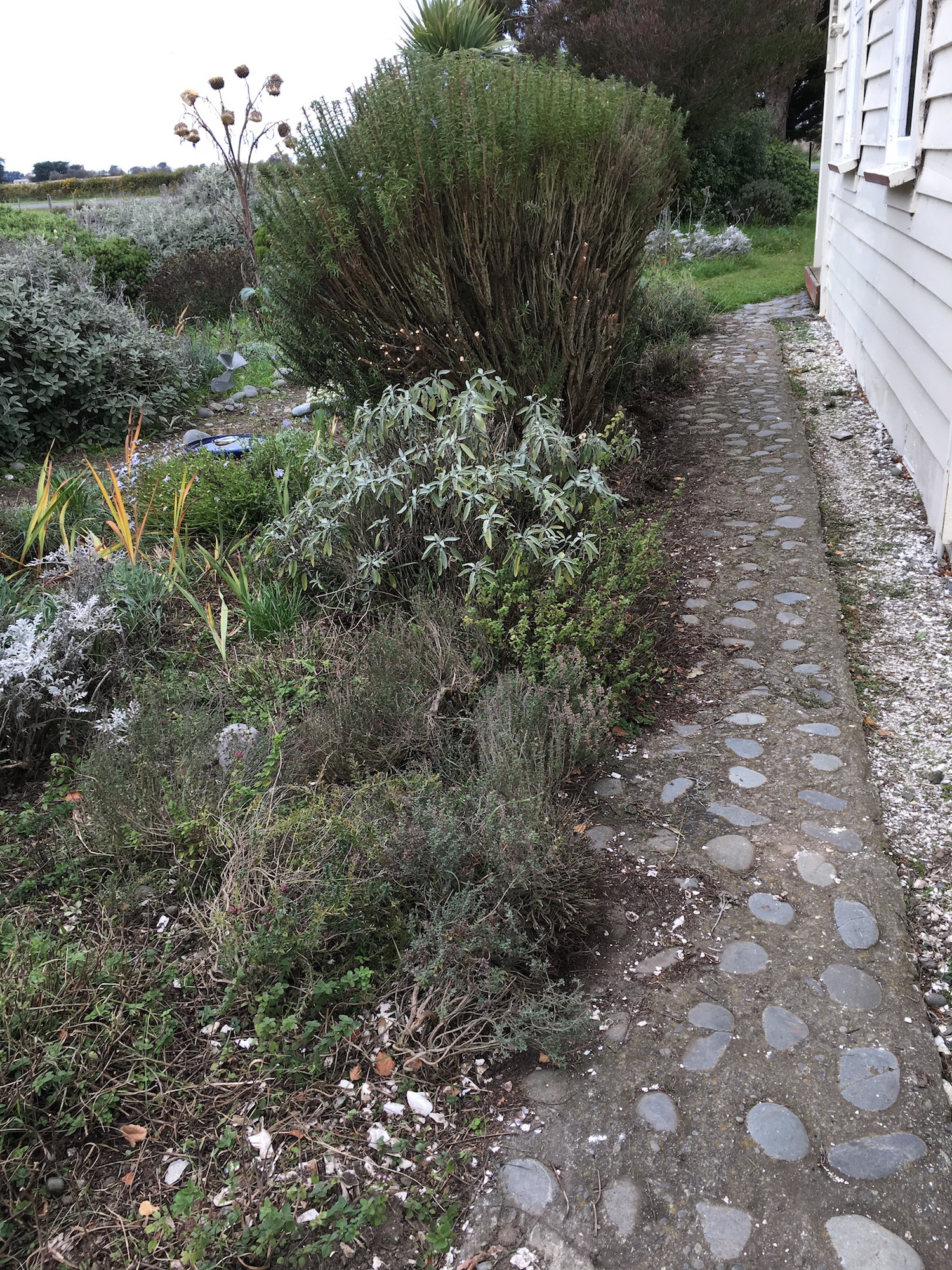
The newly cleared path and scalped rosemary.

The job had been hanging over me for two years. Every time I went to trim the rosemary bushes by the side of the house, I found them being heavily used by insects and couldn’t bring myself to disturb them. I finally had to admit that there was never going to be a good time to prune them.

So this weekend, when I found I could no longer use the path between rosemary bushes and house, and the bushes were nearing two and a half metres tall, I decided it was time to prune.

Pruning the rosemary is never a fun job—the wood is hard as nails, and every branch seems to need a different size pruning tool than the last one. To make it worse, this time the job took twice as long as it might have, because I checked every branch for preying mantids and mantid egg cases.

I shifted six adult mantids to other plants and collected eleven egg cases by the time I was done. I’m sure I missed some, but I’ve tucked the egg cases into a cage to protect them over winter, and when they hatch out in springtime, I’ll release them back to the rosemary.

A bit geeky? Yeah, I suppose it is. But there was never any question about me being an entogeek. This way, I get my path back, and I get to keep my bugs. Everyone’s happy.

Lemongrass

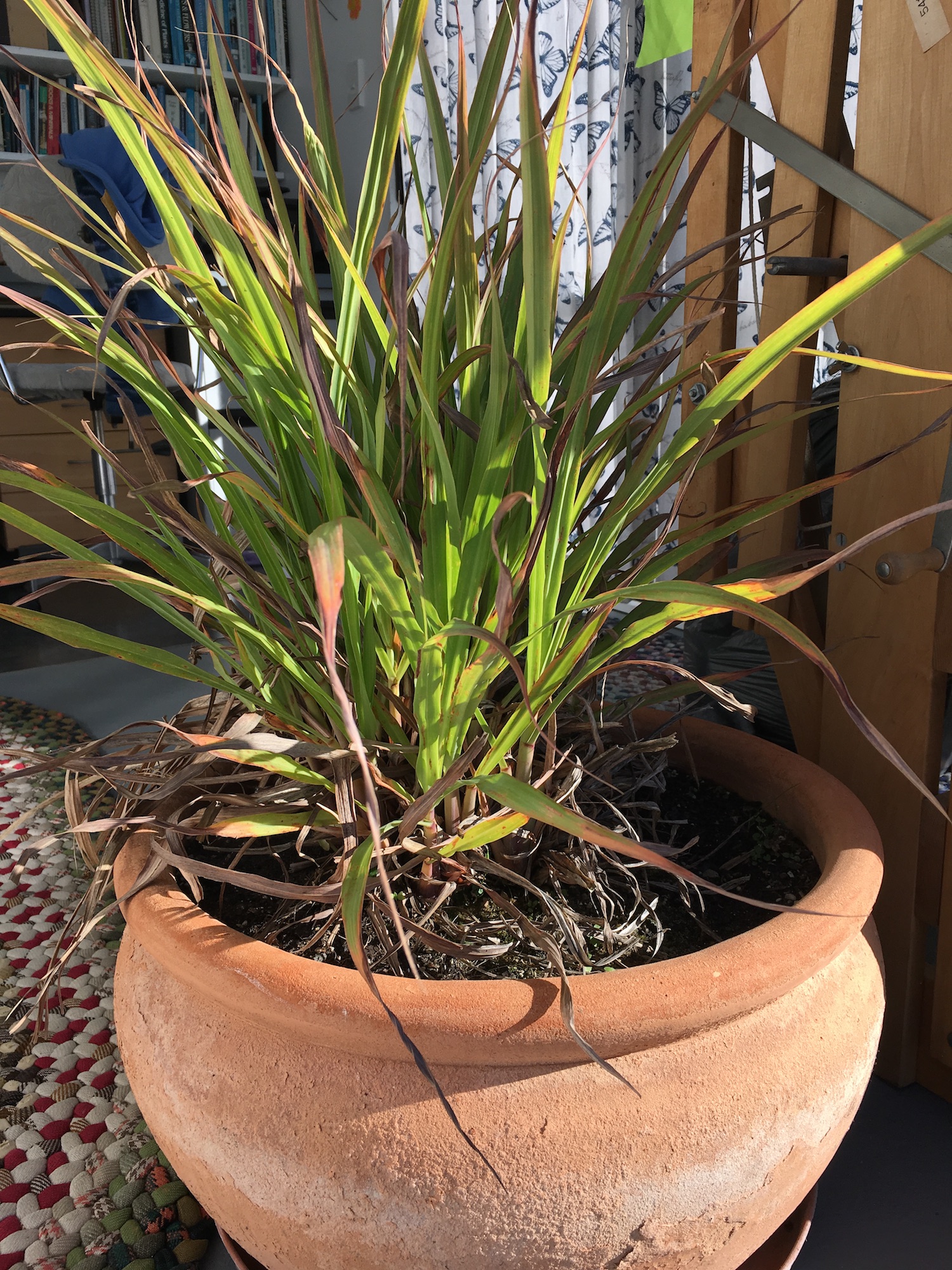
I brought the lemongrass (Cymbopogon citratus) indoors last weekend. It’s not supposed to be able to handle freezing temperatures. It does, but it doesn’t like them. The one winter I left it outside, it died back to just a few well-protected shoots in the centre of the plant.

Thankfully, it doesn’t need much protection. My office is unheated at night, but it provides enough protection to keep the lemongrass alive.

We don’t use much lemongrass. Though its lemony flavour is nice, it doesn’t have the sourness of real lemon, so I find lemongrass tea too sweet.

However, we do occasionally use it in stir fries, marinades and salad dressings, where it imparts its lemony flavour alongside other, more sour ingredients. We were first introduced to its use in salad dressings by Yotam Ottolenghi’s wonderful cookbook Plenty (which I’ve mentioned before). His sweet winter slaw recipe calls for the following dressing:

100ml lime juice
1 lemongrass stalk, chopped
3 Tbsp maple syrup
2 Tbsp toasted sesame oil
1 tsp soy sauce
1/4 tsp chilli flakes
4 tbsp light olive oil or sunflower oil

Place all ingredients except the oil in a saucepan and boil for 5-10 minutes until thick and syrupy. Allow to cool, then strain. Whisk in the oil and toss with your salad.

It’s an excellent way to use lemongrass, pairing with salty, oily, and sour ingredients that enhance its flavour. It’s worth giving up office space to the plant, just for this dressing.

Happy World Naked Gardening Day

Well, you learn something new every day. Apparently, the first Saturday in May is World Naked Gardening Day.

Thankfully, I only learned that fact after I was through with the day’s weeding and mulching.

I suspect that whoever came up with the idea of World Naked Gardening Day didn’t have a garden like mine. I spent my day pulling nettles and thistles—just the idea of doing that wearing less than long pants, long sleeves, and gloves makes me shudder. I also did some pruning. Yikes! Wielding secateurs in the nude? Then there’s the cold. It was one degree Celsius this morning. I was wearing a merino top, a jersey, and a wool hat when I started the day’s garden work, and even so, my toes were numb by morning tea time. Had I been nude, it would have been full-blown hypothermia.

I’ve got no problem with the idea of hanging out in the nude, or playing nude volleyball, or whatever, but gardening? I’ll pass on that one, thanks.

But, you know, if you’re keen, today’s the day. Happy World Naked Gardening Day!

Garden Rescue Mission

A southerly storm blew through yesterday, and the clouds cleared around midday today. The sun was warm this afternoon, but the wind remained chilly. This evening was clear and still. Perfect conditions for a frost.

There are few summer vegetables left at this point. The tomatoes outside the greenhouse are all dead. The peppers and eggplants are ripening their final fruits, the zucchinis and cucumbers are maturing at a tiny size. The corn has all been eaten, and the runner beans are giving just a handful every few days.

A frost will kill everything left in the summer garden, so I went on a rescue mission this evening. I gathered in everything that was still decent, whether it was fully ripe yet or not, assuming that anything left in the garden will be dead by morning.

It felt oddly good.

It’s not that I won’t miss the fresh tomatoes and eggplants of summer, but I also look forward to the pumpkins, potatoes, and beans of winter. As they say, variety is the spice of life. I would say that seasonality is the spice of life. Food marks the course of the year, and each crop has its own time. It gives the year variety and interest. It gives us things to look forward to with each season.

So, while I mount my summer vegetable rescue mission, I don’t worry about the loss of those summer crops. There are other delights to come.

Tea Season

It’s tea season here. I don’t drink a lot of tea in the summer–coffee is my morning drink of choice–but when the weather turns colder, I enjoy tea in the afternoon and evening.

I generally avoid caffeine in the evenings, so my tea choices at that hour are somewhat restricted. I’ve never particularly liked any of the commercial herbal teas. Fortunately, there are some delightful alternatives.

My favourite is probably tea-less chai. I keep a mix of chai spices (star anise, cloves, cinnamon, cardamom, chilli flakes, and crystallised ginger–all in whole form, not ground) in a jar in the cupboard, so it’s easy to toss a spoonful into the bottom of a cup for a hot spicy drink.

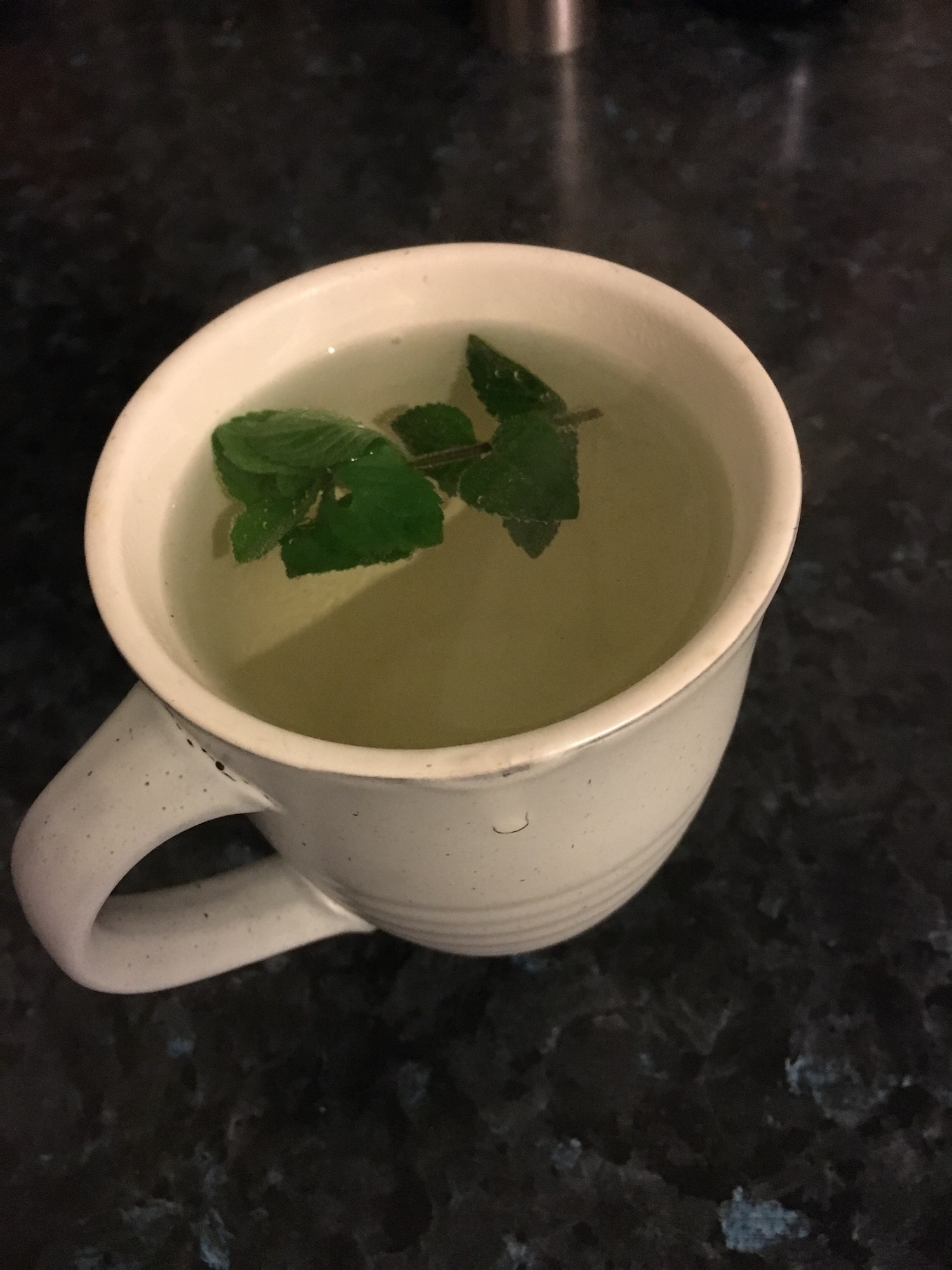
I’m also very fond of mint. The dried mint tea you can buy is grassy, to my taste, but a fresh sprig picked from the herb garden makes a lovely cup of tea. I particularly enjoy mint tea when I have a cold, as it seems to do a good job of soothing a sore throat and clearing sinuses.

Also available fresh from the herb garden is lemon verbena. I have to admit I’m not a huge fan of lemon verbena tea. Too much lemon-scented Pledge when I was a kid–the flavour has a bad association with furniture polish for me. But occasionally, it’s nice for a change of flavour.

My husband enjoys putting a few chunks of crystallised ginger and slices of fresh lemon in a cup for a lemon-ginger tea that far surpasses the commercial tea-bag kind.

I enjoy tea season for its variety and its fresh-from-the-garden flavours.

Coloured Cornmeal

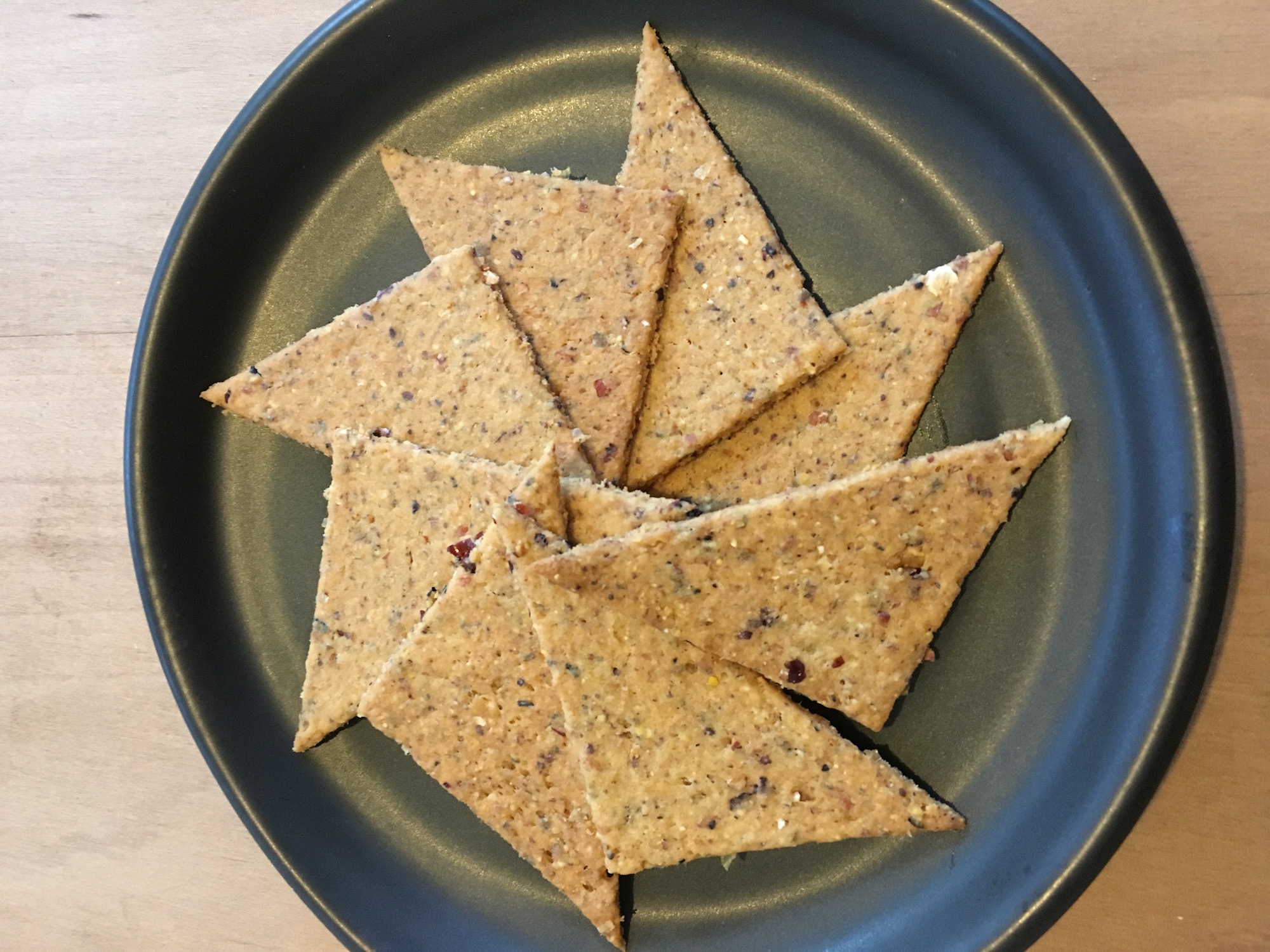
Our beautiful Painted Mountain corn is fully dry. Today my son and I ground enough to make corn chips.

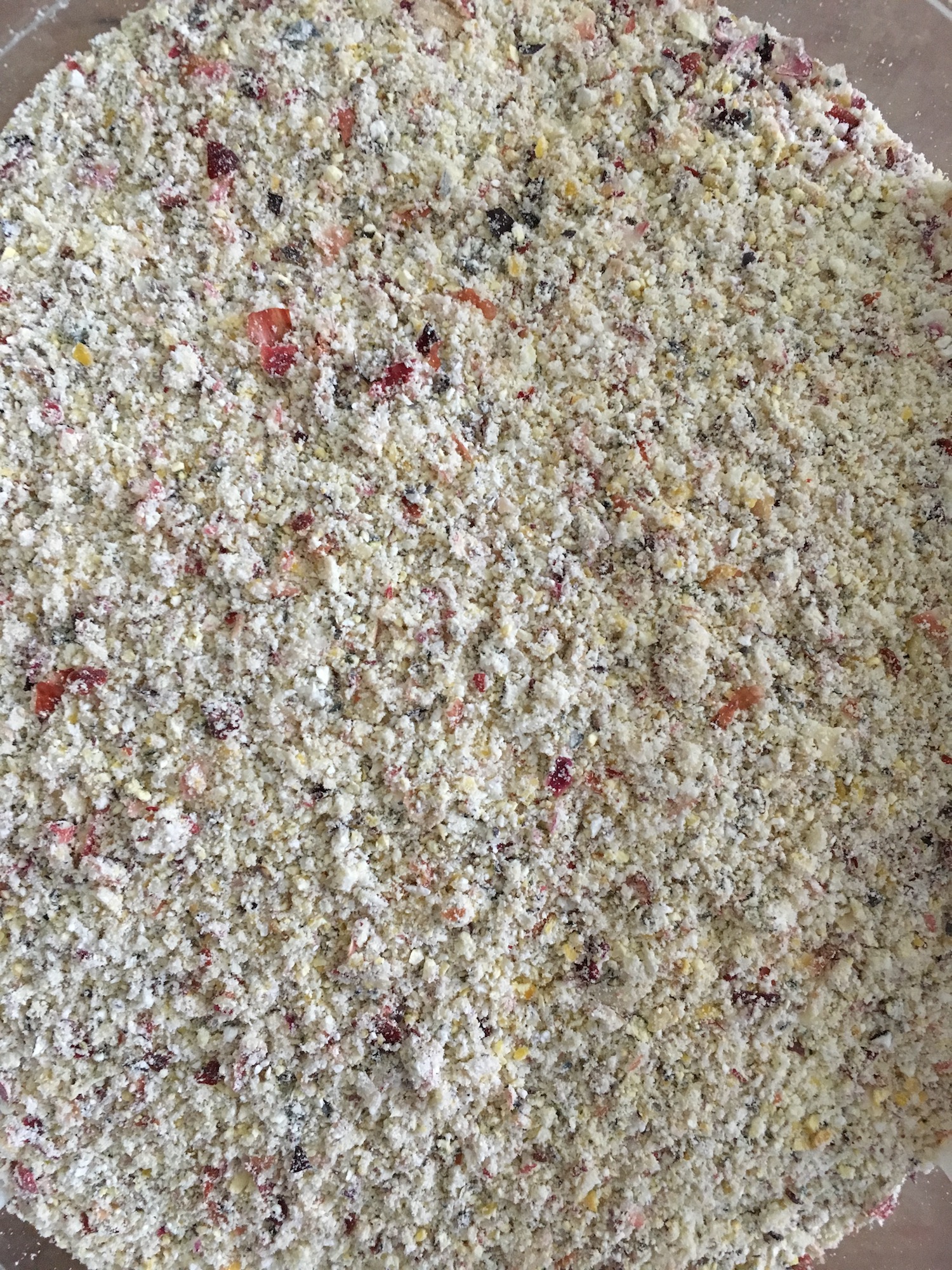
It ground quite nicely in our coffee grinder (well-cleaned, first). I was a bit disappointed to note that the interior of the kernels was white. The resulting cornmeal wasn’t the rosy colour I’d hoped. Instead it was flecked with colour–confetti cornmeal.

The resulting corn chips were delicious. Right out of the oven, the taste was reminiscent of popcorn, but fully cooled, the popcorn flavour diminished.

Were they better than corn chips made with commercial cornmeal? The jury is out. I think we need to do side-by-side taste testing to determine which is better. I suspect my family will be thrilled to oblige. We might just have to have a chip and dip party (ooh, this gets better and better).

Am I happy I planted Painted Mountain corn? Absolutely! My son is grinding the next batch of meal as I type, and we’re looking forward to trying it in all manner of dishes. Maybe the taste will be no different from commercial cornmeal, but we will know it came from our garden, and that will make it taste twice as good.

A Tale of Two Walnuts

We have two walnut trees, both of them young. The older of the two gave us a few walnuts last year and one the year before. This year it gave us several good handfuls of nuts.

That’s not anywhere close to satisfying our annual walnut consumption. We put walnuts in granola, baked goods, burgers, tofu meatballs, and rice pilaf, among other things. We eat them as snacks, too, and I buy them in kilo-sized bags.

But walnuts here are all the mild English walnut (Juglans regia). They’re a good staple, but somewhat tame. Not something to feature in a dish.

Not like American walnuts (Juglans nigra). To me, these are the true walnuts–piney-flavoured and bitter, difficult to shell, with thick green husks that leave your fingers black. There aren’t many foods from the US that I miss anymore, but American walnuts are one of them.

When I was a kid, every Christmas my mother made walnut crescents–moon-shaped shortbread cookies packed with American walnuts and rolled in confectioner’s sugar. They melted on the tongue, and burst with nutty flavour. I made the mistake of making these with English walnuts once. They were vapid little sugar bombs. Not at all like real walnut crescents.

I have looked high and low for American walnuts here in New Zealand, with no luck. One time I saw a label in the grocery story saying “American walnuts”, and I was thrilled. Then I looked at what they were selling. The nuts weren’t American walnuts, they were English walnuts grown in America.

So I buy the cultured, mild-mannered English variety and dream of the wild, brash variety of my homeland.