Gate Sales

I picked up a kilo of honey and a lovely variegated sage plant while I waited for my son at piano lessons today. And I didn’t step into a grocery store or a nursery.

One of my favourite aspects of New Zealand life is the practice of ‘gate sales’–selling your produce at the farm gate. Gate sale setups can be elaborate, like the beautiful flower cart one of the local daffodil farms uses, or they can be simply a table or box by the side of the road. They operate on an honour system–there’s no one there to make sure you pay–you simply drop your money into a box. Theft does happen–I know from my own experience–but most people are honest.

I’ve seen all sorts of things for sale on the roadside–all manner of vegetables, eggs, walnuts, plants, honey, in-season fruits, flowers–whatever the grower has in abundance. And it’s not just commercial growers–did your lemon tree produce a spectacular crop? Sell the excess at the gate. Zucchinis out of control? Sell the them at the gate. I used to pay my entire year’s garden expenses from gate sales of whatever was extra. I’ve gotten better at planning in recent years and have two teenagers in the house now, so I don’t have the same problem with excess produce anymore.

While I don’t sell much anymore, I take full advantage of those who do. I’ll even go out of my way to buy something (like honey) directly from the farm, rather than picking it up at the grocery store. Other times, the farm is much closer than the store. If we’ve run out of potatoes or eggs, all I have to do is walk to the neighbour’s place to get more. I like the idea that my money is going to the producer, and not to all the middlemen. I like fact that whatever I’ve bought has been locally produced. I like the feel of the trust inherent in the transaction. It feels good, neighbourly, and personal.

As we move into spring and summer, gate sales will be increasing. I’ll be ready, with my ’emergency’ stash of loose change in the car so I can stop and pick up whatever is fresh and at the gate today.
Equinox Excitement

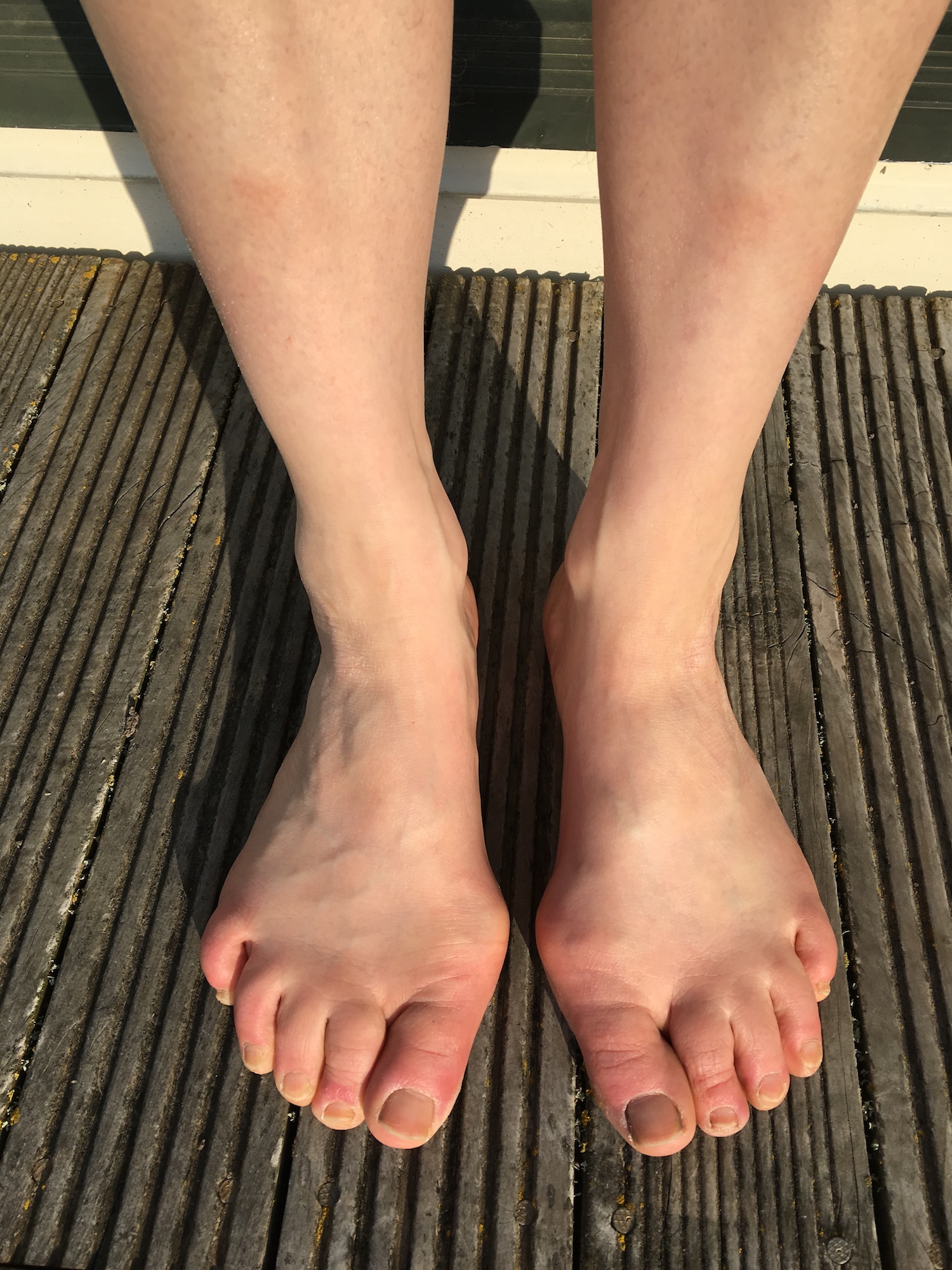
Time to liberate the feet! The temperature hit 28ºC today. Hard to believe it’s that warm just two days past the equinox. I can’t complain, though—it was lovely in the garden this weekend. The only problem was that I’m still clearing the winter nettles away, so it was gumboots and jeans out there. Long about three this afternoon I called it quits and shed the protective gear for shorts bare feet—pure bliss!

I’m sure there will still be cold and wet days, there will be frost, but there’s something exciting about the changing weather at this time of year.

So a happy equinox to you all. We’ve enjoyed a taste of what’s to come here this weekend. Perhaps you’ve had summer’s last hurrah, or the first bite of autumn. Wherever you are, and whatever your weather, I hope you got out to enjoy the changes around you.

An Egg-cellent Harvest

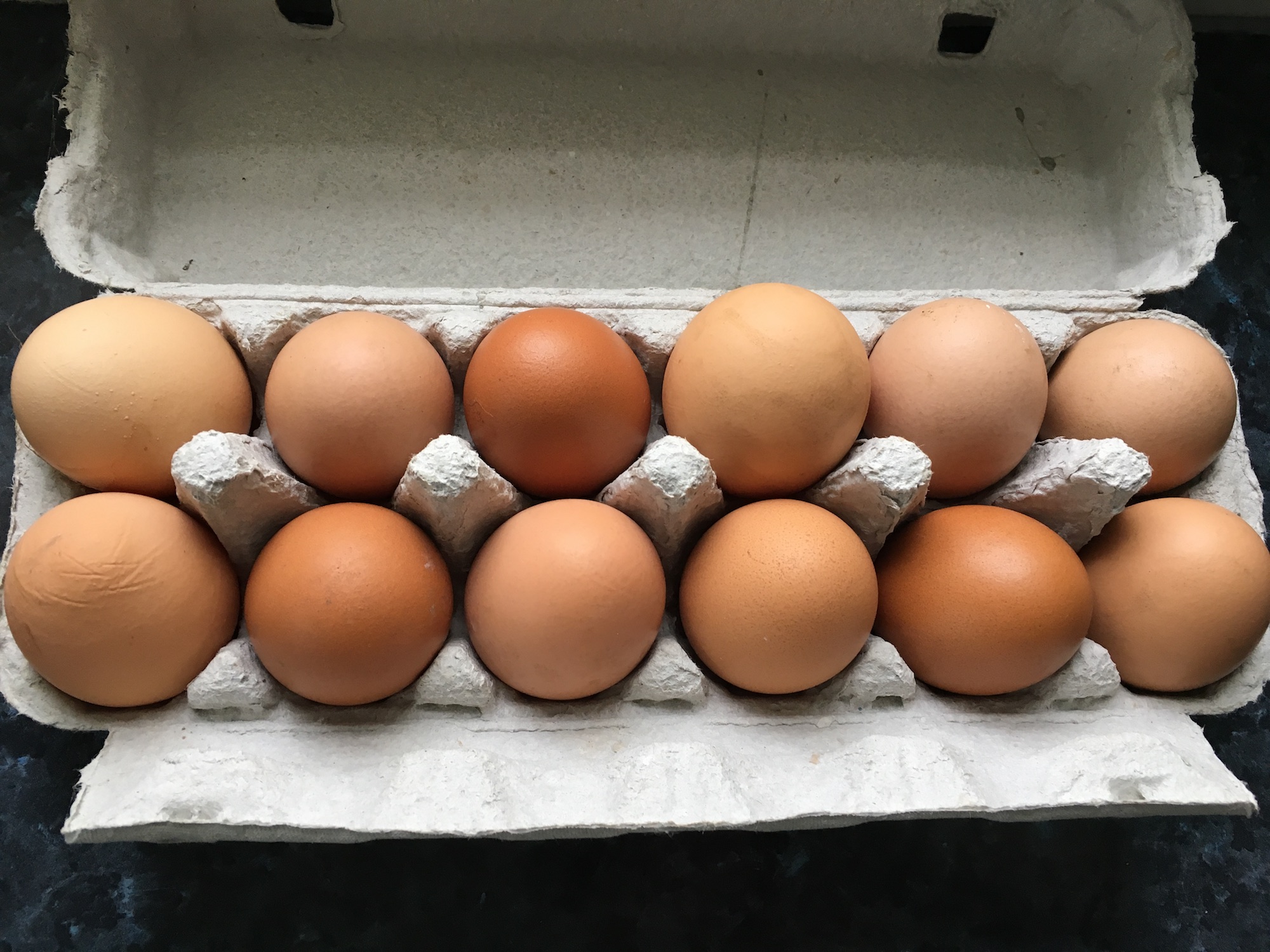
A few months ago I bought three new chickens because my old girls were no longer laying. I was convinced it wasn’t just a winter slump, because they really were getting on in years (for chooks), and they’d stopped laying long before winter.

But I think they’re trying to one-up the new chickens, because now that all three new ones are laying daily, the two remaining old ones have started laying again.

So now I’m getting five eggs a day–way more than we’re used to eating.

And that’s just fine by me. It’s a sparse time of year in the garden, so a few extra eggs are welcome in our diet. And if we can’t eat them all, eggs make great gifts. One of the things that makes rural life seem like such a luxury is seasonal abundance. There may be little left in the veggie garden beyond a few old beetroots, but we can still spread around our rich harvest of eggs.

Stay Sharp

It’s the time of year when I have too much to do in the garden. It’s a race to get the garden beds prepared before the vegetables are ready to go out into them. It’s a race to keep ahead of the weeds in the perennial beds. It’s a race to get the finished compost out of the bin before I need the space for fresh material.

I hate to waste my garden time. I hate to take breaks, because every minute I’m not out there is a minute for the weeds to get ahead of me.

But I’ve learned that some breaks are not a waste of time. Sharpening the hoe is one of those breaks that pays for itself. When I’m using the hoe a lot, I stop every couple of hours to sharpen it. It takes just a few minutes, and it makes the job much easier and faster.

A nicely sharpened and well-maintained tool can make all the difference between back-breaking drudgery and a job efficiently completed.

It pays to stay sharp.

Nettle Season

It’s stinging nettle season and, as I’ve mentioned before, my garden is host to an irritating quantity of nettle—quite literally.

But though it is a stinging weed, I’ll admit to a certain fascination with nettle. Look at the stinging hairs (trichomes) under the microscope, and you’ll find beautifully wicked structures like fine hypodermic needles. Those syringes are full of an irritating mix of acetylcholine, histamine, serotonin, moroidin, leukotrienes, and formic acid to irritate your skin.

But the triggering mechanism for the trichomes depends upon turgor (water pressure), so once a nettle wilts, it can’t sting.

And once it wilts, nettle is an incredibly useful plant. It is edible and quite nutritious for both humans and livestock. The cooked greens are used in traditional dishes throughout the Northern Hemisphere where it is native.

It can be used to make a vegetarian rennet for cheesemaking, and is used to flavour and decorate some cheeses. I’ve made nettle rennet myself as a substitute for commercial rennet when I’ve run out.

Nettles can be used to make tea, cordial and beer.

The fibrous stems can be used to make linen-like textiles. The roots can be used to make a yellow dye.

Fed to chickens, nettle is an effective egg colourant, which may explain the deep orange colour of my chickens’ egg yolks at this time of year.

All in all, stinging nettles don’t deserve their bad reputation. Like many of our weeds, they’re useful plants that we’ve forgotten how to use.

Zombie Cat

A hapless zombie cat victim.

At this time of year, birds and small mammals are distracted. They’re busy fighting over territories, building nests, and mating. There are young, naive animals fluttering, scurrying and hopping about.

So it’s no surprise the cat catches more prey in spring. English sparrows, mice, rats, rabbits–he brings almost all the major vertebrate pests home and leaves them on the porch for us.

I don’t mind, really. It doesn’t bother me to have to dispose of his kills–I’m not squeamish about it, and I’m happy he’s dealing with at least some of the animals that destroy my garden and wreak havoc in the sheds.

But there’s something that worries me.

I’m afraid the cat is a zombie.

Rodents, birds, rabbits…they all show up headless. The cat doesn’t seem interested in eating anything except the head. Even on a succulent rabbit, he ignores the meaty legs and flank, and goes straight for the head.

Maybe it’s just the crunch he likes, but I think it’s more sinister than that.

Now every time he gives me his wild-eyed look, I can almost hear him say, “Braaaaaaaaaaaains.”

Missing My Mix

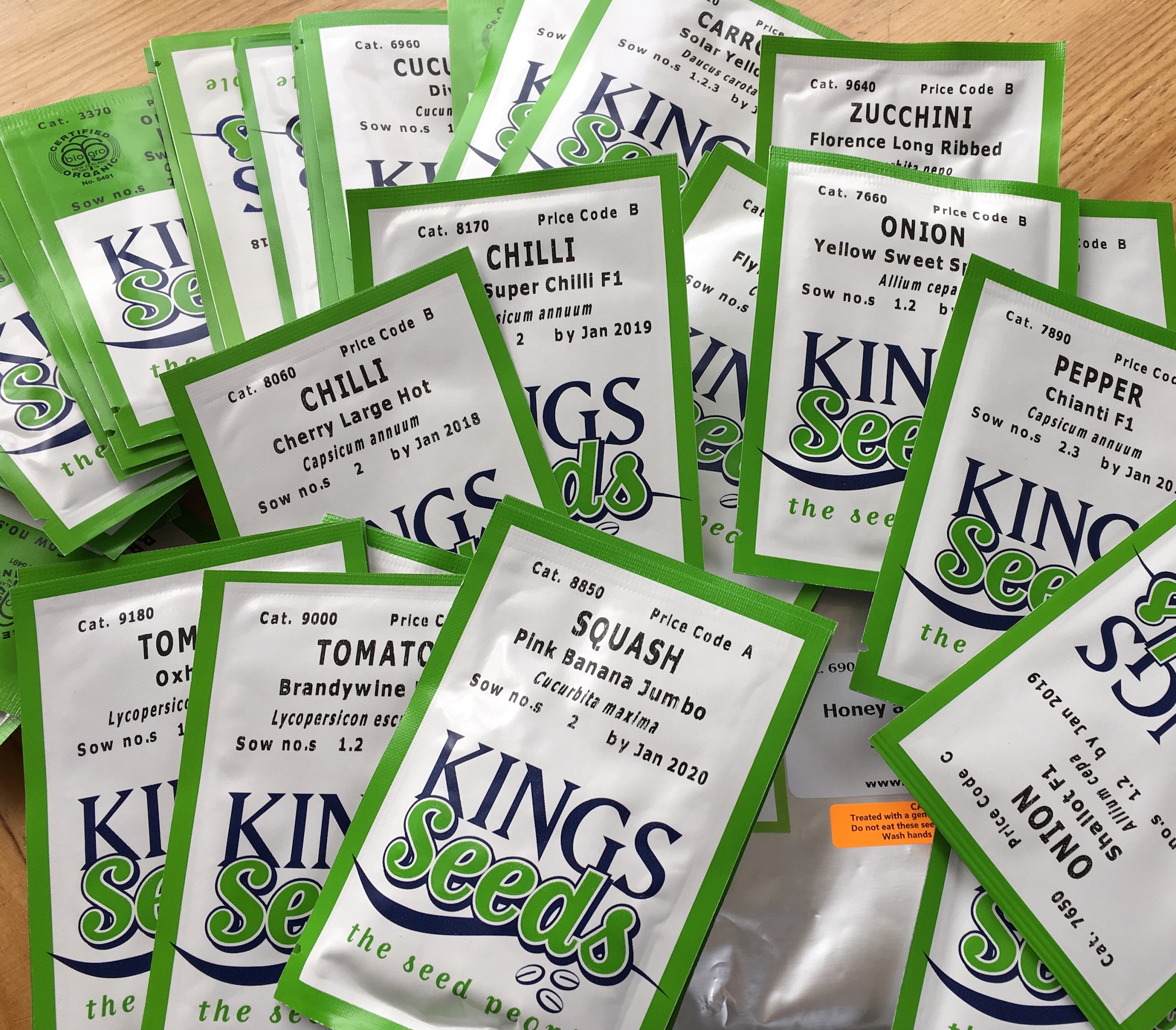
I planted my first vegetable seeds this weekend. I had planned on planting them last weekend, but when I looked at my garden notebook from previous years, I decided it was a few days too early. So I was doubly eager to get my hands dirty this weekend.

But when I opened one of the bags of growing mix I bought this week, I discovered it was thick with fungal hyphae. They’re saprophytic fungi, to be sure—not technically interested in eating live plants—but in that kind of quantity, they could easily overwhelm my seeds and seedlings. When I opened the second bag of mix, I found it was the same.

I looked at the mountain of seeds I intended to plant, then at the small quantity of growing mix I had left from last year. There was no way I had enough to plant everything. It was already past 1 PM on Saturday—the nearby stores would be closed for the weekend. To get more soil would require a 45 minute drive to the city. Yuck.

So I did triage. Some of the plants I start in August are summer crops that need a long time indoors to get growing (eggplants, peppers, cape gooseberries). These I planted today. Others are spring crops that can go out to the garden as soon as they’re big enough to survive the slugs, birds, and drying winds. Every year I’m in a race with those early crops. They’re always ready before I’ve prepared the garden beds for them. I left many of these for next week.

In the end, the lack of planting mix will probably mean a more pleasant, less stressful spring planting season for me. And if it goes well, I might look back at my garden notebook next August and learn a thing or two about pacing my planting.

Pre-planting Chore

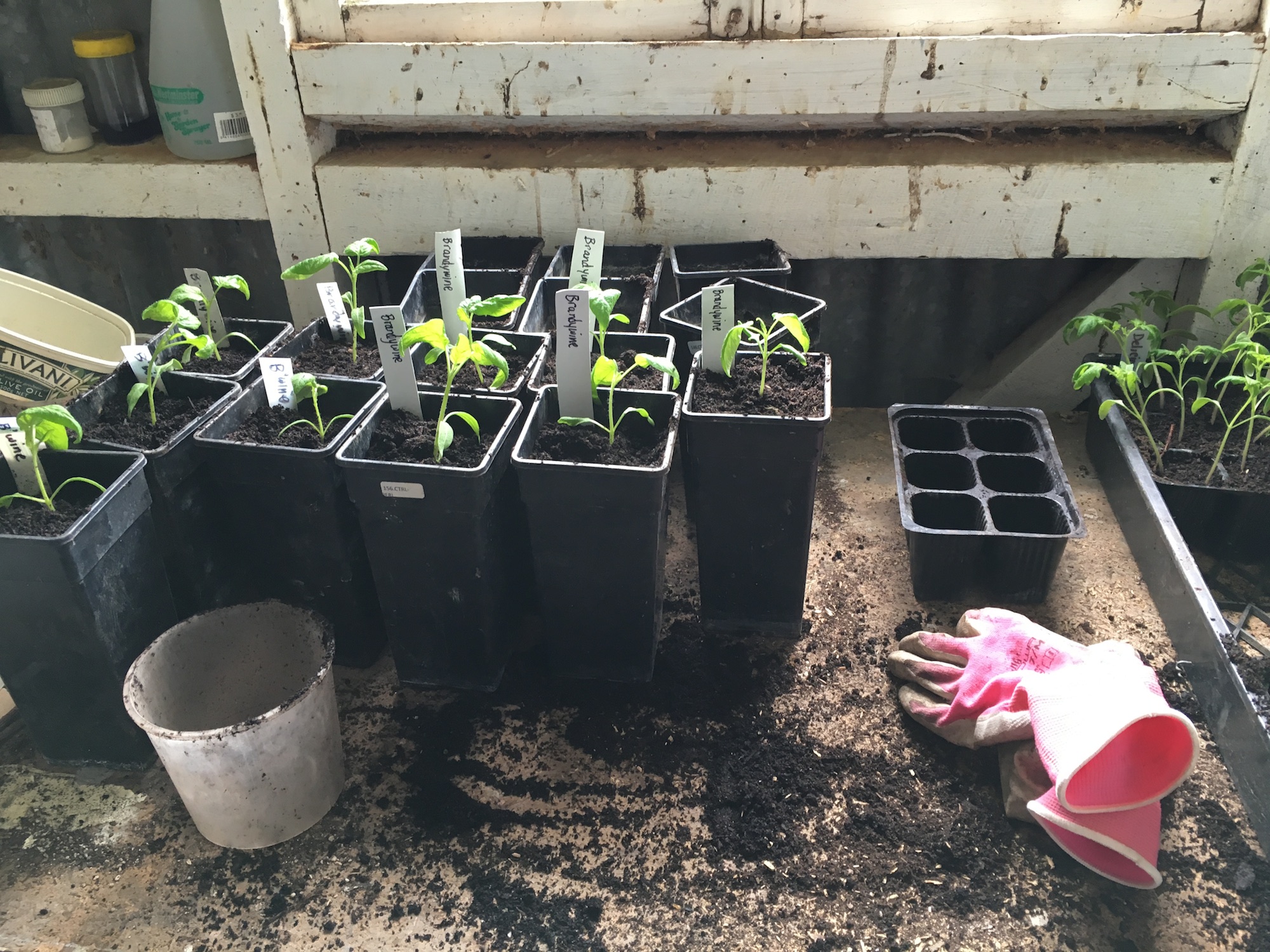
The potting bench in better times…

I suddenly realised today that tomorrow is the first of August. That means just two weeks until I start planting seeds for the vegetable garden!

Two weeks! Woo hoo!

That unalloyed excitement lasted a whole ten minutes, until I stepped into the garden shed.

It’s a scene of utter destruction. All through the autumn and winter, I’ve been walking in, tossing something on (or in front of) the potting bench, and then walking out.

Yeah, yeah…I’ll deal with that later…

Well, later has come.

Later is now.

I have two weeks to whip the shed into shape, or I won’t be doing any planting on the 15th of the month.

I know what’s on next weekend’s to-do list.