Apricots…with recipe

2016-02-16 18.53.39 smAs I wandered through the pond garden yesterday evening, watching the fish and the damselflies, I noticed that the apricots had blushed. I tested one. It was soft and ripe—so ripe, the juice dripped down my arm when I bit into it.

This was the first year the apricot tree has given us anything, and the wind stripped many of the fruits a month ago, but there were still about two dozen on the tree, and they were all ready to pick.

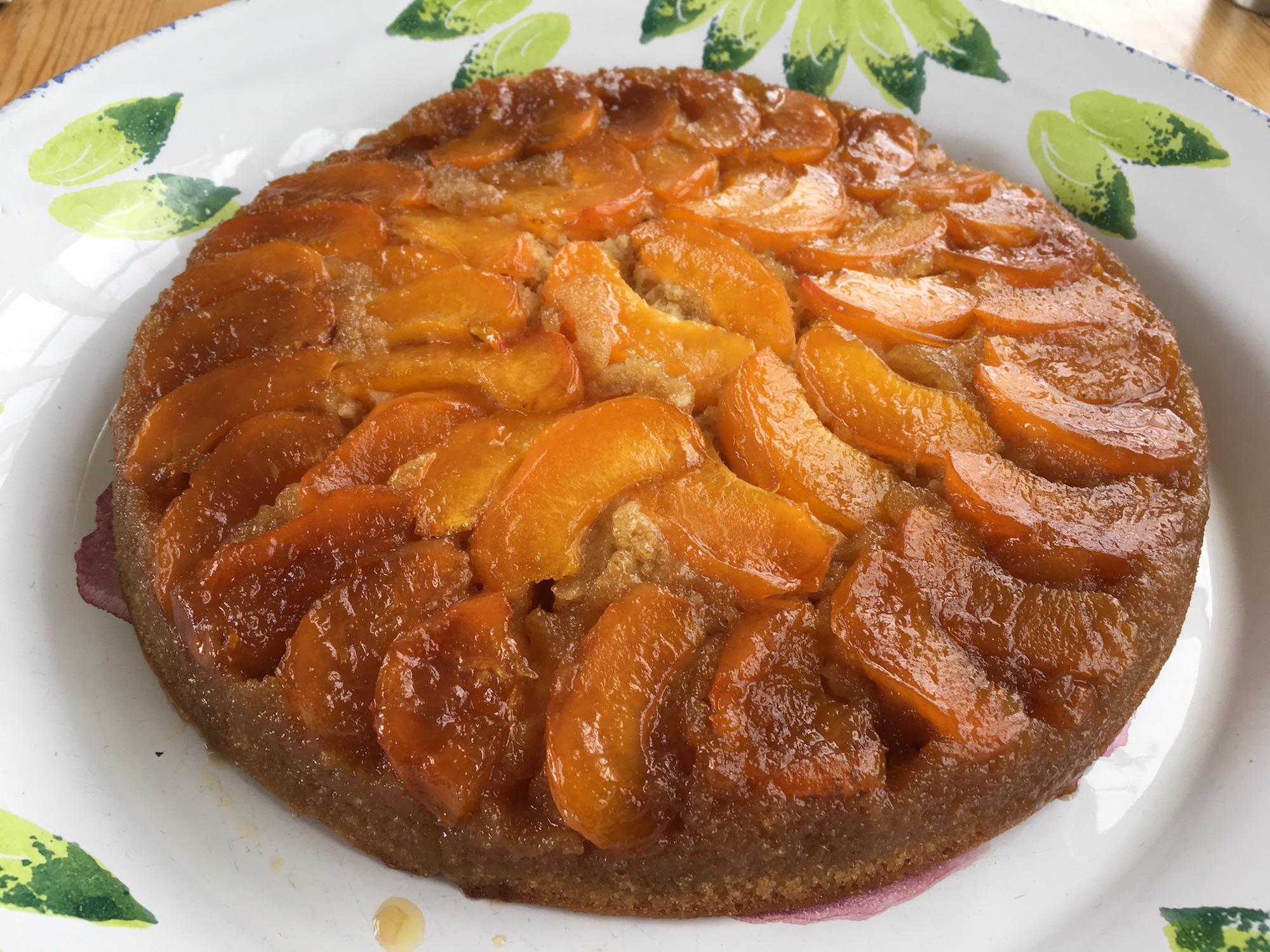
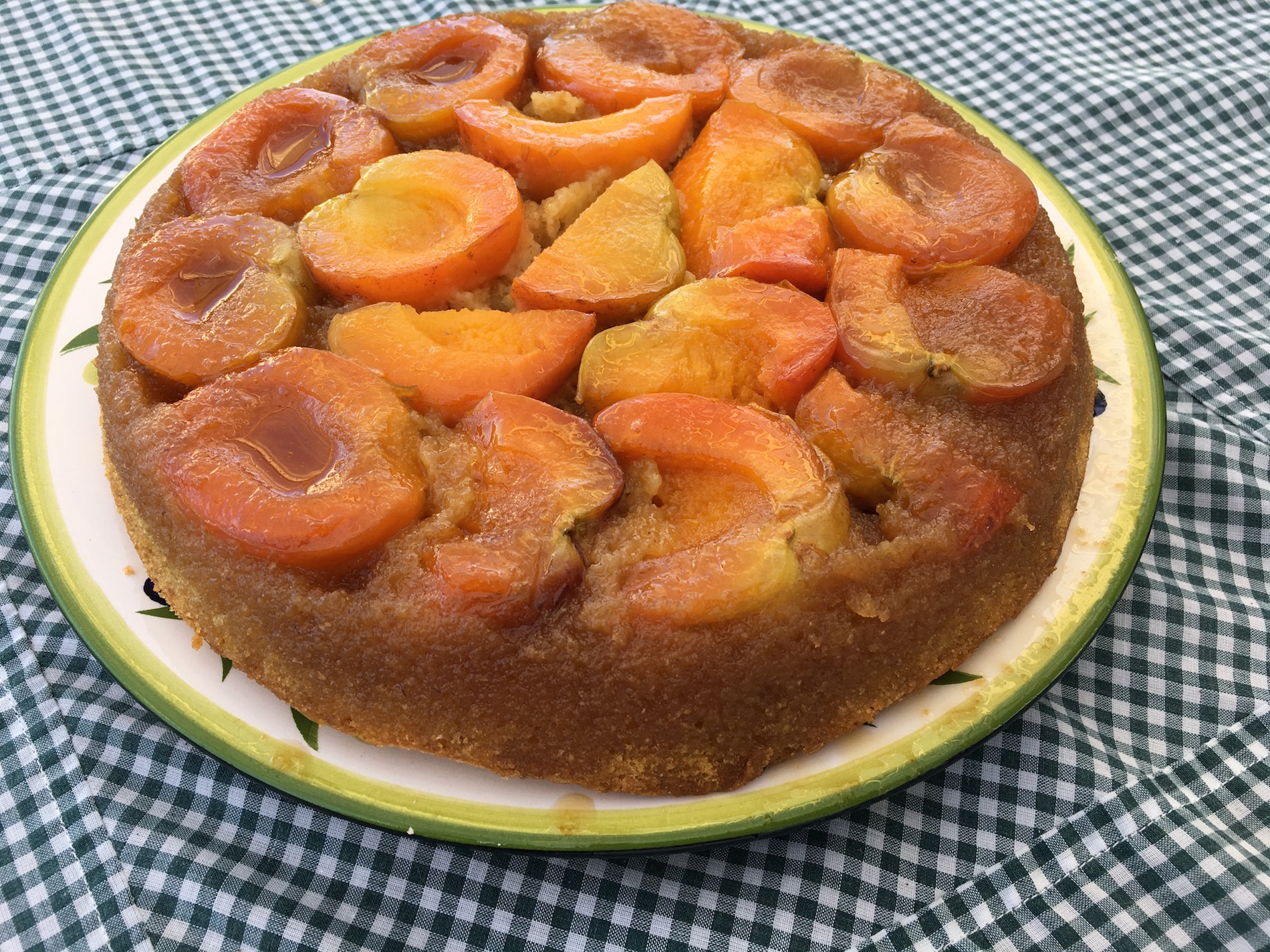
So this afternoon, I made apricot upside down cake—for the second time in a month. This time, I’ll give you the recipe…

This is adapted from a recipe in the 1997 edition of Joy of Cooking.

Melt 3 Tbsp butter in a 9-inch (20cm) cast iron skillet or round cake pan. Tilt the pan to coat all sides with butter.

When the butter is melted, sprinkle ½ cup brown sugar evenly over the bottom.

Arrange apricot halves, cut side down in the bottom of the skillet, completely covering the bottom.

Whisk together in a medium bowl:

2 large eggs

2 Tbsp buttermilk

½ tsp vanilla

Combine in a large bowl:

½ cup all-purpose flour

½ cup whole wheat flour

½ cup brown sugar

¾ tsp baking powder

¼ tsp baking soda

¼ tsp salt

Add to the flour mixture:

6 Tbsp softened butter

6 Tbsp buttermilk

Beat on low speed just until the flour is moistened, then increase the speed to high and beat for 1 ½ minutes. Add one-third of the egg mixture at a time and beat 20 seconds after each addition. Pour batter over fruit.

Bake at 180C (350F) for 35-40 minutes. Cool in the pan for 2-3 minutes before unmolding. To turn the cake out, run a knife around the edge to ensure the cake has separated from the pan. Place a plate on top of the pan and quickly flip pan and plate together. Carefully lift off the pan.

Boletes! Cepes! Porcini!

2016-02-05 18.22.23 smIt’s that time of year again. A little rain last week, and we’ve got porcini mushrooms (aka Cepes, Boletus edulis), collected from a location that will remain undisclosed, lest others beat us to them.

The wonderful, earthy flavour of these wild mushrooms makes any dish special. Bored with the “usual” meals, I decided to make Friday’s dinner a Fun Friday sort of meal.

2016-02-05 18.28.40 smInspired by the mushroom packets in Yotam Ottolenghi’s book Plenty, I put together these divine little parcels that turned dinner into Christmas morning.


The following quantities made nine packets.


600 g small boiling potatoes, cooked

500 g fresh green beans,

125 g fresh oyster mushrooms

1 medium fresh porcini mushroom

½ cup chopped cutting celery

½ cup chopped fresh parsley

¼ cup chopped fresh oregano

1 Tbsp chopped fresh thyme

½ cup olive oil

1/3 cup half and half

Salt and black pepper to taste


Chop the vegetables and mushrooms into small cubes. Gently mix all ingredients in a large bowl. Place portions of the mix in the centre of large squares of baking parchment. Scrunch up the edges of the parchment and tie with cotton string. Place parcels on a baking sheet.

Bake at 200˚C (400˚F) for 20 minutes. Remove from the oven and allow to sit for a minute before serving.

Onion and Goat Cheese Tart

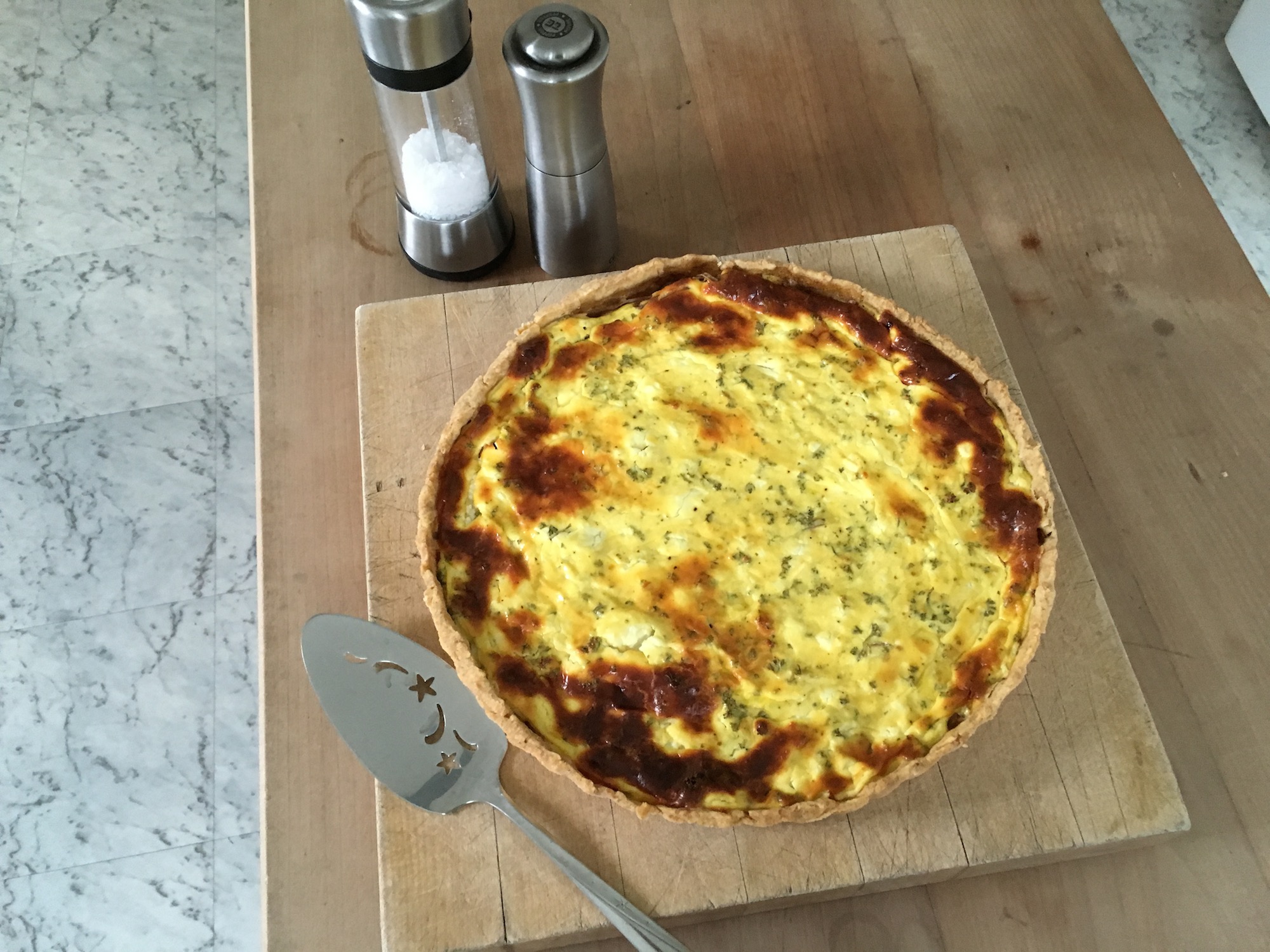
2016-01-23 17.44.36 smThere are dozens of variations on this tart available on the Internet. Here’s my version. This is best served at room temperature, outdoors on a hot day with a glass of white wine.

2 medium to large red onions

2 Tbsp olive oil

2 Tbsp balsamic vinegar

1 tsp brown sugar

500 g chevre or other soft goat cheese

3 eggs

¼ – ½ c chopped fresh parsley

salt and pepper to taste

pastry for a single crust 10-inch tart (I use my favourite pie dough recipe for this)


Line the tart pan with pastry and allow to chill in the refrigerator as you prepare the filling.

Cut the onions into strips, and sauté on medium-low heat until they are well cooked and beginning to turn golden. Add the vinegar and brown sugar and continue to cook until most of the liquid has evaporated. Set aside to cool.

Beat the eggs in a large bowl. Add the cheese, parsley, salt and pepper and mix thoroughly.

Spread onions in the bottom of the tart and top with the cheese mixture.

Bake at 200˚C (400˚F) for about 40 minutes until firm and browning on top.

Cool on a rack and serve at room temperature.

Apricot Upside Down Cake

2016-01-19 18.48.49 smIt’s apricot season, and though our tree isn’t giving yet, we’ve been buying lots of them. They began to mould today. There was only one thing to do–make apricot upside down cake!

The original upside down cake was made with canned pineapple rings, and was developed as a way to get people to buy canned pineapple. But I think it’s better made with fresh apricot slices.

Now, if only I had some whipped cream to go with this…

365 Days of Food

100_3831 smHere I am at the end of my 365 Days of Food blog challenge. Reflecting on the year, I am pleased–and a little surprised–I’ve managed to blog every day. Yes, some days were…um…half-hearted at best, and some posts were written in advance, to be posted automatically on days when I had no internet access. So there was a little fudging, but only a little.

And what did I learn from this exercise?

DSC_0009 smI gained a heightened appreciation for how much of my daily life revolves around food—planting, caring for, harvesting, preserving, preparing, eating…and cleaning up from all of the above. There were times during the year when I felt that dealing with food was the only thing I was doing, and I wondered if I needed to get a life.

But what is more basic to life than food? What is more fundamental to human cultures than sharing food with friends and family? On the last day of the year, I come full-circle—back to my first blog post of the year:

DSC_0016 copy“[Food] feeds us physically and emotionally. It is an integral part of our celebrations, and is the scaffold on which our days are built.”

After a year of blogging about food, I would add that it underpins our economy, is woven into the fabric of human history, impacts the health of the planet, reflects our personal values, and is an inseparable part of our identity.

DSC_0015 copyThank you for reading and commenting all through the past year. Though it is the end of my 365 Days of Food challenge, it is not the end of my blogging. There will be more…maybe even a new challenge for next year.

Stay tuned!


Eating Together

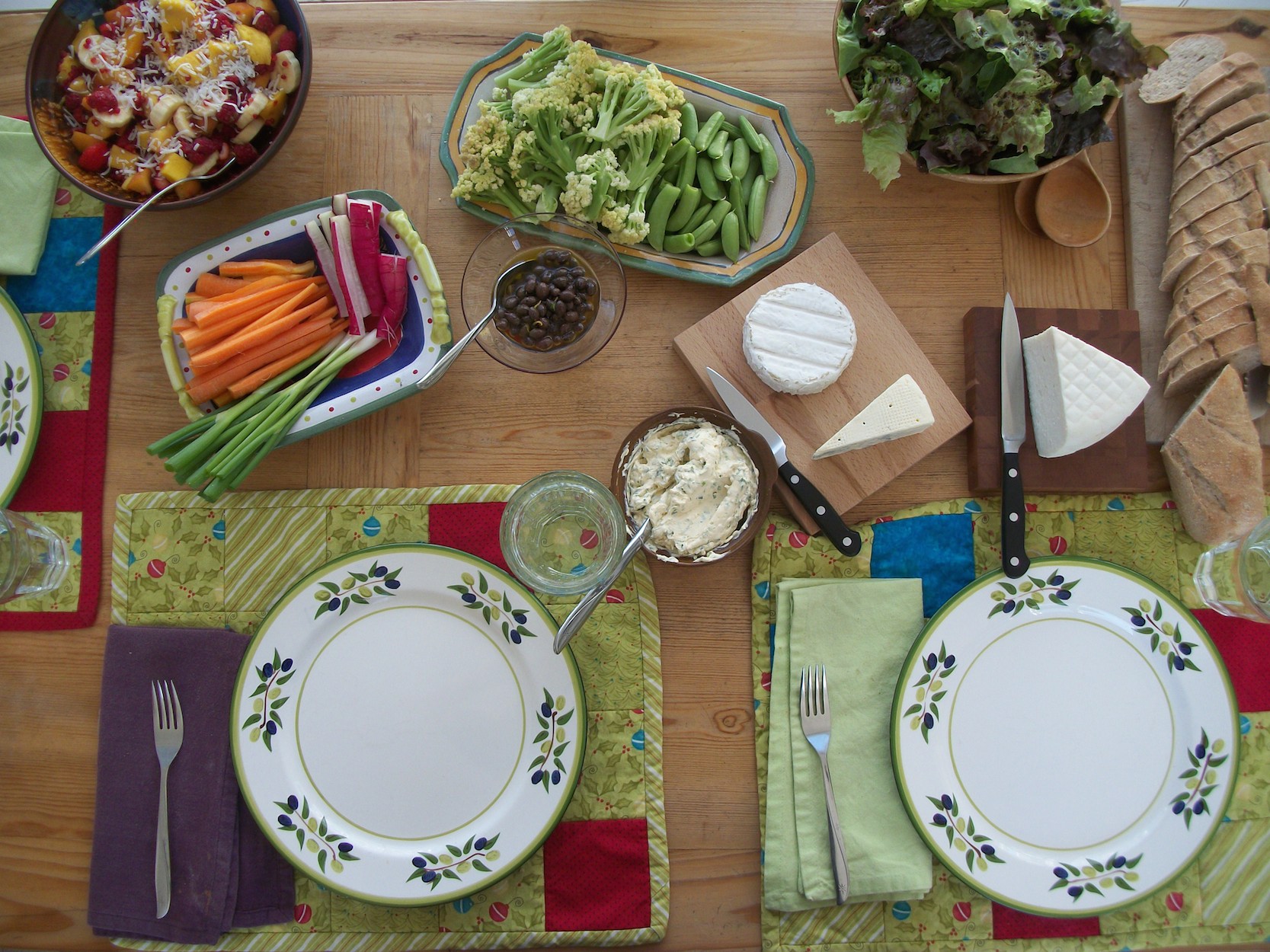
100_4263 smAt the festive time of year, it seems right to blog about family meals.

There has been a great deal of hoopla over the past ten years or so about family meals. Some researchers have claimed they reduce childhood obesity, raise GPAs, reduce depression, reduce delinquency, and a host of other benefits.

The truth isn’t quite so amazing. When factors such as socioeconomics, family structure and other demographics are controlled for, it appears that family meals slightly reduce childhood depression, and that’s it. All the other ‘benefits’ are simply correlated with the other features that contribute to a family that sits down together for a daily meal.

But I like to think that, just as smiling makes you happier, sitting down to a family meal every day makes the family better. It makes it more likely the family will have the other characteristics that lead to higher GPAs, lower obesity, etc.

A family meal is a time to talk to each other, to discuss current events, ideas, and feelings. It’s a time to teach children manners and respect for one another. It’s a chance for quality time with the people we love—why not take advantage of it? You’ve all got to eat—make the most of it.

We eat dinner as a family every day, and on weekends, we eat lunch together. Sunday, we even sit down together for breakfast. Sometimes I’m reluctant to take the time for a family meal, particularly lunch, when I’m in the middle of the day’s work, and would prefer just to grab a quick bite and be on my way. But a family meal forces me to slow down. It forces me to check in with my family and see how their day is going. A family meal reminds me that my work is less important than my family, and I regularly change my day’s plans based on what I see the family needs when we sit down to eat.

Because we eat together, I not only talk to my family more, but I play more games with the kids, I do more projects with them, I go to the beach more often, and I stress less about life.

So pull up a chair. Fill your plate. Sit down, and tell me about your day.


Homemade and Home grown

100_4265 smMy family loves food. We eat well. We eat a lot. But what I’ve come to realise is that we don’t just love food for its own sake. We don’t go out to restaurants, and we don’t wax lyrical about our favourite products from the grocery store.

For us, food is as much about how it gets to our table as it is about what it tastes like there. Food is a labour of love, a creative endeavour, a team effort. Food is inseparable from its origin.

Years ago, my son asked, “If we didn’t grow the ingredients ourselves, is it really homemade?” That is how deep our relationship to our food is.

I sometimes wonder if this is healthy—this obsession with food. But it really isn’t so much about the food as it is about the process and all the corollary benefits.

Producing our own food, we stay fit without paying for gym memberships, we have food security in the face of natural disasters, we learn to work together as a family, the children gain a sense of worth from helping to feed us all, we eat better, we reduce our impact on the earth…the list goes on and on.

Producing our own food is a way to nurture the family, a way to acknowledge our place in the natural world, a way to celebrate each day of the year and the gifts it brings.