Summer Simplicity

Roast veggies3smIronically, it’s when the garden is absolutely bursting with vegetables that I least feel like cooking. Hot summer days make me want to stay outside until dark. I don’t want to go inside to stand over a hot stove. I’d be happy to walk through the garden “grazing” instead of sitting down to a meal.
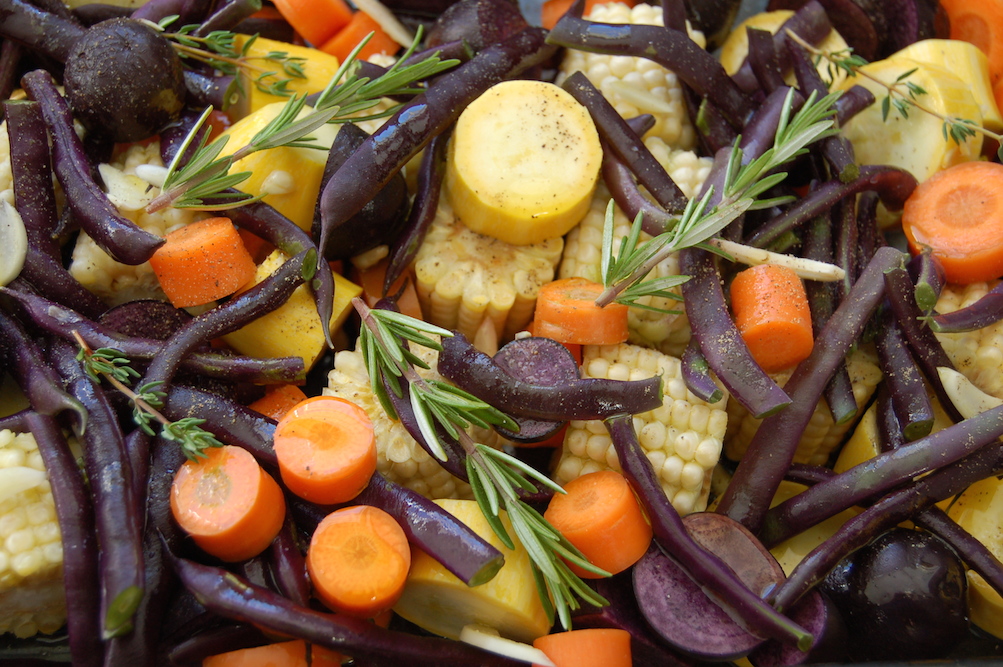
The good thing is that with so many vegetables at their best, summer cooking need not be elaborate. Simply prepared, and lightly cooked, fresh summer vegetables are at their best. Here is my absolute favourite simple summer meal. Though this dish does heat the kitchen, it’s quick to prepare and doesn’t need watching, so you can sit on the porch with a cool drink while it bakes.

Roast Vegetables

Chop a selection of vegetables into large chunks. Any of the following do nicely:

Carrot

Zucchini/courgette

Eggplant

Tomato (whole cherry tomatoes are especially nice)

Green beans

Potato

Sweet corn (still on the cob, cut each ear into about 4 chunks)

Sweet pepper/capsicum

Beets/beetroot (sliced to about 3mm so it cooks fully)

Mushrooms

Put the vegetables into a wide baking dish, along with 2 cloves of sliced garlic, a few sprigs of fresh rosemary and/or thyme, and salt and pepper to taste. Drizzle a generous amount of olive oil over the vegetables, and toss until evenly coated. Bake at 230°C (450°F) for about 30 minutes, stirring once after 15 minutes. Serve hot or at room temperature.


In Praise of a Cooking Spouse

I painted the living room today. There were lots of other things on my to-do list, but they didn’t happen. After a 40-minute trip to Leeston for a new paint tray, because the roller handle I bought yesterday (to replace the one that broke last week) was the wrong size for our paint trays, and then a 2 ½ hour trip to the city because the white paint I was sold last week wasn’t actually white paint (it was dark base, which looks white in the can, but actually doesn’t cover anything), I finally managed to make some headway on the job. Then I remembered I was supposed to milk my neighbour’s goats, so I dashed around cleaning up, grabbed my milk pot, and headed over…only to discover that it’s NEXT week she needs me to milk for her. At this point, it was 6:30 pm, the living room was still unfinished, and I hadn’t even thought about making dinner yet. I was ready to have beer and pretzels and call that a meal.

“Can I make you a nice meal?”

My marvellous spouse allowed me to continue painting while he grilled vegetables and polenta (and even poured me a glass of wine, never mind how the trim painting gets a little wobbly…).

I cook most weekday evenings, just because I’m the first one home. On weekends, we usually cook together. So it was delightful to have someone cook for me. What a wonderful gift!

The Pickle Lady

dilled beans7 smWhenever I think of my great grandmother Sturgis, I think of pickles. Now, she died when I was just a young child, so I’m certain my memory of her is wildly inaccurate, so I offer my sincere apologies to anyone who knew her. What I remember about her is hundreds and hundreds of jars of pickles—way more than an elderly married couple ever needed or could possibly consume. I remember a basement lined with shelves laden with dusty jars of all types of pickle–chunks, bread and butter slices, whole sweet pickles, dill spears… I imagine her an avid gardener who just couldn’t bring herself to rip out those cucumber plants once she’d put up enough pickles for the year. I know the temptation. The cucumbers are there. Pickles are good. You wouldn’t want those cucumbers to go to waste, would you? Pretty soon, the pantry shelves are groaning under the weight of pickle jars, you’re buying vinegar by the case, and you’re sending every guest home with a selection of half a dozen types of pickle. Before you know it, you’re known as “The Pickle Lady”. Neighbourhood children sneak around the house, daring each other to peek through the windows for a glimpse of the reinforced steel shelving stacked with pickles. Guests feign cucumber allergies. Family members drop hints about obsessive compulsive disorders their “friends” have. Your husband threatens to move out unless you remove the stacks of pickle jars from the bedroom.

This is why I only plant pickling cucumbers every other year. I can easily make two years’ supply of pickles with one planting (and still have cucumbers left over for the neighbours who like to make their own pickles). And it reduces the risk of becoming The Pickle Lady.

Of course, other vegetables can be pickled…

If you can’t beat ‘em…

Weeds. Gardeners hate them.

But weeds are just plants. And the weeds in my garden here in New Zealand are almost identical to the weeds I had in my garden in Pennsylvania, and the one in Minnesota, and even my garden in Panama.

So what are these weeds? They’re the plants that European colonists couldn’t do without. Food, medicine, pest control—it’s all there in those common garden weeds. Back when my husband and I lived and worked at residential camps and couldn’t have a garden, we used to forage for weeds to supplement the nutritionally suspect camp food we were served. Dandelions were one of our favourite early spring salad greens. Picked at the right time (before the flowers emerge), they are nutty and pleasantly bitter.

I took a walk around my garden today, and found the makings of a lovely meal among the weeds.

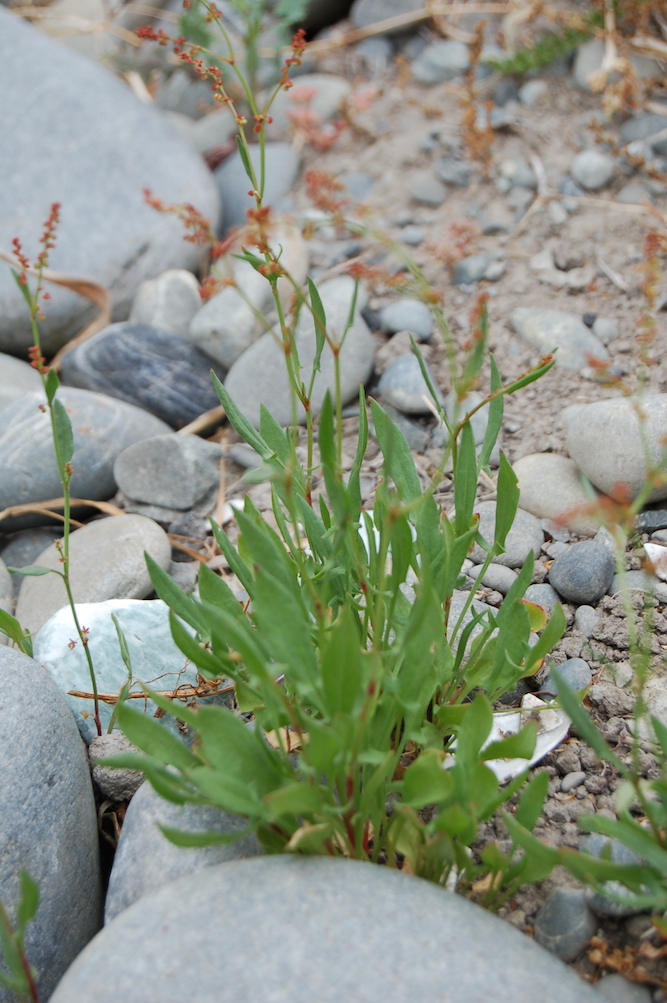
You'll be happy to eat pernicious sheep sorrel, just so the @#$&* things don't resprout.

You’ll be happy to eat pernicious sheep sorrel, just so the @#$&* things don’t resprout.

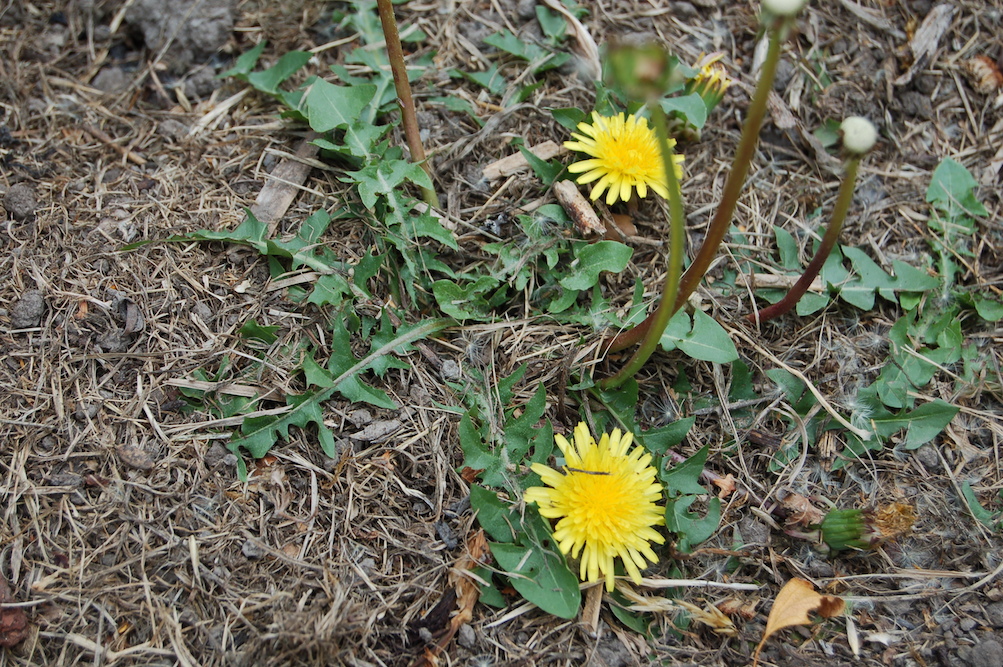
Dandelion greens make a delicious, nutty early spring green. Pick them before they flower or they'll be bitter.

Dandelion greens make a delicious, nutty early spring green. Pick them before they flower or they’ll be bitter.

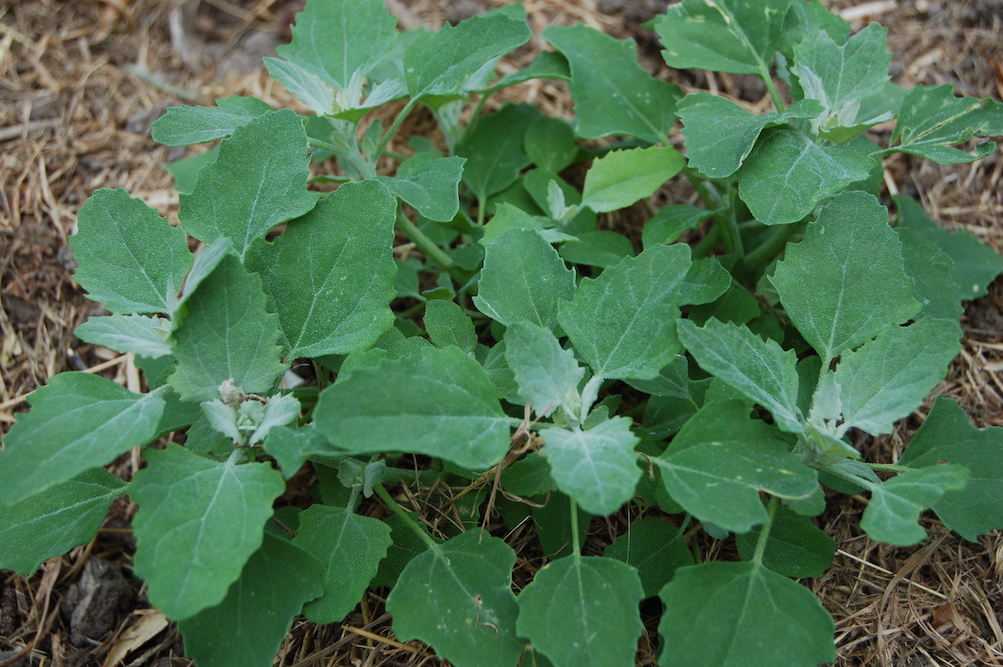
Lambs quarters, or henbit is a nice salad green all summer. The chickens love it, too.

Lambs quarters, or henbit is a nice salad green all summer. The chickens love it, too.

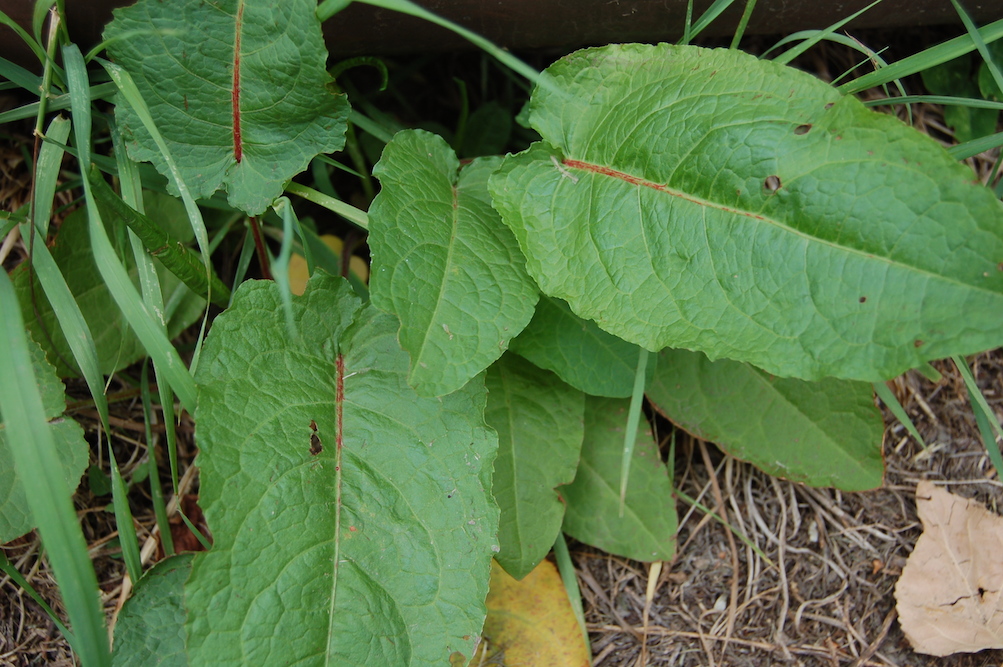
Cook up some dock greens as a side dish.

Cook up some dock greens as a side dish.

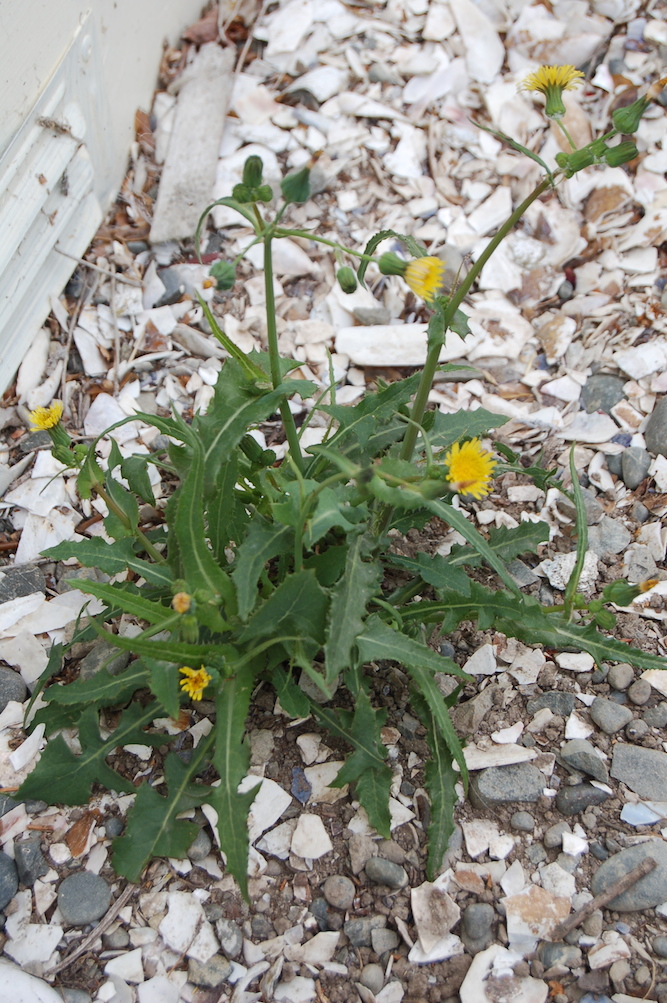
Even prickly sow thistle can be cooked and eaten.

Even prickly sow thistle can be cooked and eaten.


So next time you pull out a handful of weeds, remember—if you can’t beat ‘em, just eat ‘em!

Eating Out

We almost never eat out. It’s a 45 minute drive to anywhere other than a fish and chips shop, and with so much food coming out of the garden, we feel obligated to eat as much of it as possible every day. It’s also hard to eat out because we eat so well at home. Restaurant salads are never as fresh as ours. Eating out, we’re tempted by out-of-season foods, which are always disappointing. And there’s always so much waste at a restaurant (at home, any extras can be fed to the chickens or the goats)

So it was an unusual day today. We dropped the kids at summer camp, and since we were so close already, we had lunch in Akaroa before a swim at Le Bons Bay. We trolled the street (there’s really only one) looking for a good spot. Lots of fish in Akaroa—salmon, mussels, and various other edible sea creatures. There is surprisingly little vegetarian food on offer. What’s available are the standard Kiwi vegetarian options—frittata with kumara and feta cheese, pizza, panini with brie and a few vegetables, plain tomato pasta, and what we ended up with—cheese toasties and hot chips (that’s a toasted cheese sandwich with French fries for you Americans).

We don’t have a toastie maker at home—the clamshell like device that grills a sandwich on both sides at the same time, and makes a very different sort of sandwich than toasted cheese sandwiches on a griddle. We also never deep-fat fry our potatoes, so a toastie with chips is something of an exotic treat for us. Today’s toasties weren’t the best I’ve had, but they were gooey on the inside and crisp on the outside, and the chips were hot and salty. A nice treat.

Of course, we were required to eat extra zucchini at dinner because of it…

Vampires Beware!

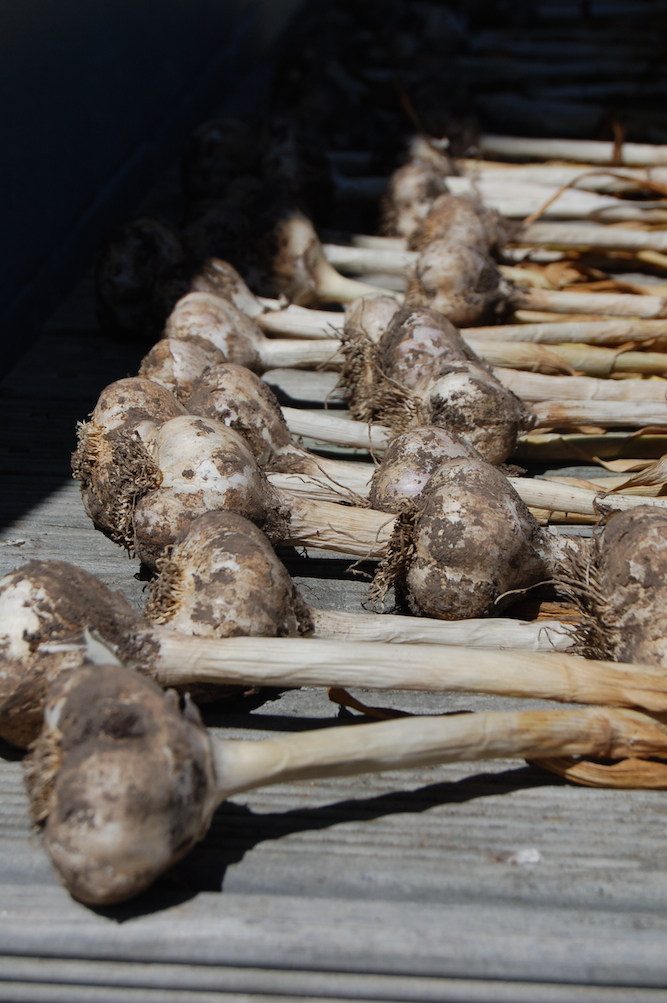
Garlic1smI harvested the garlic a few days ago. The only blessing in the drought we’re experiencing is that the garlic has dried down enough and should store well this year. It’s been curing in the sun, and today I braided it into ropes that will hang in the shed until we need them.

My favourite garlicky dish is Skordalia—Greek garlic sauce. Easy to make, and excellent as a dip for fresh vegetables! We made it last year with purple potatoes, and the vivid colour was a huge hit. Here is the skordalia recipe from Greek Cooking for the Gods, by Eva Zane.

6 cloves of garlic, minced

2 cups mashed potatoes

½ tsp salt

1 cup olive oil

½ cup cider vinegar

Place the garlic, potatoes, and salt in a blender on high speed until smooth. Slowly add the oil, alternating with vinegar, and blend until smooth. Chill for several hours before serving.

Zucchini!

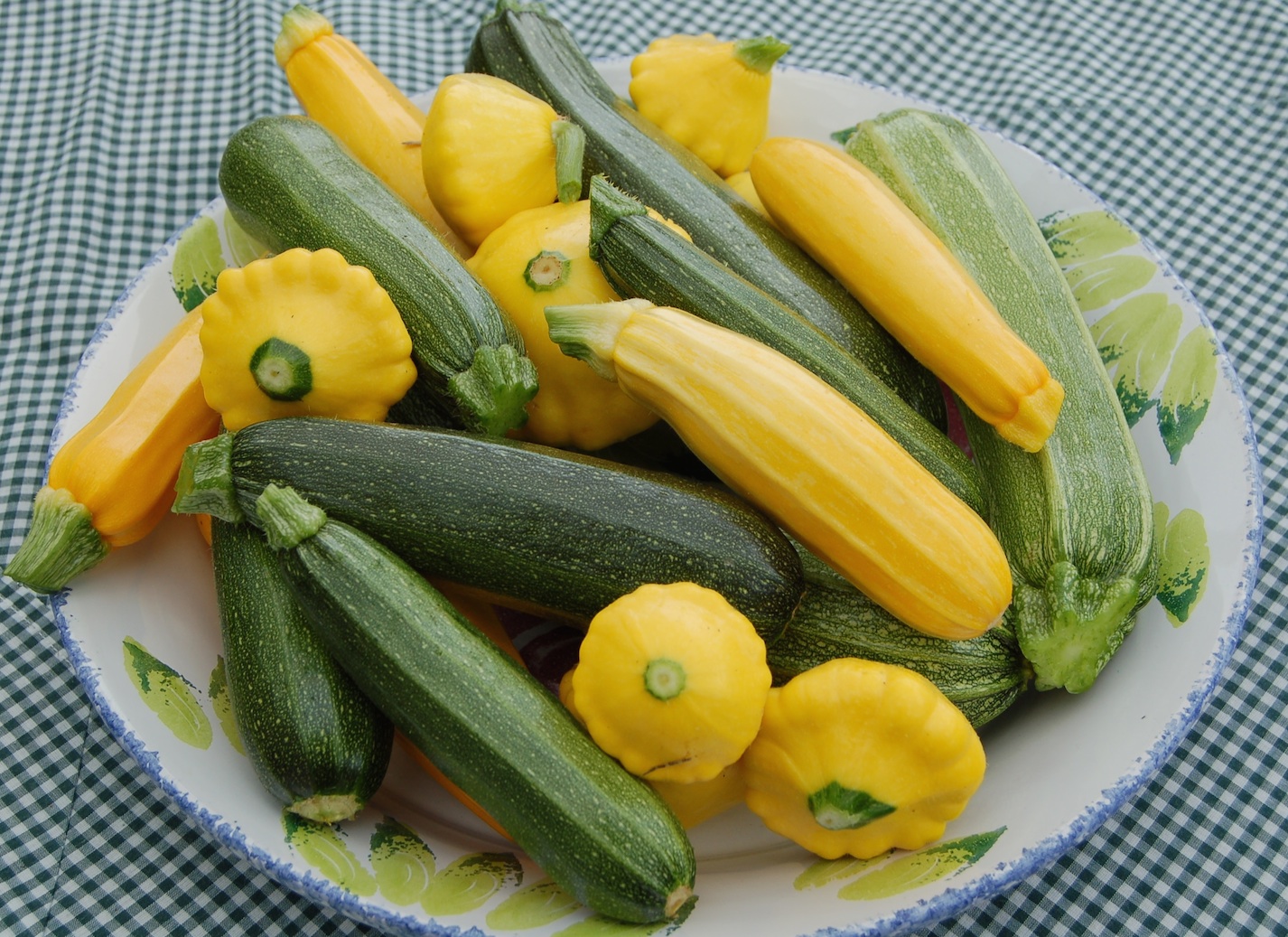
Zucchini4cropsmThe question of what to do with too much zucchini is one that has plagued humankind for millennia. The modern zucchini’s ancestors came from Central and South America, and were part of the local diet as far back as 5500 B.C. (I wonder how you say, “Zucchini, again?” in ancient Mayan?)

Europeans knew a good thing when they saw it, and within 50 years of European invasion of Central America, zucchinis (well, their ancestors, anyway) were being cultivated in Europe. The vegetable we grow today as zucchini was developed in Italy in the 19th century (hence the Italian name we use for it), and it has been overwhelming home gardeners all over the world ever since.

The good news about zucchini is that you really can’t eat too much. It is low in calories (only 18 per half cup), and is full of nutrients like beta-carotene, folic acid, and vitamins C and E. Of course, there really is only so much zucchini one can eat, and because I plant several varieties, we reach the point of zucchini saturation pretty quickly. The overflow goes to the goats, who eat it happily for a while, and then they, too, get tired of it. Eventually, some zucchinis are forgotten in the garden, and grow into giants. My biggest last year was nearly a metre long. I thought that was pretty impressive, until I learned that the longest zucchini ever grown measured 2.39 metres (7 ft 10.3 in)! Now there’s something to aspire to this year!

In the meantime, it’s zucchini for dinner again tonight!

Best pie ever

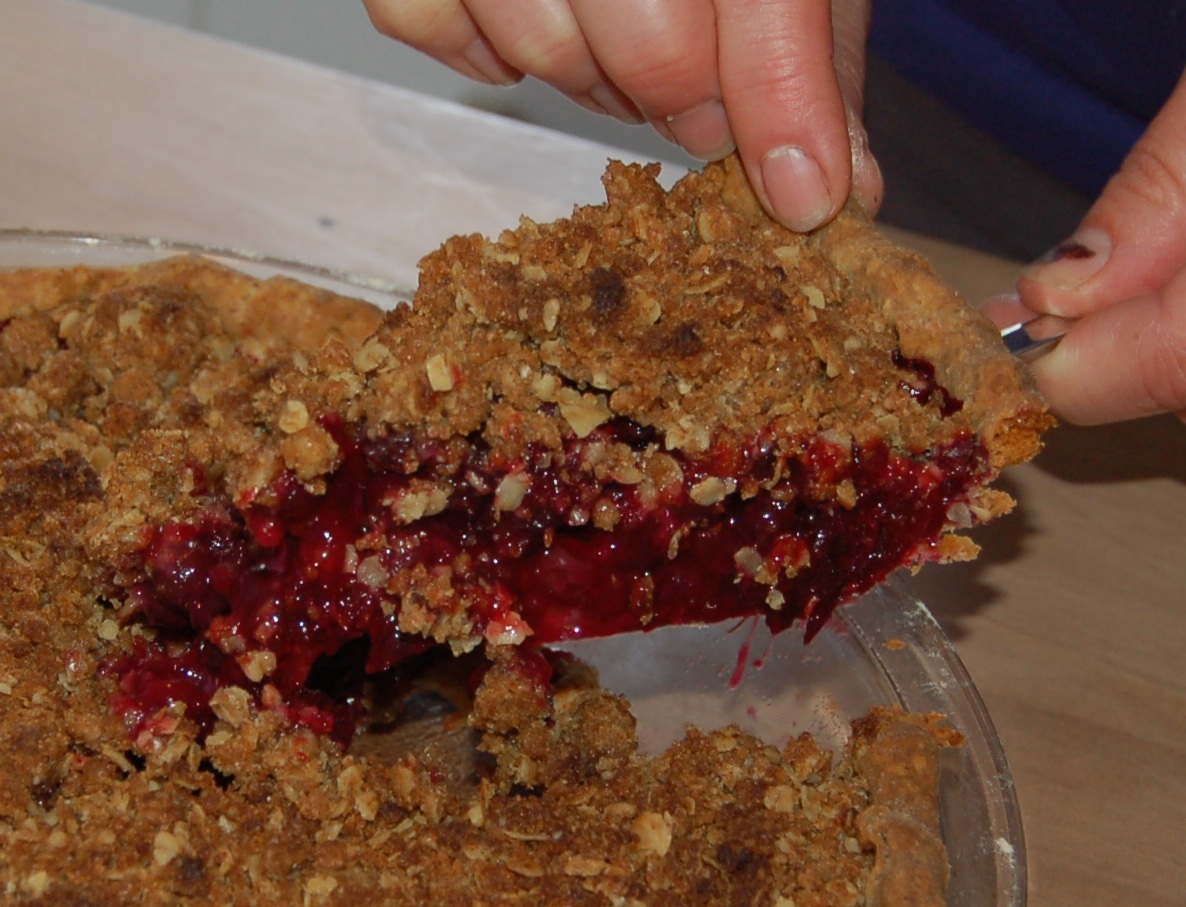
DSC_0011cropWe had an overabundance of blackcurrants this year, and in looking for interesting (and easy) things to do with them, I found some lovely pie recipes. I mixed and matched them, and came up with this divine concoction. So flavourful, you only need a little slice…so good you’ll want a big one!

I’ve been making it the day after making quiche for dinner—I make twice as much pastry dough as I need for the quiche, and put half in the fridge. With pre-prepared dough, the pie can then be assembled in minutes.

4 cups blackcurrants (fresh or frozen, thawed)

½ cup granulated sugar

2 Tbsp. all-purpose flour

Pastry for 9-inch pie

Wash and drain blackcurrants and remove stems. Mix with sugar and flour. Pour into the pie shell and top with pastry or streusel topping (see below).

Bake at 200°C (400°F) for 30 minutes, then reduce the heat to 180°C (350°F) and bake for another 25-30 minutes. Cool completely, and serve with whipped cream or vanilla ice cream.

Streusel:

5 Tbsp. melted butter

2/3 cup quick-cooking rolled oats (traditionally chopped nuts, but ‘easy’ is the whole idea here)

½ cup packed brown sugar

2/3 cup whole wheat flour

1 tsp. cinnamon

Mix ingredients with a fork until it resembles coarse crumbs.


Tastes Better Outside

Outdoor table settingsmLocation, location, location! True for real estate and for food. Where you eat is every bit as important as what you eat. Some of my best meals have been based on the where, not the what:

  • Lunch of stale crackers and peanut butter, eaten at about 1100 metres on a ridge in Fiordland, New Zealand on the summer solstice.
  • A spicy breakfast salteña, eaten on the streets of La Paz, Bolivia (and subsequently vomited in a public park in La Paz…but it was a great meal!)
  • Breakfast of one banana, bought from a local subsistence farmer on a day-long hike to a friend’s house in Panama.
  • Leftover burgers and strawberries, accompanied by warm beer on a remote beach on the Banks Peninsula, New Zealand.
  • Cold Pop Tarts on a large boulder in the White Mountains of New Hampshire.

It’s no accident that all these amazing meals occurred outdoors. I can’t think of a better dining room than one without walls or a roof! Doesn’t matter what I’m eating, it will taste better eaten in fresh air.

Where have your best meals occurred?

Team Cooking

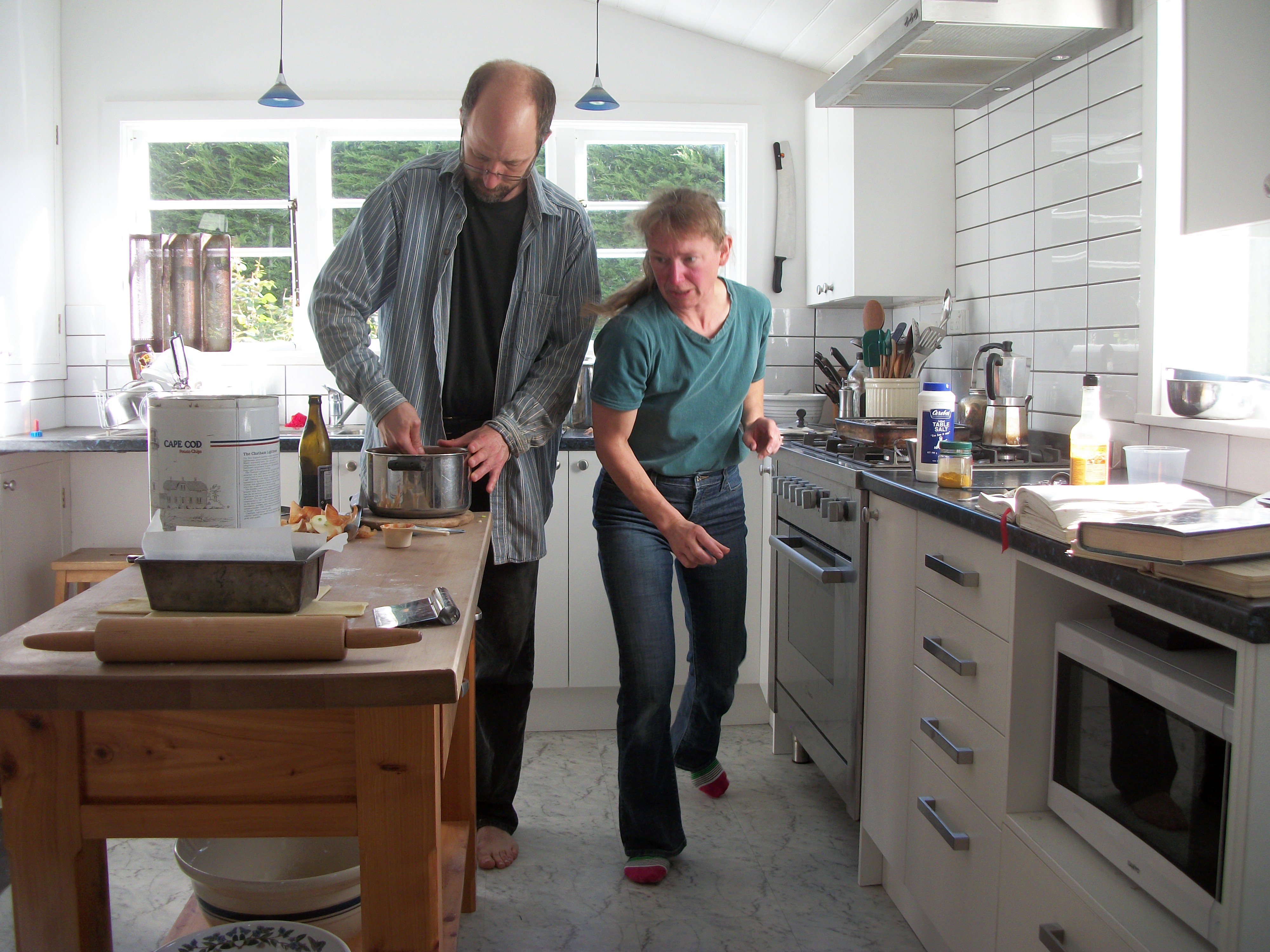
Doing a little team cooking dance.

Doing a little team cooking dance.

Ian and I met studying guanacos at the Detroit Zoo, but we became friends over food. I lived in a dorm, he lived in a house, and he treated me to home cooked meals when we met to work on the latest research project for our Animal Behavior class. It wasn’t long before we were cooking those meals together, and cooking together has been an important part of our relationship for over 23 years now. We intuit each other’s cooking style after so many years, and as with good ballroom dancers, we understand, for each dish, who “leads”. Like seasoned dancers performing a well-rehearsed number, we work in harmony, joyfully, anticipating what comes next, so that even tricky moves look effortless to bystanders.

So I suppose it isn’t surprising that, about a month ago, the kids decided they wanted to make dinner once a week. They know what a fun and fulfilling task it can be, and they want to be part of it.

Unfortunately pre-teen siblings who are often nervous around things like hot ovens and stovetops don’t work together quite so smoothly. Indeed, after the first week, when they ended up cross and irritated with one another making the simplest one-pot meal, we suggested they cook two dishes—that way each one of them can be “in charge” of one dish, and while the other will help them cook it, they’re in charge of decisions about the dish and how it is made.

And I suppose this is exactly what Ian and I have come to in the kitchen, though not by design. We each have our specialties. Ian bakes bread, and though I help, and am perfectly capable of making fine bread myself, he is in charge of bread. I bake desserts, and when Ian takes on a dessert himself, he defers to my judgement if he gets into difficulty. I make cheese, he makes beer. I make omelettes, he makes frittata. Yet we rarely do any of these things alone—the other is usually there, cleaning or cutting vegetables, washing dishes, testing spicing.

It works for the kids, as it does for us. Though they often need a helping hand from Mum or Dad, and though they may argue about what they’re going to cook, once they’ve divided the meal, they manage to work together reasonably well…for 10 and 12 year old siblings. They are already developing their “own” skills, becoming the “expert” in chopping carrots, or cracking eggs. And they’re learning how to accept each other’s expertise. What a huge lesson! To learn that someone (even your little sister) might know more than you do! And to learn to accept, seek, and value someone else’s skills and expertise.

So, while the kids’ Friday night dinners often end with a shocking mess in the kitchen, and sometimes the smell of something burnt hard to the bottom of a pan, they’re great training for all sorts of situations in life.