Pumpkin Pie for Breakfast?

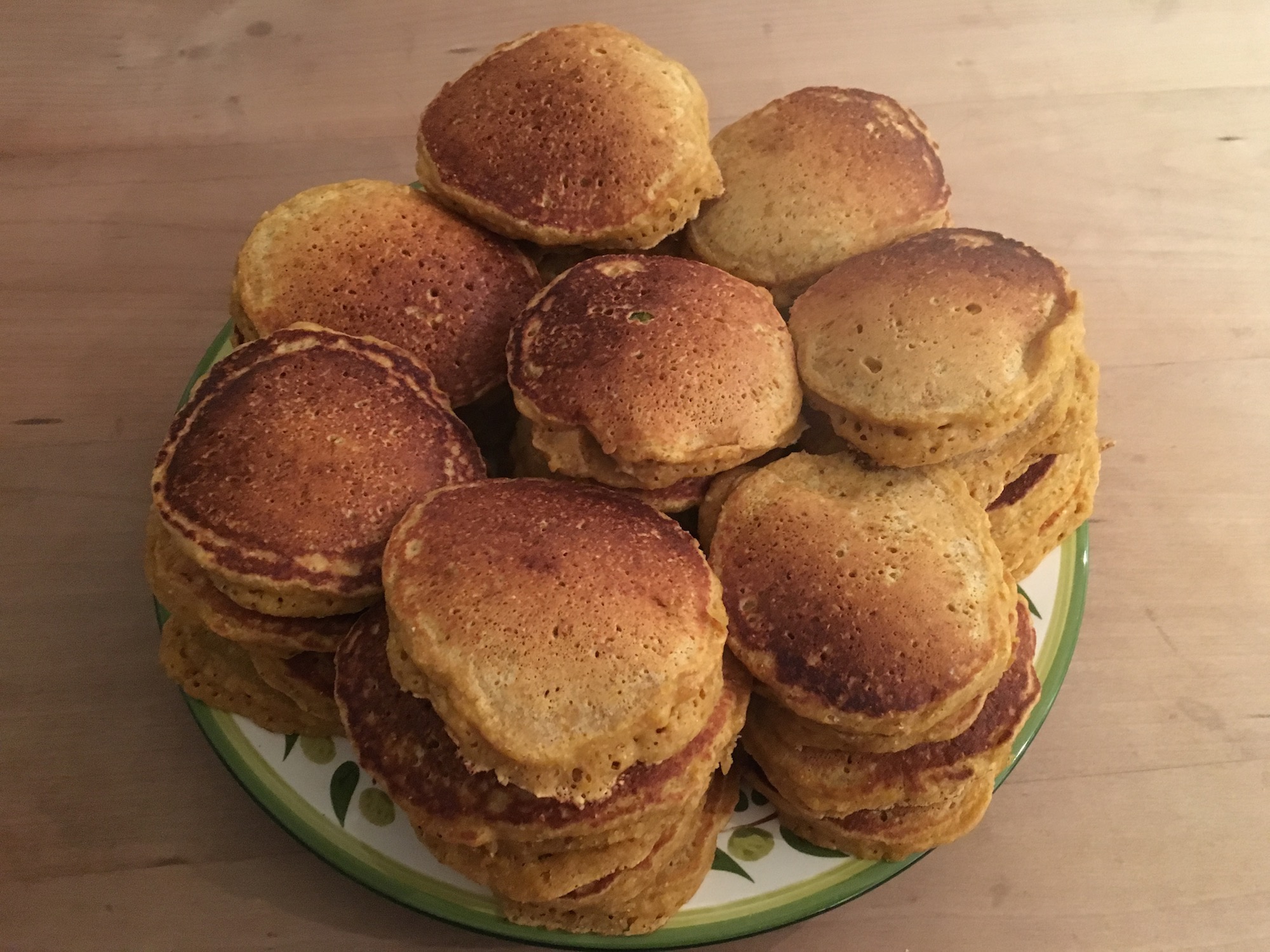
2016-05-29 07.08.49 smI made a variation on my standard pancake recipe this morning—pumpkin pancakes.

They were good—moist and heavier than plain pancakes. A bit like eating pumpkin pie for breakfast. Mmmmm! This recipe makes a huge stack of pancakes—enjoy!

1 cup all-purpose flour

1 cup whole wheat flour

1 cup cornmeal

3/8 cup sugar

3 ½ tsp baking powder

1 tsp salt

1 tsp cinnamon

½ tsp cloves

½ tsp ginger

3 eggs

2 cups cooked, pureed pumpkin flesh

2 cups milk

6 Tbsp butter, melted

Combine flours, cornmeal, sugar, baking powder, salt, and spices in a medium bowl. Whisk together eggs, pumpkin, milk and melted butter in a large bowl. Add the dry ingredients to the wet, and stir just until combined. You may need to add more milk to get the right consistency if your pumpkin is particularly dry (mine was, and I added another ¼ cup).

Fry on a preheated griddle or frying pan, as for normal pancakes.


A Five-Alarm Waffle

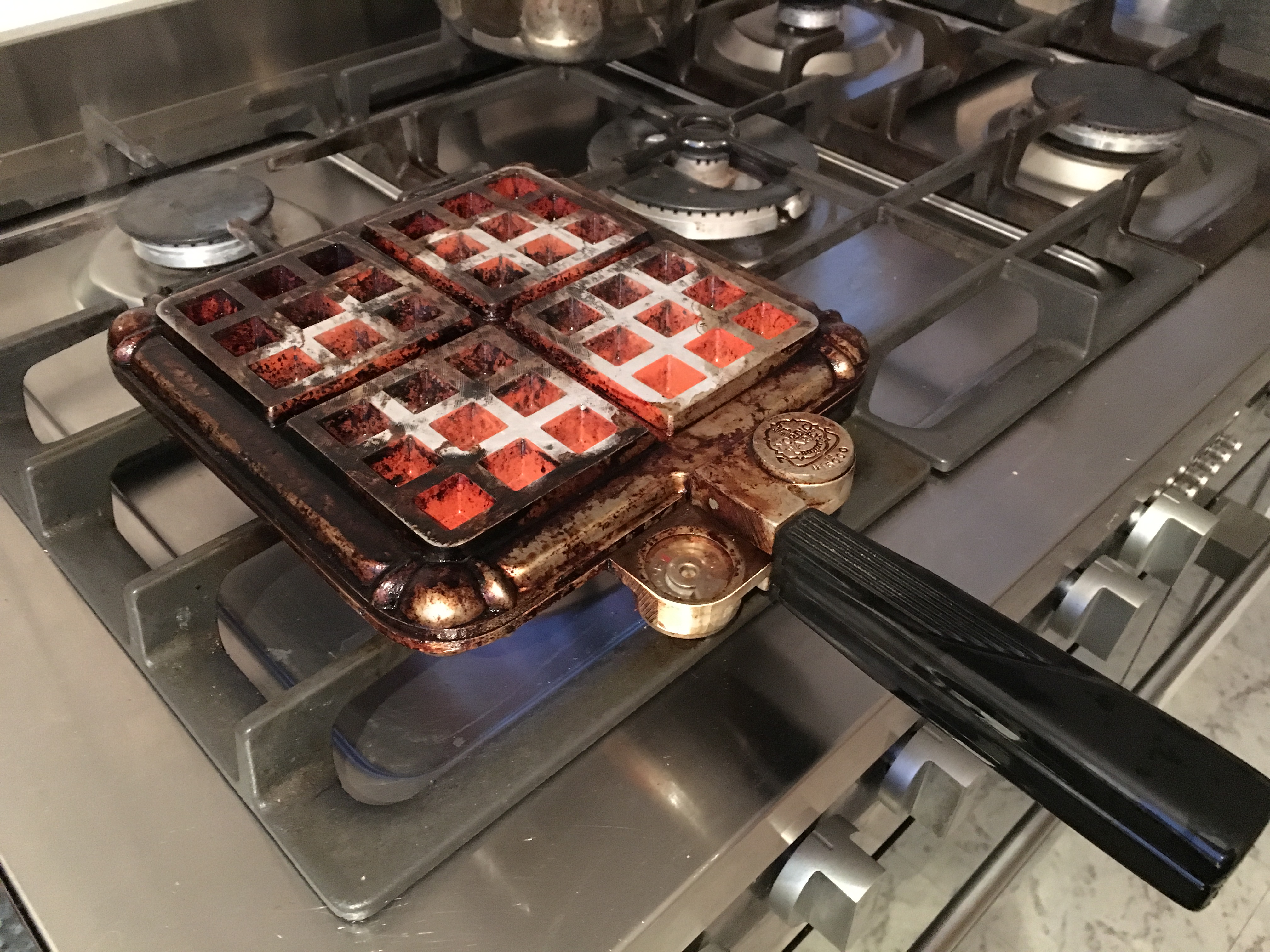
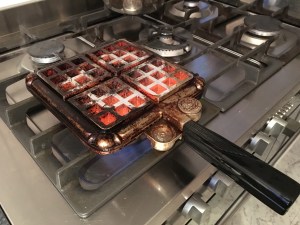
2016-05-15 07.33.29We love waffles at our house, but I make them only occasionally. There are two reasons for this—I don’t get to eat breakfast with everyone else when I make waffles, as I’m stuck tending the iron, and waffles have a tendency to set off the smoke alarms.

A well-seasoned waffle iron is…frankly, disgusting. It’s covered in a perfect layer of burnt butter. Unfortunately, that butter smokes every time you use the iron.

Even if I turn the extractor fan on, the smoke alarms go off.

So I’ve learned I can only make waffles on days it will be warm enough to open all the windows at 6.30 am. A good breeze blowing through clears the smoke and prevents the alarms from going off.

That usually means waffles only in summer, but since it’s been unusually warm, I decided to make pumpkin spice waffles on Sunday.

The morning was warm, so I opened the windows and turned on the extractor fan.

But the air was so still, the smoke hung indoors.

My son wasn’t yet out of bed when the alarms went off…

Well, no one was late for breakfast, at least.

Here’s a double recipe, so you’ll have waffles left over for breakfasts all week.

2 cups all purpose flour

1 ½ cups whole wheat flour

4 tsp baking powder

1 tsp salt

2 tsp ground ginger

2 tsp ground cinnamon

½ tsp ground nutmeg

¼ tsp ground cloves

2 cups cooked, mashed pumpkin

4 large eggs, separated

1/3 cup packed brown sugar

2 ½ cups milk

200g butter, melted

Combine all the dry ingredients in a large bowl. In a separate bowl, whisk together the pumpkin, egg yolks, and brown sugar. Add the milk and whisk until the sugar dissolves. Gradually whisk in the butter.

Pour the liquid ingredients into the dry and mix just until all the flour is moistened.

In a medium bowl, whisk the egg whites until they hold soft peaks. Fold the egg whites into the batter.

This batter is thick, and you will need to spread it with a spatula to get it evenly spread in the waffle iron.

Try them with warm applesauce!
Chick Pea Salad

2016-05-08 17.32.36 smWho would have thought we’d still be eating tomatoes and eggplant in mid-May?

But since we are, my husband made baba ghanoush on Sunday, and we had a lovely Mediterranean meal of baba ghanoush, freshly baked bread, homemade goat cheeses, and chick pea salad.

I looked at a number of chick pea salad recipes on-line, then ignored them all and used what we had in the garden. The result was quite lovely.

1 cup dry chick peas

1 sweet red pepper, chopped

2-3 medium tomatoes, chopped

¼ cup chopped fresh parsley

12 large black olives

1 Tbsp extra virgin olive oil

1 Tbsp balsamic vinegar

1 Tbsp red wine vinegar

salt and black pepper to taste

Cook the chick peas until tender, and allow to cool. Drain. Mix the chick peas, tomato, pepper, parsley and olives in a bowl. In a small bowl, whisk oil, vinegars, salt and pepper. Toss the salad with the oil and vinegar.

This salad holds up reasonably well to refrigeration (I just ate the last of it for lunch today, two days later, and it was still good), but is best eaten at room temperature on the first day.

Pumpkin Ricotta Lasagne

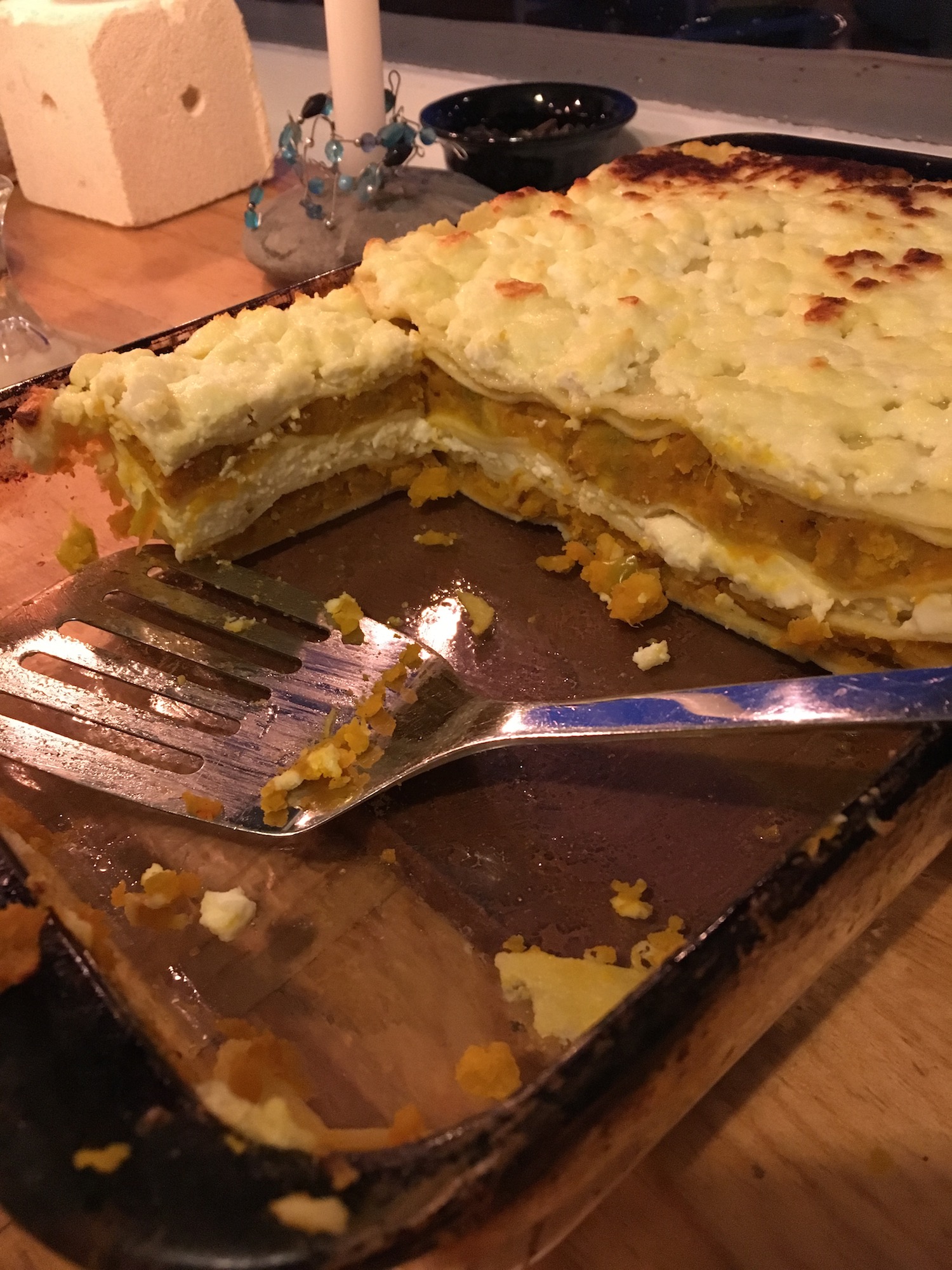
2016-04-20 18.18.45 smYesterday I made a large batch of ricotta, and then wanted to use some of it in dinner. I also had in the fridge some leftover pumpkin galette filling from dinner a few days ago. And over the weekend, I had made some pepper oil to use with pasta.

What came out of it all was a pumpkin ricotta lasagne that was an absolute hit.

I can’t even begin to give you a recipe. It would start with, “Make too much pumpkin galette filling on Saturday, pepper oil on Sunday, and a vat of goat milk ricotta on Wednesday…”

But the final assembly followed this recipe, and yielded a beautiful white and orange striped dish that kept its form well when cut. It would have been perfect for a dinner party, served with a leafy green salad. Perfect, because we didn’t even eat half of it—it’s much denser than a normal lasagne, and would have easily fed five more people.


Ristras

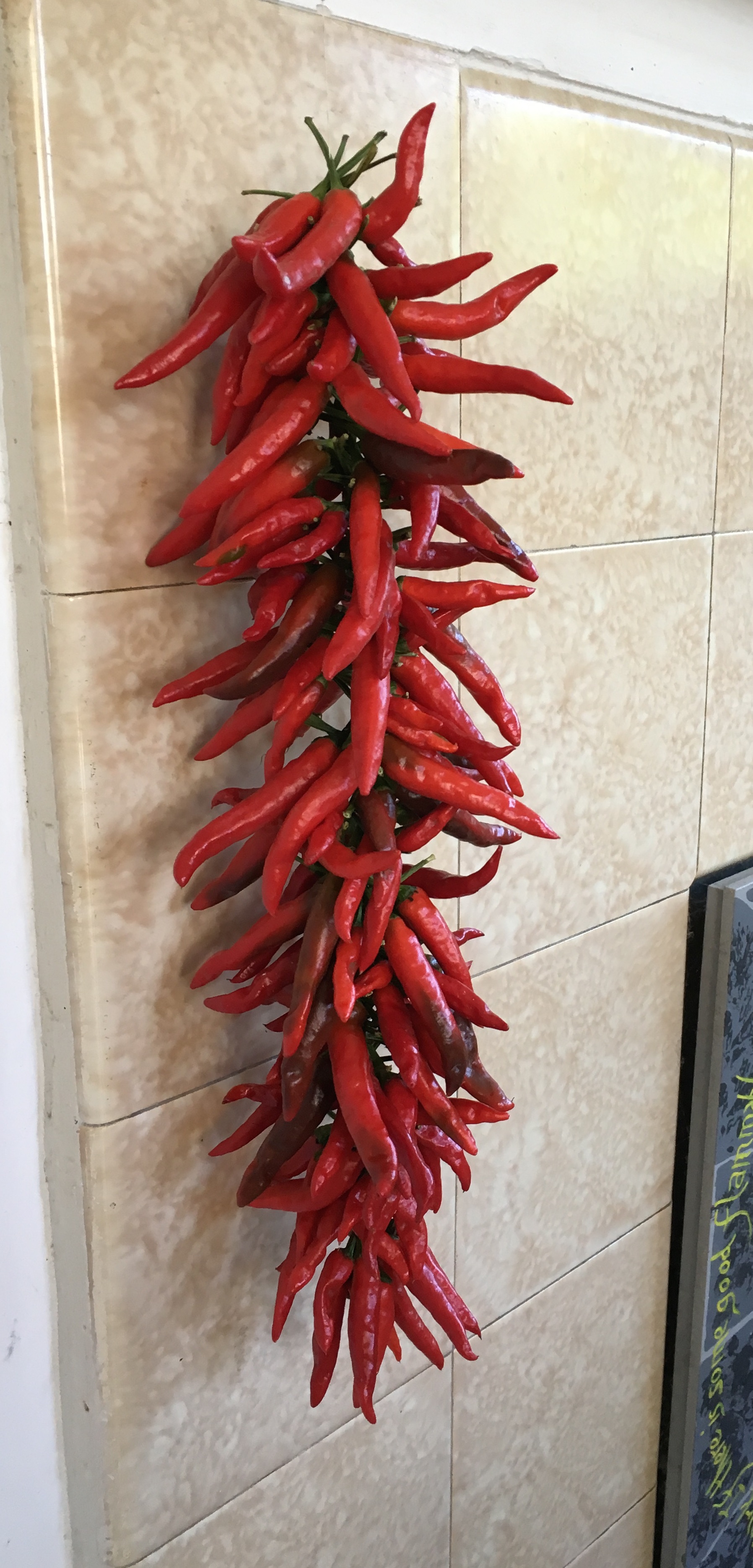
2016-04-19 12.51.22 cropHung on the kitchen fireplace mantel, a ristra of hot peppers looks beautiful, and is said to bring good health and good luck.

But mostly it just brings good food.

They’re often just used for decoration these days, but stringing chiles began as a way to dry and store them. And a string of chile peppers in the kitchen makes it easy to add spice to any meal.

I grew up in a house with all sorts of dried plant material hanging from rafters and tucked into baskets. It was all purely for decoration. My house today has a similar profusion of plant material, but for more utilitarian purposes. Ristras are convenient ways to dry and store peppers, garlic and onions. They’re also very convenient hanging in the kitchen.

Do I make sure my ristras look nice? Do I string twice as many peppers as we can realistically use, so that I can pair the ristras on each side of the mantel? Yes, of course—they do make nice decorations, after all.

Corn

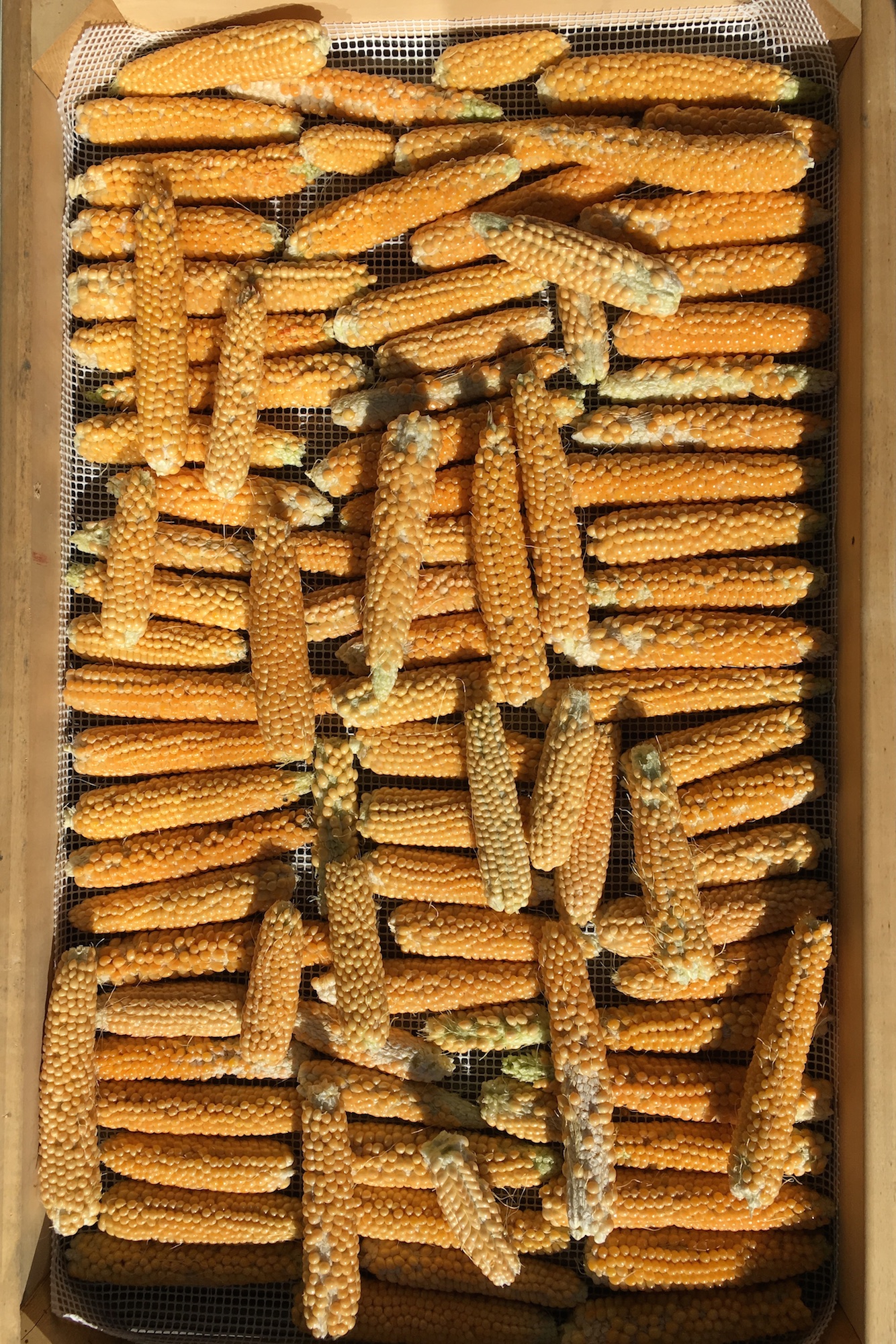
This year's popcorn harvest.

This year’s popcorn harvest.

What would life be without it?

Even ignoring the highly processed corn oil and corn sugars found in so many products, what would a movie be without a big bowl of butter-laden popcorn?

What would chilli be without a slab of corn bread to go with it?

What would summer be without corn on the cob?

And how dull life would be without polenta, corn dodgers, corn chowder, corn and pea succotash, roast corn, caramel corn, tacos and tortillas, nachos…

And then, there’s chicha fuerte…

Um…well…we can just forget chicha fuerte. It’s a corn alcohol brewed in Panama. Tastes a bit like vomit, and even a sip leaves you with a hangover the next day.

But hurrah for all the other forms of corn!

Many thanks to the people in what is now Mexico who bred corn from its ancestor, teosinte, about 9000 years ago! I doubt they had any idea how ubiquitous corn would become, but they hit on a winner.

Pumpkins

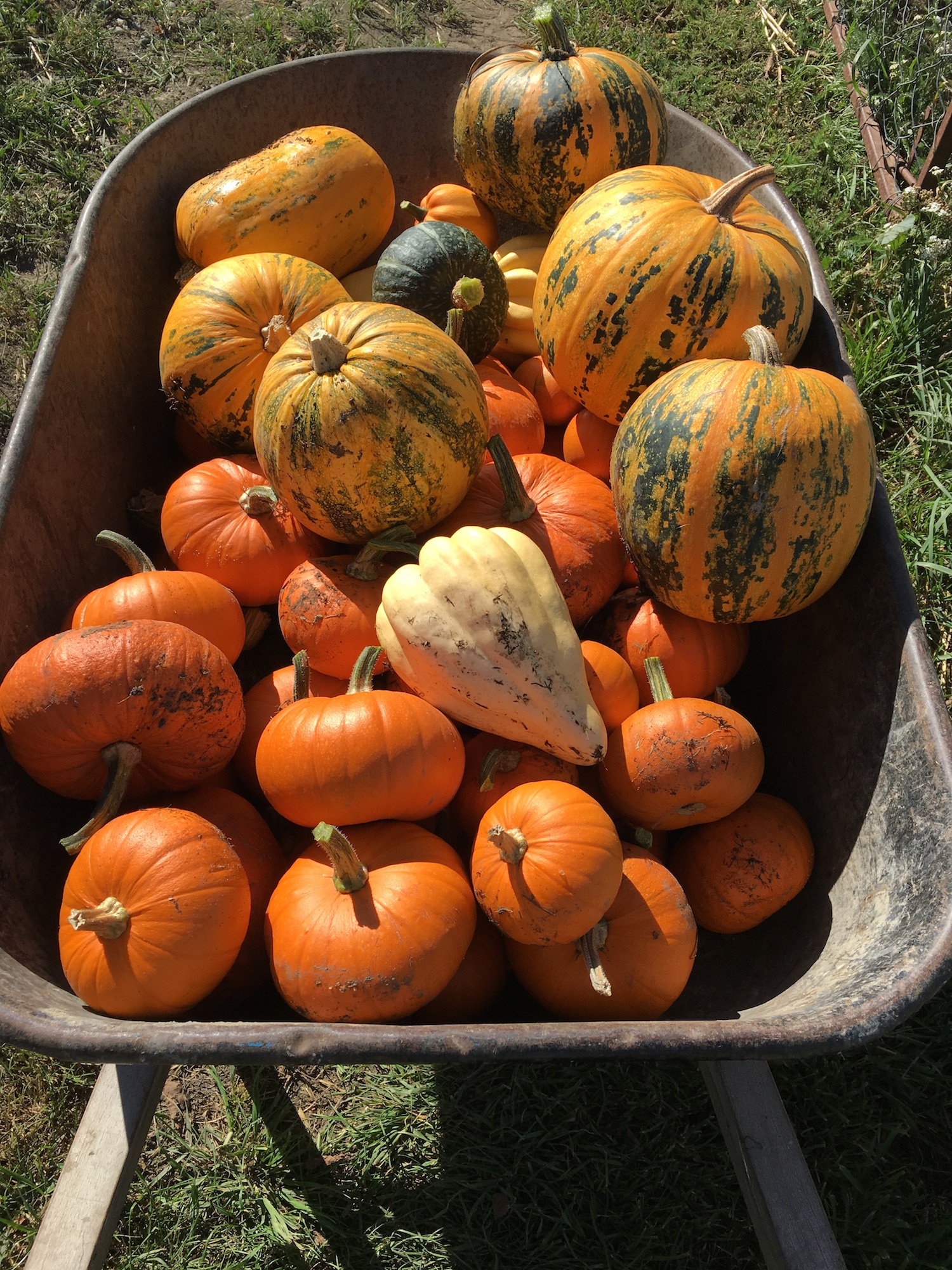
About a third of the harvest.

About a third of the harvest.

Autumn wouldn’t be complete without the requisite wheelbarrow loads of pumpkins and other winter squash. In spite of some late-frost drama this spring, the harvest wasn’t bad.

My kids ask every year, “Which are the pumpkins and which are the squash? What makes a pumpkin a pumpkin?”

The short answer is that a pumpkin is a squash that we call a pumpkin. There are four species and countless varieties that variously get called pumpkin and squash. Some fruits are known as pumpkins in one place, and squash in another.

I don’t bother with the distinction. The important distinctions are between varieties. Some are best made into soup, others make splendid pies. Some have robust, dry flesh that holds up well in savoury galettes. Some are just the right size for baking whole. Some keep well, and others need to be eaten quickly after harvest. Some have flesh only useful as goat food, but have naked seeds that are wonderful toasted with salt and spices.

Which is, of course, how I justify planting so many pumpkins of so many varieties. I need them all!

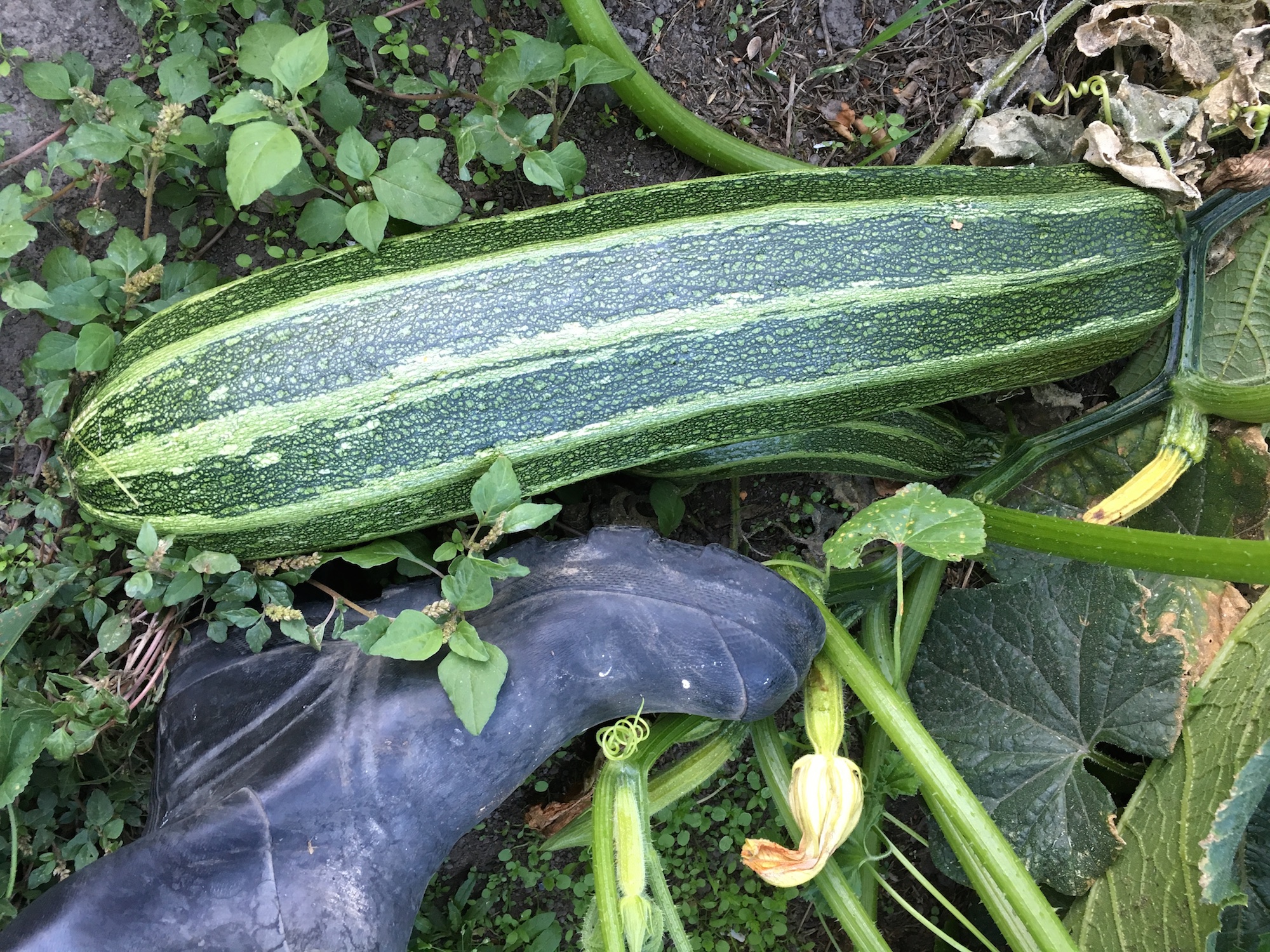
What do you do with a giant zucchini?

2016-04-02 18.47.15 smTo the tune What do you do with a drunken sailor?


What do you do with a giant zucchini?

What do you do with a giant zucchini?

What do you do with a giant zucchini,

Early in the morning?


Hey, they just get bigger.

Hey, they just get bigger.

Hey, they just get bigger.

You can’t eat them all.


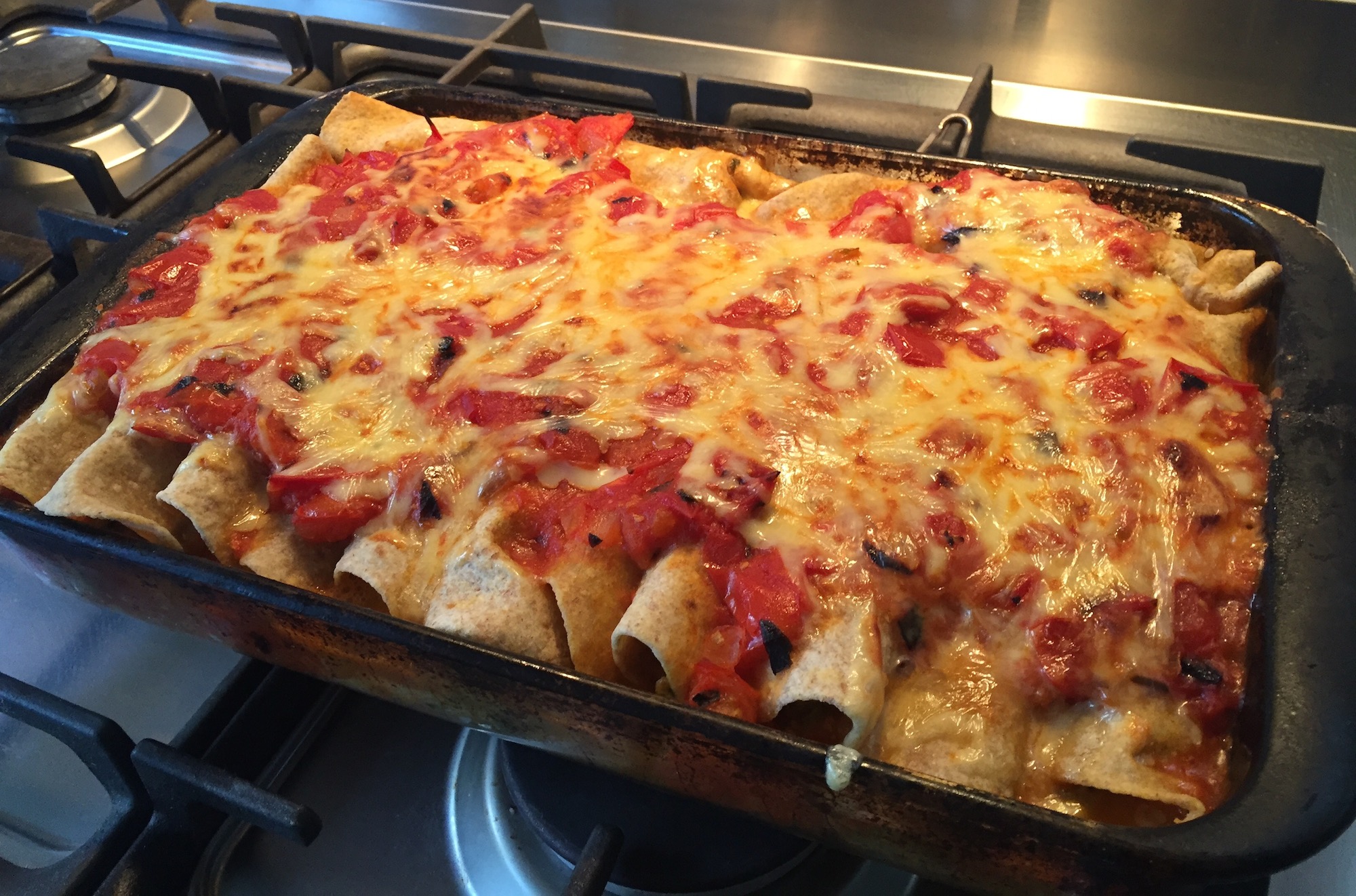
zucchinienchiladassmCook ’em in a sauce and make enchiladas,

Cook ’em in a sauce and make enchiladas,

Cook ’em in a sauce and make enchiladas,

Early in the morning!


Hey, they just get bigger.

Hey, they just get bigger.

Hey, they just get bigger.

You can’t eat them all.


chocolatezucchinicakesmBake ’em in a cake and add chocolate chips,

Bake ’em in a cake and add chocolate chips,

Bake ’em in a cake and add chocolate chips,

Early in the morning!


Hey, they just get bigger.

Hey, they just get bigger.

Hey, they just get bigger.

You can’t eat them all.

Cape Gooseberries

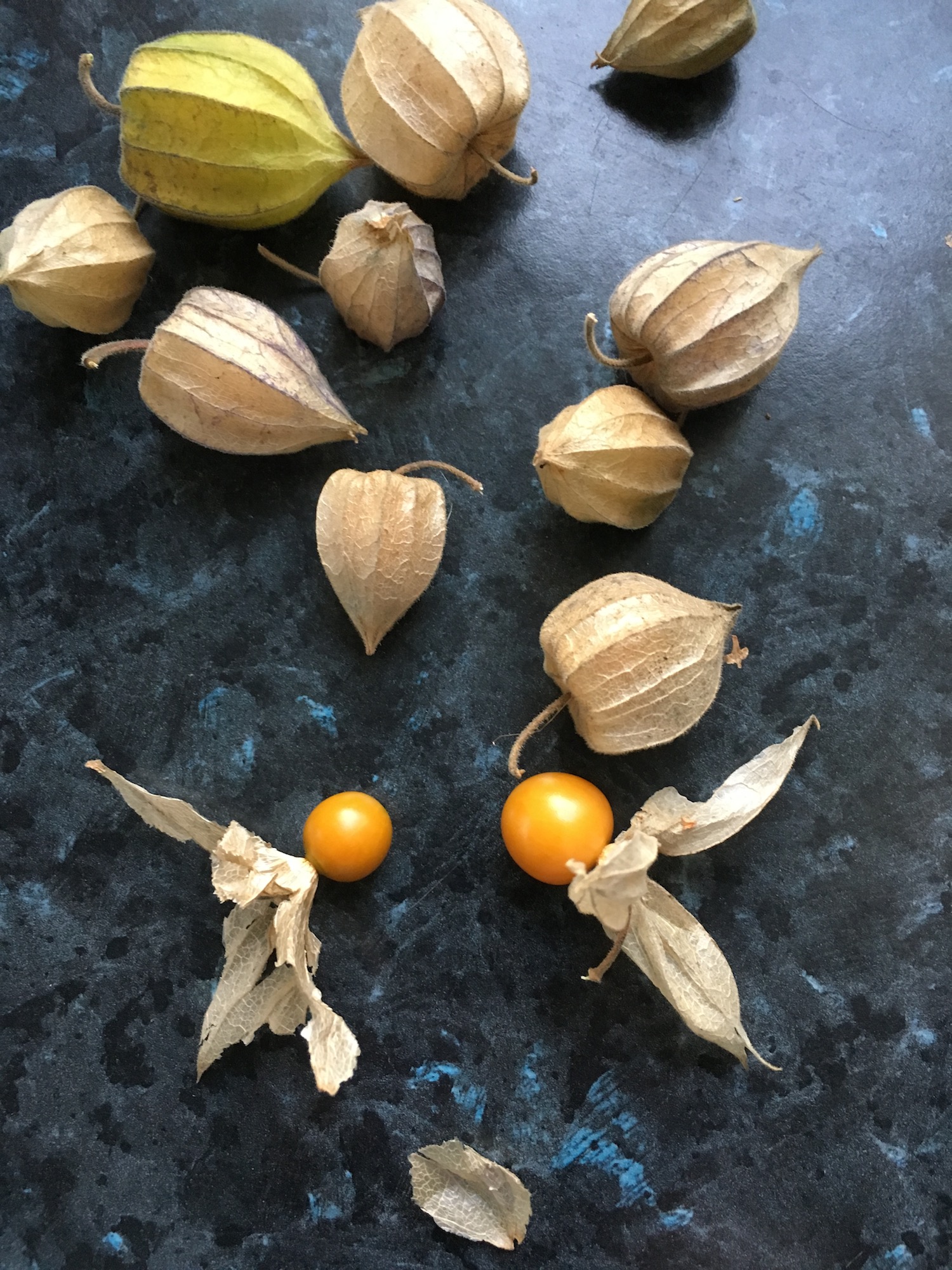
2016-03-22 19.08.56 smCape gooseberries (Physalis peruviana) are not something you’re likely to find in the grocery store. The plant is native to Peru and Chile, and has been introduced into most temperate and tropical climates around the world as a fruit for home gardens. It has been only sporadically commercially grown, however.

The fruit’s flavour defies categorisation. It is like a sour grape crossed with a tomato—not entirely surprising, as it is related to tomatoes. The initial sensation is the sour, and then they leave a lingering fruity tomato flavour in the mouth.

Cape gooseberries grow reasonably well here—some years they grow too well, actually. I’m still learning how to use them and how to enjoy their odd flavour. This year we got only a handful, as I wasn’t able to water them as much as they needed in this hot, dry summer.

Their tartness goes well in jams, chutneys, pies, and fruit salads. They’re also good eaten right in the garden—the papery husk acts as a handle, so you can snack on them even with hands dirty from gardening!

In temperate climates they are an annual, though here they often overwinter, if the weather is mild. In tropical climates they are perennial.

They’re definitely a plant to try, if you’ve never grown them.