Speculaas

100_3249 copyA couple of years ago, I got The Gourmet Cookie Book for Christmas. I immediately loved the book just for its stunningly elegant graphic design. It’s a book worth having, even if you never make a single recipe out of it, because it is a piece of art all by itself. It took me a while to get around to making the cookies, but every recipe I’ve tried has been good so far.

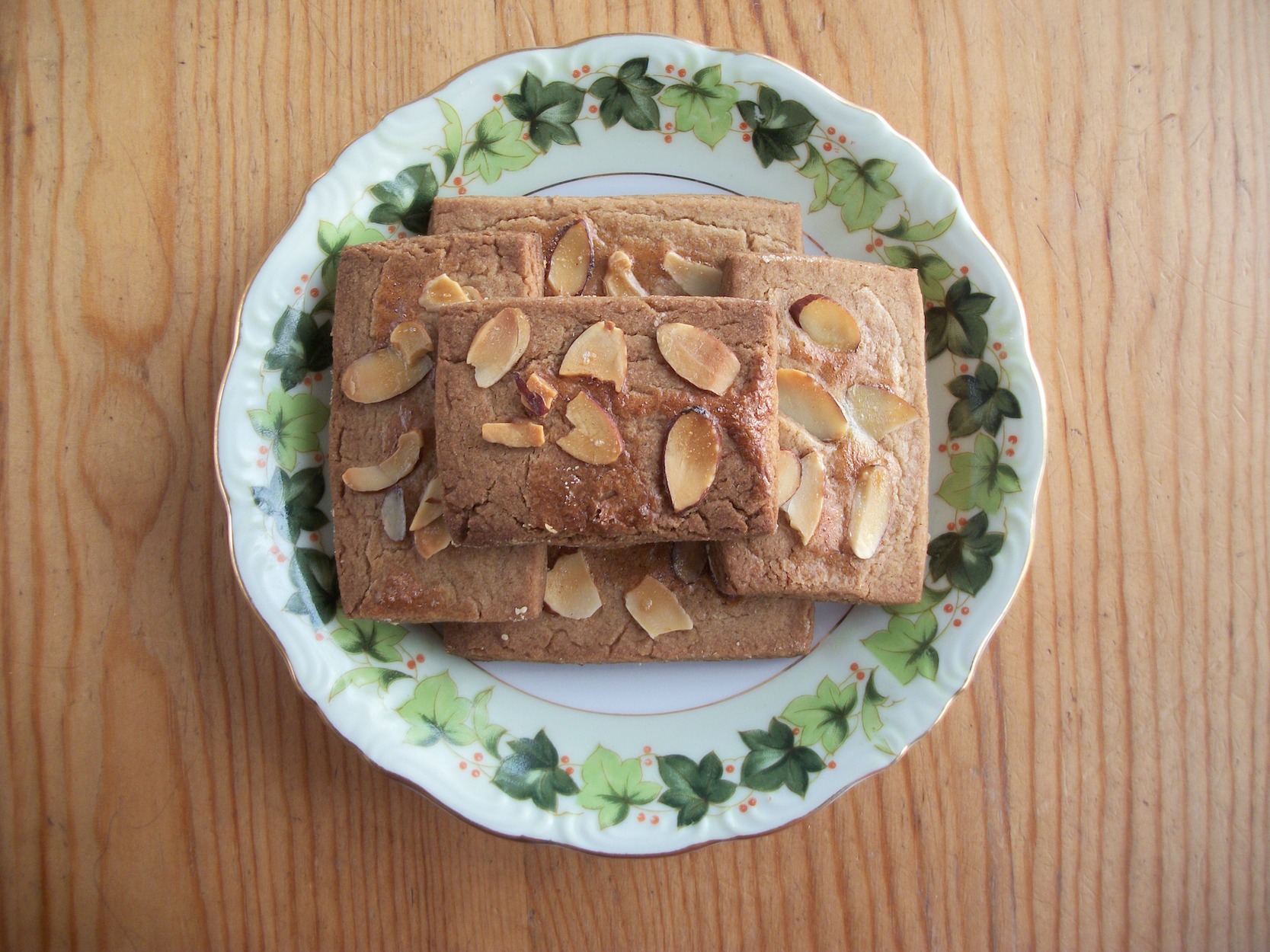
Yesterday, I made Speculaas (Saint Nicholas Cookies) from this book. I think I’ve found my new favourite cookie. These lovely biscuits combine the best of biscotti, rusks, and gingerbread in a highly dunkable package! I made the recipe straight from the book:

Combine in a medium bowl:

3 cups flour

4 tsp baking powder

1 Tbsp cinnamon

1 tsp cloves

1 tsp nutmeg

½ tsp ground aniseed

½ tsp ground ginger

½ tsp salt

Beat in a large bowl until light and fluffy:

1 cup butter

1 ½ cups brown sugar

Stir in:

3 Tbsp milk

Gradually add the flour mixture to the butter mixture, stirring until it is well combined. Form the dough into a ball and knead on a well floured board. Roll into a rectangle ¼-inch thick, and cut into rectangles 2 ½ inches by 1 ½ inches with a knife or cutter (I used my bench scraper, and it did a lovely job). Place the rectangles on a buttered cookie sheet, decorate with blanched almonds, halved or slivered (press the almonds gently into the dough), and brush them with lightly beaten egg white.

Bake at 375°F for 12 to 15 minutes, or until browned and firm.
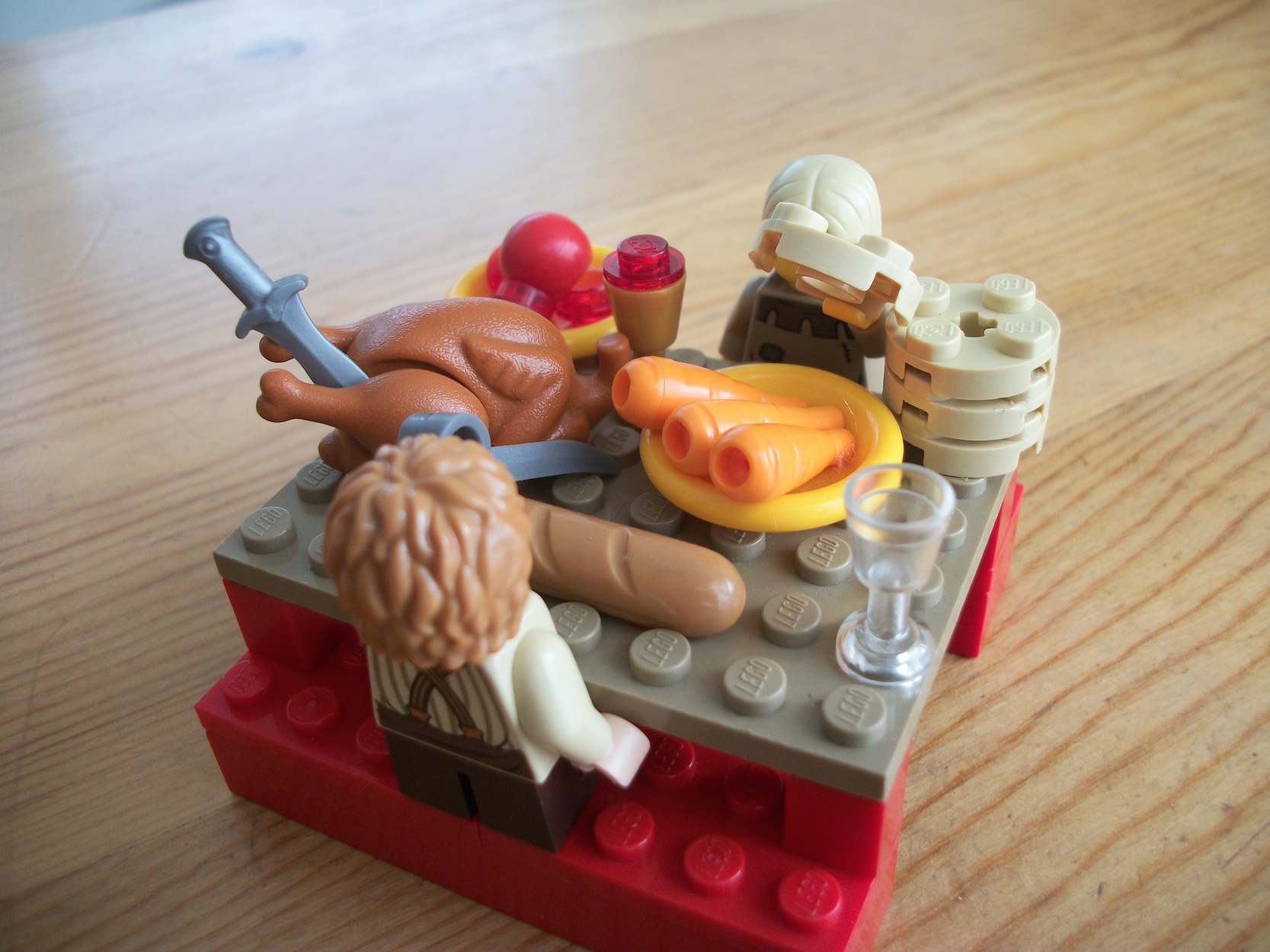
Welcome to the feast

100_3248 copyMy daughter wanted me to blog about Lego today.

“It’s gotta fit the 365 Days of Food theme,” I said. “Make a Lego feast, and I’ll blog about Lego.”

The result was a creative combination of preformed Lego food and her imagination, and reflects some of our favourite foods.

Bread, of course, is a central part of the feast. Sliced, in this case, with a sword, because Lego does not provide bread knives.

Flat round plates serve as pancakes, one of our common Sunday breakfast foods.

A Lego turkey, complete with dagger as carving knife, is a response to the fact the kids have several Lego turkeys. My daughter has, in fact, never eaten turkey.

Lego carrots are common, so naturally there is a bowl of carrots on the table.

A bowl of small red bricks represents balsamic glazed tomatoes—a lovely part of any feast.

There’s plenty to eat. Come join us at the Lego feast!

Hunger

My son is participating in the 40 hour famine this weekend. This is his second year doing the famine, and I am proud of his commitment and effort. It seems fitting, then, that I should blog about hunger and malnutrition today. I’m not going to reiterate the statistics you can easily find on the web. You can look those up if you’re so inclined.

My story is more personal.

As a Peace Corps Volunteer, I lived in a community of artisans and subsistence farmers in rural Panama. One of my roles in the community was to teach soil conservation and improvement techniques to help farmers get more out of their land and their effort.

Subsistence farming is brutal. Our neighbours in Panama aged quickly, and many bore the scars of their difficult lives. In our village, most people farmed in the morning, then wove baskets and hats or carved soapstone in the afternoon. On market day, they would shoulder huge baskets full of their work and hike three hours up the mountain to sell. By many standards, farmers in our village were rich, because of their craft sales. But rich is relative, and even the most productive villager had precious little money to buy food. Mostly, they ate what they could grow.

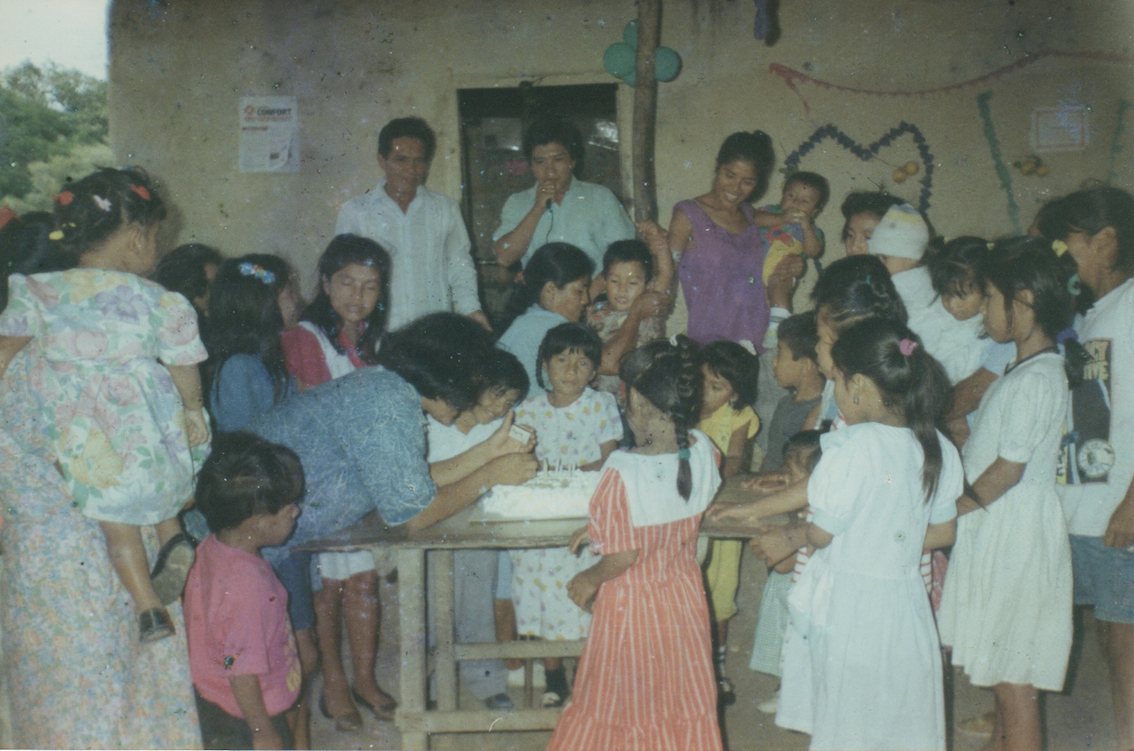
Children at birthday parties brought a bag to take food home for their families.

Children at birthday parties brought a bag to take food home for their families.

Panama has a four month dry season, during which almost no rain falls at all. By the end of the dry season, the air is like a furnace, and any crops that aren’t watered daily are long gone. New fields are cleared at the end of the dry season, and the brush is burned to make way for new crops. With the first rains, the farmers plant corn, beans, and rice. The new crops need much tending—weeds grow fast in the tropics—and there is much work to be done at the beginning of the rainy season.

Unfortunately, the farmers are doing that work at a time when they have the least amount of food to fuel the effort. Though most people manage to fill their stomachs with something every day, it is rarely enough, and often little more than plain rice. Malnutrition is rife during this lean time of year, and during my time in Panama, it was not uncommon to hear of young adults—generally strong and resilient—dying from simple illnesses because their bodies had no reserves to draw on.

This subtle starvation was nearly invisible to the outside world. Even in the city, the “ricos” had no idea that people starved to death in the surrounding countryside. “But there’s always something to eat in the campo! There can’t possibly be hunger there!”

It is not enough to fill one’s stomach. We all need to eat nutritious and diverse food that provides our bodies all the nutrients they need. Subtle starvation—malnutrition—happens nearby, no matter where you live. There is enough food on earth to feed us all. Let’s all do our part to make sure everyone has enough.

Robinne Weiss is going to town

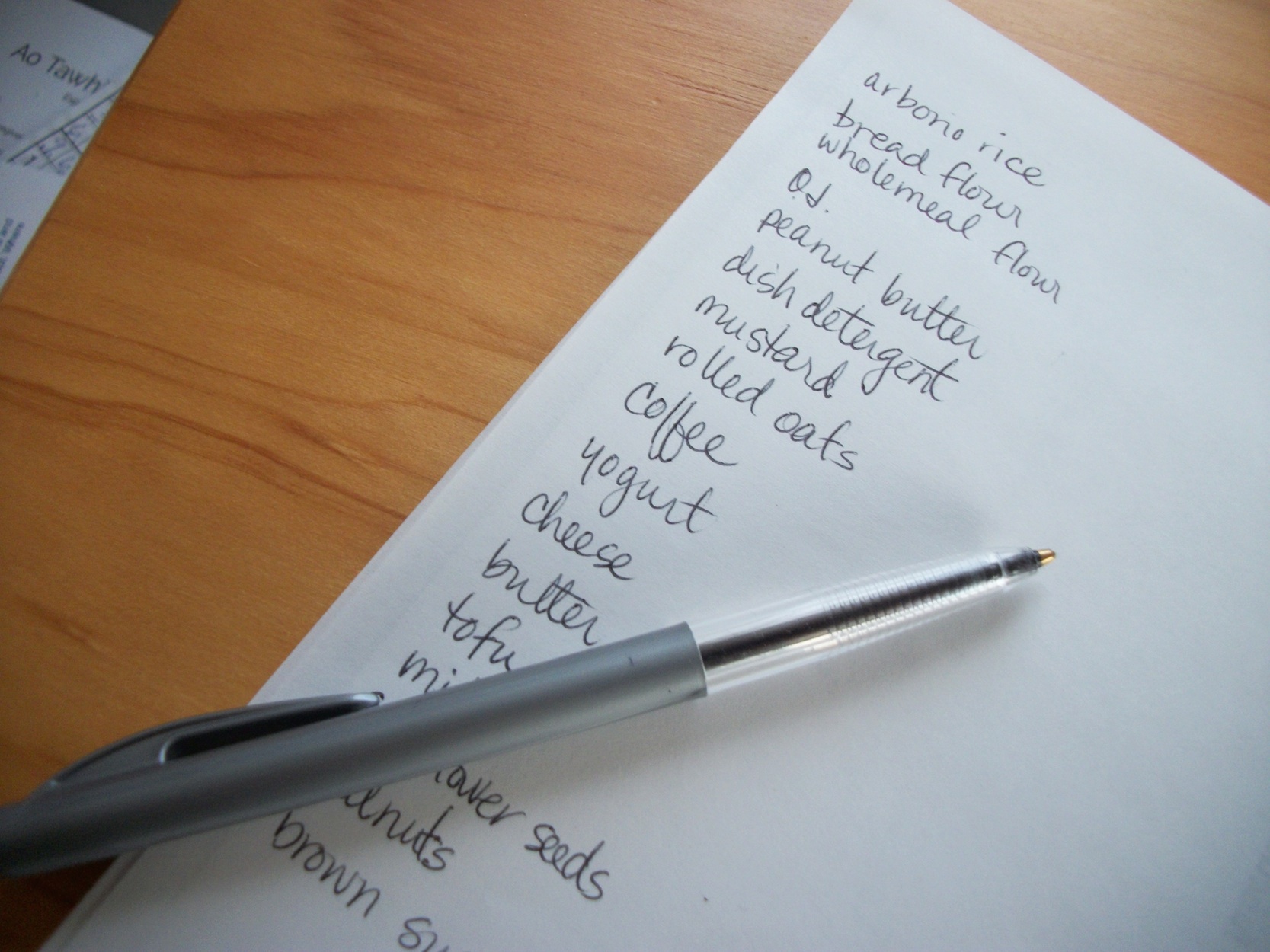
grocerylistsmOK, just to show you how weird my brain is…I was putting a few things on the grocery list yesterday, and suddenly I found myself singing this (to the tune of Santa Claus is Coming to Town).


Oh, there’s no need to cry,

No need to frown,

No need to pout,

I’m telling you why.

Robinne Weiss is going to town.


She’s making a list,

Checking it twice,

Gonna find out if we need pasta or rice.

Robinne Weiss is going to town.


She sees if we need butter

And when the stock of beans is poor.

She knows if we need orange juice

So enjoy ‘cause she’ll buy more.


So, there’s no need to cry,

No need to frown,

No need to pout,

I’m telling you why.

Robinne Weiss is going to town.


She knows when we need coffee

She knows when we need tea

She knows when we need toilet paper

And that’s good for you and me.


So, there’s no need to cry,

No need to frown,

No need to pout,

I’m telling you why.

Robinne Weiss is going to town.

Taking Stock

New trellises

New trellises

The new year’s seed catalogue will be out in six weeks, and all the summer crops are in, so it’s time to take stock of how the last year’s garden went.

Water was a constant problem this past summer—lack of it, that is. My irrigation system held up pretty well, though. I added some extra taps along the irrigation line at the edge of the garden, and this reduced the length of hose I had to drag around. The drip irrigation line for my eggplants and peppers is aging, though. I might need to make a new one for next year.

Birds were a terrible problem this past summer, destroying crops they’d never before bothered and never letting up all summer. Usually I only have to protect the peas and lettuce from them, and then only for a few weeks in early spring. This year I fought the birds all summer. It might have been the drought—there certainly wasn’t much food for the birds elsewhere in the yard—or it might be that the birds’ populations are up. Whatever it is, I’m going to have to more aggressively protect the garden next year.

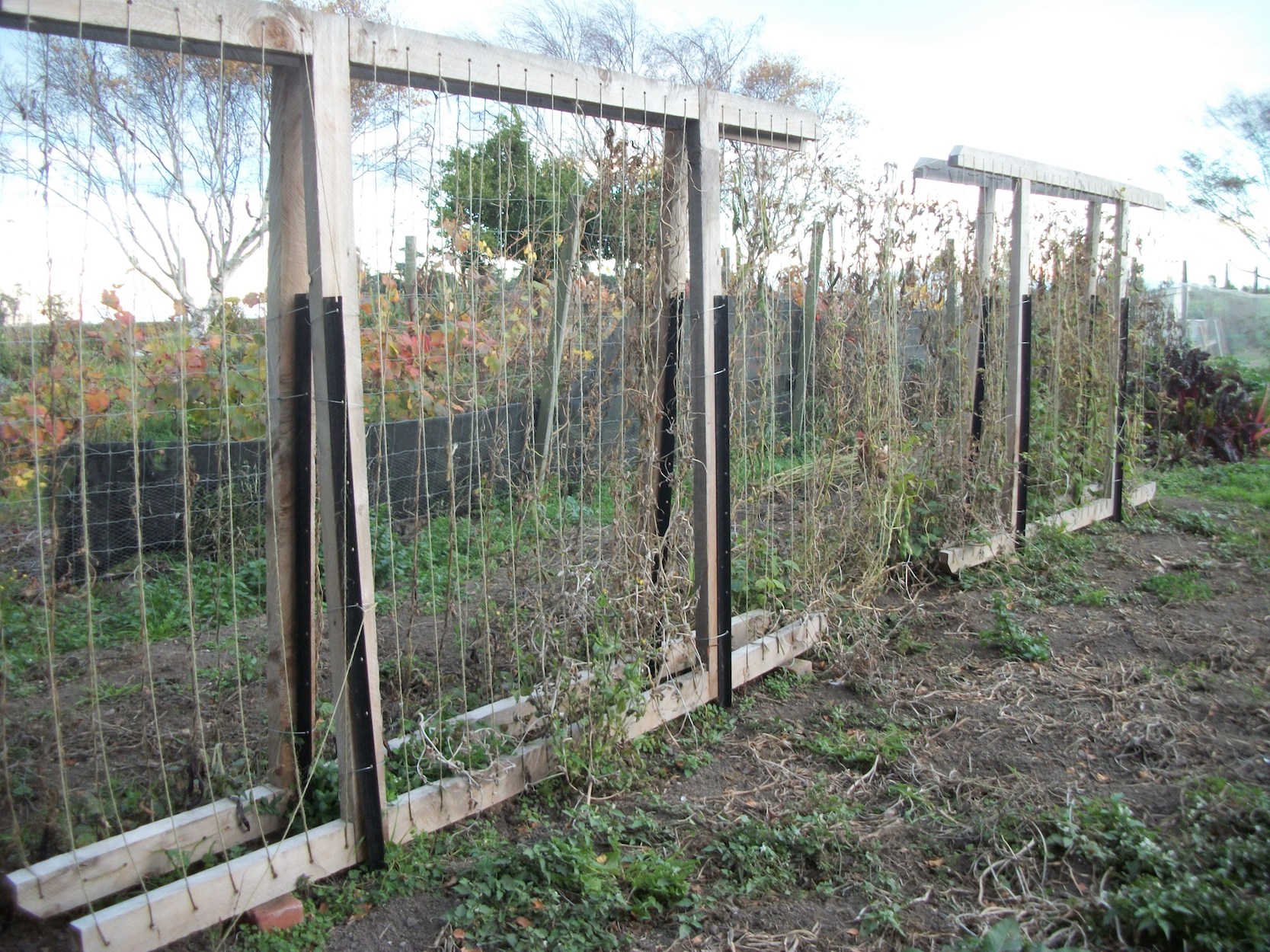
The new trellises Ian made me were perfect for peas and beans, but not so great for tomatoes. The jute I used holds up beautifully for tomatoes in the greenhouse, but in the high wind of the open garden, it broke. I’ll try the new trellises again next year, but strung with high tensile wire instead of jute.

Summer squashes were a bust this year, not through any fault of mine, but because tree roots have again invaded the garden, and they sucked the squash bed dry. The same thing happened to a row of strawberries. We’ll have to get a trencher and cut the roots back before spring.

Peas did beautifully this past year. The heirloom blue peas I planted for the first time were vigorous, stunning to look at, and produced right through summer. Unfortunately, the peas themselves turn an unappealing grey when cooked. I’ll plant them again, for sure, but I’ll have to look for some recipes in which I don’t mind grey peas.

Pumpkins were a bit of a disappointment. Not that we don’t have lots of pumpkins, but we have fewer than I’d hoped. They were in the driest corner of the garden. That corner is always a problem. Perhaps I’ll have to set up some extra irrigation for that spot next year. I planted several new varieties of pumpkin last year, and was very impressed with Baby Bear—as cute and compact as Wee Be Little, which I’ve grown for years, but with better flavour.

The Delicious tomatoes continue to impress me. I think next year I’ll plant more of them than I do Brandywines—they’re almost as tasty, and grow much better here.

These and dozens of other notes are scribbled in my garden journal. I’m sure I’ll make more mistakes next year, but at least I won’t repeat the same ones!

First Frost

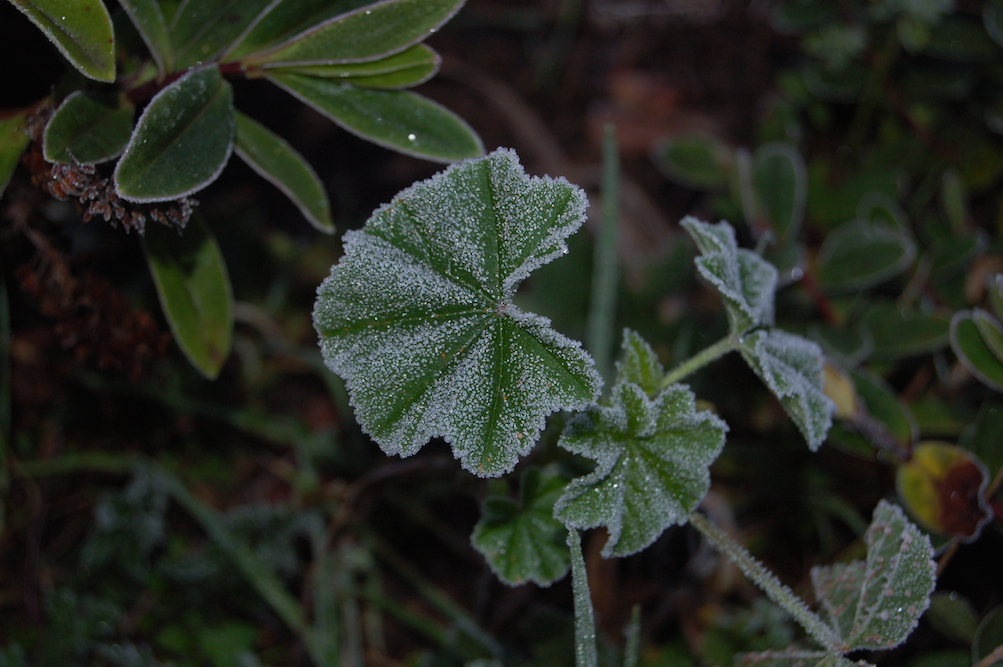
DSC_0006 copyThe grass sparkled in the beam from my headlamp this morning and crunched underfoot—our long-overdue first frost. After such a hot summer, we should have expected a warm autumn, but I was beginning to wonder if it would ever frost; it usually occurs near the end of April.

Of course, even without a frost it’s been too cool for the summer crops outside the greenhouse; they gave up weeks ago. So we’ve been eating as though it has already frosted, but there’s something decisive about the first frost.

First frost gives me permission to haul out the sewing machine after a summer’s interruption to crafts. It encourages me to pull out a good book. It gives me leave to contemplate steaming pots of soup and chunky vegetable stews for dinner. It is a milestone in the year. A time for taking stock, reflecting on the summer’s crops, and enjoying a brief break from most garden chores. Though the garden looks wasted and sad after the first frost, it is a time to savour, like every other event and milestone in the garden year.

Be a Greenhouse Maker

100_2519smThis afternoon when I went out to the greenhouse for tomatoes, I got to thinking about the protection that a greenhouse offers. The more I thought about it, the more I realised that we all use greenhouses, and the best of us create them.

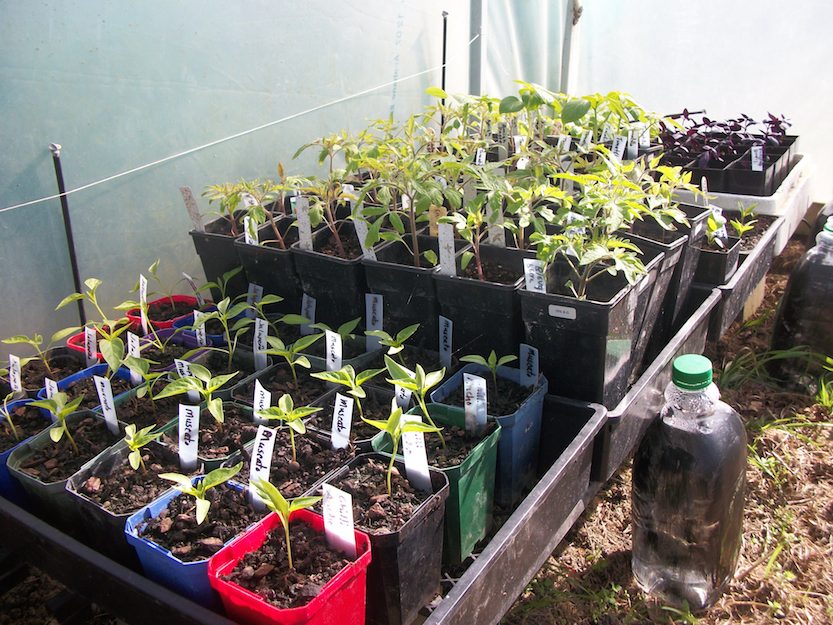
The greenhouse is a refuge for those tropical plants we love so much—tomatoes, peppers, and basil. My unheated tunnel can’t protect the plants from a hard freeze, but it protects them from frost and gives them just enough extra warmth to ripen up those last autumn fruits. It also protects tender seedlings from fickle spring weather.

Not everyone has a greenhouse for vegetables, but we all make use of metaphorical greenhouses.

We provide greenhouses for our kids. We try to protect them just enough to give them extra time to grow and mature until they’re ready to brave the elements alone. We provide them a refuge—a place where they are loved, accepted, and safe from emotional and physical harm.

But it’s not just children who need metaphorical greenhouses. We adults need them, too. Yesterday, my son interviewed me for a school assignment about the factors that help us to be resilient in the face of adversity. It struck me that a large part of being resilient is having a refuge, a “greenhouse” that will take the edge off harsh conditions.

We can make greenhouses for others. When the earthquakes struck in Christchurch, neighbours created greenhouses for one another by pitching in wherever they could—shovelling liquefaction, sharing food, and offering shoulders to cry on. My husband has provided a greenhouse of unwavering support as I muddle through my current emotionally fraught career change.

We can make greenhouses for ourselves, too—places (physical or mental) where we allow ourselves to rest, where we cultivate things that bring us comfort.

When we make greenhouses for our kids, our friends, and ourselves, we all take shelter in them. So go ahead, be a greenhouse maker.


An Orderly Work Space

My "new" 125 year-old garden shed.

My “new” 125 year-old garden shed.

With my husband’s new shop all but finished, he’s been shifting all his tools from the old shop. The shift prompted the shuffling and rearranging of not just his tools, but also my gardening tools and supplies, and my teaching resources and crafts in my office. A shelf unit from my office went to the new shop, and a cupboard went to the “new” garden shed (the old shop). I got new cupboards for the office that are a better fit for the space, and we all spent the entire weekend rearranging and organising stuff in all three work spaces. Cleaned out things we don’t use anymore, discovered things we thought we’d lost, and arranged work spaces so that the tools and materials we need are easy to find and convenient to use.

After nearly ten years saying we were going to do this reorganisation (and being sidetracked by more important issues like leaking roofs, rotted house piles, and disintegrating weatherboards), I’m thrilled to see our work spaces coming together the way we’d like them to. There is still a lot of work to do to finish the job, but I can already see I’m going to appreciate having my seed-starting trays and pots in an enclosed space so they don’t blow off the shelves every time we have a storm. I’m going to enjoy having my garden tools neatly hung on the wall, and my pots and potting mix arranged for efficiency, not just stashed wherever I could make them fit.

Makes me want to go out and plant something, just for the pleasure of using a well ordered shed.

I “Heart” Biscuits

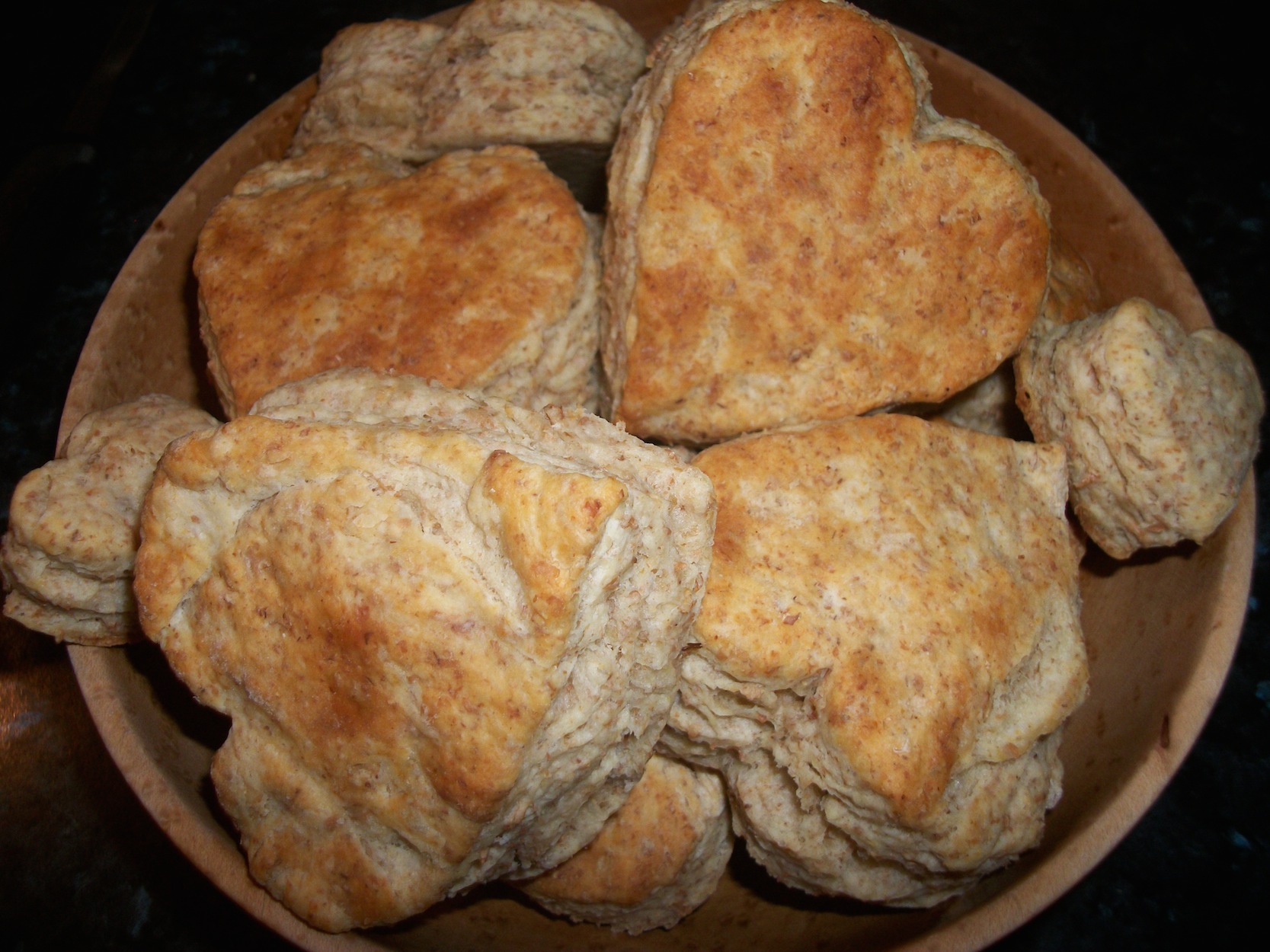
100_3226 copySunday breakfast was biscuits (or, as I have to say to my Kiwi kids, American biscuits, lest they thing we’re having cookies). I sometimes forget about biscuits–generally only making them when there are no eggs in the house—but they make such a lovely breakfast, slathered with homemade jam! Make enough, and they’re equally good at lunchtime with cheese and mustard.

For some forgotten reason, I always make my biscuits heart shaped. The crispy pointy end is absolutely the best part!

Buried Treasure

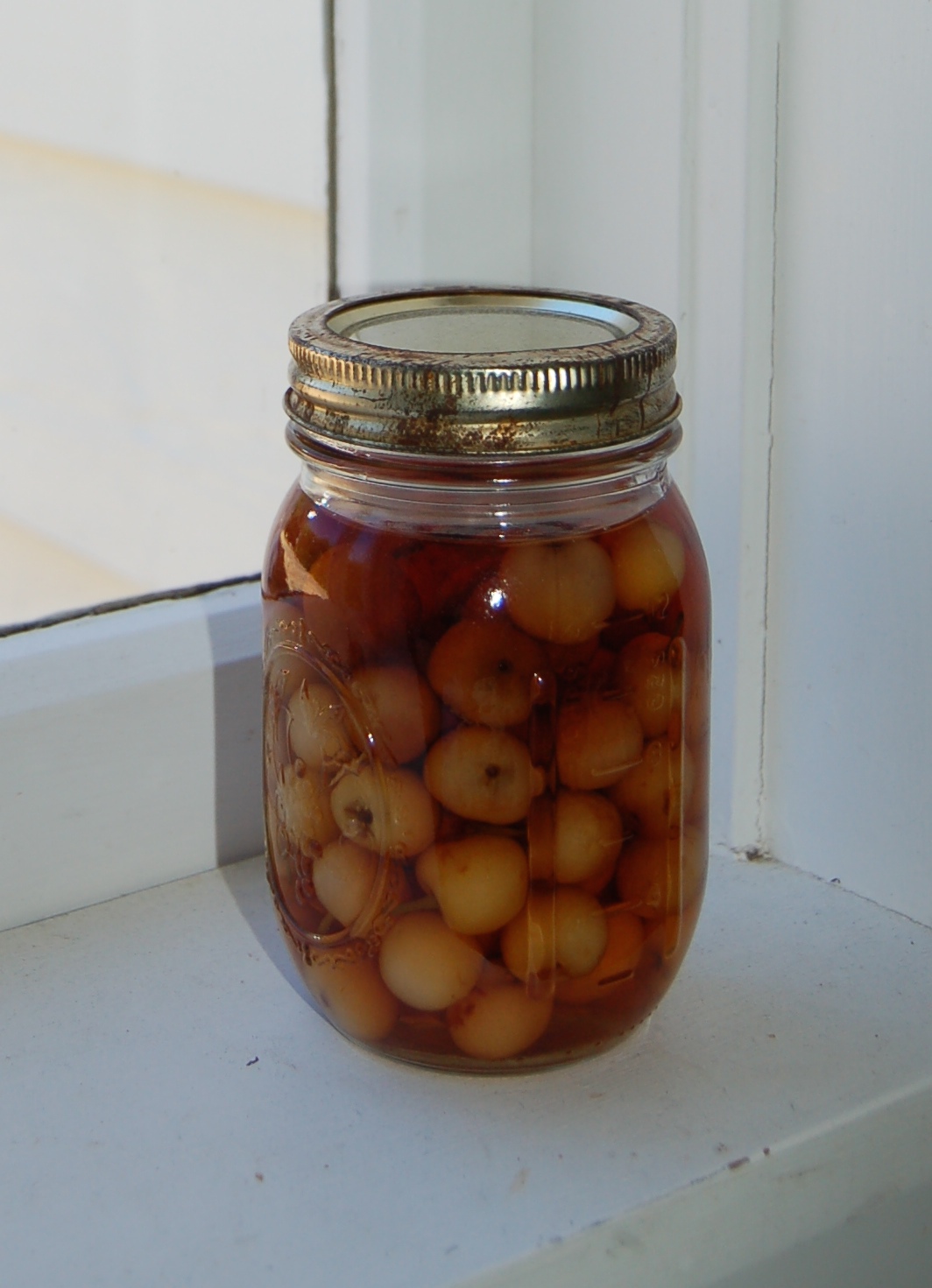
brandiedcherriesonwindowsillcropLong about now, the summer bounty is over, the winter crops aren’t yet producing, and we start eating the foods we preserved over summer.

Long about now, we remember the brandied cherries.

We don’t make many (we don’t eat many)—one pint jar full. On top of a scoop of vanilla ice cream, accompanying a chocolate brownie, or all on their own, they are a decadent treat. Like much of the summer bounty stored up, they feel like buried treasure when we remember them on a cold, rainy day.