Walking Wellington

2016-06-03 10.22.20I spent the weekend in Wellington at a convention, but I have to admit that the best part of the weekend was walking around the city.

I could never live in Wellington—I’m just not a city gal, and it would kill me—but I love to visit. Yes, I enjoy Te Papa, and the Carter Observatory, the World of Wearable Arts show, and all the other indoor attractions. But mostly I like going there to walk.

And I have to think I’m not the only one who enjoys walking in Wellington. The streets are full of people walking—to and from work, during lunch breaks, to shops, to the bus stop…

You can walk along the waterfront, or through the residential neighbourhoods with their many finial posts, through the parks or the botanic garden, or along bustling Cuba Street. You can even walk to the airport, if you’ve got time and inclination—the city is compact enough that nearly everything is within a reasonable walk.

Well, reasonable by my standards.

Of course, when Wellington’s weather turns, it’s not a place you want to walk. I’ve been drenched by wind whipped waves on the waterfront, even when it’s not raining. But on a good day walking Wellington is a delight.

This past weekend’s weather was crisp and clear, with almost no wind. Perfect. I did about 10 hours of walking from Friday to Sunday, and would have happily done twice that much, had my schedule allowed.

So, if you’re planning a trip to windy Wellington, be sure to pack your walking shoes.

A Fondness for Finials

2016-06-05 10.31.13 smWellington is a city rich in finial posts.

And…um…what’s a finial post?

Finial posts are the ornamentation found on the gable ends of roofs. Roof finials have been used for millennia all over the world. They originally served the purpose of capping the point of a roof, where the tiles come together (think of the fancy post on top of a Japanese pagoda). You need something to cover the unavoidable hole where all the tiles meet. Many roof finials still serve this purpose, but they are also ornamental.

2016-06-05 10.29.42 smGable finial posts were popular in the New Zealand villas built between about 1880 and the beginning of World War I. They were just one of the many ornamentations (inspired by the new steam-powered woodworking tools of the time) used in these houses. The style (including the finial posts) was also popular during this time in America and England. Folklore in the eastern U.S. suggests that finial posts were not just attractive, but also prevented witches from landing their broomsticks on the roof.

At this point most of you are wondering why on earth I even notice finial posts. My appreciation of finial posts started when we did a major repair on our own house—a tiny villa built around 1880. The front gable was rotting and in need of replacement. It had been repaired in the past, and in one of the repairs the finial post had been sawn off at the roofline. This is a common fate of finial posts on old villas—re-roofing is much easier without finial posts in the way.

When we repaired our house, my husband insisted on restoring the house’s finial post, and this started a whole-family appreciation of finial posts. Now we can’t go anywhere without noticing good finial posts, or noticing when they’ve been removed.

And so, while in Wellington this weekend, I took several long walks, simply to admire the finial posts.

Of course, the question I have is, with so many finial posts in Wellington, do witches need to land at the airport instead?

Don’t be George Bush: Eat Broccoli

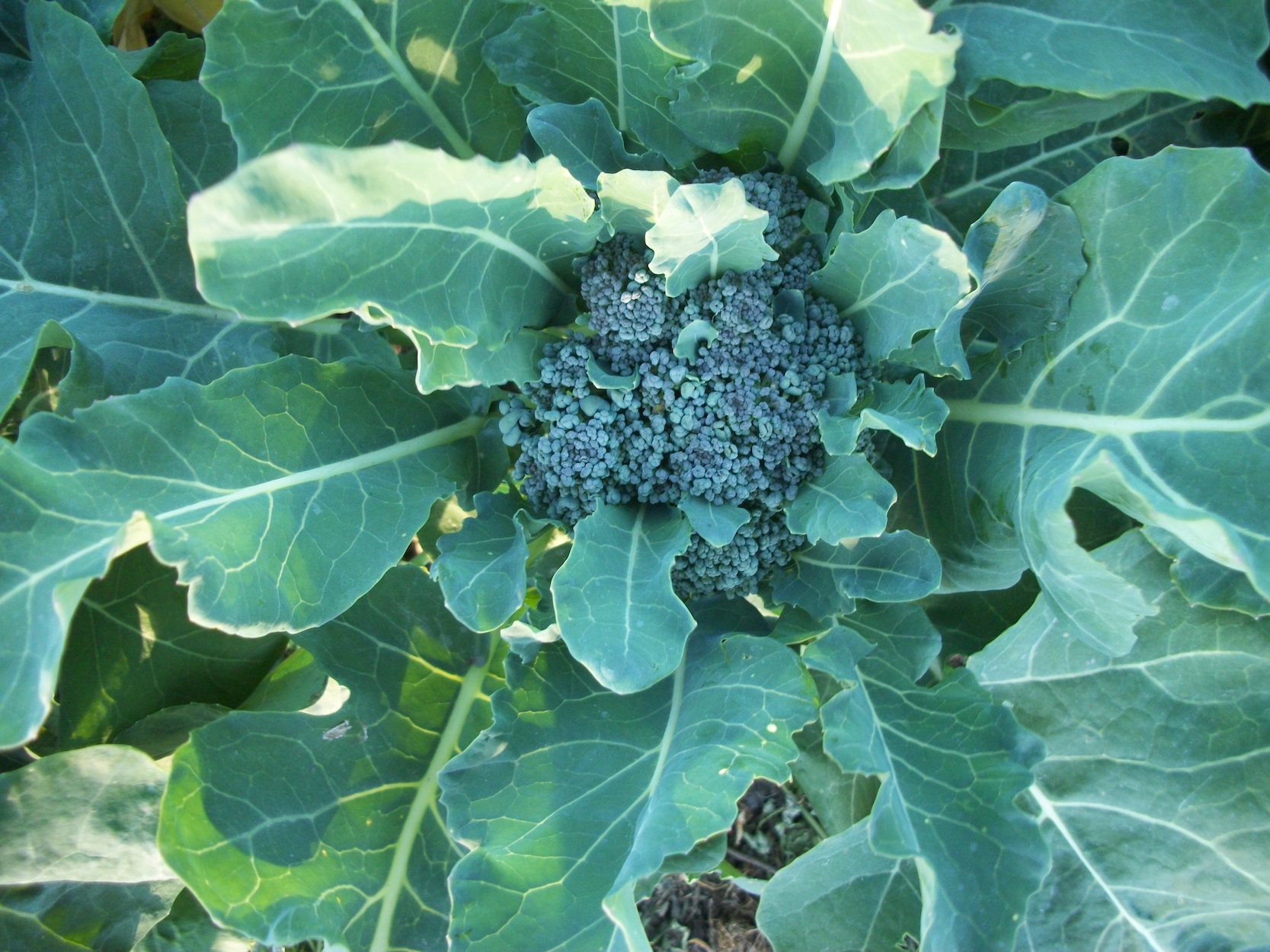
100_4038 smAs the cooler weather finally hits, we slip into winter eating. That means the stored foods like pumpkins and potatoes, but it also means the cool-weather crops, like broccoli.

Broccoli gets a bad rap, and anyone who has ever eaten overcooked, mushy broccoli has my sympathy. But it’s worth giving broccoli a second chance, even if your first experiences with it were less than delicious. Because it can be grown year-round here, it is a staple in our diet.

Broccoli can be good raw, lightly cooked, or well cooked—it’s all a matter of choosing the right level of cooking for the dish. Here are some diverse and delicious ways to eat this maligned vegetable:

Add raw or very lightly steamed broccoli to a green salad.

Dip raw broccoli florets in your favourite cheese dip.

Lightly steam long broccoli spears and serve with butter, salt, and a squeeze of fresh lemon.

Add chopped broccoli to pizza or pasta sauce, or layer it into a potato gratin.

If you’re feeling adventuresome, make a broccoli soufflé—the broccoli, cheese, and egg combination is delicious.

Marinate and grill long broccoli spears.

Roast broccoli florets along with other vegetables in the oven.

Saturday Stories: Ghosts

DSC_0005I always liked the early morning, before dawn. It was quiet. The kids weren’t clamoring for attention and hot chocolate. My husband wasn’t enlisting me in the frantic search for his car keys. The phone wasn’t ringing. Even the birds were quiet.

So it was natural, when we moved to the old farm out on Creamery Road, that I would tend to the livestock in the wee hours before daylight.

We kept a handful of dairy goats and a grumpy old steer named Bill, who came with the place. He’d run wild in the back forty, and only came down when winter set in, after we’d been there for six months. My daughter befriended him, and that’s how a family of vegetarians ended up with a beef cow.

But the cow wasn’t the only unusual thing that came with the property.

I saw the first ghost on an icy morning shortly after Bill arrived. We had made room for him in the barn alongside the goats. When I arrived in the barn that morning, I found Bill idly chewing an old wool blanket he had managed to reach from his stall.

“Are you taking lessons from the goats?” I asked him as I pulled the blanket away from him. I was about to toss it back into the corner when I saw the spinning wheel it had been covering.

The wheel was dusty. I wondered how many years it had sat in the barn, unused. I blew the dust off and tried turning the wheel with my hand.

“Use the foot pedal.”

I nearly jumped out of my skin at the sound of a woman’s voice. I looked up and there she was—a young woman in a long brown dress and white pinafore. She was clearly visible, but insubstantial, as though the dust had coalesced to make her form.

“Excuse me?”

“The foot pedal.” The woman pointed. “That’s what makes it go.”

I pressed the pedal and the wheel turned. I smiled.

“Was this yours?” I asked. The woman nodded, smiling.

“My husband ran two hundred sheep. I always kept back some of the fleeces—the best ones—for our own use. I had a loom, too, but it’s gone.”

“What did you make?”

“Dresses and trousers, jackets…and blankets and booties for the baby.” An insubstantial tear rolled down the woman’s ghostly face.

“The baby died?” I guessed.

The woman smiled.

“No. He lived, and grew up to be a fine man, but I never got to hold him or help him on his way. His first breath was my last.”

I took the spinning wheel into the house, cleaned and oiled it, and put a new drive band on it. I bought some wool and asked the neighbor to teach me to spin. The young ghost visited whenever I sat down to the wheel.

The next ghost appeared in springtime. The goats were out in the far paddock with their new kids, and I was coming back through the woods from an early morning visit to them .

She was an elderly Native American with deep laugh lines around her eyes. She beckoned me off the trail and showed me a patch of morels pushing through the leaf litter.

“I used to collect morels from this very spot. I taught my daughter how to find them, and she taught her daughter.” Her face clouded. “And then the White Man came. Before long, there was no one left to teach.”

“I’m sorry,” I said.

I picked the mushrooms, and have done so each spring since, savouring their earthy flavour in springtime meals.

Once I saw the first two, the other ghosts were easy to see. There was the boy floating sailboats on the farm pond—I taught my daughter to do the same. There was the doctor picking dandelion greens to nurse an invalid back to health—we began adding dandelions to our spring salads. There was the farmer building rock walls between fields—I added many stones to them over the years.

Everywhere I turned were the ghosts of those who had come before. My early mornings became a social time. I would greet the elderly man who milked his ghostly cow next to me as I milked my goats. I would share a joke with the girl who giggled in the oak tree. I would stop to hear a poem by the woman who sat writing on a mossy rock in the woods.

Bill is long gone. My kids have grown and moved away. My husband is buried in the churchyard in town. The ghosts stay with me all day now. They sit by my bedside when I wake in the night in pain.

I have claimed the milking stand as my own, when the time comes. The old man and his cow will have to make room for me.

Sunrise, Sunset

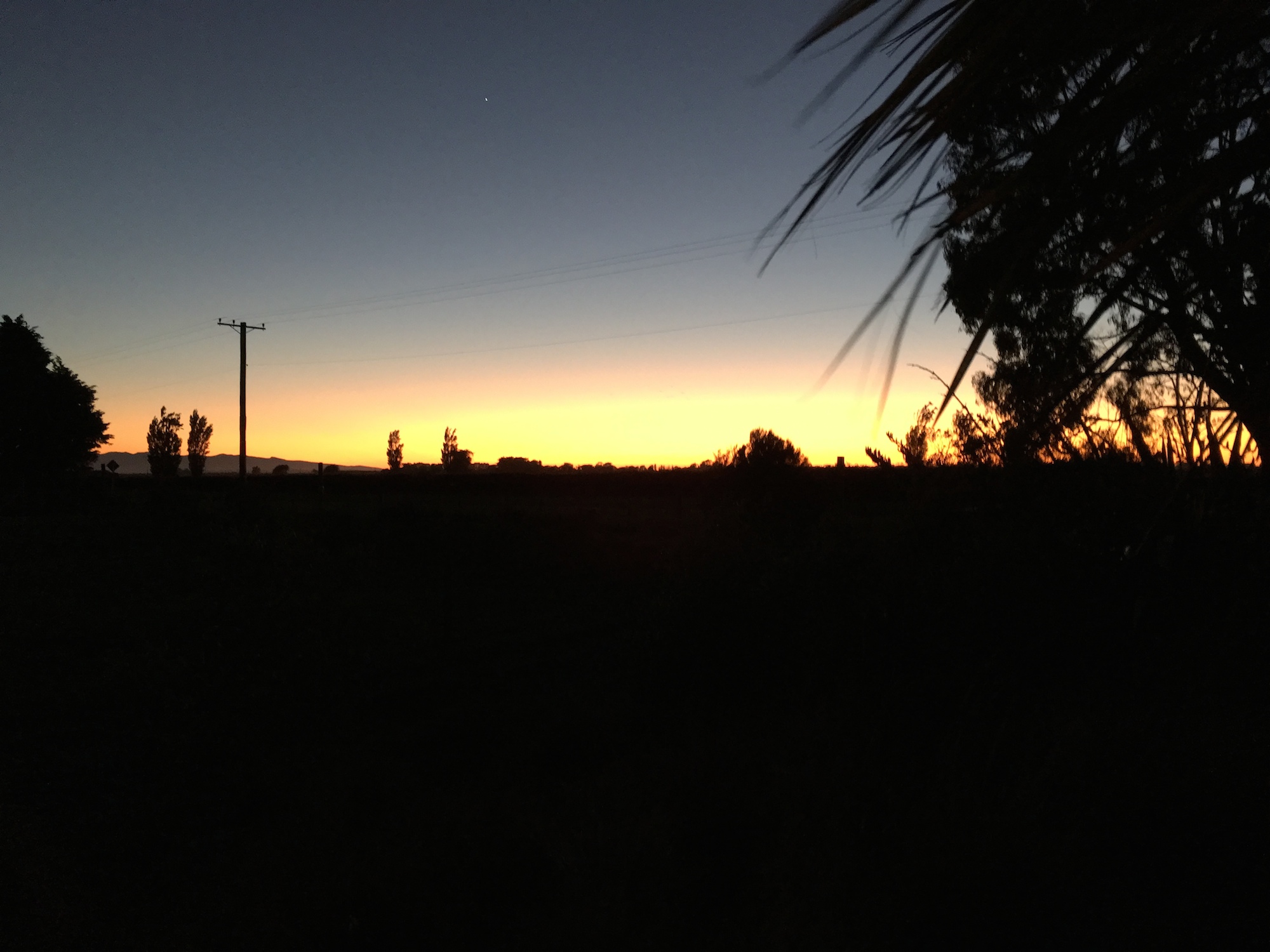
2016-02-04 05.55.27 smOne of the best things about living in the temperate zone is the long sunrises and sunsets we get much of the year.

When we lived in Panama, the sun would leap into the sky in the morning, and dive out of it in the evening, with little in the way of lingering twilight. It was like flicking on and off a light.

The more gradual appearance and disappearance of the sun in the temperate zone is far more picturesque, and there are few places on earth more picturesque than New Zealand when it comes to sunrise and sunset. Between mountains and wild weather, you can’t beat it.


Throwback Thursday: Jujuná

d1scans011 smLiving in Panama was sometimes like living in a never-ending episode of David Attenborough’s Life on Earth.

The invertebrates alone were enough there to keep me intrigued for a lifetime—tarantulas, whip scorpions, solifugids, scorpions, grasshoppers, mantids, butterflies, bioluminescent click beetles…every day was an entomological adventure.

And the snakes! Coral snakes, fer-de-lances, palm vipers, vine snakes, boa constrictors…never a dull moment.

And don’t even get me going on the frogs, birds, and lizards—I could spend a week waxing lyrical about the hummingbirds alone.

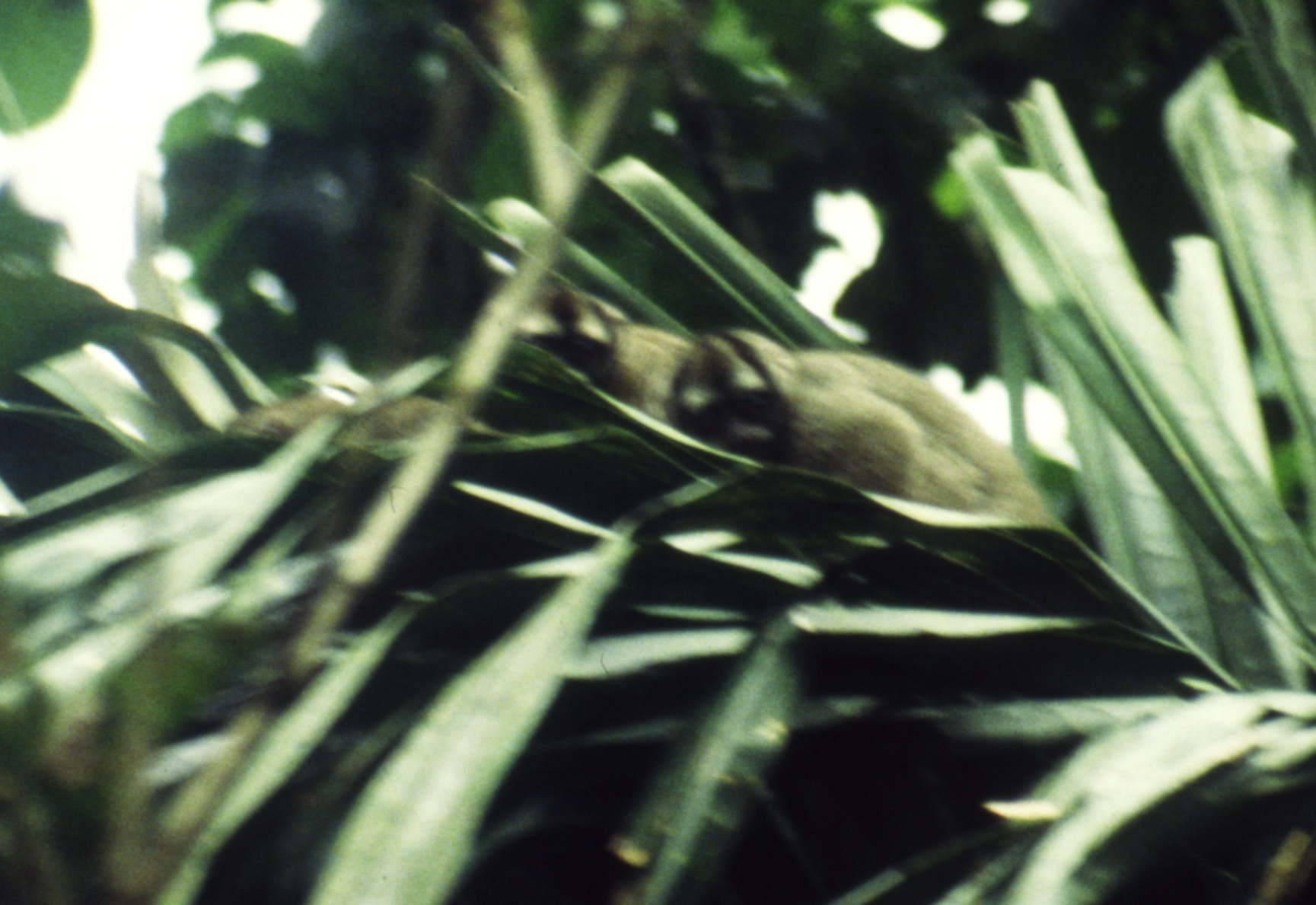
In the rainforest, we could see howler monkeys, spider monkeys, cotton-top tamarins, agouti, and jaguarundi, among other mammals. And even in our far-from-pristine village, where all the forested land was managed by the local farmers, we had mammals—sloths, squirrels, rats the size of small dogs, and one of my favourites—the jujuná or night monkey. We didn’t see them often. As their name implies, they’re nocturnal. The only nocturnal monkey, as it turns out. Its secretive habits are probably why it manages to live where other monkeys don’t.

Night monkeys are interesting, not just because of their unusual nighttime habits, but also because they are one of the few primates other than humans who contract malaria, making them important in medical research on the disease.

Night monkeys live in small family groups. The individuals in this photo are probably a mated pair and their young (the little one is on the left—you can just see its back). Though we seldom saw them, it was fun to know they were there.

Confessions of a Packrat

2016-06-01 15.19.52 HDRWhen the kids were young, we used to regularly visit Creative Junk, a place that sells all manner of industrial off cuts, overruns, and misprints, along with household ‘junk’ like plastic tubs, fabric scraps, broken tiles, and empty jars. It was a great place to get cheap materials for the kids’ creations (you know, those 3-year-old constructions of dubious artistic merit—the ones that end up in the rubbish a couple of days later).

On one of those trips, I scored a roll of heavy clear vinyl for myself. I didn’t know what I’d use it for, but it struck me as a handy thing to have.

That vinyl has sat unused in my office for eight years. It’s always a little too heavy or a little too small for anything I might want it for. More than once I considered tossing it (or donating it back to Creative Junk). But getting rid of it required more work than just leaving it in the back of the cupboard, so it just stayed there.

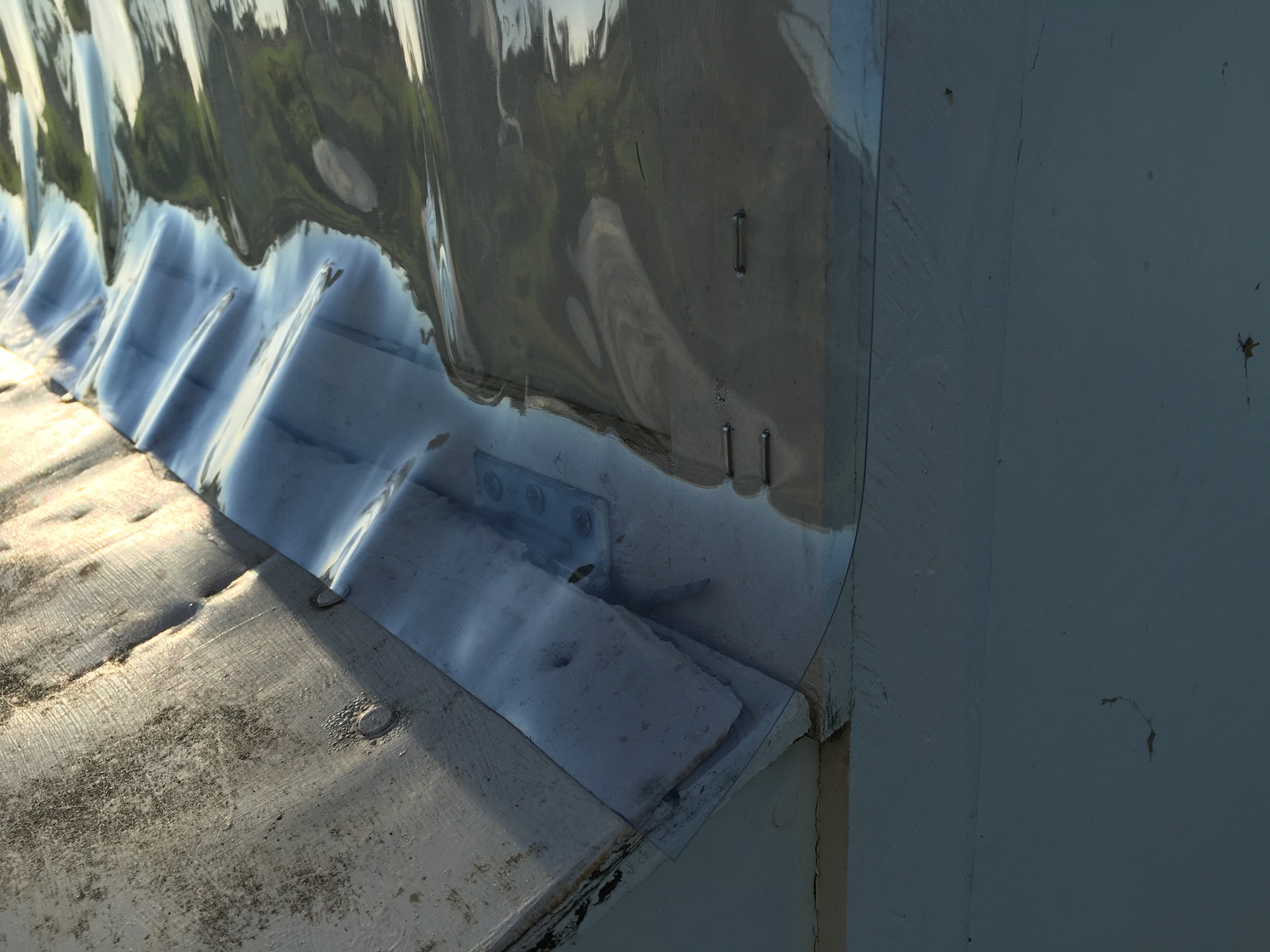
This past weekend, I noticed that rain was getting into the chicken coop. A crack at the back of the hinged lid over the nesting boxes had gotten wider with age, and was now letting water stream right into the nesting boxes.

I needed something to block the crack without preventing the nest box lid from lifting. Something waterproof, stiff enough to not blow in the wind, but flexible enough to bend with the lid.

My roll of vinyl was exactly the material for the job.

I worried the piece wouldn’t be long enough, but found it was exactly the right length, and exactly twice as wide as I needed, so after cutting it, I had a piece to put on the coop, and a perfect replacement, if the first doesn’t hold up long-term.

And this, of course, is the reason I have a cupboard full of little bits of this and that in my office; and a pile of leftover bits of spouting, flashing, and pipe out behind the shed; and a stack of not-entirely-rotted fenceposts; and three rolls of used deer fencing; and an old bed frame; and…

Eventually, nearly everything comes in handy. Nearly everything can be reused, often more than once. There are half a dozen boards under my firewood right now, keeping it off the wet ground, that are on their third lifetime—they were once a porch roof, then a tree house, and now protect the firewood. Between uses, they were slated for the rubbish, but ended up being reused before we got around to hiring a trailer to take them to the tip.

I’ve grumbled more than once about the lack of rubbish pick-up here, but I often think it does more good than harm. The more difficult it is to get rid of things, the more creative we become in reusing them.

That’s got to be good—for our finances, and for the environment.

Fabulous Fennel

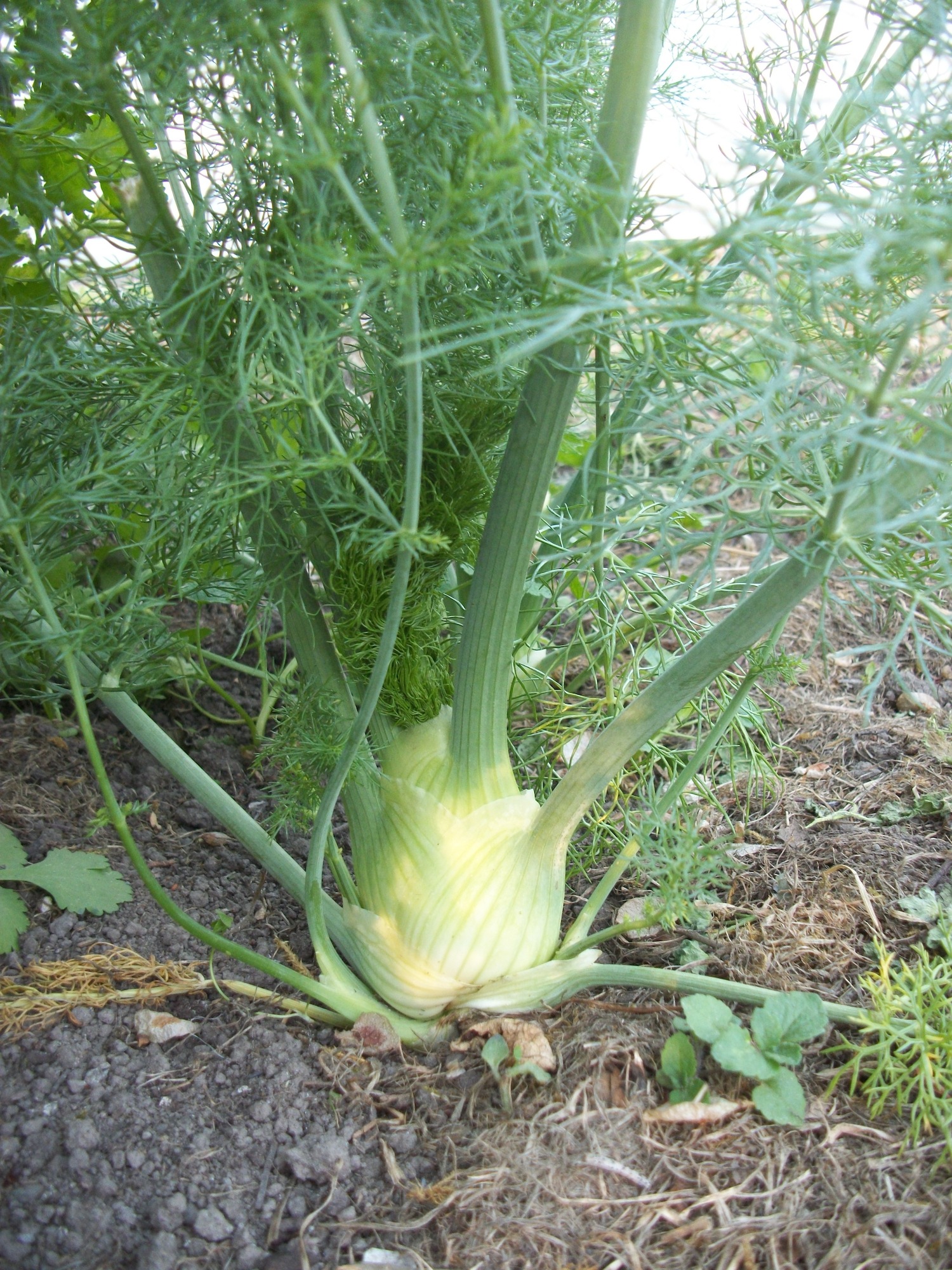
100_4031 smThere’s not a lot coming out of the garden at the moment. The summer crops are pretty well finished (though we’re still scrounging the odd pepper or eggplant from the tunnel house), and the winter crops barely had a chance, with the hot dry weather we’ve had until last week. But among the few crops that are available right now is fennel.

This little-used vegetable is versatile and delicious in the kitchen, and attractive and useful in the garden. Leaves, seeds, and bulb are all edible.

Fennel grows year-round here, though the cooler months are when we appreciate it most. I plant it in both spring and autumn, but it seeds in readily, and we eat as many volunteer fennel as we do planted ones.

Fennel has a mild anise flavour that goes well with many other vegetables. When raw, the flavour is refreshing and numbing.

Raw fennel, sliced thin, makes a crisp and refreshing addition to salads. Or it can make a salad all on its own.

It can be braised and eaten as a side dish, or chopped and added to stews or casseroles. It goes particularly well with potatoes in a cheesy gratin, and makes a delightful risotto.

Fennel leaves can be added to salads and stews, even if the bulbs aren’t ready to harvest.

The ground seeds make a zesty addition to burgers, chai, and cookies, too! Or just crunch a few between your teeth after a meal to sweeten your breath.

In the garden, fennel’s big yellow flower heads attract all sorts of beneficial insects that help keep pests in check, and when the plants get too big and rangy, I can feed them to the goats, who love fennel as much as I do.

Corn Chips

2016-05-29 17.58.56Usually, when I want tortilla chips, I first make tortillas, then cut them into wedges, brush them with oil and bake them. It makes absolutely divine chips, but it’s rather labour intensive.

Last night my husband made a vat of chilli for dinner, and I gave in to my craving for chips. Instead of the usual tortilla chips, I made these simple corn chips. They take almost no time to mix up, and are quite good, though fragile. There wasn’t a single crumb left by the time the meal was over.

1 cup cornmeal

2/3 cup all-purpose flour

1 tsp salt

1 tsp baking powder

2 T dry milk powder

½ cup water

¼ cup vegetable oil

Combine the dry ingredients. Add the water and oil, and mix well.

Grease two large baking sheets. Divide the dough in two, and roll each half out quite thin (about 2mm) directly onto the sheet. The dough will be very oily, but you may need to dust your rolling pin with flour to keep it from sticking. Cut into triangles.

Bake on fan bake for 12-15 minutes at 175°C. Remove from the pan when they are browned, and cool completely on a wire rack.

If you’re a fan of flavoured chips, you might add paprika, smoked paprika, chilli powder, or finely grated parmesan cheese to these chips.

Don’t try to use these in nachos—because they are baked, they turn to mush when smothered in toppings.

Pumpkin Pie for Breakfast?

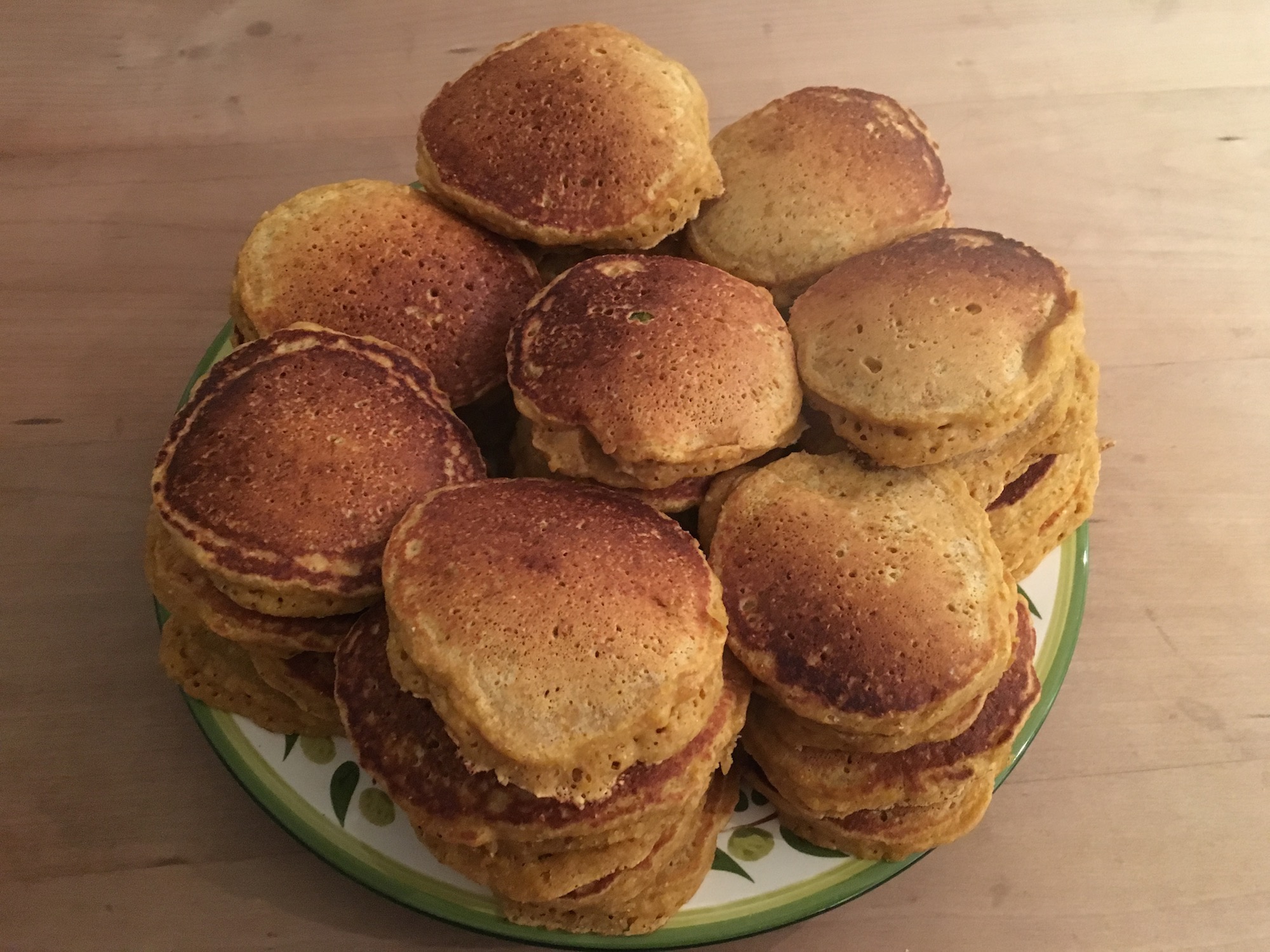
2016-05-29 07.08.49 smI made a variation on my standard pancake recipe this morning—pumpkin pancakes.

They were good—moist and heavier than plain pancakes. A bit like eating pumpkin pie for breakfast. Mmmmm! This recipe makes a huge stack of pancakes—enjoy!

1 cup all-purpose flour

1 cup whole wheat flour

1 cup cornmeal

3/8 cup sugar

3 ½ tsp baking powder

1 tsp salt

1 tsp cinnamon

½ tsp cloves

½ tsp ginger

3 eggs

2 cups cooked, pureed pumpkin flesh

2 cups milk

6 Tbsp butter, melted

Combine flours, cornmeal, sugar, baking powder, salt, and spices in a medium bowl. Whisk together eggs, pumpkin, milk and melted butter in a large bowl. Add the dry ingredients to the wet, and stir just until combined. You may need to add more milk to get the right consistency if your pumpkin is particularly dry (mine was, and I added another ¼ cup).

Fry on a preheated griddle or frying pan, as for normal pancakes.