I’d Rather Be Weeding

dandelion-smWhen I tell people we grow almost all our own vegetables, I get a lot of comments like, “Wow! That’s impressive!”

I shrug—I think if they really knew, they wouldn’t be impressed.

Truth is, I think I grow so many vegetables because I’m just not cut out for the modern world.

I drove into town today for groceries and to finish (do) my Christmas shopping. I had already put the job off for several days while I found other, more important things to do in the garden. Then I timed my arrival in town with the opening of the shops, so the crowds would be less. I came armed with multiple lists—a list of destinations, and a list of items to be purchased at each location. I ticked them off, one by one, feeling the stress level mount as the morning wore on.

Noon came and went, and I was still working through my lists. The crowds grew. I got stuck in traffic. I didn’t stop for anything to eat or drink, lest the whole trip take longer.

I finally made it home just before 2 pm, exhausted, irritable, and completely stressed.

A little lunch and an hour of hard physical labour in the garden restored me.

Growing our food means I don’t have to go for groceries as frequently. I don’t have to deal with parking, stores, financial transactions, deciding what to buy of the endless array of products on the shelf. Sure, it may take four months to get a tomato, but at least I don’t have to go to the store to get it.
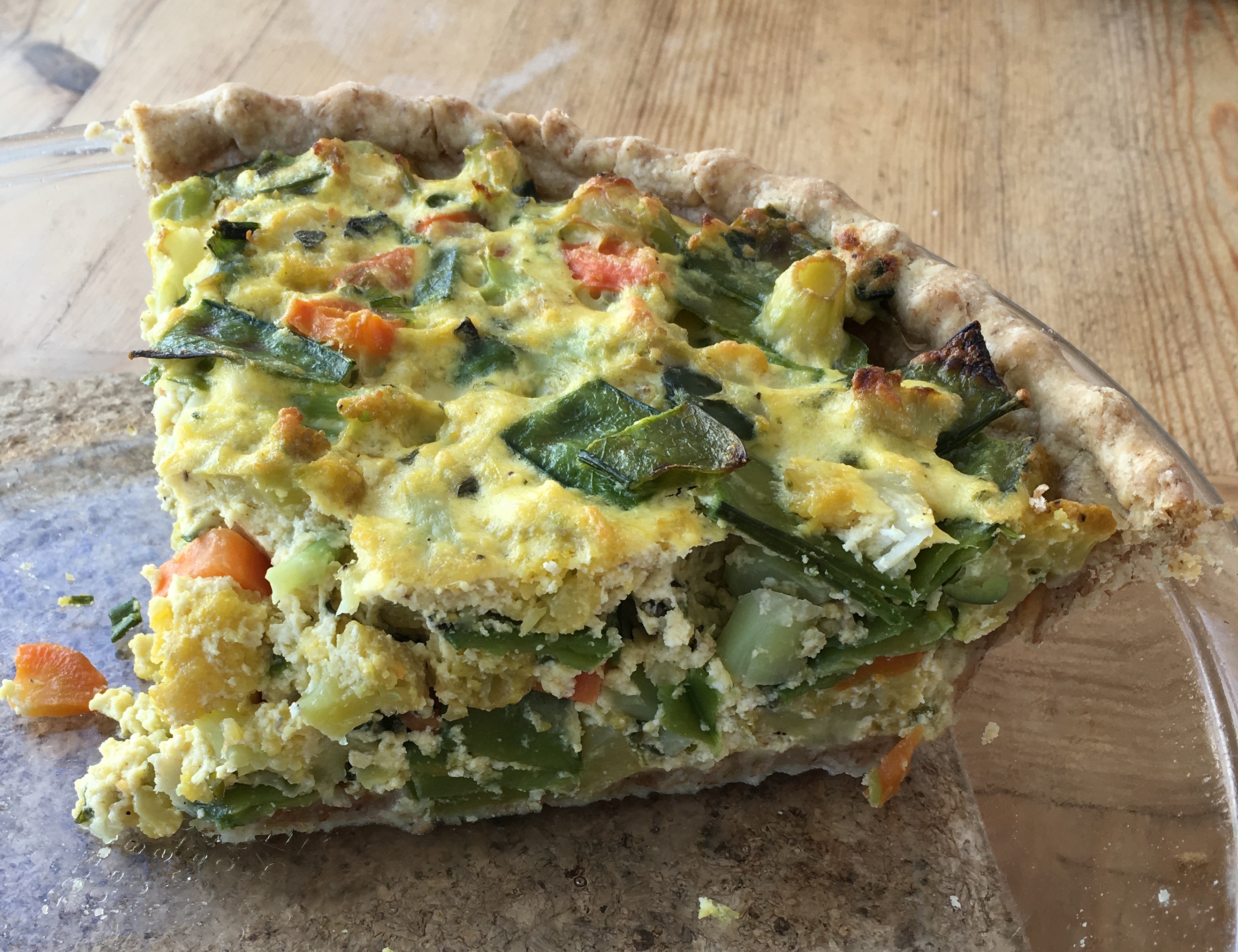
Perfection

2016-12-13-18-36-33-cropAfter decades of work, I finally did it.

I made a perfect pie crust.

A flaky melt-in-your-mouth crust that made this excellent ricotta and vegetable pie seem like just a prelude to the crust. Not a hint of toughness, not a moment over-baked or under-baked. Even the bottom, that tends toward sogginess, was perfect.

That’s it, now—I’ve accomplished that and can tick it off my list. I never need to make another. I’ve done it right, and that’s that. My last pie crust.

Well, okay, I like pie…a lot. I probably will make another crust. And another. And another.

And, if I’m being honest, this perfect crust came about in part because I was being a bit lazy.

My pie crust recipe (designed to create an American pie crust with NZ ingredients), is supposed to be made with 125 grams each of butter and Olivani. But today there was a 150 gram chunk of butter in the fridge. I didn’t feel like cutting off a 25 gram sliver, so I just used it, and reduced the Olivani to 100 grams.

The other part of the perfection of this crust was a 45-minute chill in the fridge after rolling it out and putting it in the pan. That chill was necessary, simply because I was cooking alone today, and it took 45 minutes to pick, prepare and cook the vegetables after I finished the crust.

I really wasn’t aiming for perfection (my usual crust is actually pretty good, so I tend not to mess with the recipe much), I just stumbled upon it by accident.

I have, however, made a note on my recipe to increase the butter to 150 grams and chill for 45 minutes…

Takahē PDA

2016-12-11-11-49-22On a family trip to Wellington this weekend, we visited Zealandia, a predator-fenced wildlife sanctuary. A number of endangered native birds, reptiles, amphibians and insects have been introduced to the sanctuary, and many have done well there. Among the birds we saw were kākā, saddlebacks, and kākāriki. But my favourites of the day were a pair of geriatric takahē. Takahē are beautifully coloured, stocky birds about the size of a large chicken. They were thought extinct until 1948 when they were rediscovered in a remote area of the Murchison Mountains. In spite of protected habitat and a captive breeding programme, takahē remain critically endangered, with a population of around 300.

This pair were once part of the captive breeding programme, but at over 20 years old, they are no longer able to produce viable eggs. They were transferred to Zealandia to live out their retirement where they can be ambassadors for their species. They were certainly doing their job this weekend.

When we were there, the takahē were hanging out in a grassy clearing, feeding leisurely and basking in the sun. As we watched, the male walked over to join the female and groom her—a cute public display of affection. They talked to each other quietly as they fed, and completely ignored the half-dozen people standing around watching. They looked content and relaxed—just like a retired couple should.

I hope this unique bird can hold on, and flourish once again, if only in predator-free sanctuaries and offshore islands. It would be sad to lose it…again.

Christmas-lite

2016-11-30-17-31-25-smIt’s beginning to look a lot like Christmas…

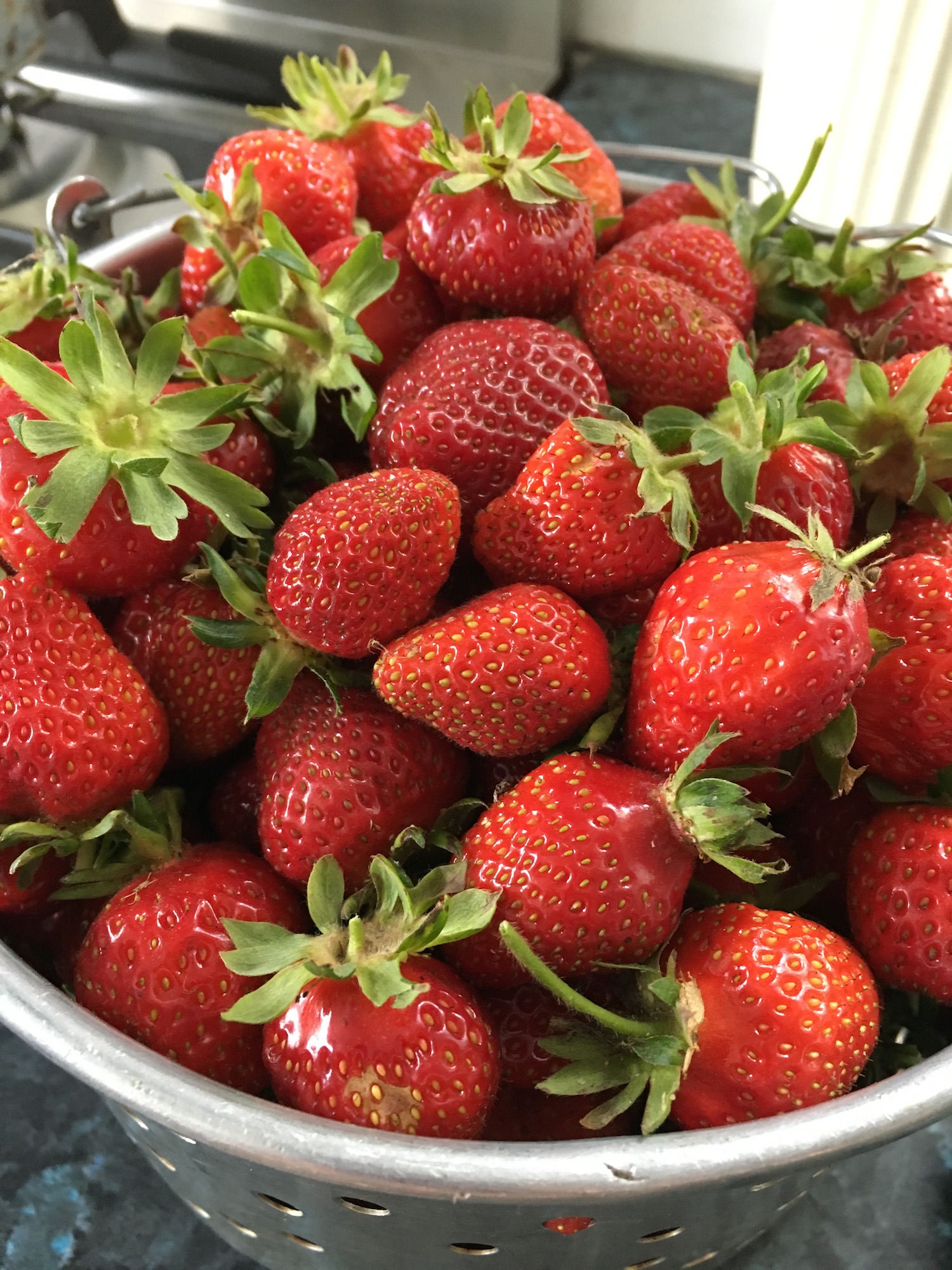
Strawberries, gooseberries, black currants, red currants, cherries, and peas—ah! The signs of Christmas! They’re red and green, just like those in the Northern Hemisphere, but the greens are brighter than pine tree green, and the reds more succulent than holly berries.

They are just as festive as the colours up north, though in a different way. While you look inward, gathering around the hearth on long dark evenings, we look outward, sitting with friends on the beach on long summer days. You dream of white snow, we dream of white sand. You have visions of sugar plums dancing in your heads, we have visions of fresh strawberries dancing in ours. While you sing ‘let it snow’, we sing ‘let us go’ (to the beach).

Now and again I miss the cosy dark of Christmas in the north. And every year, I wish summer gardening, Christmas, and the end of the school year didn’t happen simultaneously. But I’ve grown to appreciate the summer Christmas. I appreciate not having to plan Christmas dinner, but letting it spring from whatever is abundant in the garden. I appreciate being able to sit outside on the porch in the sun after gifts have been opened. I appreciate the barefoot, short-sleeved, nature of Christmas here.

It’s like Christmas-lite.

Penultimate

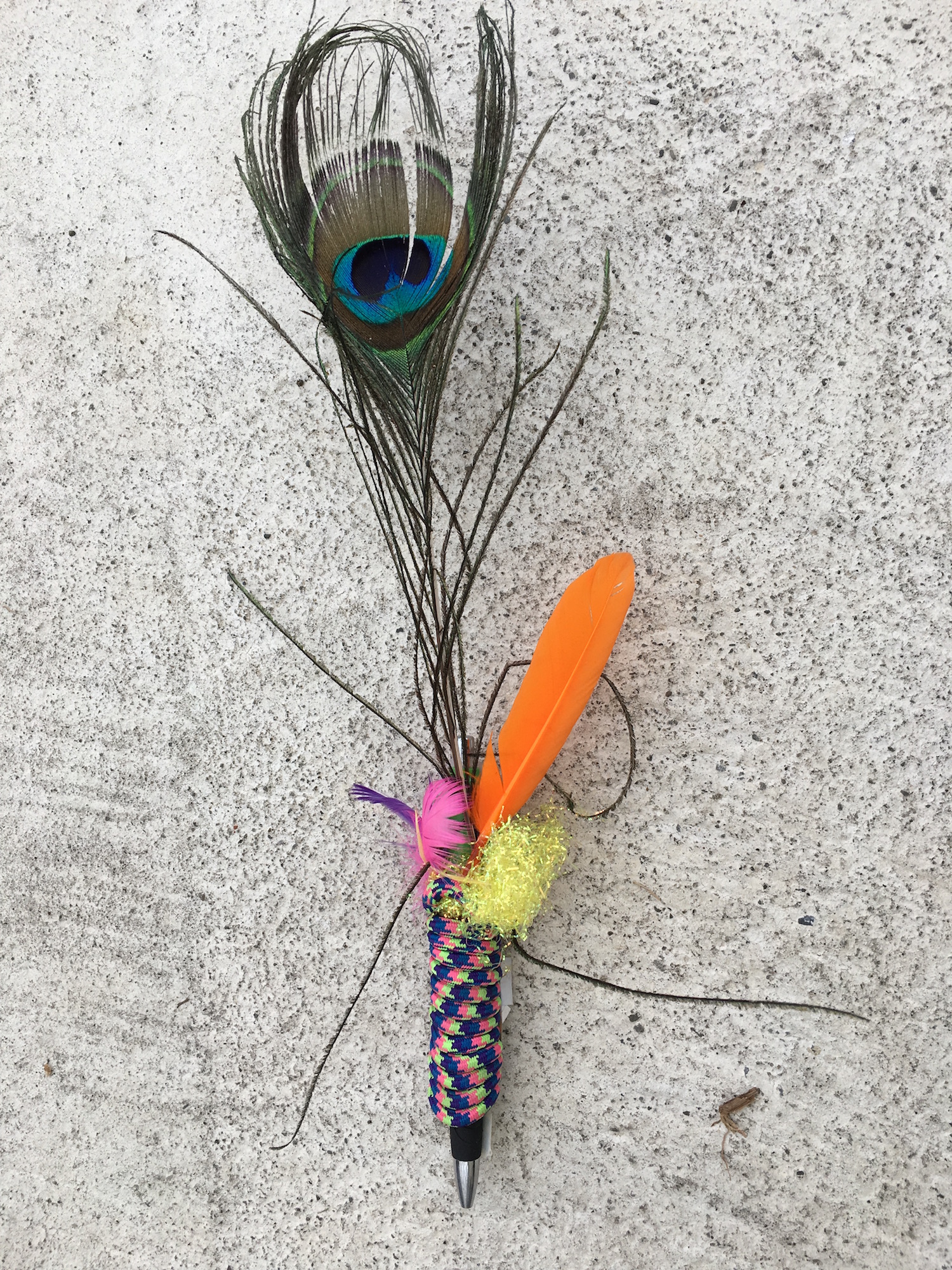
2016-12-07-07-53-28My daughter’s last day of school for the year was Thursday, so on Wednesday I wished her a happy penultimate last day of school.

We like words in our house, and penultimate is one of the best, in its own right. But, of course, it lends itself to so much fun…

So on the penultimate day of school, my daughter made and took the Pen-Ultimate.

We all thought it was awesome.

Unfortunately, she said her classmates didn’t really get it.

*sigh*

We’re raising complete geeks.

*grins madly*

This Old House: Gifts from the Past

2016-12-09-10-46-51Most of the time, I think it would be wonderful to have a brand new house on a property that’s never had a house on it. To not be fighting a hundred and thirty years of other’s landscaping decisions and poor house maintenance would be a delight.

But then, sometimes the property’s history is a bonus.

When we moved in over eleven years ago, most of the property was overgrown with weeds. Even the garden beds around the house were choked with grass and yarrow. We slowly hacked away at the jungle, finding many surprises along the way—beautiful old roses, dahlias, peonies, daffodils, and a host of other flowers hidden away in the weeds. We transplanted the floundering plants to new, weed-free garden beds as we re-landscaped the property.

We thought we had discovered all the lost plants, but strange things have shown up over the years.

Several years after we had cleared and replanted the area between the house and the hedge, a day lily sprang up there. We had never seen a day lily on the property before. The following year, a winter-flowering iris popped its head up there, too. Again, a flower we haven’t seen anywhere before.

Other flowers have since appeared in unexpected places, long after the areas had been re-landscaped—mostly bulbs, as though the bulb sat dormant for years until conditions were better. Either that or they’ve been growing, not flowering, and somehow escaping my notice.

Either way, they’re like gifts from past gardeners.

Watching My Babies Grow

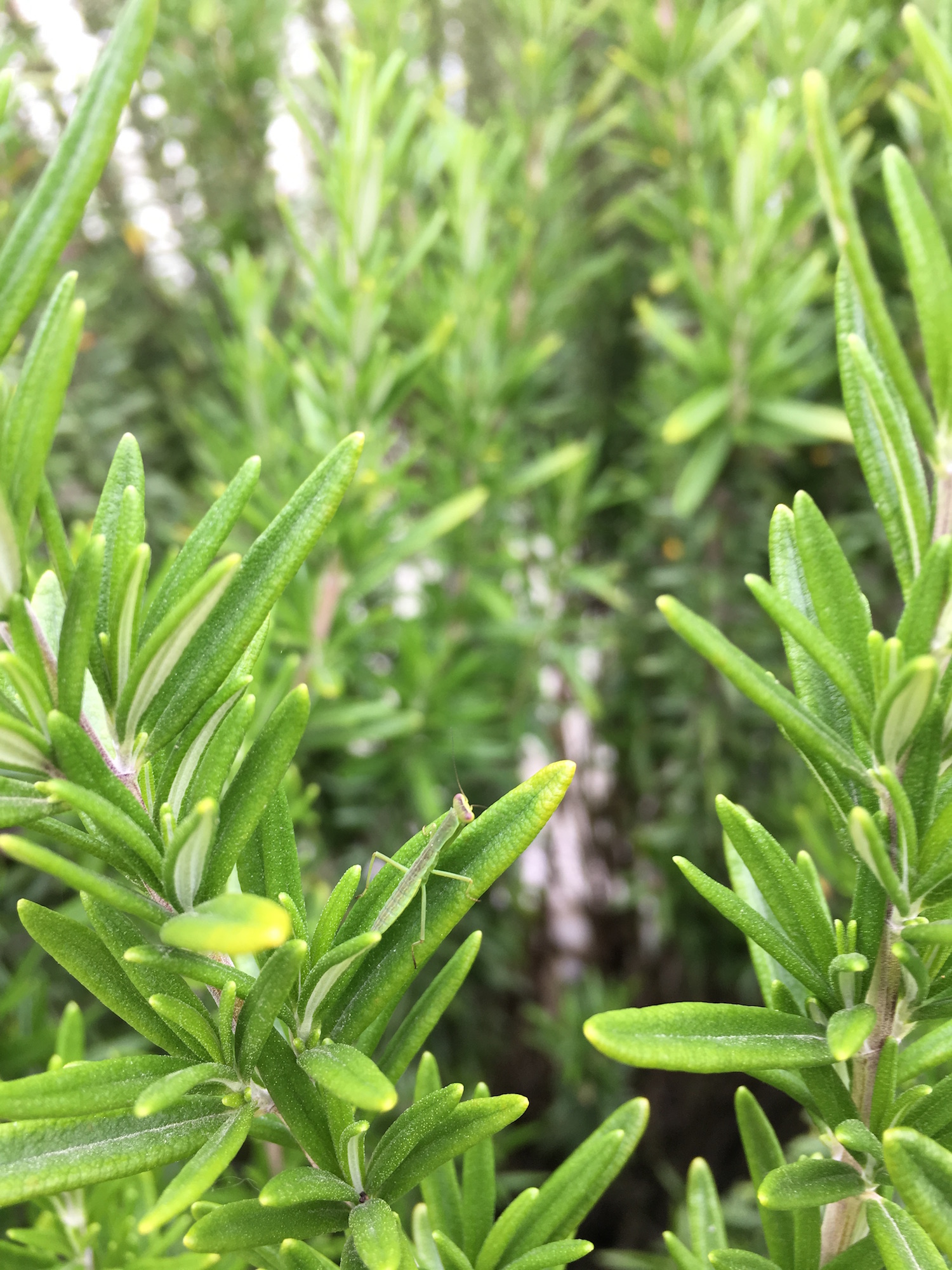
Recently hatched mantids--can you see them both?

Recently hatched mantids–can you see them both?

All winter I kept an eye on the eggs.

Now the preying mantids have all hatched, and I can’t help but watch them grow and develop.

They don’t tend to wander far, so it’s easy to keep tabs on them. Sometimes it takes a few minutes of staring before I see one, but then they start popping out at me until I’ve counted dozens of them.

I’m happy to report that they appear to be doing well. I’m sure that some are looking fat and sassy because they’ve eaten their brothers and sisters, but that’s the way it goes in the mantid world. Live by the raptorial front legs, die by the raptorial front legs.

This one is a bit older and easier to see.

This one is a bit older and easier to see.

Sometimes I wonder at myself, that I can watch this year after year, and still be excited as each new egg case hatches. I hope I never lose that wonder and joy.

A Rose

R Weiss roses Christchuch Botanic Gardens

R Weiss
roses
Christchuch Botanic Gardens

A rose, by any other name
Would still have thorns and be a pain.

Black spot, chafers, aphids, too,
Spider mites and powdery mildew.

Japanese beetles, leafcutter bees
It’s rife with pests and disease.

So go ahead, forget the rose
Plant a flower with fewer foes.

Sunflower, Daisy, there’s really a passel
Of flowers easy to grow without hassle.

No pruning, no spraying, no disease or thorns
For none of these things a gardener mourns.

Or better yet, just live with the weeds
They grow by themselves, and spread their own seeds.

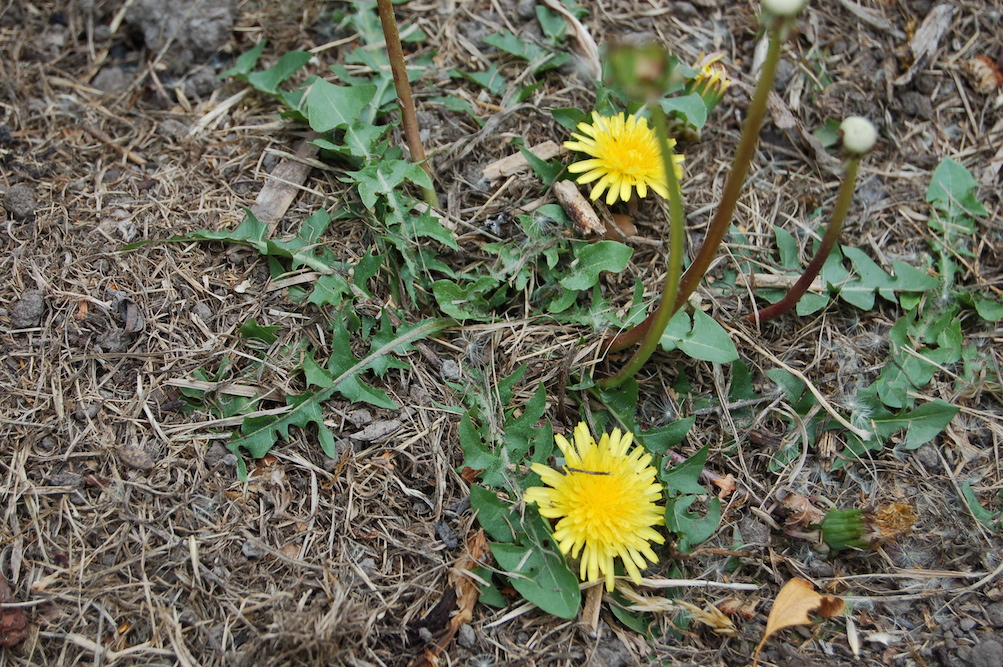
Dandelion, yarrow, catsear and cress
All grow on their own and let the gardener rest.

Sunday Evening

Sunlight lingers in the western sky.
We sit in the darkening room,
Both curled up on the couch.
The ticking clock
And the rustle of a turning page
The only sounds.

The weekend is over
The mowing and weeding done.
Monday’s e-mail and phone calls
Can wait for morning.

For now, we escape
To other lands,
Other planets,
Other lives,
Where passion and drama
Are neatly wrapped up in 327 pages
Of plot lines converging
On hope.

Cleanliness is Next to Godliness

2016-12-03-09-23-41-hdr

Clean pots drying in the sun.

Well, I’m not sure about the godliness, but cleanliness is important when it comes to growing plants.

I finally got round to washing the pots from all my vegetable seedlings today. They had been stacked just outside the shed door, waiting—calling out to me every time I went in or out of the shed. I managed to ignore them for several weeks.

It’s tempting to just put away the empty pots after planting out. It’s such a busy time of year, and washing pots is tedious. But I’ve learned that it must be done. If I don’t wash the pots, next year my seedlings will be plagued with disease. They’ll grow poorly, or die outright.

In truth, I don’t know that for a fact. I haven’t studied it scientifically, but in my experience, I have bad seedling growth if I plant in dirty pots. So I wash.

The pots don’t need to be perfectly clean—I swish them out with a brush in a bucket of water, then dry them in the sun. It’s actually probably the UV radiation that kills any pathogens, not so much the cleaning. But whatever it is, it works. A little extra care now, and next year’s crops will get off to a good start.