Brownies from Heaven

I dove into Yotam Ottolenghi’s book Sweet again the other day, making a recipe for tahini and halva brownies.

tahini and halva brownies

The recipe defines decadence, involving 250 grams of butter, 250 grams of 70% cocoa chocolate plus additional cocoa powder, 200 grams of halva and 80 grams of tahini. It’s not something you make on the spur of the moment with whatever’s in the pantry—it takes planning. But I’ve been eyeing that recipe for months now, dreaming of that combination of chocolate and sesame flavours that I doubt I would have ever thought to combine.

The result was beautiful to look at, with swirls of glossy blonde tahini on a deep chocolate base.

They smelled divine in the oven, and it took immense willpower not to cut them before they cooled.

And the taste? It was everything you could want from a brownie, and then a little more. The texture was moist and gooey, studded with delightful chunks of dry, flaky halva. And the chocolate flavour was so rich, it was practically a candy bar. Definitely a brownie to savour in small quantities … but one that invites gorging.

I predict that a year from now, the tahini and halva brownie page in my copy of the book Sweet will be spotted with butter and chocolate, like all good recipes are.

Sun’s Return

It’s only a few weeks past the solstice. Nights are below freezing, and the worst of winter is still to come. In shady spots the frost lingers all day.

Spinach seedlings in the greenhouse

But plants are already responding to the increase in sunlight. There is a haze of new green growth in the chickens’ winter-bare paddock, daffodils are poking their shoots out of the flower beds, and the grass will soon need to be mown.

In the greenhouse, the lettuce and spinach seedlings that have been sitting there unchanging for weeks have finally begun growing again. The broccoli in the winter garden has begun thinking about heading up (at least until yesterday when the chickens got in there and stripped the leaves).

I too have responded to the sun. I’ve drawn my garden map for the upcoming season. I’ve assessed my seed needs in preparation for the arrival of the new year’s seed catalogue. I’ve nearly completed incorporating manure into the entire vegetable garden.

The weeks will go quickly. Before I know it, it will be time to start seeds, mark out garden beds and spread compost. Now is the time I should be buckling down to complete winter tasks—sewing, organising, cleaning … But like the plants stretching out their tentative leaves, I can’t help but respond to the sun, reaching for spring and looking forward to the new season to come.

Winter Baking

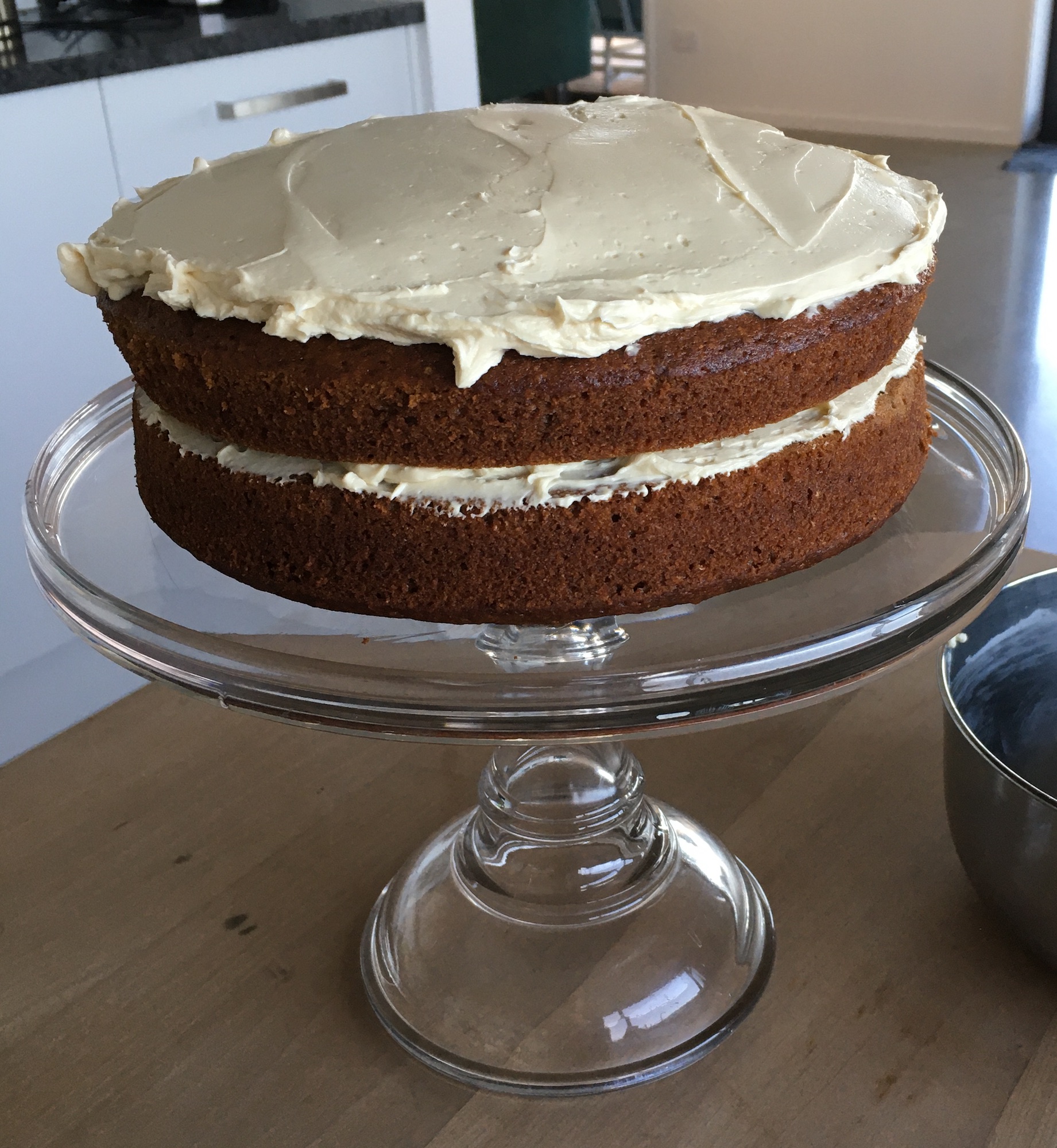
Pumpkin cakeWinter is a great time to try out new things in the kitchen. Weeks of cold, rainy weather always make me want to bake.

Last weekend I tried out two new things.

The first was a recipe for baked donuts. I was keen to try them, because I love donuts, but hardly ever make them because of the hassle of frying them. The idea of making up dough the night before, and then baking up fresh donuts for Sunday breakfast was tempting.

Unfortunately, the recipe didn’t work particularly well for me. I followed it to the letter, since it was new to me, but I did worry about the fact it had you mix the yeast into the flour, rather than proofing it first. The yeast never got off to the start it should have, and the dough didn’t rise as much as I would have liked. The resulting donuts were somewhat leaden. I also think the baking temperature of the donuts was too low—the recipe yielded a fully baked but anaemic-looking donut, barely browned at all. A hotter oven would produce an attractively brown crust with a moist interior. 

With a few tweaks to the recipe, I think there’s potential for a delicious (and dangerously easy) donut recipe there. I have no choice but to try again. 

The second new recipe I made over the weekend was a cream cheese frosting so simple, I had to give it a go. A block of cream cheese and three tablespoons of maple syrup, beaten until fluffy and spreadable.

The result is barely sweet, and beautifully flavoured. It’s denser than a standard cream cheese frosting full of confectioner’s sugar, but the density doesn’t bother me in the least—the texture is smooth and silky—delightful in the mouth. I used it to frost a pumpkin spice cake, and the flavours were perfect complements to one another. It’s definitely a recipe I’ll make again.

Saturday’s weather forecast is for snow. I’m already considering what I’ll experiment with in the kitchen.

Lemon Nutella Tarts

“It’s what a neenish tart wants to be when it grows up.”

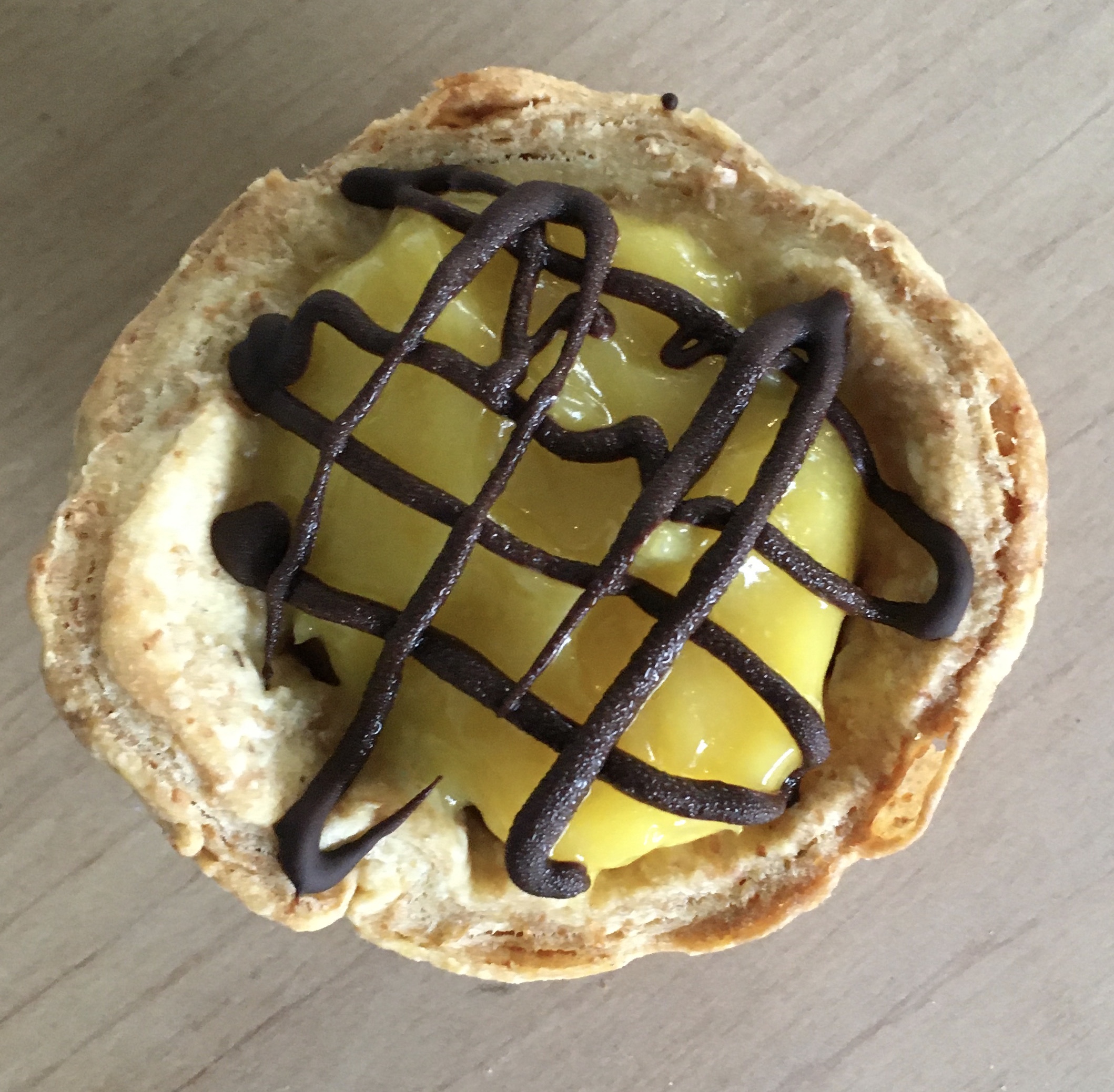
lemon nutella tart

That was my husband’s assessment of the little tarts I made last week. They’re worth a try. If you make the Nutella and the lemon curd ahead of time, they’re quick to whip out.

You’ll need:

1 recipe homemade Nutella
1 recipe lemon curd (see below)
1 recipe pie dough (enough for a double crust; my recipe is below)
Dark chocolate for decorating

Lemon curd

2 eggs
3/4 cup sugar
Grated zest of 1 lemon
2/3 cup fresh lemon juice
2 Tbs butter, cut into small pieces
1/2 tsp vanilla

Whisk together the eggs, sugar and lemon zest in a saucepan. Add the lemon juice and butter. Cook over medium heat, whisking constantly, until the butter is melted. Continue to cook, still whisking, until the mixture thickens. Remove from the heat, stir in the vanilla, pour into a jar or covered crock, and refrigerate.

Pie dough

1 1/4 cups wholemeal flour
1 1/4 cups all-purpose flour
3/4 tsp salt
125 g cold butter
125 g Olivani
5 – 8 Tbs ice water

Whisk together the flours and salt. Cut the butter and Olivani into the flour mixture until the largest pieces are the size of peas. Sprinkle the water over the mixture and combine with a fork until evenly moist. Knead in the bowl just enough to form the dough into a cohesive ball. Cover and refrigerate at least an hour before rolling out.

To assemble the tarts:

Roll out pie dough quite thin. Cut into 10 cm rounds with a cookie or biscuit cutter. Line cupcake tins with the rounds of dough. Blind bake for 20 minutes at 200ºC (400ºF). (If you don’t want your dough to slump while baking, fill each tart with pie weights for the first 15 minutes of baking, then remove them for the final 5 minutes.)

Remove the tarts from the tins and, while they are still hot, press a teaspoon or so of Nutella into the bottom of each one. The heat from the crust will soften the Nutella and help it spread across the bottom nicely. 

When fully cool, fill the tarts with lemon curd. Melt a small quantity of dark chocolate and pipe chocolate squiggles onto the top.

These tarts should be kept refrigerated, if they last long enough to make it to the refrigerator.

A Warm Winter Solstice

The winter solstice passed this week, cold and rainy. It was also the anniversary of moving into our new house. It was truly a delight not to endure the run-up to the solstice in an unheated, uninsulated shed. To have a warm, dry place to eat and sleep; to have electricity and plumbing—what a luxury!

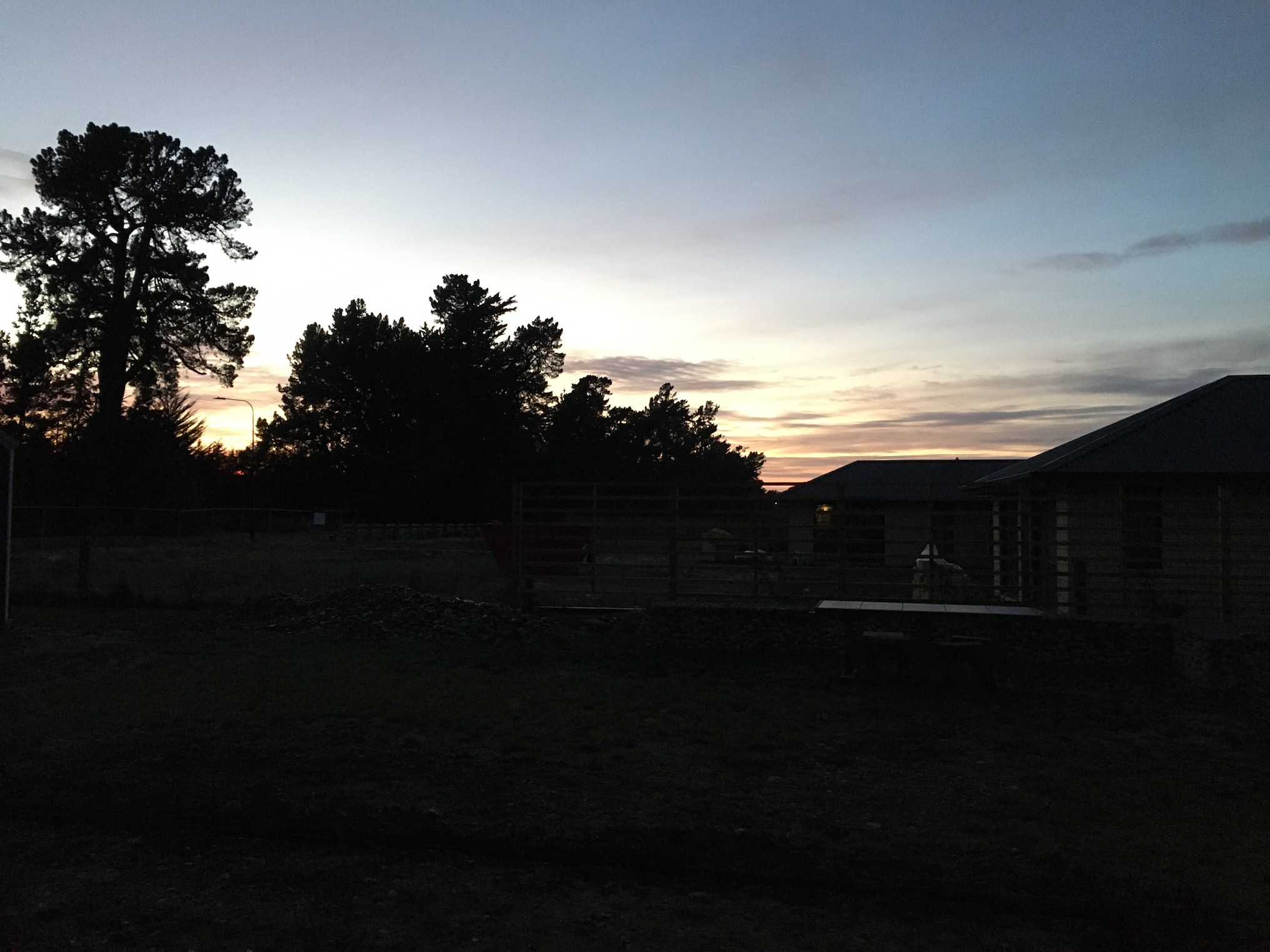
8 am with the sun barely rising …

Indeed, I still sort of feel I’m living in someone else’s house. Until a year ago, my husband and I had never owned a house less than a hundred years old. Then suddenly we had square corners and level floors. We had double glazing and insulation. We had doors that opened and closed properly, walls without fifty coats of paint, and not a speck of rot anywhere.

It was a bit of a shock.

And now I wonder if I’m going soft. I don’t wake up to a freezing house and have to light the fire. I don’t worry that the roof will leak every time it rains. I don’t have to venture to the attic to empty and re-set the rat traps. I don’t wake wondering if today is the day the water heater, septic system, or well pump is going to die.

Sometimes I miss the character of an old house—a house that is old enough to have a life of its own, a house that tells stories. Sometimes I feel guilty—a new house is such an unnecessary luxury.

But truth is, modern life is pretty good, especially in the cold, rainy days around the winter solstice. So for the moment, I’ll simply be thankful for all those luxuries that make the dark days brighter.

Nature Red in Tooth and Claw

Photo: Eric Weiss

It’s not often you witness outright thuggery in nature. Predators hunt prey—they have to, because otherwise they starve. Predation is never pretty, but it is what it is. 

Sitting at my desk, procrastinating … er … writing this morning, I saw brutality, pure and simple. 

A pair of magpies was chasing a starling. They caught it and brought it to the ground. Standing over it, they pecked at its eyes. At first, I thought they were trying to kill and eat it. But after a few minutes, they got bored. The starling managed to fly off. The magpies followed, caught it and brought it back, only to repeat the eye pecking routine. Three times while I watched, they allowed the starling to escape, then brought it back to peck at it. Always at the eyes.

Eventually, they bored of the sport. They wandered away from the hapless starling to forage in the lawn nearby. After a few minutes, starling and magpies flew off in opposite directions.

I suppose it shouldn’t come as a surprise. Australian magpies have a reputation as aggressive, intelligent birds that like to play. They brazenly steal food from the chickens, fighting right back when a chicken lunges at them. And I’ve watched as gangs of juvenile magpies have tormented my cat, swooping low over him as a team, trying to get a peck in while he swats at them. And I’ve been on the receiving end of magpie parents defending their nests with noisy dives at my head.

In general, magpies eat invertebrates—they were originally introduced to New Zealand to help control crop pests. Research on their effects on native birds indicates they only rarely kill other birds, and their aggressive pursuit of larger predators like harriers may even provide some protection to smaller birds.

Still, I can’t help thinking magpies are the bullies of the playground. They’re fine as long as you’re not their target. Fascinating for me as an armchair naturalist, but I’m thankful I’m not a small songbird.

Crunchy Granola Bars

I’ve been tinkering for years with granola bar recipes, and have never come up with one that is crunchy and robust enough to take on a long hike.

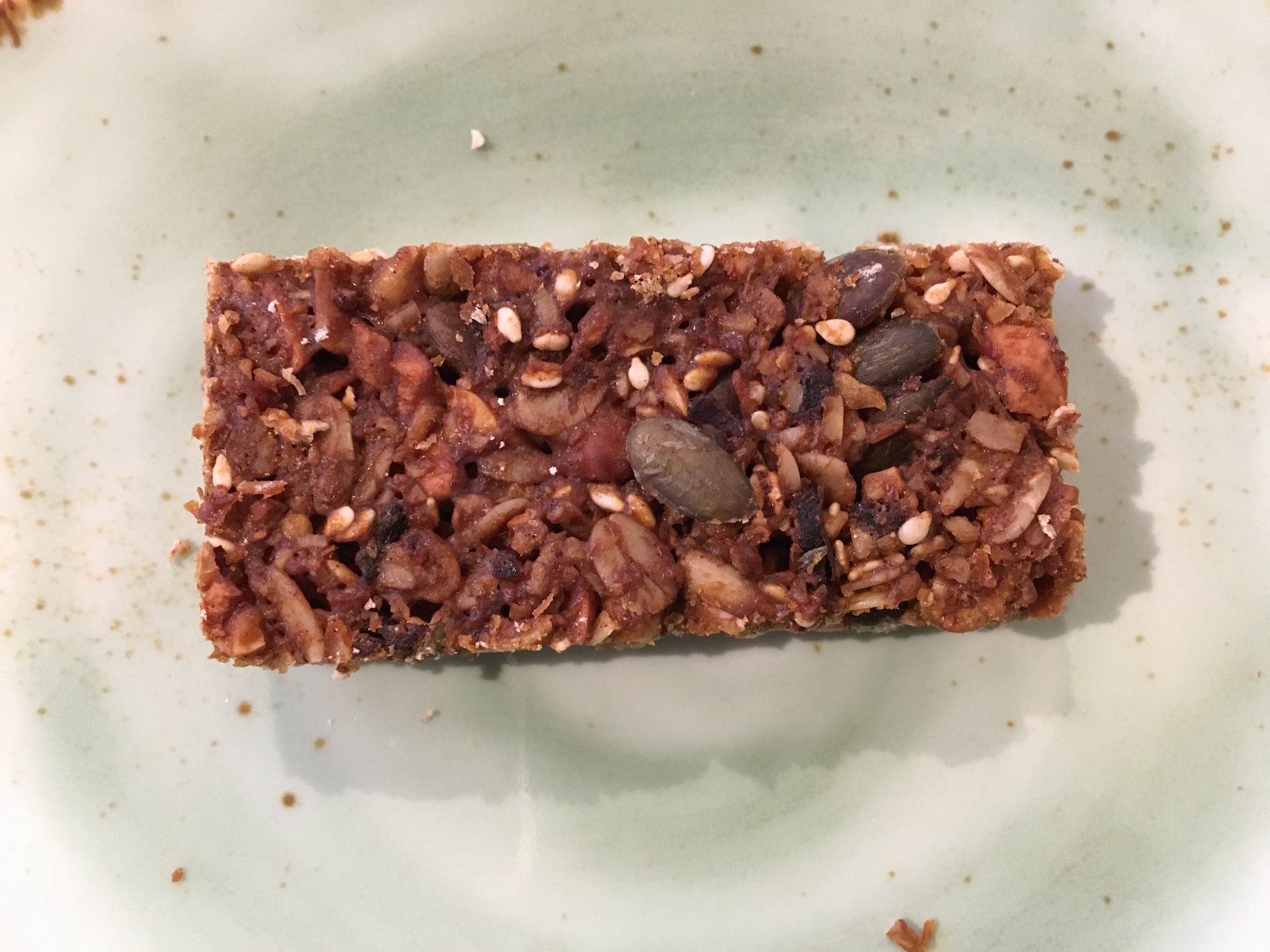
granola bar

But I may have just managed it …

Starting with a recipe that was supposed to be a soft bar, I did a fair bit of tweaking and have ended up with a beautifully crunchy and robust bar full of yummy oats, nuts and seeds. 

Give them a try, and let me know how they work for you!

50 g hazelnuts
50 g cashews, roughly chopped
200 g old fashioned rolled oats
40 g pumpkin seeds
40 g sunflower seeds
15 g sesame seeds
50 g dates, chopped
100 g butter
100 g brown sugar
75 g golden syrup
grated zest of 1 orange
1 tsp cinnamon
1/4 tsp salt

Preheat the oven to 180ºC. Grease a 23 x 33 cm baking pan and line with baking paper.

Spread cashews, pumpkin seeds, sunflower seeds, and sesame seeds in a shallow baking tray. Place hazelnuts in a separate tray. Toast both in the oven for about 10 minutes until the nuts are lightly browned. Rub the skins off the hazelnuts and roughly chop. Transfer all the nuts and seeds to a bowl.

While the nuts are toasting, grind 80 g of the oats in a food processor until they become a coarse meal. Add all the oats to the nut mixture and stir to combine.

Place the butter, golden syrup, sugar and orange zest into a small saucepan and stir gently over medium heat until the butter is melted. Stir in the cinnamon and salt, and then pour over the nut mixture. Mix well, and then press evenly into the prepared baking tray.

Bake about 35 minutes, until the bars are a dark golden colour. Allow to cool for about 20 minutes, and then cut into bars while still slightly warm. Allow to cool completely before removing them from the pan.

* I used golden syrup in this recipe because I had some left over from another recipe that called for it. Next time, I’ll try it with honey, because I rarely have golden syrup on hand, and honey tastes better.

Beautiful Gingerbread

Sometimes you just have to take the time to make something beautiful, even if it is destined to be chewed up and swallowed.

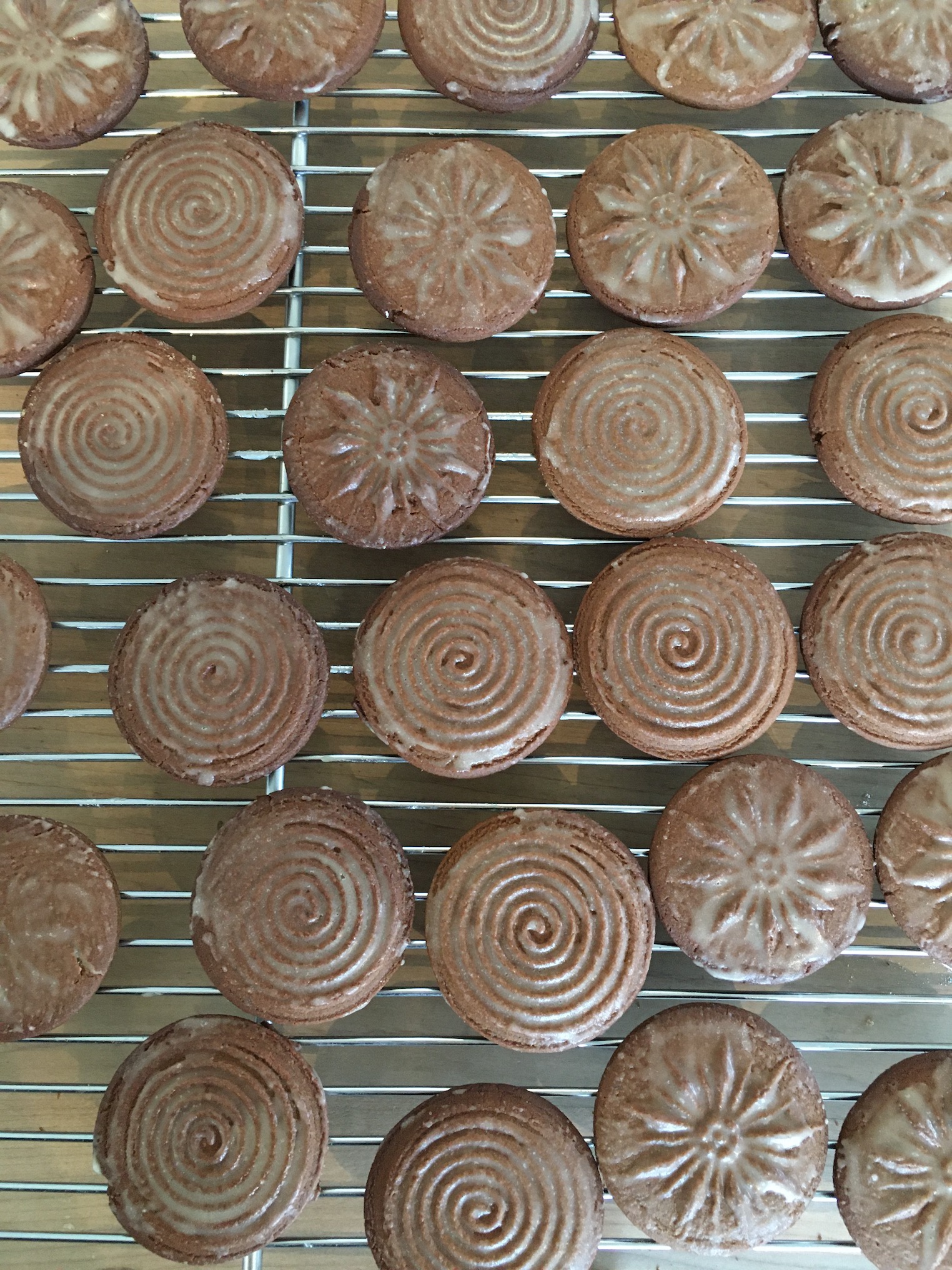
fancy gingerbread cookies

I made gingerbread cookies out of Yotam Ottolenghi’s book Sweet last week. The gingerbread itself is nothing out of the ordinary, but the recipe calls for stamping the cookies and topping them with a boozy glaze.

I have a couple of wooden pasta stamps that were perfect for the job. The resulting cookies, brushed with a brandy-laced glaze, were as lovely as they tasted. The extra work was minimal, and the final product looks far fancier than it deserves to. 

In fact, I like the technique, and am thinking it would make pretty speculaas, too. I might even try an extra-fancy batch of homemade Oreos, stamped and glazed before sandwiching.

And of course, because I easily go overboard in my excitement, I’m also now wondering if I could carve my own little cookie stamps. Maybe bees or dragonflies, or a little dragon to go along with my books …

Wild West

On a whim, my husband and I spent last weekend on the west coast. We stayed in our favourite west coast town—Hokitika—and hiked in the mountains nearby.

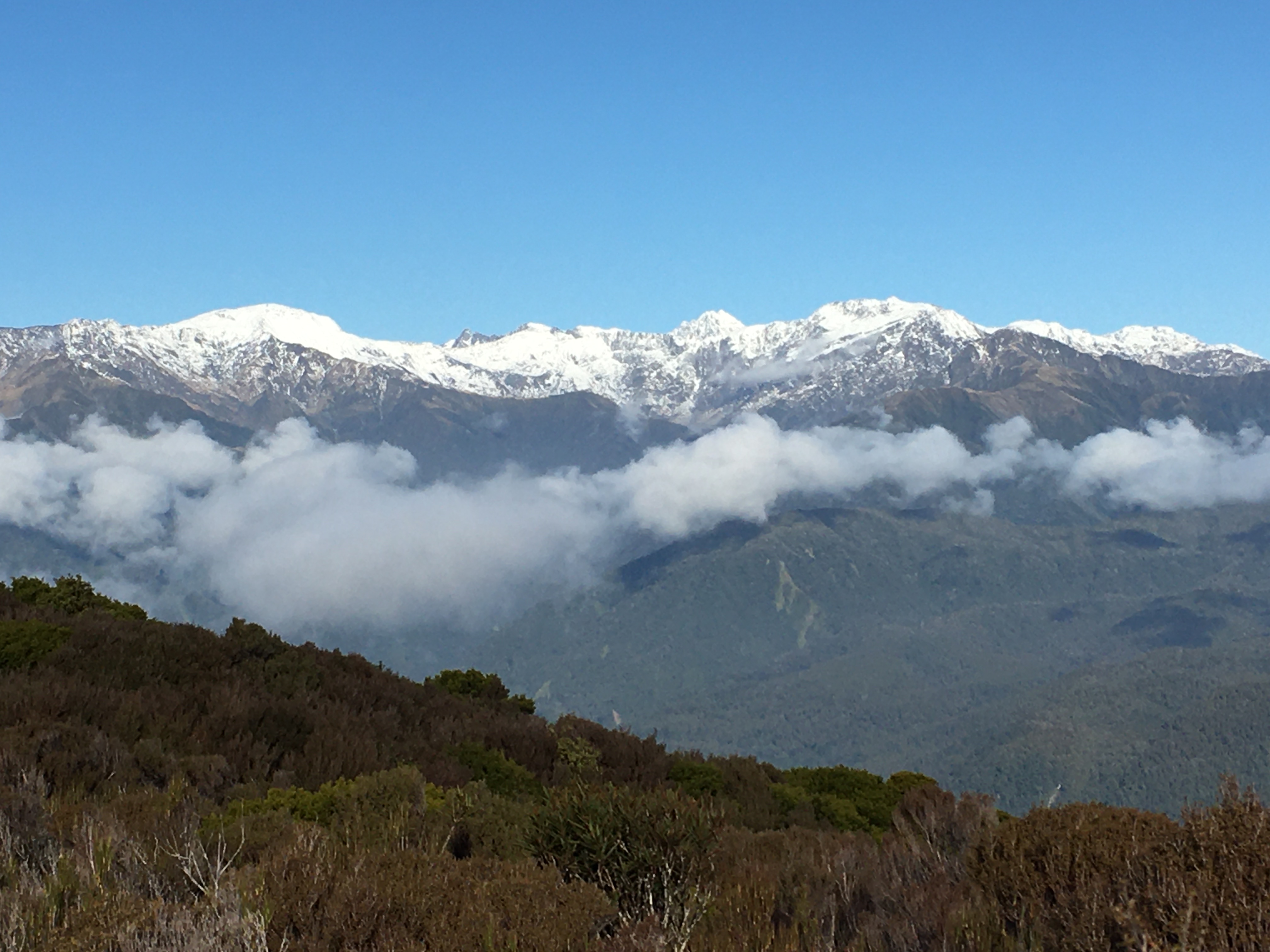
view from Mt Greenland
The view from the top of Mt Greenland

Having lived in a rainforest for two and a half years, I know I wouldn’t want to live on the west coast (where rainfall ranges from 2 to 11 metres per year), but I love visiting.

On this visit, we hiked up Mount Greenland. The path up is an abandoned road that used to connect the small gold mining settlement of Veronica to the township of Ross. An article in the West Coast Times in 1888 records Veronica as a promising settlement, complete with a hotel and two stores. Even then, the road from Ross was apparently atrocious—other newspaper accounts from the 1880s colourfully describe knee- and waist-deep mud on the way to Veronica.

The mine near Veronica was abandoned in 1940, and the rainforest has been reclaiming the road ever since. The day we hiked it was sunny and cool, but even without active precipitation, the road streamed with water in places. There were a few short stretches without washouts, deep puddles or slips, but only a few. Ferns leaned over the edges of the narrow track, so that in spots, even hikers were forced into single file. It is clear some informal maintenance of the track still goes on, but the forest is doing its best to erase it.

rainforest

And this is probably what I appreciate most about the west coast—nature is in charge, and humans maintain only tenuous grip. The settlement of Veronica has all but vanished under vines and tree ferns. The gold rush of the 1800s left no ghost towns—the forest has swallowed them all up. Other west coast townships, like Franz Josef Glacier, Fox Glacier, and Kumara Junction, feel equally under siege by Mother Nature, as though it would only take a few moments of inattention before the trees would creep down the streets, and the vines snake over the houses.

As apocalyptic as that vision is, it gives me hope. Hope that one day, the planet will erase the scars of our fleeting presence here and carry on in a riot of life.

Throw Out the Rules and Write

One of the groups of students I work with is a group of advanced year 7/8 writers. All of them are working above their grade level, and so our time together is about providing them opportunities to explore writing in different ways and hone their skills.

This week I started a unit on poetry, which always elicits groans and protests from some students. But to me, poetry is a way for them to develop skills they’re inclined to gloss over in other writing—using rhythm and repetition, using metaphors and descriptive language, thinking about the emotions they want to evoke in their readers.

Anyway, I didn’t want to approach poetry with these students in the same way it had been presented by all their teachers through primary school. I wanted to surprise them with poetry.

So on Monday morning, when I said we were going to start poetry and got the expected grumbles, I launched conversationally into a poem I’d prepared for them. 

When I say you’ll write poetry
You want to write prose.
But it’s not as bad as you think.
For poetry is simply prose
With metre and rhythm to link
The sounds with the words when they’re spoken aloud
Because this is where writing began.
With stories recited ‘round fires at night
Using rhythm and rhyme so we can
Remember our history, whakapapa too,
Remember what’s wrong and what’s right,
Give thanks to our gods,
Record all our deeds,
And remember the info that might
Come in handy someday when we look to the past
And wonder just where we went wrong.

And that music?
You know, that you play on your phone,
And dance to on Saturday night?
It’s nothing but poetry set to a tune.
So while you all grumble and fight,
Saying poetry’s musty, for old troglodytes,
I know poetry’s more, when we stop to look close,
Than a sappy old card for your mum.
It’s our history, our music
Ancestry and more.
Doesn’t have to be silly or dumb.

It took them a few lines, but when they realised I was speaking in verse, the looks on their faces were priceless.

Now, my poem didn’t convince them all—I still had a couple of grumblers. But I played them some videos of modern spoken poetry—edgier and messier than most of what they get exposed to at school—and I saw eyes light up. 

“Do we have to use rhyme?”

“No.”

“Can we use rhyme?”

“If you want to, of course.”

The idea they could write something wild and messy that followed no rules and call it poetry was revolutionary to some of them. They’ve written some excellent poems, too. No boring acrostics, no forced limericks, no pale imitations of famous poems. Instead, they’re focusing on the words, emotions and meanings embedded in their poetry. They’ve used metaphor, rhyme, rhythm, and alliteration with intent, rather than because they have to. And I think most of them are actually having fun. I know I am.