Supreme Spring Salad

2016-10-21-17-49-45-smWe had occasional salads all winter, from the fall planting of lettuces and spinach. We’ve also had several salads from this spring’s lettuce planting. But all these salads have been small, and have required me to scrounge every available leaf to glean even a modest quantity.

Today’s salad was the first of the Supreme Spring Salads—salads for which I have so much lettuce, I can choose to pick only the best, most perfect leaves, and can adjust the proportions of each variety to perfectly suit the meal. I also had a few lovely radishes from my daughter’s garden to add to the salad, making it even more perfect.

And this was just the first. With luck (and a fair bit of weeding), we’ll have many more Supreme Salads to look forward to in the coming months.


Moody Skies

Looking up the Waiau River bed toward Franz Josef Glacier

Looking up the Waiau River bed toward Franz Josef Glacier

I’ve been to Westland in brilliant weather—when the sky is clear, the sun is shining, and every snowy peak is visible. It is spectacular when that happens.

But the rainfall on the West Coast is measured in metres. Temperate rainforest covers the lower slopes, and the rivers churn, gushing down the steep mountainsides. Sun is not the normal state of affairs. Clear skies are not what make the West Coast what it is.

More often than not, it’s raining on the West Coast. And if it’s not raining, it’s threatening to rain. So, while blue skies are gorgeous, they’re like a false smile, put on for special occasions. The real skies are brooding, veiling the higher peaks in clouds and the lower ones in misty rain (or pounding rain).

And those moody skies are every bit as spectacular as the blue ones, in my book, and more honest. Just as I appreciate when a friend shows their true colours, I appreciate when the West Coast does, too.

Provided I have a good rain coat, that is…

Fabulous Ferns

Tree ferns near Franz Josef Glacier

Tree ferns near Franz Josef Glacier

New Zealand has over 200 species of fern, 40% of which are endemic (found nowhere else on Earth). This diversity is unusually high for a temperate region—ferns are largely tropical.

New Zealand ferns include some of my absolute favourites—the filmy ferns, with leaves so thin, they’re translucent. There are also a wide range of more ordinary ferns, and the not-so-ordinary hen and chicken fern, which produces little plantlets from its leaf tips.

But of course, the most impressive and iconic of New Zealand ferns are the tree ferns, growing up to 20 metres tall.

Translucent filmy fern

Translucent filmy fern

There are ten species of tree fern in New Zealand, and on the soggy West Coast of the South Island, they form a sizeable component of the forest. Their dominance makes the forest look like what I imagine forests looked like in the Jurassic Period, before flowering plants came to dominate the landscape.

If you use your imagination, you can almost see a sauropod raise its head to look around at the sound of your footsteps.


Heating the Greenhouse DIY

greenhouse-waterjugs2-smI wish I had a heated greenhouse. I start my seeds in my office, which has decent light and can be heated at night to help heat-loving seeds germinate and keep tender seedlings from freezing.

But at some point, the plants have to go to the greenhouse or they’ll get hopelessly leggy. Besides, there’s not enough room in the office for all my seedlings, once I really get going in spring.

The greenhouse is great for raising daytime temperatures for the plants and for protecting them from harsh wind. It also protects the plants from light frosts, but sometimes the temperature dips below zero at night, and then the unheated greenhouse can’t protect my plants enough.

If I know the temperature will dive, I can haul all the plants back to my office just for the night, but it’s quite a job—several trips with the wheelbarrow—and always results in some plants getting damaged.

So I’ve gone for passive solar heating in the greenhouse. I had my daughter paint empty 3-litre juice bottles black, and I filled them with water and placed them around the greenhouse. During the day, the water in the bottles heats up, and at night, the bottles slowly release their heat.

Having only one greenhouse, I haven’t been able to scientifically test whether my hot water bottles help, but last year—the first year I deployed the bottles—I was impressed by how well the plants weathered cold nights in the greenhouse. I intend to expand the number of bottles this year, and would love to ring the entire outer edge of the greenhouse with water bottles. If all goes well, I’ll end up with my heated greenhouse, without actually heating my greenhouse.

Random Acts of Kindness

2016-10-17-08-54-55I noticed this article in the news today, and thought it was worth sharing as an antidote to all the hate that’s on the news.

http://www.stuff.co.nz/travel/themes/adventure/85392553/How-kind-acts-by-strangers-renew-faith-in-peoples-goodness-the-world-over

In it, the author writes about several instances in which the kindness of strangers renewed her faith in humanity. Most the experiences she relates happened while she was travelling, and the kindness she was shown often required sacrifice and bravery.

I had a similar experience in Panama one day while waiting for the bus in Panama City. My husband and I were staying in a seedy part of town—Peace Corps volunteers have little money, so we stayed in the cheap hotels when we had to go to the city. We were headed from the hotel to the Peace Corps office, and waiting for the bus on a busy street.

We were wary, and prepared for pickpockets and the like, but we both froze when a huge man stalked over to me. A good 30 cm taller than me, he came right into my personal space and hung over me. Didn’t say a word, but glared at me with bloodshot eyes, his whole body screaming murder.

I blinked at him for a moment, waiting for him to say something, threaten me, whatever. When it was clear he wasn’t going to, I smiled and said good morning to him. This elicited a grudging good morning back, but didn’t soften his stance.

On the busy street, the confrontation didn’t go unnoticed. A pair of policemen began to saunter toward us. The situation was about to get ugly.

That’s when the little old lady selling lottery tickets on the sidewalk took matters into her own hands. Though she was easily another 15 cm shorter than me, she picked up her umbrella and began whacking the threatening man with it, scolding him for giving Panama a bad name.

She couldn’t possibly have been actually hurting him, but he withered under her attack, shrinking away and looking ashamed of himself, and finally slinking off.

The bus came, and we quickly hopped on. Life on the busy street returned to normal.

I’ve blogged before about other experiences I’ve had giving and receiving kindness from strangers. Whether the gesture is little or big, random acts of kindness make everyone feel good.

We could use a little more of it, by the sound of the news these days. Go ahead. Practice a little random kindness today.

Here we go again…

2016-10-16-16-04-30It’s a sight to strike fear in my heart.

October 16th and the temperature hit 30°C (86°F) and humidity is 33%.

Thirty degrees is supposed to be a height –of-summer oddity. It’s the day you drop everything and head to the beach, because there are only a handful of days this warm in a summer.

Except that it’s the middle of spring.

And this happened last year.

And the year before.

And it heralds a third year of drought for us.

A third year of deciding which plants will be watered (and survive), and which ones will not (and probably die).

It will be a third year of expensive hay that has to be brought in for the goats, because the grass will brown off in November.

A third year in which the vegetable seedlings grow too fast too early, then struggle to set fruit in the dry heat.

Just thinking about it makes me grim.

But I suppose it also means a summer of incredible hot days at the beach. A summer in which I don’t need a wetsuit to enjoy the ocean. A summer of ice cream and swimming.

I enjoy these things. I really do. It’s a good thing they come along with drought. If I go to the beach, I can ignore the shrivelling garden at home…sort of.


Peace Corps

2016-10-15-20-10-59Fifty-six years ago today, John F. Kennedy introduced a new public service challenge to the American people. That challenge would become known as the Peace Corps. While it is considered a foreign aid programme, Peace Corps’ value (and, in fact, it’s stated goal) is far more than the aid it provides to people in developing countries.

Peace Corps is about connecting people and cultures, one volunteer at a time. It is about cultural exchange, friendship, and understanding. It is about breaking down the ideas of ‘us’ and ‘them’. It is about promoting peace and understanding.

We need the Peace Corps as much today as we did fifty-six years ago. Perhaps more.

Twenty-four years ago, my husband and I, newly married, took up Kennedy’s challenge, becoming Peace Corps Volunteers in the Republic of Panama.

Those two years of service remain a defining time of our lives.

We left our homes and families in order to serve—to give of ourselves. In the end, we received far more than we could ever have given.

Nothing about Peace Corps service was easy. There were cultural misunderstandings, dangerous situations, language barriers, frustration, boredom, discomfort, failure, homesickness, and loneliness. But there were also laughter, friendship, curiosity, wonder, success, music, and dancing.

We watched our actions empower young farmers to become leaders, and they in turn empowered us. Together, we made a difference in our little corner of the world. Together, we learned that the colour of our skin, the language of our birth, our education, and the luxuries we either have or have not don’t matter. We are all alike inside, and it is the qualities of our hearts that matter.

If we give ourselves to the world, the world will give back and make us better. I entered Peace Corps as an American citizen, I left as a citizen of the world.
All Hail the Bucket

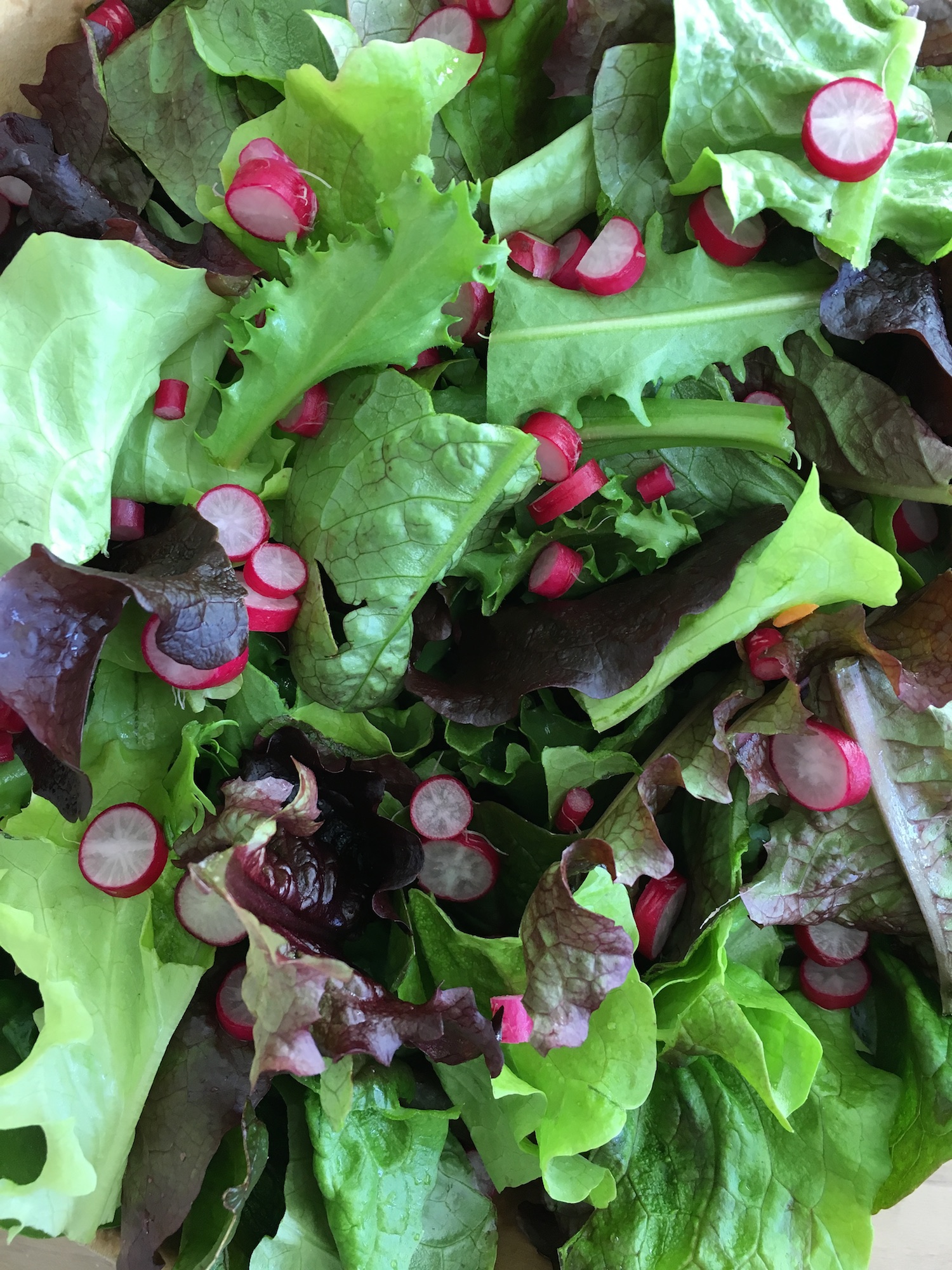
2016-10-14-10-44-19-hdrsmWhere would civilisation be without the 20-litre (5-gallon) bucket? We own seven of them, and it’s common for all of them to be in use simultaneously.

I can’t look at a 20-litre bucket without seeing a…

  • Washing machine—In Panama, we washed our clothes in a 20-litre bucket.
  • laundry-smShower—The bucket was also our shower in Panama. We would fill it with water and haul it out to our “shower” enclosure. Half a coconut shell made a scoop for pouring out the water for washing.
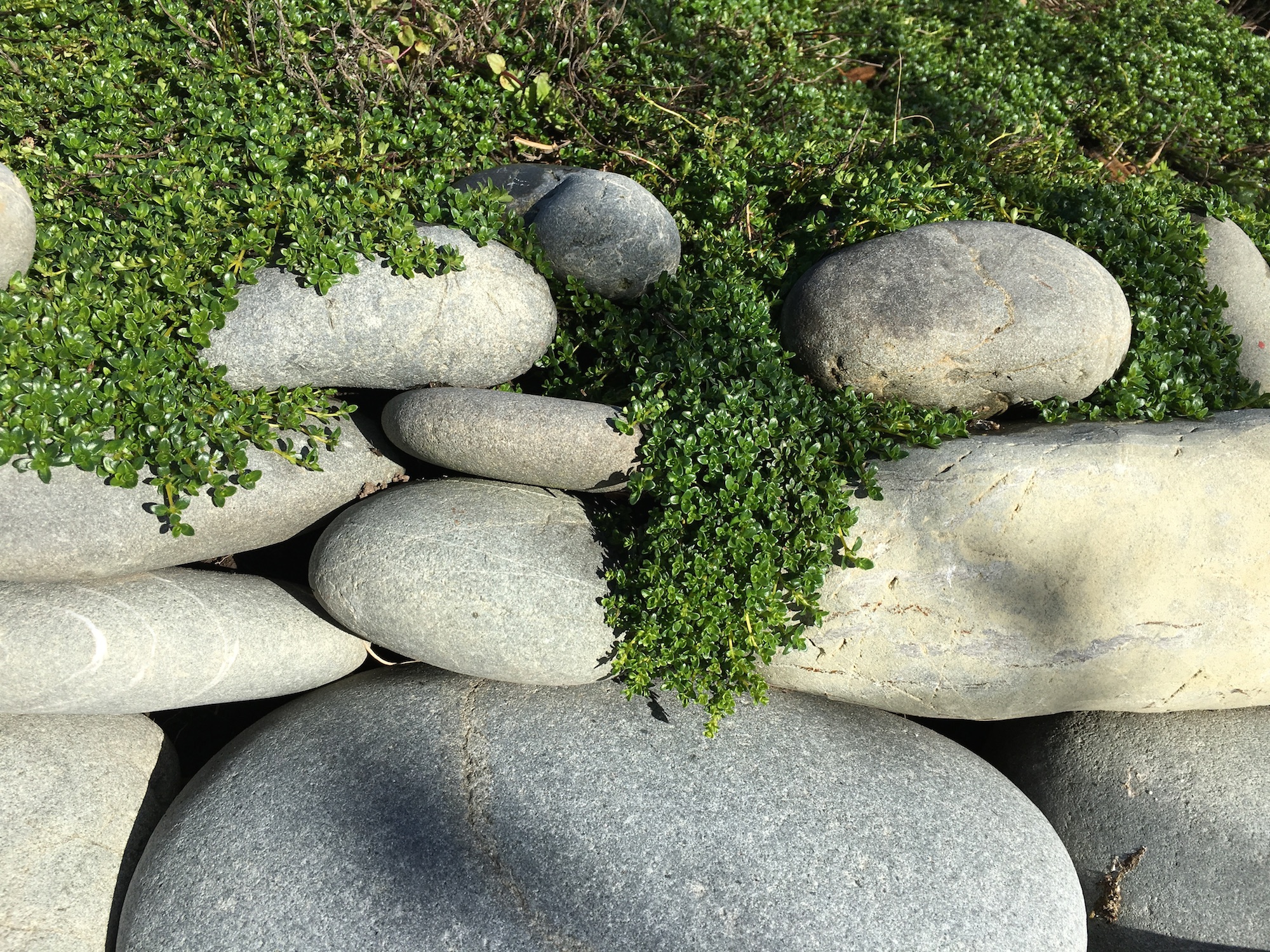
  • Brewery—Panamanians brewed and served the local corn alcohol in 20-litre buckets, and my husband brews beer in one.
  • Punch bowl—We used a bucket as a large punch bowl for parties in Panama.
  • Diaper pail—With tight-fitting lids, 20-litre buckets make great diaper pails for cloth nappies. They were an essential part of our baby gear when our kids were that age.
  • Watering can—Several of our current buckets have holes drilled in the bottom, and we use them to provide drip irrigation for the fruit trees.
  • Wheelbarrow—We use buckets to haul everything from rocks to weeds in spaces where the wheelbarrow can’t go.
  • Measuring cup—The 20-litre bucket is a handy unit of measure when mixing concrete.
  • Rubbish bin—A 20-litre bucket is the perfect size for a rubbish bin in the shop or shed, and it’s tough enough to handle the rough treatment a shop bin gets.
  • Grain bin—Tough plastic and a tight lid keep mice and rats out of the grain.
  • Stool—I regularly turn our buckets upside down to use as stools for reaching items on high shelves in the shed. I suppose you could also sit on them, if you were inclined to rest.

I could lose a lot of tools and get by easily without them, but I’d be hard-pressed to do without my buckets.

At the Penguin Spa

2016-10-11-14-40-35-cropIt was a week of endangered species for me. After being bitten by a kea on Monday, I was lucky enough on Tuesday to have a chance to see a Fiordland crested penguin / tawaki at Haast School, where I’d spent the morning teaching.

After lunch that day, a trio of Department of Conservation rangers arrived with a juvenile female tawaki that had been rescued off a nearby beach where she had been found emaciated. She was being nursed back to health in preparation for re-release, and the rangers took the opportunity to share her with the local school.

Tawaki are not quite as rare as kea, but they’re shy and tend not to frequent tourist areas like the kea do. This was the first one I had ever seen. There are about 2500 to 3000 breeding pairs remaining, and they’re one of only three penguin species that nest on mainland New Zealand.

Like many of our native birds, they are threatened by stoats, which eat eggs and chicks, and dogs, which can wipe out entire breeding colonies.

The children at Haast School named this particular penguin Ellen, and they had great fun watching Ellen take a warm saltwater bath. The water needed to be warm because Ellen wasn’t preening and waterproofing her feathers properly (because she was too weak to do so). Without waterproof feathers, she got waterlogged in the bath, rather than staying nice and dry as penguins usually do underwater. After her bath, the DOC ranger wrapped her in a fluffy pink towel to dry off, and put a hot water bottle underneath her.

A full spa experience, I would say.

It wasn’t quite the same as seeing a tawaki in the wild would have been, but it was closer than I’m ever likely to get to one of these birds in the wild.

Ellen will spend about four weeks eating and taking spa baths before she’s ready to fend for herself again. I wish her luck.

Time for Thyme

2016-10-10-09-15-06Thyme is one of my favourite herbs. In spring, its lush new growth encourages me to put it in almost everything. Nearly everything is better with thyme, but it is especially good with braised carrots, eggs, pumpkin, and mushrooms. Mixed with good olive oil, also makes an excellent marinade for bocconcini—little mozzarella balls.

It’s one of those herbs that we plant more of than we need for culinary use, because it’s so pretty in the garden. There are around 400 varieties of thyme. Some are more culinary, others are more ornamental. Some grow into 30 cm tall shrubs, others creep low to the ground.

Thyme is a tough little plant. It puts up with hot dry conditions, and recovers from even the most aggressive pruning. The low-growing varieties can even be used as a fragrant lawn (though at our house, there’s no stopping the couch grass coming up through it).

Its white, pink or purple flowers are attractive to a wide range of insects. On ours, we regularly have honey bees bumble bees, flower flies, and butterflies—and the preying mantids that eat them.

Truly, you can never have too much thyme.