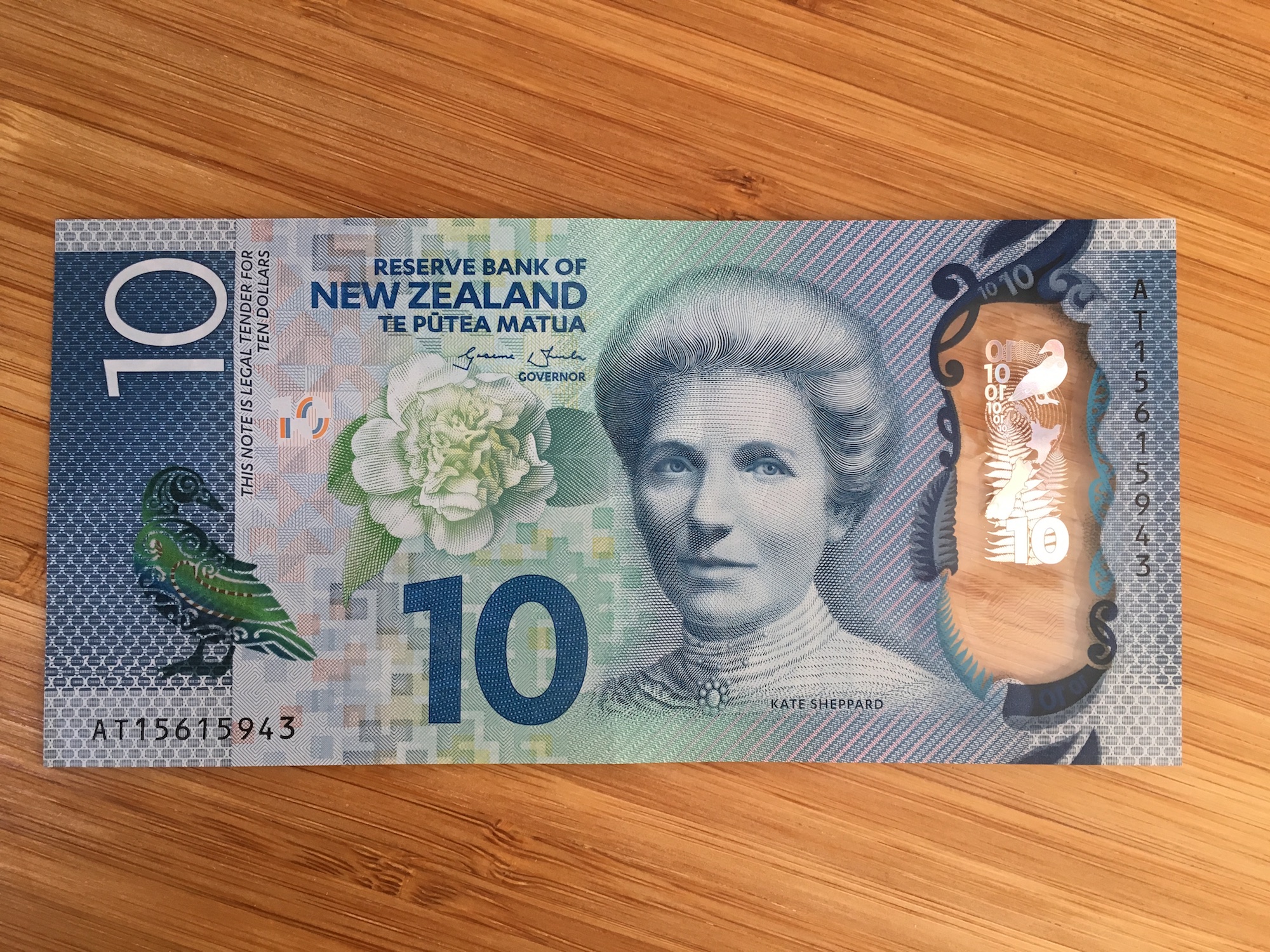
 Today is International Women’s Day. Today I’m pleased to live in the country that was first to achieve women’s suffrage—in 1893. It would not have happened without the tireless effort of many women. Kate Sheppard, who led the charge, is commemorated on New Zealand’s $10 note.
Five bills giving women the vote, the first as early as 1878, nearly passed Parliament before the 1893 bill was successful. The successful bill was backed up by a petition signed by 32,000 women. That may not seem like a lot of signatures today, but it represented one-quarter of the female population of the country. That achievement, at a time before social media, e-mail, faxes, or even decent road access to much of the country, is truly astonishing.
Of course, suffrage was only one step in the journey toward gender equality. It wasn’t until 1933 that New Zealand saw its first female Member of Parliament, and though we’ve now had three female Prime Ministers, women are still underrepresented in the government. Women still earn 9 percent less than men (though that is much better than the 18 percent difference in Australia, the UK and the US). Women still face sexism at work and in daily life. There is still much to be done.
But I am heartened by the progress that has been made. It is encouraging to see younger women and girls speaking up and speaking out, and taking for granted rights and opportunities my generation was only beginning to grasp at their age.
As a Peace Corps volunteer twenty-five years ago, much of the work I did was with women, empowering them to be leaders in their community and beyond. It is generally acknowledged in international development circles that if you empower the women, you raise the well-being of the entire community (more so than if you expend the same effort empowering men). This is every bit as true in the developed world as it is in the developing world. No society benefits from oppressing half its population.
As a high school student, I participated in a job-shadowing day. At the time, I was interested in a career in wildlife management, so I shadowed a ranger at a local wildlife management area. When I walked in the door that morning, the director crossed his arms and scowled at me.
“We don’t like girls,” he said.
Well.
Sorry to hear that. We’re here to stay.
 Robinne Weiss