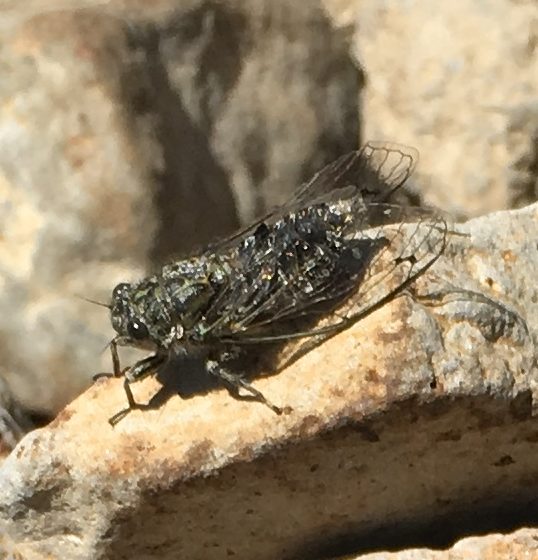
Earthworm!

Most people give little thought to earthworms. Even gardeners, who appreciate their presence, don’t spend much time considering which species of worm are present.

But species matters.

Here in New Zealand, we have about 200 species of earthworms, most of which are native. The native and non-native worms are sharply segregated by habitat—natives in native habitats, non-natives in agricultural and urban habitats. So all the worms we see in our gardens are non-native species.

When you’re used to the small to medium sized non-native worms, finding a native worm is exciting. They’re generally larger than the non-native worms—sometimes much larger. Some can grow to nearly a metre and a half (59 in) in length.

We were lucky enough to find this native worm on Mount Oxford over the weekend. I can’t positively identify the species, but it’s likely to be Octochaetus multiporus. This was a young specimen—not yet reproductive age (as evidenced by its lack of a clitellum)—but already about 20 cm (8 in) long and as thick as my pinky finger. This particular species grows to about 30 cm (12 in) long.

O. multiporus is a particularly interesting worm because it is bioluminescent and spits a bioluminescent defence compound when disturbed. On the bright sunny day we found this one, there was no hope of seeing any bioluminescence. Still, it was a great find on our walk.

Green Orb Weaver

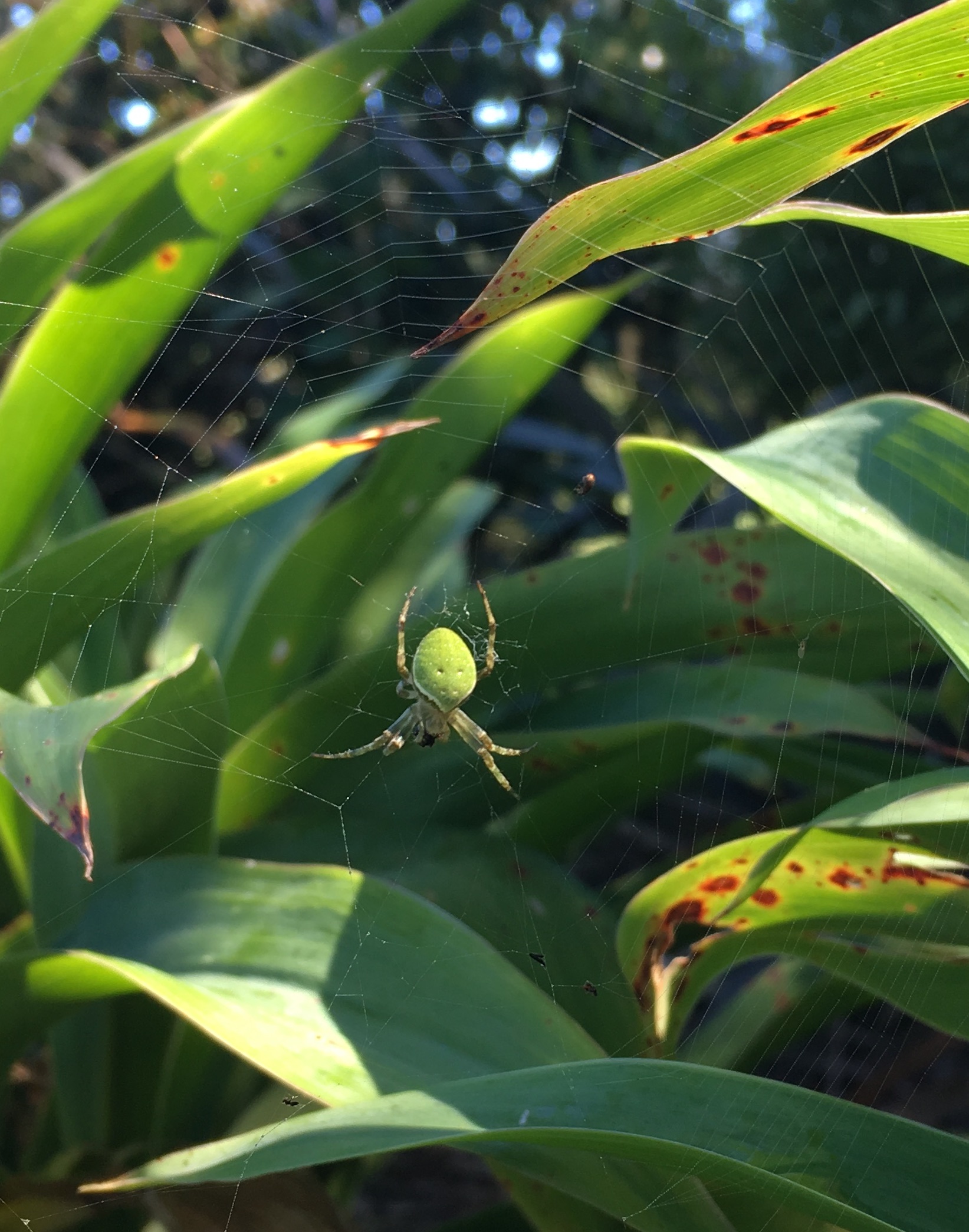
This year has apparently been good for the green orbweb spider (Colaranea viriditas); I usually see them only rarely, but I’ve run across quite a few this summer.

These beauties are pale green with a kelly green leaf-shaped mark covering the abdomen.

As the name implies, these spiders make orb webs—the spiral-shaped webs everyone’s familiar with. Though they’re primarily nocturnal, I’ve regularly seen them hanging out in the middle of their webs during the daytime (often snacking on an insect). These sharp-looking spiders apparently like a tidy web; they rebuild their webs nightly, and the webs are always as attractive as their residents.

The green orb weaver’s main predator is the native potter wasp, which paralyses the spiders with a sting and stuffs them into its nest for its larvae to feed on. However, the green orb weaver appears to be better at hiding from potter wasps than the non-native Australian orb weaver (at least on our property). Earlier this summer, the potter wasps decided that the screw holes in the bottom of the dining room table were perfect nest holes—every one of the dozens of orb weavers they crammed into the table was an Australian orb weaver.

I enjoy finding these little green gems in the garden. They’re as beautiful as they are helpful.

Magpie Moths

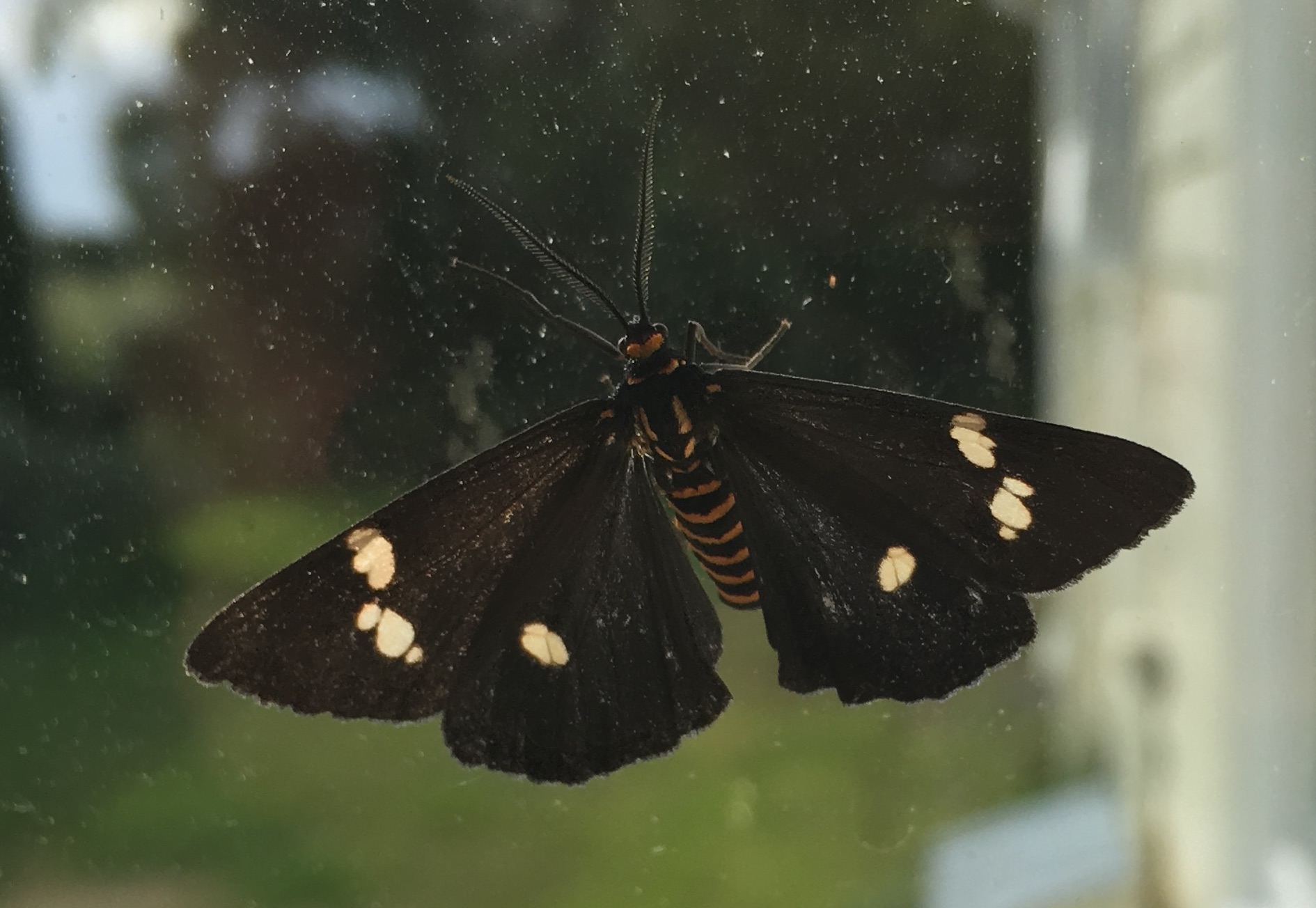
It’s the time of year when one of my favourite moths emerges—the magpie moth (Nyctemera annulata). Magpie moths are in the family Arctiidae—a family including many brightly coloured day-flying moths that threaten to blur the line between moth and butterfly. N. annulata is endemic to New Zealand, though it has a closely related Australian cousin, N. amica, with which it can interbreed.

Magpie moth caterpillars eat plants in the daisy family, especially in the genus Senecio. Common host plants include groundsel (Senecio vulgaris), ragwort (Senecio jacobaea), and cineraria (Jacobaea maritima, formerly Senecio cineraria).

We have large quantities of groundsel, and a few sizeable cineraria on the property, so we always have a healthy population of magpie moths. The caterpillars are black with orange ‘racing’ stripes, and somewhat hairy.

As you can guess from their colouration, magpie moths are poisonous. As caterpillars, they sequester toxins from the plants they eat. These toxins deter most predators. The shining cuckoo, however, is apparently quite fond of magpie moth caterpillars. It avoids the poison by eating only the insides of the caterpillar, leaving the bitter-tasting exoskeleton behind.

In addition to eating weeds like groundsel and ragwort, the magpie moth is a beautiful, colourful addition to the garden. It always makes me smile.

Little Beach Poems

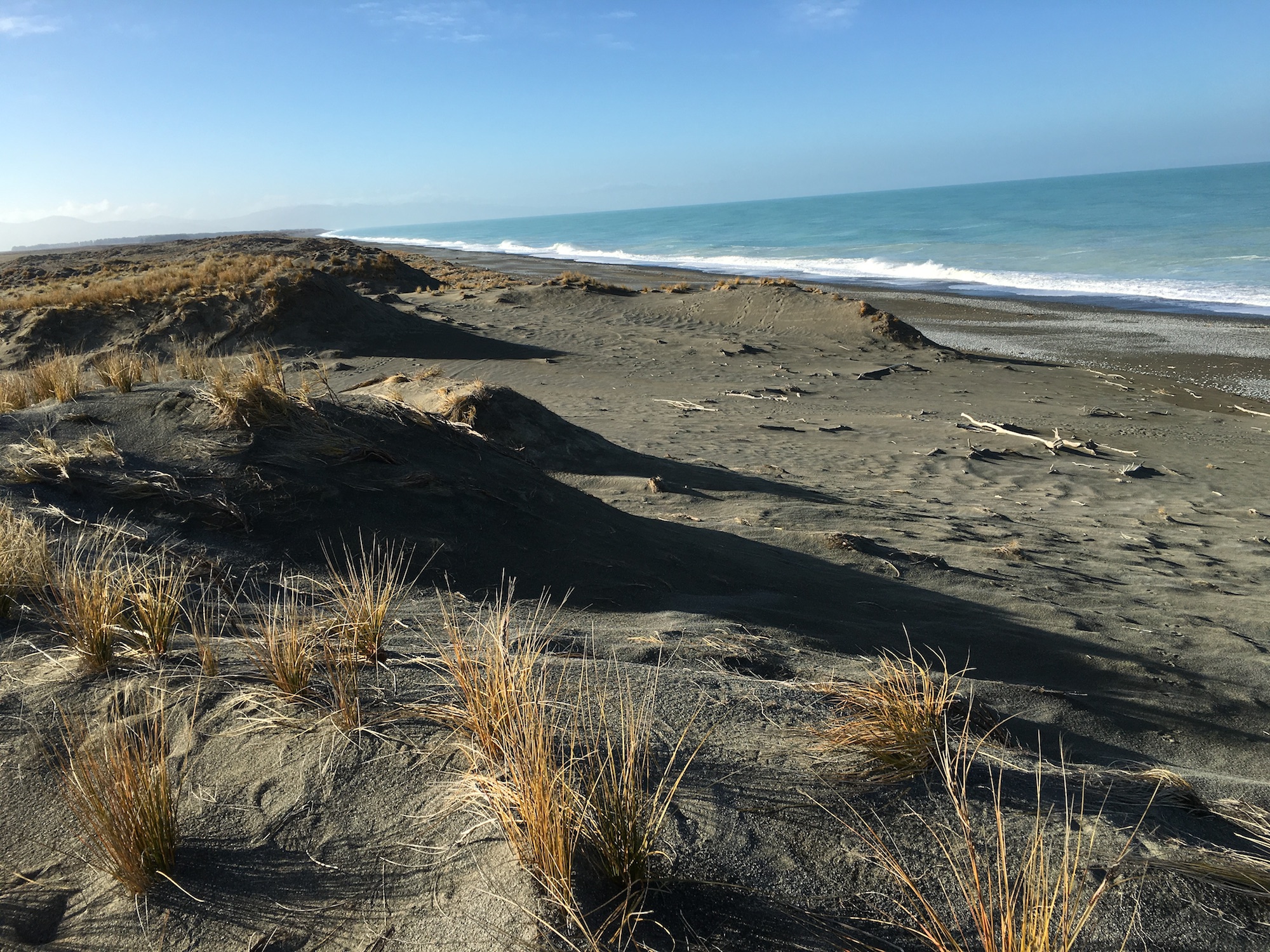
Spent some time at ‘our’ beach today, watching waves, birds, dolphins. Here are a few little poems I wrote there:

Terns wheel and bob
Above each dolphin
Like balloons on a string.

****

Wave rises, crests
Wind blows foam back

Like errant strands of hair.

****

The hiss-swoosh of wave
And rolling pebbles
Rounds all edges.

****

Shag arcs and dips its head.
The body follows
And is gone.

A new species!

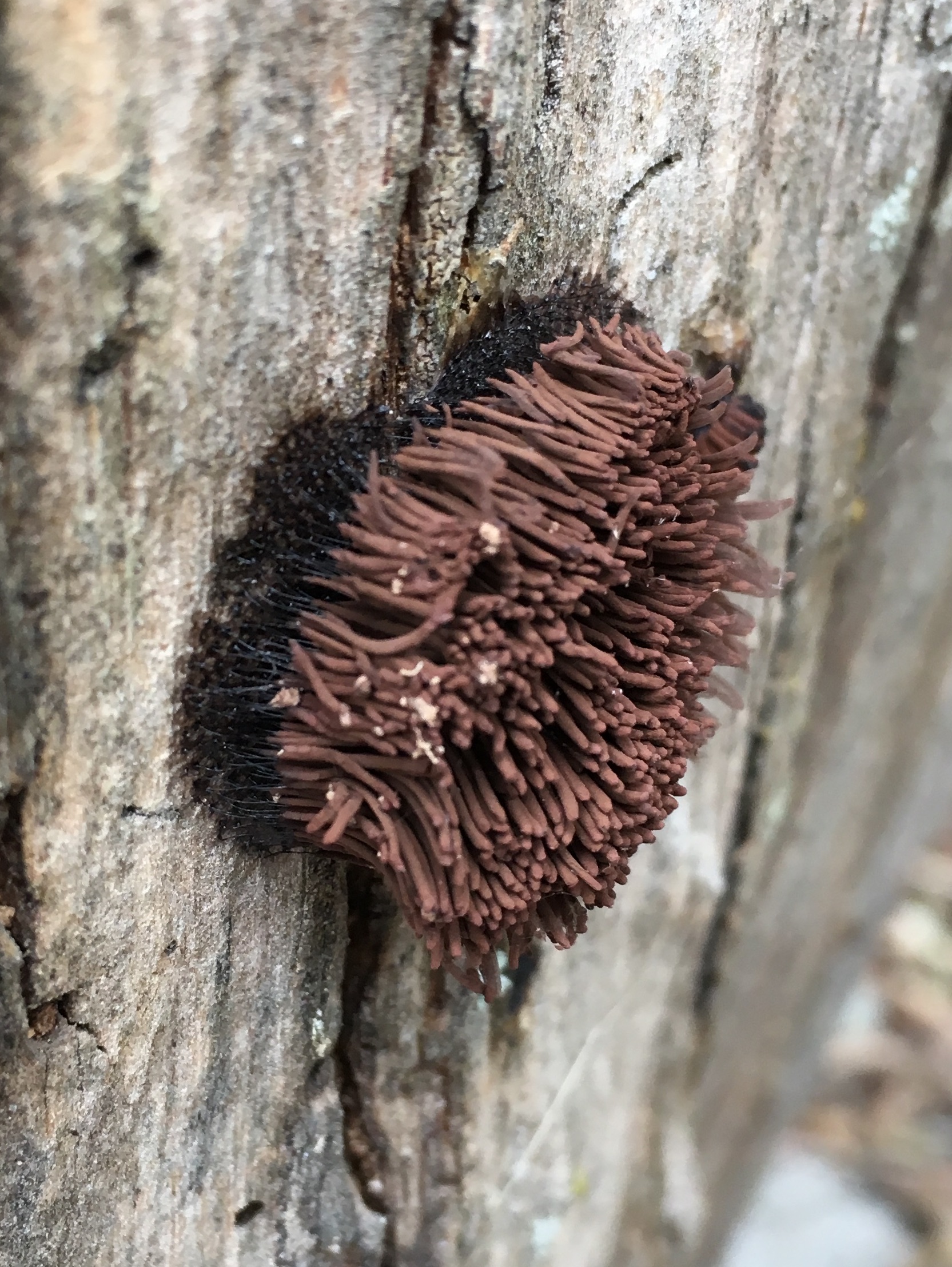
It’s always exciting to discover a new species in the yard. Yesterday we found a chocolate tube slime mould (in the genus Stemonitis). A beautiful creature, and aptly named.

If you Google chocolate tube slime mould, you get lots of websites calling it a fungus. Let’s just get this straight right now. Slime moulds are not fungi. Not even close. They’re not even in the same Kingdom of life. Saying a slime mould is a fungus is about as accurate as saying you are a fungus.

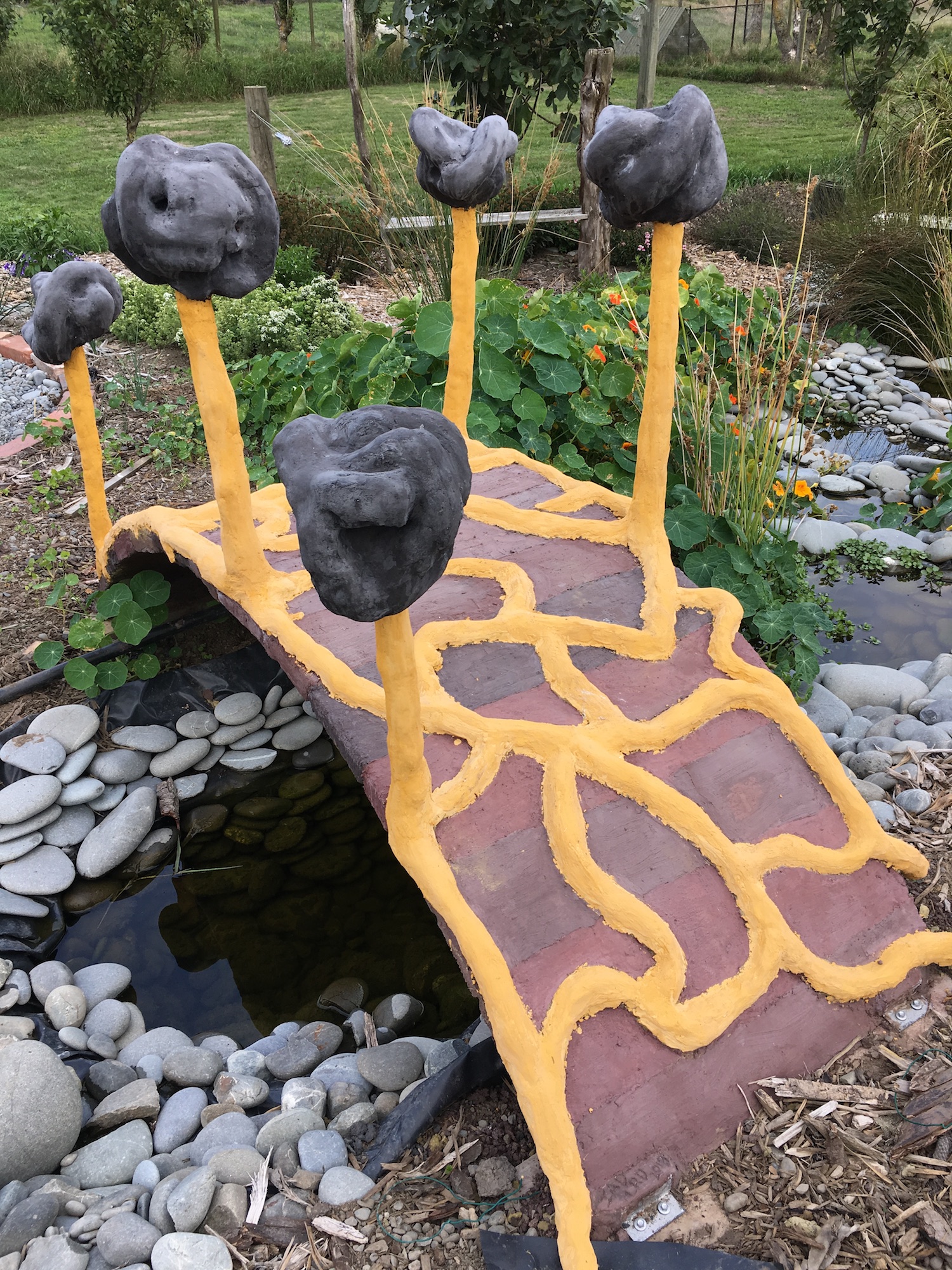
We’re a bit nutty about slime moulds here at Crazy Corner Farm … Okay, we’re a little more than a bit nutty about slime moulds. My daughter and husband have been working for months on a slime mould bridge modelled after Physarum polycephalum.

Slime moulds are some of the strangest organisms you’ll find in your back yard. Many are named for their looks, and one of the most common species goes by the name ‘dog vomit slime mould’.

The two groups of slime moulds, plasmodial and cellular, are quite different from one another, and both types are weird and wonderful creatures. Plasmodial slime moulds can cover several square metres, but are made of just one cell filled with thousands of nuclei. They creep across the ground like a giant amoeba with pulsing waves of cytoplasm, engulfing and eating bacteria.

But they’re more than just quivering bags of goo; they can solve mazes, even choosing the most efficient pathway if there is more than one. Cellular slime moulds (which don’t form enormous multi-nucleus cells) can join together to create a multi-cellular organism when the need arises for a larger, more mobile body.

Slime moulds may even save us from the growing problem of antibiotic-resistant bacteria—researchers are working on ‘training’ cellular slime moulds to sense and destroy resistant bacteria.

So you can see why we were excited to find another species of slime mould living on our property! Who wouldn’t be excited by it?

Rolling out the Welcome Mat

When we first moved to our house, most of the landscaping, at our place and at the neighbour’s, was non-native. Gorse, photinia, oaks, birch, macrocarpa…plants of little interest to native wildlife. We’ve slowly been replacing much of the non-native vegetation with natives. When the property next door changed hands, the new owner replaced the gorse hedges with natives. Our plantings are all maturing, and I’ve got my fingers crossed we’ll soon attract some native residents.

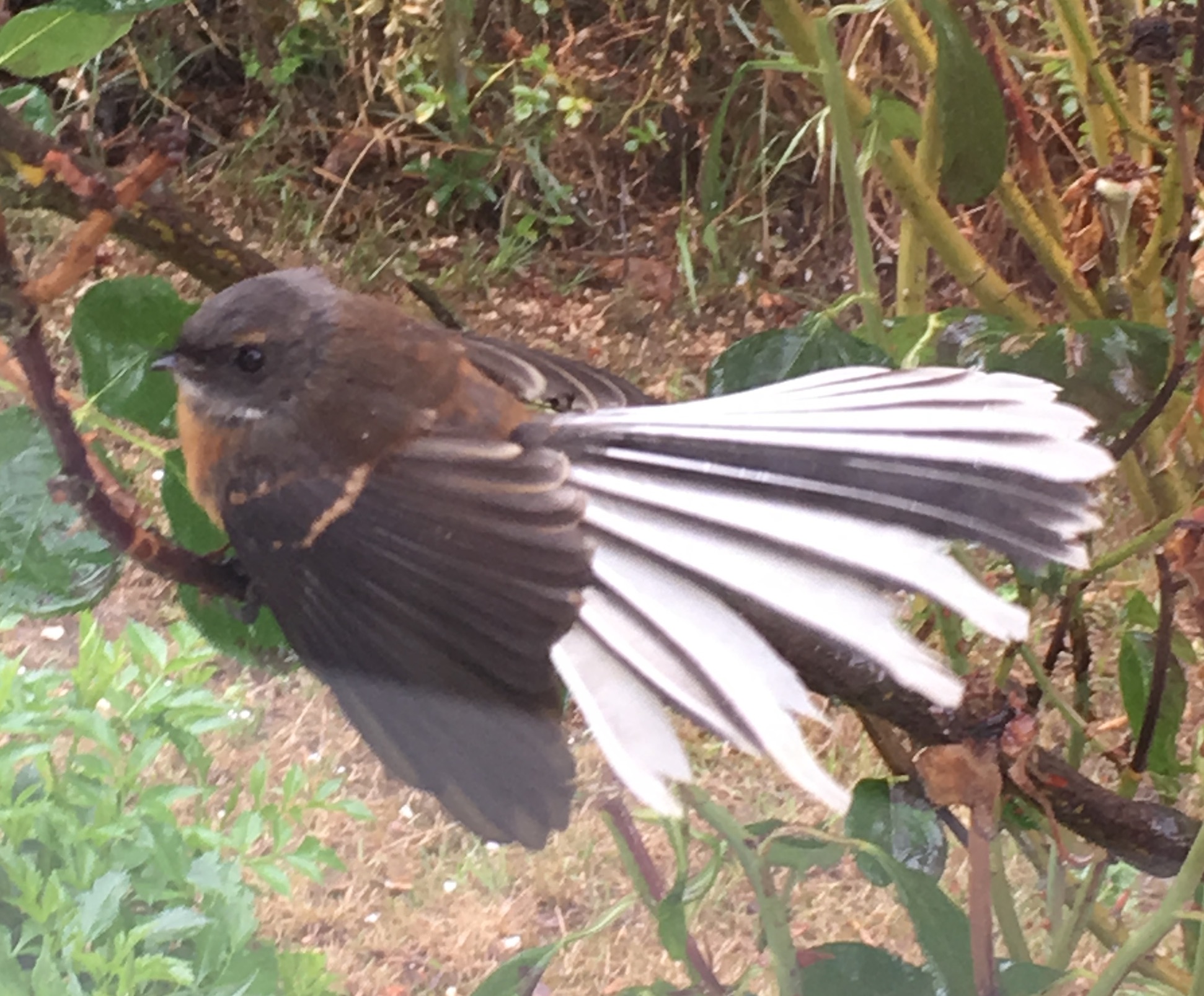
Over the years, piwakawaka (fantails) have shown up occasionally, usually in autumn, and only for a week or so before moving on. But this year, one has arrived in summer. He’s been flitting around for over a week now, chattering and declaring ownership of the place. I’m crossing my fingers, hoping he’ll stay.

Piwakawaka don’t stay still for photos, but he was talking to me through the kitchen window yesterday and, with the window as a bird blind, I was able to snap a couple of photos that weren’t just a blur of feathers. He’s a cute wee guy. I hope our welcome mat is acceptable to him.

Ruined by Popularity

Twelve years ago, we made the hair-raising drive out to Tumbledown Bay, on the recommendation of a colleague.

We fell in love. The remote bay with its sandy beach, kid-friendly waves, stunning scenery, and fabulous wildlife was exactly what we wanted in a beach. We began going there regularly.

For a few years, we could count on sharing the beach with, at most, half a dozen other people–that was on busy days. It was an intimate, private sort of experience, and those who found themselves together at Tumbledown Bay often struck up conversations (or, as we did on one of our very first visits, lasting friendships). It was a certain kind of person who went to Tumbledown, and everyone respected the desire for a crowd-free beach experience.

But word got about. Partly our fault–we praised the beach and encouraged our friends to visit it. Last week, when we arrived at Tumbledown Bay, there were already a dozen cars there, and more kept pouring in as the day wore on. The narrow footpath over the dunes had been replaced by a wide, driveable lane, and there was even a car on the beach. A rubbish bin overflowed at the end of the lane. Beach tents, boom boxes, people harassing the seals, dogs leaving ‘gifts’ along the waterline…it was no longer our Tumbledown Bay.

By any Northern Hemisphere standards, the beach was sparsely populated. But Tumbledown Bay isn’t equipped to handle crowds. It has no facilities, and the road to and from the bay is steep, narrow, and in poor shape. It’s not a road on which you want to meet oncoming traffic, but last weekend there was no way to avoid it.

It was possibly the last time we will visit Tumbledown Bay. A shame, really. It was a magical spot.

Currant Clearwing

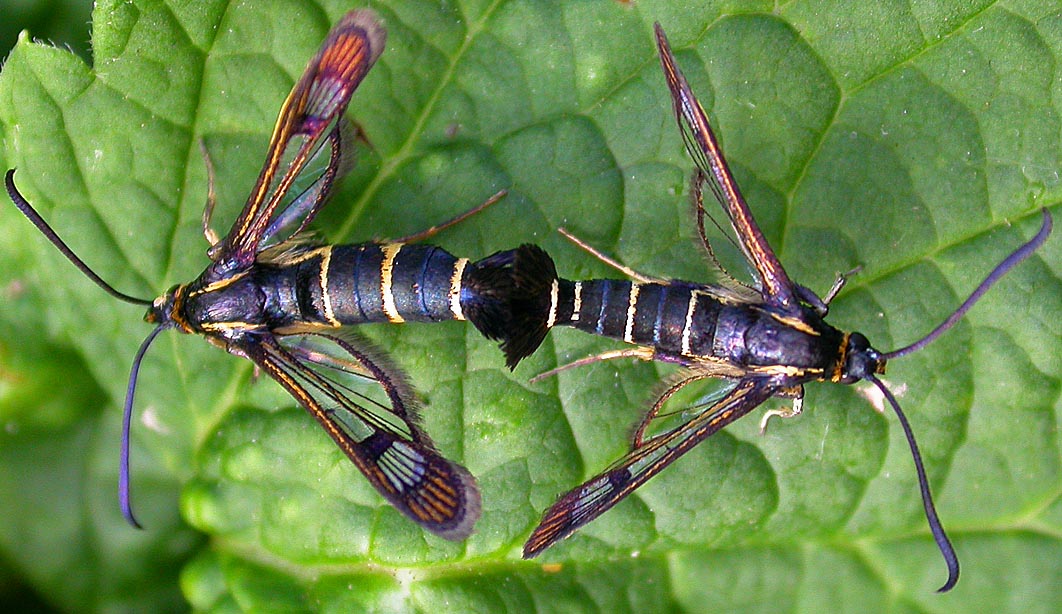
Mating currant clearwings. Photo: Plantsurfer, public domain

They’re the most beautiful pests in the garden. Currant clearwings are moths, but they would like you to think they’re wasps, with their clear, narrow wings and yellow stripes. The deception deters predators who don’t want to tangle with a dinner that stings.

Adults emerge in early summer. They lay their eggs on the growing tips of currants and gooseberries. The caterpillars hatch out and burrow into the stems, killing them.

We’ve had the occasional currant clearwing in the past. Mostly, I let them go, because there were few of them, and I do like the way they look.

But this year there are many, many more than usual. I’m squishing all that I see. They leave gold dust on my hands when I do.

Hopefully, my efforts will be effective, and we’ll go back to just a few currant clearwings next year, so I don’t have to kill so many of these beauties.

Pheasants: Honorary Natives

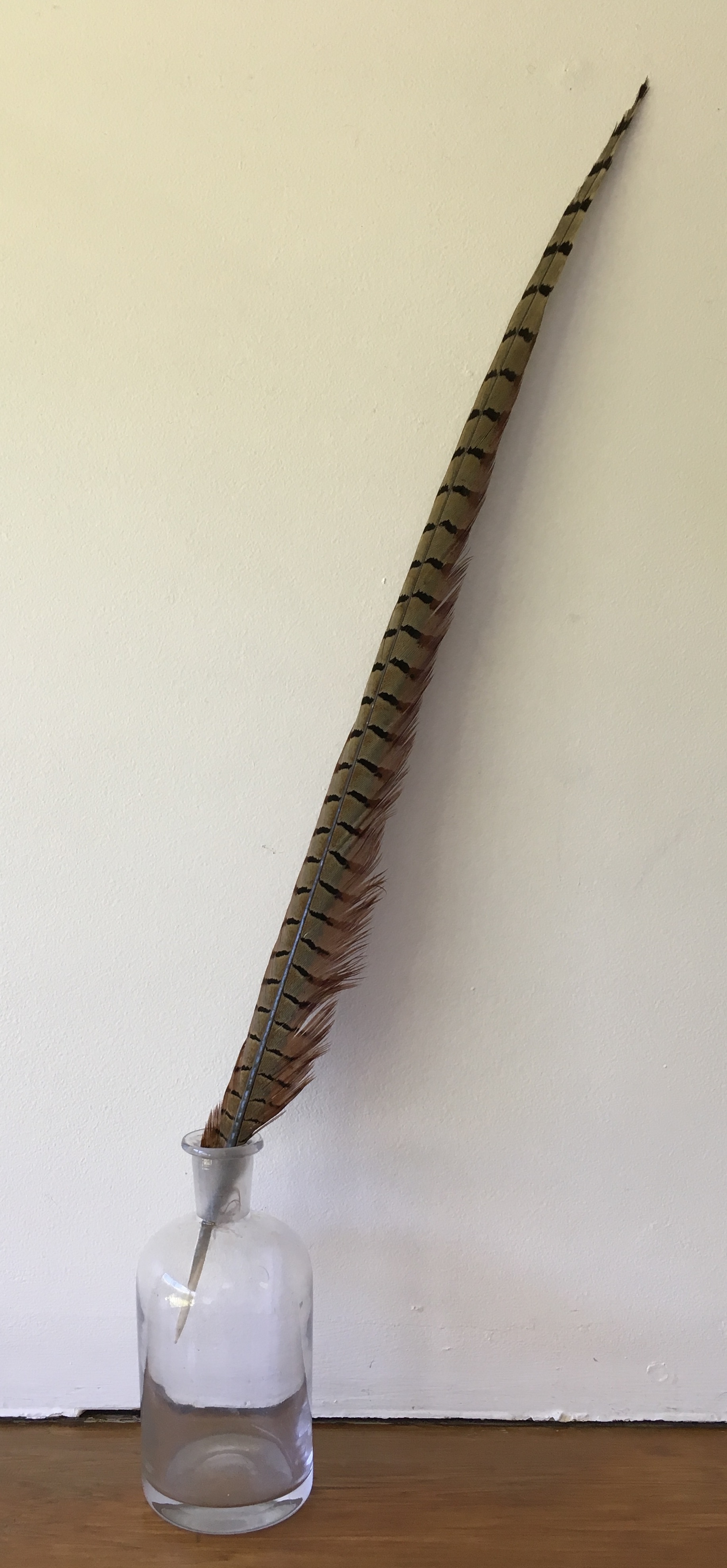
We’ve had a lot of pheasants around the house this spring. The common pheasant (Phasianus colchicus), also known as the ring-necked pheasant. Is a curious bird…or rather, our relationship to it is curious.

The common pheasant is native to Asia, but has a long history in Europe. It was probably introduced by the Romans, and the first printed mention of the bird in Britain was in 1059.

Who knows what ecological impacts the pheasant had in Britain? I doubt anyone paid attention at the time. By the time people began to worry about conservation, in the early 1800s, it was the pheasant they worried about, as its numbers declined with land-use changes and the introduction of firearms for hunting.

The pheasant was first introduced to North America in the 1770s, and has naturalised in many areas. As in Europe, it has become a popular game animal and is the focus of conservation efforts, in spite of its non-native status.

Many years ago, I applied for a job with a ‘conservation’ organisation in Minnesota. Though I was ultimately offered the job, I turned it down, because its sole focus was on the maintenance of pheasant populations for sport hunting. I struggled to view that as conservation in a place where pheasant habitat was incompatible with habitat for threatened native animals, and where maintaining a pheasant population required captive breeding, because winters are simply too harsh for it to survive, even with appropriate habitat.

Even in Hawaii and New Zealand, where introduced species are almost universally considered pests, the pheasant is fussed over and cared for as a native—bred in captivity and released to keep its numbers up for the benefit of sport hunting.

A search for information on the ecological impact of pheasants is curious. Many sources presuming to address the ecology of pheasants deal only with the threats to pheasants themselves, not pheasants’ impact on the native ecology around them. It is as if even researchers have turned a blind eye to the fact pheasants are non-native over most of their current range. In truth, their impact is undoubtably small compared with non-native predators like stoats, cats, and rats. They tend to prefer disturbed, agricultural habitats (though they have been recorded as competing with native prairie birds in North America) and feed primarily on cultivated foods, weeds, and insects.

Yes, they feed primarily on crops. They’re crop pests. They particularly like grains and small fruit crops, and can cause significant losses in grape vineyards and in small holdings.

So, why do we embrace the pheasant so unreservedly? Let’s face it, most of us don’t eat pheasant, so we get no benefit from the bird. But it seems its long historical association with people and the agricultural landscape have made it almost a domesticated species. And, as we put up with the chickens occasionally wreaking havoc in the garden, so we put up with the pheasants, too.
Summer Rock Concert

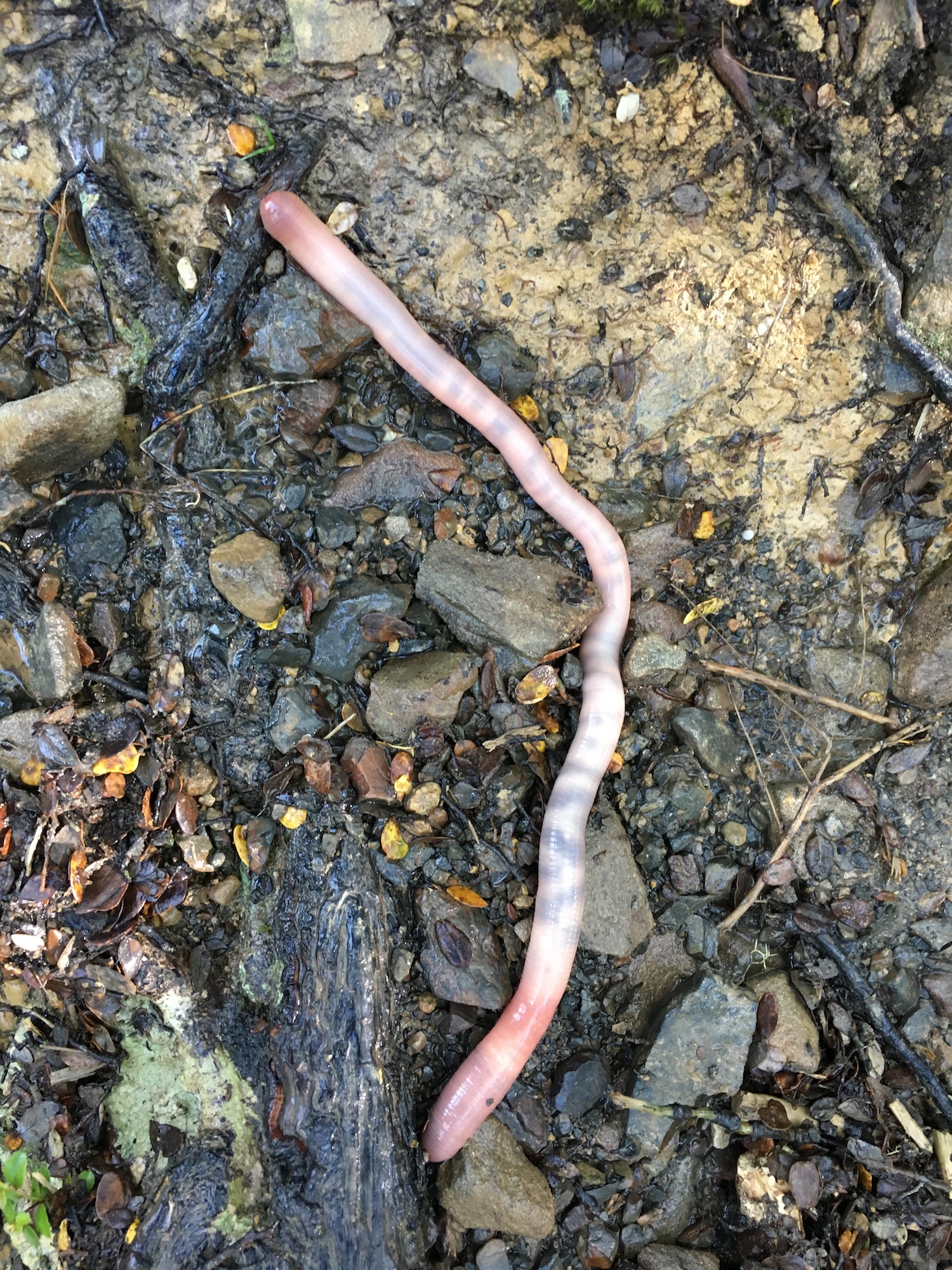
It’s a cicada; it must be summer.

The main cicada season doesn’t really start until the chorus cicadas (Amphisalta zealandica) come out after Christmas, but two weeks ago, we found a few chirping cicadas (Amphisalta strepitans) on the rocks around Okains Bay.

Cicadas are largish, as insects go, but they’re well camouflaged. Usually, you find them by sound. As with most insects, it’s the males that do the singing. The main part of a cicada’s song is made by flexing plates (tymbals) on top of the body. Built-in amplifiers (opercula) pump up the volume to an astonishing level. Cicadas are noisy. I don’t know if any of the New Zealand species have been tested, but the calls of some North American cicadas are over 105 decibels at a distance of 50 cm. That’s nearly as loud as a rock concert (115 decibels). When the chorus cicadas here in New Zealand come out in large numbers, they can be so loud in some places that it’s impossible to carry on a conversation.

Some New Zealand cicadas add an extra feature to their song—a bit of drumming called clapping. The cicada snaps the leading edge of its wings against a branch to make a sharp click. Females also clap, and I’ve read (though I’ve never tried it) that you can call the males to you by snapping your fingers.

There are about 2500 species of cicada worldwide. Because of their size and volume, they seem to be culturally important wherever they live. They are eaten as food in many areas, and sometimes used as fish bait. Growing up, my siblings and I used to collect the shed exoskeletons of cicadas and attach them to our clothing like jewellery. When I lived in Panama, the children would catch cicadas and tie strings to their feet, then carry them like helium balloons, flying on the end of the string.

Wherever they live, they mark the seasons. Here in New Zealand, and in America where I grew up, summer hasn’t really started until the cicadas sing.

Loud singing? Drumming? Must be a summer rock concert!