
Over the weekend, I was weeding the native plantings at the front of the property and discovered a wee lancewood seedling. We’re quite fond of lancewood, and have planted several around the property, but none of ours have set seed yet—they’re all still in their stick-like juvenile form. So the volunteer came in from someone else’s property, no doubt dispersed by a bird.
Normally, weeds are a source of dismay, but I was thrilled to find the little lancewood. I’ve been surprised at how many ‘volunteer’ plants we get at our new property—there’s more rainfall here than at the old place, and plants tend to establish on their own, without my help. It means the unwanted weeds grow better, too, but I’ve been thrilled by what has popped up.
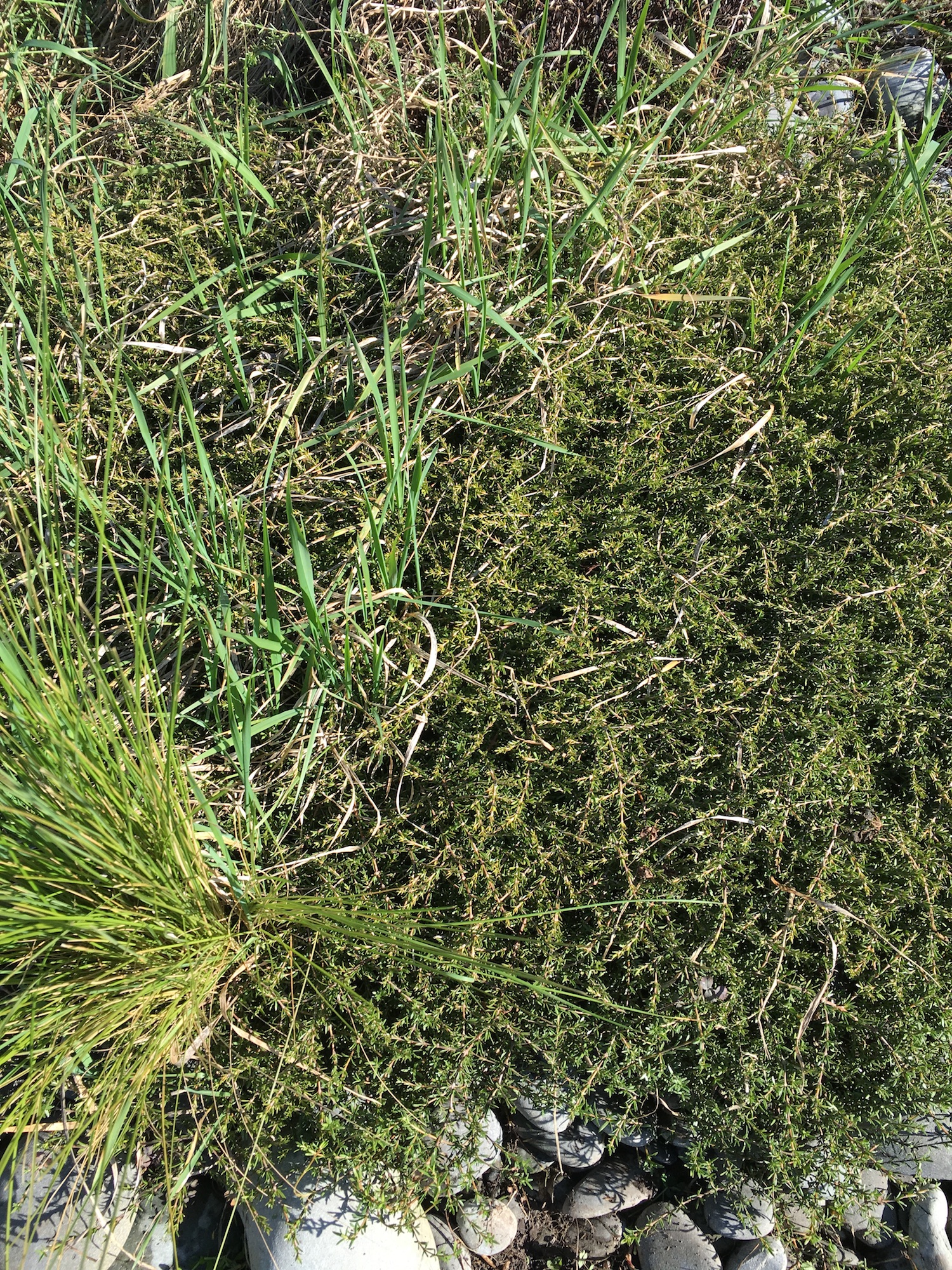
Among the native weeds, we’ve got coprosma, akeake, poroporo, NZ iris, snow tussock and hebes. Some, of course, sprout where we don’t want them, and I have to weed out a fair few. But many get transplanted elsewhere or potted up and given away. I love the thought that our native plantings might one day be self-perpetuating.

Among the non-natives there are some welcome weeds, too. Pansies, flax, thyme, oregano, sage, cilantro, peas and fennel are all desirable—in the right place.
I will also admit to appreciating the flowers of daisy, scarlet pimpernel, scrambling speedwell, and rampant fumitory wherever they grow, but only because these plants are a minor nuisance and easy to pull out. Other pretty weeds, like bindweed, yarrow and vetch are on my hit list, regardless of their flowers.
Then there’s stinging nettle. I hate nettles. But lush nettles are a good sign of fertile soil, so I admit I like to see them pop up and grow well, even if I do pull them out.
Is a plant a weed if I like it? Maybe not. But all these volunteer plants do make for extra work in the garden, whether I appreciate them or not.





 Robinne Weiss