Equinox Accounting

Happy Equinox!

It is the autumnal equinox, and fittingly, our weather today has started out pure summer heat, and is predicted to turn to wintery wind and rain later on. I can see the clouds piling up to the south as the front approaches.

There are still plenty of summer crops coming out of the garden, but the equinox is a good time to evaluate what worked and what didn’t this past summer.

It was an extreme summer, so there’s no saying this year’s performance will hold in future years, but new varieties that did well include:

Tomato Indigo Apple—I blogged about this beauty when it first began to ripen. It has proven itself over the season, producing plentiful, delicious and attractive fruits that ripened early and continue to ripen as other varieties are giving up for the year.

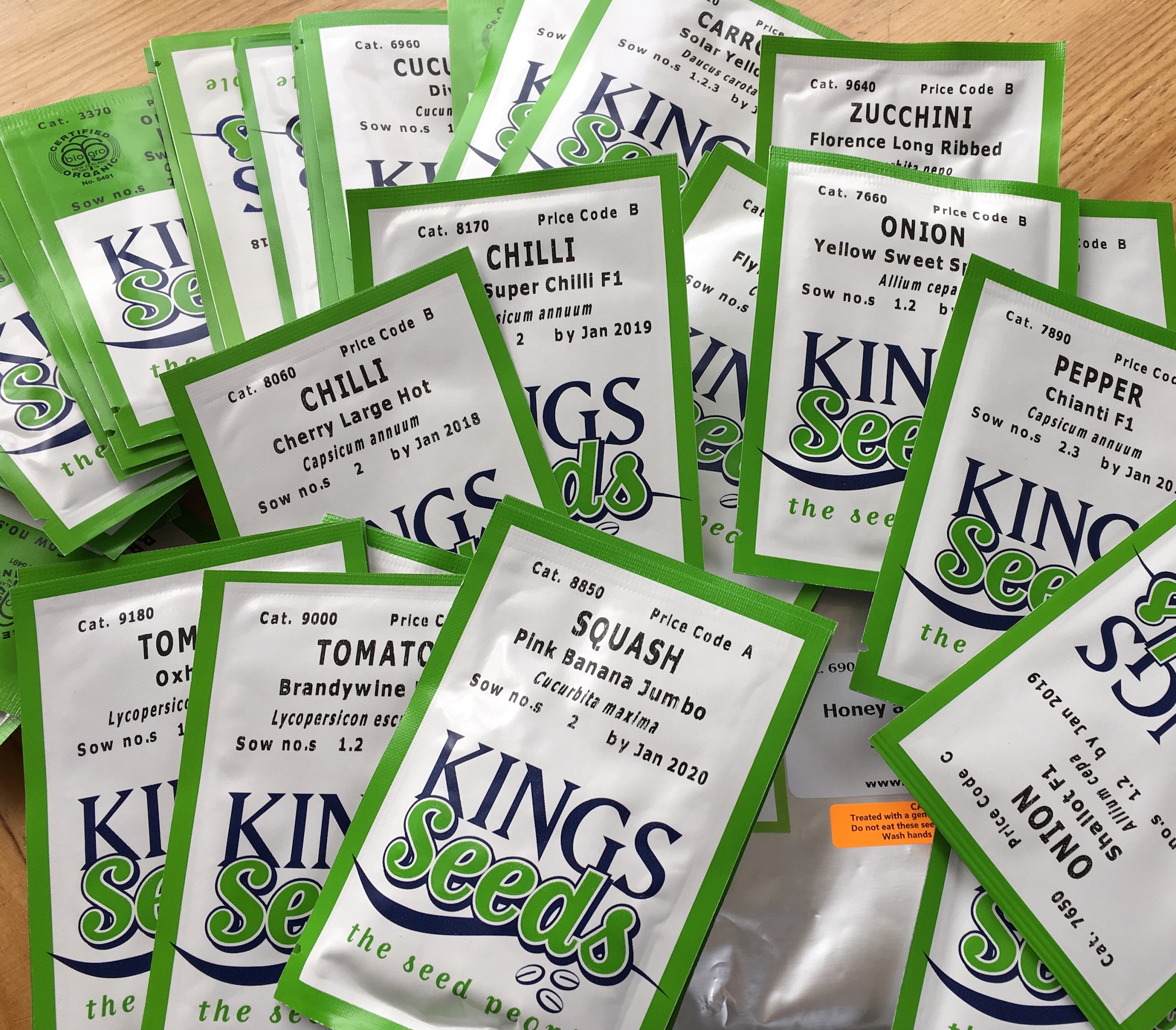
Tomato Oxheart—This variety was also new to me this year, and it did well enough to deserve another go. The almost disturbingly heart-shaped (as in ox heart, not love heart) fruits were flavourful and plentiful.

Onion Pearl Drop—Cute and fast-growing. I’ll plant these again.

Watermelon Sweet Red—It might have simply been the weather this summer, but Sweet red matured more quickly and produced more fruit than Rapid Red, which I’ve planted in past years. I’ll be curious to see how it does in a cooler summer.

Varieties that didn’t grow so well:

Eggplant Container Pick—I was excited by this smaller variety of eggplant, as mine always end up pressed against the top of the low tunnel I grow them in, but these seeds didn’t even germinate.

Tomato Russian Red—This isn’t a new variety for me. Usually Russian Red, bred for its ability to withstand and produce well in cool temperatures, is my best producer. This year, the plants spent most of their energy on vegetative production, growing to massive leafy plants without actually producing much fruit. And the fruit they did produce was so hidden in all the greenery that I missed half of it. It won’t stop me from planting Russian Red in the future, but it emphasises to me the need to plant a mix of varieties, as year-to-year differences in weather can make a big difference in production.

Pole Bean Jackson Wonder—The jury is still out on this bean, but poor germination and slow growth mean I still haven’t harvested any of these lima beans. There are plenty of pods on the plants, but whether they will fill out properly before frost kills them is debatable. My guess is that in a normal summer here, they wouldn’t have a chance—they appear to need too long a growing season.

The Crews that Pick up the Pieces

It was a wild night last night. Strong nor’westerlies rattled the windows and tossed things about in the yard for most of the night. Sometime around four in the morning the wind abruptly shifted to the south, bringing squally rain.

Around 5.30, I let the cat out. I had just laid down again, hoping for fifteen more minutes of rest before starting my day, when I heard a car approaching. I heard it skid, and then there was a loud crack.

It wasn’t the first time someone had failed to make the turn at our house. My husband and I grabbed headlamps and ventured out into the rainy darkness.

A white ute (pickup truck) nosed into our fence, a power pole lying across the bonnet (hood).

The driver, seemingly unhurt, was already out of the car, cursing the start of his work week.

A call to emergency services brought the local fire brigade—three trucks and a dozen volunteers, who stood in the rain, managing what little traffic our road gets, and checking the driver. They could do little with live wires sprawling across the road.

As the sky slowly lightened, the ambulance and police arrived. The lines company arrived to turn off the power.

I spoke to the policeman. He had not slept last night—this was his third auto accident since midnight. Likewise, the linesmen had been up all night fixing wind damage.

Eventually, a tow truck came. A larger crew from the power company arrived bearing a new pole and a digger. They worked through the morning’s squally rain—it’s not a small job to install a new pole in our rocky soil.

I’m thankful to all these people, many of whom were volunteers who went off to work after their early-morning foray in the rain. They are the crews who go out at any hour, in all weather, to pick up the pieces when something goes wrong.

As I write this, the power is still out. It is raining, but the linesmen are up the new pole, reconnecting the cables. I may be able to post this by early afternoon, if I’m lucky. I hope they all get to go home after this and have a nice long nap.

Ushering in Autumn


Thursday’s dawn farewell of Gita.

Gita blew through earlier this week, dumping 96 mm (nearly 4 inches) of rain on us. She also seems to have ushered in autumn. Sultry summer heat has given way to crisp air in Gita’s wake. The sun is still hot, but the nights have been chilly. The crickets sing their welcome to a new season. Even the garden has taken on an early autumn look, tired plants beginning to look tattered and yellow. Before Gita, I had ordered my firewood for the winter. It seemed too early at the time, but now, I’ll be happy to see it arrive.

Summer fruits and vegetables should still roll out of the garden for the next six to eight weeks, but the end is in sight. We’ll enjoy it while it lasts.


Preparing for Gita

Just some of the weekend’s harvest.

I have been AWOL from the blog for longer than usual. I have good reasons, one of which is whirling toward New Zealand as I type. Cyclone Gita is bearing down on us, and though we aren’t likely to bear the full brunt of her damage at our place, we will get heavy rain and gale-force winds.

So I’ve spent the last two days bringing in the crops that might be damaged by her—wheelbarrow loads of corn, soy, black beans, borlotto beans, tomatoes, and apples. This summer’s intense heat and sufficient rainfall have not only encouraged excess cucurbits, but also increased my bean harvest—picking took far longer than I expected, and I will spend the next week shelling them all.

But when the rain starts later tonight, I’ll be able to relax, knowing I’ve done as much as I can to protect the crops. And the rush to bring them in means the job isn’t still hanging over me, lingering on the to-do list.

So I may not have posted the blogs I’d hoped to, but I’m ready for whatever Gita throws at us.

Aftermath

The courgettes (zucchini) will recover, in spite of all the broken leaves.

The remnants of cyclone Fehi hit New Zealand yesterday. We didn’t receive the brunt of the storm, and I am thankful for that. But we didn’t escape damage.

After Fehi’s wind dumped rain on the West Coast, it swooped over the Southern Alps and raced down the other side, heating up as it went. We were blasted by the hot, dry wind—gusts at least 130 kph (and higher, by the damage inflicted), and a temperature that reached 35ºC by early afternoon.

Parts of the garden will not recover. I’m glad we ate our first sweet corn earlier in the week, because it might be our last—the corn lies flat on the ground today.

The greenhouse plastic was shredded, and the stakes holding the greenhouse in place were pulled from the ground. Only my paranoia about the greenhouse taking flight in the wind saved the structure—years ago, I’d tethered it to y-posts driven deep into the soil. They were the only things left holding the structure in place.

Today is cool and rainy. The change will help the garden recover from yesterday’s thrashing, but it can’t bring back the stripped fruit, broken branches, and fatally flattened vegetables. It won’t fix the greenhouse.

We pick up the mess and get on with it. The damage is discouraging, but I am not discouraged. If gardening (and life in general) were not laced with setbacks and disaster, we could take no pride in our accomplishments. I will be extra-pleased with every tomato and cucumber we eat for the remainder of the summer.

And, by the way, if cyclone Fehi did nothing else, it reminded me where the name Debbie’s chutney came from—cyclone Debbie stripped the apples from the trees before they were ripe. We made chutney from those apples, and named it Debbie’s. Perhaps we will be making Fehi’s chutney this weekend.

Year of the Cucurbit

A portion of one day’s cucurbit harvest…and the melons and pumpkins haven’t even begun.

The Chinese New Year is coming up in less than a month. It will be the year of the dog.

I beg to differ. At least at Crazy Corner Farm, it will be the year of the cucurbit.

Extremely high temperatures combined with an unusual amount of rain seem to have encouraged growth of the pumpkins, zucchinis, melons, and cucumbers this year. I have never, in over 30 years of gardening on three continents, seen cucurbits grow like this.

I accept responsibility for the zucchini. I know I always plant too many. But the others aren’t my fault.

Melons are usually incredibly difficult to grow here. They barely grow, and give very few, tiny fruits. I’ve tried them in the greenhouse, and they seem to do even worse there than in the garden. Too cool and dry, I suspect. Not this year! They have outgrown their bed and are invading the beans on either side of them. There are dozens of fruit set, and those fruits (still quite immature) are already larger than most of the mature fruits I’ve gotten in previous years.

The pumpkins have simply devoured half the garden. They’ve invaded the corn, overtopping it in some places. I’ve had to push them back into the garden when they’ve escaped, growing over five metres from where I planted them. I planted just a few plants each of pickling cucumbers and  table cucumbers, and spaced the two varieties well apart from one another. I am now hacking them back to keep them separate and avoid them spreading over the shade house. My plan with the pickling cucumbers was to have just a handful for making fresh pickles (because I only ‘make pickles’ every two years to avoid becoming the crazy pickle lady), but I’m harvesting as many pickling cucumbers as I do on most pickle years.

I have lost all paths in half the garden to cucurbits, and many of the paths in the more clear half are overgrown, too. It is truly out of control. I have never seen this sort of cucurbit exuberance before.

So, I declare 2018 Year of the Cucurbit. Care for a pickle, anyone?

Beech Forest Hiking

I’m particularly fond of hiking in early spring. It’s not for the spring weather, which is often raw and windy, or for spring flowers, which aren’t particularly abundant in the bush. No, it’s for the lack of German wasps.

Much of the forest we hike through is dominated by beech (not the northern beech, but several species of Nothofagus). Beech is host to a fascinating ecosystem which has been invaded by non-native wasps.

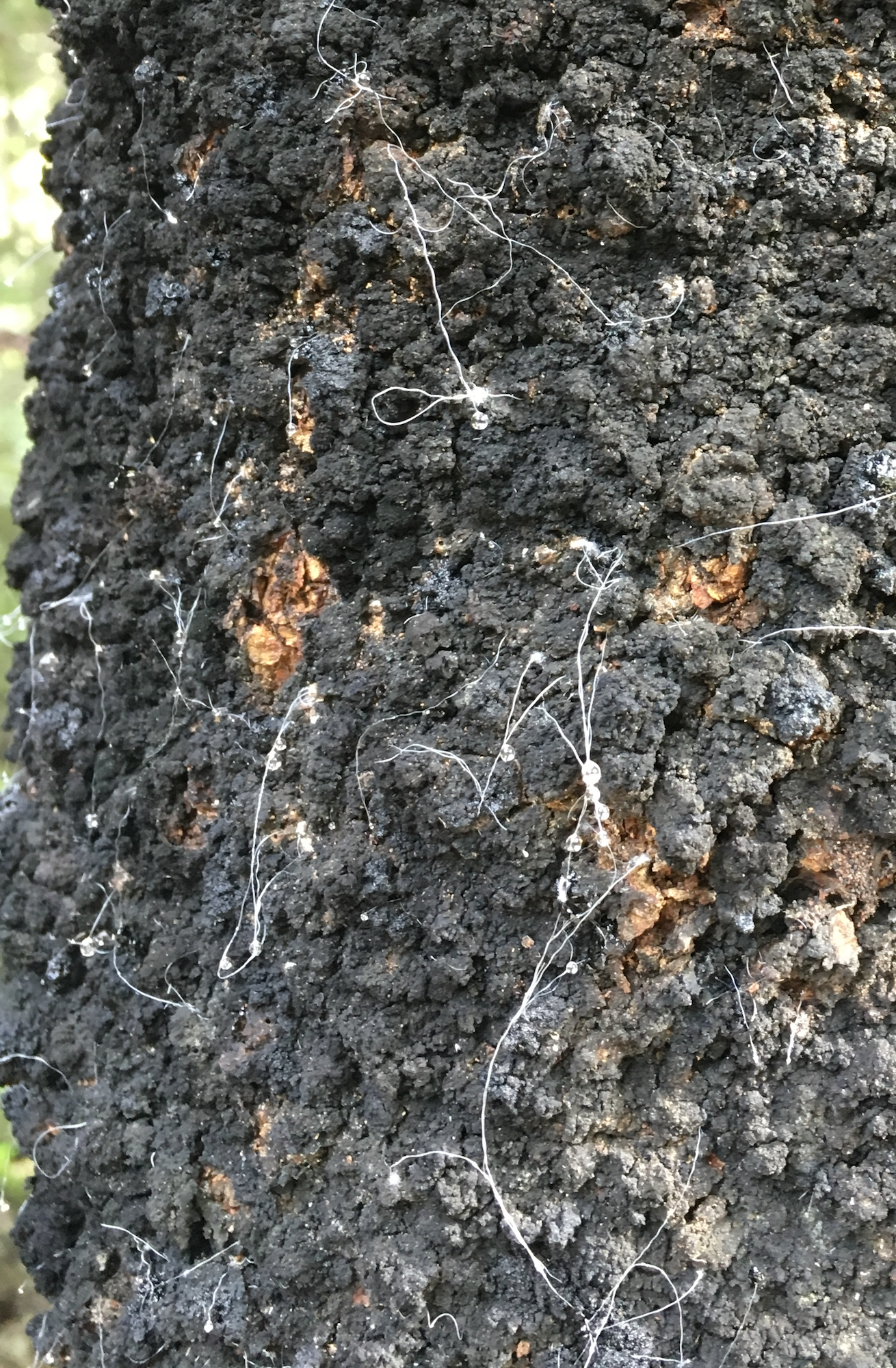
Throughout much of its range, beech is infested by scale insects. The scales live in the bark of the trees, feeding on sap. Because sap is low in nutrients and high in sugar, the insects need to excrete the extra sugar. Each insect has a long anal tube through which it ‘pees’ concentrated sugar water called honeydew.

Drops of honeydew form on the tips of the anal tubes and fall to the ground, tree, trunk, and branches around the insects. The entire area ends up coated in sticky sugar.

Sooty mould grows on the sugar coated surfaces, turning trees and forest floor black, and giving the beech forest a distinctive smell. The sooty mould is eaten by a variety of insects, including moths and beetles.

But not all of the honeydew simply drops to the ground. Native birds and insects (and hikers) drink the drops of water on the tips of the scales’ anal tubes. For wildlife, honeydew is an important winter food, when flower nectar is scarce.

German wasps enjoy honeydew, too, but only in the summer.

By mid-summer, the beech forest hums with the sound of millions of wasps collecting honeydew. For me—allergic to wasp stings—it means a hike requires constant vigilance lest I grab a tree trunk for balance and end up in anaphylactic shock. But in springtime, the wasps aren’t yet out and about, and I can enjoy the sticky smell of the beech ecosystem without worry.

Living With Earth

Coes Ford–open…just.

Nature is bigger than we are.

That’s been clear from world events the past few weeks—flooding in Indonesia, earthquake in Mexico, multiple hurricanes in the Atlantic.

We can pretend the natural world doesn’t affect us. We can do our best to engineer human structures and our daily lives so that, most of the time, we forget we are an integral part of Earth. But I think this is a terrible mistake.

On my way to and from town every day, I cross the Selwyn River. Normally, I do this at a spot called Coes Ford.

The Selwyn River floods. It’s simply part of the hydrology and ecology of the river. The low bridge over the Selwyn at Coes Ford acknowledges flooding. The bridge was never meant to allow passage over the river during a flood. It was meant to survive floods intact, and provide passage during low water.

The ford has been closed for several weeks, but reopened yesterday. The bridge itself is still underwater, but it’s passable.

To me, there is something right and good about an infrastructure that acknowledges the forces of nature and doesn’t try to control them. It is good for us to accept that, while we have great influence, we are not masters of the planet. At Coes Ford, we will be inconvenienced by floods. This is part of the natural order. It is part of what it means to live here. And if we are inconvenienced by floods, we will notice when the pattern of flooding changes. We will feel that something is amiss. Hopefully, we will do something about it. It’s not a coincidence that when the Selwyn stopped flooding and dried up last summer, the focus of the worry was at Coes Ford—that’s where the locals understand the river’s pulse the best.

If we are separated from the rhythms of the planet, we won’t notice when something is wrong, locally or globally. When we are separated from the rhythms of the planet, we may not notice problems with our life-support system until it is too late. Separated from, and ignorant of the rhythms of the planet, it’s easy to deny that there are any problems.

And so, I embrace the inconvenience of Coes Ford. I thank the engineers who chose to accept the Selwyn River for what it is. I hope that, as human technology advances, we continue to remember our interdependence on the natural systems of Earth. We must live with the earth, not on it.

What are the Odds?

A winter storm dropped nearly an inch of sleet on us overnight. I crunched through the ice in the dark this morning to feed the animals. After emptying sleet out of the chickens’ feed tray and filling it with pellets, I turned and saw, in one of my footprints, a bright green/blue glowing spot.

Bioluminescence. There was no mistaking the colour. I carefully scooped up the bit of glowing sleet and held it in my hand. I could think of no terrestrial source of the glow. There are no glowworms in my vegetable garden, and no bioluminescent fungi. Besides, this was in the ice, not on the ground.

The spot glowed for a moment between my fingers. Then the ice melted, the light went out, and whatever had made the glow dripped to the ground.

I spent an hour online looking for any reference to bioluminescence in snow, and found none. The only explanation I could come up with for my glowing sleet was that a phosphorescent marine creature was picked up in sea spray four kilometres away, frozen, and then deposited in my garden. My stomping foot disturbed it, and it glowed briefly before, most likely, succumbing to a deadly infusion of fresh water.

What are the odds that organism would be picked up from the sea and whisked four kilometres inland? What are the odds it would land in my garden? What are the odds it would have still been alive when I trekked out to feed the animals? What are the odds I would step on that tiny organism and induce it to glow?

Very, very tiny.

I was given a tremendous gift this morning. One of those gifts that reminds me to always keep my eyes open. You really never know what you might see.