Winter Gardening

It’s not quite winter here yet. There are a few more days until it officially starts. And the weather has been unusually warm. 

It’s a far cry from gardening in Minnesota, where I used to hack my parsnips out of the frozen ground in November and December, and the garden spent much of the winter under a blanket of snow.

Here, the garden is reduced and slow growing in winter, but there’s plenty happening.

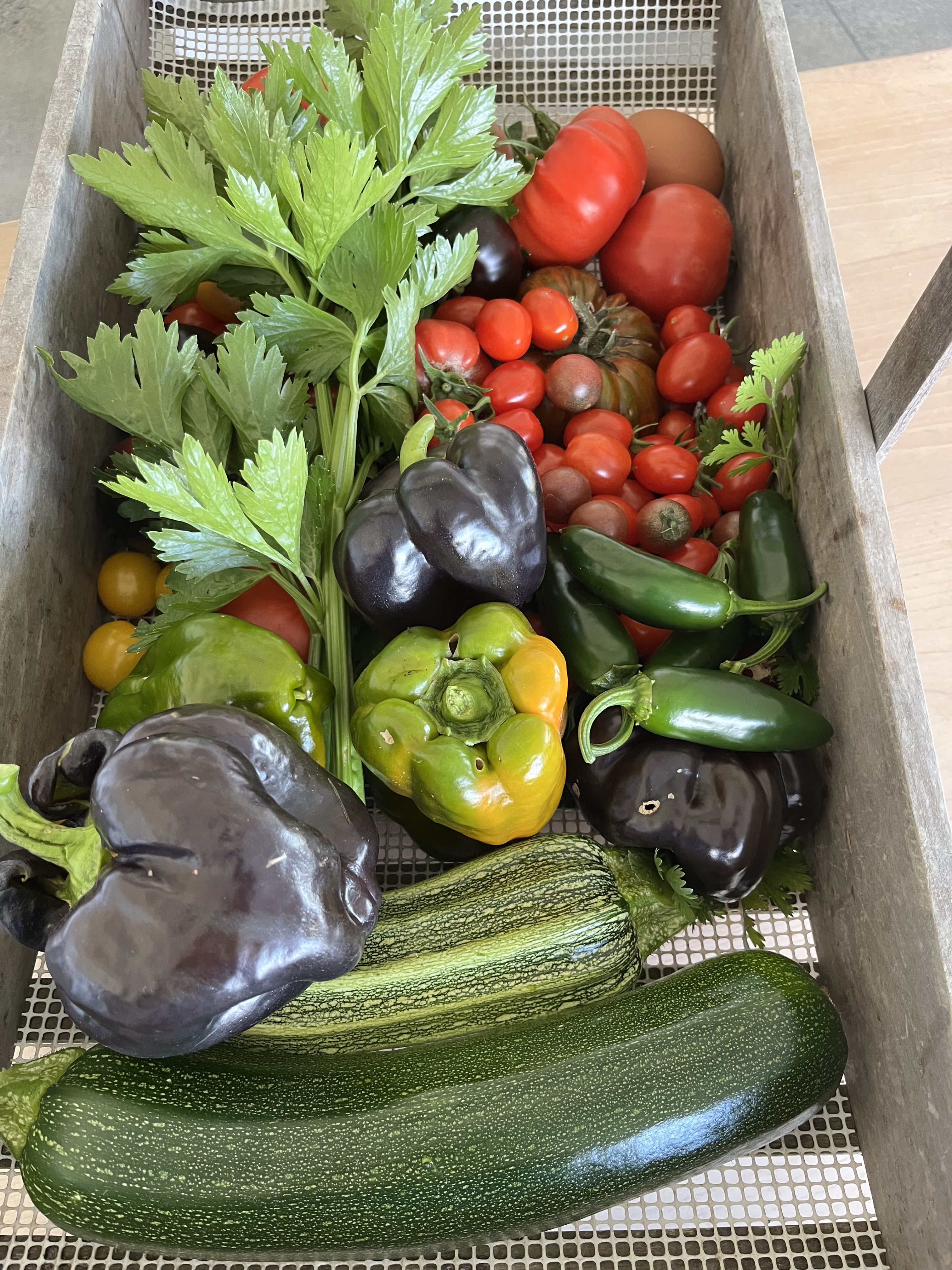
We’re still picking tomatoes, peppers and eggplants from the greenhouses, though many of the plants are looking pretty sad. They will almost certainly give up in the next month.

The winter broccoli, cauliflower and cabbage are doing nicely. We’ve been enjoying plenty of these cool-weather crops over the past few weeks, and they will continue to give through winter. The leeks are gorgeous and ready to pick. They’ll provide onion flavour in dinners after the stored onions are gone, and before the first spring onions are ready in October. 

Leafy greens like Beet Erbette and Silverbeet (Swiss Chard) are in their prime through winter—they’ve been largely ignored through summer while so many other crops were available, but now they offer fresh greens to add to the frozen and bottled vegetables in winter dinners.

Weeds are slow growing in winter, and the vegetables require little work. Much of the vegetable garden is tucked up under mulch or green manures all winter.

But there’s a fair bit of maintenance to be done over winter. Perennial crops like berries and fruit trees need pruning, and winter is a good time to tackle the really pernicious weeds like twitch (couch grass), because the soil is soft and wet. Winter is also a great time to top up mulch and add compost to the soil, to mend fences and bird nets, to shift plants.

The beauty of winter gardening is that the urgency of the spring and summer gardening seasons is gone—there isn’t so much to do that you can’t enjoy a rainy day indoors, but you have a perfect excuse to be outdoors on those glorious sunny winter days.

And speaking of glorious sunny days … I think it’s time to get out of the office and into the garden.

Planning Obsession

How many varieties of tomato are too many? Do I need green and purple broccoli? Can I fit a sixth variety of carrot into my garden plan? Should I try a new type of runner bean?*

These are just some of the many questions I tackle each winter. July is a relatively quiet month outdoors, so I turn my garden energy to planning this month.

My husband laughs at me every year, because I am obsessive about planning and documenting the garden. 

In July, before the new year’s seed catalogue arrives, I create a garden map. Consulting last year’s map to be sure I’m rotating my crops from bed to bed, I mark out where each crop will be planted. That way I’m sure not to plant the potatoes next to the tomatoes (because the potatoes will no doubt sprawl into the tomatoes and make it hard to pick them), or plant my popcorn and sweetcorn next to one another (they’ll cross-pollinate and I’ll get odd corn that’s not particularly sweet and doesn’t pop). It ensures I think about how to make the most of my space. It also ensures I don’t fill up all the space with early crops, leaving no room for the later ones.

Additionally, because I know what’s going into each bed, I can easily assess which beds need to be prepared each weekend in the spring so they’ll be ready in time to receive their crops. 

Then I assess my seed situation. I keep a spreadsheet (don’t laugh—I have a lot of seeds) detailing how many seeds of each variety I have, and the plant by date (or harvest date if they’re seeds I’ve saved) of each. With all the seeds catalogued, I can make notes as to what I need to purchase.

In theory, this prevents me from spending a lot on seeds I won’t use.

The reality? I still end up with a large seed order every year. But at least I know I NEED those seeds … or something.

When it comes time to planting, I record all the seeds I plant in a garden notebook, noting how many I planted, when and how (direct seed or in pots). Later, I can then mark which seeds had poor germination or didn’t grow well. These notes get written in red pen, so I can easily locate the information when I’m deciding what varieties to plant the following year and what seeds to throw away.

And if that all sounds excessive, then you can relax—it means you don’t have a gardening problem like I do. 

And now, if you’ll excuse me, this year’s seed catalogue arrived today—I need to go choose some seeds.

* The answers to these questions, in order: you can’t have too many, yes, yes, and yes.

2024 Garden Stocktake

Autumn is well underway, so it’s time to take stock of the summer season’s garden successes and failures.

Strawberry popcorn

The biggest success this past season was in the soil. All winter last year, I incorporated fresh cow manure and composted horse manure into the garden beds. Every single bed got one or the other, in addition to my own compost in the spring. And finally my efforts to improve the soil over the past four years have begun to show. There’s still a long way to go, and a lot more compost and manure to haul, but this summer most of my crops grew well, and nutrient deficiencies weren’t obvious until late in the season. A huge improvement over previous years.

Particularly nice crops this year included:

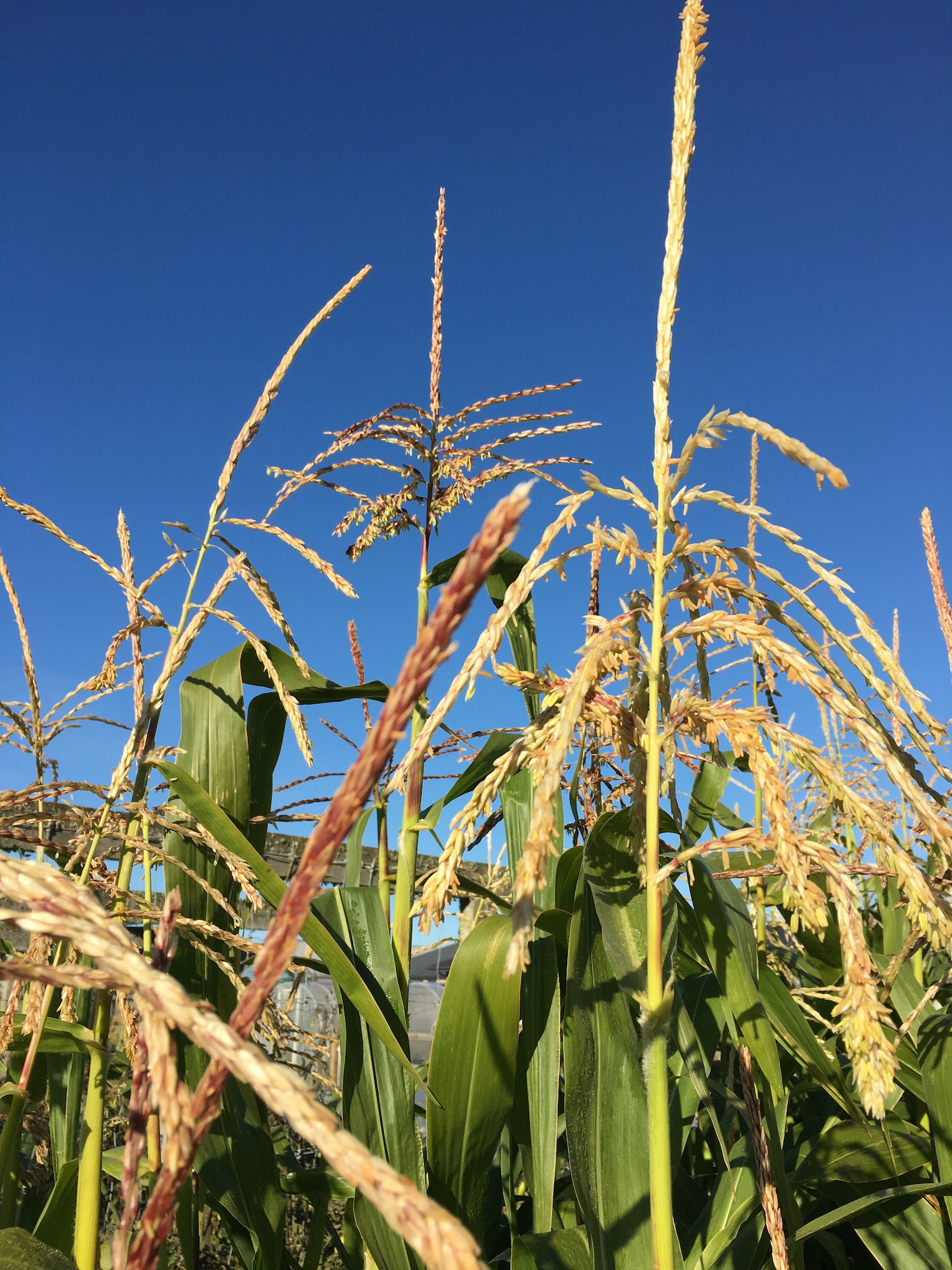
  • Strawberry popcorn—This was my first year to plant this corn. I admit I was dubious when I opened the rather expensive packet of seed to find only 15 seeds. It was clear the corn was marketed as a fun thing for kids to grow. However, every seed germinated, and the plants grew to well over 2 metres tall, dwarfing all the other varieties of corn I grew. Each plant yielded two large ears (much larger than the photo on the packet indicated they would be—very un-strawberry-like), and a few even had a third, smaller ear. I was thoroughly impressed by how much popcorn so few plants produced. Of course, the proof of the variety’s worth will be when we pop it. The Glass Gem corn I love so much is marketed as a pop corn, but we’ve found the popping to be poor. It will be a few months before we know if the Strawberry popcorn was worth it.
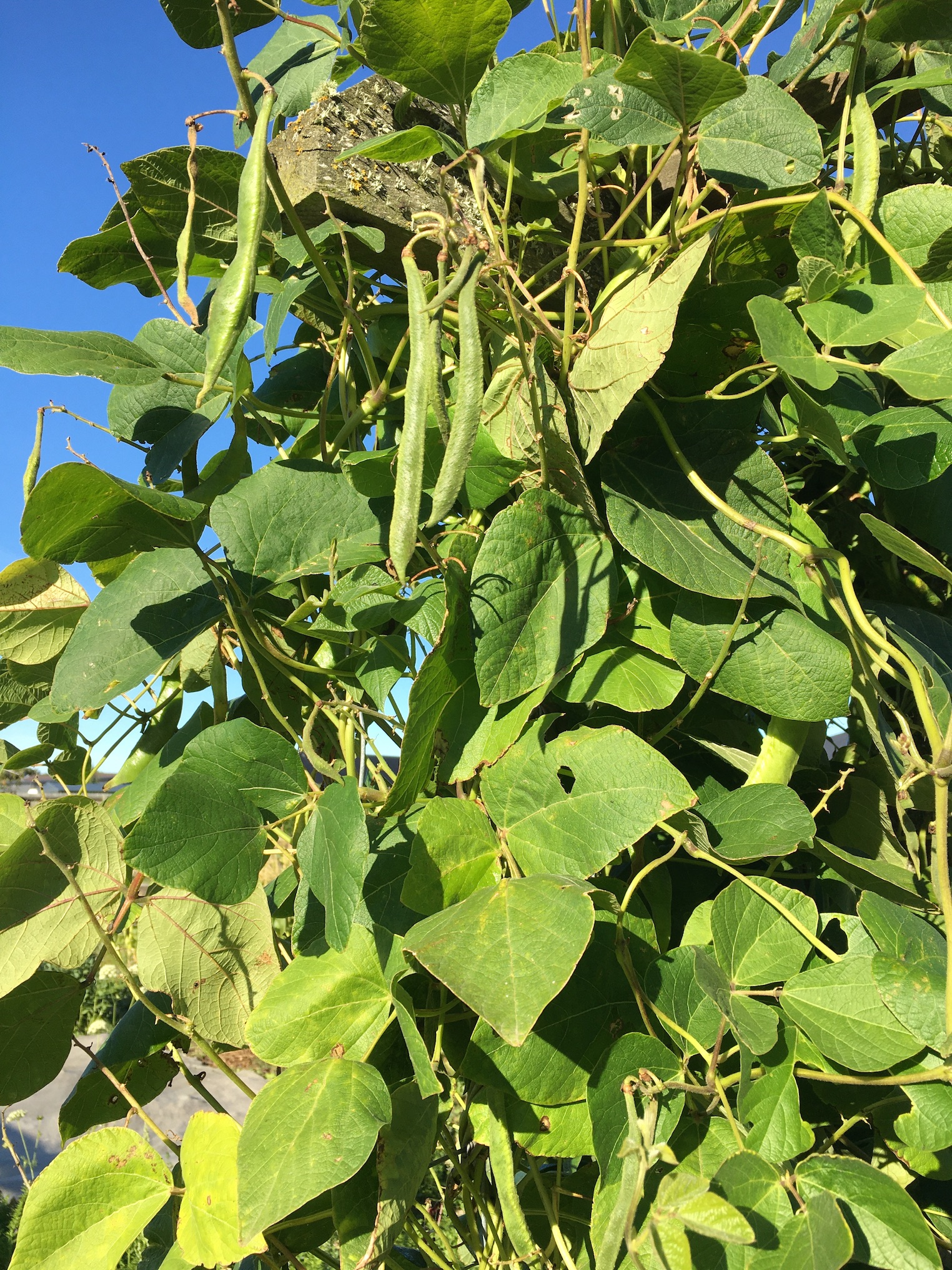
  • Dwarf bean Xera Select—I had decided not to plant dwarf green beans anymore, because the runners produced more, better beans over a longer season. But I still had seeds for a few varieties, so I planted them, thinking I simply wouldn’t buy more. But Xera Select grew beautifully—long, uniform pods, and lots of them. I might just have to plant them again next year.
  • Bicolour sweetcorn—This year we managed to have side-by-side comparisons of the flavour of two varieties of sweetcorn, and we found Bicolour to be much sweeter than Florida Supersweet. The plants didn’t seem quite so resistant to drought, though, so I might plant both varieties again next year. They were both good and produced good crops despite water and nutrient stress.
  • Cherry tomato Rosella—Oh. My. God. This is possibly my new favourite tomato. This black cherry tomato has so much flavour in each little fruit, it’s addictive. Definitely one to plant again!
  • Cherry tomato Cherry Berry—I normally stick with heirloom tomatoes, but this F1 hybrid was amazing this year—excellent flavour, and SO MANY FRUITS! Outstanding value for the space.
  • Tomato Black Brandywine—Brandywine flavour in a dusky tomato. These ripened earlier than the Brandywine Pink, which was a bonus.
  • Tomato Black Oxheart—Big, fleshy, heart-shaped fruits. These were a winner in my book for sauces and drying.
  • Melon Topaz—Honeydew in texture, with flesh the colour of a cantelope, and a flavour somewhere in between the two. These were delicious. Definitely one to plant again.

Crops that were a bit meh:

  • Tomato Costoluto Fiorentino—These tomatoes are interesting, but the fruits were smallish, and so ridgy they were a pain to deal with in the kitchen. The flavour was pretty average. At some point, I simply stopped picking them.
  • Pea Shiraz—I was excited to plant a purple snow pea this year, but the variety disappointed. A poor yield of unattractive pods that matured quickly and weren’t terribly tasty. Back to the standard snow pea for me next year.

Absolute disasters:

  • All the carrots—This year’s carrot disaster had nothing to do with the varieties I planted, and everything to do with the slugs that ate nearly all seeds, and then the birds that uprooted the few plants that managed to evade the slugs. I planted carrots three times, and ended up harvesting about 6 carrots.
  • All the potatoes—As with the carrots, the near complete failure of the potatoes had nothing to do with the plants and everything to do with pests. The rats, who had a field day in the garden all summer, tunnelled down the row of potatoes and ate every tuber. I managed to snatch a few out of their greedy jaws, but only a few.

If not for the pests, it would have been a spectacular year in the garden. Even so, nearly every preserving jar is full, the freezer is at capacity, and I’m still bringing in the pumpkins and dry beans, so I can’t really complain.

The well stocked pantry

Autumn Stocktake

Green beans were one of the winners this past summer.

We haven’t had a frost yet, and there are still lots of carrots to harvest, and a few tomatoes and peppers in the tunnel houses, but the summer garden is done, for all practical purposes. Next weekend, I’ll let the chickens loose among the weeds to enjoy the summer’s buildup of insect pests. 

Now’s the time for taking stock of the summer’s endeavours. 

What went well?

More than I expected to! I was thrilled with the glass gem corn—the plants were gorgeous and tall, and the yield was spectacular. I won’t know for several months whether the corn pops well, but so far it looks like a winner. 

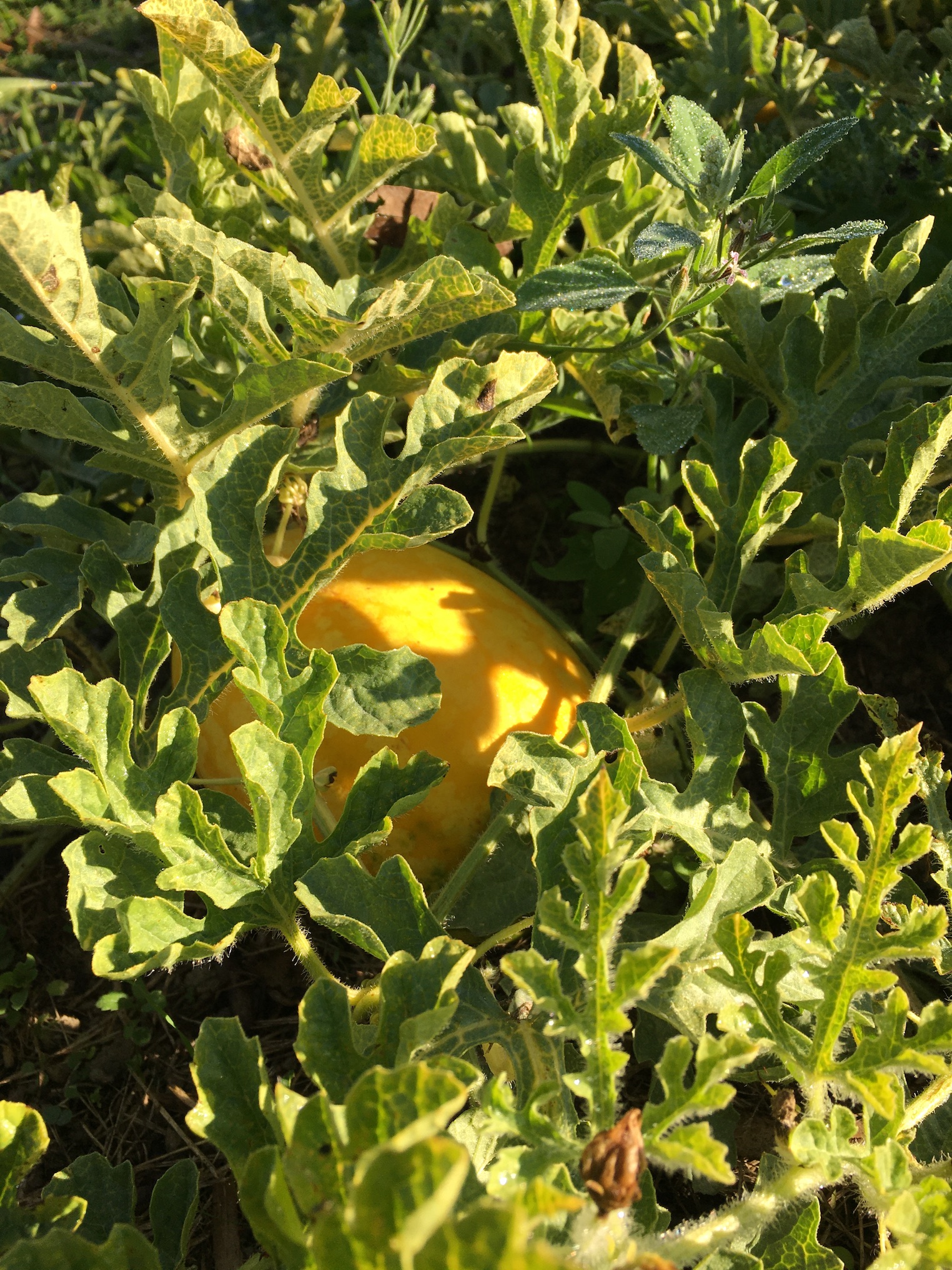
I was also pleased with my watermelons. they got off to a slow start, but once they took off, they really took off. And my patience paid off—every melon I picked was ripe and delicious. It was fun to have both red and yellow varieties this year, and both provided lots of small and yummy fruits.

Once again, my carrots have done spectacularly well. The reason there are still lots to harvest is because the fridge and freezer are both crammed with carrots, and I have nowhere to go with the rest. After last year’s carrot success, I thought it could be a fluke—I had the occasional good carrot year at the old house, too—but two years in a row makes me think I can probably plant half as many carrots next summer, leaving more space for something else! I’m already scheming …

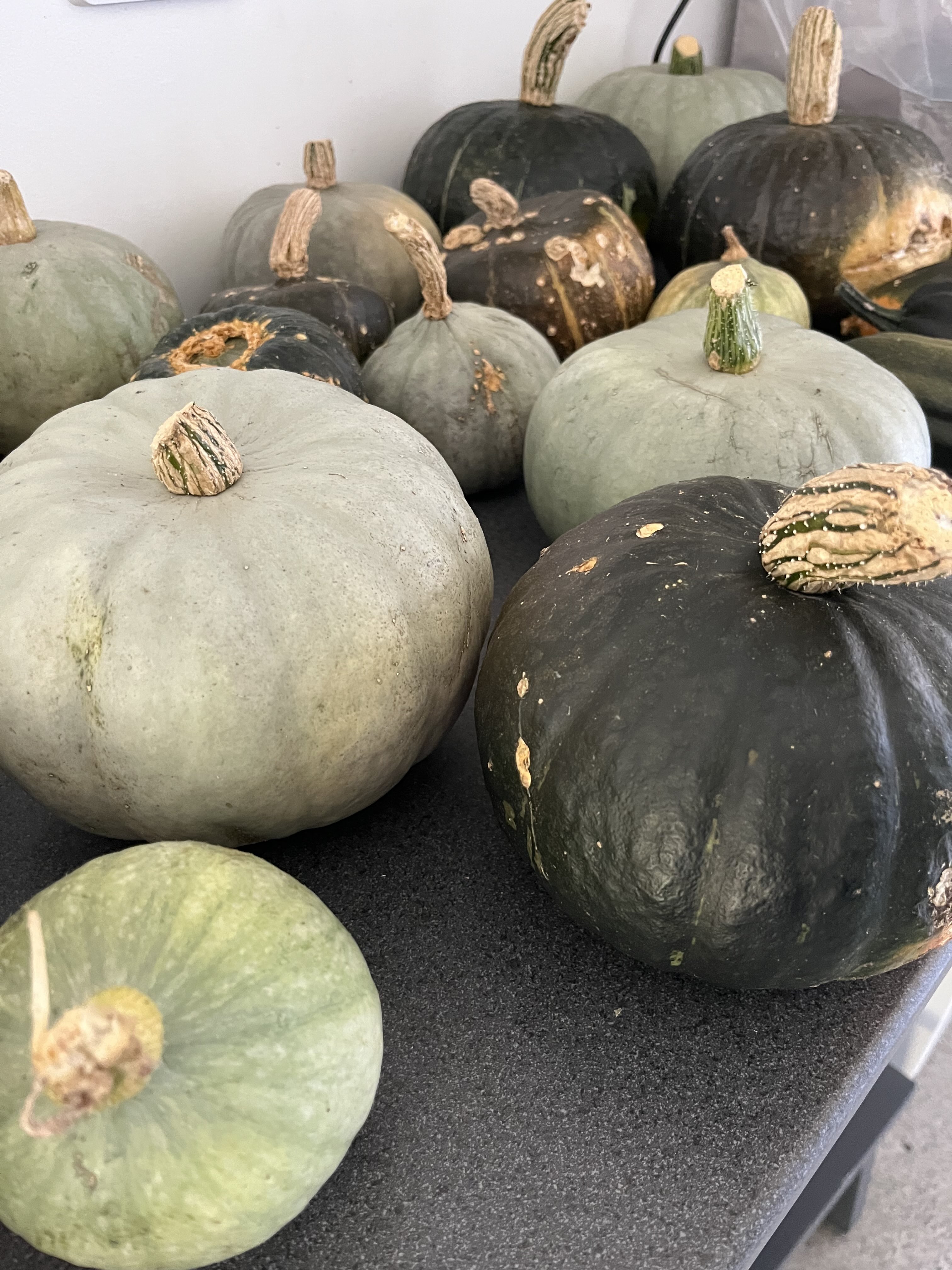
The pumpkins were another winner—I picked 54, which is way more than we can possibly eat (though we’re doing our best—yum!).

What didn’t go well?

The sweet corn was disappointing, but I’m not surprised by that—it was in one of the beds that didn’t get manure last winter, so it was pretty nutrient stressed. We had plenty to eat and some to freeze, but I would have liked to have more for the freezer. Next summer, I’ll be sure to give it a well-fertilised bed. 

Tomatoes were also disappointing—they were clearly nutrient stressed too, in spite of being in manured beds. Add to that the fact the birds managed to eat more of the fruit than we did, and the harvest was less than hoped. I’m considering fewer plants next year, but netted. And, of course, more manure!

The basil was also strangely disappointing—in spite of a nice wet summer, it bolted early and remained fairly small. I blame lack of nutrients.

Peppers and eggplants struggled this year, too. I blame the overhead sprayers I switched to this year after my drip irrigation finally gave up after 17 years. Combined with wet weather, I think the sprayers provided too much moisture to the leaves and too little to the roots—plants were small, and the fruit tended to rot before ripening. I’ll be making a new drip irrigation system for them next year. 

Though the watermelons thrived, the rock melons were pathetic. They set almost no fruit, and most of those set rotted before ripening (or at least before I noticed them, because they were small). 

The jalapeños were beautiful—big fruits and plenty of them—but had absolutely no heat. I still don’t understand why some years they do this. Fortunately, the serranos I planted were nice and hot, but they struggled to ripen before the end of summer—I’ve been picking them as soon as they begin to blush red, rather than waiting for them to turn fully.

Overall, I was quite pleased with this summer’s garden. By all objective measures, it was pretty pathetic, but given the point I started at just two years ago, it’s improved dramatically. I just need to keep pumping in the organic material—manure, compost, pea straw. I’m thrilled with how much good it’s done already.

Late Summer Garden

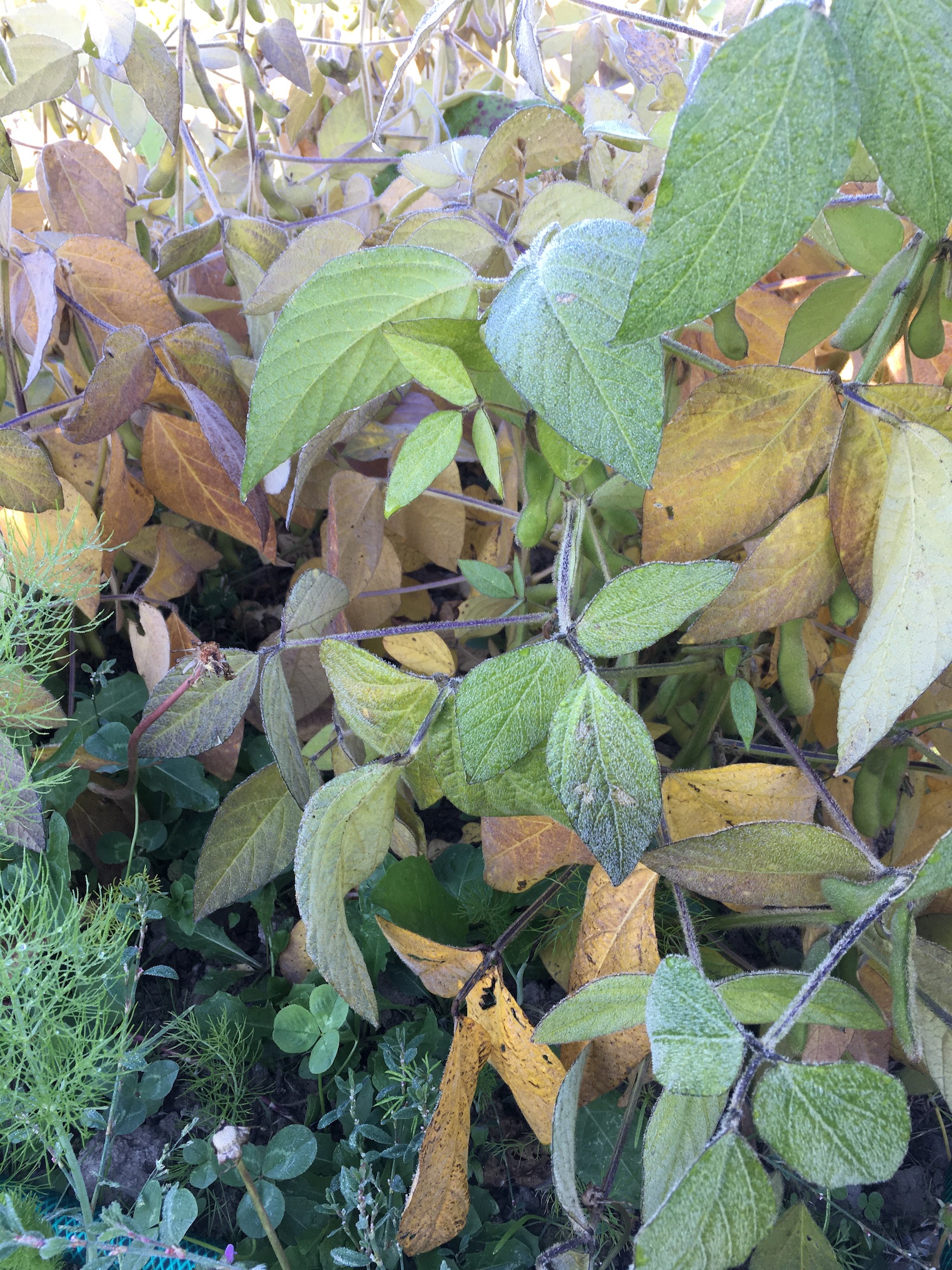
March first is considered the start of autumn here in New Zealand. As far as the garden is concerned, it’s still late summer. It’s been a cool, wet February, which has delayed crops like tomatoes, peppers, and eggplants. The extra moisture has meant bigger watermelons, though they’re ripening slowly. Sweet corn is coming on, and we’ve had some lovely meals of it, along with the first of the melons. I’ve harvested the potatoes, dry beans, and most of the soy. The pumpkins are looking gorgeous, and I’m sure we’ll have more than we can eat this winter. 

Overall, I’ve been pleasantly surprised with the garden this year. Plants are showing nutrient deficiency, for sure, but they’ve done remarkably well, considering where I started two years ago. It’s clear my applications of manure and compost are having a positive effect. And it’s just as clear it will take quite a few years to build this soil up to full productivity. 

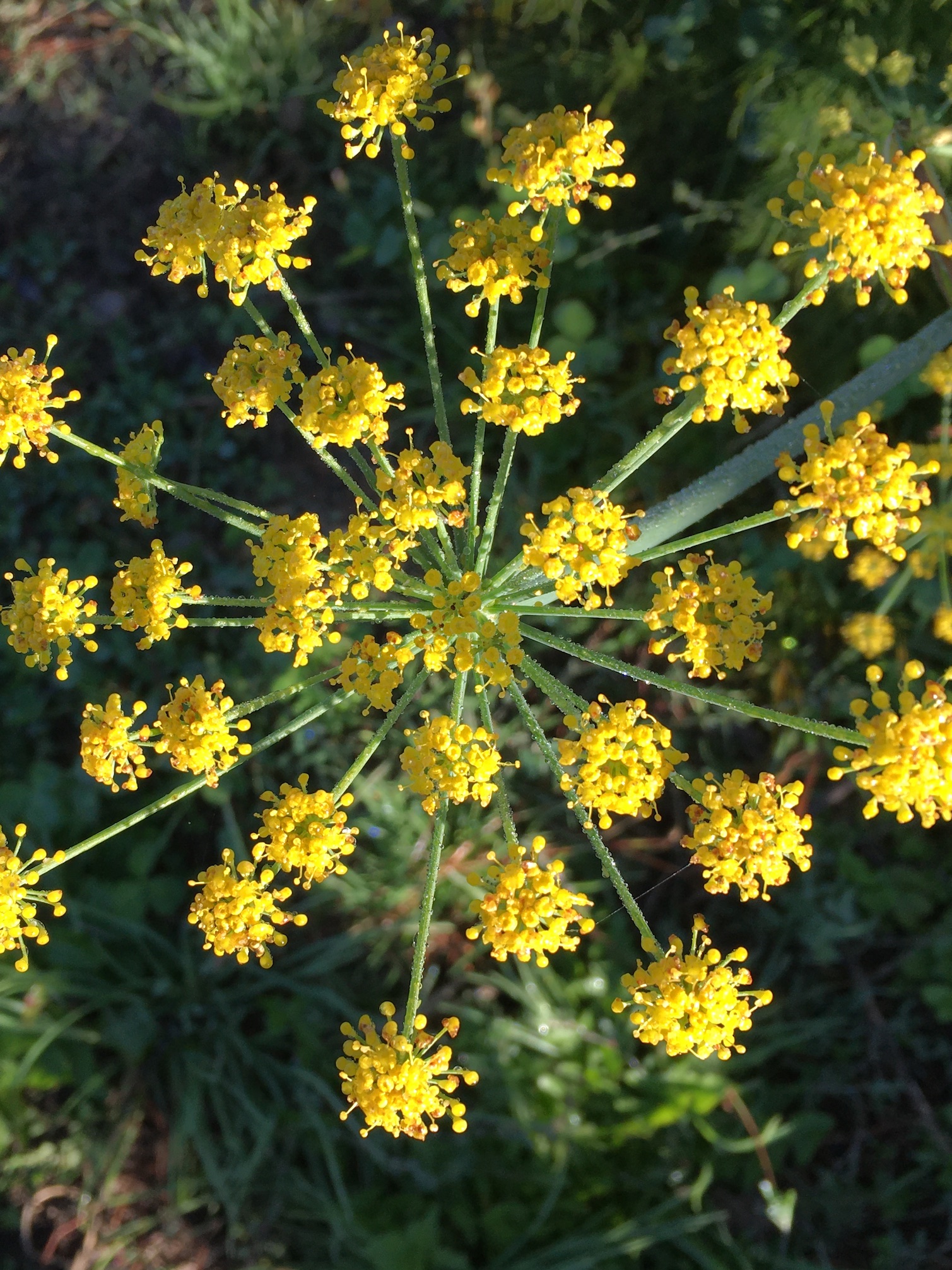
I thought I’d treat you to a selection of images from around the garden on a beautiful crisp early autumn day. It may not be as productive as I’d like, but it’s still glorious.