Pandemic Poetry–2021 Edition, #17

Grow little plants!

Hard to be upset about lockdown when the weather is beautiful. In fact, I was a bit disappointed I was asked to go into work today. I would have jumped at the opportunity on a rainy lockdown day, but today … well I would rather have been in the garden.

Spring has sprung
It’s time to plant
Your vegetables and flowers.

The birds are busy
In the trees with
Twiggy nests and bowers.

Hoe in hand
I soon forget
The viral threat we’re under.

With bright warm sun
And growing things
The season’s full of wonder.

Field of Dreams

If you mulch it, they will come.

When we first bought our property, we started right in on soil improvements where we knew the vegetable garden was going to be, long before we even had house plans finalised. That work was terribly depressing. The topsoil had been stripped off by the developer, and what was left was compacted clay studded with rocks. It barely grew weeds, and the combined effort of a rotary hoe and hand tilling only managed to penetrate about 5 cm into the soil. There were no worms, no beetles—and we later learned, no nutrients either.

I wondered if we’d made a huge mistake buying the land.

Since then, we’ve poured compost and manure into the soil, mulched heavily, and done our best to avoid compacting the soil so painstakingly loosened.

As I began turning beds this spring, I was stunned by the number of worms in the soil—thousands upon thousands of them. The clay is honeycombed by their tunnels, and you can’t dig a hoe in without bisecting a few (sorry!). It is truly astonishing.

Where did all those worms come from? Were they there all along, but hiding deep below the surface? Did the few worms there when we first moved in simply reproduce like mad when we started adding organic material to the soil? I’ll never know, but I begin to have hope for this garden. 

I feel a little like Ray Kinsella (Kevin Costner) in Field of Dreams—create the right conditions, and the players will appear.

Pandemic Poetry–2021 Edition, #12

Another day, another … day. The good news is I’ve gotten work done in the garden around the rain we’ve had the past few days. I cracked open the compost pile, and the final product is excellent—always like Christmas when you discover you’ve got six cubic metres of compost to play with!

Unfortunately, it looks like the rain is going to hang around for a few more days, so any more work out there may have to wait.

Rain, rain, go away
So we can go out and play.
Covid’s got us stuck at home.
Lockdown means we cannot roam.
Because we’re tired of being lazy
Rainy weather makes us crazy.

Pandemic Poetry–2021 edition, #7

garden
Yesterday’s accomplishment–a relatively weed-free winter garden.

This poem was inspired by how little writing I got done yesterday. The weather was so beautiful, the day required three walks and four hours working in the garden. The garden’s looking great, but I do need to try to focus more today.

Hot Desking at Home

Who gets the desk?
The dining room table?
I’ll take a window whenever I’m able.

Who’s got a meeting
And needs a closed door?
Maybe I can work here on the floor.

Who’s making coffee
At quarter to nine?
I’d like milk and sugar in mine.

Who’s going out
For a short walk?
I’ll come along, we’ll have a nice talk.

Who’s having lunch
Just before noon?
I’ll finish this meeting and be there soon.

Who took their laptop
Out in the sun?
A few more pages and then I’ll be done.

Who’s gotten nothing
Accomplished all day?
I thought we’d do better working this way.

Pandemic Poetry–2021 edition, #6

It’s a gorgeous day here. I intend to take full advantage of lockdown and spend my afternoon in the garden. 

I thought I’d play around with different poetry styles this week, since Friday is National Poetry Day. Today’s is a Dansa. The Dansa structure: the first stanza is 5 lines, with the last line a repeat of line 1, and the rhyme pattern AbbaA; subsequent stanzas are 4-lines long, with the first line repeated as the last line of each stanza, with the rhyme sequence bbaA. 

Work together by staying apart.
Free from our bubbles for nearly a year
Spared the worry, sickness and fear
That gripped the world right from the start
Work together by staying apart.

Vaccinate is what we must do
Because this thing is more than the flu.
Protect the ones dear to your heart.
Work together by staying apart.

Wear a mask whenever you’re out.
Stay home if you can, and please don’t flout
The rules, ‘cause they’ll work if we all do our part.
Work together by staying apart.

Have fun with your bubble
Though the kids give you trouble.
Bake a cake, some bread, or a tart.
Work together by staying apart.

Walk the dog, play a game
Read a book, try to tame

A pet dragon, throw a ball or some darts.
Work together by staying apart.

Pandemic Poetry–2021 Edition, #5

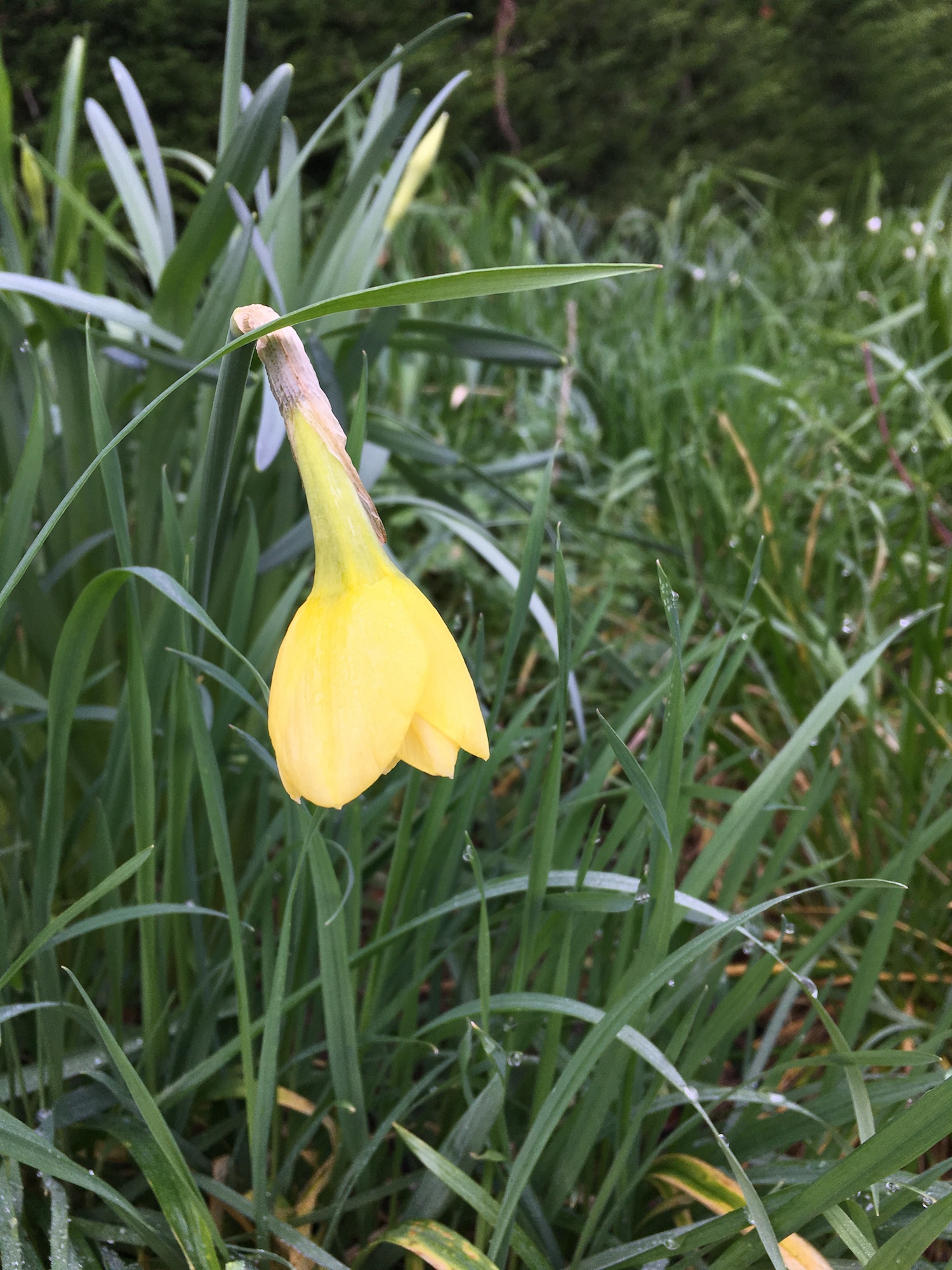
daffodils in bud
Spring blooms are on their way!

In spite of lockdown, spring continues to show itself. Daffodils are blooming, and tree buds are swelling. I spent yesterday morning planting vegetable seeds, kicking off my gardening season for the year. So life is not all bad, stuck here at home with plants to tend.

The northwest wind cries Spring!
And the magpies, they all start to sing.
It’s hard to be sad
And think everything’s bad,
When nature is having a fling.

Sun’s Return

It’s only a few weeks past the solstice. Nights are below freezing, and the worst of winter is still to come. In shady spots the frost lingers all day.

Spinach seedlings in the greenhouse

But plants are already responding to the increase in sunlight. There is a haze of new green growth in the chickens’ winter-bare paddock, daffodils are poking their shoots out of the flower beds, and the grass will soon need to be mown.

In the greenhouse, the lettuce and spinach seedlings that have been sitting there unchanging for weeks have finally begun growing again. The broccoli in the winter garden has begun thinking about heading up (at least until yesterday when the chickens got in there and stripped the leaves).

I too have responded to the sun. I’ve drawn my garden map for the upcoming season. I’ve assessed my seed needs in preparation for the arrival of the new year’s seed catalogue. I’ve nearly completed incorporating manure into the entire vegetable garden.

The weeks will go quickly. Before I know it, it will be time to start seeds, mark out garden beds and spread compost. Now is the time I should be buckling down to complete winter tasks—sewing, organising, cleaning … But like the plants stretching out their tentative leaves, I can’t help but respond to the sun, reaching for spring and looking forward to the new season to come.

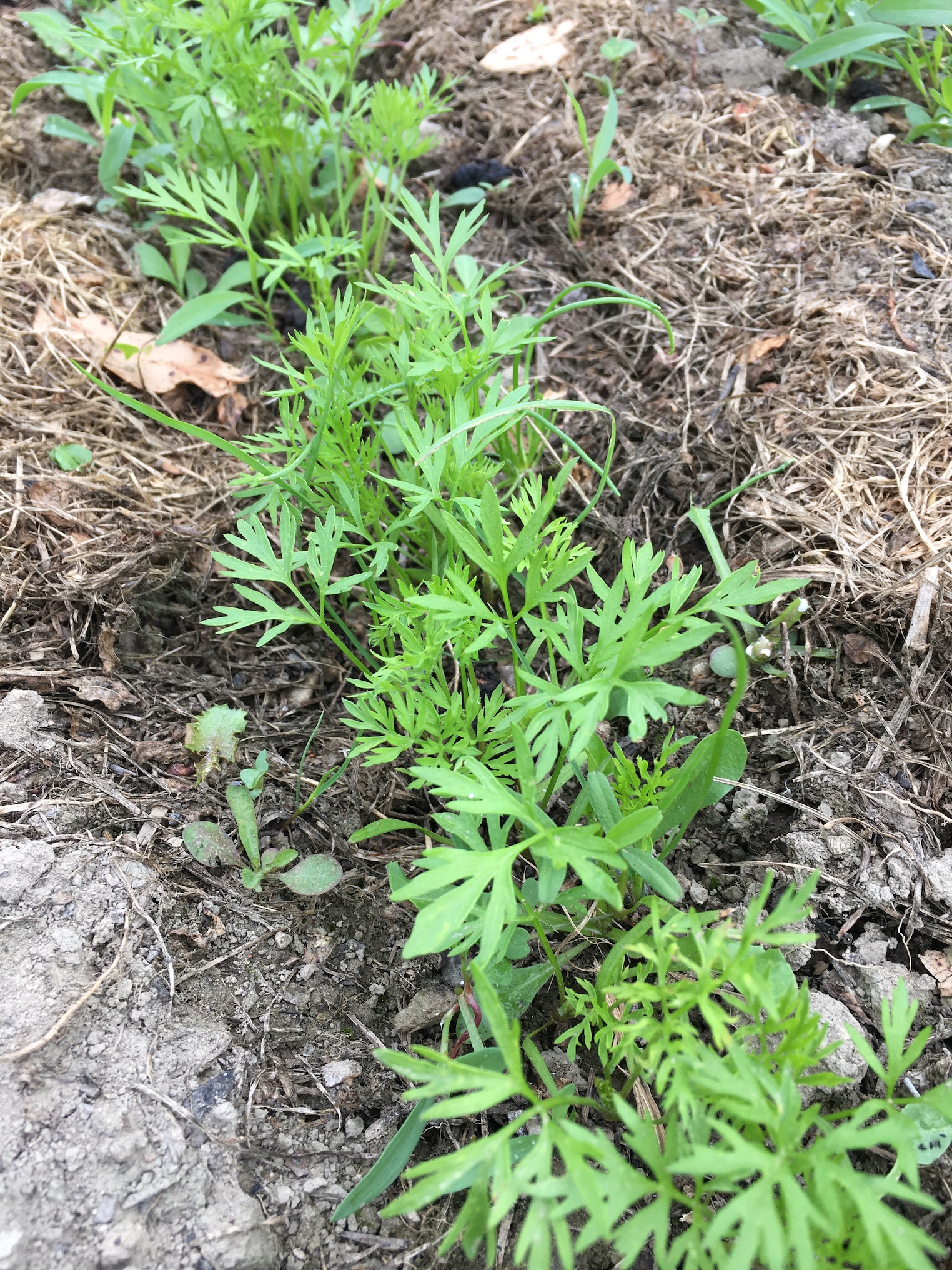
Carrot Surprise

I’m expecting the worst from this year’s vegetable garden. Loosening the heavy clay soil as I prepare beds can feel like chipping at concrete. I fill a bucket with rocks every two square metres. At best, I’m able to loosen the top seven centimetres. And with the soil test having revealed shockingly low levels of NPK, there’s little hope for a bumper crop.

So it was a huge surprise to lift the frost cloth from my carrot plantings to find the best germination I’ve ever had. At the old house, I sometimes had to plant twice because carrot germination was so patchy. Some varieties barely germinated at all.

Now it looks like I’ve grossly over-planted—I swear every seed germinated—all five varieties.

I planted on the same date, with the same care afterwards as I have in the past. The weather wasn’t much different from weather at the old place. The only real difference was the soil. Go figure.

Maybe it was a fluke; I had occasional good years at the old house. And who knows how the carrots will grow now they’ve sprouted.

But it’s nice to have something go better than expected in this sad soil.

The Beautiful Banks Peninsula

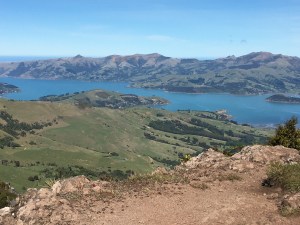
View from the top of Lavericks Peak Loop Track.

I still remember my first trip to the Banks Peninsula. It was probably less than 48 hours after we’d arrived in New Zealand and the only part of the country I’d seen was Hagley Park in central Christchurch.
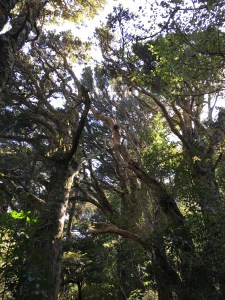
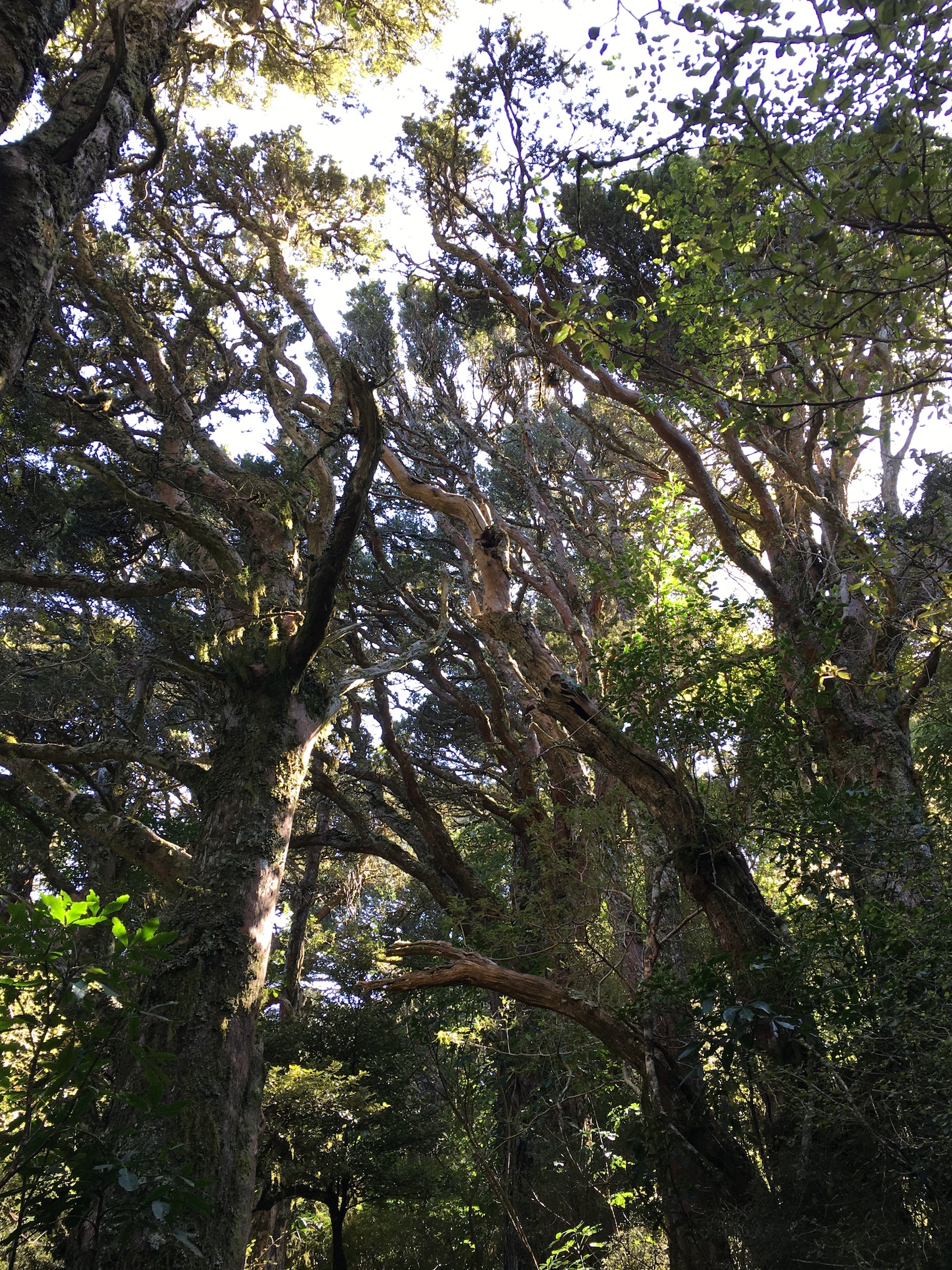
The bush at Otepatotu Reserve

When we rounded the bend and the road sidled up to Wairewa/Lake Forsyth, my face split in a grin. I craned my neck to look up the steep slopes on the left while black swans cruised the sparkling lake on the right.

We stopped in Little River for a toilet break (we had toddlers then—we stopped at every toilet), and I fell in love with the Little River Cafe and the attached Little River Art Gallery.

Carrying on toward Akaroa, we crested Hilltop, and Akaroa Harbour glittered tropical blue down below. Onawe Peninsula jutted like a bead pendant into the harbour and the road wound down through a patchwork of forest and paddock toward the sea.
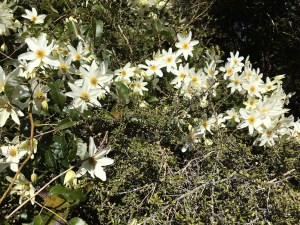
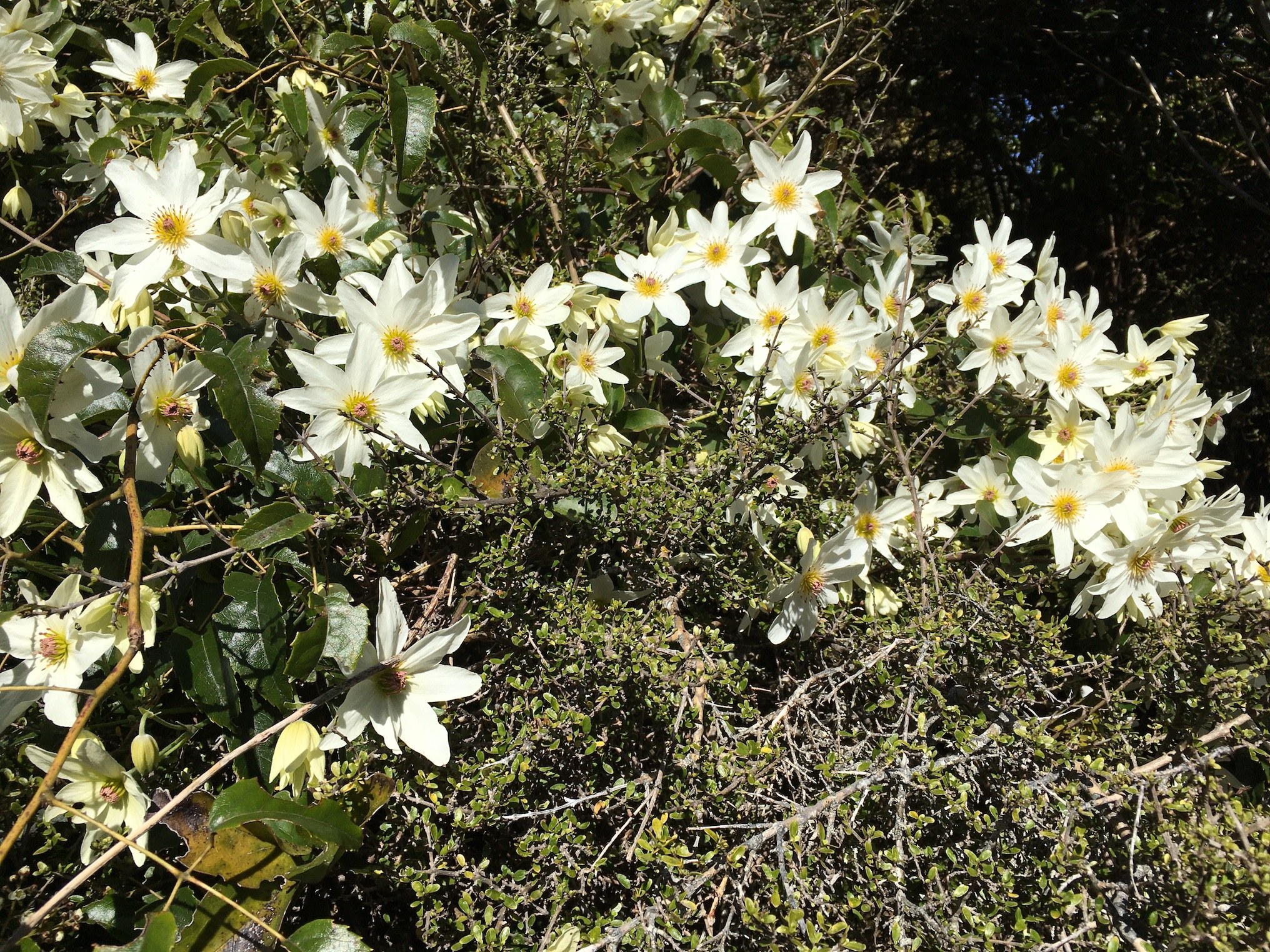
Native clematis in bloom.

I have made that drive countless times in the nearly sixteen years since the first trip. I still get that silly grin on my face. Every. Single. Time. Since that first visit I’ve scaled taller mountains, seen glaciers, stood at the base of Tane Mahuta, cruised Milford Sound … By comparison, the Banks Peninsula is positively dull.

But for me it defines summer in New Zealand. Even in winter, I feel like I’m on summer holiday when I’m out on the Banks Peninsula. I forget the to-do list. I turn off the cell phone. the daily stresses vanish.

Cushion star in a tidepool at Okains Bay

We hadn’t been to the Banks Peninsula since March, before lockdown confined us to home. But last Sunday we ventured out to sample everything we’ve been missing: morning tea in Little River, a lovely little hike through old totara and tree fuchsia in Otepatotu Scenic Reserve, a very chilly dip in the sea at Okains Bay and rock hopping along the coast to Little Okains Bay, and finally beer and chips in Akaroa and a stroll through the Garden of Tane.

We arrived home tired, crusted with salt and sand, and thoroughly satisfied with the day.

This weekend is supposed to be warm and sunny … we might just go and do it all again.