Homemade Potting Mix

I’ve been frustrated with commercial potting and seed raising mixes in recent years. Not only are they expensive, but my vegetable seedlings languish in them, if they germinate at all.
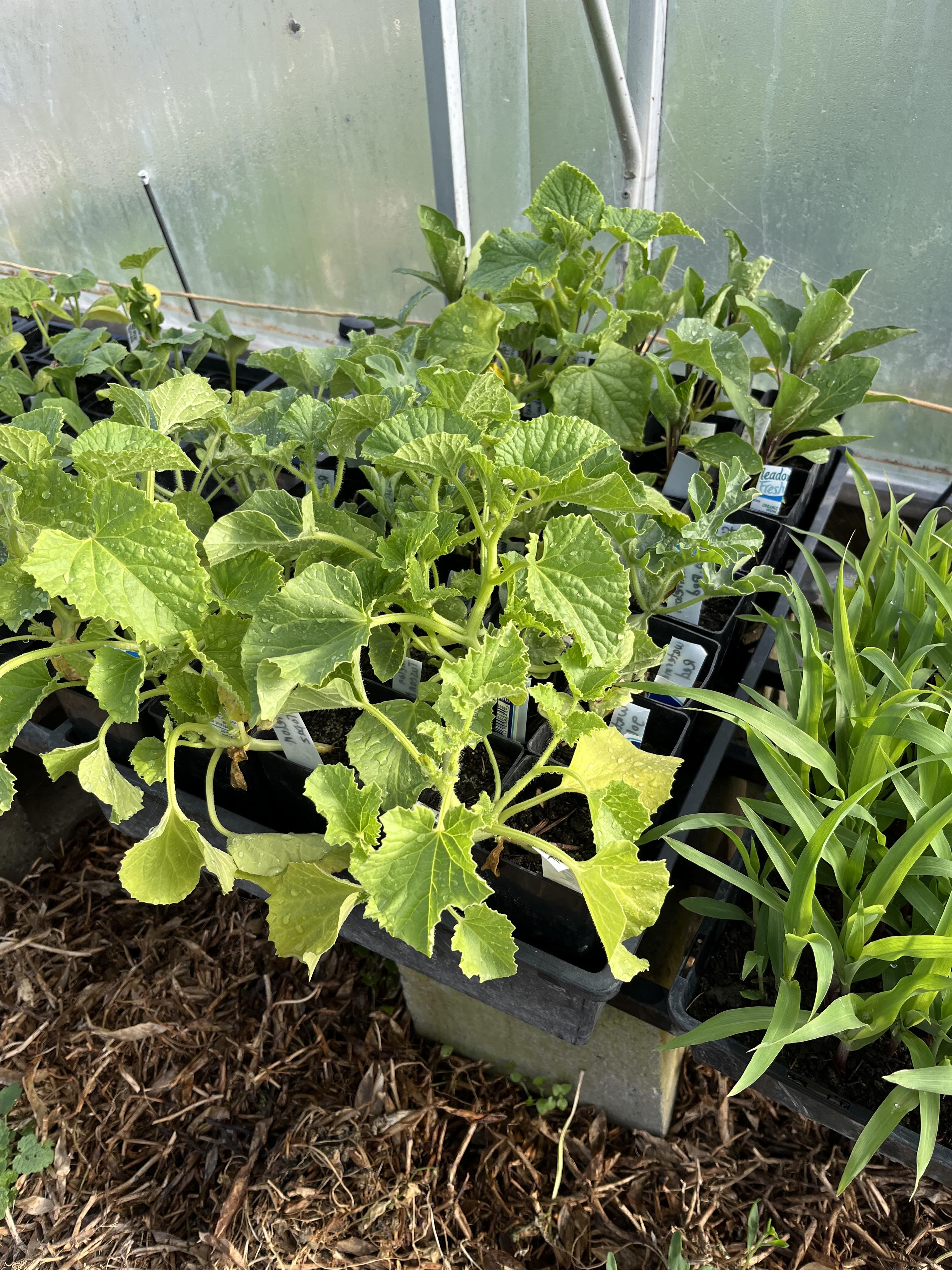
The culprit is most likely clopyralid herbicide residues in the mixes. Even ‘organic’ compost may have traces of the herbicide in it, because the chemical doesn’t break down easily, and can be found even in manure from animals that have eaten plants sprayed by it.

So this year I decided to try making my own potting mix. The results have been encouraging.

My biggest hurdle to making good potting mix is ridding my compost of weeds. I don’t do hot composting. Though some of my pile will get to the temperature necessary to kill weed seeds, not all of it does. Fortunately, I have an effective way of sterilising compost—the bread oven.

This spring, every time we’ve fired up the bread oven, I’ve used the residual heat, after all the baking is done, to sterilise compost. 

I put moist, sieved compost into a restaurant steam tray (lidded) and/or a stock pot (lidded) and put it in the hot oven until the temperature in the centre of the compost reaches 82℃. This takes a couple of hours, as the oven is usually only around 150℃ by the end of baking. 

I mix my sterilised compost with coarse landscaping sand in a 2:1 ratio, and voila—my own potting and seed raising mix!

Sterilised soil is prone to fungal outbreaks, because there are no other microorganisms to keep the fungi in check, so when I use my mix, the first watering I give it is a slurry of soil from the garden. This inoculates the mix with the healthy mix of microbes from the garden and avoids excessive fungal growth.

And how did my mix do, compared to commercial mix? Spectacularly well! 

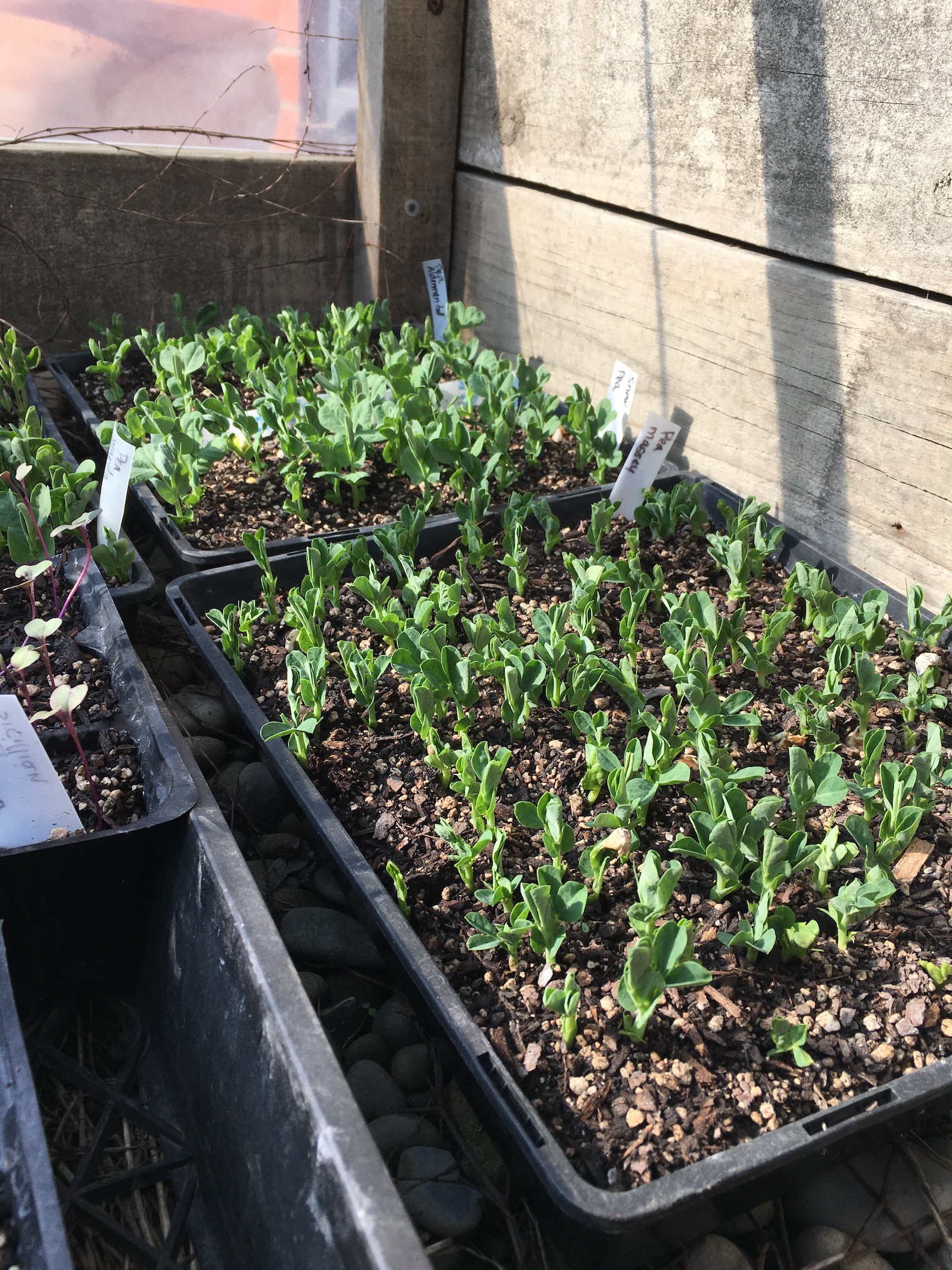
Because I didn’t decide to make my own mix until I actually needed it, some of my seeds were planted in commercial ‘organic’ mixes. Many of these seeds failed to germinate this year. Those that did germinate then sat without growing at all until I transferred them to my own mix.

Seeds planted in my own mix germinated well and grew vigorously.

I will definitely be making my own potting mix from now on.

Gardening and Community

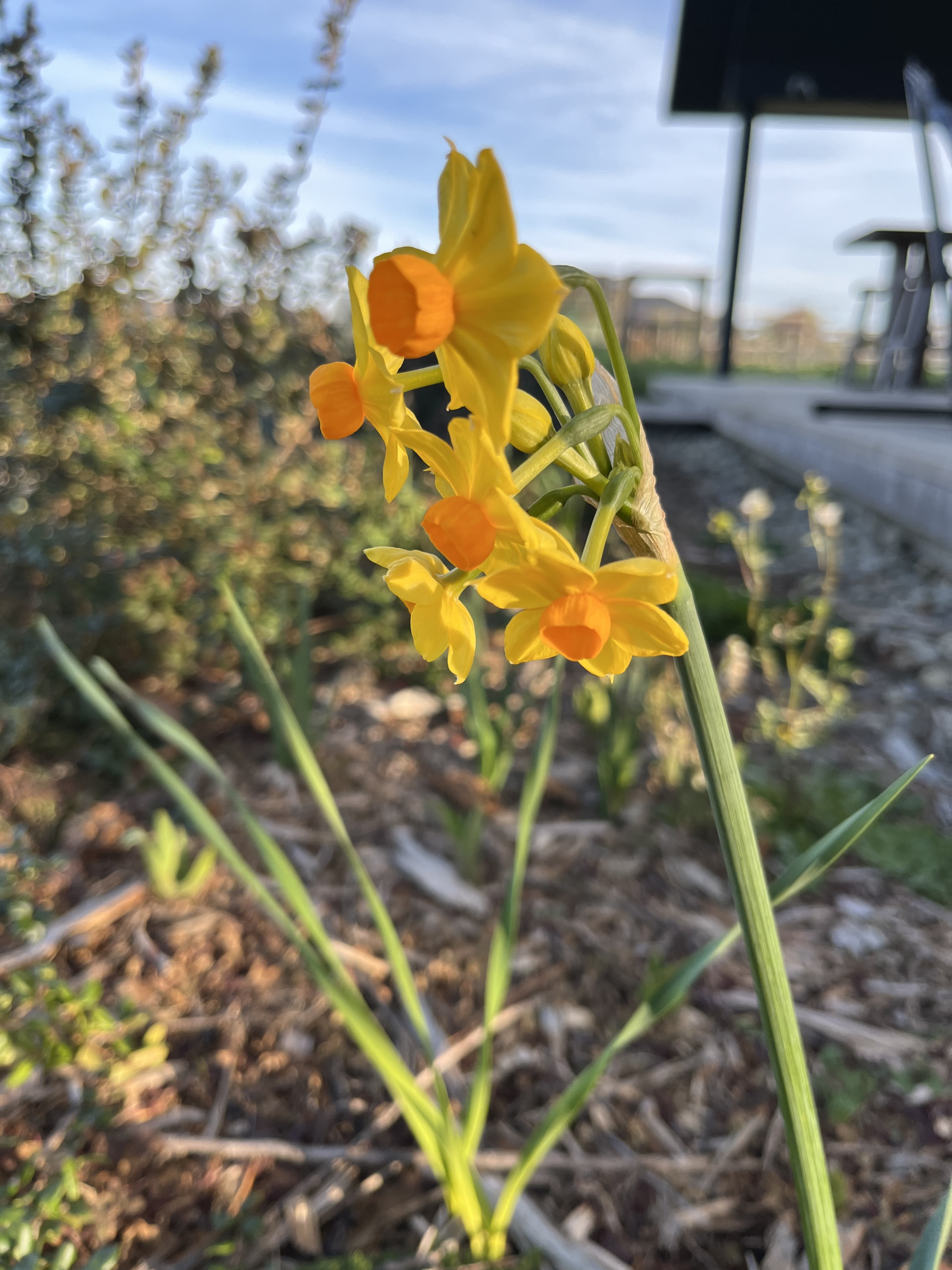
blooming daffodils
Blooming daffodils cover a multitude of sins (aka weeds) in spring.

The local veggie gardening group had our first Monday evening gathering for the season last night. And what a lovely gathering it was!

I hosted, which is always a bit nerve-wracking. You don’t want the place to look like it’s been abandoned or neglected, and in early spring, weeds are often more prominent than crops. And some of the group members have absolutely stunning gardens and are way better than I am at growing food. 

But we all have weeds. And we all have different challenges in our gardens and in our lives. And everyone comes in a spirit of community. Once people begin piling out of their cars and strolling the garden, any nervousness is forgotten as we all share our successes and failures so far this season, and catch up with each other’s lives outside the garden.

Conversations ebb and flow as the group wanders, breaking into subgroups around particular plants, garden structures, pest outbreaks, or other items of interest. 

Because we’re not quite on daylight savings time yet, we ended our garden stroll as daylight faded. But like any good gathering, we weren’t done yet—it was time for kai and a cuppa.

artichoke bud
Artichokes are on their way!

Last night, the party broke down on gender lines, as it often does (for no real reason … we laugh at ourselves all the time for this tendency to segregate)—the guys lit the brazier outside and commandeered the cheese and crackers to accompany some home brew. Indoors, the ladies had tea and cookies. 

Without the garden in front of us, the conversation diversified—and we’re such a diverse group outside our interest in growing plants, that you never know what might be under discussion on any given day. Crafts, books, digger operation, food, business interests, travel, rock collecting, climate change … you name it, we’ve probably discussed it. Garden group conversations are always intriguing and full of laughter.

When our guests headed home for the evening, the fire was still burning merrily in the brazier. The night was unseasonably warm, and the sky was clear and washed with stars. For an hour, my husband and I ignored the dirty dishes and sat in the dark by the fire, sharing what we’d both learned from the gathering.

While we sat there, a few thoughts occurred to me:

tomato seedlings
Tomato seedlings in the greenhouse.
  1. We don’t enjoy our garden enough. And by ‘enjoy’, I mean just sit or stroll and appreciate the beauty. Not that we don’t do this at all, but we could be doing it a whole lot more.
  2. We are absolutely blessed to be part of the local gardening community. I’m a total introvert, and being with groups of people where there are multiple non-stop conversations going on is exhausting for me. But I love this crowd of generous, community-focused people, and I look forward to each of our get togethers.
  3. Finding common ground with people can be as simple as sharing excess lemons or cuttings from your favourite herbs.

There is something humanising about gardening. The very act fosters community, brings people together. Reading the daily news, I can quickly begin to think the worst of the the entire human race. The garden group reminds me that there is beauty, not only in the garden, but in the ones who tend it.

Magpies in the dark

Photo: Eric Weiss

As though they know
What I need
When winter returns
On the eve of bud burst,
Magpies warble
On fence posts
In the dark.

Spring comes!
Spring comes!

Ten years ago I posted a blog titled, It Ain’t Over ’Til the Magpie Sings. The post was prompted by the first morning that a magpie warbled for an hour before dawn. At the old house, where the windows weren’t double glazed, the magpies were my alarm clock in spring and summer, warbling an hour or so before sunrise, urging me up to do the milking and make the most of the day. It’s harder to hear them in our new house, where the double glazed windows deaden outdoor sounds, but I’ve been tuning into the magpies for years.

And I’ve discovered that the magpies are remarkably predictable. Ten years ago, I heard the first pre-dawn magpie song on August 8th. Today (the 8th of August) I heard the first pre-dawn magpie song of the year.

And just like that day a decade ago, the first magpie song was followed by a winter lashing reminding us that, while spring was on its way, winter was still in charge. Today’s weather forecast shows the temperature dropping from a 4 am high (a balmy 12.3℃) all day, to 3℃. We can expect rain and icy wind for the next couple of days.

But in the dark, the magpies will keep singing.

Excitement Builds

Lately, it has still been light outside on our drive to and from work. The daffodils are up, and a few blooms are even open. When I weeded the asparagus bed last week, the Californian thistles were sprouting new buds 15 centimetres underground. 

And most importantly, my seed order has arrived!

Yep. Spring is on its way. Never mind that the frost behind the house hasn’t melted in a week, and the bird bath is skimmed-over with ice at 3 pm. Never mind that much of the country hit yearly lows yesterday. Never mind that our worst winter weather tends to arrive after spring has already officially started. 

This weekend, I’ll write my weekly spring to-do list, covering August to December. I’ll tidy the garden shed of winter detritus, and pull out the peppers in the greenhouse which have finally died. And I’ll finish the last of the winter pruning and deadheading. I’ll probably also fret over how little of those winter activities I accomplished—the sewing, spinning and other crafts I enjoy. 

And with the windows open (for the few hours it’s warm enough … just), and the house smelling of fresh air and the promise of growing things, I’ll impatiently await spring.

Enjoy the Garden

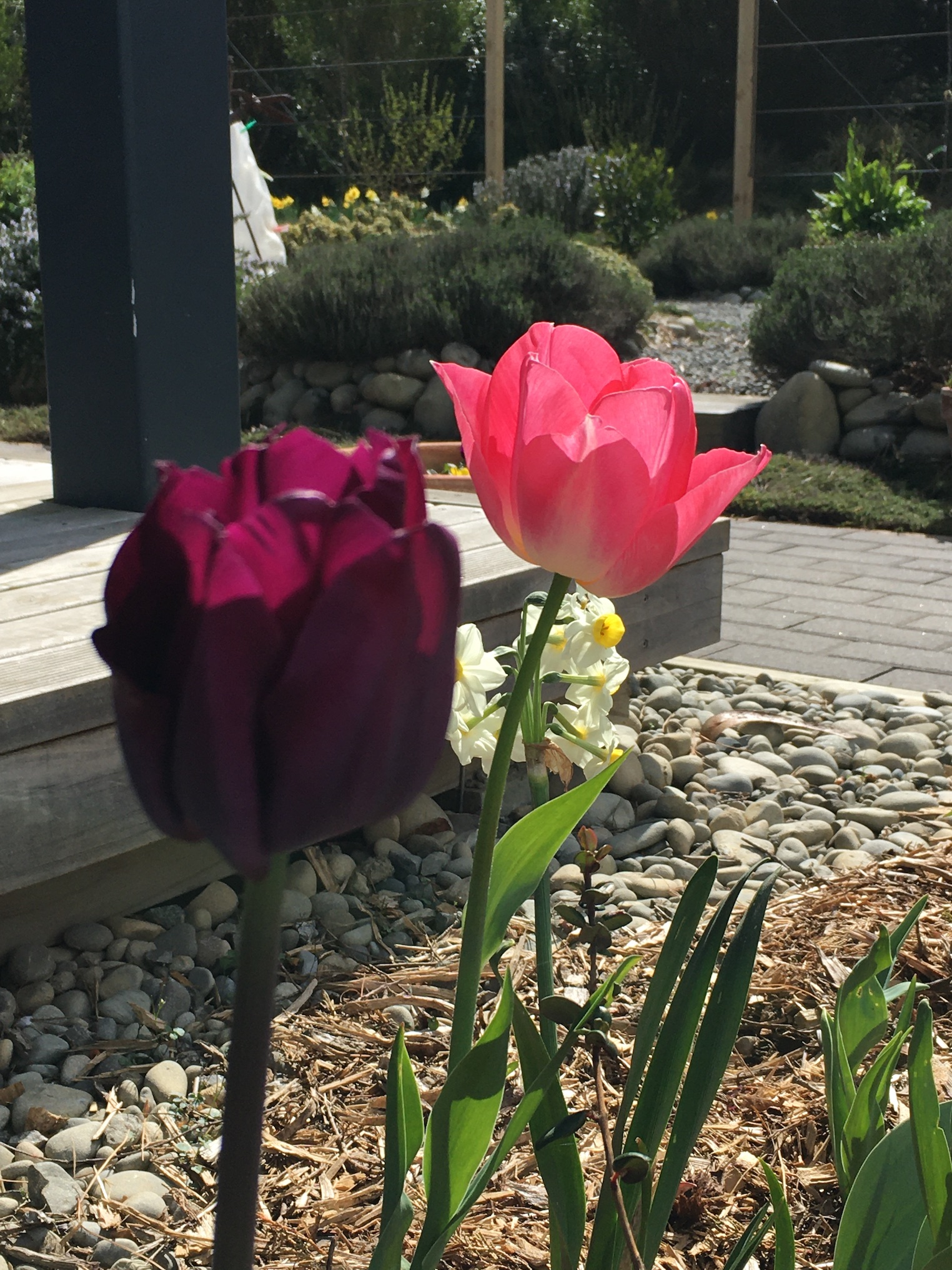
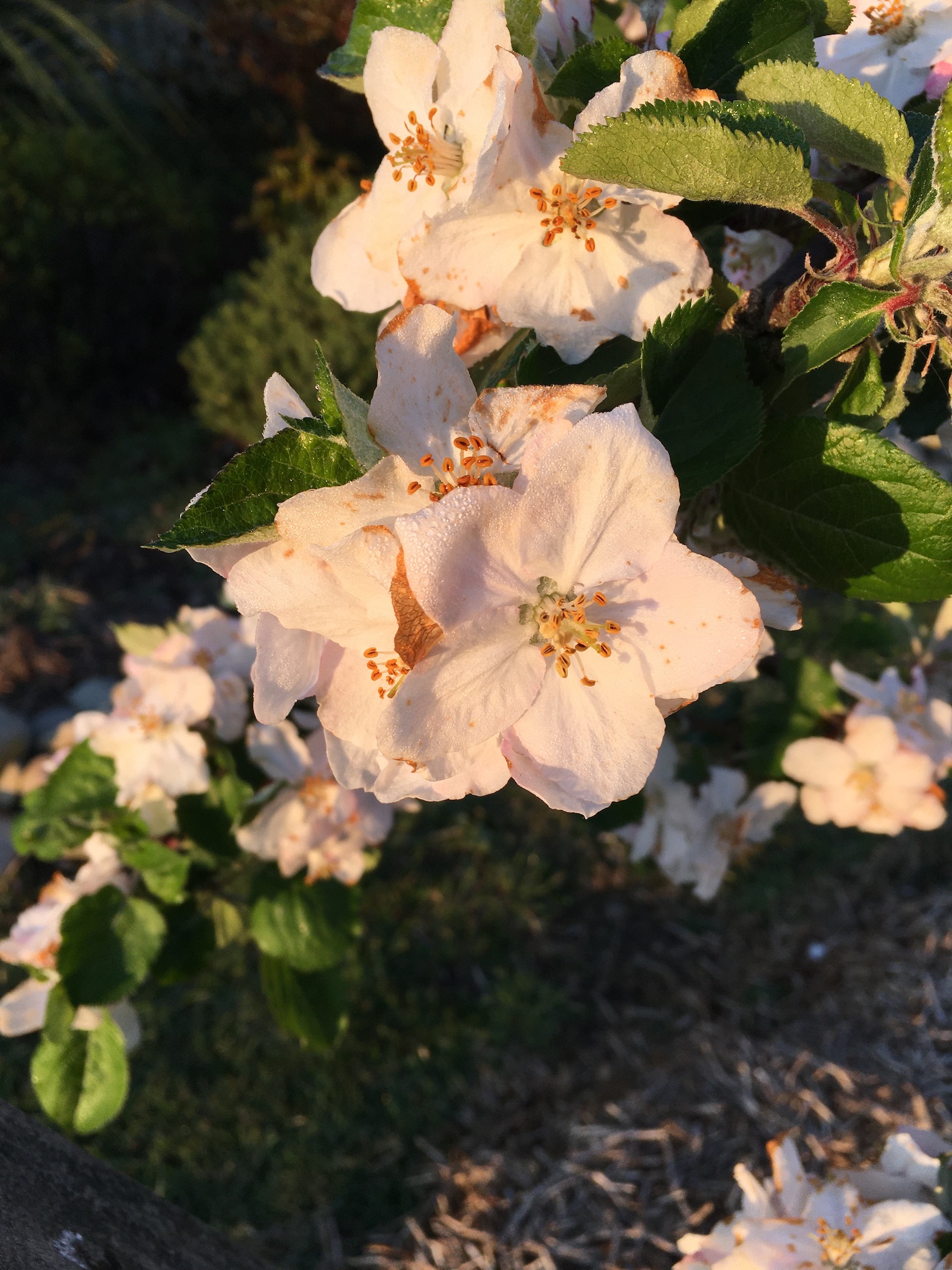
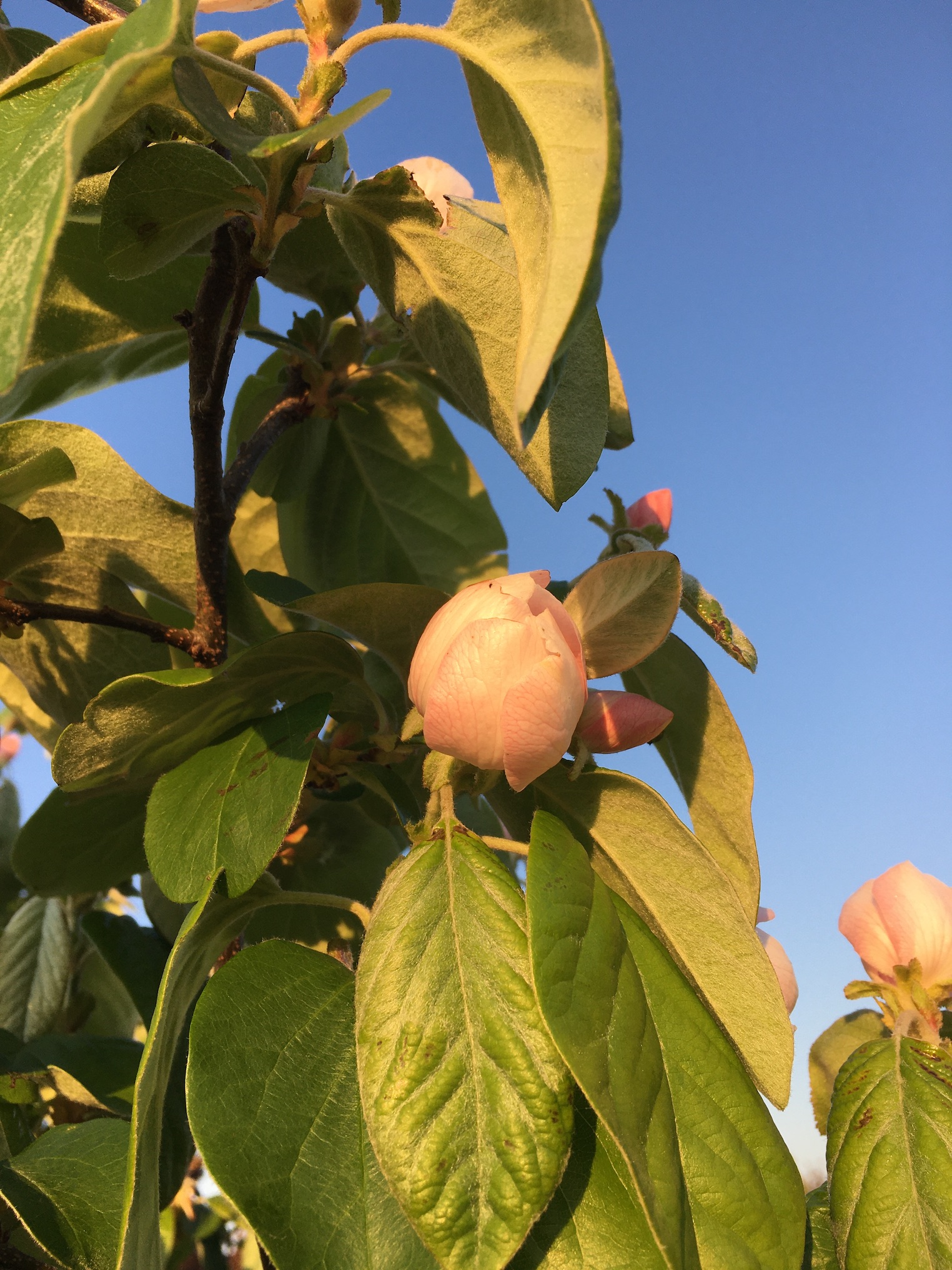
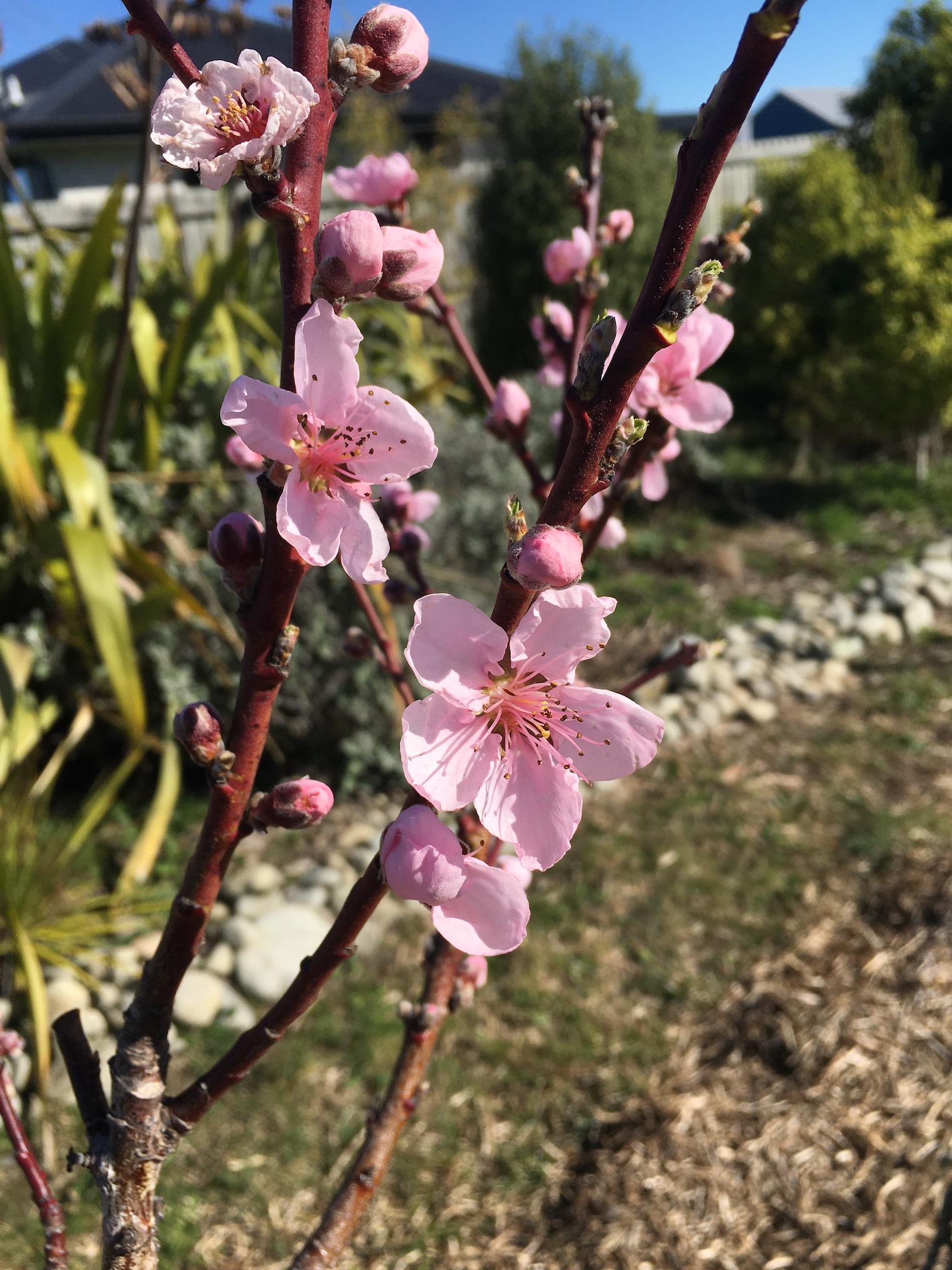
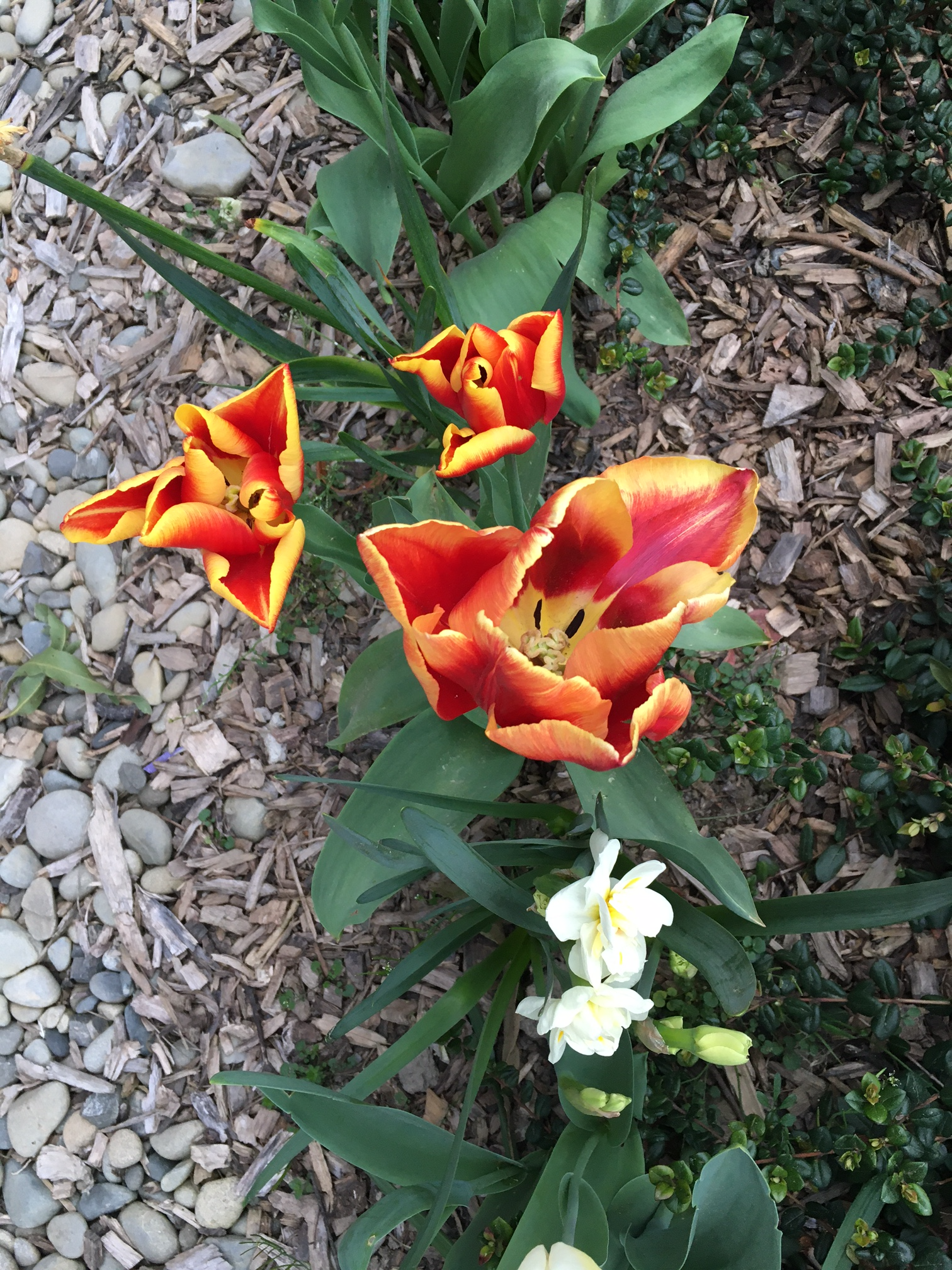
It’s always exciting when we cross over onto the light side of the equinox. The whole garden responds to the rapidly lengthening days. Daffodils and tulips run riot. Pale fingers of asparagus poke up through the mulch. Artichokes spring up from winter-lush plants. Perennial herbs suddenly flush green with new growth. Fruit trees turn snowy with blossoms. Vegetable seedlings seem to double in size overnight.

The weeds, too, spring up overnight. And the rats and devouring sparrows multiply. Aphid populations explode. Spring isn’t all fun and games.

Fortunately, the gardener responds, too. I wake with the magpies warbling as the sky begins to shade from black to grey. I spend more of my weekend hours in the garden. I snatch a few minutes to water or weed before and after work. On my writing days, my lunchtime walk is replaced by lunchtime gardening. Daily life begins to mould around the sun and the plants that respond to it.

It is exciting, and it can be daunting to look forward to all the work that the new growing season entails—the planting, weeding, watering, harvesting, processing …

But it’s important to simply sit and enjoy. Our garden is four years old this year, and this spring I feel as if it is coming into its own. My husband recently built trellises for espaliered apple trees, and with the planting of those trees, the gardens in the front are finally ‘finished’. Not that there isn’t lots of work to do out there, but all the pieces of the plan for that space are in place. 

In the vegetable garden, too, the final piece—the garden shed—is enjoying its first spring of use (and what a joy to work in there, potting up tomatoes or planting seeds!). After the application of, literally, tonnes of manure and compost over the last four years, the garden soil promises reasonable productivity, and we can count on plenty of fruit and vegetables in the coming months.

I find myself spending more time enjoying the garden this spring than I remember doing anytime recently. What better excuse for a cup of tea on the porch than that the daffodils are spectacular, or the bees are humming in the rosemary blossoms?

So here’s a bit of my spring garden for you. Hope you enjoy it as much as I do!

Canterbury Springtime

We’re two days away from the official start of spring here in Aotearoa New Zealand, and the atmosphere is definitely vernal.

The daffodils are up, and I expect them to be in full bloom within a week. The tulips are following close behind them.

Artichoke buds are beginning to form, nestled among winter’s leafy growth, ready to shoot up and deliver gourmet meals for the coming three months, and the fruit trees and berry bushes are flowering and leafing out, despite the fact there are frosts to come.

In the tunnel house and cold frame, vegetable seedlings bask in the sun. The first ones will be ready for planting out this weekend. In the warmth of the living room indoors, seeds germinate by a sunny window. They, too, will end up in the tunnel house and cold frame before long.

The bumble bees and honey bees are blundering around in dandelion blossoms, the ladybugs are out and about, and I’m keeping an eye on a preying mantis egg case which should hatch before too long.

The sounds have become spring-like as well—frogs trilling at night, magpies warbling before dawn, and white-faced herons croaking in the treetops. 

Along with the bucolic scenes of flowers and bumble bees, spring in Canterbury brings howling wind. The wind whips up clouds of pine and wattle tree pollen, which settles like gritty mustard powder on every surface. The windows are hazy with it, and I find myself swiping my computer screen clear several times a day. 

The wind makes springtime a challenging season—blossoms blown off the trees; fresh growth flattened to the ground; trees (and the occasional camper van or centre pivot irrigator) tipped over; trampolines, greenhouse panels and rubbish bins flying free … A lot of people struggle with springtime wind here. And of course, there will be more frost. There may even be snow yet to come. Plants out in the cold frame will have to be hauled back into the house and out again several times, tender plants will have to be covered with frost cloth. Invariably it will be too hot and dry for the early crops one week, then too cold and wet for the late crops the following week. There will be multiple disasters in the garden due to weather, pests, irrigation malfunction, or any number of other factors. I’ll struggle and I’ll stress …

Moody springtime sky, with rain obscuring the mountains.

But there will be moments when the wind stills, the sun is warm, and I can sit among the spring blossoms drinking a cup of tea and watching the bees and dreaming of summer. 

The Power of Purple

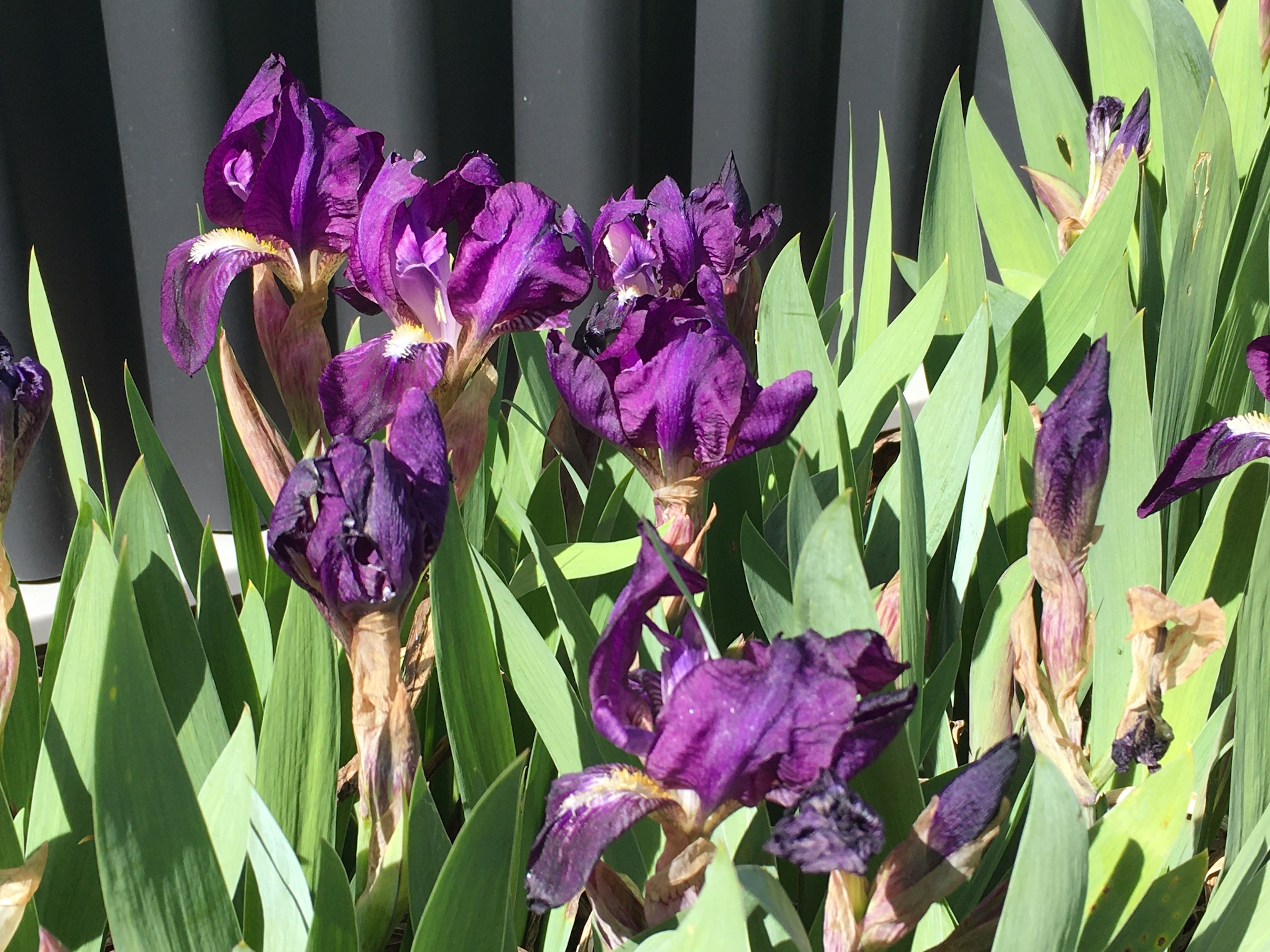
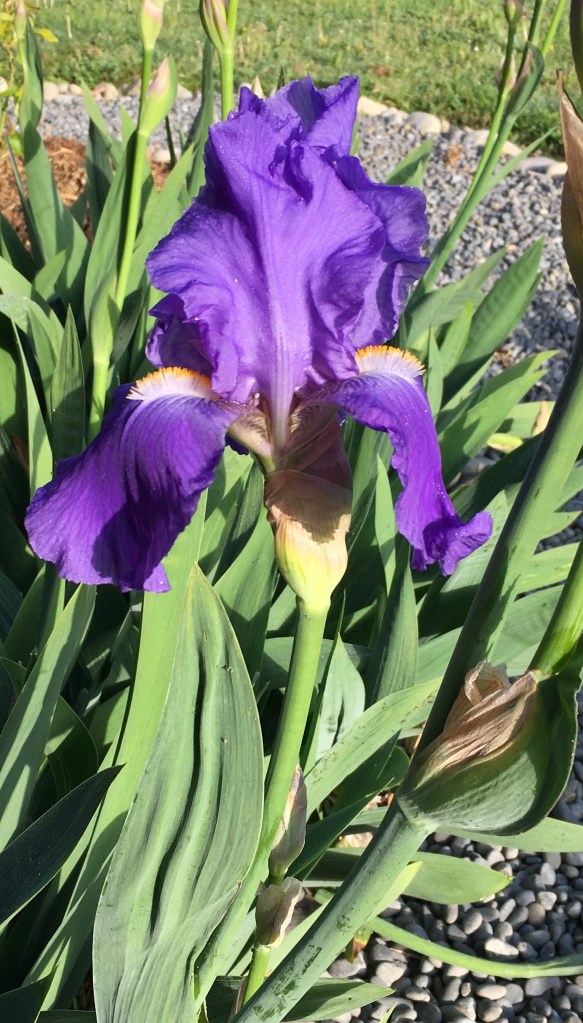
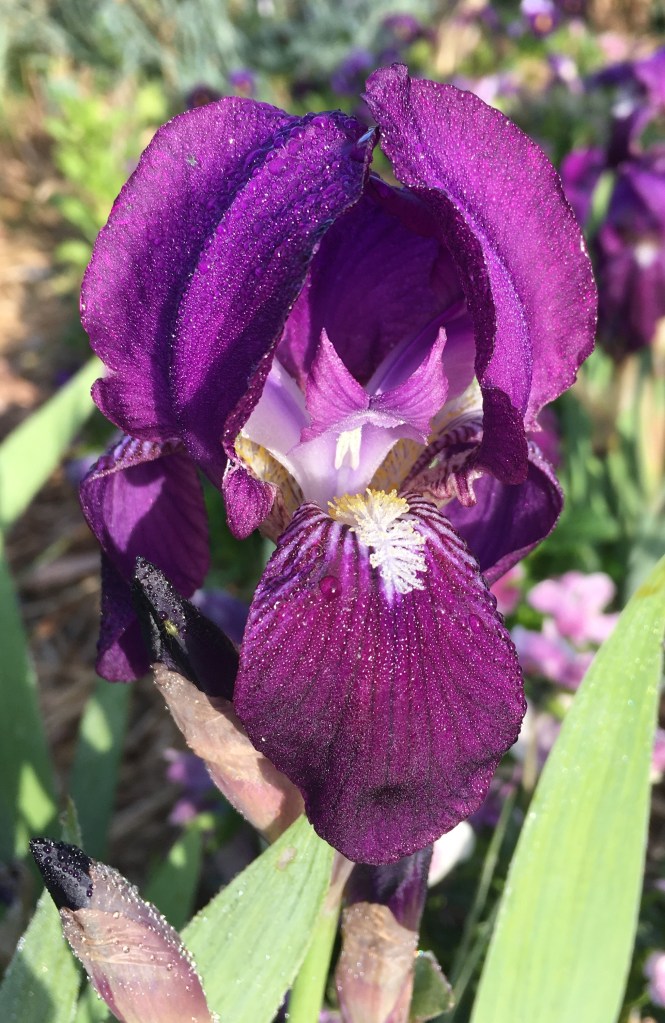
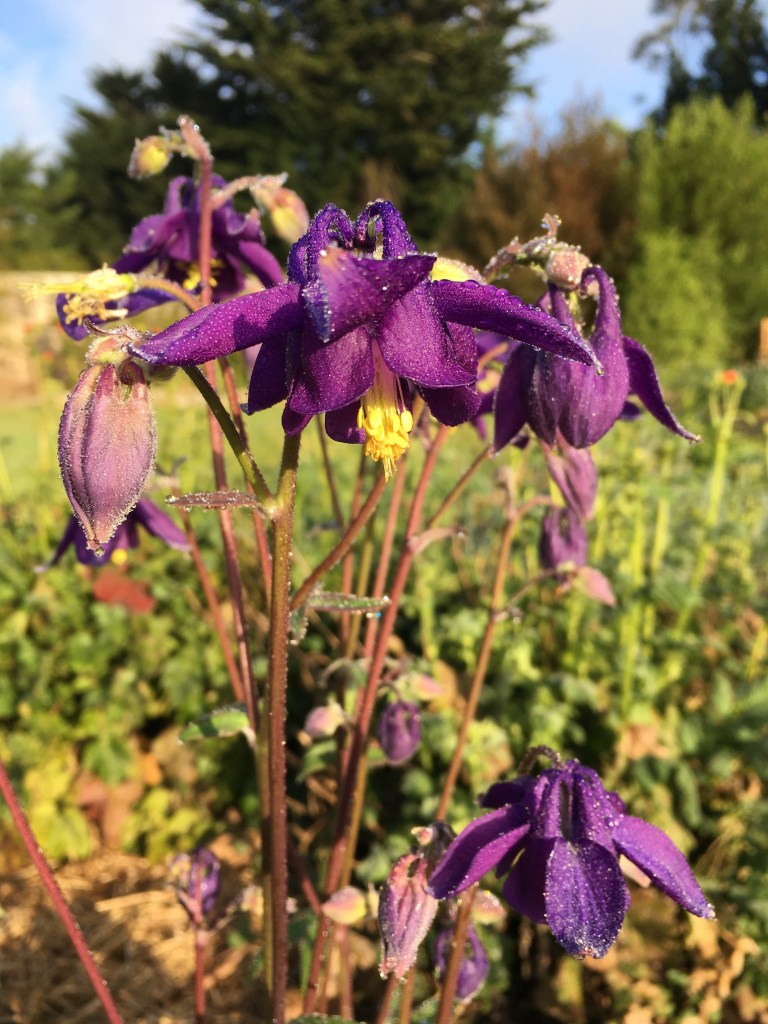
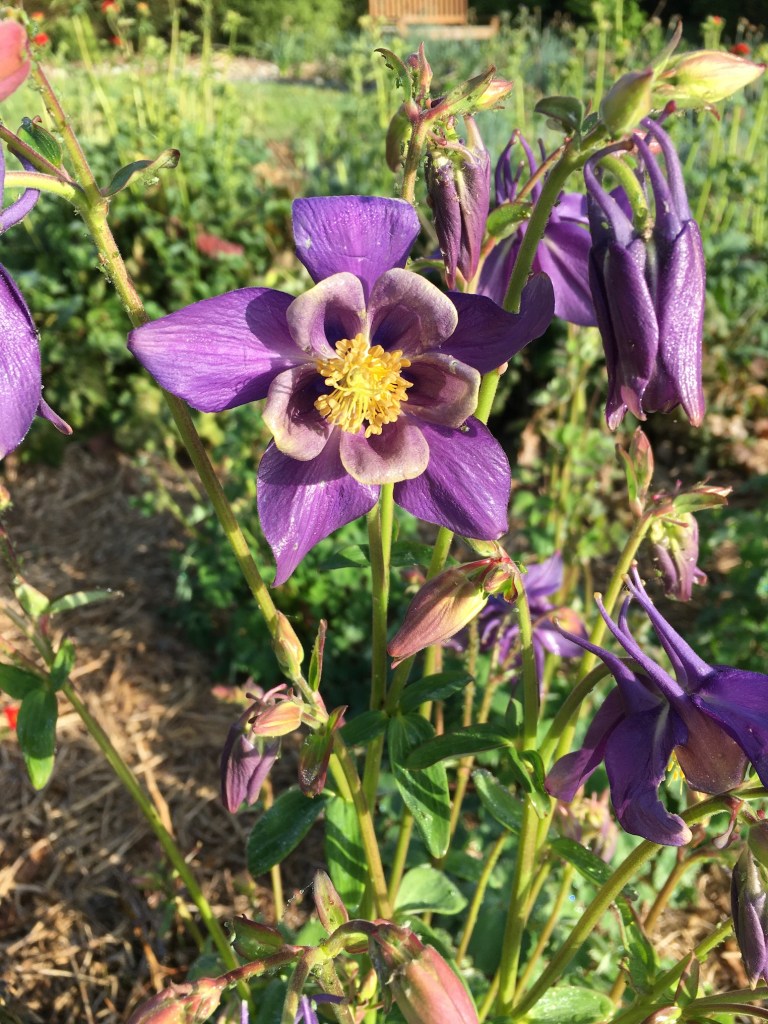
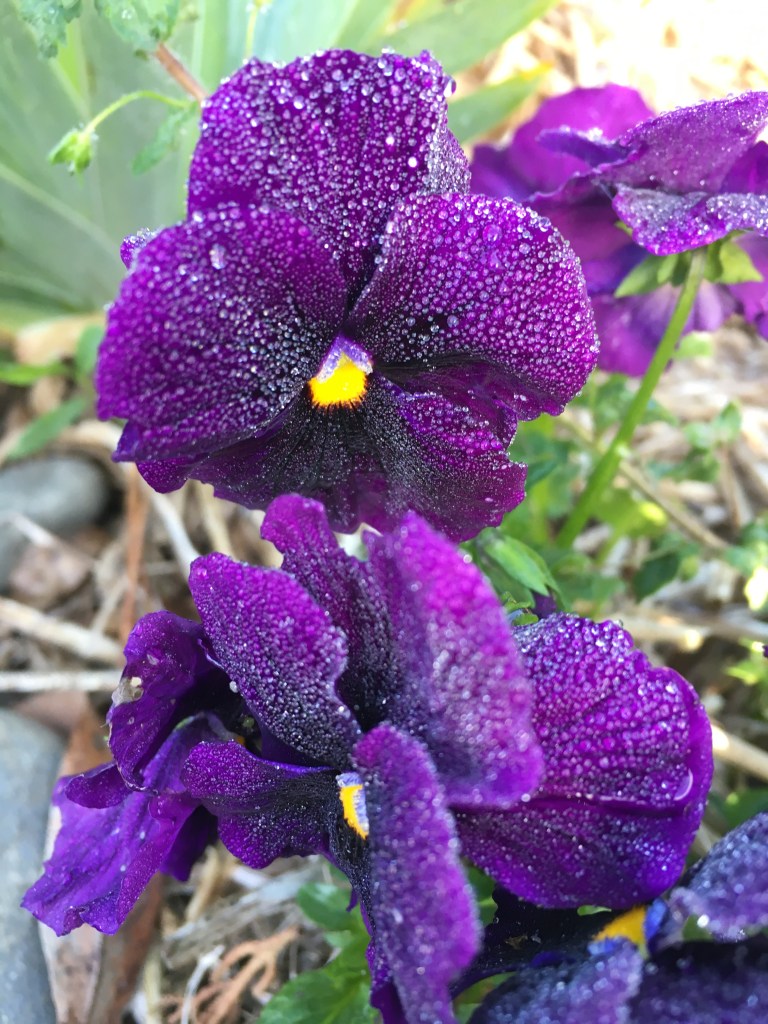
A glance out my office window these days reveals myriad spring blooms, which grow more exuberant every morning. At this time of year, the majority of the blossoms are purple. It was not by design—many of the flowers I planted were of unknown colour at the time—iris divisions from a freebie box at work, aquilegia seeds from a neighbour’s mixed plantings, and the ever-present weedy pansies. Intended or not, the overall effect is quite delightful, especially when the flowers are frosted with dew. So here’s a little purple to calm your day.

It was the best of times. It was the worst of times.

Spring is a season of contrasts. Not just the weather, which can change on a dime from cold and rainy to dry and hot, and then back again, but the spring gardening season has more ups and downs than other seasons.

Take the past two weeks, for instance. The fruit trees are in bloom, daffodils and tulips are flowering, the asparagus is up, and the berries are leafing out—the garden is green and lush, a real delight! The seeds I’ve planted over the past month are growing well, and I’ve begun planting out the frost-tolerant crops. The sun has warmed the soil, and the worms are going crazy, incorporating all the manure I added to the garden over the winter. It’s the best of times.

On the other hand, when I put the freshly sprouted peas in the greenhouse to grow for a week before planting them out, the rats and mice got into them and ate about a quarter of them. Disappointing, but to be fair, when it came time to plant them out, I had the perfect quantity for the area I had prepared, so no harm done. I set some rat traps, and planted my second planting of peas in a tray indoors.

Saturday morning, I set the new tray of beautifully sprouted peas in the greenhouse, just until afternoon when I planned on planting them out.

By the time I was ready to plant, a rat had eaten them all. Yes, during the day, while I worked just a few metres away in the garden. Gutting, especially after two weeks of having the sneaky rodent eat the bait out of my rat traps without getting caught. Grr! To add insult to injury, when I removed the pile of bricks I knew the rat was nesting under, I found a huge stash of peas and wilted pea sprouts—the little stinker wasn’t even eating them all—he was stockpiling. I have since ordered a DOC200 trap—I’m gonna get this guy one way or another before he eats more peas. 

On Sunday, we experienced a typical springtime nor’wester—warm dry wind racing across the plains at 100 kph or more. Just after lunch, a particularly violent gust blew two panels out of our new greenhouse, including one panel we’d lost in a previous wind and had reinforced so it wouldn’t happen again. Later gusts tore a third panel out as well. This greenhouse was advertised as being designed in New Zealand for New Zealand conditions. Clearly they didn’t test the thing on the Canterbury Plains. Arg! It’s the worst of times.

In spite of the delights of spring, it seems there’s always another pest, another problem to deal with. By summer, I know that most of the problems will be either solved, or abandoned as a lost cause, but in springtime, hopes run high, and disasters feel truly disastrous.

I complain, even though I know that the springtime garden disasters are fixable (for the most part). But I suppose part of why I enjoy gardening so much is the challenge. Outsmarting pests; growing crops out of season; battling poor soil, wind, drought, flooding … sometimes I think that’s half the fun.

So I look to the weather forecast for the next 24 hours—severe wind warnings and a high of 20 today, followed by snow tomorrow—and buckle up for the roller coaster ride.

Ready, Set, Plant!

Looking forward to scenes like this in the coming weeks …

My seed order arrived last week, and I’ve stocked up on seed raising mix in preparation for this coming weekend.

The middle of August marks the start of spring planting, even though officially spring is still two weeks away (in spite of this week’s cold and snow).

This weekend I will plant hundreds of vegetable seeds—broccoli, cauliflower, cabbage, lettuces, spinach, onions, peppers, eggplants, herbs—a combination of early crops that can handle the cold and slow-growing late crops that need a long time in the greenhouse or indoors. 

This weekend is always a bit exciting and a bit daunting. Daunting because whatever winter projects I had going are doomed to the back burner until next April. Daunting because of the vast amount of work to get done in the coming months. And exciting because of the pleasure I get out of growing delicious food, and the joy of trying out new varieties of vegetables each year (this year, I’m trying Bartowich Parsley for the first time, a purple snow pea, a new hot pepper, and a couple of new tomato varieties).

I used to get overwhelmed at this time of year by the sheer amount of work ahead, but I’ve learned to manage the work, and more importantly the stress, by creating a weekend-by-weekend to-do list that runs from mid-August through the end of November. The list includes all the annual garden tasks associated with spring—planting seeds, potting up seedlings, preparing garden beds, setting up trellises, cleaning greenhouses, maintaining irrigation lines, fertilising weeding, mulching … With everything on the list, I know I won’t miss any tasks and everything will be done on time.

Obsessive compulsive? Yeah, probably. But it means I can fully enjoy each and every task without stressing about the fact I’m NOT doing something else. 

So from tomorrow, if you need to catch me on the weekend, I’ll be in the garden. 

Carrot Success

young carrots
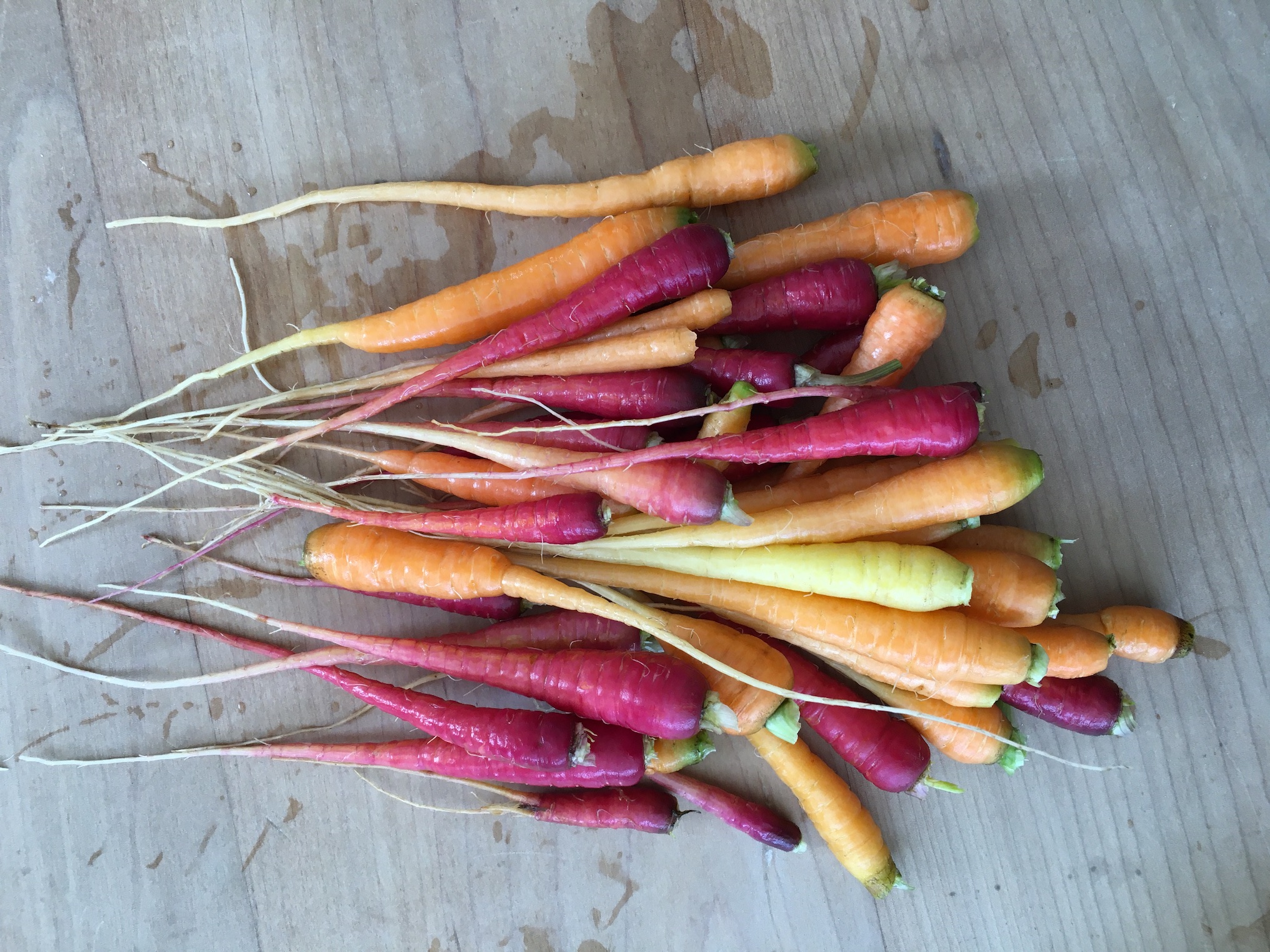
Young carrots, fresh from the garden–nothing is better!

I used up the last of the fresh carrots yesterday—the last of the carrots that I planted a year ago at this time. 

There are still about 2 kilograms of frozen carrots left that should last almost until the first of this season’s carrots are ready to pick.

I can’t tell you how pleased I am about that. It’s the first time ever I’ve grown (nearly) enough carrots for the year. Usually I end up buying commercial carrots by mid-June.

We eat a lot of carrots. I have raw carrots for lunch every day, and at least half our dinners have carrots in them. We also discovered the joy of Mexican pickled carrots this year, and probably ate five kilos of them in the past two months. So a year’s supply is a whole heap of carrots! 

And if you wonder why I go to all the effort of attempting to grow a year’s supply of carrots, you have clearly never grown your own carrots. Home grown carrots put the tasteless, watery supermarket carrots to shame. Yes, they’re not as uniform in size and shape—I harvest some pretty ugly, twisted roots from my rocky garden—but their flavour (and colours) are far superior to commercially grown carrots.

I plant a wide variety of carrots. Last year I planted Paris Market, Scarlet Nantes, Touchon, Kuroda Improved, Tendersweet, and Purple Dragon. Touchon has been my workhorse carrot for years—flavourful, reliable and nicely shaped. When we moved to the rocky soil of the new property, I first tried Paris Market—a stubby round carrot I figured would be less bothered by the rocks. I wasn’t terribly excited about it at first—little carrots can be a pain to process in the kitchen, when you want a whole lot of carrot for dinner. What I didn’t know was that Paris Market carrot also has fantastic flavour for eating raw, and roasts beautifully as whole little carrot nuggets. It can also grow to a whopping size if you let it. And because of its shape, it’s easy to pick in my heavy clay soil. It’s beginning to nudge Touchon out of the top spot on my favourite carrots list.

Now that I’ve successfully grown enough carrots, my goal this year is to spread my carrot planting over a longer period, so I get just as many carrots off half the garden space, and so I don’t have 40 kilos of carrots in the fridge at any one time. 

And there’s one of the many reasons I love gardening—there’s always something new to learn, new to try. There are always tweaks and improvements to be made. A gardener can always aspire to a more productive, less weedy, less labour-intensive garden for the coming season.

Happy gardening everyone!