Colours of the Season

100_4093 smStrawberries, gooseberries, black currants, red currants, cherries, raspberries—they all seem to come at once in a tsunami of colour and flavour.

The weeks before Christmas are filled with jam, pies, and shortbread. Fingers are permanently stained with juice. Festive splatters decorate the kitchen walls and floor. Bowls of green and red fruit stand in for more traditional holiday decorations.

Today, we put up the Christmas tree and made the first jam of the season.

It’s beginning to look a lot like Christmas!

Christmas Doggerel

Seasonally adjusted Christmas tree--the Christmas bean!

Seasonally adjusted Christmas tree–the Christmas bean!

It wouldn’t be Christmas in New Zealand if I didn’t completely trash at least one Christmas song by writing a geographically appropriate version for us.

And so, to kick off the Christmas season, here it is–to the tune of Chestnuts Roasting Over an Open Fire.


Marshmallows toasting o’re the campfire.

Sand crabs nipping at your toes.

Yuletide carols being sung by a choir,

And folks with sun block on their nose.


Everybody knows a wetsuit and some ice cream

Help to make the season bright.

Tiny tots with a sunburn will seem

To find it hard to sleep tonight.


They’re tracking Santa’s every vector.

He’s loaded lots of toys and goodies on his tractor.

And every mother’s child is gonna spy

To see if sheep really know how to fly.


And so I’m offering this simple phrase

To kids from one to ninety-two.

Although it’s been said many times, many ways,

Kia ora to you.

Aphids

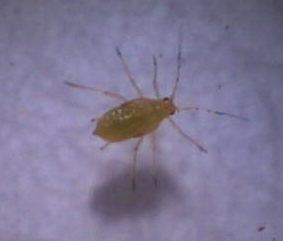
20151127_125023710It’s aphid season here. Lettuce, strawberries, dill, parsley, and roses are covered in the little green girls.

I used to fret about aphids—they can certainly cause a great deal of damage, particularly to young plants. But I’ve learned to live with them. Here are a few of my aphid strategies:

  1. When I plant out, I check every plant carefully, and squish any aphids—knocking back these early individuals goes a long way to limiting damage.
  2. If a plant is heavily infested, I turn my hose on jet and blast the aphids off. This technique doesn’t get them all, but it does knock the population back to manageable levels.
  3. I allow some plants to get covered. In my garden, my early dill always gets nailed by aphids. I accept this. I don’t kill the aphids, either. The aphids on the dill attract ladybugs, lacewings, and parasitic wasps that eat aphids. Lots of aphids on the dill means lots of predators later in the season.
  4. I plant purple varieties of crops, which are usually less attractive to aphids.
  5. I accept aphids as a source of extra protein and vitamin B in our diets. We eat aphids. They’re good for us.
  6. I have patience. By midsummer, the aphids have all but vanished, decimated by the predators I cultivated in springtime.
  7. I admire aphids’ abilities and beauty—parthenogenic reproduction (that is, the females clone themselves—no need for males), dainty legs and antennae, and a remarkable ability to survive.

Compost Pile

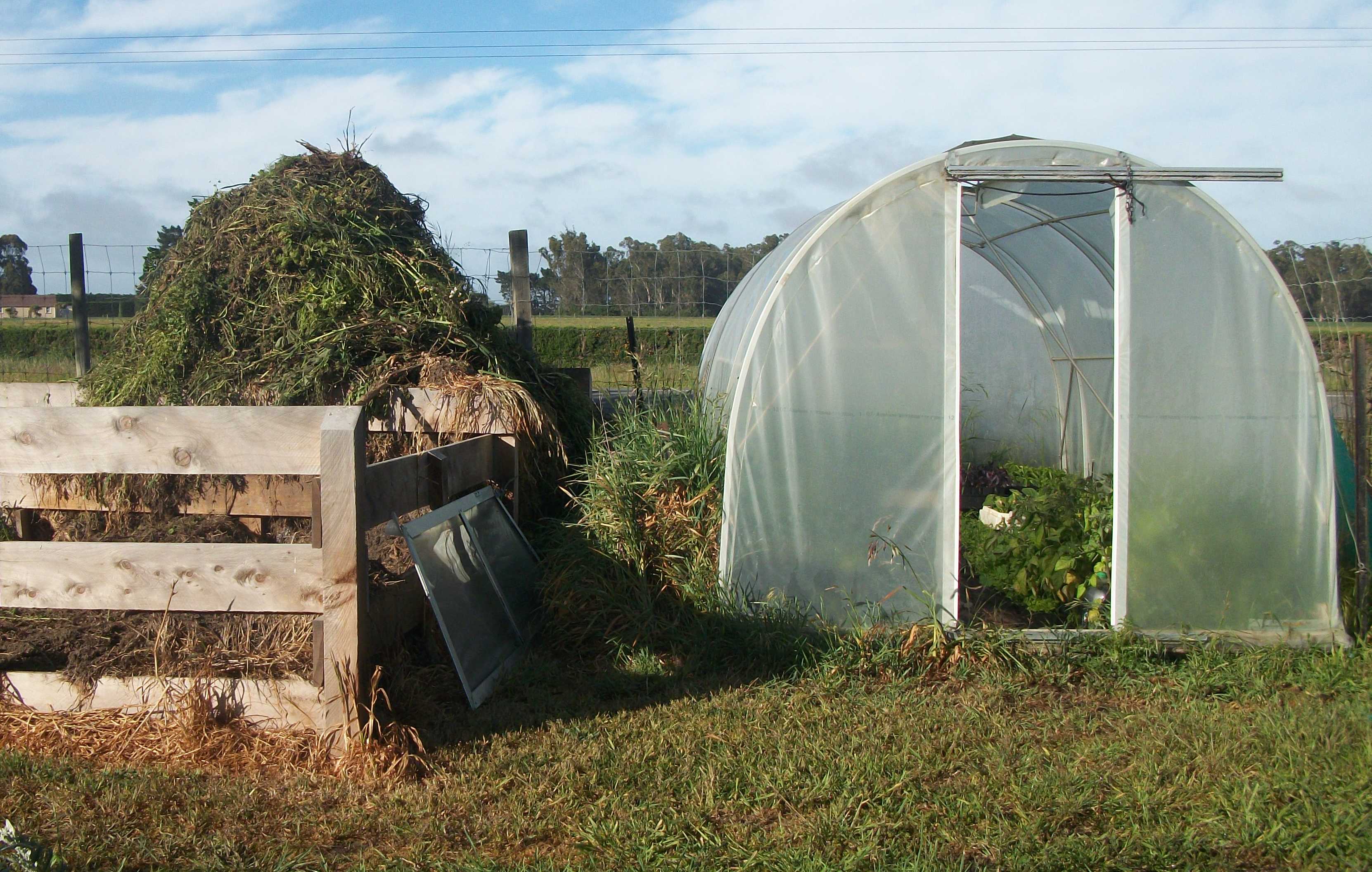
100_3973 cropMy husband calls it Mt. Robinne, and sometimes it feels like I’ve heaved an entire mountain onto the compost pile. This is my first spring with the new compost bins. They constrain the spread of the pile, forcing it upward.

Today I put the last of the winter weeds on the pile. From here on out, I’ll leave most weeds lying in the garden paths to act as mulch. This is as tall as the compost pile will get this year.

Good thing, as it reached the height of the greenhouse this morning. The pile will sit there sintering for a few weeks. When I’ve recovered from the springtime garden preparation, and when all the plants are planted out, I will move the mountain again, turning and watering the pile so that it composts properly.

For now, though, I’ll enjoy the respite from mountain building.

Dreaming Big

100_3861 cropDon’t count your chickens before they’re hatched.

And don’t count your apples before they’re in the basket.

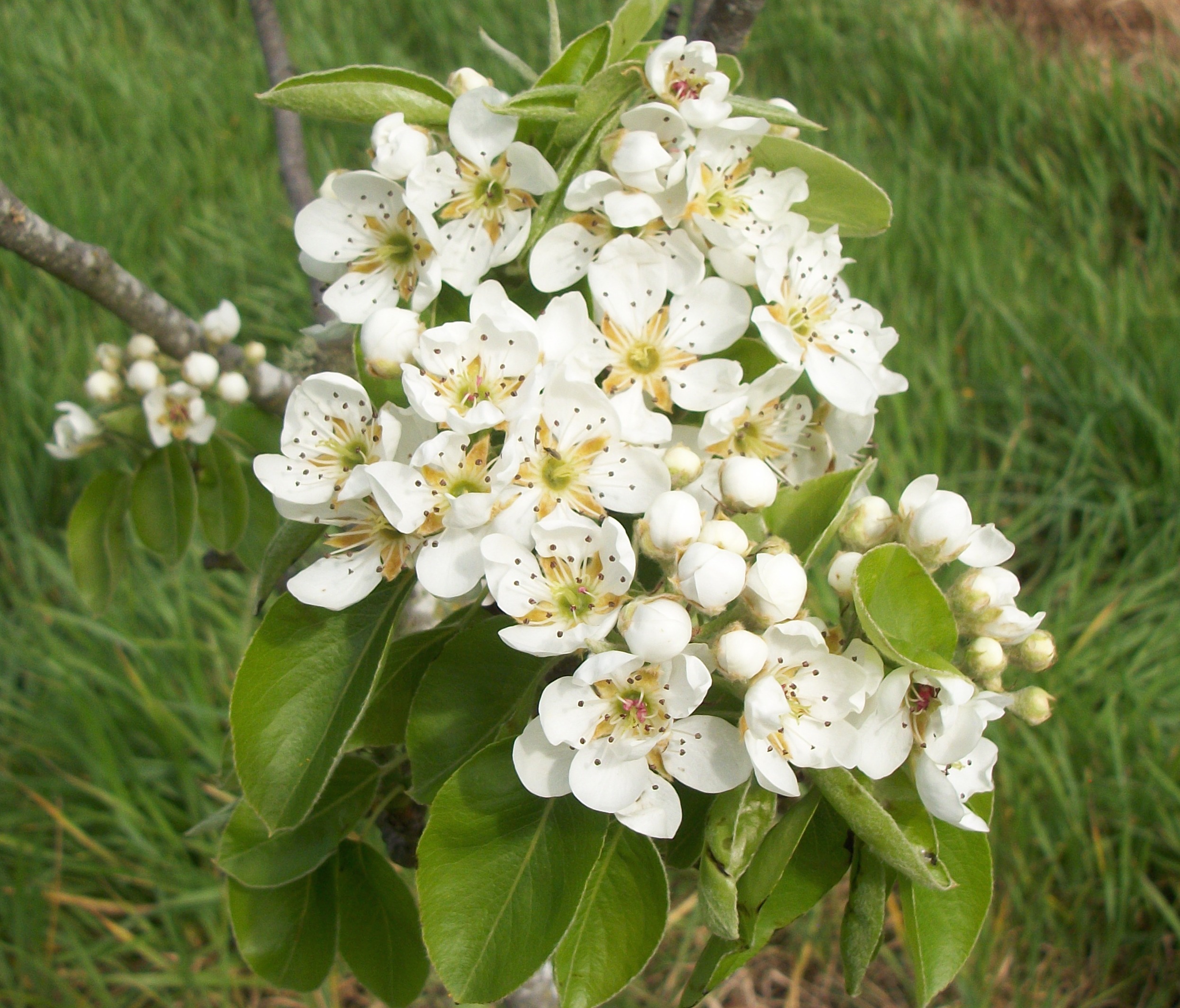
But it’s lovely this time of year to think what you’re going to do with that fruit if ALL the flowers end up producing a fruit. All the fruit trees were flush with flowers this spring—apples, pears, peaches, cherries…

But it’s a long time between October and April. Anything could happen, and it usually does.

Some of those flowers won’t get pollinated and will drop from the tree once they’re done blooming.

A storm will blow some of the pollinated flowers off the tree.

The tree will naturally prune some of its own fruit, because it simply cannot support so many.

Birds will snatch the small fruits as they ripen, and possums will eat the larger fruits.

A hail storm will damage or destroy more fruit.

Before you know it, there will be, not bushels of apples, but maybe a few. Enough for a couple of pies, some apple crisp. Not the larder-filling bounty that spring promised.

That’s okay. I’ll still count my apples by the flowers each spring. I’ll imagine the applesauce and the pies, the crisp bites of tart flesh, and it will be just as if they were actually here.

Blue Sky Blues

Are we in for another dry summer?

Are we in for another dry summer?

We had our first “dry southerly” today—a storm that is forecast to bring rain, but doesn’t. I fear it is a harbinger of the season to come.

Our rain comes primarily from southerly storms rolling in off the ocean. When the wind shifts to the south, we expect rain.

But during the summer, those southerly shifts often arrive without rain. The weatherman might forecast showers, but they never materialise.

A dry southerly at this time of year is not unheard of, but it’s not particularly common, either. With a dry year behind us, I worry about what an early dry southerly means for the spring and summer ahead.

A strong El Nino is predicted for this year. For us that means a parched summer. If we start off dry…well, there’s the grumpy farmer in me talking.

But I’m thankful to have the new water tank full. All I can do beyond that is mulch well, water while I can, and pray for rain.

Dust bowl

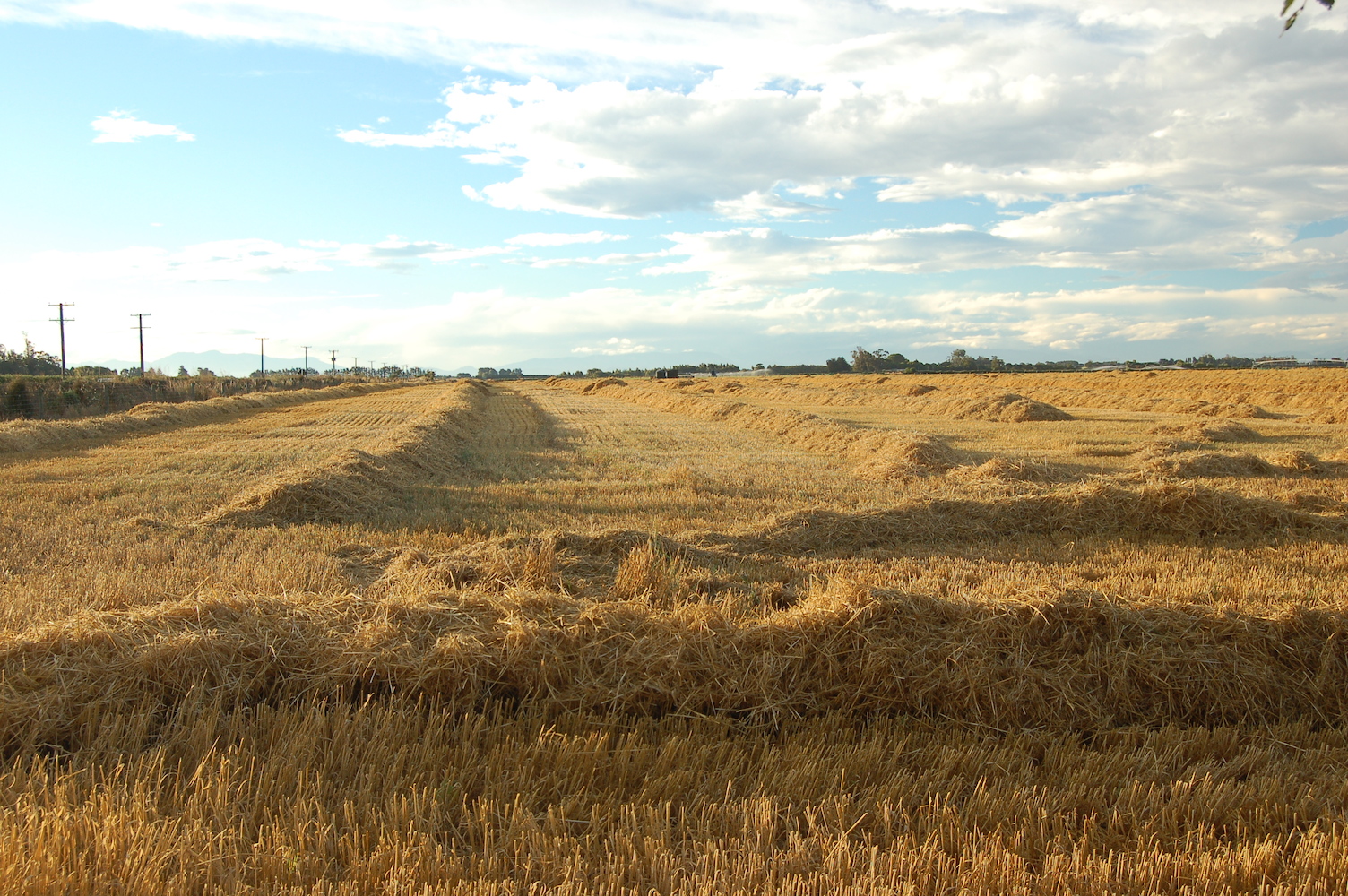
hay5 sm

On a relatively clear day, we can see the Southern Alps.

Sustained winds of 63 kph (39 mph) today, with gusts to 150 kph (93 mph). That’s not unheard of here, but it is severe. Though it is warm and sunny, we are largely spending the day indoors—it’s just not very pleasant out there!

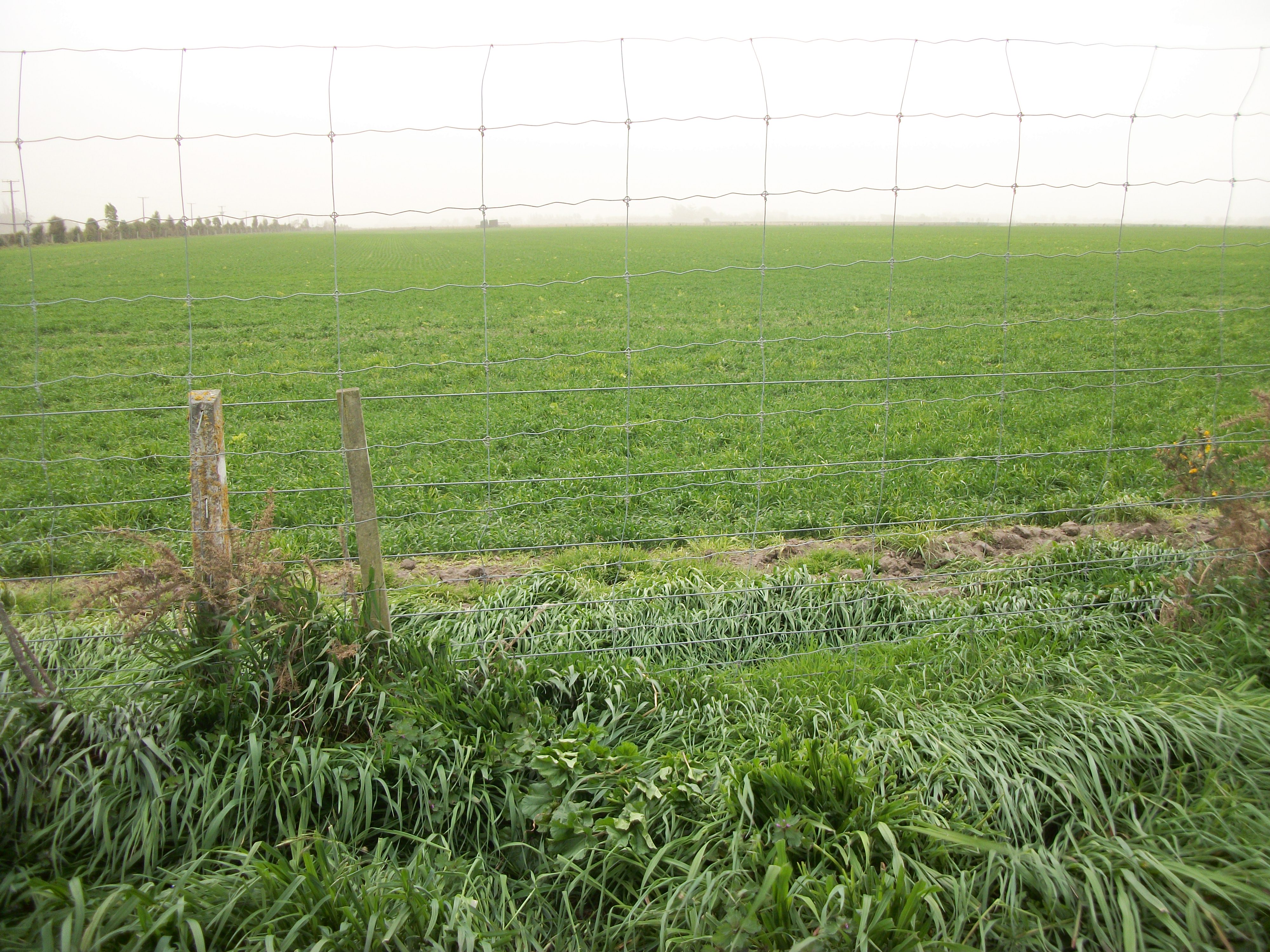
Today, we can barely make out the neighbour's hedge.

Today, we can barely make out the neighbour’s hedge.

I watered the garden well before the wind picked up, to give it the best possible chance to survive the day, and I added an extra tether to the greenhouse, lest it blow away entirely. So far, most everything seems to be holding up.

It’s really the dust that’s most bothersome. Visibility is poor—even the neighbour’s house looks vague and hazy. Indoors, a fine grit settles on everything. My mouth feels gritty, and I find myself wiping off the computer keyboard every few minutes. It’s nothing like the dust storm we had late last summer—the ground is relatively moist still—but it’s an impressive show, nonetheless.

Vernal equinox

100_3776 smToday is one of my favourite days of the year—the day my side of the planet tips over into the sunshine!

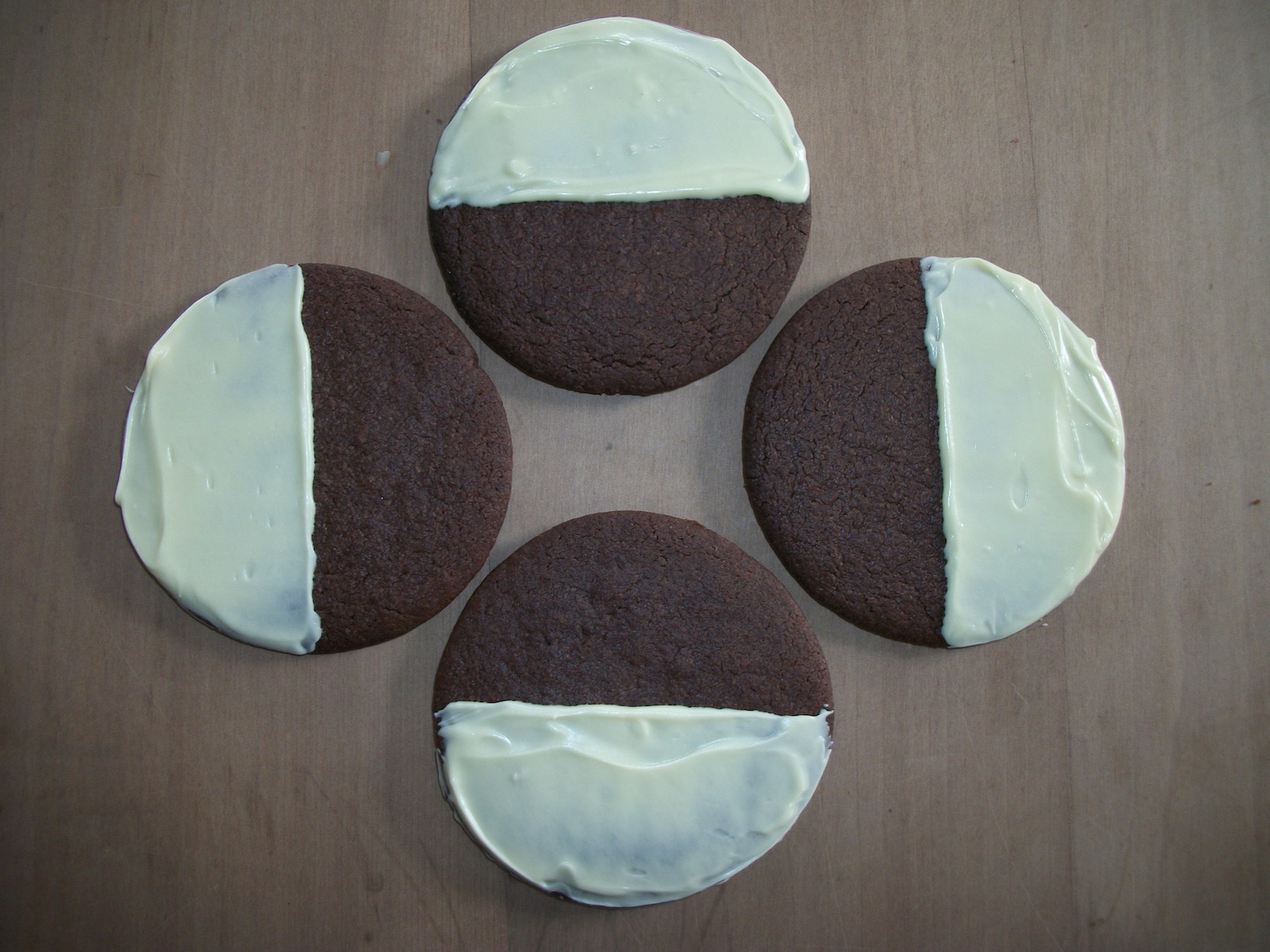
I always try to mark the day with a little something special. It might be a cake decorated as a sun, or cupcakes covered in flowers. This year, it was big chocolate cookies half spread with white chocolate to represent the equal night and day of the equinox.

From now until the solstice always seems like such a rush, with planting, kidding, milking, and harvesting. But today I will simply enjoy the sunlight.

So regardless of whether you are experiencing the vernal or the autumnal equinox today, make it a great one, and enjoy whatever the season offers!

Spring

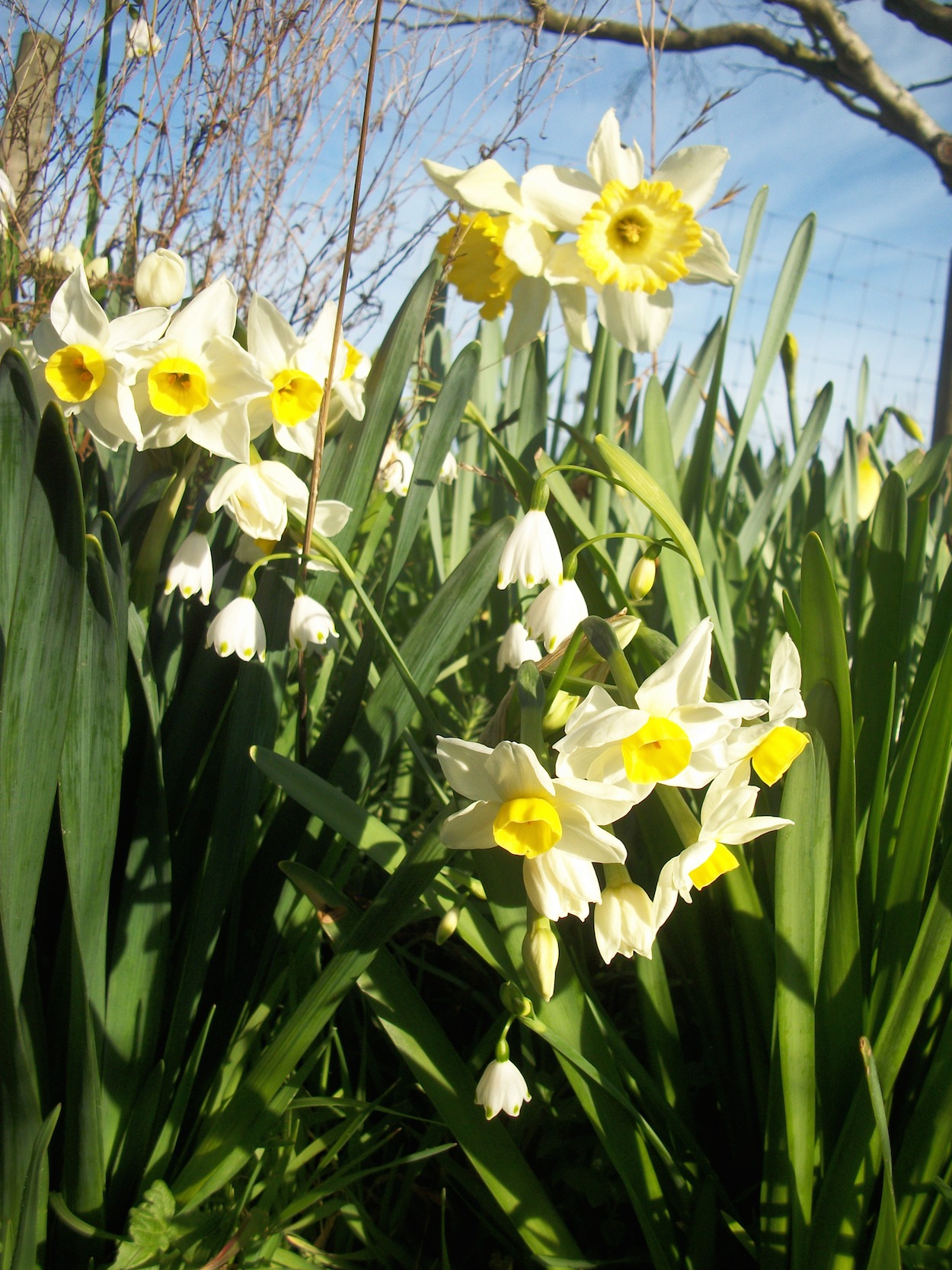
100_3654 smYesterday was the official start of spring, though the plants have known it for weeks. The crocuses are all but over. The daffodils and snowdrops are blooming. The willow trees flushed green last Thursday. The grass needs mowing.

So, naturally, it’s been cold and rainy for five days.

But cold and rainy at the beginning of September is fundamentally different from cold and rainy in July.

It may be twelve degrees in the house in the morning, but I don’t feel the need to light the fire—it feels warmer than it is.

The sky is light at 6 am.

The sky is still light at 6 pm.

The magpies tussle on the lawn and sing in the early morning darkness.

The plovers run in fits and starts across the paddocks.

We are all restless to be outside, regardless of the weather.

Weeds seem to spring up overnight in the garden.

Yes, it is spring.