If you can’t beat ‘em…

Weeds. Gardeners hate them.

But weeds are just plants. And the weeds in my garden here in New Zealand are almost identical to the weeds I had in my garden in Pennsylvania, and the one in Minnesota, and even my garden in Panama.

So what are these weeds? They’re the plants that European colonists couldn’t do without. Food, medicine, pest control—it’s all there in those common garden weeds. Back when my husband and I lived and worked at residential camps and couldn’t have a garden, we used to forage for weeds to supplement the nutritionally suspect camp food we were served. Dandelions were one of our favourite early spring salad greens. Picked at the right time (before the flowers emerge), they are nutty and pleasantly bitter.

I took a walk around my garden today, and found the makings of a lovely meal among the weeds.

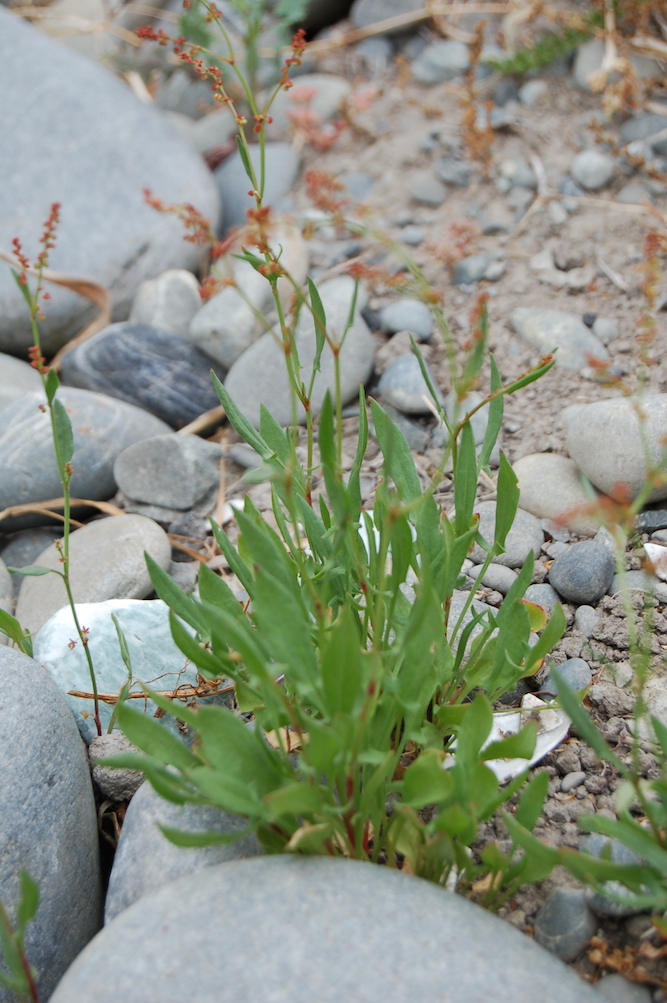
You'll be happy to eat pernicious sheep sorrel, just so the @#$&* things don't resprout.

You’ll be happy to eat pernicious sheep sorrel, just so the @#$&* things don’t resprout.

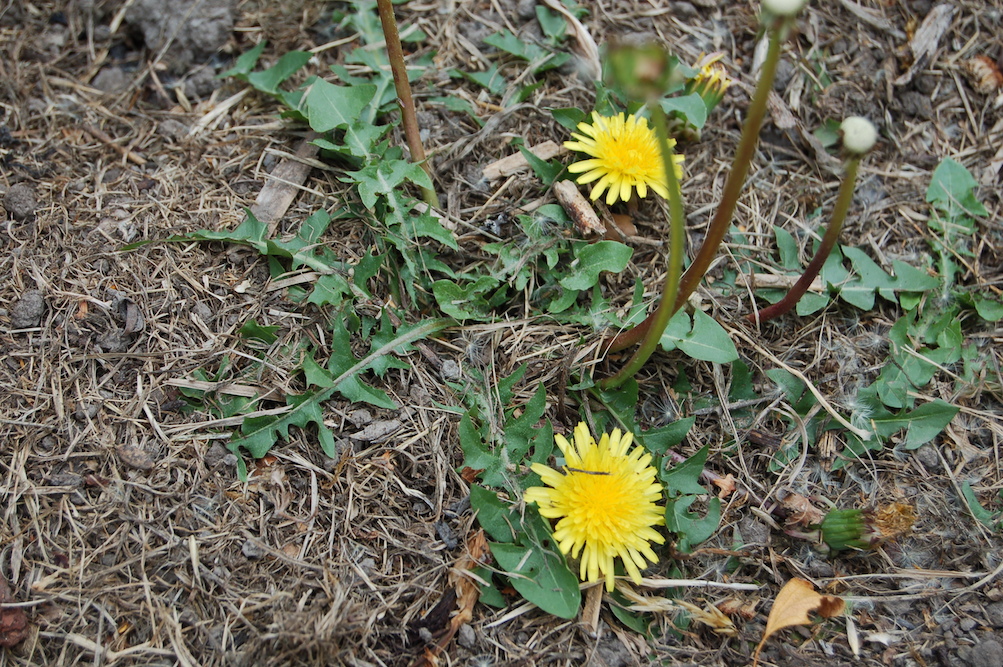
Dandelion greens make a delicious, nutty early spring green. Pick them before they flower or they'll be bitter.

Dandelion greens make a delicious, nutty early spring green. Pick them before they flower or they’ll be bitter.

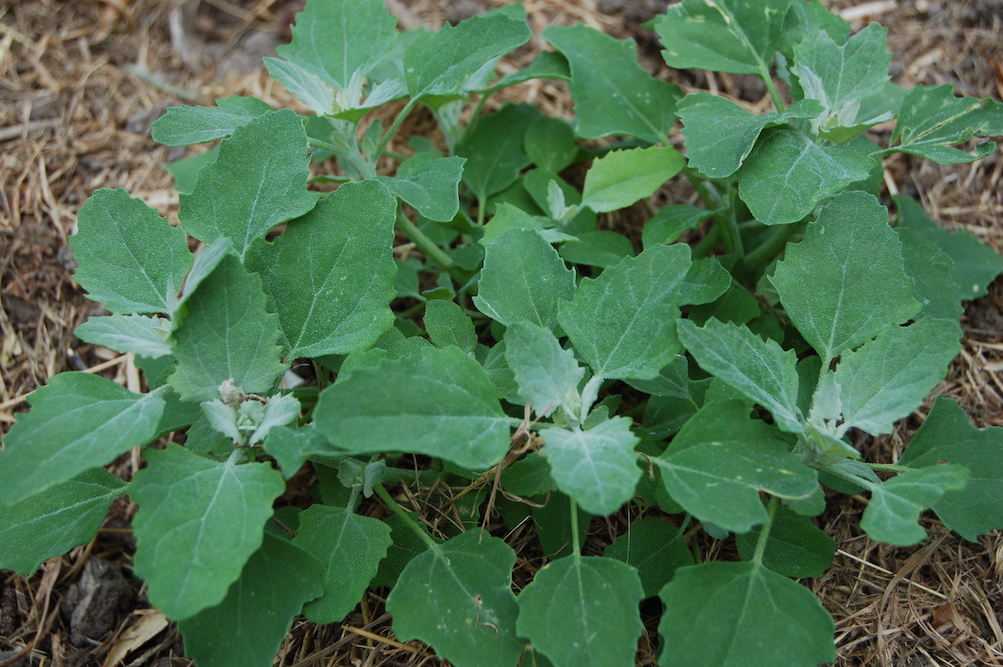
Lambs quarters, or henbit is a nice salad green all summer. The chickens love it, too.

Lambs quarters, or henbit is a nice salad green all summer. The chickens love it, too.

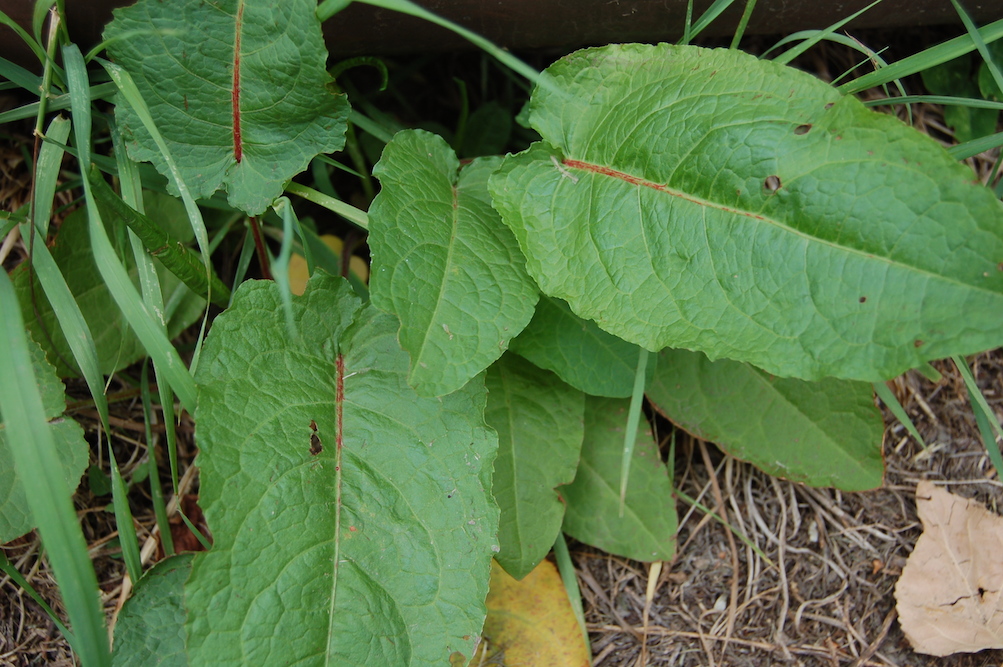
Cook up some dock greens as a side dish.

Cook up some dock greens as a side dish.

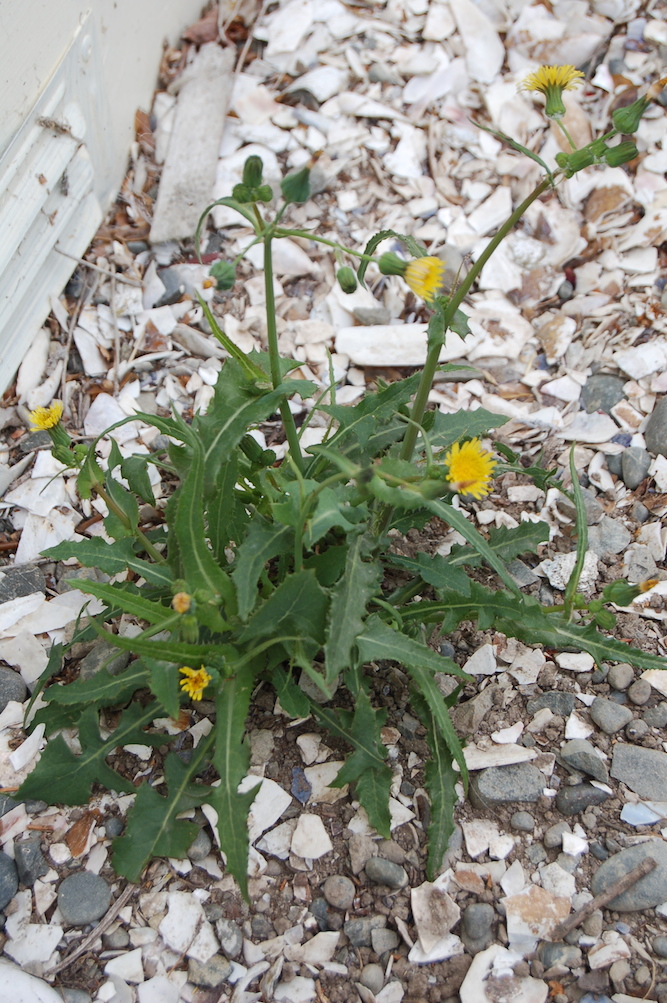
Even prickly sow thistle can be cooked and eaten.

Even prickly sow thistle can be cooked and eaten.


So next time you pull out a handful of weeds, remember—if you can’t beat ‘em, just eat ‘em!

Drought

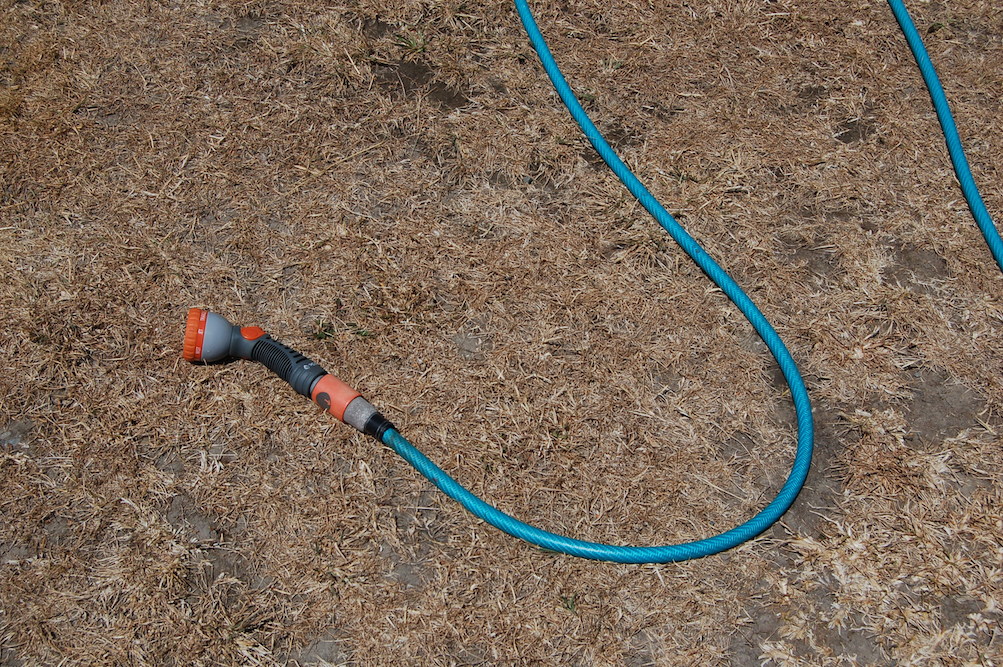
DSC_0011 smIn Christchurch, the City Council and the media are only just now recognising what we gardeners and farmers have known for two months. It’s dry. And hot.

It’s the fate of those who grow plants and raise livestock to grow grimmer and grimmer as everyone else trips off to the beach for yet another perfect summer day.

The grass has been dead for at least a month, new plantings have succumbed despite our efforts to water them, and even well established shrubs are showing stress. The poplars—large trees that have been here for forever—are shedding leaves.

Every day begins and ends with watering—food crops are the first priority, then new plantings, then (maybe) established plants. We are thankful for every drop of water that spills over from the neighbour’s irrigator.

Still, not everything will make it, even if it starts raining tomorrow (which it won’t). The ground is hot dust, so dry the water pools on the surface rather than soaking in. So we choose what to water and what not to water, what will live and what will die. We haul extra food to the livestock, because they have little to eat in the paddock. We watch the sky for clouds and sniff the air for smoke (header fires aren’t uncommon out here, and they can spread rapidly). We rescue what we can…then shrug and head to the beach with everyone else.

Once and Future Food

DSC_0006sm9.2 cubic metres.

7,000 kilograms.


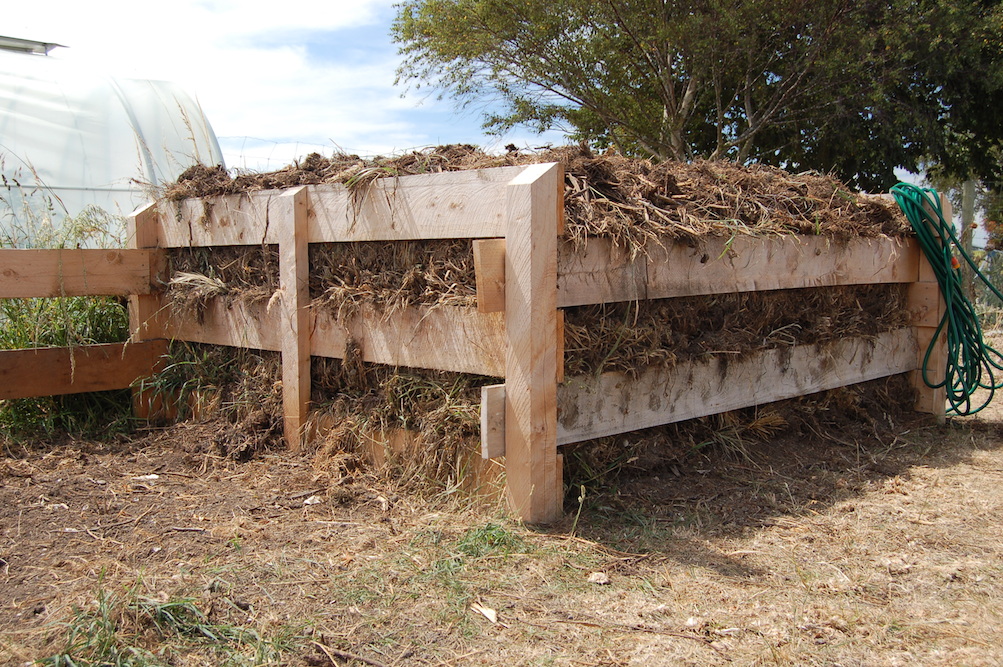
That’s how much compost I moved over the past two days. Carting it from the old compost area to the new compost bins my husband made for me. Turning the compost is an annual ritual—a compost pile that isn’t properly made and watered here turns into a dry mummy of weeds and kitchen scraps. This year’s turning was more difficult than usual, having to lift each forkful of weeds once into the wheelbarrow, then once more onto the new pile (rather than just tossing it next to the old pile). I dread the job every year—it’s one of those tasks I imagine exists in the level of Hell designed specially for gardeners (weeding thistles out of the gooseberry patch is another one of those jobs…I did that one earlier in the week).

But the job does have its moments. Uncovering a small pile of walnut shells—remembering the bag of walnuts our dentist gave us last April (also an avid gardener, we exchange produce at every dental appointment, and he once exchanged a filling for a block of homemade cheese). Bringing up the strata of last year’s tomatoes—salivating over the prospect of ripe tomatoes in less than a month. Yanking out a bean vine wrapped around jute—Liadan’s beautiful teepee of King of the Blues runner beans that fell over in a late summer storm. And finally, reaching last year’s broad bean plants, cut down a year ago, just after the last turning of the compost—remembering the final broad beans of this season, eaten just last week.

That mummified pile of plants represents the whole year in the garden. Turned and watered, it will soon become the food for next season’s crops. It fed us once, and will feed us again and again, as long as I keep turning that compost every year.

Worst Hostess of the Year

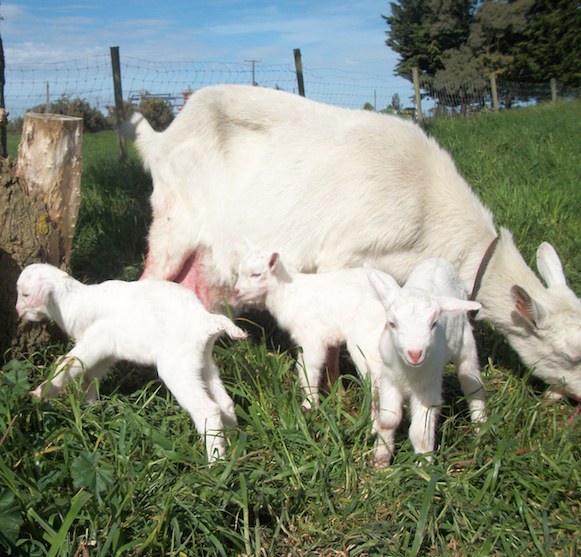
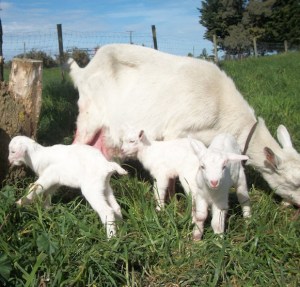
Just on their feet, the triplets Ariana, Albus and Ableforth.

Just on their feet, the triplets Ariana, Albus and Ableforth.

Our visitors were scheduled to arrive for lunch at 12:30—a colleague of Ian’s visiting from overseas and some members of her family. Lunch was in various stages of preparation at 12:15 when I got the call from my vigilant children that my goat Artemis was in labor. Leaving the production of meal entirely to Ian (with quick instructions as to what to do with the muffins when the oven timer went off), I dashed outside, pulling my boots on as I went.

It wasn’t long before our guests pulled in the driveway. I greeted them in my blood stained coveralls (from Ish’s kidding last week), leaving the paddock only long enough to explain my predicament and hand them over to Ian.

Back in the paddock, Artemis was looking decidedly uncomfortable. She leaned into my leg as I scratched her back. How Ian was getting on with lunch and guests, I didn’t know. After a while, her contractions seemed to slow, and I was starving, so I took a break for some food. Everyone was relaxing on the porch, food and drinks in hand. I raced to fill a plate and a glass, and sat down, apart from the group, where I had a view of the paddock.

Less than a minute later, I was up again, shrugging on my coveralls, lunch left mostly uneaten on my seat. The first kid was coming, but Artemis was lying down, and the big boy she was trying to deliver needed either gravity or me to do some pulling. Artemis refused to stand, so I pulled her first kid out and proceeded to wipe the mucous off him while she ponderously got to her feet to check him out. I called out his gender to my children, nervously waiting in the yard.

Number two (a girl) was already visible, but she was breach—coming out back feet first. She, too, needed some help. While Artemis licked one, I towelled the other. I called out the gender of the second kid to the children, and they cheered and raced to tell Ian (we’d been hoping for a girl from Artemis this year).

Artemis still looked awfully round, and I was pretty sure I could feel at least one more set of legs in her belly. Labor had stopped, though, so I ventured back to the house, covered in fresh blood and all manner of birthing fluids, to see if I could finish my lunch during the lull.

I had just enough time to finish my dried out bread and cheese and my wilted salad before kid number three made his appearance. He was out by the time I got to the paddock.

It took another hour or so before all three kids were on their feet and nursing well. I waved to our guests as they drove out.

When I finally stripped off my coveralls and washed up for the last time, I asked Ian, “So…who were those people?”