My Best Day

I gave a writing prompt to a few students yesterday—describe your best day ever (real or hypothetical). Here’s my response in poetry:

100_4209 cropOn my best day, the sun shines
But it’s not too hot.
I get up before dawn
And the air is soft
The moon full
Sinking gently to the mountains.
I am outdoors all day
With people I love
Or alone.

On my best day, I sweat
And get my hands dirty.
I see endangered wildlife
And pick tomatoes.
I stay out late to watch
Orion rise
And see the aurora australis.

My best day stretches into night
And I sleep
Without dreams.

Saturday Stories: Ghosts

DSC_0005I always liked the early morning, before dawn. It was quiet. The kids weren’t clamoring for attention and hot chocolate. My husband wasn’t enlisting me in the frantic search for his car keys. The phone wasn’t ringing. Even the birds were quiet.

So it was natural, when we moved to the old farm out on Creamery Road, that I would tend to the livestock in the wee hours before daylight.

We kept a handful of dairy goats and a grumpy old steer named Bill, who came with the place. He’d run wild in the back forty, and only came down when winter set in, after we’d been there for six months. My daughter befriended him, and that’s how a family of vegetarians ended up with a beef cow.

But the cow wasn’t the only unusual thing that came with the property.

I saw the first ghost on an icy morning shortly after Bill arrived. We had made room for him in the barn alongside the goats. When I arrived in the barn that morning, I found Bill idly chewing an old wool blanket he had managed to reach from his stall.

“Are you taking lessons from the goats?” I asked him as I pulled the blanket away from him. I was about to toss it back into the corner when I saw the spinning wheel it had been covering.

The wheel was dusty. I wondered how many years it had sat in the barn, unused. I blew the dust off and tried turning the wheel with my hand.

“Use the foot pedal.”

I nearly jumped out of my skin at the sound of a woman’s voice. I looked up and there she was—a young woman in a long brown dress and white pinafore. She was clearly visible, but insubstantial, as though the dust had coalesced to make her form.

“Excuse me?”

“The foot pedal.” The woman pointed. “That’s what makes it go.”

I pressed the pedal and the wheel turned. I smiled.

“Was this yours?” I asked. The woman nodded, smiling.

“My husband ran two hundred sheep. I always kept back some of the fleeces—the best ones—for our own use. I had a loom, too, but it’s gone.”

“What did you make?”

“Dresses and trousers, jackets…and blankets and booties for the baby.” An insubstantial tear rolled down the woman’s ghostly face.

“The baby died?” I guessed.

The woman smiled.

“No. He lived, and grew up to be a fine man, but I never got to hold him or help him on his way. His first breath was my last.”

I took the spinning wheel into the house, cleaned and oiled it, and put a new drive band on it. I bought some wool and asked the neighbor to teach me to spin. The young ghost visited whenever I sat down to the wheel.

The next ghost appeared in springtime. The goats were out in the far paddock with their new kids, and I was coming back through the woods from an early morning visit to them .

She was an elderly Native American with deep laugh lines around her eyes. She beckoned me off the trail and showed me a patch of morels pushing through the leaf litter.

“I used to collect morels from this very spot. I taught my daughter how to find them, and she taught her daughter.” Her face clouded. “And then the White Man came. Before long, there was no one left to teach.”

“I’m sorry,” I said.

I picked the mushrooms, and have done so each spring since, savouring their earthy flavour in springtime meals.

Once I saw the first two, the other ghosts were easy to see. There was the boy floating sailboats on the farm pond—I taught my daughter to do the same. There was the doctor picking dandelion greens to nurse an invalid back to health—we began adding dandelions to our spring salads. There was the farmer building rock walls between fields—I added many stones to them over the years.

Everywhere I turned were the ghosts of those who had come before. My early mornings became a social time. I would greet the elderly man who milked his ghostly cow next to me as I milked my goats. I would share a joke with the girl who giggled in the oak tree. I would stop to hear a poem by the woman who sat writing on a mossy rock in the woods.

Bill is long gone. My kids have grown and moved away. My husband is buried in the churchyard in town. The ghosts stay with me all day now. They sit by my bedside when I wake in the night in pain.

I have claimed the milking stand as my own, when the time comes. The old man and his cow will have to make room for me.

Confessions of a Packrat

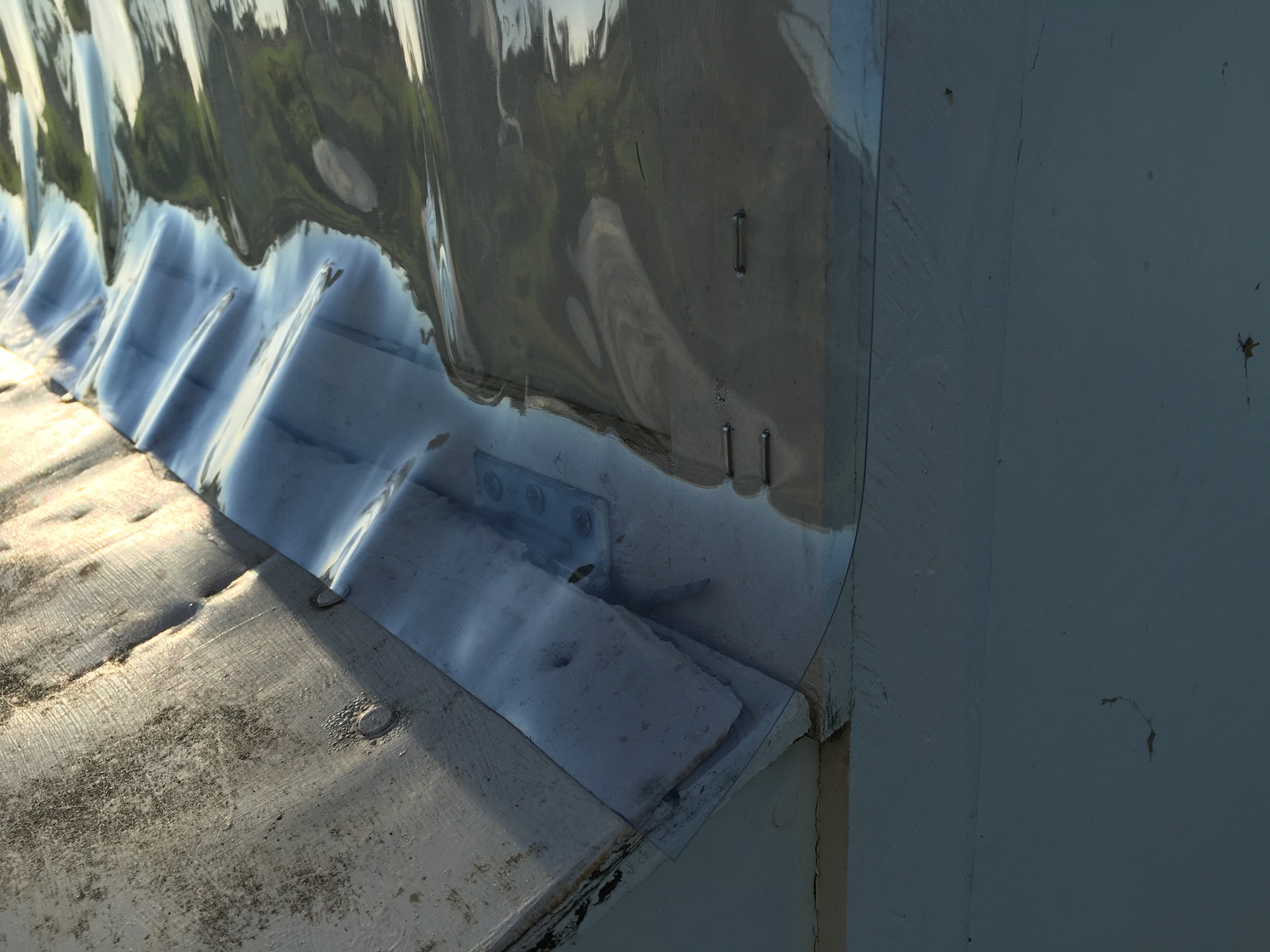
2016-06-01 15.19.52 HDRWhen the kids were young, we used to regularly visit Creative Junk, a place that sells all manner of industrial off cuts, overruns, and misprints, along with household ‘junk’ like plastic tubs, fabric scraps, broken tiles, and empty jars. It was a great place to get cheap materials for the kids’ creations (you know, those 3-year-old constructions of dubious artistic merit—the ones that end up in the rubbish a couple of days later).

On one of those trips, I scored a roll of heavy clear vinyl for myself. I didn’t know what I’d use it for, but it struck me as a handy thing to have.

That vinyl has sat unused in my office for eight years. It’s always a little too heavy or a little too small for anything I might want it for. More than once I considered tossing it (or donating it back to Creative Junk). But getting rid of it required more work than just leaving it in the back of the cupboard, so it just stayed there.

This past weekend, I noticed that rain was getting into the chicken coop. A crack at the back of the hinged lid over the nesting boxes had gotten wider with age, and was now letting water stream right into the nesting boxes.

I needed something to block the crack without preventing the nest box lid from lifting. Something waterproof, stiff enough to not blow in the wind, but flexible enough to bend with the lid.

My roll of vinyl was exactly the material for the job.

I worried the piece wouldn’t be long enough, but found it was exactly the right length, and exactly twice as wide as I needed, so after cutting it, I had a piece to put on the coop, and a perfect replacement, if the first doesn’t hold up long-term.

And this, of course, is the reason I have a cupboard full of little bits of this and that in my office; and a pile of leftover bits of spouting, flashing, and pipe out behind the shed; and a stack of not-entirely-rotted fenceposts; and three rolls of used deer fencing; and an old bed frame; and…

Eventually, nearly everything comes in handy. Nearly everything can be reused, often more than once. There are half a dozen boards under my firewood right now, keeping it off the wet ground, that are on their third lifetime—they were once a porch roof, then a tree house, and now protect the firewood. Between uses, they were slated for the rubbish, but ended up being reused before we got around to hiring a trailer to take them to the tip.

I’ve grumbled more than once about the lack of rubbish pick-up here, but I often think it does more good than harm. The more difficult it is to get rid of things, the more creative we become in reusing them.

That’s got to be good—for our finances, and for the environment.

Promise of Spring

2016-05-27 12.53.09Tomorrow’s forecast is rather wintery, but I’ve been fortified today. The preying mantises must know their time is short—that one of these storms is going to do them in for good—because over the past couple of days, they’ve been laying eggs all over the place.

There are new clusters on the fence posts, on the rosemary, and even on my office deck.

Though the adults will succumb to the weather, their eggs will rest snug all winter in their cosy egg capsules—a promise of the spring to come.


The Winter Staff Have Arrived

Some of the girls, enjoying what's left of the peas and eyeing up the newly planted broad beans, protected by netting.

Some of the girls, enjoying what’s left of the peas and eyeing up the newly planted broad beans, protected by netting.

I don’t know whether I appreciate my chickens more for their eggs or for their winter garden maintenance.

I turned the girls out into the vegetable garden for the winter today, and was happy to see them rooting around for grass grubs, which were a serious problem this year, and eagerly grazing on weeds.

I used to injure myself every spring when it was time to clear the winter’s weeds and prepare the garden beds. Now I employ the chickens in the garden all winter, and my springtime bed preparation is a breeze (comparatively speaking, anyway).

They keep the weeds down and reduce the pest populations, and the love the rich foraging the garden offers, as their summer paddock is practically bare by now.

Of course, there’s always a risk—now and again the chickens will get into the winter crops—but the benefits are worth it.

The chickens think so, too.


One of the Herd

He wants to be a goat and a writer...

He wants to be a goat and a writer…

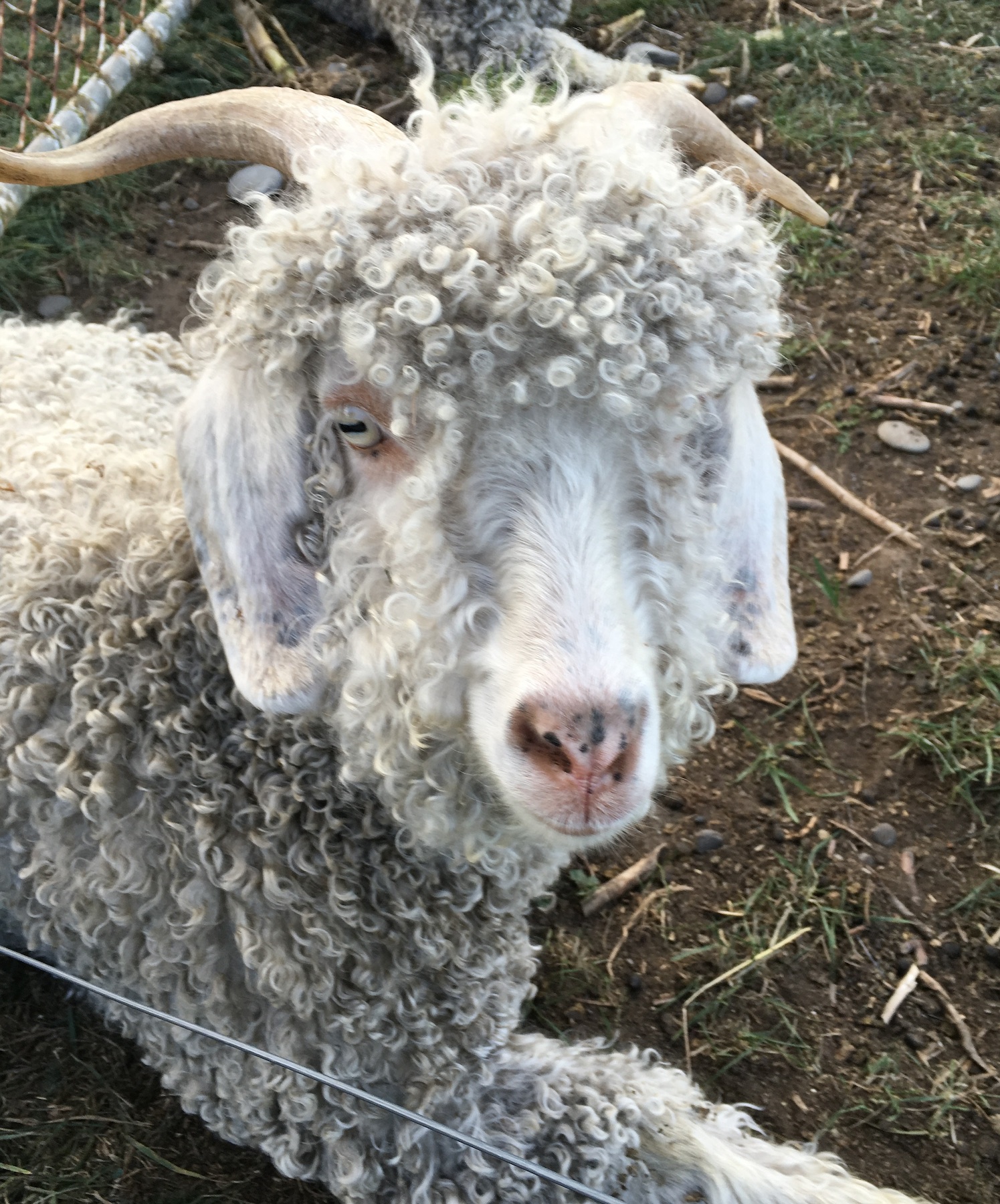
My daughter and I have been feeding the new goats by hand every afternoon, to help them become more friendly.

But it seems everyone wants to get in on it now.

Of course, Artemis, my remaining Saanen, is quite jealous of the attention ‘the boys’ get, and feels the need to eat the majority of the food, or at least keep the other goats from getting it. She alternates between gobbling up as much as possible, and beating the stuffing out of the others.

That’s no surprise, really. Artemis is a goat, after all.

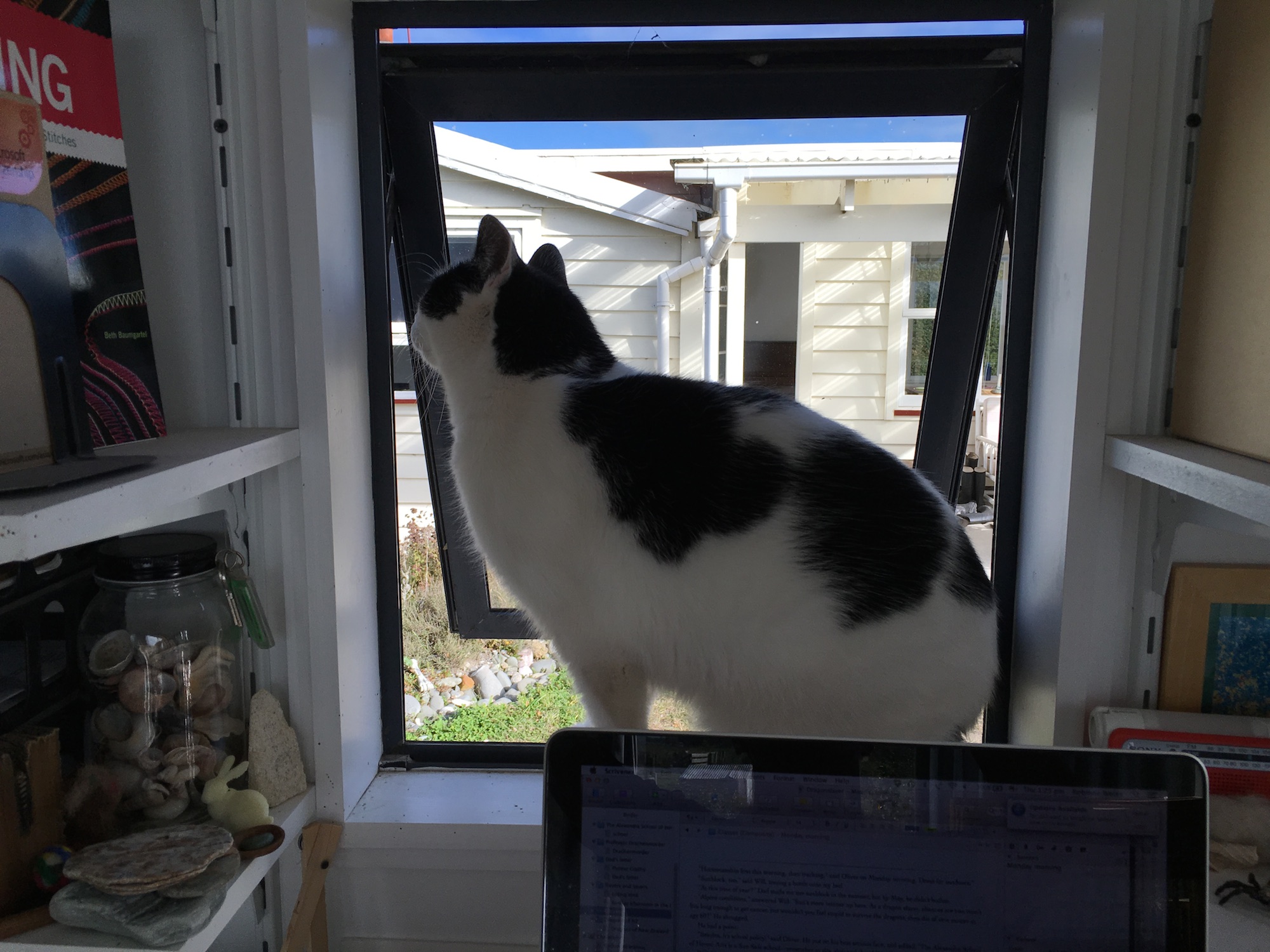
But today, the cat decided he needed to get in on the feeding, too. He meowed from outside the paddock for a few minutes, and when we didn’t come out, he came in.

He and Artemis have always had an adversarial relationship—she’s been known to tear after him if he gets in her way as she’s going to the milking stand. But the new goats, after a few rather curious sniffs and head-butt feints, seemed to accept him as just another goat, albeit a rather odd one.


Too Late

Newly sprouted, out-of-season apple leaves.

Newly sprouted, out-of-season apple leaves.

The weather finally turned last night. After five days of hot, gale-force winds, after seven months of summer weather, we finally got a hard southerly storm. Three centimetres of rain, a bit of hail, and howling winds—a proper ‘winter’ storm.

But it’s too little too late. By yesterday afternoon, half a dozen shrubs around the property had simply given up in the heat and dry. The apple trees, having lost their leaves to drought six weeks ago, had already flushed again with the unusually warm weather. Those leaves will almost certainly be killed by frost, if not tonight, than another night soon. The trees will struggle to leaf out in the spring, because of their wasted effort now.

The lawn is little more than dirt in patches. If anything resprouts, it will be weeds, not grass. And the winter crops in the garden had already bolted from the heat.

I’m thankful for the rain. I’m pleased to have a full rainwater tank, and the early spring crops that are just now putting on growth will benefit from the water now.

But for the sake of the groundwater, I hope it keeps raining, because we need a lot more.


The Naming of the Goats

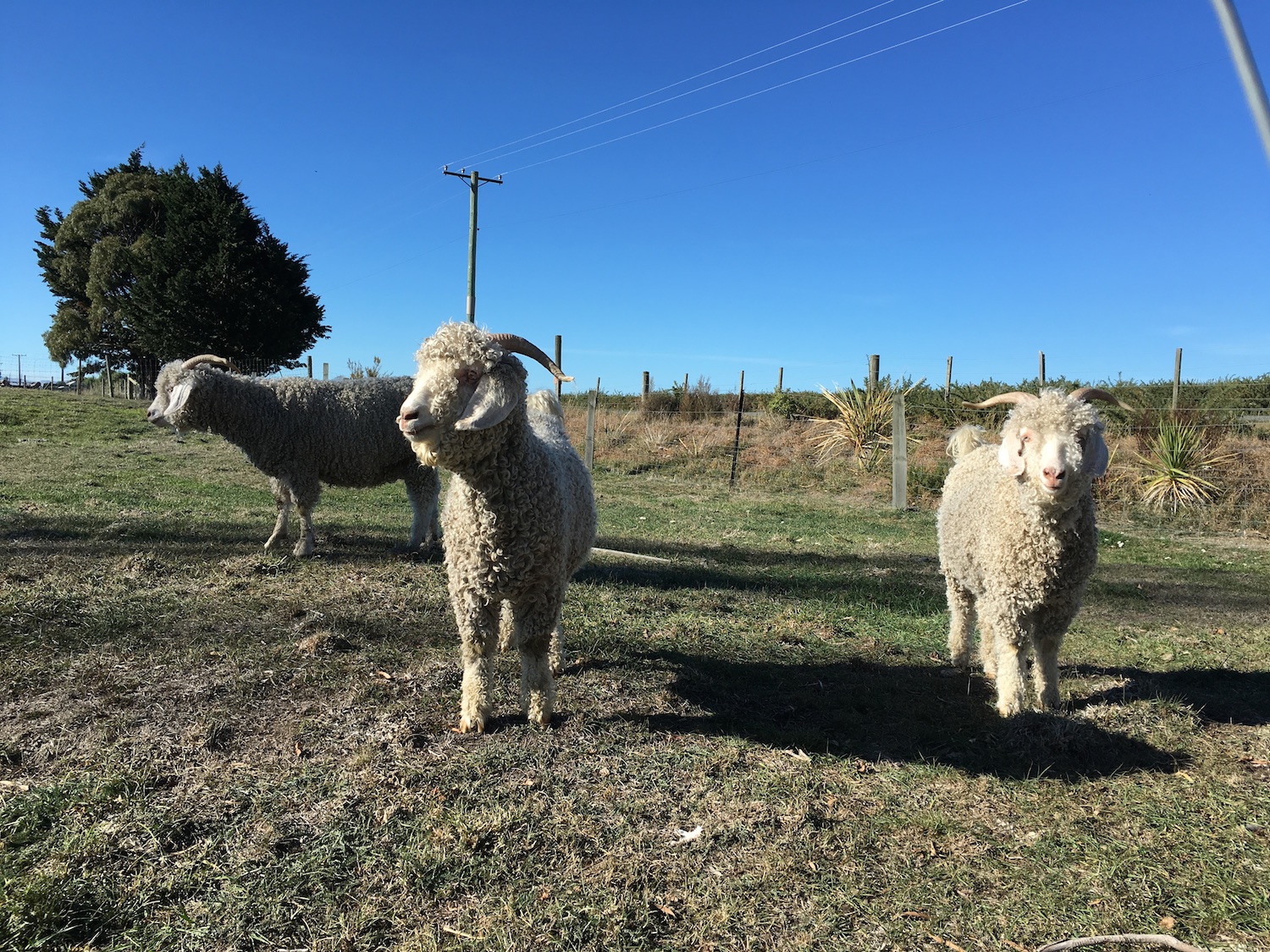
2016-05-07 12.47.01 smIt’s been over a week since we got the new angora goats, and I was beginning to stress because we still hadn’t named them. At lunch today, we talked over the options, and nothing seemed quite right.

Pavarotti, Carreras, and Domingo (the three tenors)? Meh.

Athos, Porthos, and Aramis (the three musketeers)? Too hard to remember.

Larry, Mo, and Curly (the three stooges)? Too dumb.

Well, we named all our dairy goats after goddesses, perhaps the wethers should be named after gods? But their behaviour isn’t godlike, and who can imagine a castrated god?

Bumble, Fagan, and The Artful Dodger? No.

Mars, Neptune, and Uranus? Er…no.

So we sent my daughter out to the paddock to ask the goats what their names were.

She came back saying the goats were giving confusing answers. She said that they claimed their names were Dennis, Darwin, and Dale.

Darwin!

That was it! Scientists!

So out in the paddock there now graze Darwin, Darwin sm

Einstein, Einstein sm

Newton sm and Newton.

A Fine Delivery

The cat declared the stack of straw bales an excellent napping spot.

The cat declared the stack of straw bales an excellent napping spot.

I ordered pea straw a couple of weeks ago. I told them there was no rush. They took me at my word.

The straw arrived on Sunday. I happened to see the ute as it came down the road, and guessed it was my straw. Finally.

The old blue truck was piled with bales, but it wasn’t nearly as crowded in back as it was in front. Three men, the youngest not a day less than 68, were squashed into the cab and rattled like bottles up the gravel drive. A little dog scampered back and forth across their laps, eager to jump out and explore.

“The men grinned at me as they drew up to the house.”

“The usual place?”

“Yes,” I said, “But we’ll just stack it next to the shed—I’ve got to do some organising in there before I can put the pea straw in.”

The driver pulled the ute across the lawn and into the rough paddock, bouncing over ruts and hillocks I was sure he’d bottom out on. He stopped just beside the little hay shed.

“That’s the closest we’ve gotten yet!”

The dog leapt out of the cab, and the three men unfolded themselves and stumbled out. They began hefting bales as they took them off the truck and stacked them beside the shed.

“One, two…So, when’s it gonna rain again, eh, Robinne?”

“I don’t know but any day now is fine with me,” I answered.

“That’s five, six…”

“Sure is dry.”

“Seven, eight… Oh. We don’t know how to count. That’s only nine.”

I’d ordered ten bales.

“Aw, all I’ve got is sixty dollars,” I joked. “Let me see if I can come up with fifty-four.”

“Nah, don’t worry about it. We’ll bring round another bale some day when we’re coming by.”

“Yeah, we’ll be coming past at some point, we’ll just toss one out the door.” The old farmer grinned, but I know he was only half kidding, and I reminded myself to keep an eye out for a bale of straw on the verge.

So the men and dog squeezed themselves back into the truck and backed out. I watched in fear as they did so—last year, they’d nearly gone over the metre-high drop onto the kids’ playing field. But they managed to back out without flying over the edge or taking out any of the plantings along the way.

“Thanks!” I called, waving as they rattled back out the drive.

I smiled. Every pea straw delivery is sort of a James Herriot moment. Even if I didn’t need it, I might still order straw every year, just to see those guys…

Any day now…

DSC_0060smOkay, it’s allowed to rain now.

Any day would be fine.

Just a little?

And maybe something a bit cooler than t-shirt and shorts weather to go with it?

Please?

Six years ago, the beginning of May looked like the picture above—we called it the black days of May. That was a bit too much rain, but normally we’ve had some good rain by the beginning of May.

Not so, this year. This year, it’ll be the brown days of May. We had plans to do a lot of landscaping this fall, but the soil is still bone dry—new plants wouldn’t stand a chance, even if we could water them. Almost every bit of promised rain has failed to materialise. The little that has fallen has evaporated within a day under summer-like heat.

2016-05-03 10.26.14It feels like summer will never end.

I’m still watering the garden, though the summer crops have mostly given up out of drought and exhaustion. The winter crops are likely to bolt in this weather, even with watering.

And who knows how long I’ll be able to water. It hardly rained last winter, and last summer was particularly dry, too. Canterbury water is over-allocated. The water table is dropping, and some people have already had to deepen their wells. How long before we run out?

Water is still being managed for short-term profit here—to ensure maximum output of dairy and crops. Environmental concerns and future supply are given lip service. That will come back to bite us. Climate change models predict less rain for Canterbury. If we keep on like this, at some point, we will run out.

Do we have the will to change before that happens? Experience in other parts of the world says no.

I do my best to conserve water here—using greywater to water plants, watering sparingly, mulching heavily, planting shrubs that can handle the dry—but I’m a tiny player, surrounded by farms hundreds of times the size of my property. The water I conserve is just a drop in the bucket.

A drop in the bucket would be nice about now. But the meteorologists are predicting no rain at all for the month of May in Canterbury.