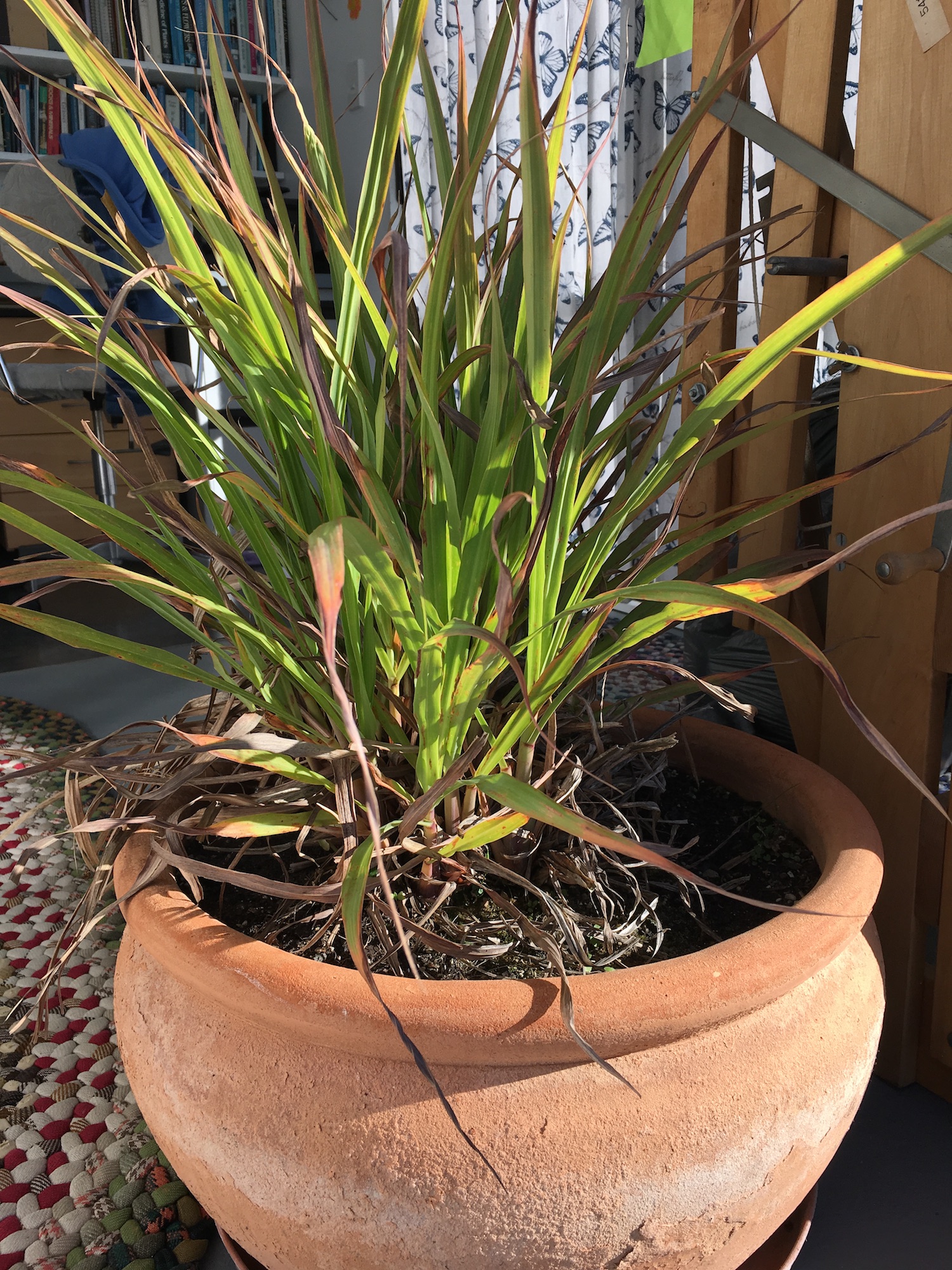
Lemongrass

I brought the lemongrass (Cymbopogon citratus) indoors last weekend. It’s not supposed to be able to handle freezing temperatures. It does, but it doesn’t like them. The one winter I left it outside, it died back to just a few well-protected shoots in the centre of the plant.

Thankfully, it doesn’t need much protection. My office is unheated at night, but it provides enough protection to keep the lemongrass alive.

We don’t use much lemongrass. Though its lemony flavour is nice, it doesn’t have the sourness of real lemon, so I find lemongrass tea too sweet.

However, we do occasionally use it in stir fries, marinades and salad dressings, where it imparts its lemony flavour alongside other, more sour ingredients. We were first introduced to its use in salad dressings by Yotam Ottolenghi’s wonderful cookbook Plenty (which I’ve mentioned before). His sweet winter slaw recipe calls for the following dressing:

100ml lime juice
1 lemongrass stalk, chopped
3 Tbsp maple syrup
2 Tbsp toasted sesame oil
1 tsp soy sauce
1/4 tsp chilli flakes
4 tbsp light olive oil or sunflower oil

Place all ingredients except the oil in a saucepan and boil for 5-10 minutes until thick and syrupy. Allow to cool, then strain. Whisk in the oil and toss with your salad.

It’s an excellent way to use lemongrass, pairing with salty, oily, and sour ingredients that enhance its flavour. It’s worth giving up office space to the plant, just for this dressing.

Uplifted Polenta Lasagne

2017-02-11-18-05-05-smLet me start by saying I had nothing to do with this meal, aside from growing the raw ingredients and making the feta and parmesan cheese. I was off doing other things while my husband cooked this. I didn’t even do the dishes afterwards–the kids washed.

Do I have the best family, or what?

This incredible dish is actually quite simple. My husband started by making firm polenta (flavoured with parmesan cheese, rosemary, salt and pepper) and allowing it to cool in an oiled jelly roll pan. When the polenta was firm, he cut it into squares, and layered the squares at an angle in an oiled lasagne pan with slabs of raw zucchini, slices of tomato, salt and pepper, and a mix of feta and grated edam cheese. He sprinkled fresh basil, chopped garlic, and diced tomato on top, and baked it at 220°C (on fan bake) for about 20 minutes. The result was rich, juicy and flavourful.

My contribution to the dinner was a simple salad of thinly sliced cucumbers tossed with salt, red wine vinegar, olive oil, and chopped fresh fennel leaves–a perfect accompaniment.

Summer cooking just doesn’t get better than this.

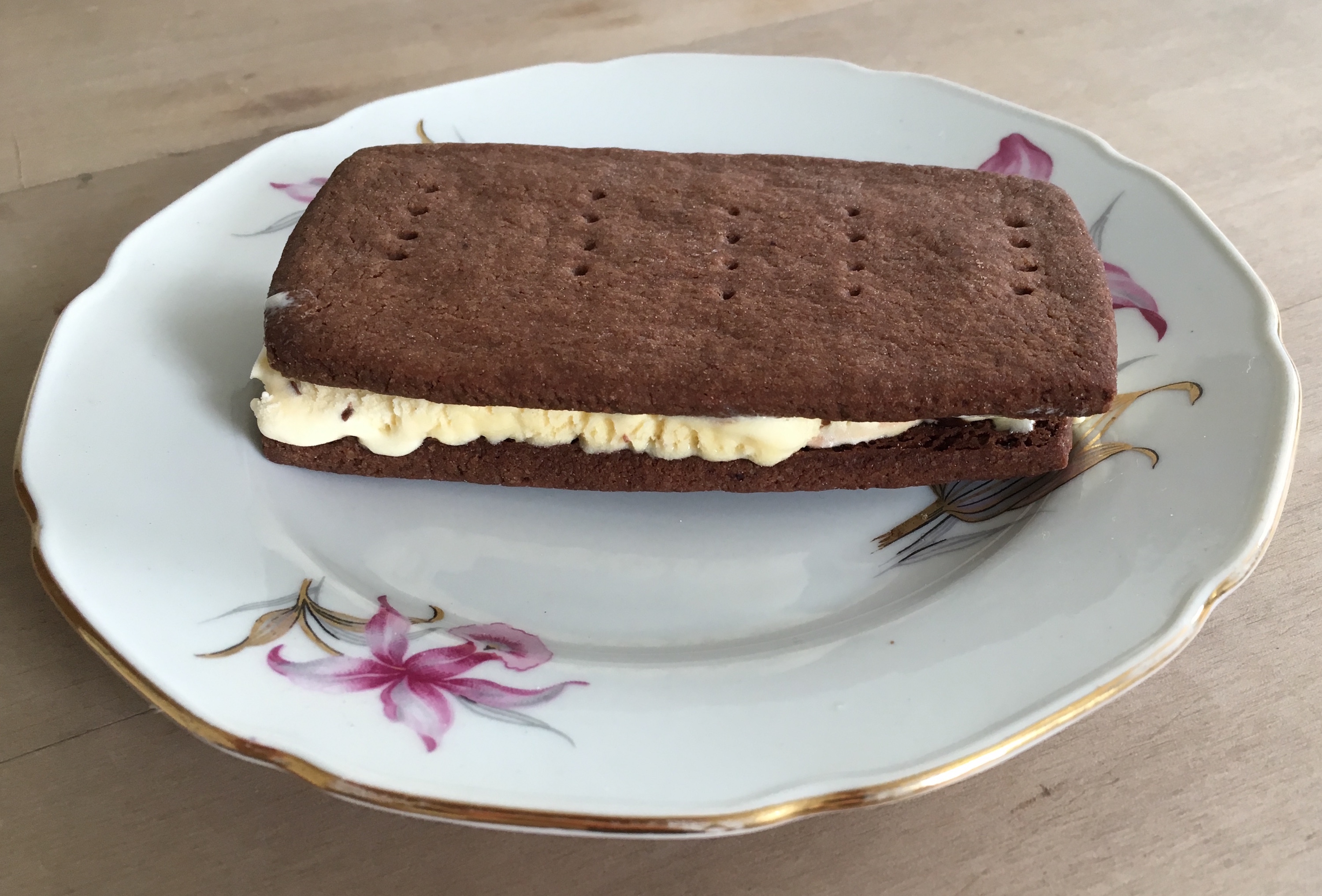
Ice Cream Sandwich Cookies

2016-11-23-18-32-40-smI know that for those of you in the Northern Hemisphere, an ice cream sandwich might not be enticing at this time of year, but you’ll want to save this recipe for later. Better yet, turn up the thermostat and make them now, regardless of the weather.

When I first made speculaas, I thought the texture was perfect for an ice cream sandwich cookie. It’s been quite a while, but I finally got around to modifying the recipe to turn it into the perfect ice cream sandwich cookie.

2 ½ cups flour
½ cup baking cocoa
4 tsp baking powder
½ tsp salt
1 cup butter, softened
1 ½ cups sugar
1 tsp vanilla
3 Tbs milk

Sift together the flour, cocoa, baking powder and salt. In another bowl, cream the butter and sugar until light and fluffy. Mix in the vanilla and milk. Gradually add the flour mixture until it is all incorporated, and the dough comes together.

Turn the dough out onto a well-floured surface and roll to about 3 mm (1/8 inch) thickness. Cut with a knife into ice cream sandwich sized rectangles (about 5 x 12 cm (2 x 5 inches)), and prick with a fork for the classic look. Place on a lightly greased baking sheet. Bake 12-15 minutes at 190°C (375°F).

Allow to cool, then sandwich ice cream between two cookies, wrap in waxed paper, and allow to sit in the freezer for at least an hour. I cut the ice cream into the right size slabs with a butter knife.


Excellent Chocolate Cake Recipe

2016-11-10-21-26-12-smIf you made my pumpkin cupcake recipe last week, you’ll have leftover cream cheese frosting. Here’s another amazing cake to use that leftover icing on. This comes straight from the 1997 edition of Joy of Cooking. It is an odd recipe, and making it takes more bowls than any other cake I’ve ever made. But it’s worth the extra washing up—rich and chocolaty!


In bowl #1, combine:
1 cup sugar
½ cup unsweetened cocoa
½ cup buttermilk or yogurt

In bowl #2, combine:
2 cups flour
1 tsp baking soda
½ tsp salt

In bowl #3, combine:

½ cup buttermilk or yogurt
1 tsp vanilla

In bowl #4 (a large one), cream:
8 Tbsp (125 g) unsalted butter, softened

Gradually add and beat on high speed until light in colour and texture:
1 cup sugar

Beat in 1 at a time:
2 eggs

Beat in the cocoa mixture. Add the flour mixture in 3 parts, alternating with the buttermilk mixture. Spoon into greased and floured pans (makes 2 9×2-in layers), or paper lined muffin tins (makes about 18).

Bake at 180°C (350°F) for 30-25 min for cake, 25 min for cupcakes.

Pumpkin Cupcakes

2016-11-06-13-47-06-smIt’s been a cupcake sort of week here. I would hesitate to post yet another cupcake blog, but these are so seasonal for many of you, that I will anyway.

While you in the Northern Hemisphere are enjoying the autumn pumpkin harvest fresh, I’m trying to clear out the last of the frozen pumpkin puree from the freezer to make way for the peas that will soon be pouring in.

What better way to use pumpkin than in cake?

This recipe is adapted from a pumpkin cake recipe in King Arthur Flour’s Whole Grain Baking.

1 ½ cups whole wheat flour
1 cup barley flour
1 tsp baking powder
1 tsp baking soda
½ tsp salt
1 tsp cinnamon
1 tsp ginger
½ tsp nutmeg
¼ tsp allspice
1 cup brown sugar
½ cup butter, softened
½ cup vegetable oil
4 eggs
2 cups cooked, pureed pumpkin

Mix the flours, baking powder, baking soda, salt, and spices in a medium bowl. In a large bowl, beat the butter, oil, and sugar until it’s the consistency of mayonnaise. Beat in the eggs, one at a time. Stir in the pumpkin, then the dry ingredients.

Spoon into paper-lined cupcake tins. Bake at 180°C (350°F) for 20 minutes.

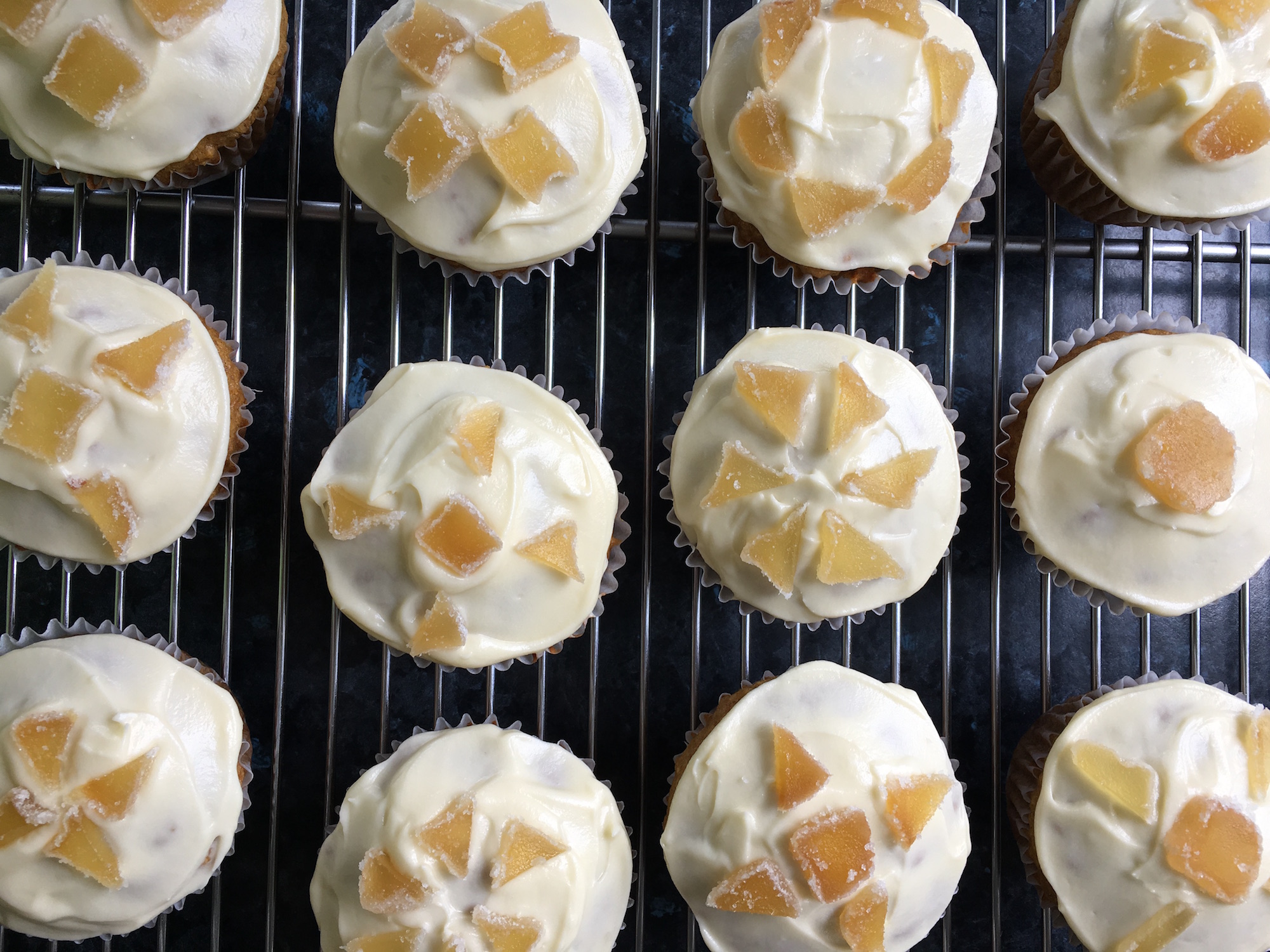
Cool completely, then frost with cream cheese frosting and decorate with crystallised ginger.

If you want to bake this as a cake, be sure to line your pans with parchment—the barley flour makes for a very fragile cake—and bake for 30-35 minutes.

Frosting:

1 package (250g/8 oz) cream cheese, softened
85 g (6 Tbsp, 3 oz) butter, softened
1 tsp vanilla
2 cups icing sugar

Beat the cheese, butter, and vanilla until light and fluffy. Gradually add the sugar. If the icing is too stiff, add milk by the teaspoon until it reaches the right spreading consistency (I generally don’t need to add any milk).


On-the-Fly Spinach Tart

2016-11-04-18-25-58-smMy plan was an easy dinner tonight. I’d been saving a few artichokes—letting them get big, so we could have steamed whole artichokes. I figured I’d make a salad with some leftover cous cous in the fridge, and maybe fry up some tofu crusted with herbs and parmesan cheese. Quick and easy.

Then I went to the garden and saw the spinach. Beautiful, glossy leaves, loving the bit of rain we’ve had recently. There was so much of it, I couldn’t resist.

So instead of a quick, easy meal, I made a spinach tart to go with those artichokes.

Dinner was a little late, but it was well worth it. There wasn’t a crumb left when we were through.

Trying to work quickly, I didn’t bother looking for a recipe. Here’s what I did.

I made a standard pie crust—enough for a single-crust pie. I rolled it out and lined my tart pan, then put it in the fridge to chill while I prepared the filling.

For the filling, I used:

Fresh spinach (maybe 1kg (2 lbs), coarsely chopped)

Fresh chives (a good handful, chopped)

Fresh dill weed (4 Tbsp, chopped)

1 cup grated goat cheddar

4 large eggs

salt and pepper to taste

I cooked the spinach and chives with a few tablespoons of olive oil until the spinach was well cooked, and most of the water had boiled off. I removed it to a bowl to cool. When it was cool enough to handle, I squeezed more water out of the spinach, and drained it off. (You want the spinach pretty dry, to keep the crust from getting soggy.)

I mixed in the dill, cheese, eggs, and salt and pepper, then poured the mix into the prepared crust. I baked it at 190°C (375°F) for about 40 minutes. I let it cool ten minutes before serving.

Umami Stacks

umamestack1My husband came home from work early yesterday, which gave us a rare mid-week chance to cook dinner together.

“What I want,” he said, “is some sort of pastry. Little rounds topped with feta cheese and…I don’t know what. What’s out in the garden?”

“Pak choi, asparagus, artichokes…” I began. “Artichokes would be good.”

“Yeah, but a lot of work.”

“Not if you use last year’s canned ones—there are still some left.”

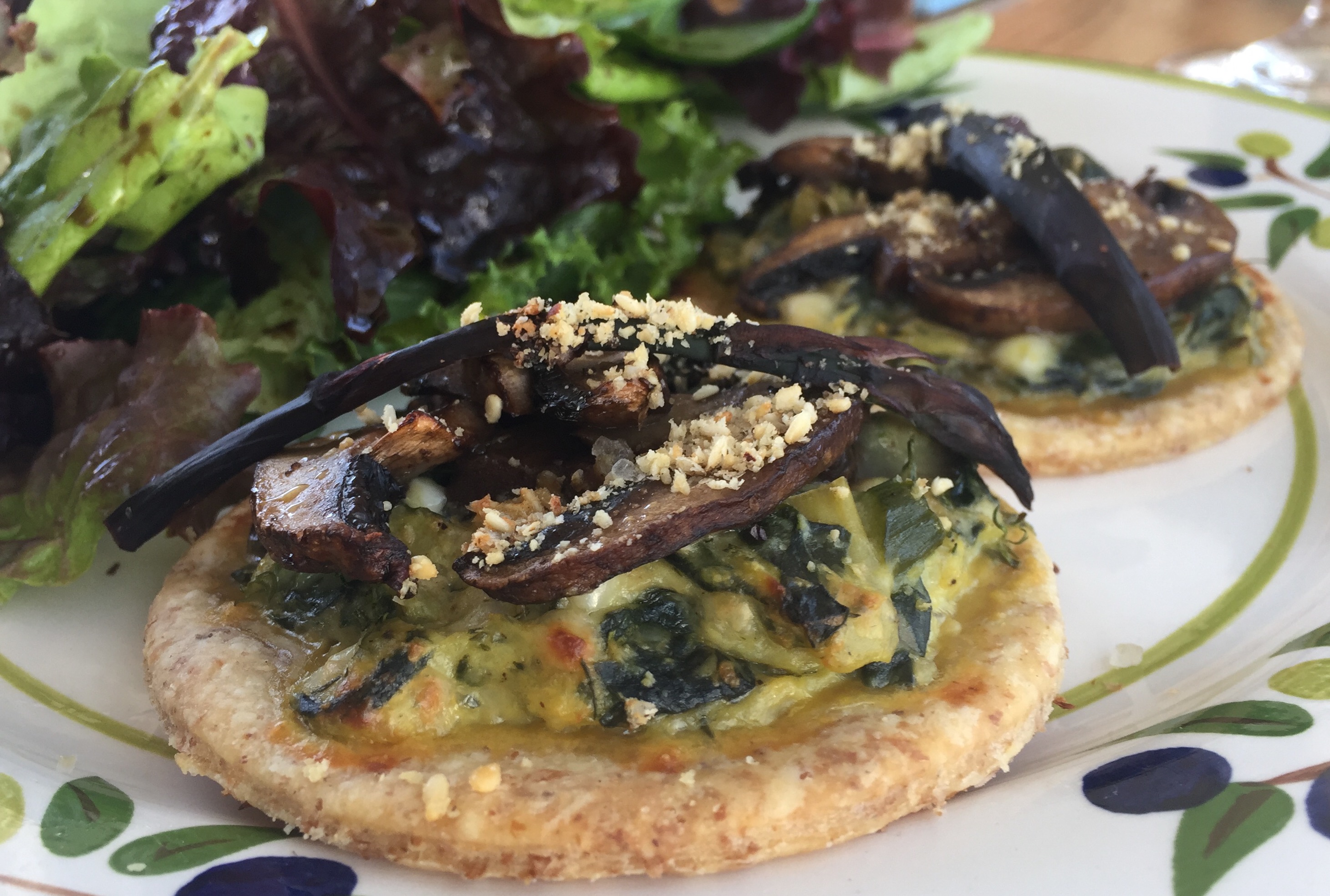
Before we knew it, we had concocted these incredible little pastries. We called them umami stacks for their dose of umami-rich ingredients. They were as beautiful as they were delicious. With mid-week meals like this, it’s no wonder we never bother to go out to eat.

We measured nothing, but here’s an approximation of a recipe…

Make your favourite pie crust—enough for a double-crust pie. Roll thin and cut into 8-10 cm (3-4 inch) rounds. Arrange the rounds on ungreased baking sheets and chill until you’re ready to use (my recipe made 24 rounds).

Toast a few tablespoons of sesame seeds in a dry skillet until browning. Grind them in a mortar and pestle with some coarse salt and black peppercorns. Set aside.

Slice a generous handful of portobello mushrooms, and sauté with a little garlic. Set aside.

Steam 10 asparagus spears. Remove 8-10 cm tips and set aside. Chop the remaining stems.

Mix in a large bowl, mashing slightly:

  • feta cheese (about 125 g)
  • canned artichokes (1 pint jar)
  • spinach (several good handfuls, cooked well)
  • fresh dill weed (a handful, chopped)
  • 1 egg
  • the chopped asparagus

Spread a dollop of the feta mixture on each pastry round. Top with a few slices of mushroom and an asparagus tip. Sprinkle with the sesame seed mixture.

Bake at 190°C (375°F) until the pastry is lightly browned—15-20 minutes.


*We had six pastry rounds left over. I spread them with softened butter, sugar, and cinnamon, rolled them up, and baked them with the umami stacks. Mmmmm!

A Five-Alarm Waffle

2016-05-15 07.33.29We love waffles at our house, but I make them only occasionally. There are two reasons for this—I don’t get to eat breakfast with everyone else when I make waffles, as I’m stuck tending the iron, and waffles have a tendency to set off the smoke alarms.

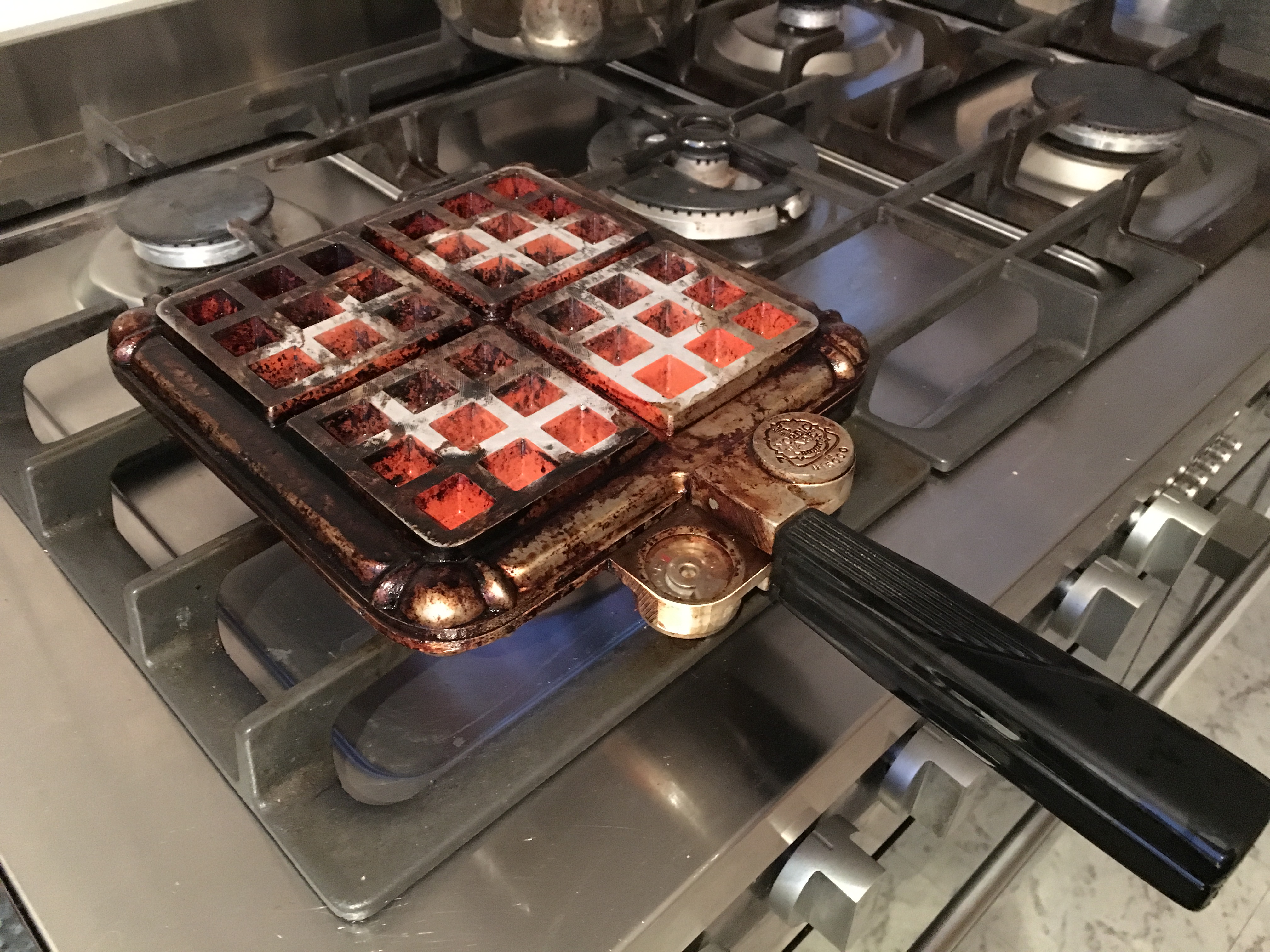
A well-seasoned waffle iron is…frankly, disgusting. It’s covered in a perfect layer of burnt butter. Unfortunately, that butter smokes every time you use the iron.

Even if I turn the extractor fan on, the smoke alarms go off.

So I’ve learned I can only make waffles on days it will be warm enough to open all the windows at 6.30 am. A good breeze blowing through clears the smoke and prevents the alarms from going off.

That usually means waffles only in summer, but since it’s been unusually warm, I decided to make pumpkin spice waffles on Sunday.

The morning was warm, so I opened the windows and turned on the extractor fan.

But the air was so still, the smoke hung indoors.

My son wasn’t yet out of bed when the alarms went off…

Well, no one was late for breakfast, at least.

Here’s a double recipe, so you’ll have waffles left over for breakfasts all week.

2 cups all purpose flour

1 ½ cups whole wheat flour

4 tsp baking powder

1 tsp salt

2 tsp ground ginger

2 tsp ground cinnamon

½ tsp ground nutmeg

¼ tsp ground cloves

2 cups cooked, mashed pumpkin

4 large eggs, separated

1/3 cup packed brown sugar

2 ½ cups milk

200g butter, melted

Combine all the dry ingredients in a large bowl. In a separate bowl, whisk together the pumpkin, egg yolks, and brown sugar. Add the milk and whisk until the sugar dissolves. Gradually whisk in the butter.

Pour the liquid ingredients into the dry and mix just until all the flour is moistened.

In a medium bowl, whisk the egg whites until they hold soft peaks. Fold the egg whites into the batter.

This batter is thick, and you will need to spread it with a spatula to get it evenly spread in the waffle iron.

Try them with warm applesauce!

The Season for Salsa

2016-02-26 16.28.01 smNothing beats a good salsa. And there are limitless variations on the theme—tomato or tomatillo, cooked or raw, spicy or mild, cilantro or none…

If I’m using tomato, I prefer a raw salsa, but if I’m making salsa verde—based on tomatillos—I like it cooked.

I have a love/hate relationship with tomatillos. On the one hand, I quite enjoy them in salsa verde. On the other hand, we don’t tend to like them in any other form, so we’ve never been able to eat all the tomatillos produced by even one plant, and the rotting fruits in the garden are truly disgusting.

But salsa verde is a lovely alternative to ketchup on burgers and fries, is fantastic in burritos, and makes a great chip dip. I’ve seen many variations on salsa verde, but this is what I do.


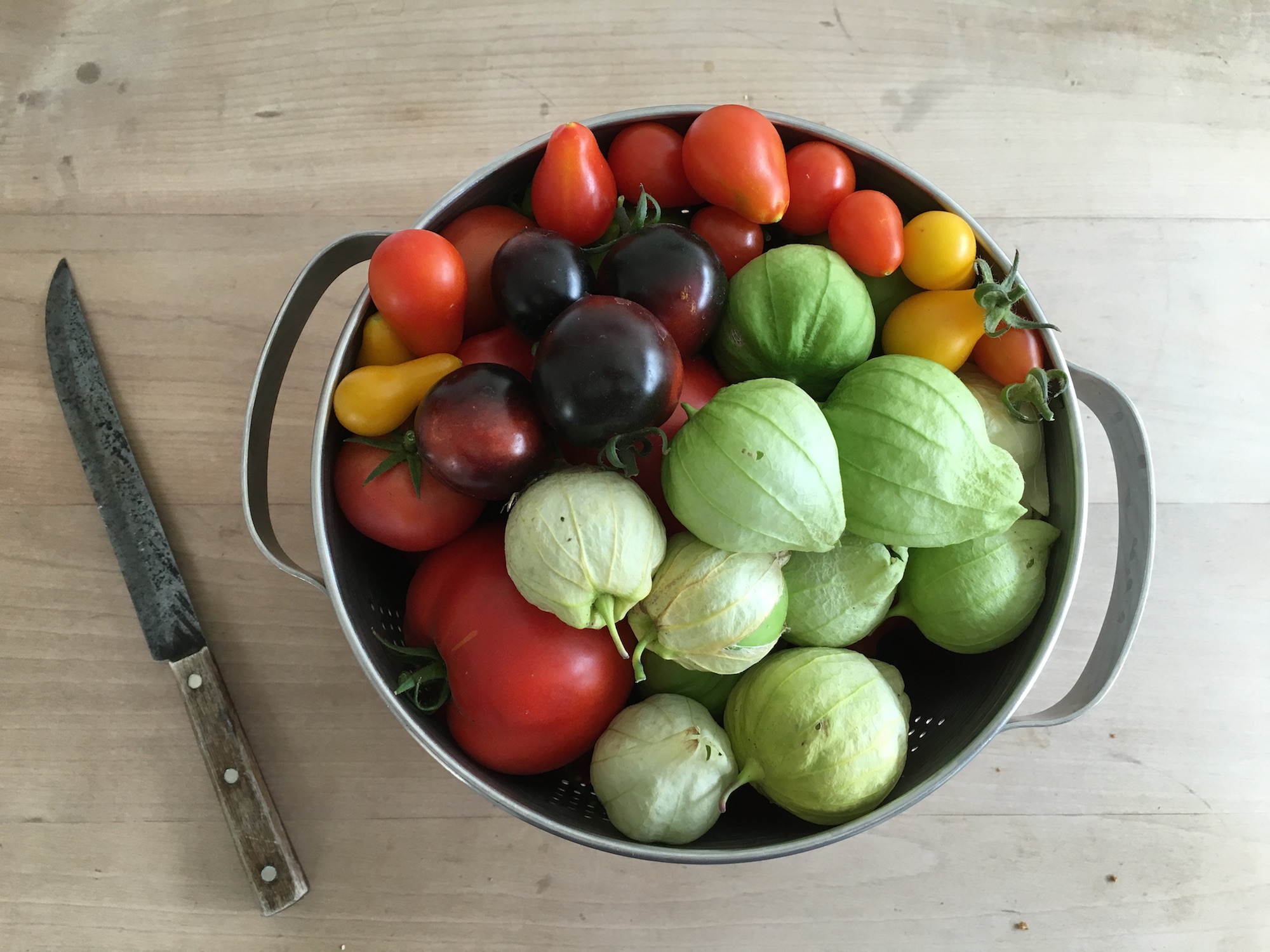
500 g (1 lb) tomatillos, husked and rinsed

½ cup water

1 fresh chilli pepper or a pinch of cayenne

2 red sweet peppers, charred

1 onion

1 clove garlic

½ cup chopped fresh cilantro

2 Tbsp cream or half and half (optional)

salt to taste


To char the sweet peppers, spear a whole pepper on a fork and hold it over the flame of a gas burner, turning regularly, until the skin blackens. Drop the charred pepper into a bowl and cover with a plate for a few minutes to let the skin steam and loosen Peel off the blackened skin before using. Roughly chop tomatillos, chilli, sweet peppers, onion, and garlic. Place all ingredients except the cilantro and cream in a saucepan and cook 15-20 minutes until the vegetables are soft and the liquid is reduced by about a third.

Blend until smooth (I use my immersion blender). Stir in the cilantro and optional cream, and adjust the salt. Serve hot or chilled.

This sauce freezes well—I freeze it in small quantities and pull it out as we want it.