That Gunk on Your Car

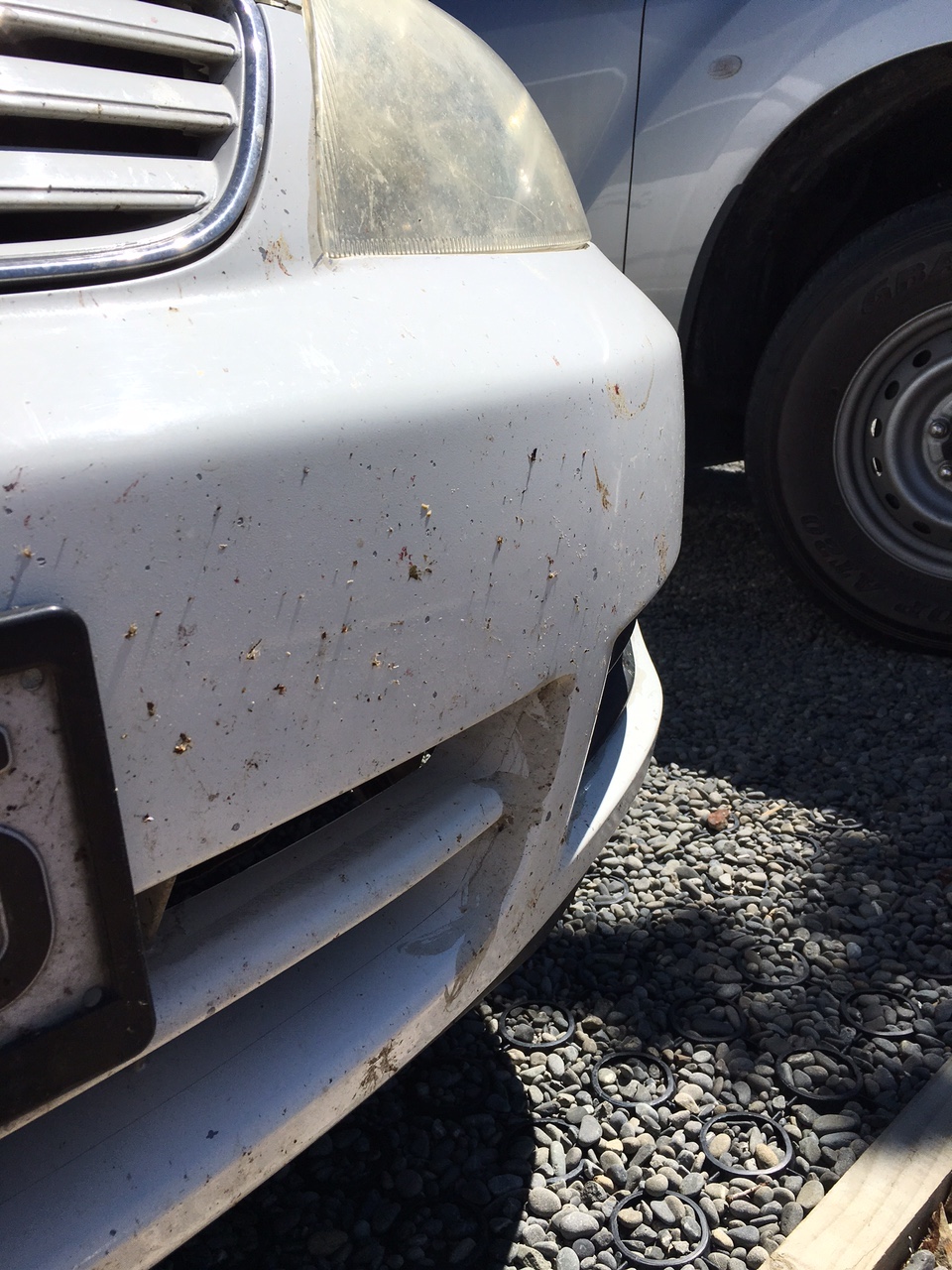
IMG_0514Back in 1997, entomologist Mark Hostetler published the book That Gunk on Your Car, a serious and funny identification guide to the flattened bodies you might find on your front bumper in the southeastern U.S.

I think there needs to be a companion book to Mark’s—The Ecology of That Gunk on Your Car.

Why?

This morning, I sat and watched sparrows descend upon cars in a carpark, picking off splatted insects. How these birds discovered that cars are a great source of protein, I don’t know, but they were certainly enthusiastic. They flitted into crevices to pick out tasty bits—a gooey abdomen here, a crunchy thorax there.

It made me wonder how important car-splat insects were in their diet. Birds inhabiting an urban environment are likely to have difficulty finding insects to eat—the bodies carried in by cars could be incredibly important to them. What other species make use of car-splats? How much nutrient flow is there between rural and urban areas, just on the front ends of cars? Do these nutrients affect the populations of urban pests like sparrows? How does a good mass-transit system affect the flow of nutrients into the urban environment?

So many questions, so few answers! How little we really know about the world around us!
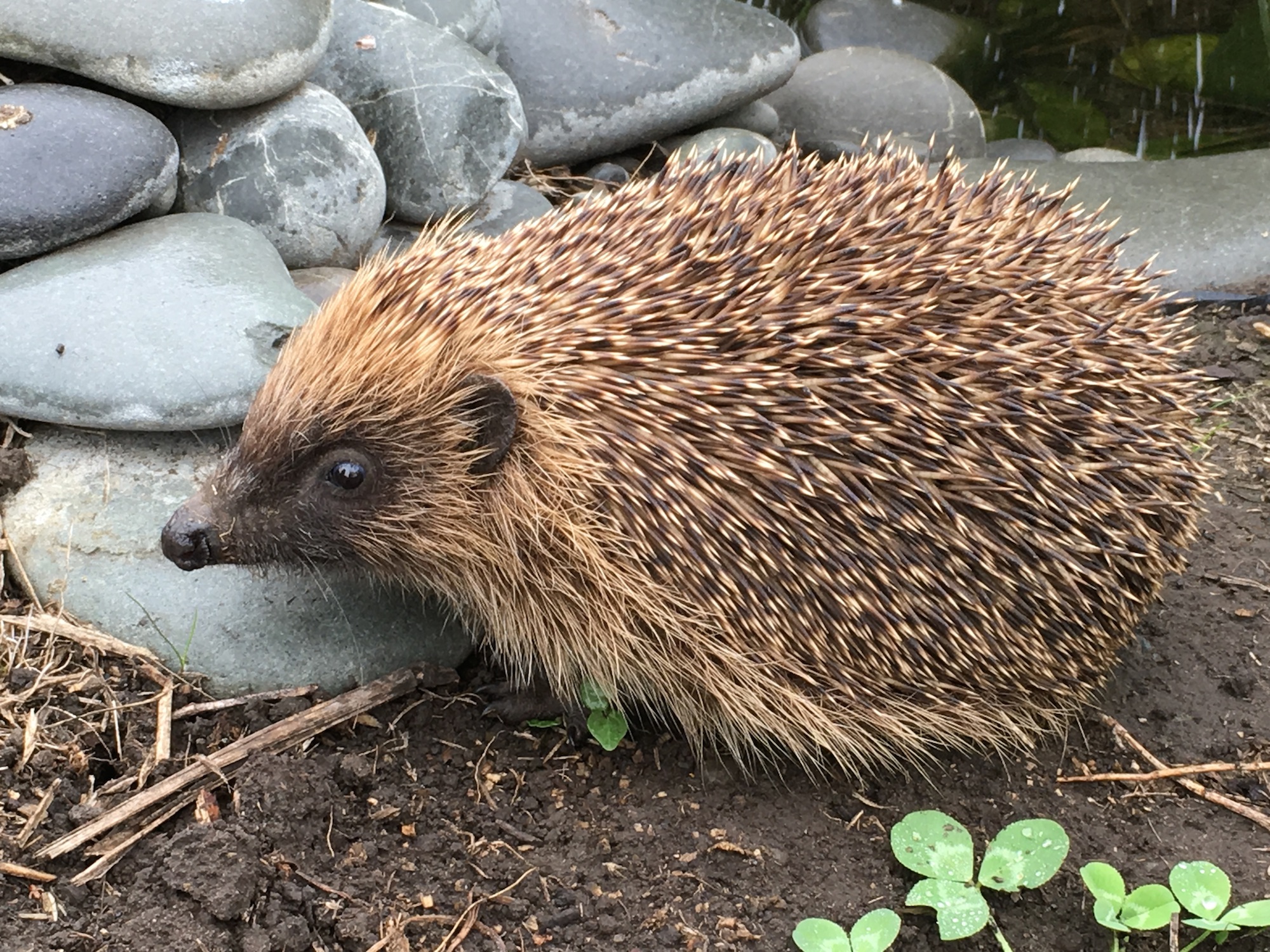
Hedgehogs

2016-01-26 18.07.41 smThey’re adorable and unafraid of humans. They eat snails, slugs and grass grubs. What’s not to like about hedgehogs?

Unfortunately, a fair bit, here in New Zealand. In addition to eating pests, they also feast on ground nesting bird eggs and chicks, skinks, and many native and endangered invertebrates.

And they’re more common in New Zealand than they are anywhere in their native habitat.

And I think they’re more common in our yard than anywhere else in New Zealand.

Now that the days are getting shorter, I regularly step on them in the dark when I’m out milking and feeding the animals. I certainly wouldn’t walk barefoot through the yard at night here.

They snuffle around the flower beds, snorting and grunting, oblivious to anything non-edible. They spread compost all over the yard.

They also apparently love cucumbers—last year I had to trap one out of the garden after it managed to squeeze in through a hole in the rabbit fencing. It took a bite out of each cucumber—obviously trying to find the perfect one.

They like the apples and peanut butter I bait the possum traps with, and though I don’t aim to kill them, I will admit that I’m not upset when I catch a hedgehog instead of a possum (my trapping seems to have no effect whatsoever on the population of either pest, anyway…). They snatch the eggs of the spur-winged plovers that nest unsuccessfully every year in our paddock, and I’d much prefer plover chicks to hedgehogs in the yard.

It still doesn’t stop me from smiling when I see one trundling along through the grass.

They are adorable after all…

Aphids

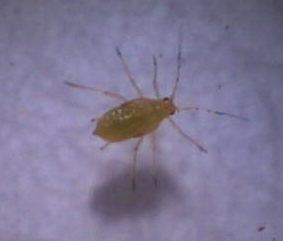
20151127_125023710It’s aphid season here. Lettuce, strawberries, dill, parsley, and roses are covered in the little green girls.

I used to fret about aphids—they can certainly cause a great deal of damage, particularly to young plants. But I’ve learned to live with them. Here are a few of my aphid strategies:

  1. When I plant out, I check every plant carefully, and squish any aphids—knocking back these early individuals goes a long way to limiting damage.
  2. If a plant is heavily infested, I turn my hose on jet and blast the aphids off. This technique doesn’t get them all, but it does knock the population back to manageable levels.
  3. I allow some plants to get covered. In my garden, my early dill always gets nailed by aphids. I accept this. I don’t kill the aphids, either. The aphids on the dill attract ladybugs, lacewings, and parasitic wasps that eat aphids. Lots of aphids on the dill means lots of predators later in the season.
  4. I plant purple varieties of crops, which are usually less attractive to aphids.
  5. I accept aphids as a source of extra protein and vitamin B in our diets. We eat aphids. They’re good for us.
  6. I have patience. By midsummer, the aphids have all but vanished, decimated by the predators I cultivated in springtime.
  7. I admire aphids’ abilities and beauty—parthenogenic reproduction (that is, the females clone themselves—no need for males), dainty legs and antennae, and a remarkable ability to survive.

Dreaming Big

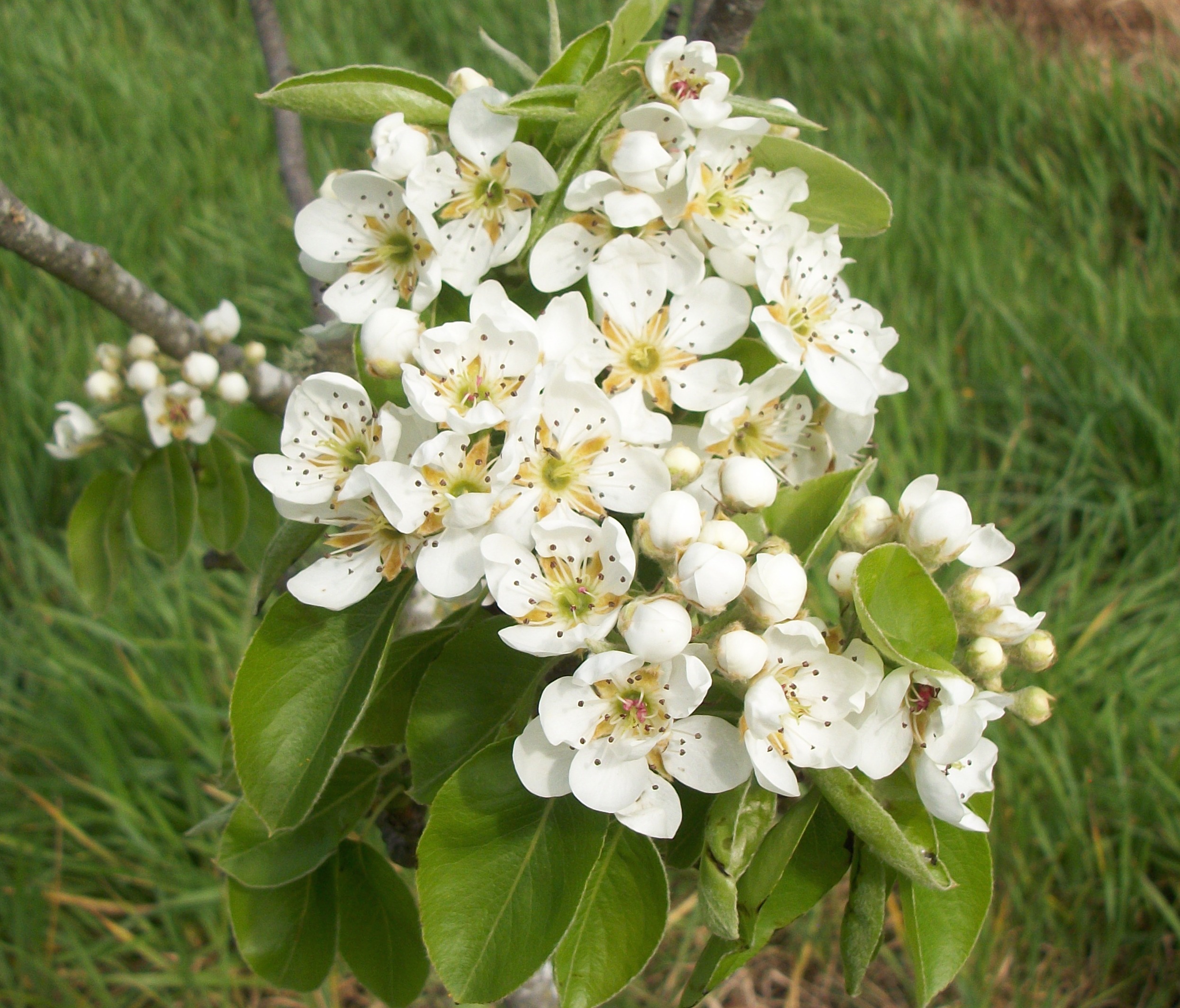
100_3861 cropDon’t count your chickens before they’re hatched.

And don’t count your apples before they’re in the basket.

But it’s lovely this time of year to think what you’re going to do with that fruit if ALL the flowers end up producing a fruit. All the fruit trees were flush with flowers this spring—apples, pears, peaches, cherries…

But it’s a long time between October and April. Anything could happen, and it usually does.

Some of those flowers won’t get pollinated and will drop from the tree once they’re done blooming.

A storm will blow some of the pollinated flowers off the tree.

The tree will naturally prune some of its own fruit, because it simply cannot support so many.

Birds will snatch the small fruits as they ripen, and possums will eat the larger fruits.

A hail storm will damage or destroy more fruit.

Before you know it, there will be, not bushels of apples, but maybe a few. Enough for a couple of pies, some apple crisp. Not the larder-filling bounty that spring promised.

That’s okay. I’ll still count my apples by the flowers each spring. I’ll imagine the applesauce and the pies, the crisp bites of tart flesh, and it will be just as if they were actually here.

Springtime pests

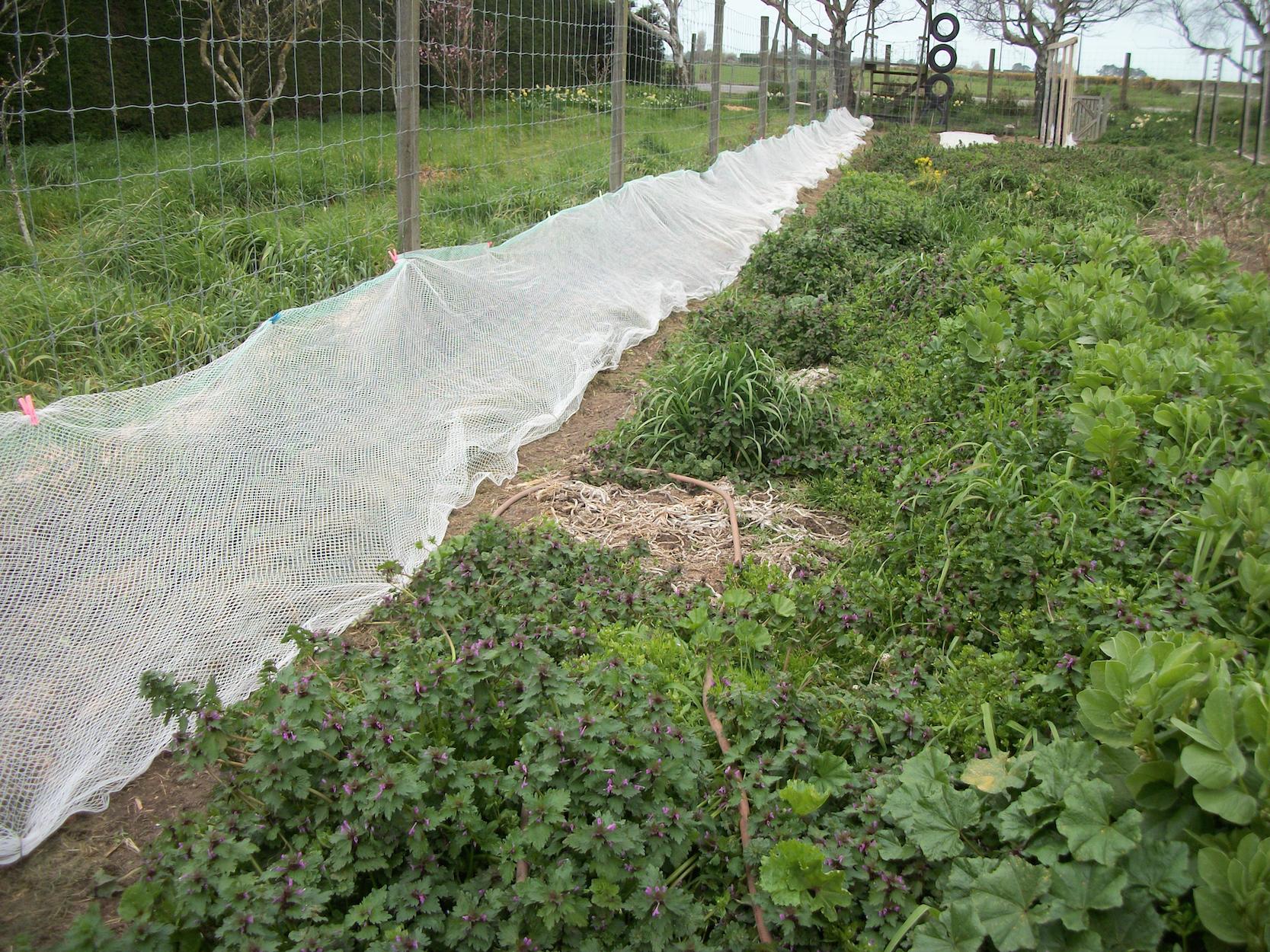
Netting covering newly-planted pea seedlings

Netting covering newly-planted pea seedlings

Pests are always a concern for me—rats and mice get into my animal feed, hedgehogs eat my cucumbers, brush-tailed possums strip the bark off trees, slugs devour the strawberries, aphids infest the lettuce—but springtime is the worst season for pests.

And English sparrows are perhaps the worst pest I deal with.

Sparrows are a problem year round. In autumn and winter, they roost in the sheds, covering everything with their droppings. They rummage through the compost pile, spreading kitchen scraps everywhere. In spring and summer, they nest in the gutters, causing rainwater to back up into the house instead of going down the drains. Or they nest the sheds, where they make an even bigger mess than they did roosting there all winter.

But the most annoying thing the sparrows do is eat seedlings. They sit in the trees and watch as I plant out my peas and lettuces, then descend upon the garden and gobble them up as soon as my back is turned. Nothing is safe from them until it is at least 30 cm tall.

Until a few years ago, the damage was minimal. The neighbour used to poison the sparrows, and their population was relatively small. Since he retired and sold his farm, however, the sparrow population has increased dramatically. The new owner doesn’t poison the birds…which I’m happy about on one hand, because it is not a humane death (I hated finding dying birds on the property–horrible to watch). On the other hand, the sparrow population has reached plague proportions.

Which means spring planting is an exercise in pest control.

Everything I plant has to be covered with bird netting for a few weeks or it is eaten to the ground. And once I remove the netting, I’m sure to lose some plants as the birds strip half the leaves within a day of the covers coming off.

I suppose I should take the Panamanian approach to planting—three seeds in each hole—one for me, one for God, and one for the pests.