An Unusual Moth

2016-04-22 15.36.36One day last week I was folding the laundry, which had been hanging out on the line all day. As I shook a t-shirt to fold it, up flew a tiny moth. When it landed again, I noticed that it looked odd. It sat with wings wrapped around it, a bit like a grass moth. But it held its spiky back legs high in the air, unlike any moth I’d seen. I took a couple of photos, none of which came out great—the iPhone just wasn’t made for macrophotography.

Still, even with a grainy photo, I was able to identify the moth to the genus Stathmopoda.

That’s where it started to get weird.

Everyone knows that butterflies and moths start off their lives as caterpillars, and that caterpillars eat plants, right?

Not so, in the genus Stathmopoda. Instead of munching leaves, the caterpillars of Stathmopoda eat other insects.

Yes, they’re carnivorous caterpillars.

They prey primarily on scale insects, so some species are actually used as biological control agents to help control these pests.

They are not the only carnivorous caterpillars. Though carnivory is rare among butterflies and moths, it has evolved separately several times in at least eight different lineages. Most carnivorous caterpillars eat small, slow-moving or sedentary insects, as you might expect from an animal that is neither speedy nor particularly formidable itself. As far as we know, there is only one moth that is carnivorous as an adult—the ‘vampire moth,’ Calyptra eustrigata, which feeds on the blood of ungulates.

I’m quite happy that this little Stathmopoda is carnivorous. Our currants suffered a bad case of scale insects this summer, so I hope there are lots more Stathmopoda out there. Here’s wishing it great reproductive success in the garden!
The Aphipocalypse

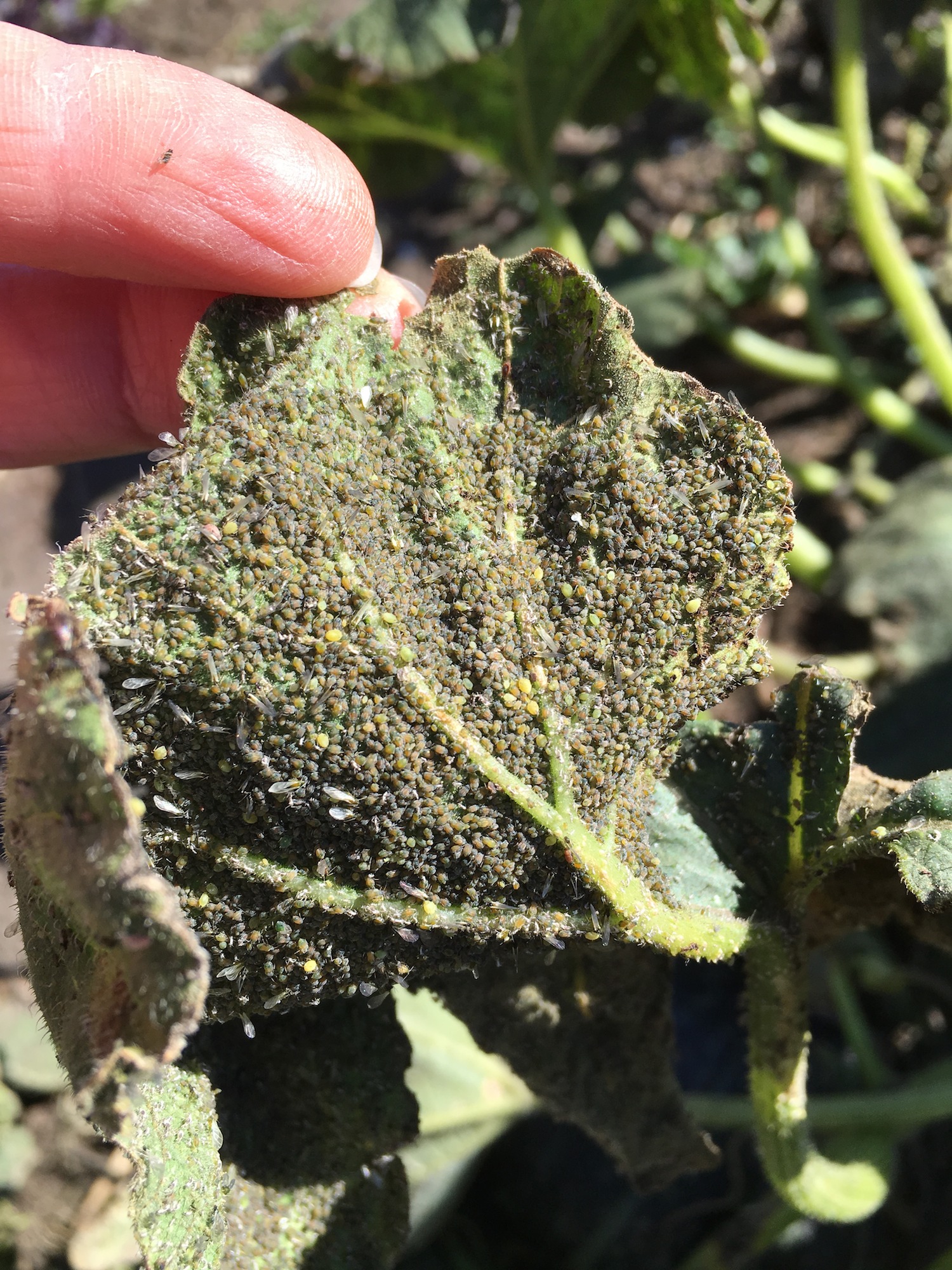
2016-04-09 11.19.43 smIt has been years since I’ve seen an aphid infestation quite this bad, and rarely at this time of year.

As I’ve mentioned before on this blog, I usually have aphids in early spring, and then the predators and parasitoids knock them back to almost nothing through the summer.

But somehow, the predators and I all missed the aphids on the pumpkins. I expect the warm dry summer was perfect for their growth. I rarely take note of the pumpkins from December to April—they need little weeding, and are generally pest free.

So when I went to harvest, it was a bit of a surprise to find millions of aphids on the underside of nearly every leaf in a back corner of the pumpkin patch.

All summer, the aphids have been cloning themselves, producing dozens of replicas every week—an army of little green girls. Only girls. It wouldn’t have taken them long to build up the population level out there right now. Some of the generations of aphids had wings (you can see some on the left side of the leaf in the photo), and dispersed to other plants, but most stayed put, slowly spreading across one leaf after another.

But, as big as the population is today, they will all die over winter. About this time of year, the females will start producing a few males—also genetically identical to themselves, with the exception of a missing sex chromosome. Only in the fall will females mate and produce eggs. The eggs will overwinter, hatching out in spring (all female) to start the cycle over again.

I think I won’t wait for these girls to lay eggs. I’m afraid that, now that the pumpkins are gone, the infested vines will be dunked in a bucket of soapy water and buried deep in the compost pile. No sense in letting them get a head start on next spring!


Diptera—the Flies

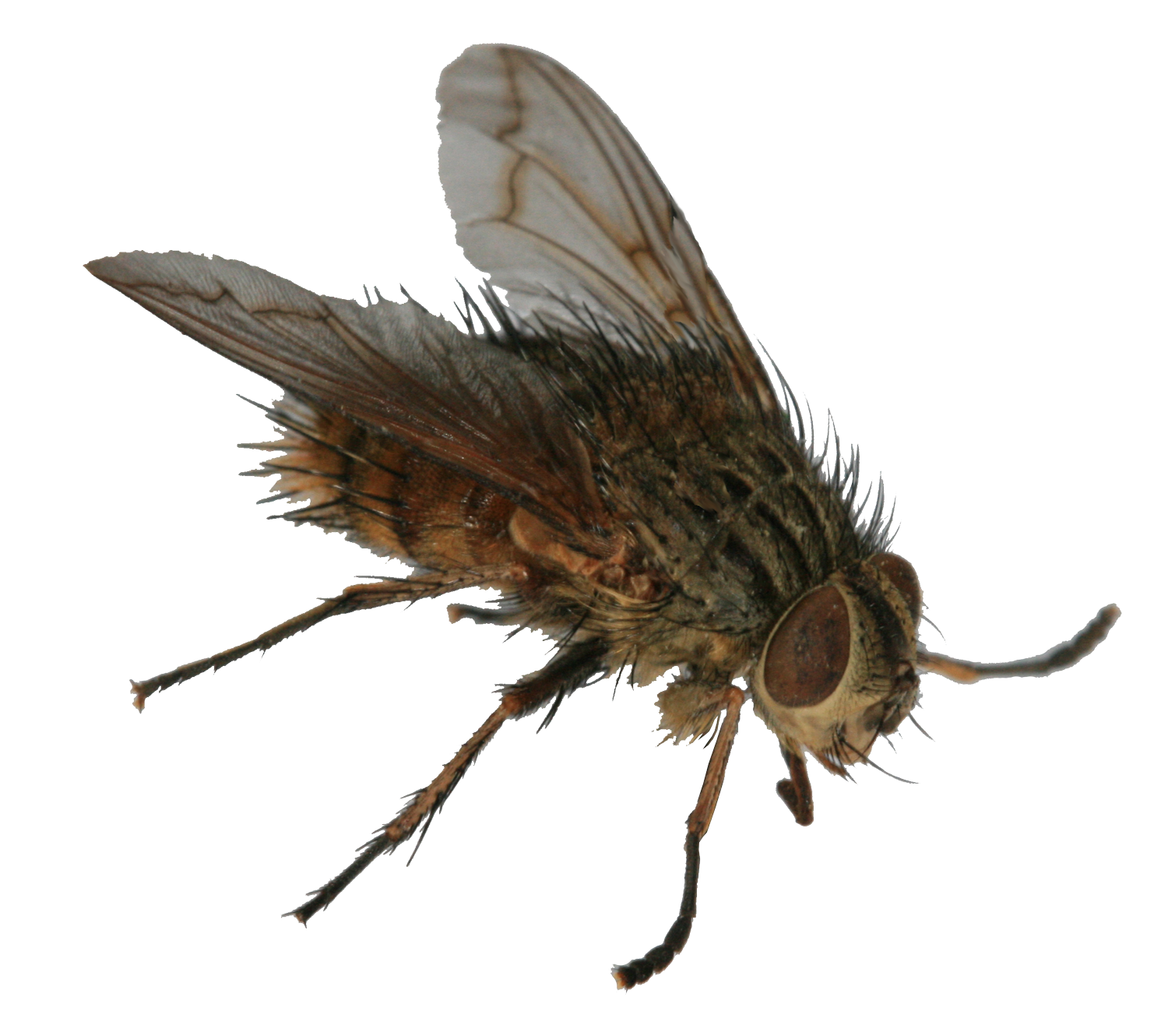
tachinid2With several thousand sheep as neighbours, it’s no surprise the house is full of flies all summer.

There are, of course, house flies, but the Dipterans don’t stop there, and not all of them are around for the sheep poo. We also have lesser house flies, crane flies, fungus gnats, midges (which I’ve mentioned before), several species of blowfly, drone flies, striped dung flies, ginger bristle flies, two species of soldier fly, robber flies, longlegged flies…and those are just some of the flies that find their way into the house.

Not all of the flies are pests, though none really belong in the house. Some are important pollinators, many are decomposers breaking down plant and animal material, some prey on pest flies, and all are food for other animals.

And, like all insects, they are inspiration for doggerel…

The order Diptera
Known as the flies
Have one pair of wings
(I tell you no lies)

They’re often seen flying
‘Round garbage and such
And generally people
Don’t like them too much.

Psocopterans

I dedicated my book, A Glint of Exoskeleton to the Psocopteransthe booklice. Cute little creatures. They like books–they eat the moulds that grow on them–but they’re not luddites; there’s a whole crew of them that lives in my keyboard. Here is a silly little verse about them.

Psocoptera

Psocopterans are

Great readers of sorts

But don’t enjoy reading

Physics or sports.

They much prefer Hemmingway,

Tolstoy or Shakespeare.

“The classics,” they say,

“Are just so much tastier!”

German Wasps

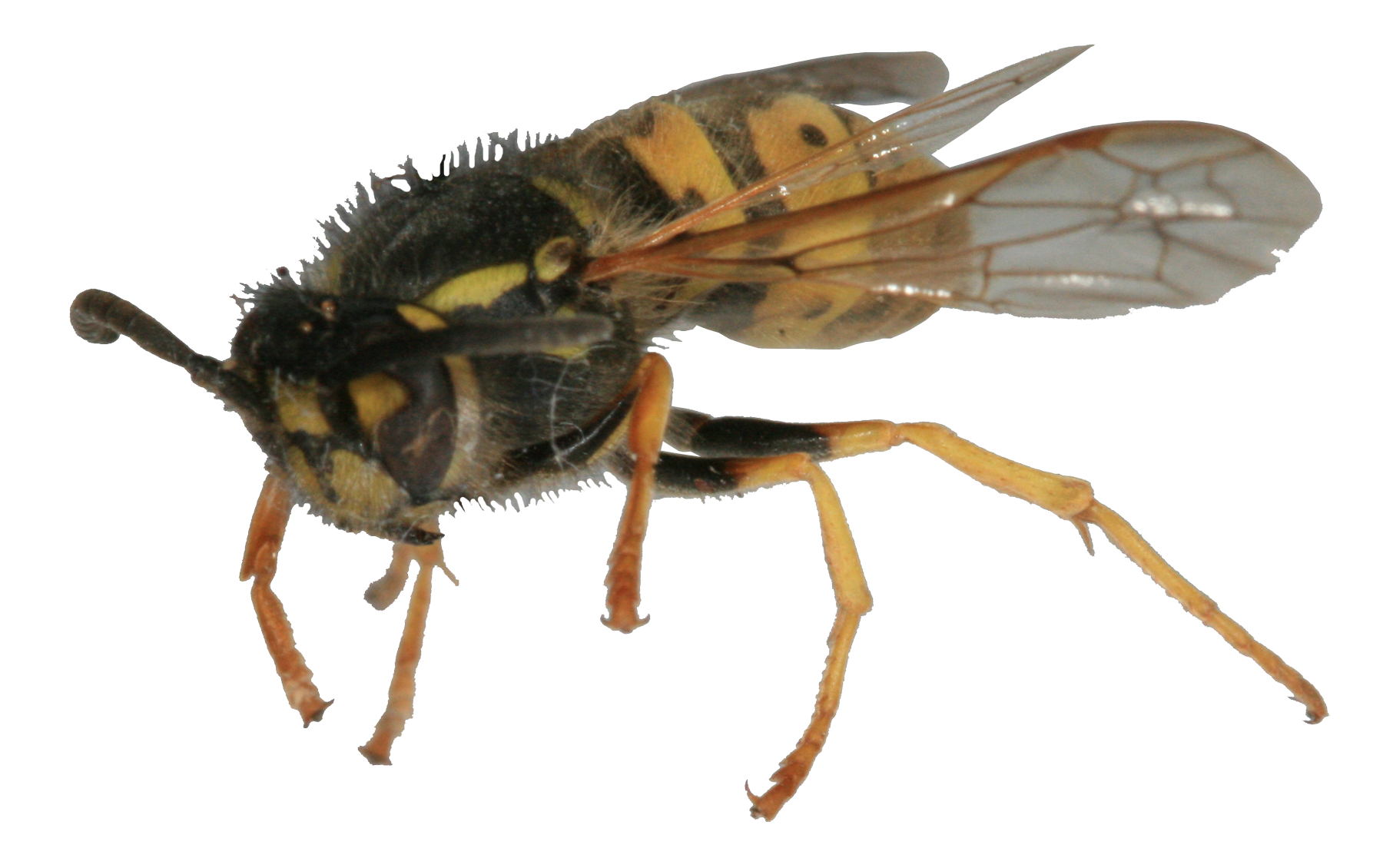
GermanWaspCanning fruit or tomatoes always brings them around—the German wasps can’t resist the sweet/tart smell of chutney, tomato sauce, or apples. And of course, their numbers are highest in late summer/early autumn when we’re doing lots of canning.

Today, they flitted around the kitchen most of the afternoon, licking up applesauce from the benchtops, and generally being a nuisance.

German wasps are opportunistic feeders—they’ll eat most anything, from fruit, to dead animals, to live insects. In the house, they not only go for whatever’s cooking on the stove, but they catch houseflies in mid-air, chomping them messily on the windowsills and leaving cast off fly legs and wings all over the place.

Though they are a nuisance indoors, and can prove deadly to people like me, with allergies to their stings, they do their worst damage in our native forests where they rampage like a pack of hungry teenage boys.

As flexible scavengers whose numbers can grow to an estimated 10,000 wasps per hectare in beech forest, their impact can be devastating. They compete for food with native birds, lizards, and bats. They also eat native insects and even baby birds.

Almost every year, we have a wasp nest somewhere on the property. I haven’t found this year’s yet, though by the number of wasps enjoying my applesauce today, I know there’s a nest somewhere nearby. When I find it, I’ll destroy it—from an environmental perspective, and from a personal safety perspective it needs to be done.

But I admit I will do so with a twinge of guilt. Troublesome as they are, I have great respect for wasps. These beautiful animals are the ultimate efficient eating machine. They are no-nonsense foragers who go out and get the job done so well that they’ve been able to invade diverse habitats throughout the world. I may not like the consequences of that, but I can admire an animal flexible enough to thrive almost anywhere.

The Midges!

A male midge, with feathery antennae.

A male midge, with feathery antennae.

It was like a scene from an Alfred Hitchcock film. The sliding glass doors of my office were swarming with midges, commonly called lakeflies here (because they lay their eggs in nearby Te Waihora/Lake Ellesmere, and rise off the lake in huge swarms in summer). By their density (at least 1 per square centimetre), and the size of the doors, I estimated that there were at least 90,000 on the doors alone, not counting the ones swarming around looking for landing space.

I had been working late in the office, with the lights on, and they were attracted to the light. I turned off the light, took a deep breath (breathing in midges is horrible), and bolted out the door, slamming it closed behind me.

A female midge, with thread-like antennae.

A female midge, with thread-like antennae.

There were about a hundred on my ceiling in the morning. I reckon that was pretty good, given how many were knocking on the door.

I actually don’t mind the midges much. They don’t bite, and their appearances are brief, if dramatic.

But the question is, what are they all doing in those great big swarms? Well, the swarms are great big mating displays called leks. Male midges (they are the ones with feathery antennae), fly around in large swarms trying to attract the eye of a female. The females drop by the lek, pick out their favourite male, and mate with him. The resulting eggs are laid in slow-moving bodies of water (or sometimes on wet car parks, where I imagine they don’t live long).

The larvae of our particular midges are called bloodworms. They are one of the few insects that have haemoglobin in their blood. That’s what gives our blood its red colour, and it does the same to the midge larvae. The haemoglobin allows the midge larvae to live in low-oxygen, stagnant water, because it can capture and store oxygen, just as it does in our blood.

Midge larvae are a critical part of the food chain in many terrestrial aquatic ecosystems, feeding fish and other insects. They also must be important food on land, too. The spiders and songbirds certainly enjoy them when they swarm.

Still, in spite of their harmlessness and their ecological importance, I think Hitchcock could have had made a great movie of them.

Invasion of the Cabbage Whites

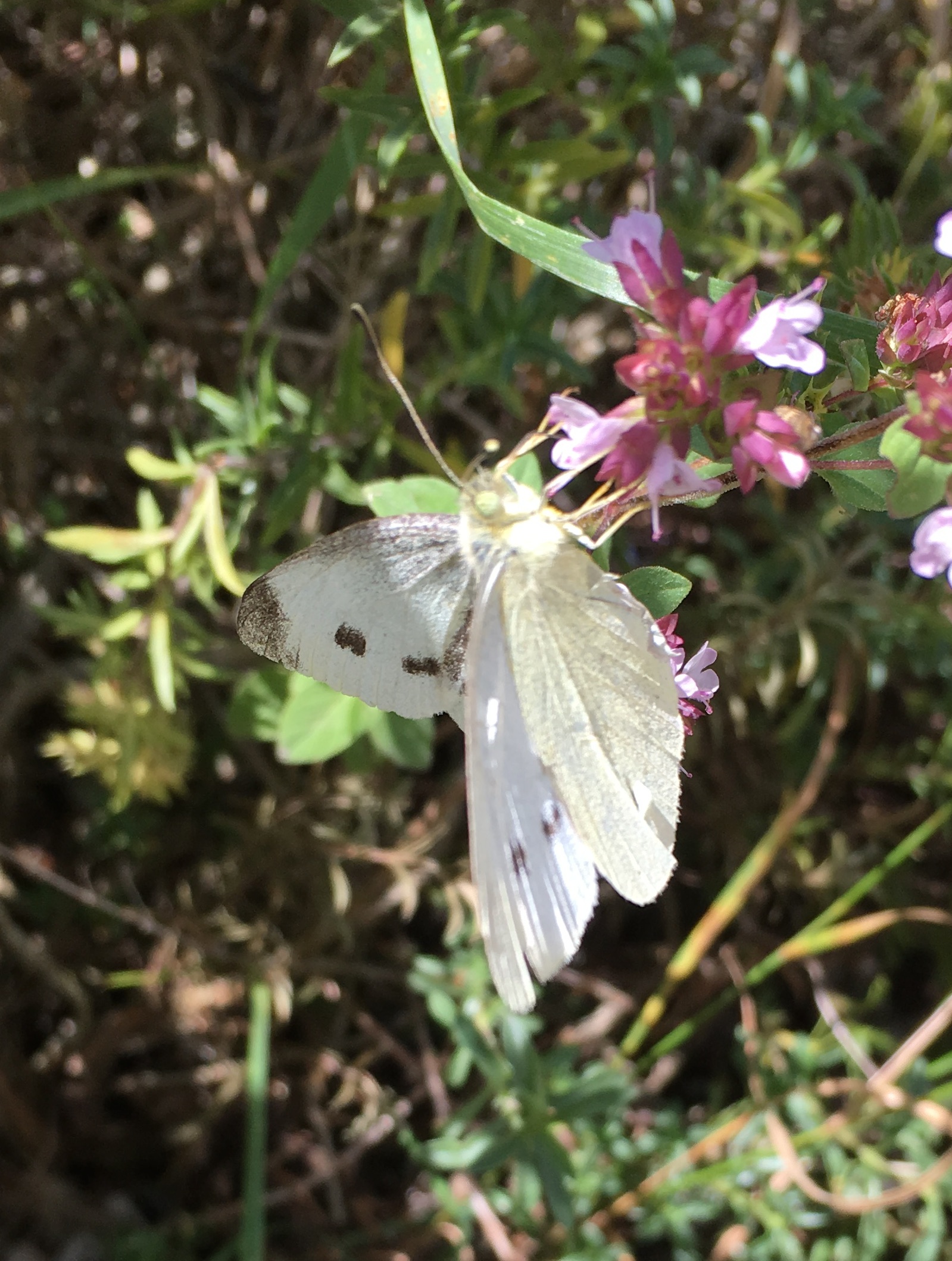
2016-03-02 14.24.23The small cabbage white butterfly (Pieris rapae) is the bane of gardeners’ existence all over the world. Native to Europe, Asia and North Africa, the butterfly is now found throughout most of North America, Hawaii, Australia and New Zealand.

In my little corner of New Zealand, the butterfly is especially common, presumably because of the huge numbers of commercial brassica crops grown here. In late summer, the roadsides shimmer with the butterflies, and their tattered wings flutter like flags in my car’s grille.

These butterflies are the reason broccoli is a seasonal crop for us. Broccoli can be grown year-round here, but mid- to late-summer broccoli becomes infested with caterpillars. For a few years, I dutifully treated my broccoli with Bt (an organic bacterial toxin that selectively kills caterpillars), but I eventually stopped bothering.

By mid-summer, there is so much other food coming out of the garden that, truth is, we don’t need the broccoli. And having a broccoli-free part of the year helps bring variety to our diets, and makes broccoli more special when it is available in winter and spring.

Sour grapes? Not at all! Just learning to work with the local wildlife instead of against it. Makes life easier for everyone!

Jewels in the Garden

groundbeetlesmDigging potatoes for dinner yesterday, I came across one of my favourite New Zealand insects—the metallic green ground beetle.

When I teach about this insect, I always tell the kids it’s magical because at first glance it appears to be just a large black beetle. A closer look, however, reveals shimmering green around the edges.

Some individuals are more spectacularly green than others, and the one I found yesterday was one of the most vibrant I’ve seen.

Metallic green ground beetles are welcome in the garden. As larvae and as adults they eat slugs, grass grubs, and caterpillars—some of my worst pests.

But I think that what makes metallic green ground beetles most special is that they are endemic, not just to New Zealand, but to the Canterbury region. That means they are found nowhere else on Earth but in this little region of New Zealand.

They aren’t rare or endangered—they thrive in nearly every environment. They have close relatives nearby. But I appreciate the fact they are our own unique jewels.

Outside In

2016-01-01 16.46.05Window screens are uncommon in New Zealand.

It’s not that there is no need for them. This time of year I struggle to keep the outside out of the house.

Flies, bees, wasps, mosquitoes, and moths all find their way in, to buzz, bite, and generally be a nuisance. Leaves and seeds blow in on the ever-present wind. And the occasional escaped chicken or feral cat wanders in, too.

So why no screens?

It makes sense if we look at why window screens are found elsewhere in the world.

In the United States, window screens were uncommon until the early 1900s, when they were suddenly mandated by local governments all over the country. An important advance of science was the reason for the new laws.

Today, with think of malaria, yellow fever, dengue, and a host of mosquito-borne diseases as tropical. But these “tropical” diseases, especially malaria, used to range all through Europe and North America. The ancient Romans invading Scotland, lost half their soldiers to Scotland’s local strain of malaria. Yellow fever and malaria were common in Boston and London. Philadelphia was decimated in 1793 by a yellow fever epidemic.

The connection between mosquitoes and malaria was discovered by entomologist Ronald Ross in 1897, and by 1900, mosquito control efforts were underway all over the world. Within a few years, window screens were being mandated by law in disease-hit areas. Most of those laws are still in place, as there is nothing preventing those mosquito-borne diseases from returning.

Here in New Zealand, we are remarkably free of mosquito borne diseases. Malaria, and yellow fever have never gained a foothold, though they almost certainly have shown up now and again in the form of sick travellers.

With no mosquito borne disease, the biters that slip in through my windows every night are just a nuisance, so screens haven’t been written into the building code.

But they would be nice to have…

Thrips

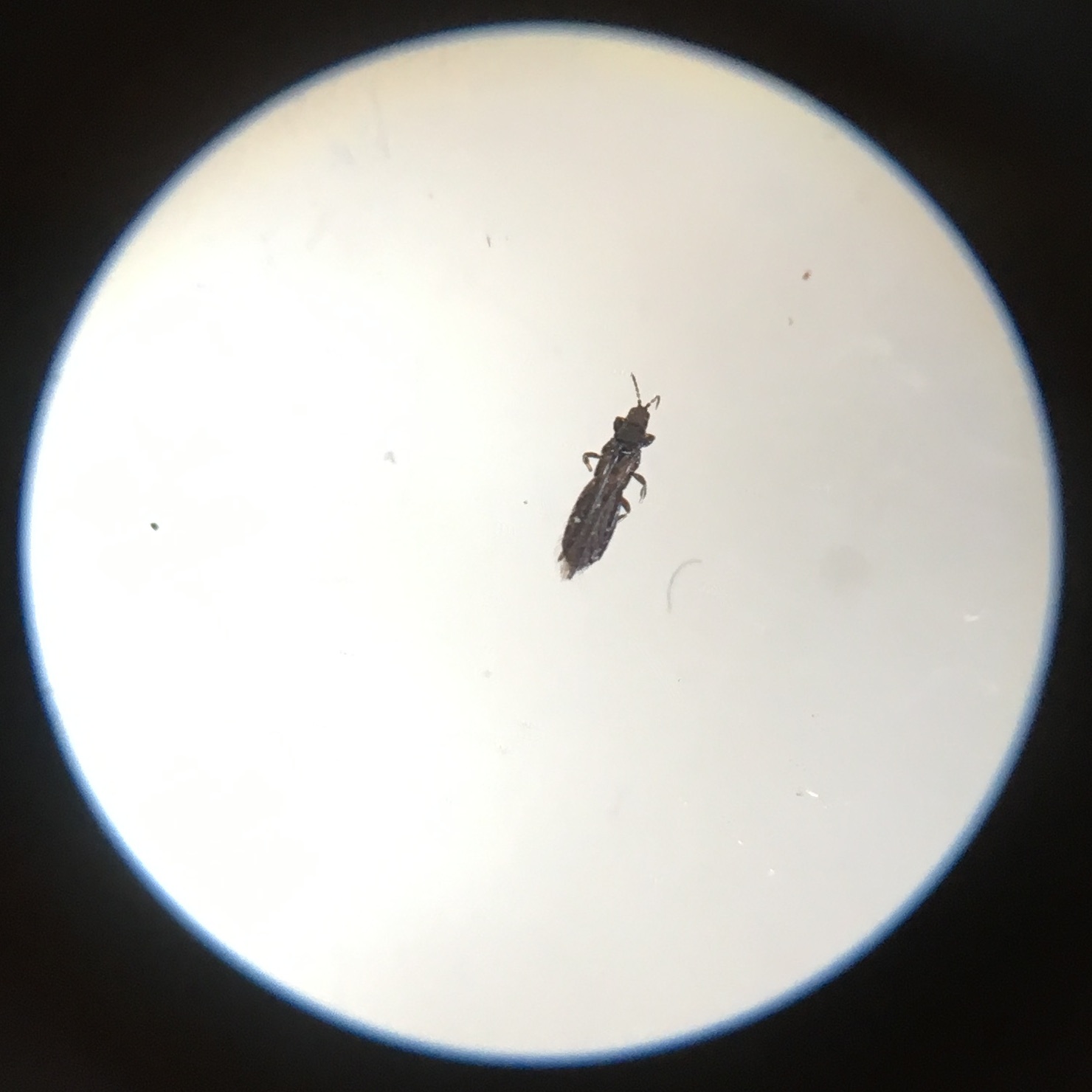
2016-02-12 10.51.28I can’t help but think about thrips at this time of year. They seem to love my office. They crawl everywhere. I’m constantly swiping them off my face and arms, and they end up in drifts on my desk when they die.

Thrips are tiny cigar-shaped insects with hairy wings (the order name, Thysanoptera, means fringe-winged). Most suck plant juices, and they leave characteristic little puncture wounds in leaves. Some transmit plant diseases.

Thrips are fascinating insects for a number of reasons.

Their development from egg to adult is not quite incomplete metamorphosis (in which the young look like the adults, but lack wings), and is not quite complete metamorphosis (in which the young look very different, and go through a pupal stage before adulthood). It’s a mix of both, and differs among species within the order.

Thrips are also left handed. As a south paw myself, I appreciate this. Instead of having a symmetrical mouth, like most other insects, with mandibles on both sides, thrips only have a left mandible. No one knows why this is the case. I like to think it’s because left handedness is just better.

Another thing I find intriguing about thrips is that some species will bite people, though they feed on plant juices. Our thrips, which I believe are Limothrips cerealum, the grain thrips, have this annoying tendency. They don’t bite often, but now and again you’ll feel a little stab and wonder what the insect is playing at.

Even linguistically, thrips are interesting. “Thrips” is both singular and plural—one thrips, many thrips. Thus, in the following poem, I couldn’t rhyme thrip with trip, it had to be thrips with sips…;)


Thysanopteran

Little thrips,

What does it think

As it delicately sips

The juices of plants?


Does it prefer

My prizewinning rose?

Or does the pollen

Tickle its nose?


Does it find

The broccoli sweeter?

And how can it be

Such a big eater?