Repeating Myself

2016-10-01-16-25-02-hdrThree quarters of the way through the second year of daily blogging, I begin to feel that I’m repeating myself. Yesterday I took a couple of photos of the beautiful asparagus coming up in the garden, and was all set to blog about it. But when I looked at the photo, I realised I blogged about asparagus last year. I did the same with artichokes last week.

Which is, of course, one of the joys of gardening. There is a rhythm to it. Its seasonality is guaranteed. Spring always follows winter, and spring brings asparagus and artichokes, lettuce and spinach, daffodils and tulips. Spring will eventually mature into summer, with eggplant, peppers, and zucchini. Summer will fade to autumn pumpkins and the last ears of sweet corn. And winter will bring cabbages and broccoli, and an excuse to stay indoors and bake cookies.

There is uncertainty, of course—there are hail storms, drought, and pests—but the fundamental rhythm is the same from year to year.

There is comfort in that. Though it means I may repeat myself from time to time on the blog, it is something I can count on. Life changes from day to day—the kids grow up, jobs change, we may move half way across the world—nothing is certain. But I always know where I stand in the seasons—always changing, but always predictable.


A List of Garden Don’ts

2016-01-16 17.22.14 HDR smAs I head into spring, I always try to bear in mind my list of garden don’ts…

  1. Don’t put the compost pile next to the greenhouse. The rats and mice go straight from the compost to the greenhouse, where they devour everything in sight.
  2. Don’t plant so many zucchinis. No. I mean it. One zucchini plant can feed a small village. Just don’t do it.
  3. Don’t put the pumpkins near a path. You don’t need to do anything to them until long after all the other crops are finished, so tuck them away from heavy traffic areas. Otherwise, they’ll take over your paths. Same goes for potatoes, melons, and broad beans.
  4. Don’t take zucchini to every social function you attend. See point number 2. Even your friends can’t eat all that zucchini.
  5. Don’t plant corn where it will shade the tomatoes.
  6. Don’t freeze your extra zucchini. See point number 2. If you must freeze zucchini, grate it first, and don’t freeze more than what you can use in two batches of zucchini bread.
  7. Don’t plant horseradish. Anywhere. For any reason. It’s fine if you love horseradish. But don’t plant it. Get it from a friend who made the mistake of planting horseradish once ten years ago.
  8. Don’t save extra zucchini in the fridge. See point number 2. There will be more tomorrow, and you won’t eat the ones in the fridge. Get a pig or goat instead and feed the zucchini to it.
  9. Don’t water before you weed. It makes for unpleasant working conditions.
  10. Don’t worry. Your local food bank probably accepts zucchini.

Cricket Flour

IMG_1784I was running errands in town today, and called in to Bin Inn for some flour and cornmeal.

I was excited to find this sitting on the shelf next to the rice flour and barley flour. It was the first time I’ve seen commercial insect products that admit to being insect products sold in an ordinary store (there are plenty of things you’ve probably bought that contain insect products, but manufacturers generally don’t advertise that).

It’s nice to see insects showing up on the grocery store shelves. I am a proponent of entomophagy, even though I am a vegetarian. If you’re going to eat meat, insects are probably the most environmentally sound way to go.

Being cold-blooded, insects convert feed into body mass much more efficiently than our warm-blooded livestock. You can raise a kilo of crickets on just 1.7 kilos of feed. Compare that to chicken at 2.5 kg of feed per kilo of chicken, or cows at 10 kg of feed per kilo of cow. Adjust these numbers for percentage of the animal that’s edible, and they favour insects even more—80 percent of a cricket is edible, whereas only 55 percent of a chicken and 40 percent of a cow is.

It still takes resources to produce insects. Though they convert feed into food more efficiently, insects need to be kept warm—warmer than you need to keep a cow, because they can’t keep their own bodies warm. There is an energy cost in that.

Of course the biggest problem with farming insects is getting people in Western countries to eat them. Most of the world’s people actually do eat insects, but our modern Western culture had separated us so much from our food, that we even get squeamish when we can identify the animal that our cuts of meat came from.

Consumers generally don’t want to actually see the animal when they’re preparing dinner. I’m sure cricket flour goes over better than, say pickled whole crickets (sort of like sliced ham vs. pickled pigs feet).

It will take a change in our attitude toward insects before Westerners will agree to bar nuts that include roast, salted crickets (which are delicious, by the way). When preschoolers learn that a cricket says “chirp, chirp” along with the cow says “moo”, we’ll be on our way. When we begin to view insects, not as enemies to be beaten, but as fellow organisms on Earth, we’ll be on our way. When we stop seeing insects as dirty, but rather recognise that they carry fewer potential human pathogens than our close relatives the cow and pig, we’ll be on our way.

As a vegetarian and a gardener, I value the insects that come into the kitchen on my vegetables. I don’t get enough vitamin B12, because it is only found in animal products. Insects are full of vitamin B12. So, I’m casual about cleaning the insects off our organically grown vegetables. We eat a lot of aphids, and quite a few caterpillars, I’m sure. And that’s great—it gives us all the nutrition we need, without any extra effort on our part (less, in fact).

Indeed, though I support insect farming, I’m afraid I will probably never buy any insect products–there are so many wonderful insects out there free for the taking, I couldn’t see spending $120 per kilo (and that’s half off!) for cricket flour.

Besides, I prefer my crickets whole—the best part about them is the crunch, after all.

My Love/Hate Relationship with Yarrow

2016-06-24 13.33.30Growing up, yarrow was a flower to be dried for arrangements. An innocuous plant that grew along the roadsides. I liked the flowers, and I loved the insects and spiders it attracted.

It wasn’t until I moved to New Zealand, where yarrow is a pernicious weed in my garden, that I began to consider yarrow more closely and learn more about it.

Yarrow is native to Europe and parts of Asia, but has been spread widely, because of its many uses.

It is referenced in Homer’s Iliad as being used for stanching wounds, and has been used all over the world for many other medicinal purposes—from reducing fevers and soothing earaches, to curing urinary problems and head colds.

Yarrow was probably originally brought to New Zealand as a medicinal plant, but it has other uses that are more valid than the medicinal ones.

Today yarrow is a common pasture plant. Its deep rhizomes make it drought resistant, and it is higher in certain key nutrients than either ryegrass or white clover. I discovered this when I began to worry about the goat paddock. After two dry summers, the yarrow was taking over a big swath of the paddock. I worried, knowing that to remove that much yarrow would be a Sisyphean task—dig it out and any bits of rhizome left in the soil will simply resprout. Even herbicides are largely ineffective against yarrow.

So I was thrilled to learn that its virtues went beyond pretty dried flowers, and that I could ignore it in the paddock.

Of course, it grows everywhere, and isn’t bothered by mowing. But that has benefits, too. This past summer, when all the grass of the lawn was brown and dead, the yarrow remained some of the only spots of green.

And then there are the insects it attracts, which I naturally love.

And so, I love yarrow…and I hate yarrow. Either way, I have to live with it.

Confessions of the Resident Exterminator

2016-06-20 16.14.21Being the least squeamish member of the household, it falls to me to deal with all members of the animal kingdom on our property.

That means I take care of the livestock, of course (I can’t even imagine anyone else dealing with kidding or mastitis), I dispose of the gifts the cat leaves lying beheaded on the lawn, and I deal with pests.

Though I don’t enjoy killing anything, I have no problem squishing bugs in the garden, and dropping slugs into soapy water (I don’t recommend squishing them—its really slimy). I don’t even flinch at the idea of setting mouse traps or possum traps, either.

But rat traps? *shudder*

I put it off until the rats are so numerous that they’re having loud parties in the attic, keeping me up all night racing around, gnawing on the rafters.

And then I wait longer, until the rest of the family starts to notice the noise in the attic, or a greasy body sliding through the wall cavities.

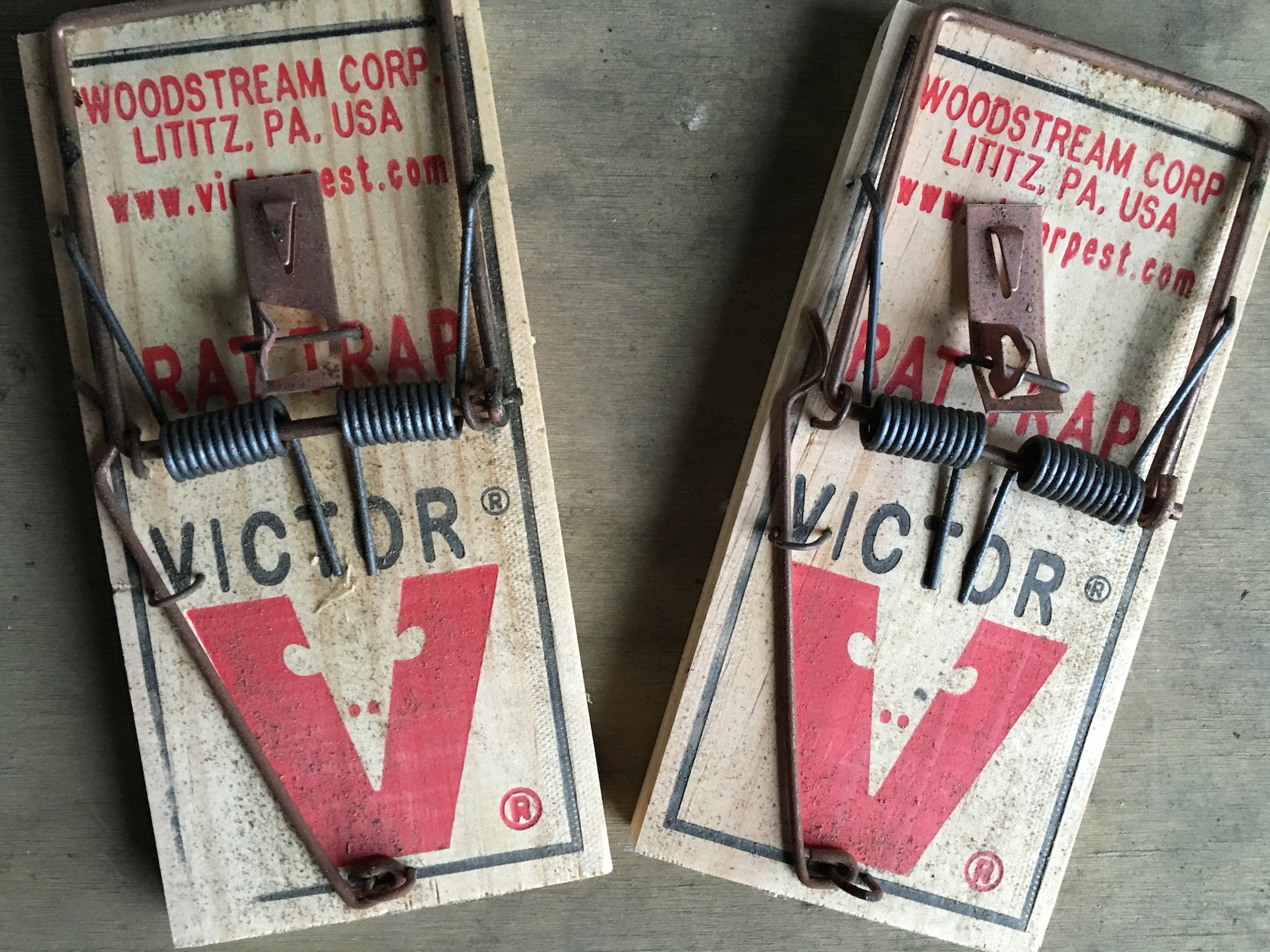
Then I pull the rat traps out and look at them for a while, screwing up my courage.

Finally, after many excuses, I get out the ladder, prepare some bait (bread with peanut butter is reliable), and make my way to the attic with the traps.

Bait on the trap, set trap in place, pull back the bar to arm it…

SNAP!

Bait goes flying, fingers sting, and I jump, cracking my head on a rafter.

Try again. Bait on the trap, put the trap in place, pull back the arm…

SNAP!

Maybe we can coexist with the rats? I calm myself and try again. Third time’s the charm, right?

Bait, set it in place, hold my breath and pull the arm…

Breathe out slowly. Carefully move my hands away from the trap, willing it not to spring shut.

Get the second trap. Repeat.

The good news…and the bad news is that the traps work. Within 24 hours I’ll have to empty them and reset them. The parties will stop. I’ll be able to sleep.

But I hate setting those traps.

Fabulous Fennel

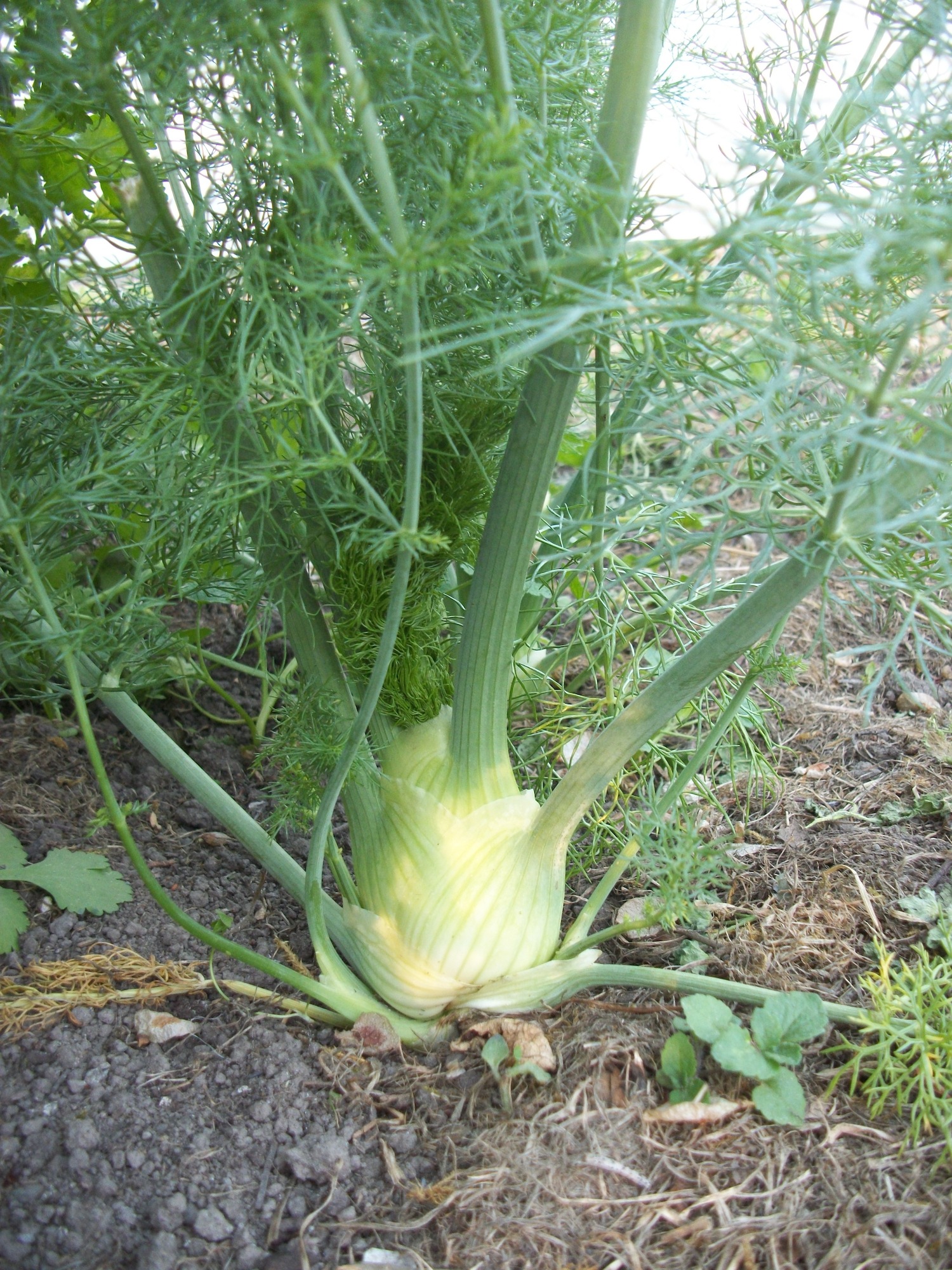
100_4031 smThere’s not a lot coming out of the garden at the moment. The summer crops are pretty well finished (though we’re still scrounging the odd pepper or eggplant from the tunnel house), and the winter crops barely had a chance, with the hot dry weather we’ve had until last week. But among the few crops that are available right now is fennel.

This little-used vegetable is versatile and delicious in the kitchen, and attractive and useful in the garden. Leaves, seeds, and bulb are all edible.

Fennel grows year-round here, though the cooler months are when we appreciate it most. I plant it in both spring and autumn, but it seeds in readily, and we eat as many volunteer fennel as we do planted ones.

Fennel has a mild anise flavour that goes well with many other vegetables. When raw, the flavour is refreshing and numbing.

Raw fennel, sliced thin, makes a crisp and refreshing addition to salads. Or it can make a salad all on its own.

It can be braised and eaten as a side dish, or chopped and added to stews or casseroles. It goes particularly well with potatoes in a cheesy gratin, and makes a delightful risotto.

Fennel leaves can be added to salads and stews, even if the bulbs aren’t ready to harvest.

The ground seeds make a zesty addition to burgers, chai, and cookies, too! Or just crunch a few between your teeth after a meal to sweeten your breath.

In the garden, fennel’s big yellow flower heads attract all sorts of beneficial insects that help keep pests in check, and when the plants get too big and rangy, I can feed them to the goats, who love fennel as much as I do.

Pass Me a Brick, Hold the Mayo

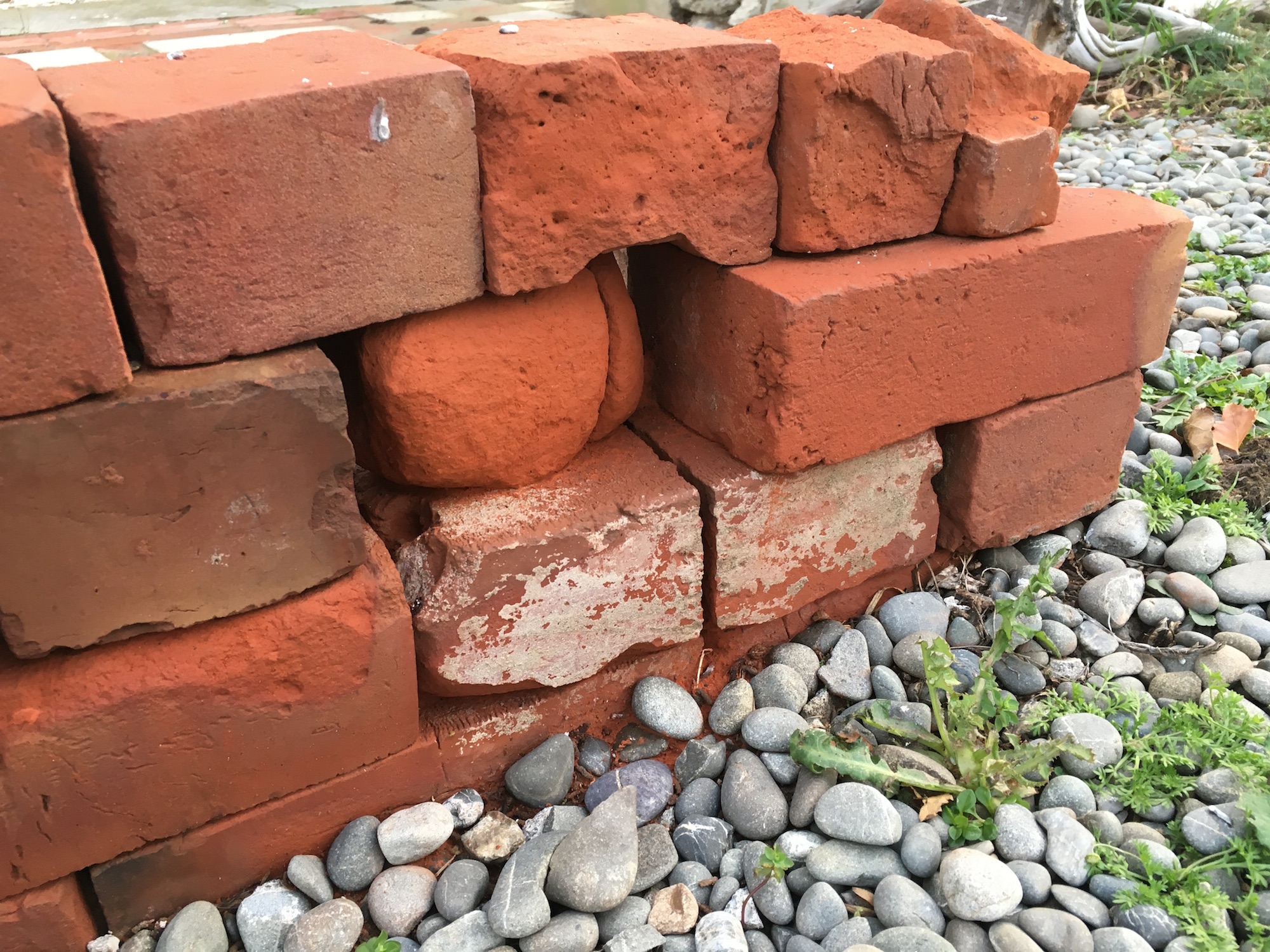
The one in the middle used to fill its space...

The one in the middle used to fill its space…

I’ve mentioned the pest birds at our property more than once in this blog. Today I was musing on them again, as I watched a whole flock of them descend upon our brick fire pit.

Yes, our fire pit.

It was the bricks they were after.

Whether for the grit or the nutrients, I don’t know, but I’m inclined to think the latter. The clay for the bricks came from some other location, so it’s bound to contain nutrients our property doesn’t.

As it turns out, this is a worldwide issue with sparrows and finches—they love bricks and mortar. It’s not a particular problem for us—the fire pit isn’t exactly an essential structure. The only bricks that really matter on our property are the ones in the chimney, and the birds don’t seem to like those.

In fact, they’re quite selective about the bricks they eat. Perhaps they go for the softest ones, or perhaps there are subtle differences in the nutrient levels in different bricks. The birds aren’t telling, and as far as I can tell, no one has ever felt the need to study the issue in detail.

Regardless, they’ve foolishly chosen to focus on a brick in the centre of the fire pit. One of these days, they’re going to break through it, and the bricks on top are going to fall on their heads.

A very slow form of pest control?

The Winter Staff Have Arrived

Some of the girls, enjoying what's left of the peas and eyeing up the newly planted broad beans, protected by netting.

Some of the girls, enjoying what’s left of the peas and eyeing up the newly planted broad beans, protected by netting.

I don’t know whether I appreciate my chickens more for their eggs or for their winter garden maintenance.

I turned the girls out into the vegetable garden for the winter today, and was happy to see them rooting around for grass grubs, which were a serious problem this year, and eagerly grazing on weeds.

I used to injure myself every spring when it was time to clear the winter’s weeds and prepare the garden beds. Now I employ the chickens in the garden all winter, and my springtime bed preparation is a breeze (comparatively speaking, anyway).

They keep the weeds down and reduce the pest populations, and the love the rich foraging the garden offers, as their summer paddock is practically bare by now.

Of course, there’s always a risk—now and again the chickens will get into the winter crops—but the benefits are worth it.

The chickens think so, too.


Feeling Bad? Consider the Barnacle

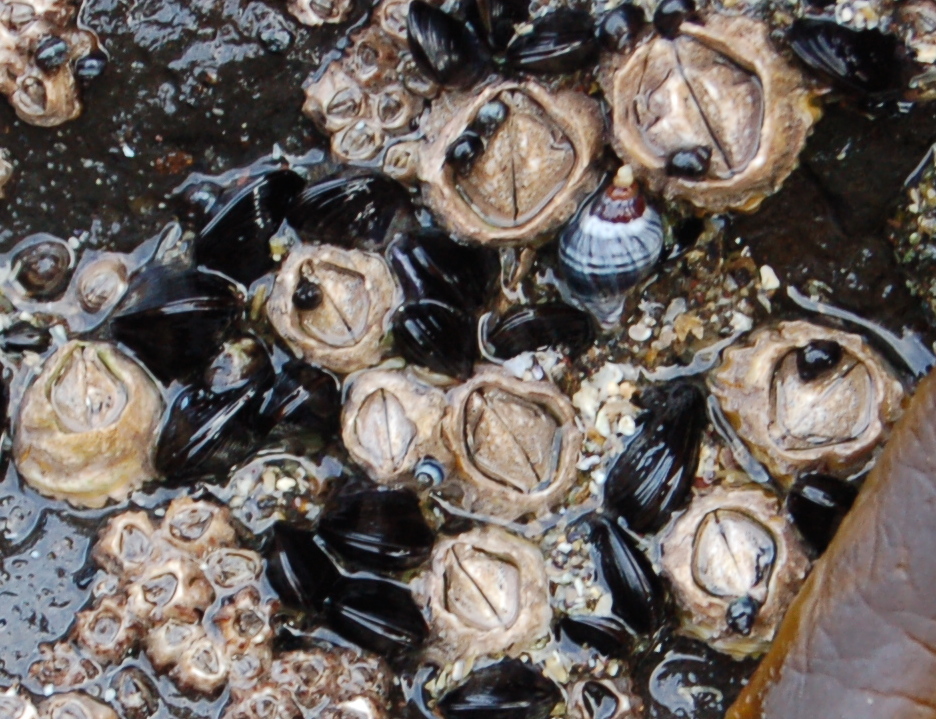
DSC_0027 cropThe lowly barnacle is well-known. Most people can point to one and say, “that’s a barnacle.”

Well done, but how many people know exactly what a barnacle is?

“It’s this…thing…that lives on rocks at the beach.”

“Don’t they grow on whales?”

“Ships get covered in them.”

As an entomologist, I know a bit about barnacles, because they are Arthropods, just like insects, spiders, millipedes, crabs, and lots of other creepy crawlies. In fact, they are crustaceans, closely related to crabs and crayfish.

Wait, you say. Don’t Arthropods have ‘jointed legs’—that’s what the word means, after all—but barnacles don’t have legs.

Or do they?

Barnacles are perhaps the strangest of the Arthropods. The free-living larva is a weird, tiny, spiky creature with one eye. It goes through a metamorphosis, like insects do, in which it changes shape dramatically. In its last larval stage, it finds a nice place to spend the rest of its life, presses its forehead against it, and secretes a calcium-rich cement from near the base of its antennae that permanently affixes its head to the spot.

In its adult form, a barnacle grows a protective shell, complete with a clever two-part ‘door’ that it can snap shut to conserve water at low tide, or to protect itself from predators. Its legs grow long and feathery, and act as tentacles to waft particles of food to its mouth.

As you can imagine, adult barnacles don’t have much of a social life. Most species are hermaphroditic, meaning individuals are both male and female. Surprisingly, though, self-fertilisation is rare. Like other arthropods, most barnacles have what’s euphemistically known as ‘internal fertilisation’—that is, the male has a penis, and he deposits his sperm inside the female. How does an animal glued by its head to a rock get together with another to mate? The answer is a very long penis.

So the next time you feel like your life is rough, be thankful you’re not a barnacle.

Mosquitoes, Disease, and Environmental Change

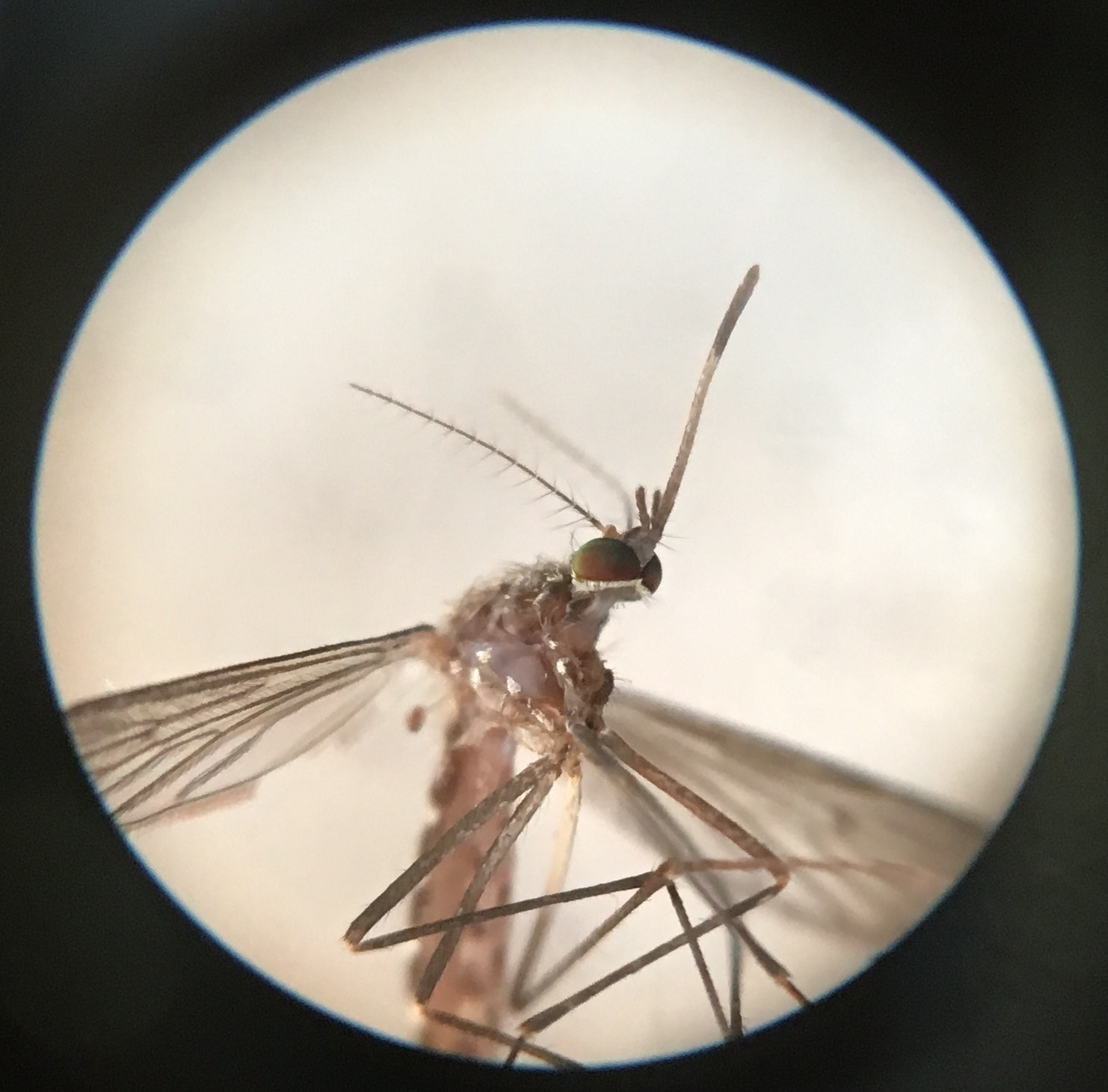
2016-05-02 07.38.34With Te Waihora/Lake Ellesmere just a few kilometres away, we’ve always had mosquitoes at our house. But since we installed a small pond, the mosquito population of our property has gone up (in spite of the fish, which do eat a lot of them).

Though mosquito identification is not my forte, most of the mosquitoes appear to be Culex pervigilans, the common house mosquito, or vigilant mosquito. Like most of our mosquitoes, this species is endemic to New Zealand.

Because of the isolated nature of New Zealand, few of the world’s nasty mosquito-borne diseases have ever arrived here, and no human diseases have managed to arrive and spread. But that doesn’t mean they couldn’t, if given the opportunity.

Whataroa virus is an Australian bird virus, which may also produce flu-like symptoms in people. In New Zealand, it has been found only in the area around the small West Coast community of Whataroa. It was first detected in 1962, and recent surveys show it has not increased in prevalence since then. In New Zealand, it is vectored by Culex pervigilans, which is common throughout the country.

So why hasn’t it spread?

Well, we don’t know for certain, but to get a clue, it’s worth looking at why other mosquito-borne viruses spread. Most emerging diseases come on the heels of environmental change—when the habitat changes, mosquito populations may increase (many mosquitoes do well in disturbed habitats), or the virus’ other hosts may increase or move around, spreading the virus. Environmental changes can be natural, like seasonal flooding; or human-induced, like cutting native forest (or digging a pond…).

Which brings us back to Whataroa, which hasn’t changed much at all over the past 50 years. There’s been no great increase in mosquito habitat, and little development that would favour the non-native blackbirds and thrushes that appear to be the reservoir for the virus. So the Whataroa virus has simply languished in place.

If the Whataroa virus had arrived at another location, it might have already spread far and wide (as avian malaria has done over the past 40 years). If a developer had come into Whataroa and built golf courses or fancy subdivisions, it might have spread. When the next big Alpine Fault quake happens, the resulting destruction will likely create new disturbed habitat for mosquitoes, blackbirds, and thrushes, and Whataroa virus might spread with them.

All sorts of variables determine whether and when a mosquito-borne disease becomes a problem. Some of these are known, and under our control, but many are either not understood or are out of our control. Sometimes, the only thing we can do is to react when trouble strikes.

Which is, of course, my excuse for swatting this mosquito when it landed on my arm this morning.