Homemade and Home grown

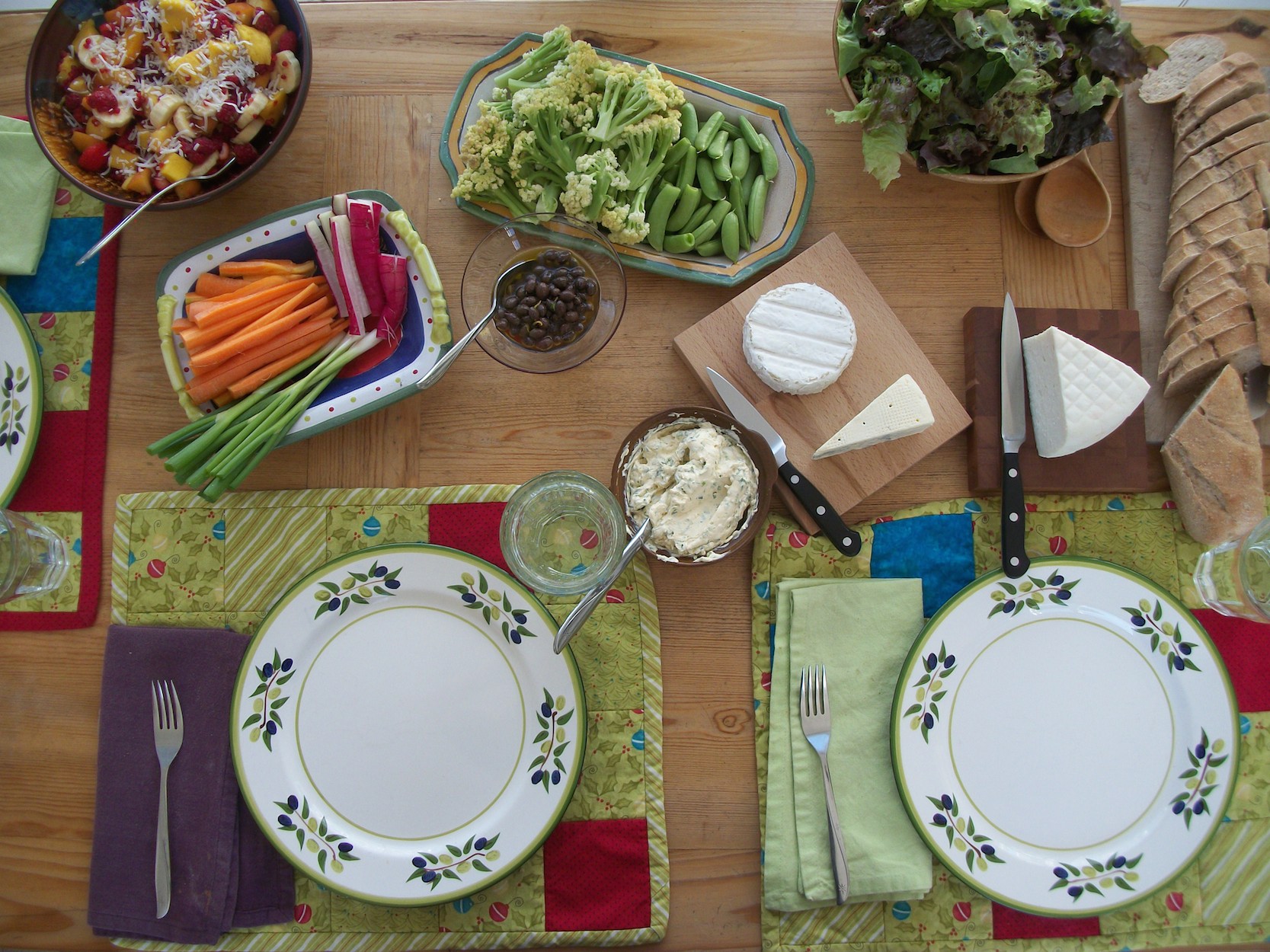
100_4265 smMy family loves food. We eat well. We eat a lot. But what I’ve come to realise is that we don’t just love food for its own sake. We don’t go out to restaurants, and we don’t wax lyrical about our favourite products from the grocery store.

For us, food is as much about how it gets to our table as it is about what it tastes like there. Food is a labour of love, a creative endeavour, a team effort. Food is inseparable from its origin.

Years ago, my son asked, “If we didn’t grow the ingredients ourselves, is it really homemade?” That is how deep our relationship to our food is.

I sometimes wonder if this is healthy—this obsession with food. But it really isn’t so much about the food as it is about the process and all the corollary benefits.

Producing our own food, we stay fit without paying for gym memberships, we have food security in the face of natural disasters, we learn to work together as a family, the children gain a sense of worth from helping to feed us all, we eat better, we reduce our impact on the earth…the list goes on and on.

Producing our own food is a way to nurture the family, a way to acknowledge our place in the natural world, a way to celebrate each day of the year and the gifts it brings.
See! Three Pea! Oh!

100_4187 smI couldn’t help myself, what with Star Wars release date coming up…

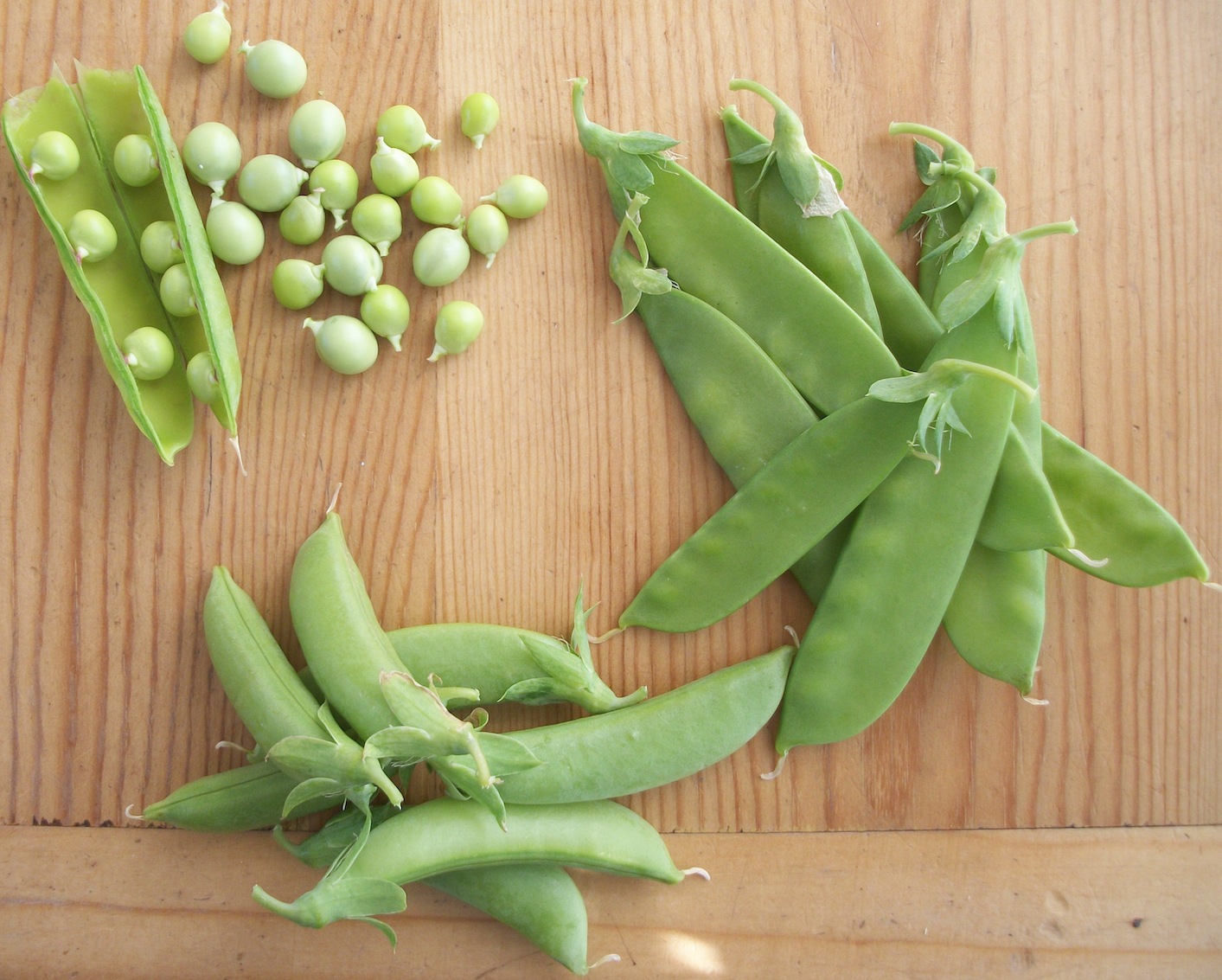
In truth, it’s four pea varieties. I just can’t seem to stop myself from planting them. And it’s still not enough to get us through the year—peas are so good in just about everything!

I plant snow peas, sugar snap peas, and two varieties of shelling pea each year. My favourites have become the purple shelling peas. The plants are tall and vigorous, they have gorgeous purple flowers and pods, and they just keep on giving through the heat of summer, even after all the other peas have given up. The only problem is that the peas themselves are grey when cooked—delicious, but not so attractive.

My favourite way to eat peas is standing up in the garden as a pick-me-up while weeding—juicy, crunchy and sweet. The kids take them in their lunch boxes, and a big bowl of them vanishes faster than cookies at Christmas parties.

And Santa’s reindeer will eat as many as we put out for them!

Gingerbread

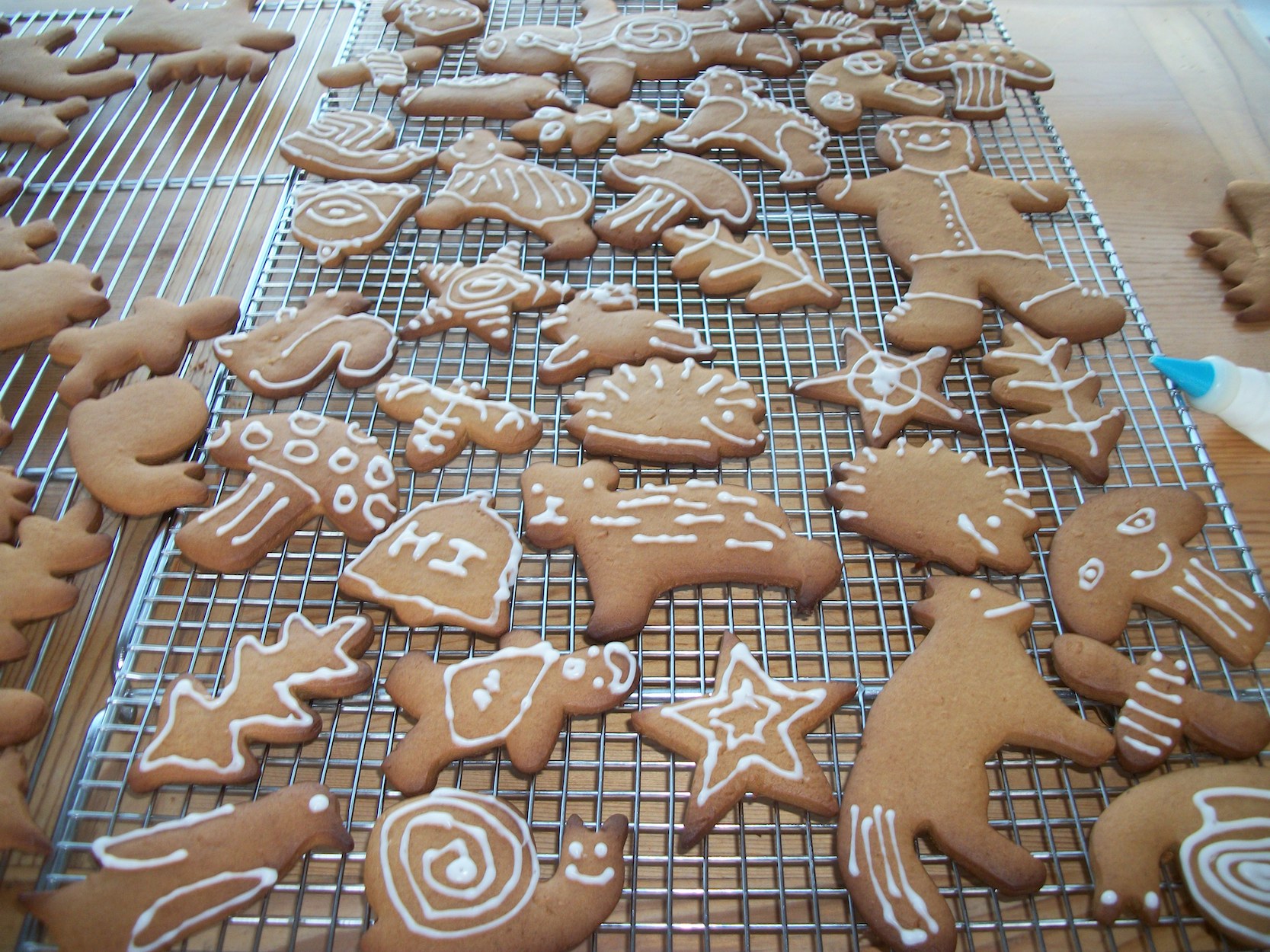
100_4159 sm‘Tis the season, and though I’d rather be eating strawberries, I feel culturally obliged to bake cookies.

And I’m obliged by my husband to bake gingerbread…

his mother’s recipe…

because that’s THE gingerbread recipe, according to him.

As gingerbread goes, it is a very nice recipe—full of lemon and orange in addition to the ginger and cinnamon. And the dough rolls and cuts well.

And it makes a TON of cookies!

Thankfully, this year the kids did all the decorating!


Girls’ Night In

100_4041 smMy son is at school camp and my husband is at a workshop, so it was just me and my daughter for dinner tonight.

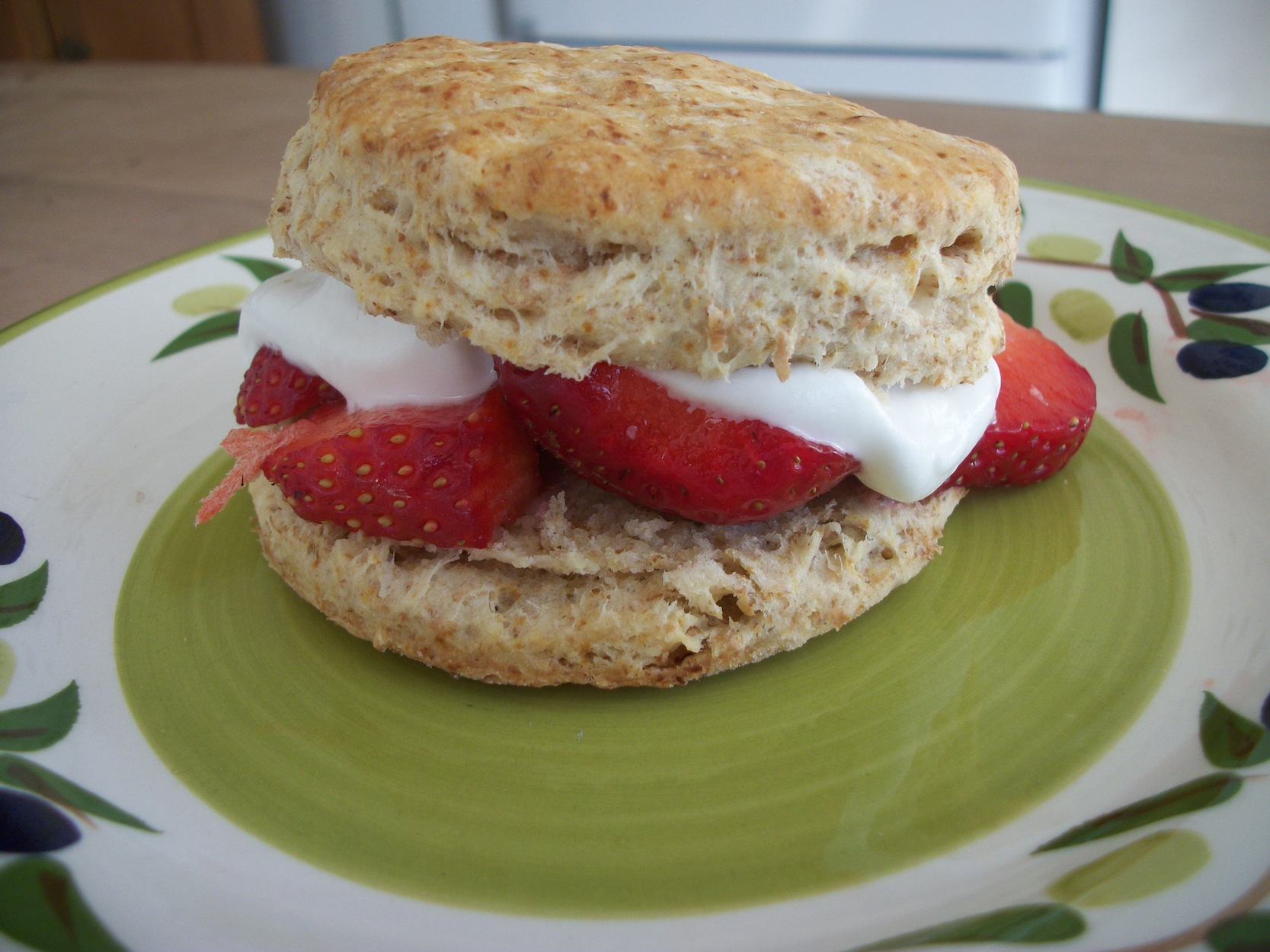
We indulged in biscuits—eaten first with egg, cheese, lettuce, and all manner of toppings as dinner, then later filled with strawberries and whipped cream for dessert.

MMMMMMM…

A game of washers in the late evening sun, and it was a perfect Girls’ Night In!


Salad Spinner

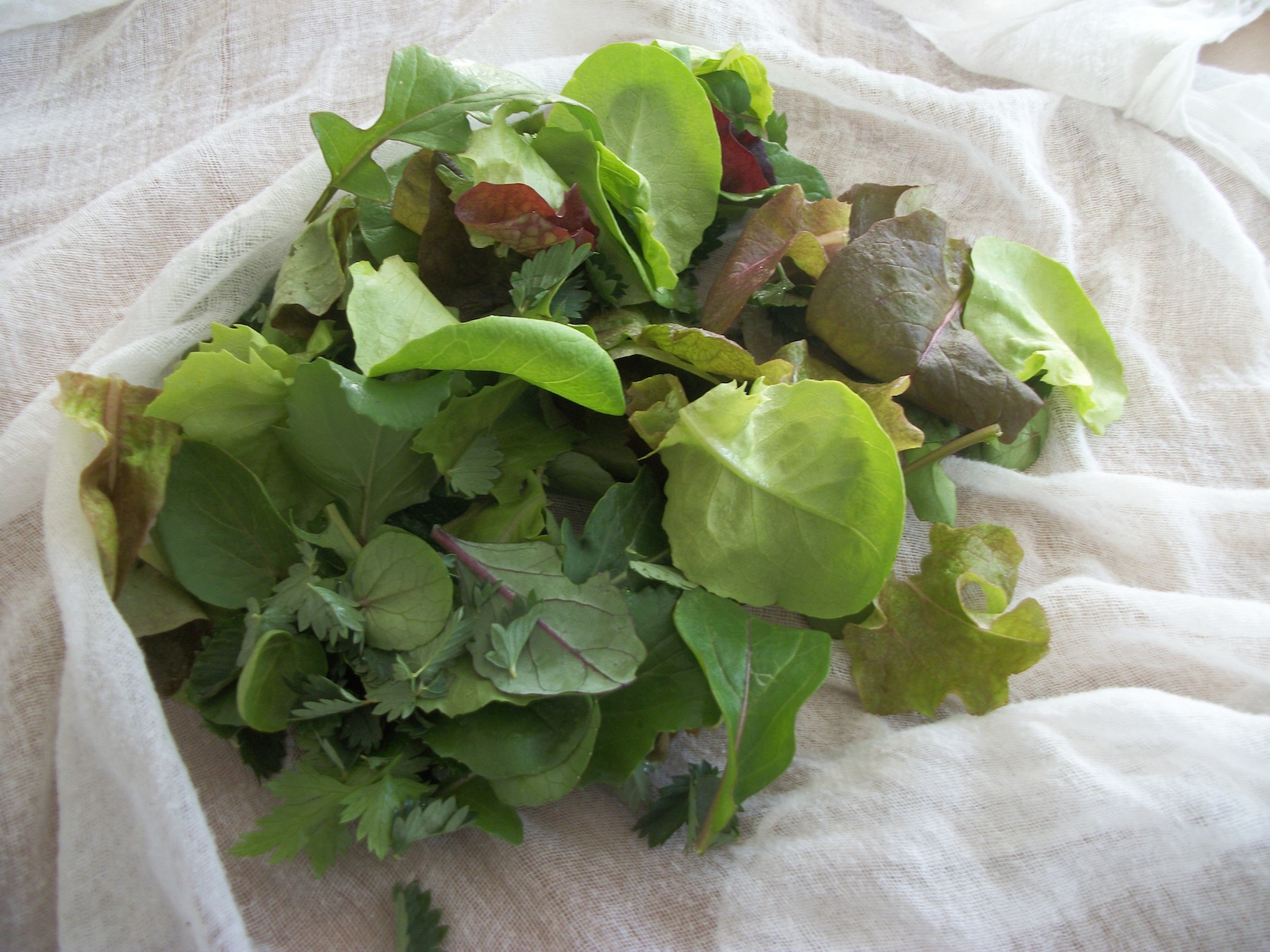
100_3890 smWe had our first salad from the new, spring-planted lettuces yesterday—a carnival of colours and flavours!

It got me thinking about salad, and the preparation of salad.

Which of course, led me to think about salad spinners.

Now, I don’t own a TV, so I don’t know if there are still salad spinner commercials, but I remember back in the 1980s when they were all the rage—fancy machines that spun your salad leaves dry. A quick Google search tells me that salad spinners are still out there, though whether they rank as such a gourmet sort of tool anymore or not, I have no idea.

Growing up, I never considered the water on my lettuce leaves. You washed it, gave it a good shake, and that was that.

But when I married, I found my husband prefers dry lettuce. I wasn’t about to buy a salad spinner, and I wasn’t going to put my lettuce in the spin cycle of the washing machine, as I’ve heard some people do (What?!).

Instead, we use a high-tech, oh-so-fancy way of spinning our salad.

Remember when you were a kid and you learned the trick where you swing a bucket full of water around without spilling a drop? Now, put your salad greens in a tea towel (I use my cheese cloths—they’re perfect!), hold onto the corners, step outside, and do the same. A few good twirls, and your salad greens are nicely dried.

Best of all, the kids LOVE doing it, especially if they get to spray a sibling with the water as they whip the towel around. One more dinner preparation task Mum doesn’t have to do!

Strawberry care

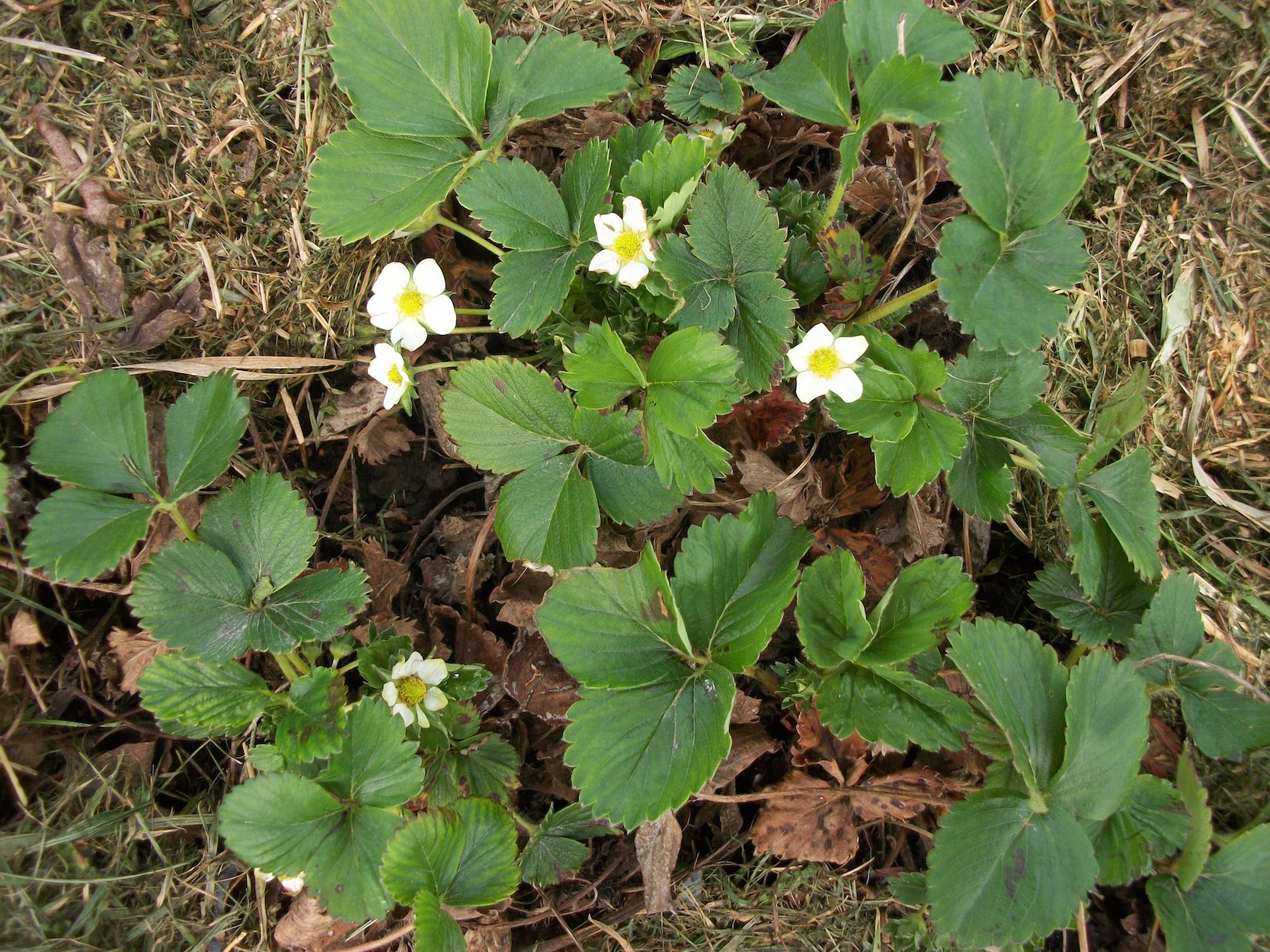
100_3855 smI have always been a strawberry-aholic (see my previous post about them). I just can’t get enough of those lovely sweet-tart gems! I’ve planted them most everywhere I’ve lived, and I appreciate the plants as much as I do the fruit.

Here at Crazy Corner Farm, I have a generous strawberry patch. Okay, okay, it’s ridiculously huge…*sigh* I admit I’m a problem strawberry eater. But anyway…

I have a dog’s breakfast of strawberry varieties, and I try to manage my strawberry patch to favour the ones I like best. Even so, I do precious little to the strawberries. I keep them weeded. I re-establish my paths every winter by digging out and replanting “stray” plants. I mulch them with grass clippings. I water them when they get particularly dry.

I don’t fertilise them, I don’t prune them, I don’t fluff their pillows and straighten their blankets.

No, for the most part, my strawberries are on their own.

Friends and acquaintances regularly ask me how I manage to grow such luscious strawberries, and in such quantity. They run down a long list of all the things they’re doing to their plants, and end it with, “But I’m just not getting many berries, and they’re not as good as yours.” I tell them my berries are so good because I abuse my plants.

My theory is that strawberries need to suffer a little. They need to have to fight for nutrients, they need to get a little thirsty now and again—not to extremes, of course, but if you coddle the plants too much, they’ll be bland.

I think it’s the same with people. We all need a little hardship in our lives, or else we turn bland, boring. In order to develop character, we need challenges on which to test our character. We need challenges in order to become the best we can be. Without them, we’d be as tasteless and dull as a supermarket strawberry.

Dementors

chocbar2 smJ.K. Rowling got it right when she decided that the treatment for dementor attack should be chocolate. Dementors (for the one of you out there who hasn’t either read the Harry Potter books or seen the movies), are horrible creatures that suck all your happiness away, leaving you with only your worst memories.

I’m convinced dementors primarily attack teenagers. In fact, one ambushed my daughter the other day. It was terrible…anger and tears that no motherly words could console.

Fortunately, I knew what to do. We were in town at the time, so treatment was as near as the corner petrol station. I raced in, bought a chocolate bar, and administered it to my daughter.

The effect was immediate and dramatic. Crisis solved! Dementor banished!

Looks like I may have to keep some chocolate on hand for the duration of the teen years…and it must be time to start teaching them the patronus charm.

Mother Hubbard

100_3786 smOld Mother Hubbard went to the cupboard

To get her poor dog a bone.

When she got there cupboard was bare…


Mother Hubbard must have had teenage sons.

I never appreciated the appetite of a teenage boy until mine hit that age, but now I feel like Mrs. Hubbard.

My son can eat more than anyone else at the dinner table, then pick at the leftovers in the kitchen as he cleans up. An hour later, he’s hungry for a snack. He can devour a big bowl of peach crisp with whipped cream for dessert, and still need a snack before bed.

He will eat as many cookies, muffins, and scones as he can get away with. He sneaks food when he thinks no one is watching. Dried fruit, crackers, carrots, bread, cheese, nuts…nothing is safe from the human Hoover.

I used to be able to count on four weeks between grocery runs. Now I’m lucky if we make it two weeks before the cupboard looks like Mother Hubbard’s. I’m wondering if my garden will need to be enlarged this year, and I’m thankful I grow so much of our food, and don’t have to pay the supermarket price of feeding this child.

Most of all, I’m thankful I only have one…maybe I’ll bake a cake and take it over to Mrs. Hubbard and her boys…


Cranky Kids

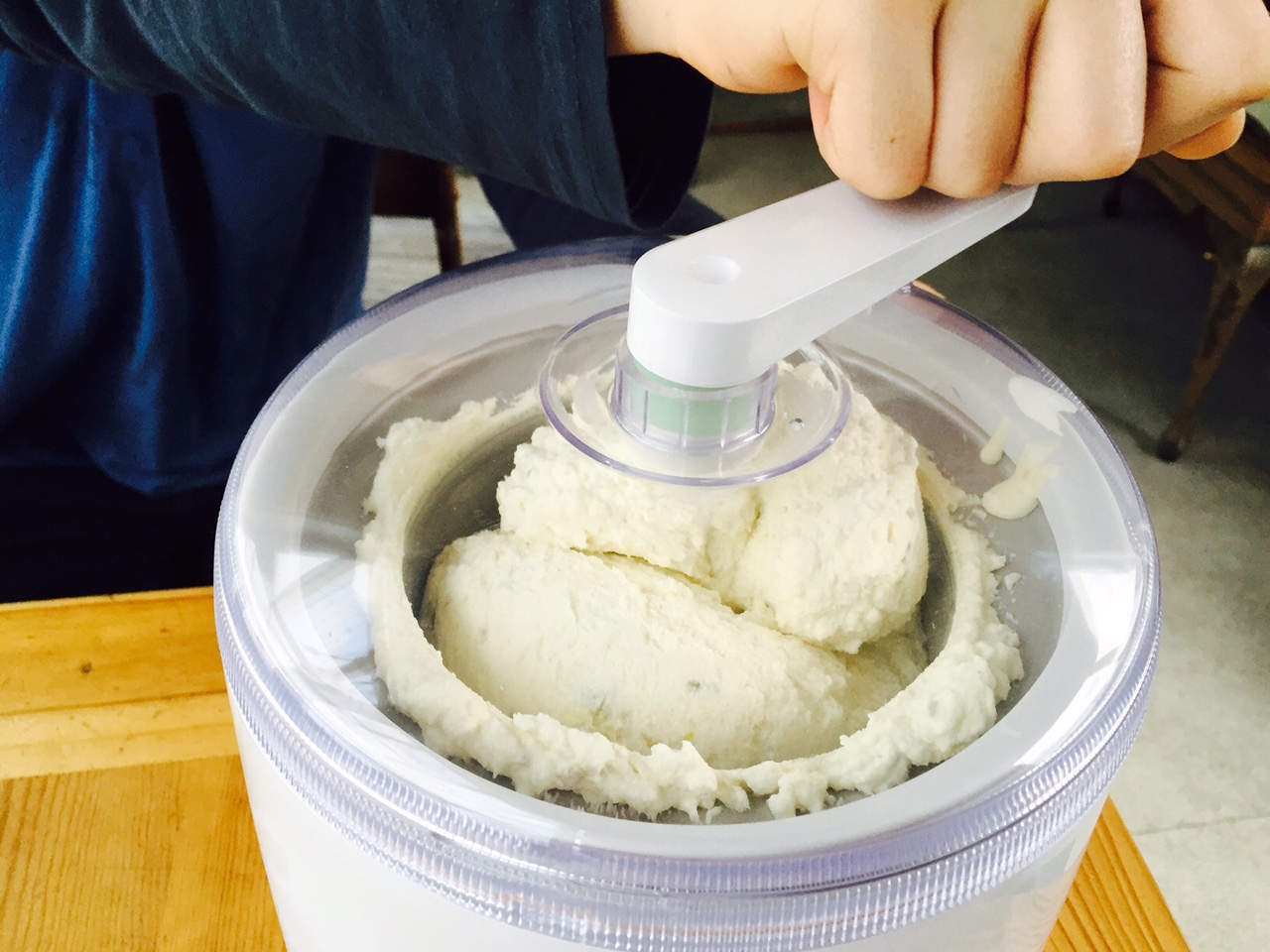
crannkicecreamChurning ice cream by hand was a rite of summer for my generation. Our ice cream maker was a big green bucket, in which we placed ice and salt. Then the metal canister full of cream, sugar, and flavourings would be sunk into the ice, the wooden paddles inserted, and the crank latched into place.

Then it was the kids’ job to crank and crank and crank and crank and crank and crank and crank, until the ice cream was frozen. We were always sweaty and tired—desperate for that ice cream by the time it was ready.

I don’t know how many children have the opportunity to hand crank their own ice cream these days. Very few, I expect.

A few years ago, I bought my husband an ice cream maker for Christmas. I had resisted the gift for years (in spite of his not-so-subtle hints), because the only ice cream makers I could find were electric ones. I hate the whine of an electric ice cream maker, and…well, ice cream just doesn’t seem home made if you don’t crank it yourself. But then I came across a fabulous hand-cranked machine that combines the best features of the electric machines and the old-fashioned hand-cranked ones.

It’s much easier to crank than the old-fashioned ones (probably because the old ones held a gallon of ice cream at a time, and this one only holds a quart), and there’s no need for ice and salt, as the inner canister is chilled in the freezer.

And best of all, the kids can crank their own ice cream, leaving the adults to sit down and relax while the kids make dessert!