Ballistic Plants

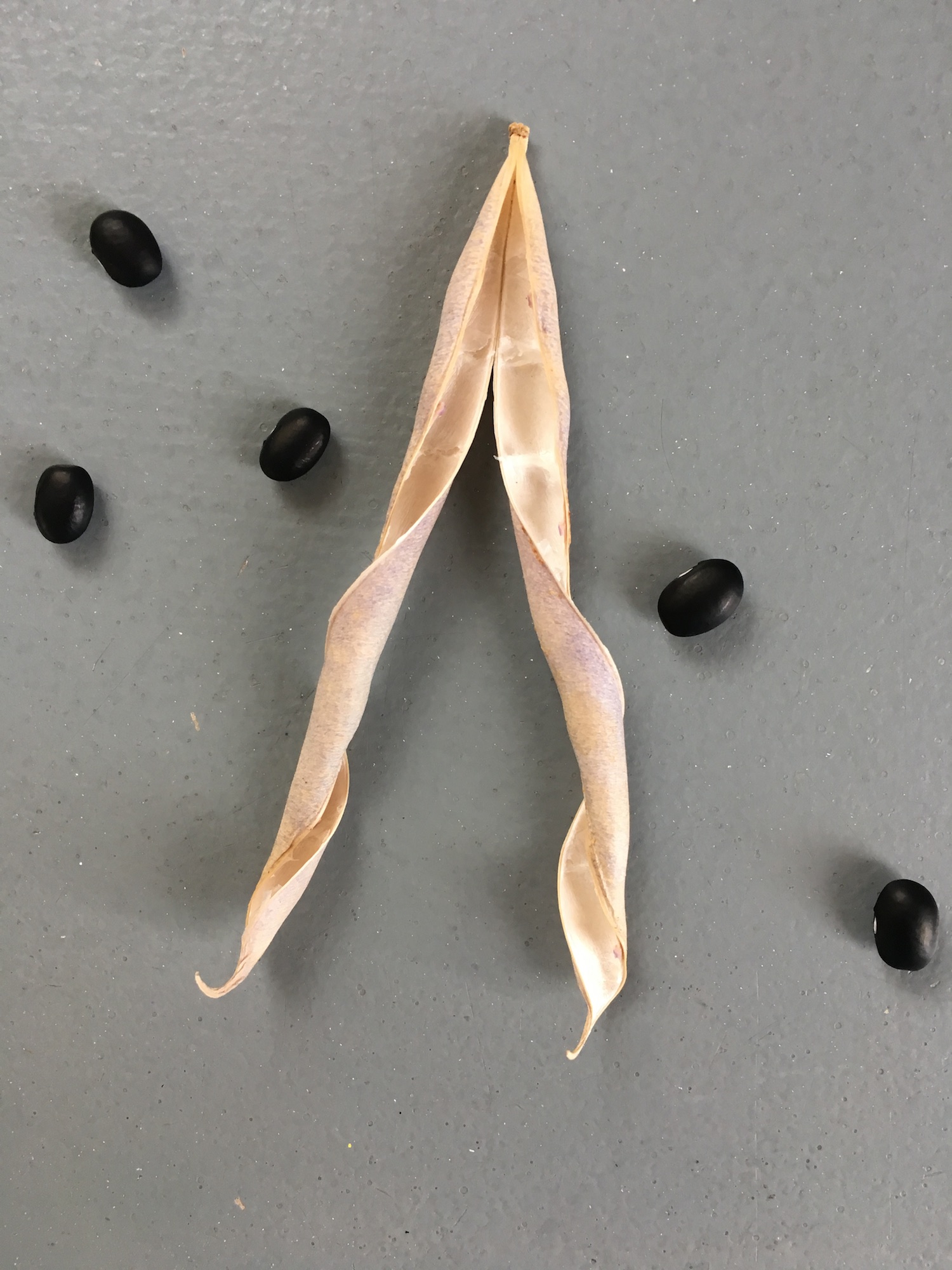
2016-03-05 19.16.53 smI only just harvested the black beans before they all exploded in the garden. It was the hot sun Thursday and Friday that did it. Friday afternoon, when I realised how dry the beans were, I raced to pick as many as I could, and was able to bring in the last of them this morning, with only a few losses.

Though it can be a pain for harvesting, I love plants with explosive seeds. As much as the explosion and shower of seeds, I like the empty pod afterwards. The tension that caused the explosion is gone, and the empty pod twists into attractive little corkscrews.

We have a weed in the yard with seeds so explosive, my daughter and I have dubbed it the seed-in-your-eye plant. It’s real name is bitter cress (Cardamine hirsuta). It’s common in the flower beds around the house, and has a habit of detonating just as a hapless weeder grabs hold of it (hence the seeds in the eye).

My favourite explosive plant is touch-me-not. Where I grew up, touch-me-nots sprang up in any moist hollow. As soon as they started flowering in summer, I’d start searching for ripe seed pods. I’d give each seed pod a gentle squeeze—if the pod was ready, it would burst under my fingers, sending yellow seeds scattering, and turning into a curly work of art. I loved the feel of the deforming fruit.

Sadly, my own children only have beans and bitter cress to detonate here. Now, if I can just convince them that shelling dry beans by detonating them is great fun…
 

Thorns

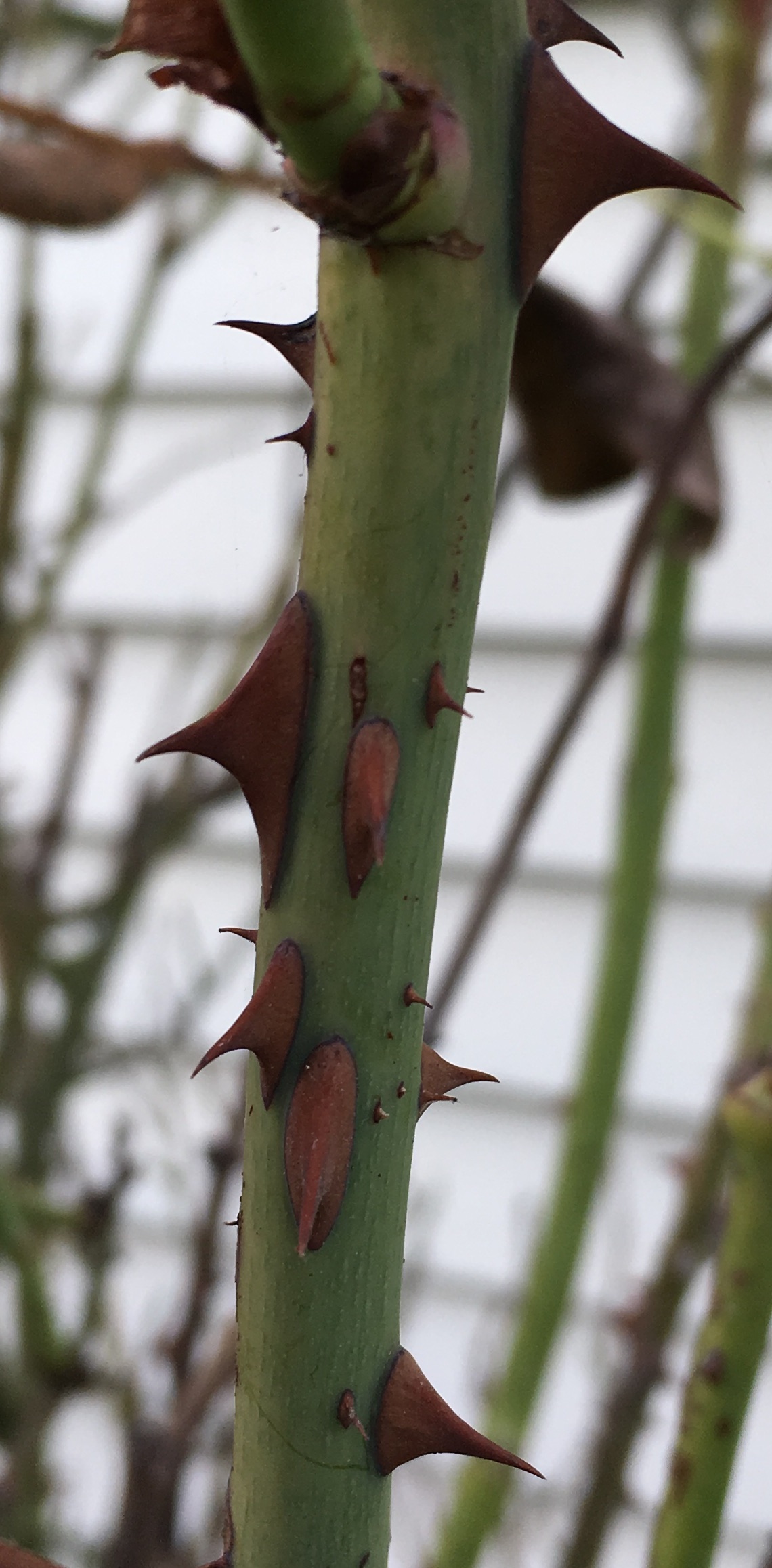
2016-03-04 18.40.25 cropYoung rose
Be careful.
Grow those thorns.
Protect yourself.

But

Don’t grow too many.
Let your beauty shine

Sometimes.

Leave vulnerable spaces.

Not everyone
Wants to eat your leaves.

Some

Come only to admire
Or to know you better.

Let them in.

Invasion of the Cabbage Whites

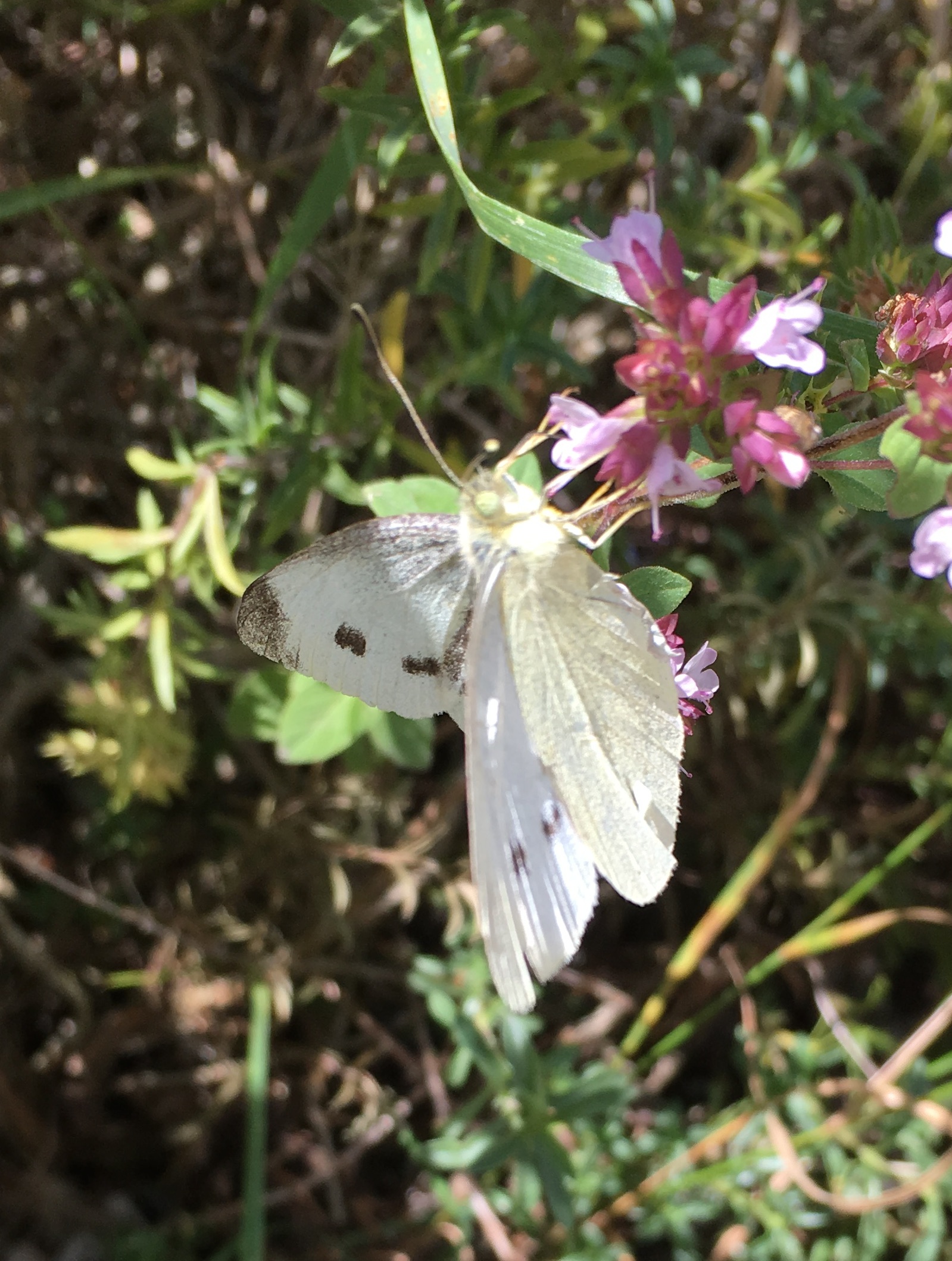
2016-03-02 14.24.23The small cabbage white butterfly (Pieris rapae) is the bane of gardeners’ existence all over the world. Native to Europe, Asia and North Africa, the butterfly is now found throughout most of North America, Hawaii, Australia and New Zealand.

In my little corner of New Zealand, the butterfly is especially common, presumably because of the huge numbers of commercial brassica crops grown here. In late summer, the roadsides shimmer with the butterflies, and their tattered wings flutter like flags in my car’s grille.

These butterflies are the reason broccoli is a seasonal crop for us. Broccoli can be grown year-round here, but mid- to late-summer broccoli becomes infested with caterpillars. For a few years, I dutifully treated my broccoli with Bt (an organic bacterial toxin that selectively kills caterpillars), but I eventually stopped bothering.

By mid-summer, there is so much other food coming out of the garden that, truth is, we don’t need the broccoli. And having a broccoli-free part of the year helps bring variety to our diets, and makes broccoli more special when it is available in winter and spring.

Sour grapes? Not at all! Just learning to work with the local wildlife instead of against it. Makes life easier for everyone!

The Beginning of the End

Pumpkins are filling out and beginning to harden off.

Pumpkins are filling out and beginning to harden off.

March 1—first day of autumn here. It is appropriately autumnal today, with a grey sky and brisk, cool wind.

But it didn’t take a cool day, or the calendar to tell me summer was coming to a close. I have been milking in the dark for weeks—a sure sign the equinox is coming. Last week, the first of the elm leaves crunched brown and crisp underfoot. The poplar trees are looking sparse. The dry beans have started to senesce—pods bleaching, yellow leaves plopping to the ground.

The coming weekend will be full of harvest activities—no time for the beach, regardless of how hot it is. Soy beans, dry beans, and corn will all need harvesting. We’ll make the year’s summer soup. I’ll make another batch of pesto for the freezer before the basil is finished. I’ll dry some tomatoes.

There will be plenty more hot days, and likely a few trips to the beach. There will be many more tomatoes, eggplants, beans, and melons. Summer’s not really over. But it’s beginning to pack its bags and get rid of whatever it can’t take with it when it leaves for the Northern Hemisphere.

On the Beach

Today's massive, whole-family sandcastle effort.

Today’s massive, whole-family sandcastle effort.

We spent the day at the beach today, doing what most parents do at the beach—building sand castles with the kids, throwing frisbee with the kids, jumping in the waves with the kids, flying kites with the kids, rock pool fossicking with the kids.

Do you sense a pattern?

Beach activities always seem to be “with the kids.” So, what do adults—without kids—do at the beach?

Today at Okains Bay, an elderly couple lay in the sun. Another older couple walked the beach together. A young gay couple swam in the waves, then made sand castles. Tourists photographed children playing.

Though my husband and I were married for ten years before having children, it’s sometimes hard to remember life before kids.

But now that the kids are both in high school, it’s time to start looking ahead to that light at the end of the tunnel—that glorious day when the kids leave home. It’s time to start figuring out what we want to do when we grow up.

Why not start my plans with the beach?

I, for one, still plan to jump in the waves. And I’ll always peer into the rock pools. And you might even catch me with a frisbee…

Jewels in the Garden

groundbeetlesmDigging potatoes for dinner yesterday, I came across one of my favourite New Zealand insects—the metallic green ground beetle.

When I teach about this insect, I always tell the kids it’s magical because at first glance it appears to be just a large black beetle. A closer look, however, reveals shimmering green around the edges.

Some individuals are more spectacularly green than others, and the one I found yesterday was one of the most vibrant I’ve seen.

Metallic green ground beetles are welcome in the garden. As larvae and as adults they eat slugs, grass grubs, and caterpillars—some of my worst pests.

But I think that what makes metallic green ground beetles most special is that they are endemic, not just to New Zealand, but to the Canterbury region. That means they are found nowhere else on Earth but in this little region of New Zealand.

They aren’t rare or endangered—they thrive in nearly every environment. They have close relatives nearby. But I appreciate the fact they are our own unique jewels.

Wilting

2016-02-26 12.56.09 smOh, limp plant!
I know how you feel
When the wind blows hot
And the brain cells congeal.
And you’d give all you own
For a cool glass of water
But nothing will help
As the sun burns still hotter.

And you know it must end,
But it all comes to grief
When the sun goes down
And you get no relief.

For the night wind, too,
Blows hot and blows dry,
And your leaves stay limp
Though the moon’s in the sky.

Then, just before dawn
You feel the wind shift.
And you pray for some rain,
That life-giving gift.

As the drops start to fall
You breathe a great sigh
And lift your leaves up

To give thanks to the sky.

Pilando

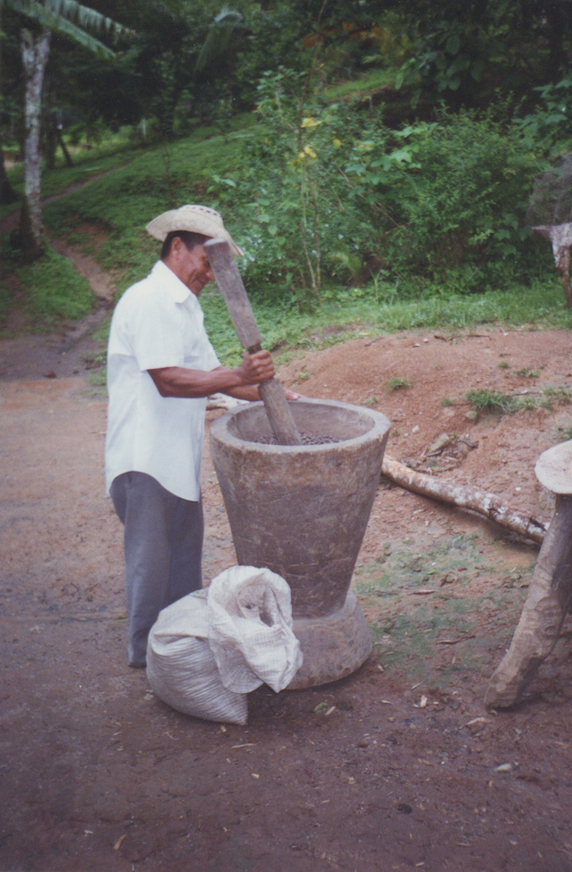
PilandocoffeeJulian smThrowback Thursday was so fun last week, I thought I’d do another one this week.

This week I dredged up a photograph of Julián, our landlord and next door neighbour in Panama. He was tickled to pose for this photo—he always enjoyed sharing cultural differences.

In this photo, Julián was grinding coffee in a massive mortar and pestle called a pilón. These tools get near-constant use—grinding coffee, pounding rice to remove the hulls, grinding corn—and I loved to hear the deep, rhythmic thud, thud, thud of the neighbours at work.

And I was always grateful to buy my coffee already ground…

A pilón is carved from the trunk of a tree, and when it’s not in use as a grinder, often serves, tipped on its side, as a bench in the kitchen. Every family we knew had one, but they must last forever, because I never saw a new one. They were all beaten and dinged, and I imagine they must be able to tell some great stories.

Soundtrack For the Drive Home on a Summer Evening

(with special thanks to Dave Dobbyn)


2016-02-24 20.57.32Traffic thins, dusk falls

Be mine tonight.

Windows down, breathe cool air

Just add water and dissolve, Baby.

100 kilometres per hour past disinterested sheep

Guilty through neglect.

Moths in the headlights make furry windshield thuds

The outlook for Thursday, your guess is good as mine.

Stray hairs tap tap tap a rhythm on my cheek

It’s magic what she do.

Purple mountains against a bruised apricot sky

Shouldn’t you ought to be in love?

Kids playing frisbee in the dusk

            Call me loyal

Round the bend, the neighbour’s dogs bark

Welcome home.

A Sense of Place

IMG_0147 copyMy daughter’s homework today involved exploring the idea of gratefulness.

One of the questions asked her to photograph the thing she was most grateful for.

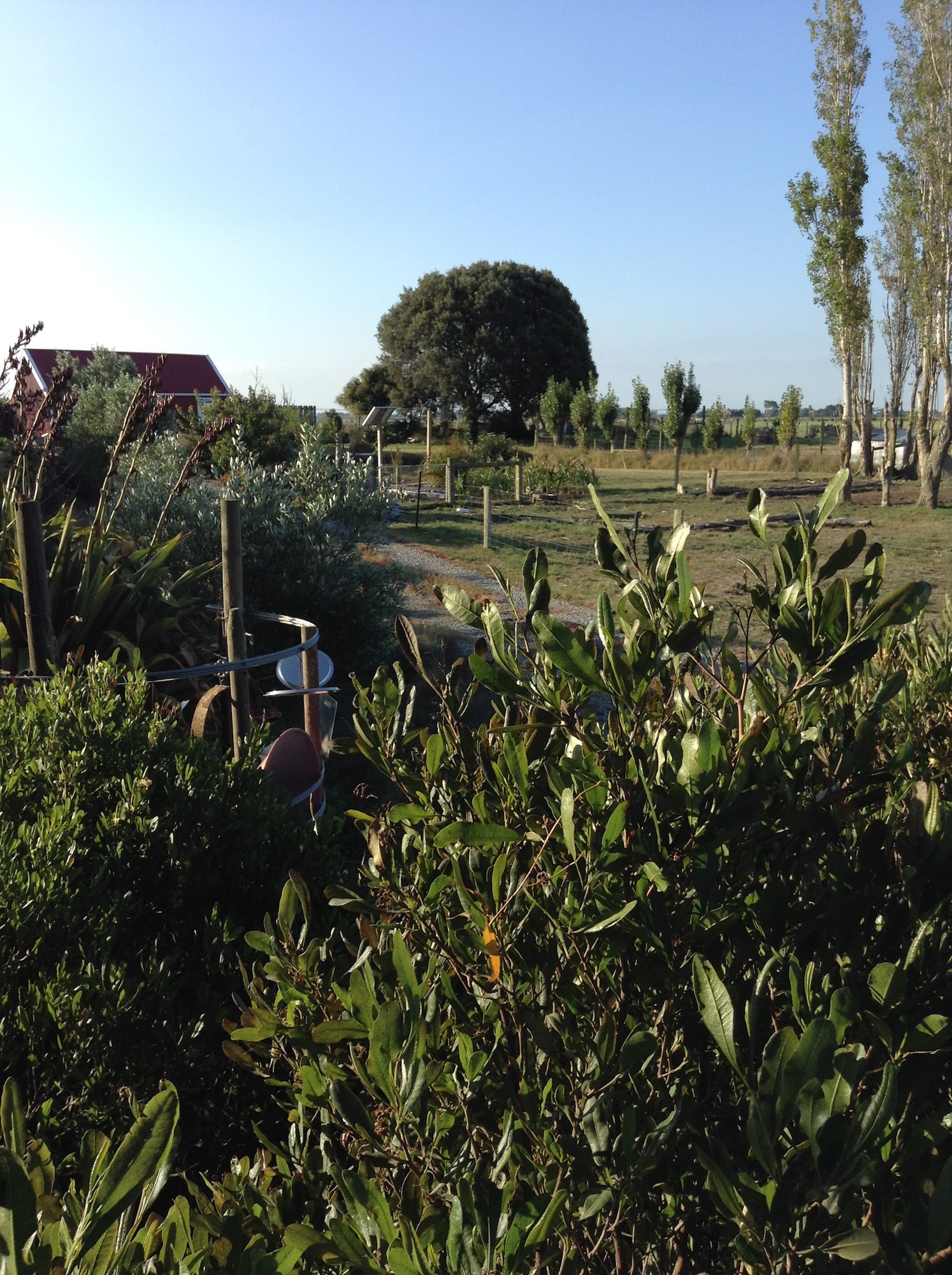
This is the photograph she took. It is of our property, and includes a bit of everything here—trees, paddocks, sheds, gardens, and art.

Her answer doesn’t surprise me, and I echo her sentiments. I, too, am grateful for this piece of land that feeds us, shelters us, and provides us the vast majority of our entertainment.

And though some parents might have wished for her to say that she was most grateful for her family, I am pleased that my daughter has put her roots into the soil. I am pleased that she has developed a strong sense of place. In fact, I would have expected nothing less from the girl who spends every waking minute outdoors.

We develop relationships with places, just as we develop relationships with people. Those place relationships help us shape our identity, and place us in context in the larger world around us. They provide us an anchor, a whakapapa (cultural identity), and a homeland.

Our sense of place gives us a solid foundation from which to explore and learn to love the rest of the world. It makes our relationship to the entire planet more personal.

In order to care about the earth in general, we must first care about a special place.

In order to understand the tragedy of the loss of a rainforest, we must first understand the tragedy of the loss of our favourite climbing tree.

In order to understand the magic of an unknown place, we must first feel the magic of our own special place.

And so, for today, I am most grateful for this piece of land that has rooted my daughter’s sense of self, family and community in the earth.