Soft Pretzels

100_3556 smHaving grown up in central Pennsylvania, I consider pretzels their own food group.

So it was a great disappointment to discover that there are NO pretzels in New Zealand. Oh, you can get small bags of expensive, imported pretzels, but the variety and quality are very poor.

And soft pretzels—the pinnacle of pretzel evolution—are nonexistent.

Thankfully, soft pretzels are easy and fun to make!

I make soft pretzels from a light whole wheat bread dough—any relatively light dough will work fine.

Once your dough has finished its first rise, divide it into 100g (3.5 oz) pieces. Roll each piece into a long snake, then twist into a pretzel shape and place on a well-greased baking sheet (You can make other shapes, but keep them compact or they will break apart when handled). Cover and let them rise until about doubled in bulk.

Now comes the part that turns them into pretzels.

Bring to a boil a mixture of 4 cups of water and 5 tsp baking soda (I use a large pot and need to double this amount to get a reasonable depth of water). Drop the pretzels carefully into the water (you may only be able to put 1 or 2 into the water at a time—my big pot fits 3) and allow them to boil for about 1 minute, until they float to the surface (I gently turn them over once they’ve reached the surface so that both sides boil relatively evenly). With a large slotted spoon, take them out and place them back on the greased baking sheets.

Sprinkle with coarse salt and bake at 230°C (450°F) for 12 minutes or until nicely browned.

Eat them hot, slathered in mild mustard!
Rosemary

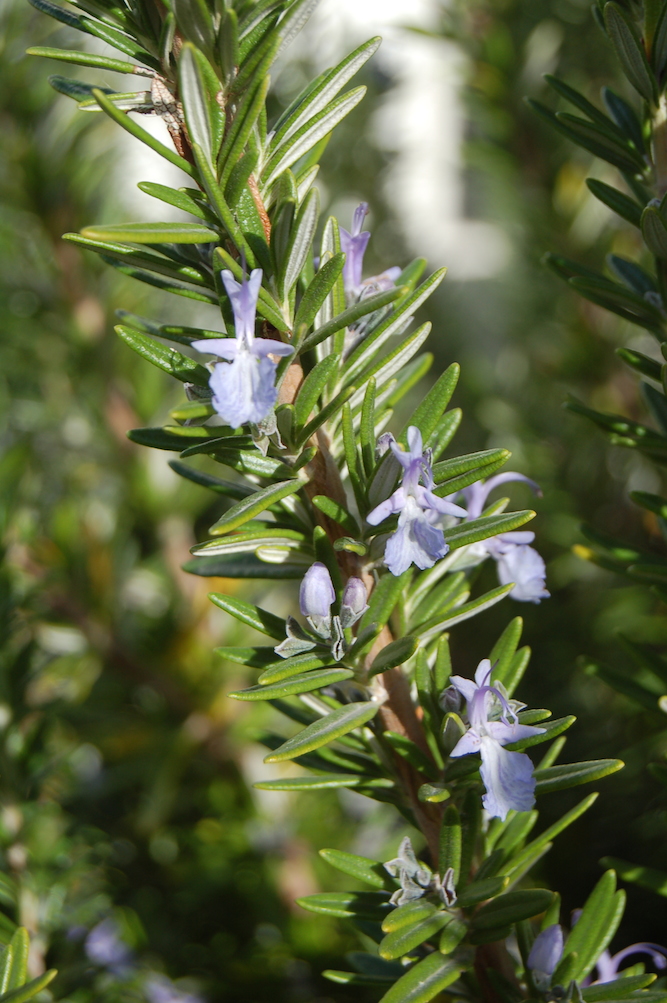
Rosemary1 smIn Minnesota, I grew rosemary in pots and brought it indoors for the winter, lest it be killed by the cold. Here in New Zealand, I grow my rosemary in the garden, and have to hack it back twice a year to keep it from growing taller than I am.

Rosemary is one of my favourite herbs, whether in dinner, in the garden, or in a flower arrangement. It is decorative as well as delicious.

Rosemary was named by Pliny in the first century. Ros (foam) mare (sea)—meaning that it grew so close to the sea that the foam sprayed on it. The Greek gods supposedly valued a rosemary wreath more highly than one made of gold (think how much I could make selling my biennial rosemary trimmings to Zeus!).

Rosemary was first used medicinally and culturally. It entered the kitchen in the Middle ages as a way to disguise the saltiness of salt-preserved meat. I’m told it goes well with lamb, pork, and game. As a vegetarian, I like rosemary with potatoes, pumpkin, and in Italian tomato sauces. And I love to brush the bushes with my hands as I walk past, so I can bring that lovely smell with me wherever I go!

Ants!

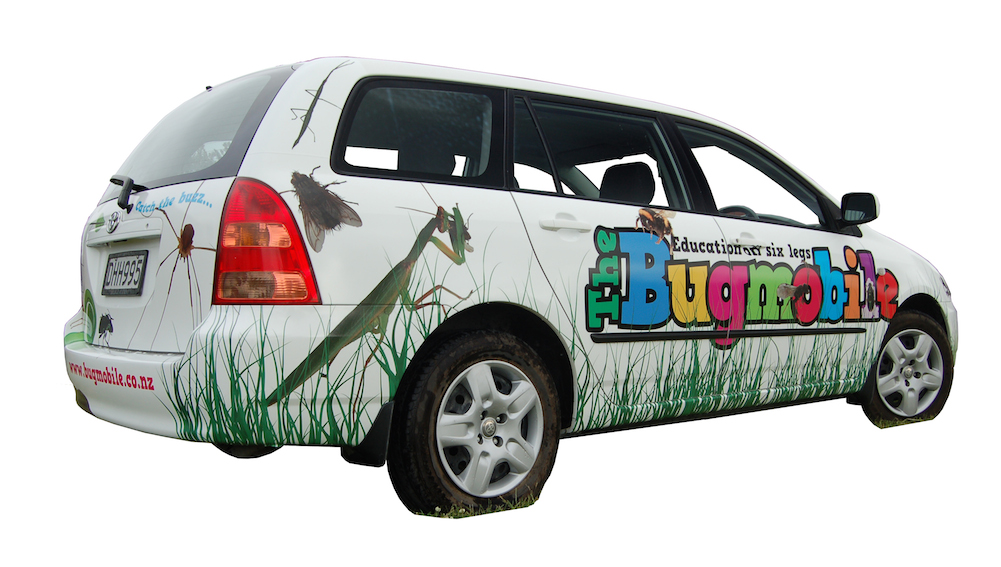
NewBugmobileclipsmFor nine years, I was owner/operator of The Bugmobile, taking live arthropods into classrooms all over Canterbury in a vehicle festooned with giant pictures of insects. I was known everywhere as The Bug Lady.

Last summer, when I closed my business, I didn’t expect to continue to think of my car as The Bugmobile. But fate, or rather a colony of ants, has interceded. My car is infested with ants.

I wouldn’t notice the ants if they weren’t so fond of Mentos…or if I weren’t so fond of Mentos.

I started keeping a roll of Mentos in the car when I was running The Bugmobile—if I had a sore throat, or needed a pick-me-up between programmes, a mint kept me going.

Apparently, they keep the ants going, too. I collected a few and identified them as the Black House Ant, Ochetellus glaber, an Australian ant that originally hitched a ride to New Zealand tucked in people’s belongings and in plant material. Ordinarily, these ants nest under stones and in tree cavities, but this particular nest is tucked neatly into a hollow in one of my mud flaps.

I should probably evict them…but they’re cute little creatures. Just 2mm long, and shiny black. I rather like them tootling around the car, cleaning up the crumbs the kids leave when they finish off their lunches on the way home from school. Maybe I’ll just find an ant-proof container for my mints.

Once The Bug Lady, always The Bug Lady…

Food Security

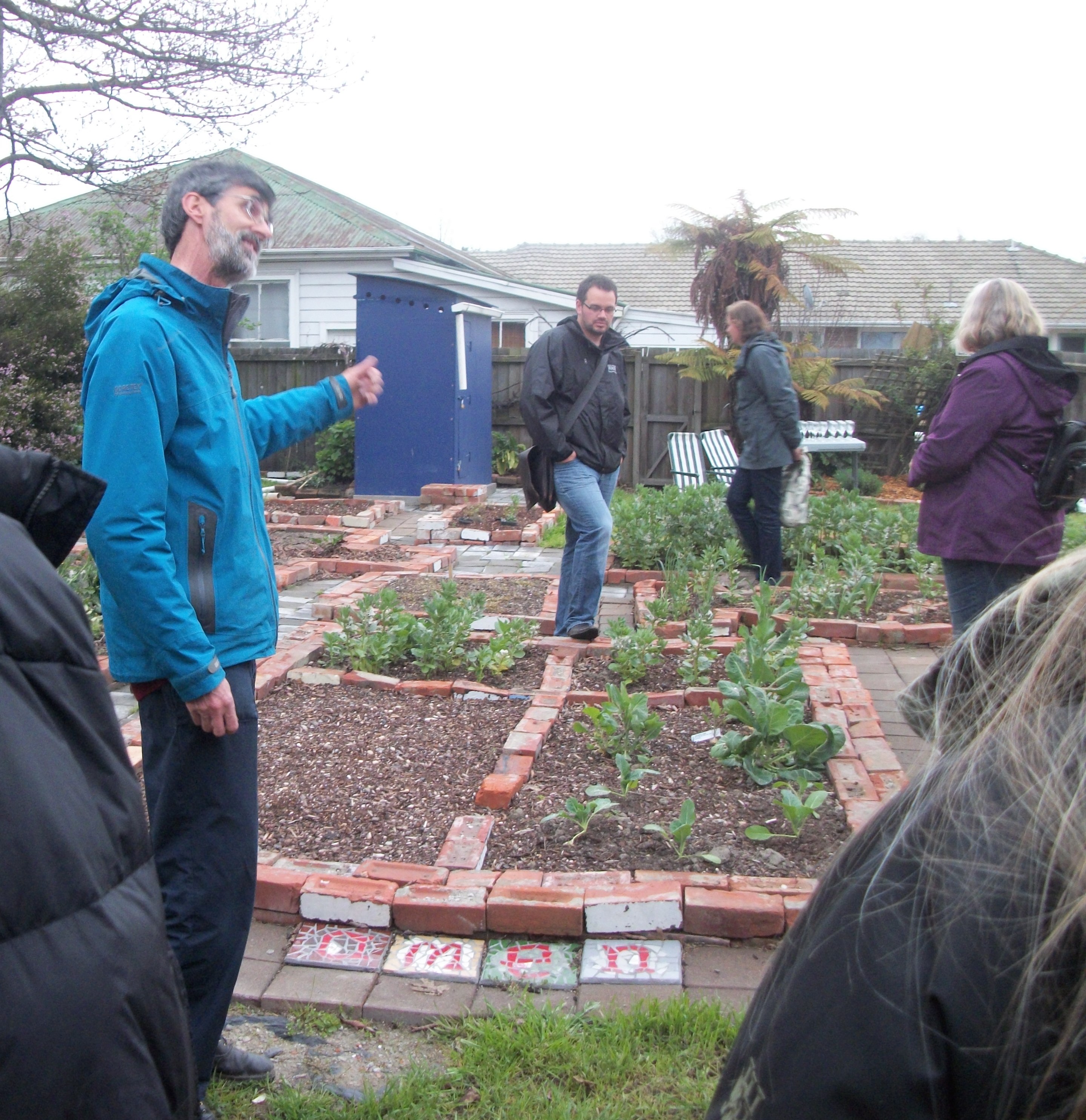
A post-quake community garden in Christchurch

A post-quake community garden in Christchurch

After the recent earthquake in Nepal, I wrote a blog post about food security in the face of natural disasters, but I never actually posted it.

But this piece about using vacant red-zoned land to produce food in Christchurch, in the news today, made me come back to that post and decide it was worth posting.

After the February 2011 quake in Christchurch, I saw firsthand how much more devastating natural disasters could be in the city verses in rural areas. Responding to a request for help on Trade Me, my husband and I, along with a couple of neighbours, loaded the car with shovels, wheelbarrows, tools and food, and ventured into the hard-hit eastern suburbs.

We spent a day clearing houses and yards of liquefaction, tearing out buckled and destroyed linoleum, and sharing out the vegetables, bread, and milk we brought from our farms. The people we met were amazingly strong in the face of the destruction around them—not one house in the neighbourhood was still straight and level, and the street was nearly impassable, buckled and cracked.

But they had no tools to tackle the devastation. The carload of tools we brought with us for the day was more than the entire neighbourhood could muster. City living doesn’t require heavy duty wheelbarrows and large shovels, and there were more willing hands than tools to go around.

Then there was the lack of gardens in the city. With stores closed and power out for many days, getting and preparing food was difficult. While meals were airlifted into the city, in the country we simply lived on food from the garden.

So, how do we build resilience and food security into our cities? How do we create cities that can feed themselves, at least for a short time, after a natural disaster? Part of the answer lies in community gardens that can provide food and positive community support, as they did in Christchurch after the 2011 quake. Part of the answer lies in taking a long-term approach to city planning—planting fruit trees in public parks, preserving green space with good soil within the city instead of covering it all with buildings and roads.

I would love to see Christchurch, and all cities, bring food production back within the city limits. No, a city cannot produce all its food, but having community gardens and food-producing commons makes a city a more humane place, even when there isn’t a natural disaster to weather.

Almond Conundrum

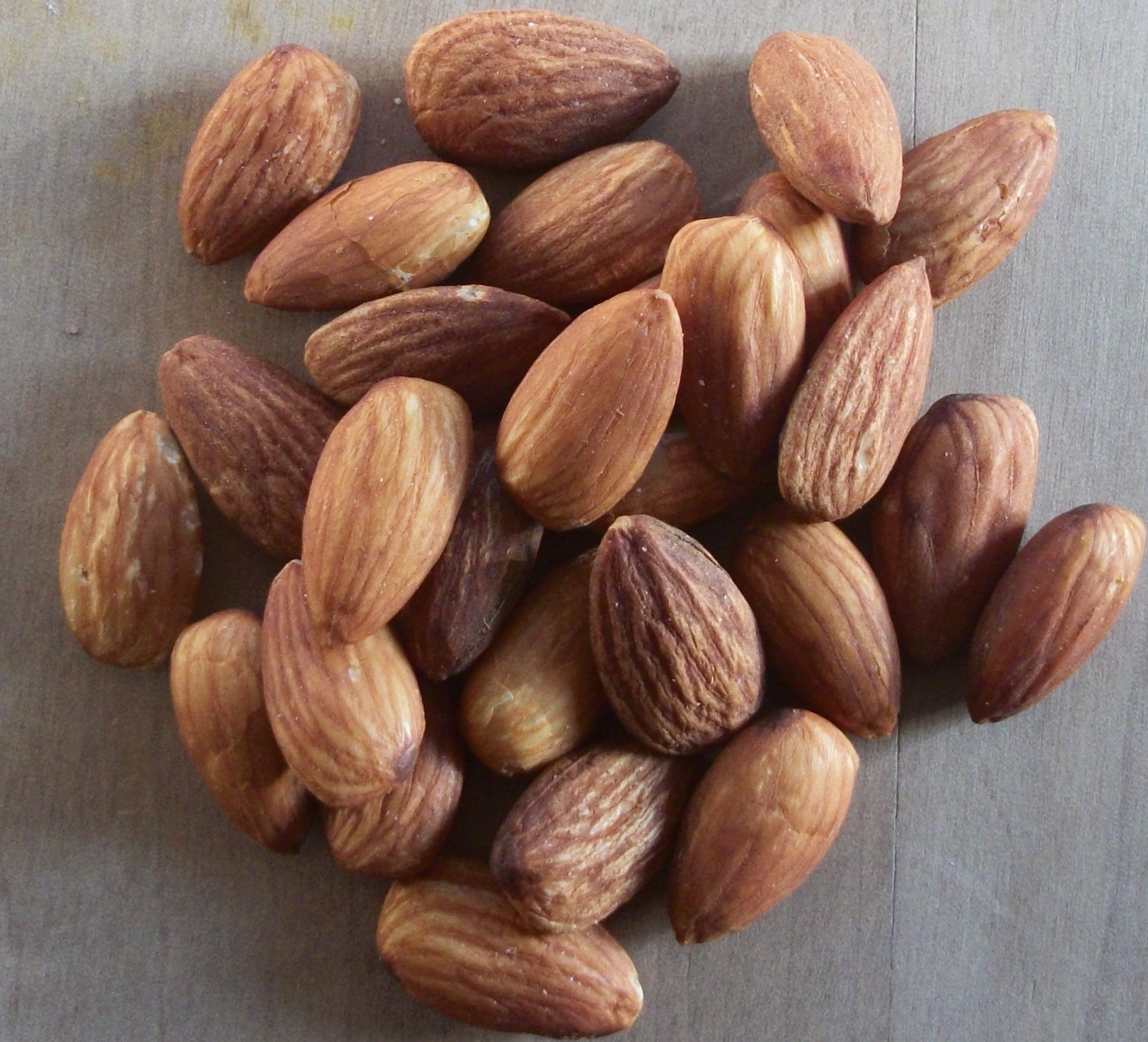
100_3428Well, there they go—the last of the almonds. The last I will buy for a long time.

I absolutely love almonds. They’re one of my favourite nuts. But I had already replaced most of the almonds we eat (which come from California, producer of 80% of the world’s almonds) with locally grown walnuts, in my effort to eat closer to home. Now, however, they’ll be a very rare treat.

In my post last week about our relationship with bees, I talked about how North American bees are forced to forage in agricultural monocultures, leading to poor nutrition and exposure to pesticides. The largest of those monocultures is in California’s almond growing region, where the bees are “parked” every year during almond flowering in order to pollinate the trees.

Add to that the gallon of scarce California water that goes into producing each almond, and I find I can’t keep buying them. At least not the ones at the grocery store.

BUT, in deciding that, I’ve discovered that there are NZ almond growers as close to us as Marlborough, and that, with a little coddling, we might even be able to grow them ourselves!

So, with that, I have cheerfully sworn off California almonds. I’ll be checking out my local nurseries for almond trees, and tracking down those locally produced nuts!

Fresh Eyes

Endangered dolphins? Nothing unusual to see...

Endangered dolphins? Nothing unusual to see…

Travelling around this week with friends from the U.S., I am seeing things with fresh eyes. The strange pronunciations, the shockingly changeable weather, the casual acceptance of road closures, spotting endangered species from the roadside…all those things I now just accept as normal. I’m reminded of how foreign they were to me once.

Coming from the land of restaurant chains, they were surprised by the abundance and quality of local cafés. Coming from a place of certainty, they remarked on the number of times I said, “This has changed completely since I was last here.” Coming from a land of freezing winters, they marvelled at fresh vegetables from the garden at the winter solstice.

It has highlighted for me just how much I have ‘gone native’. How much I have accepted, adapted to, and embraced this place. It has become me, and I have become it. There are many times when I still feel foreign, even after ten years here, but having visitors here helps me realise just how much I have come to belong.

Westland

100_3393 smI’ve been on the West Coast with friends this weekend. The South Island’s west coast always reminds me of Panama. Though one is a temperate zone in a modern, developed country and the other is a tropical, developing country, there are striking similarities in the landscape.

Both are landscapes in which agriculture struggles to hold its own against encroaching rainforest (or the other way around, depending on your point of view).

Giant trees in the middle of paddocks clearly grew up in the middle of the forest and were left for stock shelter. Stumps dotting the farmland attest to the recent clearing of the forest. Drainage ditches rush with water, and the lush vegetation defies a climate harsh in its abundance.

Towns and villages cling precariously to the wet slopes. Lichens and moss encrust rotting weatherboards. Sheds are engulfed by vines. Human sounds are drowned out by a cacophony of raucous birds. Nature dominates the human world. One good storm, one bad decision, and nature will reclaim what people have temporarily usurped.

Of course, this is where the similarities end. Panama’s sweltering heat, its humped Brahman cattle, and volcanic clay soils are nothing like the West Coast, where glaciers reach the rainforest, and black and white Holstein-Friesians graze the paddocks.

I love visiting the West Coast, with its unkempt abundance. It is a sparsely populated frontier, where only the hardiest survive. Lush and lovely and harsh.

Truffles!

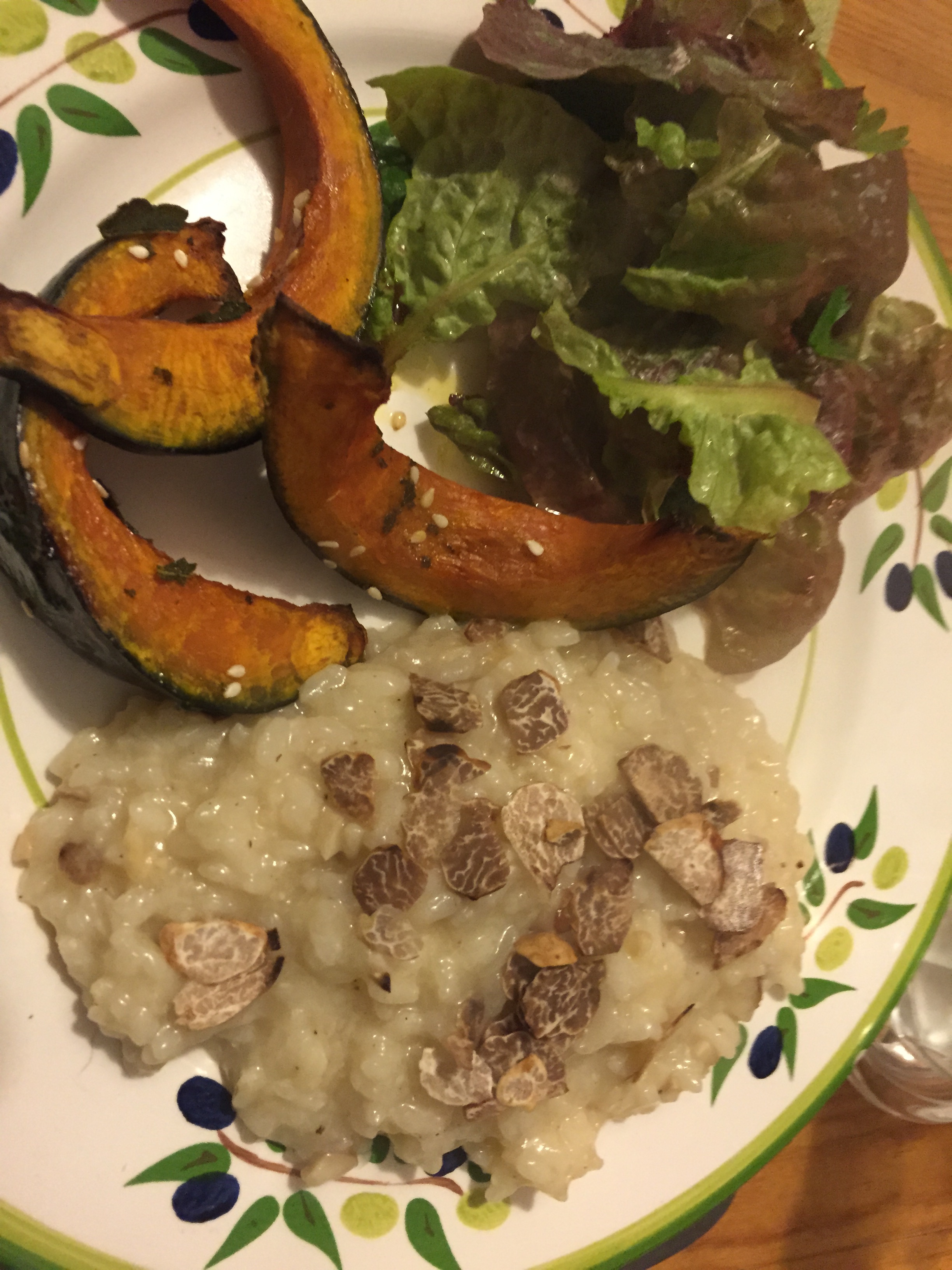
truffles1One of my husband’s colleagues (Alexis Guerin-Laguette at Plant & Food Research) is working on the commercialisation of truffle production in New Zealand. They’ve just harvested this year’s crop, and as an ‘insider’ Ian got early access to the bounty.

“You don’t want to know what I paid for these,” he said of the five tiny mushrooms nestled carefully in a tissue-lined jar.

But, who cares—they were truffles! The real, if-you-have-to-ask-you-can’t-afford-it thing! They weren’t a food item, they were a life experience!

Of course, I will admit that they smelled odd. My son described it as, “sort of like petrol,” and my daughter declared the odour “weird”. I reserved judgement until the fungi were properly prepared and sitting on my tongue.

Ian described the flavour as “Sitting in my grandfather’s green leather chair in front of the fire on a crisp autumn night.” He obviously experienced it much more intensely than I did, because my description didn’t come close. I very much enjoyed the flavour—strong, rich and earthy, and unlike any other mushroom I’ve eaten. I also appreciated the crisp texture of the paper-thin slices on top of creamy risotto. Was it worth it? Yes. Worth every penny (even at $2500/kg)!

For those of you near Christchurch who want to try out some truffles yourself, check out the truffle festival July 11-18!

Winter Solstice

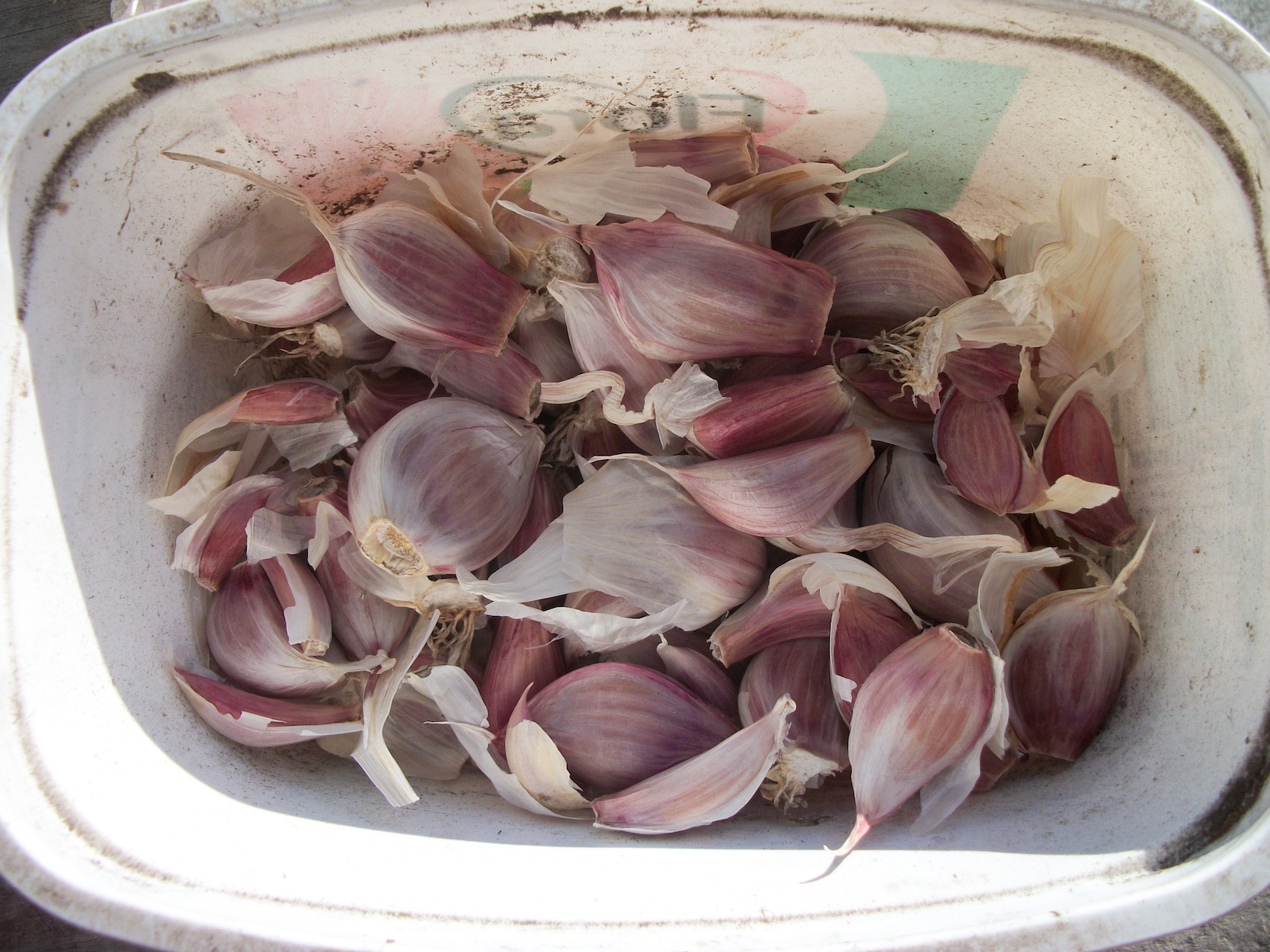
Garlic cloves ready to plant.

Garlic cloves ready to plant.

The forecast for tonight into tomorrow is for cold southerlies and snow lowering to sea level. So what did I do today? Planted garlic, of course!

Plant on the shortest day, harvest on the longest, is what I learned for garlic. Truth is that here, at least, it’s not ready to harvest until mid-January, but I do try to plant on the solstice. Coming from a homeland where the ground was frozen solid at the winter solstice, it feels positively cheeky to plant anything at that time. It’s a bit of defiance—I even planted through snow one year, just because I could.

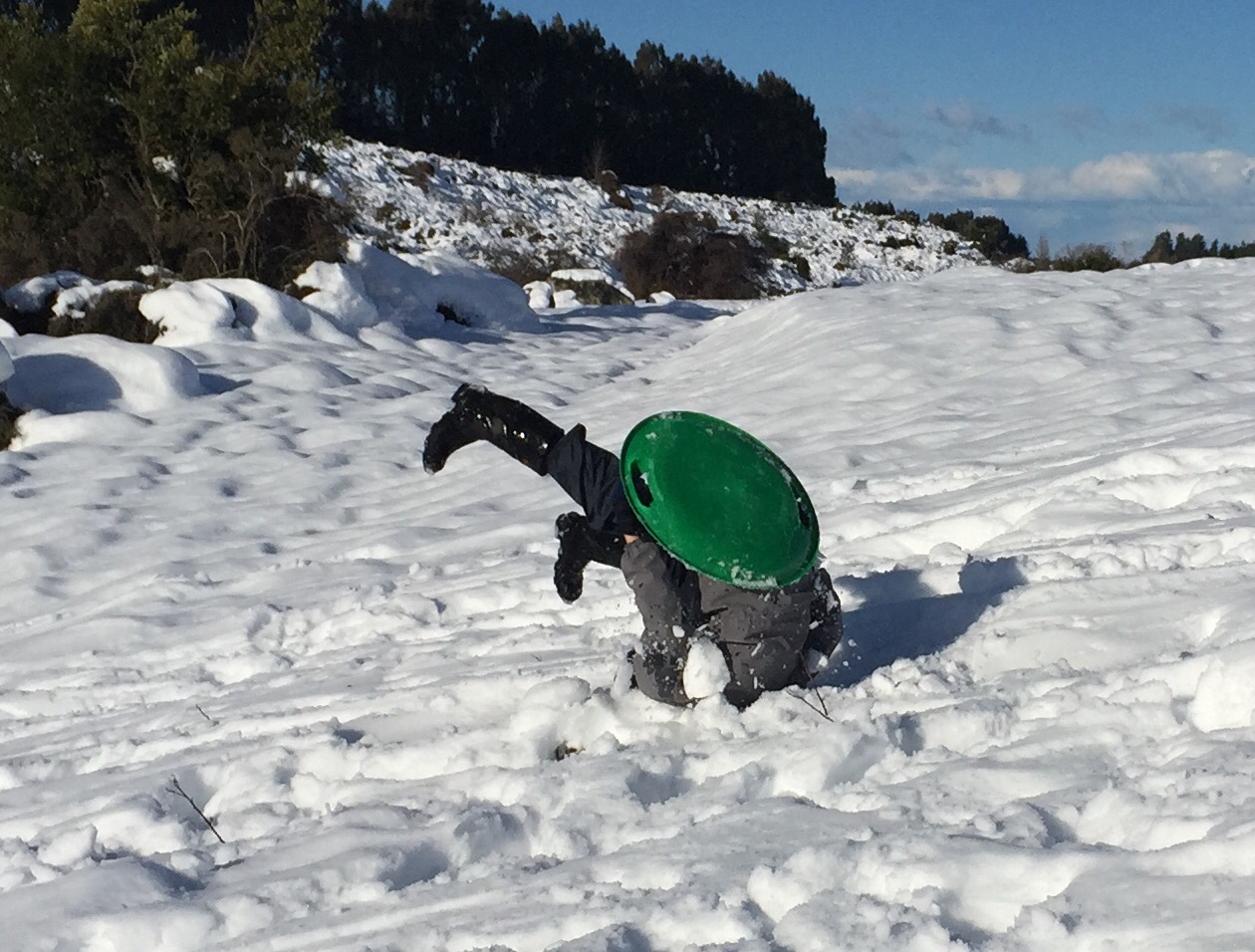
Wipe out!

Wipe out!

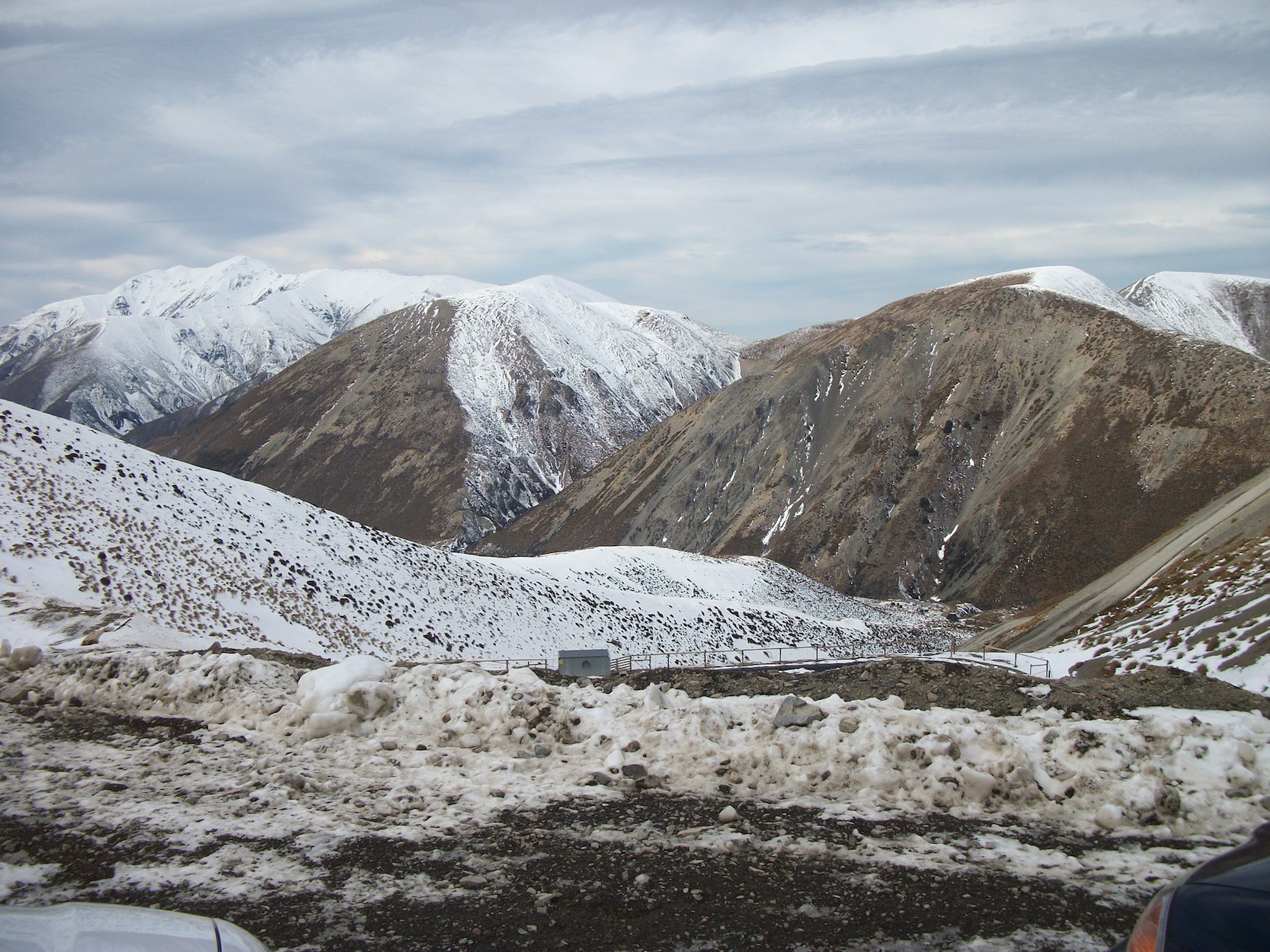
Today, I just had to break up mulch stiff with frost before I could plant. It was actually a beautiful (if chilly) day, and after spending the morning in the garden, we rugged up and headed to the hills for a fabulous afternoon of sledding in 30 cm of snow! Winter just doesn’t get much better than that!