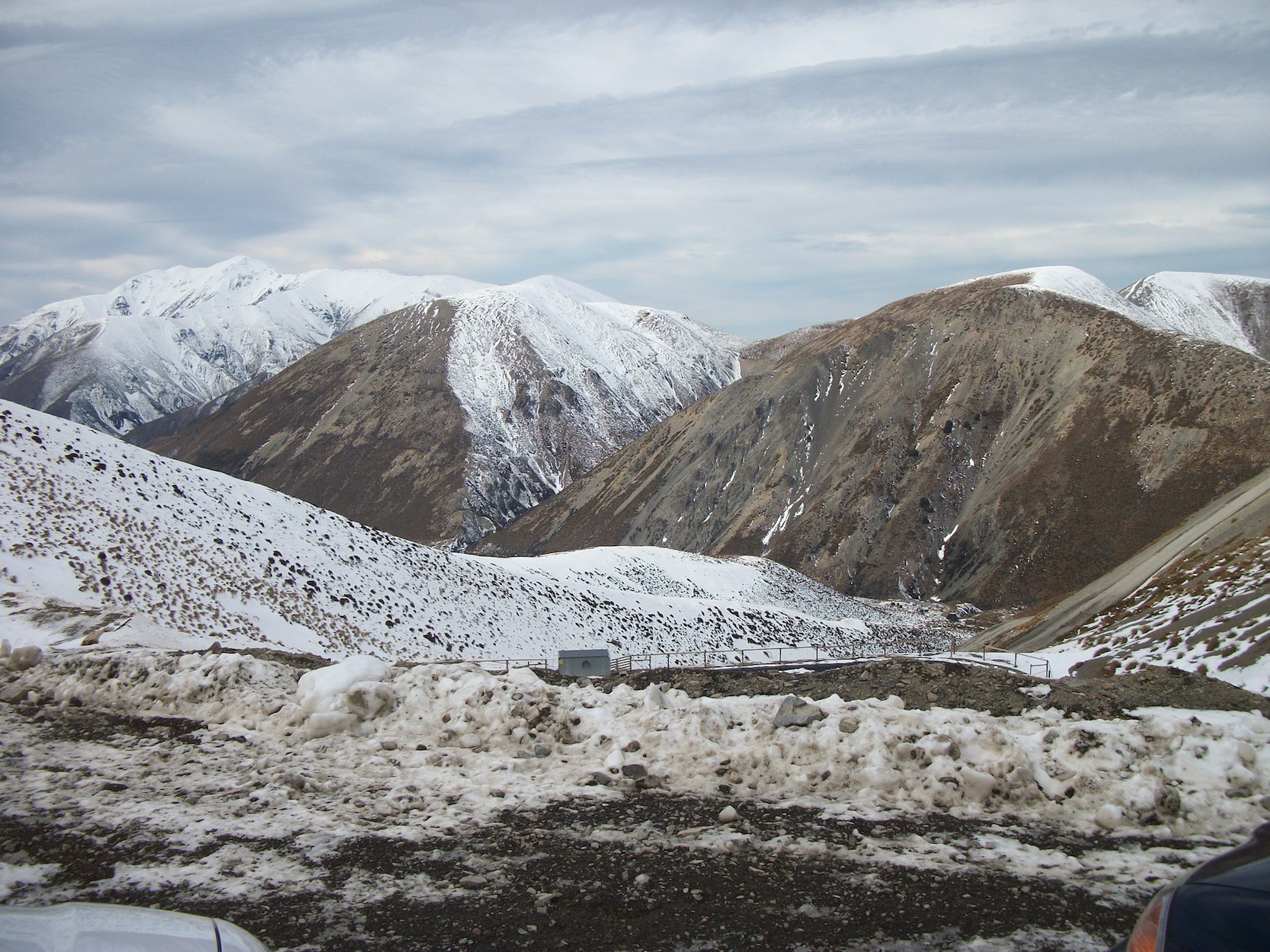
 I took the kids skiing today. When they came off the slopes, snowy and cold, we sat in the car drinking hot chocolate and tea from a thermos and admiring the view.
Not a bad place for a tea break.
I took the kids skiing today. When they came off the slopes, snowy and cold, we sat in the car drinking hot chocolate and tea from a thermos and admiring the view.
Not a bad place for a tea break.
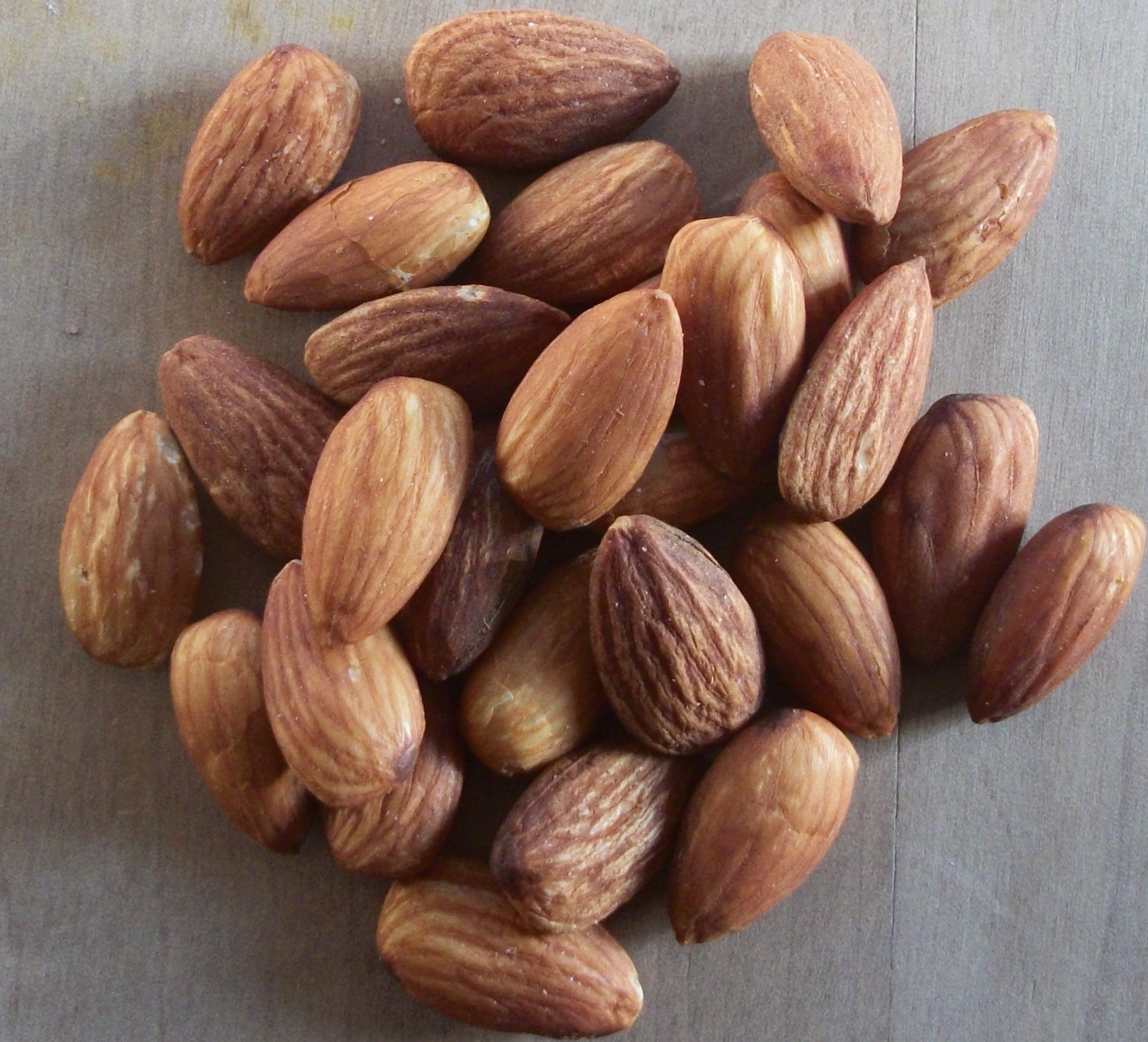 Well, there they go—the last of the almonds. The last I will buy for a long time.
I absolutely love almonds. They’re one of my favourite nuts. But I had already replaced most of the almonds we eat (which come from California, producer of 80% of the world’s almonds) with locally grown walnuts, in my effort to eat closer to home. Now, however, they’ll be a very rare treat.
In my post last week about our relationship with bees, I talked about how North American bees are forced to forage in agricultural monocultures, leading to poor nutrition and exposure to pesticides. The largest of those monocultures is in California’s almond growing region, where the bees are “parked” every year during almond flowering in order to pollinate the trees.
Add to that the gallon of scarce California water that goes into producing each almond, and I find I can’t keep buying them. At least not the ones at the grocery store.
BUT, in deciding that, I’ve discovered that there are NZ almond growers as close to us as Marlborough, and that, with a little coddling, we might even be able to grow them ourselves!
So, with that, I have cheerfully sworn off California almonds. I’ll be checking out my local nurseries for almond trees, and tracking down those locally produced nuts!

Endangered dolphins? Nothing unusual to see…
Travelling around this week with friends from the U.S., I am seeing things with fresh eyes. The strange pronunciations, the shockingly changeable weather, the casual acceptance of road closures, spotting endangered species from the roadside…all those things I now just accept as normal. I’m reminded of how foreign they were to me once.
Coming from the land of restaurant chains, they were surprised by the abundance and quality of local cafés. Coming from a place of certainty, they remarked on the number of times I said, “This has changed completely since I was last here.” Coming from a land of freezing winters, they marvelled at fresh vegetables from the garden at the winter solstice.
It has highlighted for me just how much I have ‘gone native’. How much I have accepted, adapted to, and embraced this place. It has become me, and I have become it. There are many times when I still feel foreign, even after ten years here, but having visitors here helps me realise just how much I have come to belong.
 I’ve been on the West Coast with friends this weekend. The South Island’s west coast always reminds me of Panama. Though one is a temperate zone in a modern, developed country and the other is a tropical, developing country, there are striking similarities in the landscape.
Both are landscapes in which agriculture struggles to hold its own against encroaching rainforest (or the other way around, depending on your point of view).
Giant trees in the middle of paddocks clearly grew up in the middle of the forest and were left for stock shelter. Stumps dotting the farmland attest to the recent clearing of the forest. Drainage ditches rush with water, and the lush vegetation defies a climate harsh in its abundance.
Towns and villages cling precariously to the wet slopes. Lichens and moss encrust rotting weatherboards. Sheds are engulfed by vines. Human sounds are drowned out by a cacophony of raucous birds. Nature dominates the human world. One good storm, one bad decision, and nature will reclaim what people have temporarily usurped.
Of course, this is where the similarities end. Panama’s sweltering heat, its humped Brahman cattle, and volcanic clay soils are nothing like the West Coast, where glaciers reach the rainforest, and black and white Holstein-Friesians graze the paddocks.
I love visiting the West Coast, with its unkempt abundance. It is a sparsely populated frontier, where only the hardiest survive. Lush and lovely and harsh.
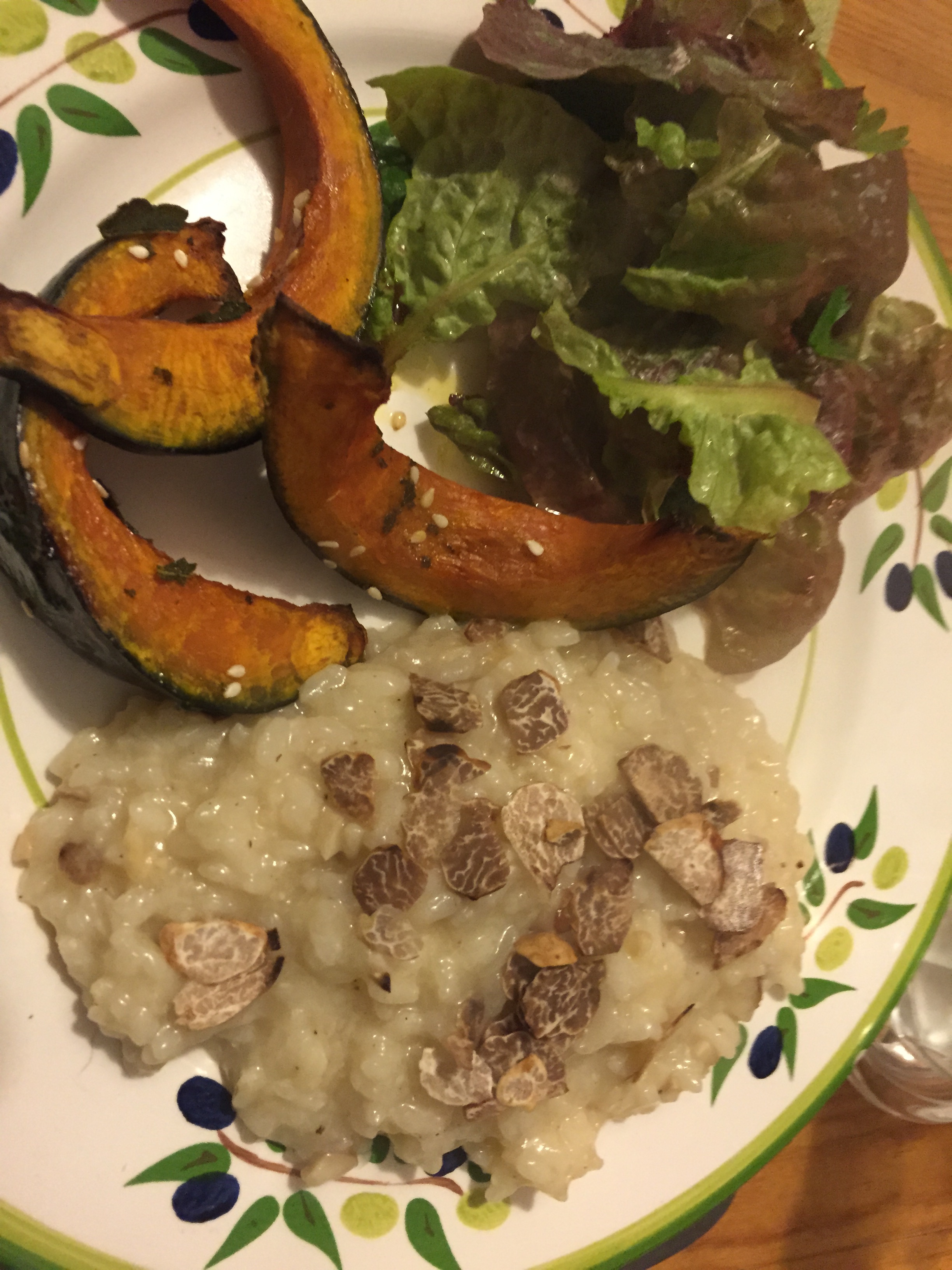 One of my husband’s colleagues (Alexis Guerin-Laguette at Plant & Food Research) is working on the commercialisation of truffle production in New Zealand. They’ve just harvested this year’s crop, and as an ‘insider’ Ian got early access to the bounty.
“You don’t want to know what I paid for these,” he said of the five tiny mushrooms nestled carefully in a tissue-lined jar.
But, who cares—they were truffles! The real, if-you-have-to-ask-you-can’t-afford-it thing! They weren’t a food item, they were a life experience!
Of course, I will admit that they smelled odd. My son described it as, “sort of like petrol,” and my daughter declared the odour “weird”. I reserved judgement until the fungi were properly prepared and sitting on my tongue.
Ian described the flavour as “Sitting in my grandfather’s green leather chair in front of the fire on a crisp autumn night.” He obviously experienced it much more intensely than I did, because my description didn’t come close. I very much enjoyed the flavour—strong, rich and earthy, and unlike any other mushroom I’ve eaten. I also appreciated the crisp texture of the paper-thin slices on top of creamy risotto. Was it worth it? Yes. Worth every penny (even at $2500/kg)!
For those of you near Christchurch who want to try out some truffles yourself, check out the truffle festival July 11-18!
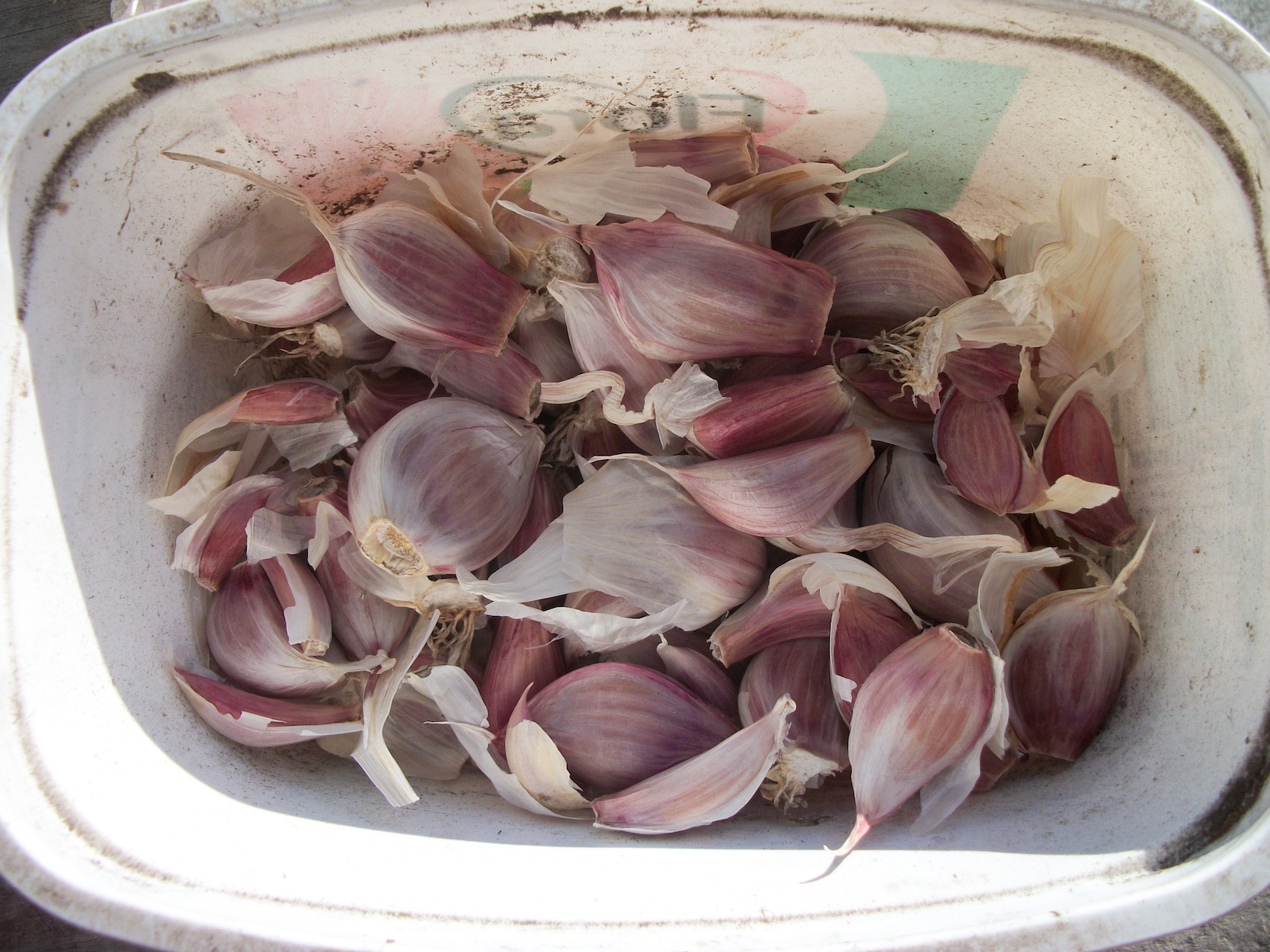
Garlic cloves ready to plant.
The forecast for tonight into tomorrow is for cold southerlies and snow lowering to sea level. So what did I do today? Planted garlic, of course!
Plant on the shortest day, harvest on the longest, is what I learned for garlic. Truth is that here, at least, it’s not ready to harvest until mid-January, but I do try to plant on the solstice. Coming from a homeland where the ground was frozen solid at the winter solstice, it feels positively cheeky to plant anything at that time. It’s a bit of defiance—I even planted through snow one year, just because I could.
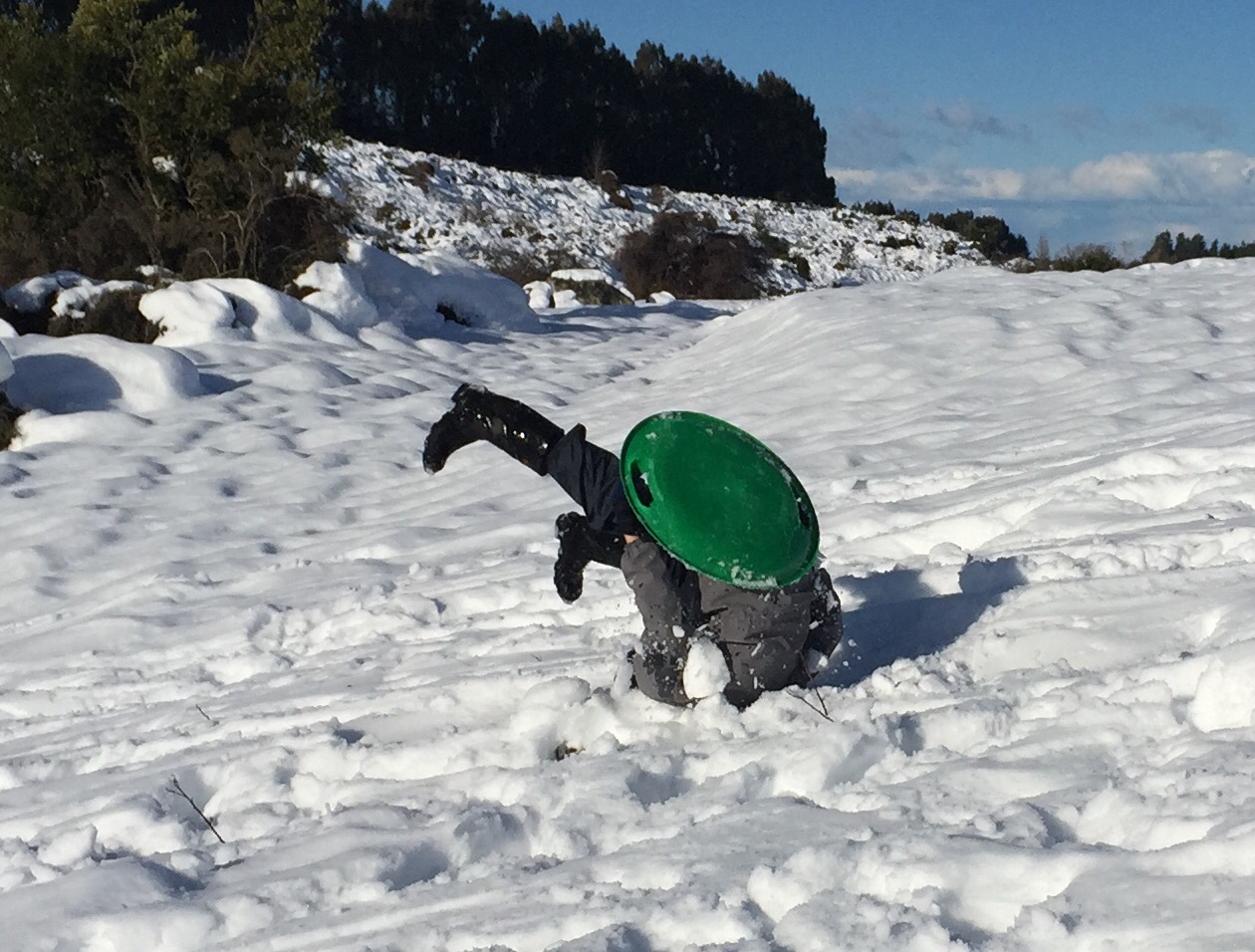
Wipe out!
Today, I just had to break up mulch stiff with frost before I could plant. It was actually a beautiful (if chilly) day, and after spending the morning in the garden, we rugged up and headed to the hills for a fabulous afternoon of sledding in 30 cm of snow! Winter just doesn’t get much better than that!
 I love a good New Year celebration, but the January one has less meaning here than Matariki, which is seasonally appropriate, and a much needed celebration in the dark of winter. Matariki is celebrated on the new moon after the constellation Matariki (a.k.a. the Pleiades, Subaru, 7 Sisters) appears in the pre-dawn sky, after being absent from the night sky since April.
The modern celebration of Matariki only dates back to the early 2000s, and is a quirky blend of Maori traditions and European ideas. Kite and lantern making, food, song, and traditional crafts have all become part of the modern celebrations. Matariki is a time for looking back and honouring the past, and for looking forward with hope. It is a time to give thanks for the bounty of the harvest, and to begin to prepare for the coming planting.
So this Matariki, I will honour the spirit of my grandfather, who died late last year and taught me to pursue my dreams, even if it meant striking off the beaten path. I will look forward to the future, striving to make the coming year I find my place in my new career. I will celebrate the bounty of the past summer’s garden, bringing out jars of summer soup, peaches, and pumpkins for a weekend of glorious food. I will begin to prepare for next year’s garden, weeding the strawberries, and planting garlic in the cold, wet soil. I will celebrate light amidst the dark of winter, with candles and toasted marshmallows over a campfire.
May you find wonderful things to celebrate this weekend, too, whether you are celebrating Matariki, Winter Solstice, Summer Solstice, or just another day.
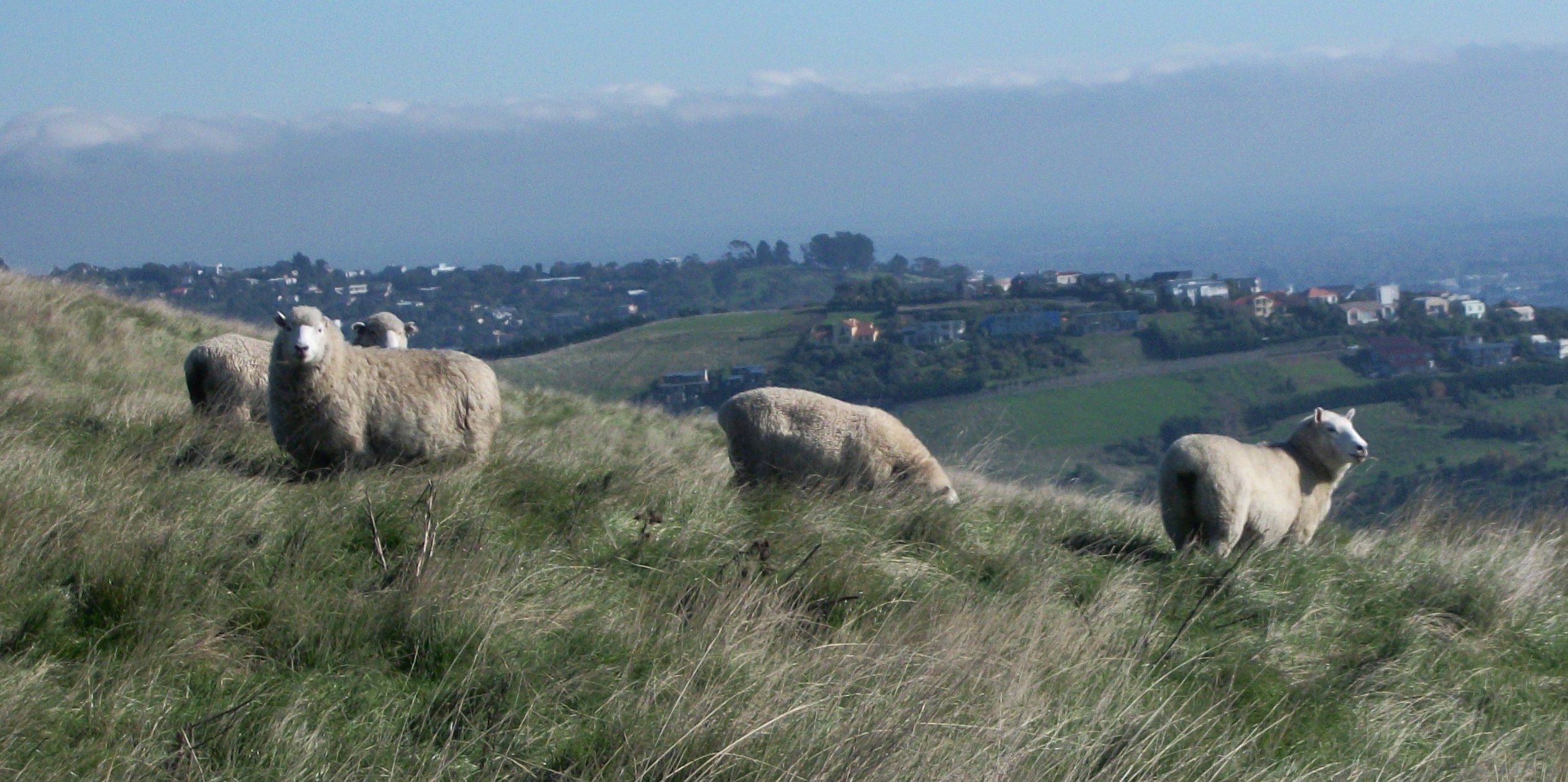 Two days ago, I heard the first one—a reedy, high pitched ‘baaa’ from the neighbour’s paddock. Today there are a dozen voices out there, calling to their mothers, whose low rumbles answer patiently.
Lambing comes early in our neighbourhood. These June and July lambs will have to survive the worst of winter, and the farmers know it is a gamble. One ill-timed storm, and a farmer can lose 200 lambs overnight. It is apparently worth the gamble though. Lambs that make it through the winter will have months of growth on the August and September lambs born in the high country, and will be prime for the Christmas lamb market.
Though I feel bad for those little lambs, born in the dead of winter, I do appreciate the promise they bring, frisking in the paddocks on frosty mornings. They promise spring to come. Warmth and light. They bring joy to the bare branches of the winter landscape.
 I’m currently teaching a biodiversity class at my daughter’s school, so I’ve been thinking a lot about biodiversity in New Zealand. Out here on this island in the middle of the Pacific Ocean, living things have had 65 million years to evolve in isolation. Until humans arrived about 700 years ago, most living things here were endemic—found nowhere else on earth. Three and a half metre tall birds and the giant eagles that preyed on them, flightless parrots, frogs that hatch from the egg fully formed, tuatara that died out everywhere else on earth millions of years ago, crickets the size of mice…
Humans changed things dramatically and rapidly. We brought thousands of other organisms with us, some on purpose, many by accident. Many of those organisms flourished here, at the expense of native organisms. Today, there are few New Zealand ecosystems untouched by the invasion of humans and other non-natives. Some of the most successful invaders have been plants—today there are more introduced plants here than there are natives, and more arrive all the time, in spite of efforts to prevent them.
Many of those invading plants were brought to New Zealand on purpose to provide food, shelter, or medicine. In fact, I can’t think of a single native plant currently cultivated for food, except one seaweed. There are certainly a few edible native plants, but they are few, and they are more of a survival food than something you’d want to eat every day.
No surprise. The crops we eat today have been cultivated for thousands of years—selected by countless generations of farmers to be bigger, tastier, and easier to grow. With only 700 years of history in New Zealand, there’s hardly been time to develop native crops.
The human migrants to New Zealand brought their crops with them instead. Familiar corn and carrots, potatoes and peas. But it’s not just in New Zealand that people mostly eat food native to other regions. People have been carrying their food with them for as long as we’ve travelled, until it’s sometimes hard to know where a food originally came from—classic Italian tomato sauce is made from a plant native to the Americas, the American “wheat belt” has its origins thousands of years ago in Turkey, and cassava domesticated in Brazil is now a staple food throughout tropical areas worldwide. Few people anywhere in the world eat native.
While I would love to be able to magically bring back the moa, Haast eagles, huia, and host of other incredible New Zealand endemic organisms that humans have wiped out here, I will admit I’m terribly fond of my non-native tomatoes, cucumbers, potatoes, eggplants, etc. I am thankful those non-natives are here, and I need not subsist on seaweed and ferns. Does it feel somewhat disingenuous to passionately support the conservation of our native biodiversity while I plant my non-native vegetable garden? Yes, but I’m only human, after all, doing what humans have done for 10,000 years.
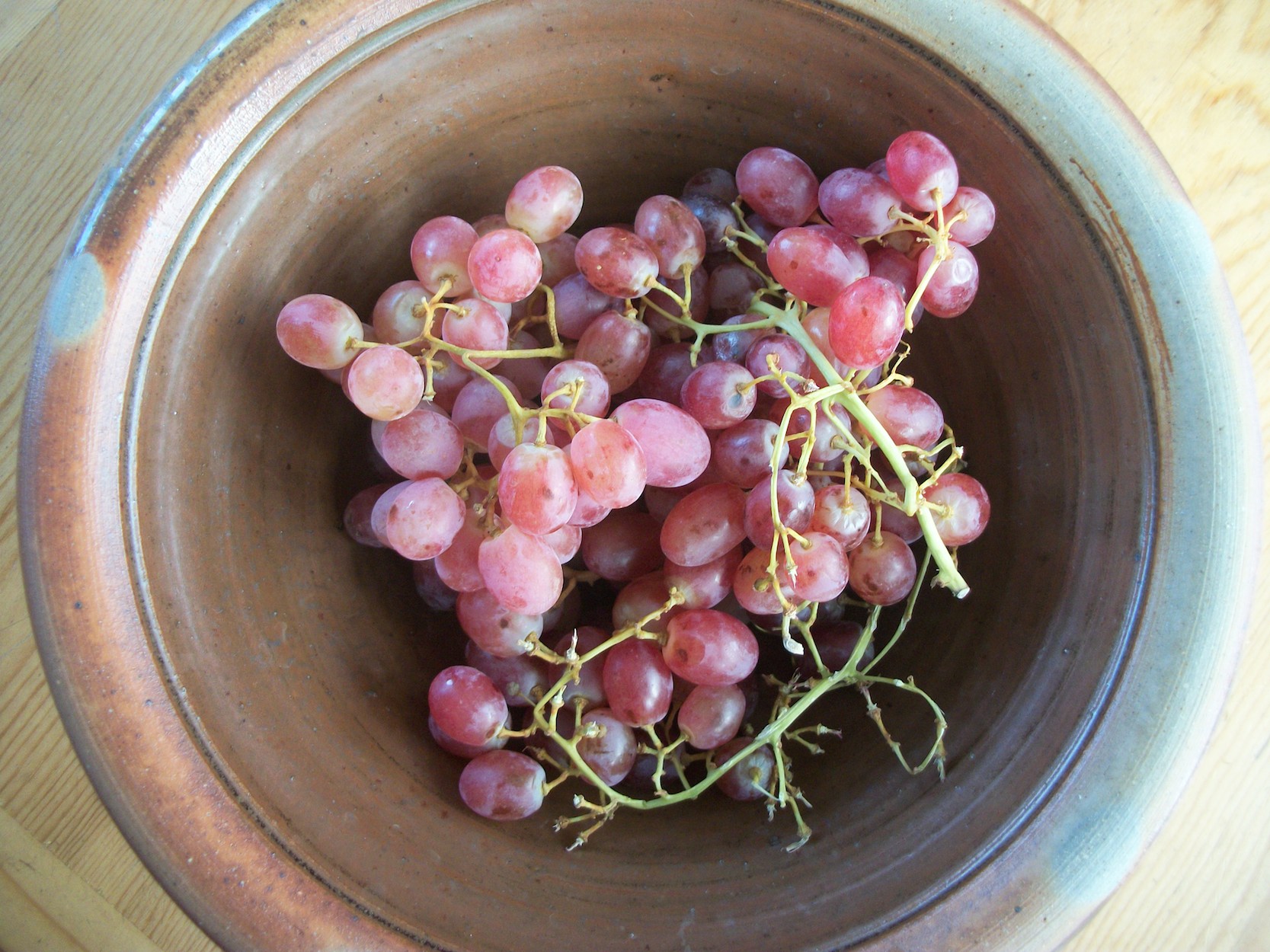 There was excitement in the house this week when I brought home the groceries. I had bought grapes! It generally only happens once a year, during the short Australian grape season. By the time I next go to the store, in three or four weeks, the season will be over, and the grapes will be from California.
There’s nothing wrong with Californian grapes, but I cringe at the idea of buying fresh produce that’s been transported all that way. True, the Australian grapes have travelled quite a distance, but they are the closest commercial table grapes available, and I reckon once a year I can splurge on them.
I’m not a locavore zealot, but I try to minimise the environmental impact of my food choices, and minimising the distance my food has travelled is part of that. So I gaze dreamily as I pass by the Ecuadorean mangoes and American pecans in the store. I use the Canadian maple syrup sparingly, and spend twice as much to buy canned tomatoes from New Zealand rather than Italy. When I do buy food from distant lands, I try to make my purchases as responsible as possible, mentally making up for the food miles expended—buying fair trade, organic products wherever possible.
In making these choices, I’ve discovered some wonderful things. Homemade jam and fruit butters are much better on pancakes than maple syrup. Locally produced olive oil is among the best I’ve ever tasted. Honey is a nicely flavourful substitute for cane sugar. And New Zealand oranges knock the socks off anything grown by Sunkist.
Would I still love a big, meaty mango? Yep, and some days I’m sorely tempted by them. But I’ve eaten mangoes in Panama, where they grew on a tree overhanging the house. My memory of mangoes is almost certainly better than a mango that was picked several months ago and hauled half way round the world. Do I long for grapes more than once a year? Of course, but perhaps, by restricting myself to the most local grapes possible, I enjoy them more when I do have them. And do I occasionally just say, “to hell with it,” and buy a pineapple from who knows where? Absolutely, but I like to think of those environmentally costly things as the treats they probably should be, and spend most of my time enjoying my local riches instead.
 Robinne Weiss