Frost Heave–Moving Mountains

Sometimes it’s the littlest things…

I enjoy winter hiking—I enjoy the crisp air, the opportunity to hike without sweating too much, the snow on the peaks. 

One of my favourite winter phenomena is frost heave. This is when moisture in the soil freezes. Since water expands when it freezes, the ice crystals push soil and rocks upward. We get frost heave at home, but in the mountains, where there is both more water and colder temperatures, the phenomenon can be spectacular.

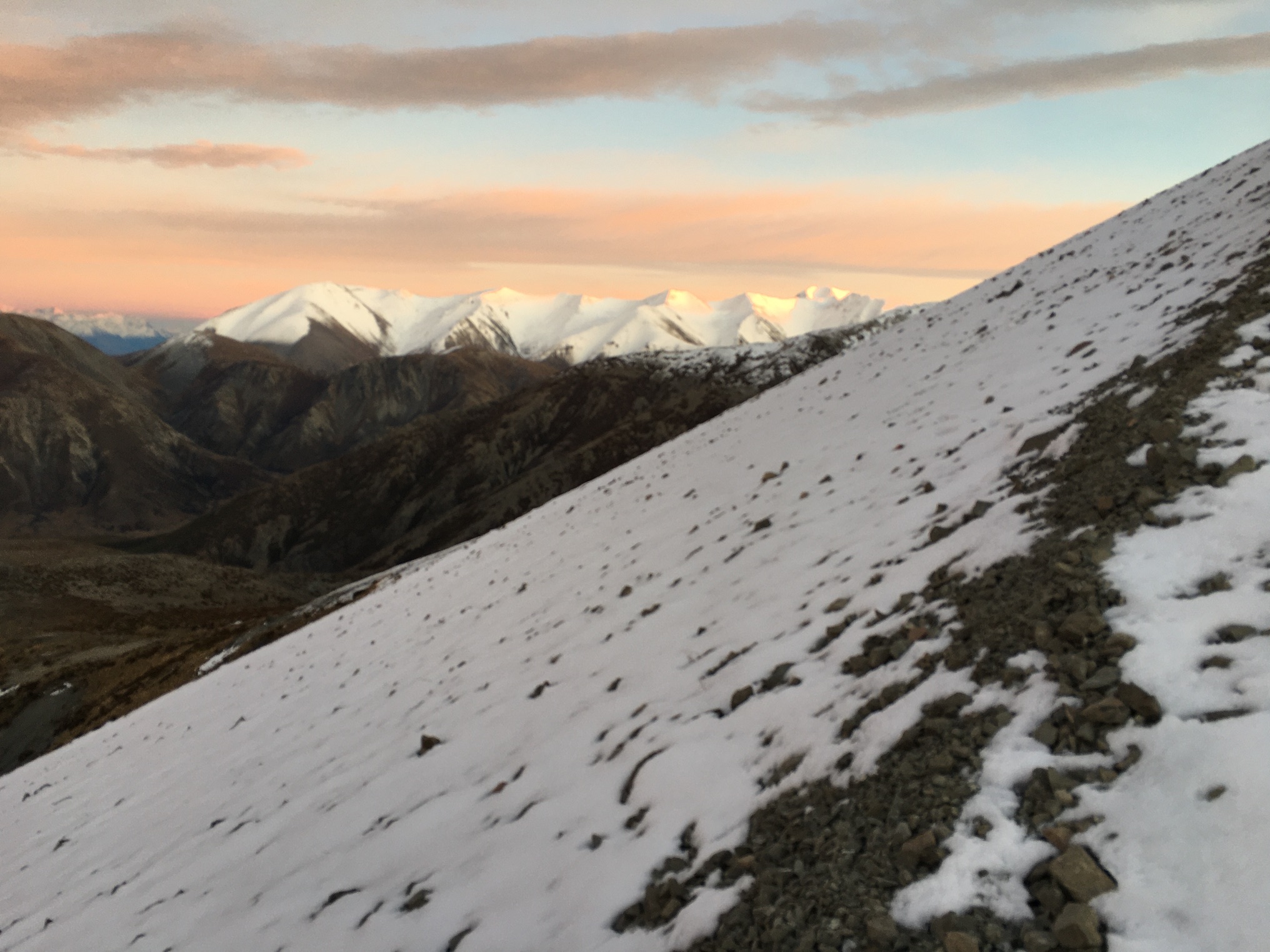
On a cold Matariki morning a few weeks ago, I snapped a photo of five-centimetre-long ice needles near Foggy Peak. Each needle was topped by gravel—the whole top centimetre or more of the sloping surface lifted. As the sun rose and melted the ice, every rock fell a few centimetres downhill from where it started. I imagine this process happening daily all through winter—a slow-motion conveyor belt shifting the mountain downhill. 

Meanwhile, higher up on the mountain, water seeping into the cracks in rocks and then freezing shatters them day by day into smaller fragments to be added to the icy conveyor belt.

It is such a small thing, frost heave. But its slow action has a big effect. 

The Southern Alps are rising at a rate of 10 to 20 millimetres per year—some of the fastest rising mountains in the world. If no erosion had ever occurred, the mountains would currently stand over 20 kilometres tall. Our tallest mountain, Aoraki Mount Cook, is 3754 metres tall. 

Of course, when we think of erosion, we think of the big events like landslides and rock avalanches. These events can be spectacular. 

On 14 December 1991, a rock avalanche on Aoraki lowered the summit by 10 metres over the course of a few hours. Fourteen million cubic metres of rock and ice tumbled down the mountain at speeds of up to 300 kilometres per hour. The shock waves from the landslide were recorded on seismographs as far as 58 kilometres away.

But without frost heave, the 1991 Aoraki rock avalanche might never have happened. Frost heave slowly weakened the rocks, slowly snapped them into smaller and smaller pieces, slowly shifted their weight. Centimetre by centimetre, those little ice needles brought the mountainside down.

I like to think of frost heave as a metaphor. Each of those tiny ice crystals, by itself, can move a pebble, and together they bring down mountains.

Mānawatia a Matariki

Today is Matariki, and like new year celebrations all around the world, it’s a day for assessing the past and planning the future. It’s a day to spend with family and friends. It’s a day to remember and honour our connections with other people, the seasons, and the land.

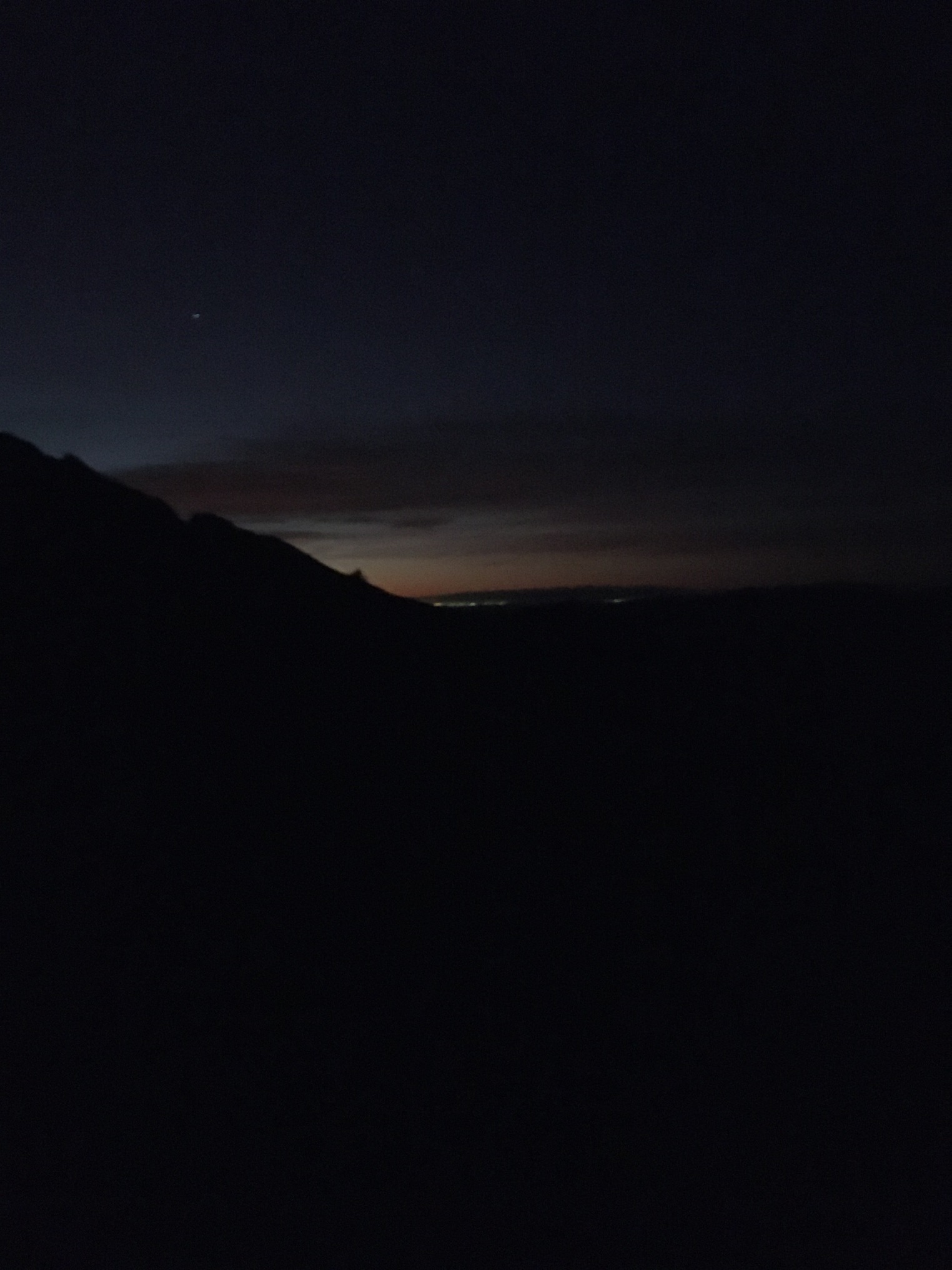
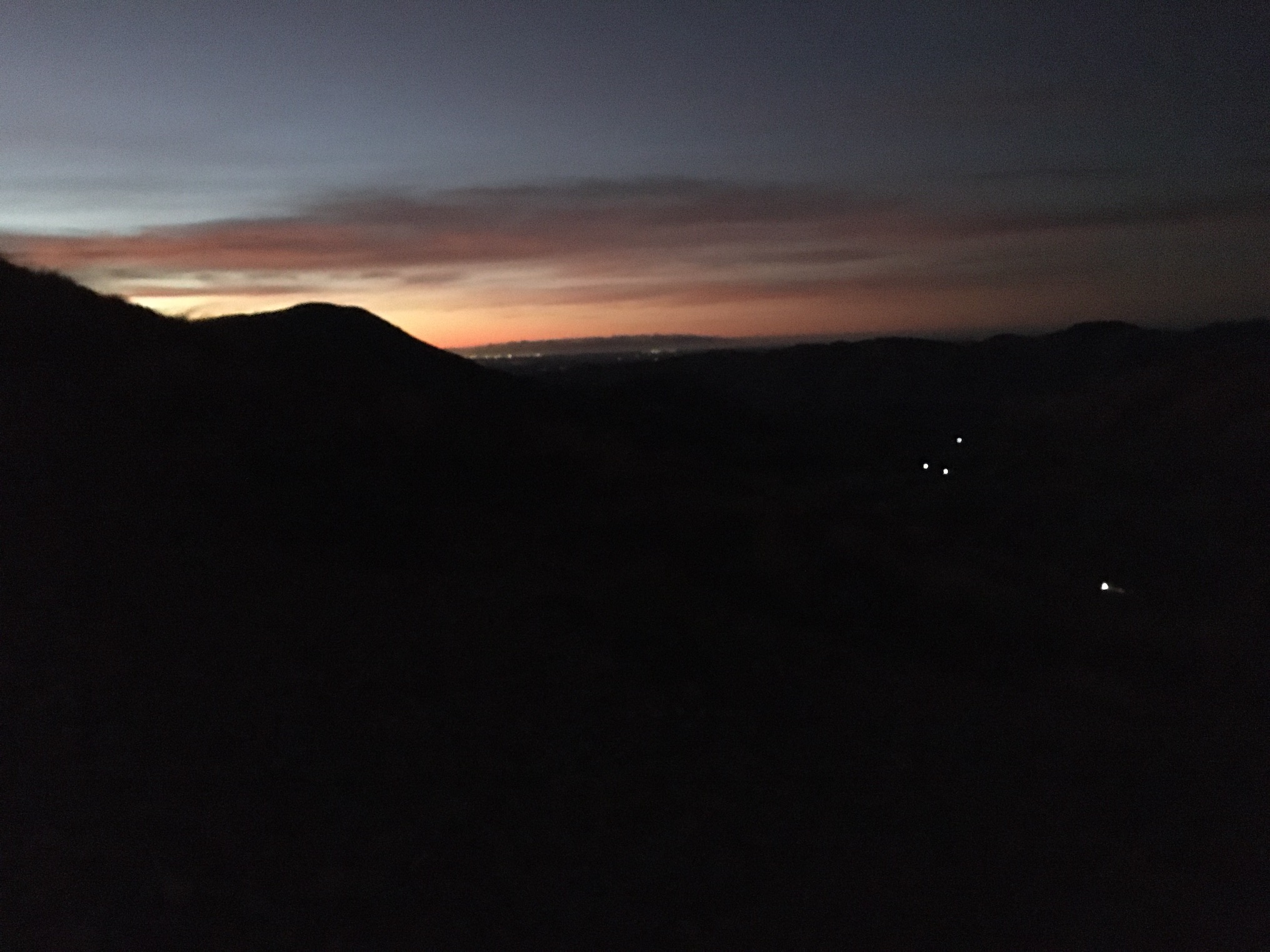
Spending time with whānau wasn’t an option for me today, so I thought I’d celebrate my connections to the seasons and the Earth instead. Before dawn I drove to Porter’s Pass and hiked up towards Foggy Peak. It was dark when I began the ascent, with just a hint of light to the east. I hiked the first 40 minutes or so with my head torch, before it was light enough to see the track.

Being midwinter, I expected it to be cold. It was actually surprisingly warm to start—the air temperature was above freezing. But the wind was stiff, and the temperature was still falling. Thankfully, there was no problem staying warm on the uphill. 

But the wind grew more fierce the further up I went. I stopped frequently to enjoy the beauty of dawn in the mountains, to gaze back at the bright smudges of towns dotting the plains, the pinpricks of light from the cars crawling up the mountain to Porters Pass. I never stopped for long, though.

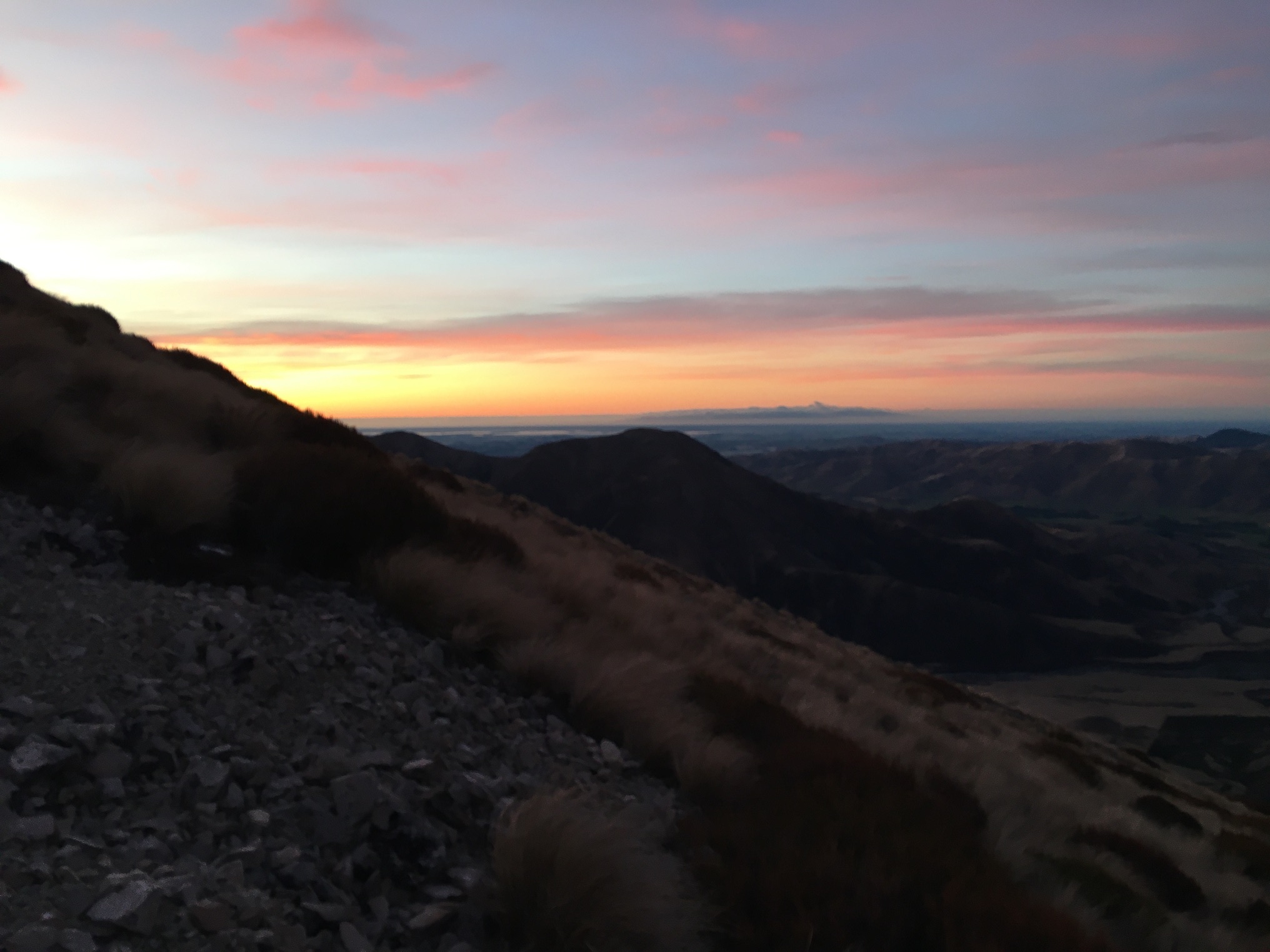
I’d hoped to catch the sunrise from the summit of Foggy Peak, but as the scree gave way to icy snow, my progress slowed, and I wished for crampons. I watched sun strike the snowy peaks of the Craigieburn Range and decided that that would have to be good enough—I could push on to Foggy Peak, but I wasn’t going to sit there with a cup of tea and watch the sun rise as I’d hoped. Even if I’d been in time, it was too windy and cold.

So I had my tea in a sheltered spot lower down, where I could sit and enjoy the view. It wasn’t the summit, but it was a beautiful way to start the new year.

Mānawatia a Matariki! Happy Matariki!

Cover Reveal: Dragons of Aotearoa New Zealand

I’m thrilled to be able to reveal the cover of my upcoming fictional non-fiction book, Dragons of Aotearoa New Zealand!

A world-first guide to dragons, written in consultation with the dragons themselves.

Hidden for centuries, Aotearoa New Zealand’s dragons step out of the shadows in this unique and informative guide. 

Here you will find information about:

  • All eight dragon species found in Aotearoa
  • Dragon biology and evolution
  • Dragons’ unique culture and customs
  • New Zealand Draconic language
  • The history of dragon slaying in New Zealand
  • Dragon conservation
  • How to stay safe in dragon country

With a foreword by the founding members of the Dragon Defence League, and special commentary by the dragons Rata and Foggy Bottom.

A must-read for dragon lovers! 

Coming 6 July!

Winging it–Quince and walnut rolls

Sometimes, you try something new in the kitchen (like using an entire quart jar of black currants in a recipe for cupcakes), and it’s edible, but not something you particularly want to repeat. Then there are times you make something up and it just works.

On Saturday I made a cake that used all the eggs in the house and most of the butter. It didn’t leave me much to work with for Sunday breakfast. (This blog is not about Saturday’s cake, but it was amazing—the Brown Sugar-Spice Cake from King Arthur Flour’s Whole Grain Baking book—it’s what you’d get if gingerbread and pound cake had a baby together, and it was raised by carrot cake.)

So I figured I’d make a yeasted bread for Sunday breakfast. My initial thought was cinnamon rolls, which we do for Christmas breakfast every year. But I wanted something different—cinnamon rolls are for Christmas, not everyday. 

I started off by looking at recipes for various traditional fortified breads, but all of them either had eggs or lots of butter in them. 

So I decided to wing it.

Saturday evening, I combined two cups of warm milk, some yeast, about two tablespoons of butter, some salt, a spoonful of honey and enough flour (half wholemeal (whole wheat) and half high grade (bread flour)) to make up a nice bread dough. It rose beautifully, and after two hours, I rolled it out into a large rectangle. I spread it with about three quarters of a cup of quince paste, then sprinkled on some cinnamon and a generous handful of chopped walnuts. Then I rolled it into a log and cut the log into twelve thick slices, which I arranged, cut side down, in a greased 9 x 13-inch baking tin. 

I popped the pan in the fridge overnight, and the rolls were beautifully risen by 5 this morning. I gave them 30 minutes in a 210℃ oven, pulling them out when they were nicely browned.

While they were still warm, I drizzled a simple glaze over them—1/2 cup icing sugar (confectioners sugar), about 1/2 tsp vanilla, and enough milk to make a thick, pourable consistency.

It’s really too bad I didn’t actually measure most of the ingredients, because the result was excellent. In fact, I think it’s worth running out of eggs and low on butter purely to have an excuse to make these rolls. Maybe next time I’ll measure my ingredients so I can give you all a recipe—it’s definitely one worth sharing.

In the meantime, if you’re adventuresome and would like to give my loose winging-it recipe a go, I highly recommend it. If you can’t get quince paste, I reckon apple butter or a thick apple sauce would work nicely, too, though it’s hard to beat quince for flavour. 

Good luck, and happy experimenting!

Gardening for the Future

As my regular readers all know, I spend a lot of time in the garden. I also spend a lot of time thinking about gardens, looking at gardens, planning gardens …

The bare paddock: former forest, future garden

I am fortunate to be part of a local group of keen vegetable gardeners. Of course, we don’t just grow vegetables—everyone has perennial food crops like fruit trees and berry bushes, and ornamental plants as well. All of us take pleasure in planting and maintaining our gardens, as well as relaxing in and enjoying them. Some of us are in the early stages of establishing our gardens, and others have spent decades cultivating one place. But we’re all focused on the future.

I’m reminded of the quote I copied years ago from the book 1491: New Revelations of the Americas before Columbus, by Charles C. Mann:

“Gardens are fashioned for many purposes with many different tools, but all are collaborations with natural forces. Rarely do their makers claim to be restoring or rebuilding anything from the past; and they are never in full control of the results. Instead, using the best tools they have and all the knowledge that they can gather, they work to create future environments.

If there is a lesson it is that to think like the original inhabitants of these lands we should not set our sights on rebuilding an environment from the past but concentrate on shaping a world to live in for the future.”

I look at the 3000 square metres of land my husband and I own. For thousands of years, this land was covered in forest and periodically scoured by the Waimakariri River, which deposited around 300 metres of rock and clay here on top of the bedrock. When Māori arrived in the region, they burnt the forest to flush out moa and other game birds. European settlers later brought in sheep and cows and planted European pasture grasses. From the mid 1800s to 2019, our little block of land was used to pasture sheep, and later, dairy cows. When it was subdivided to develop as residential housing, the topsoil was scraped off, leaving bare, highly compacted clay studded with rocks. Even weeds grew poorly (in places where we have done nothing to improve the soil, there are still bare patches, where nothing has been able to grow in the past 5 years).

Flaxes provide food for native birds, currents provide food for us.

There was no restoring or remaking what was once here, but when we bought the land, we envisioned a place rich in native plants that might attract native lizards, birds and insects. We envisioned a place full of plants that would provide food—an orchard, berry crops, nuts, herbs and vegetables. We envisioned a place that was beautiful, and bright with flowers. 

A volunteer lancewood.

We cannot erase the fact that the soil here has been sorely abused for nearly two hundred years. We can’t erase the fact that we sit over an old river bed full of rock and clay. Not everything we plant flourishes, and other plants have done so well, they’ve become weeds. Some insects and birds have returned, but glaring absences remain, and non-native pests still dominate.

But like all gardeners, we look to the future, our imaginations filling the gaps in what we see today. We do our best to collaborate with the natural forces at work here in order to shape a little pocket of plenty for ourselves and others.

Upcoming release: Dragons of Aotearoa New Zealand

Less than three months until Dragons of Aotearoa New Zealand is released! I’ve had so much fun working on this book, and I can’t wait to share it with you. I’m especially excited about the awesome illustrations created for me by the amazing Lily Duval. Look for a cover reveal in June, and the release of the book in July at the Tamariki Book Festival!

A world-first guide to dragons, written in consultation with the dragons themselves.

Hidden for centuries, Aotearoa New Zealand’s dragons step out of the shadows in this unique and informative guide. 

Here you will find information about:

  • All eight dragon species found in Aotearoa
  • Dragon biology and evolution
  • Dragons’ unique culture and customs
  • New Zealand Draconic language
  • The history of dragon slaying in New Zealand
  • Dragon conservation
  • How to stay safe in dragon country

With a foreword by the founding members of the Dragon Defence League, and special commentary by the dragons Rata and Foggy Bottom.

A must-read for dragon lovers! 

Autumnal Beauty

Here in Aotearoa New Zealand, most of our native trees are evergreen, so we don’t have the same spectacular autumnal colours I remember growing up in North America. There are, of course, plenty of European non-native trees planted in parks and gardens, so we do get some autumnal colour, but here in Canterbury, where summers are dry, the overwhelming landscape colour in autumn is green, as cooler temperatures and increased rainfall lead to a flush of grass growth.

In the vegetable garden, however, there’s plenty of colour. Much of it is subtle, but it speaks of autumn nonetheless.

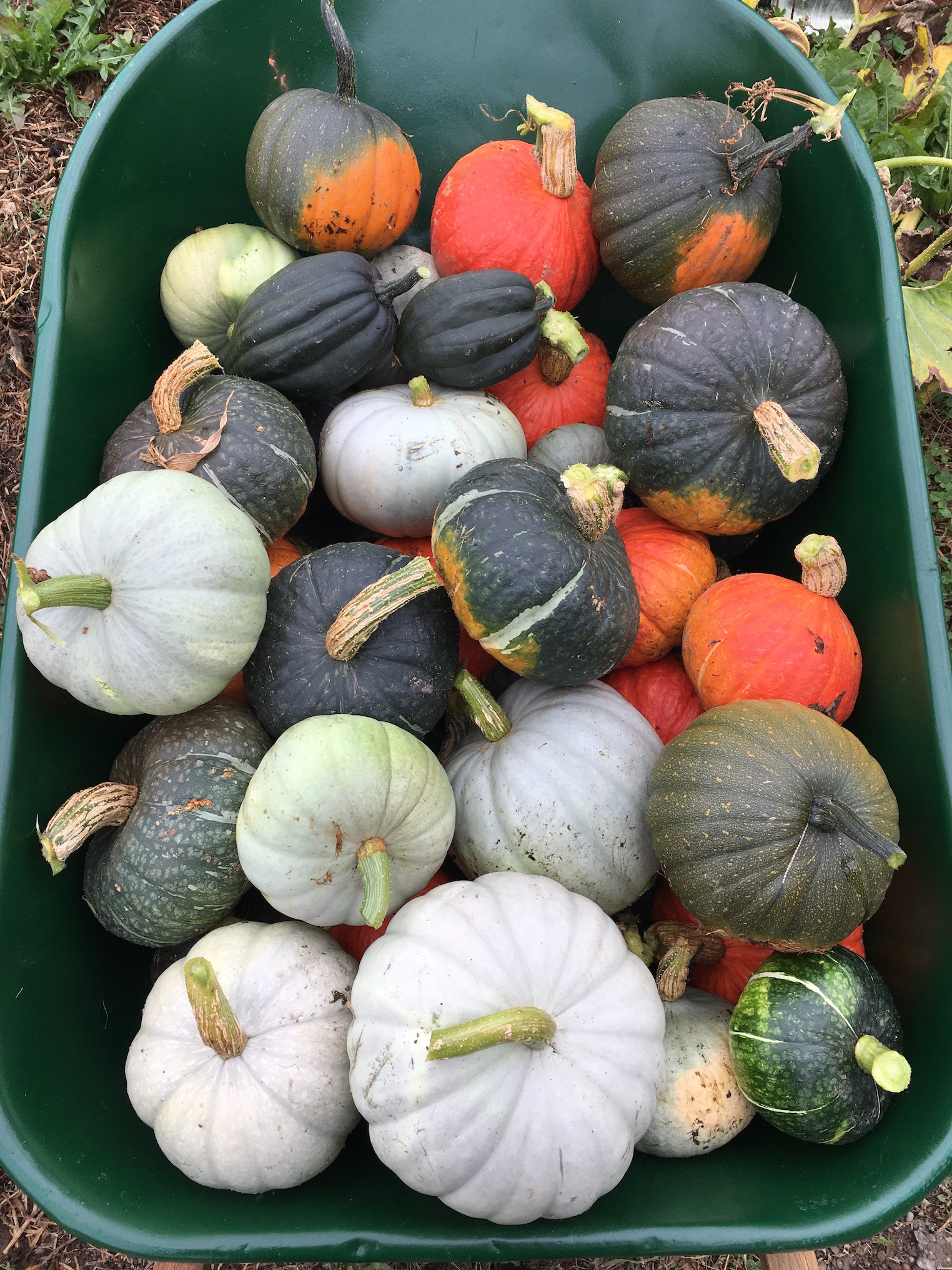
Winter squashes offer deep green, heathery grey, and orange, first in the garden, and then in the laundry room where they adorn every available surface at the moment. They’ll also offer beautiful orange in dinners throughout the coming year as we work our way through them.

Dry beans also provide colourful beauty at this time of year. Trays of drying beans on the porch make me smile: Blue Shackamaxon’s glossy black, Bird’s Egg’s speckled spheres, and Cherokee Cornfield’s riotous mix of colourful varieties.

Then there’s the flint corn. This year, I planted Strawberry Popcorn, which produces deep red kernels, and Glass Gem, with its glittering multihued kernels. Husking corn is like opening a box of crayons.

In the greenhouses, summer still reigns, offering red tomatoes, multicoloured peppers, and purple eggplants.

On top of the colourful vegetables, there are plenty of autumnal flowers in bloom: dahlias, heliopsis, and chrysanthemums provide bright splashes of yellow, orange, pinks and reds. They also attract colourful butterflies like yellow admirals, red admirals and monarchs.

So while we may not have the colourful autumn leaves, there is plenty of brightness to enjoy, even as the days grow short and dark. 

2024–Year of the Rat?

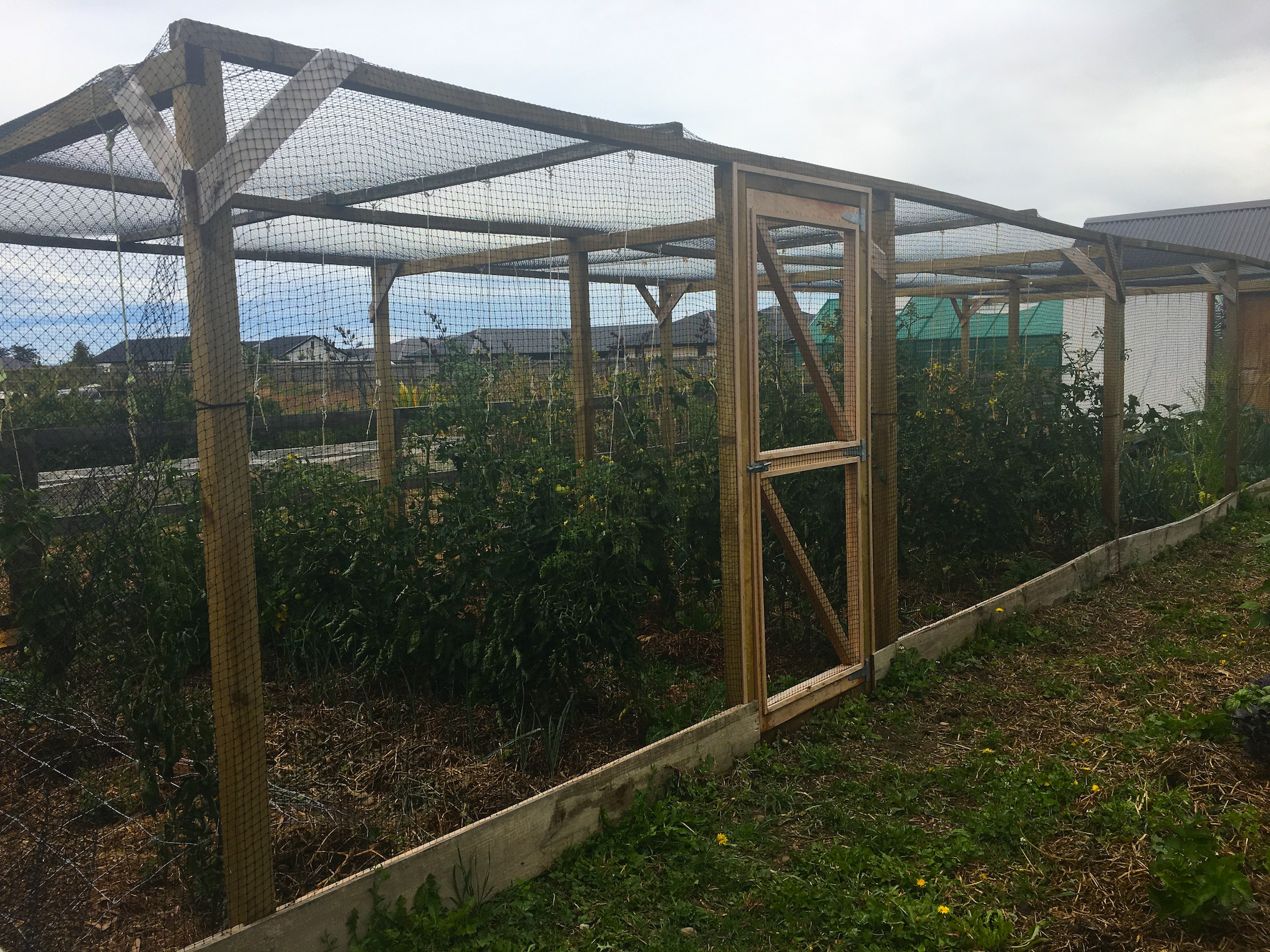
The netted ‘room’ is excellent at keeping birds out, but does nothing to thwart rats.

With a third of my garden protected with permanent bird netting this year, I was pretty smug about pests this spring. Silly me …

2023 may have been the year of the rabbit in the Chinese Zodiac, but in my garden it was year of the rat, and it seems to be continuing in 2024.

In the spring, rats ate all my pea seedlings … twice … On one of those occasions, they plundered the seedlings in the three hours the tray sat in the garden before I planted them out. I was working (planting other things) just metres away while the rat collected all the seedlings and tucked them away in its nest (I found them later when I uncovered the nest).

The rats also did good work on my first planting of corn, melons, cucumbers, and pumpkins, eating the seeds and uprooting the seedlings.

I went through three cheap rat traps (none of which actually caught a rat, and all of which quickly broke), before spending an excessive amount of money on a DOC 200 trap. This terrifying stainless-steel beauty caught its first rat within 24 hours. It has nabbed 3 rats, a hedgehog, and an English sparrow in the three months I’ve had it, which I’m quite pleased about.

Unfortunately, it has not solved my rat problem. Last week I discovered a rat (or rats) had tunnelled straight down my potato bed, eating nearly every potato in the entire bed, and damaging some plants so badly they were dying. Yesterday, I went to pick a gorgeous Black Brandywine tomato that was ripening on my now bird-protected tomato plants. I found the tomato on the ground, half eaten by little rat teeth.

I’m beginning to wonder if I will get anything off the garden this year. So far, the rats don’t seem to like courgettes or cucumbers, but my beans are planted right next to the compost pile where the rats seem to nest. Once they start plumping out, they’ll be primo rat food. And the corn? You know those rats will be scampering right up the plants to gnaw at the ears. Makes it hard to lure them to a trap when the garden is a smorgasbord of delicious food.

Makes me wish I still had a cat—the rats didn’t start to become a real problem until he was gone.

I’ve also got my first ever infestation of whitefly this year. Pretty embarrassing for someone whose Master’s degree was on greenhouse pest management. Whitefly wasn’t even on my radar, so I missed early signs of the infestation. They’re not only in the greenhouse, but outdoors as well. The key to effective integrated pest management is paying attention and catching infestations before they’re a problem, and I failed spectacularly at it. Now I’m playing catch up. My only consolation is that it looks like lots of other people are, too, because both suppliers of whitefly biocontrol agents in New Zealand are sold out. Serves me right, I guess.

So as we enter 2024, officially year of the Dragon, I’m wondering if there’s a dragon that eats rats …

January in the Garden

January is quite possibly the best month in the garden. Seemingly overnight, the vegetables double in size. Summer crops begin ripening. Weed growth slows, and the vegetables are large enough to compete with all but the most aggressive weeds. Garden work switches from planting and weeding to picking and processing. The frenzy of December berry crops is over, and the cupboard is bursting with jam.

January is a time to enjoy the fruits of my labour. Not that there isn’t work to do, but the rewards of all my work are beginning to outweigh the effort. It’s a great way to start the new year.

Another great way to start the year is with the giant plant tags Santa Claus made me for Christmas. They’re not the most efficient markers for the garden, but they’re adorable and add a touch of whimsy.

With luck (and a lot of hard work by my husband), by the end of January, I’ll also have a nice new garden shed for storing tools and potting up plants. There will be a bit of whimsy in the shed, as well, inspired by a leaded glass window we found for it. I can’t wait to have that bit of the garden plan complete and functional!

I hope your January is full of things to enjoy and to look forward to.

Thousand Acre Plateau–a Lovely Christmas Getaway

The family’s pre-Christmas tramping trip this year was to the Thousand Acre Plateau in Kahurangi National Park. 

Last time we were in Kahurangi National Park was to hike the Kepler, our pre-Christmas tramp a few years ago. On that trip, it poured relentlessly, and we hiked with few breaks, for fear of hypothermia.

This trip was exactly the opposite. With sunshine and temperatures reaching 29℃ (84℉), we took lots of breaks, for fear of heat stroke. 

The Needle

Our original plan had been to hike an hour to the Lake Matiri Hut on day one. After a leisurely start and five hours driving, it seemed reasonable not to plan too much hiking. But when we reached the first hut, none of us was ready to stop—we’d only just begun, after all.

The DOC time to Poor Pete’s Hut, on the plateau, was listed as 3 hours. It was only four o’clock, and it was the summer solstice—there was plenty of time to push on to Poor Pete’s.

Unfortunately it was straight up to Poor Pete’s, and the temperature remained stubbornly high. By the time we finally crested onto the plateau I was questioning our decision to push on in the heat. But the plateau was painted gold by the evening sun, and our first glimpse of the remarkable limestone landscape was truly spectacular. We reached Poor Pete’s Hut at 8 pm, enjoying the final 20 minutes of flat-ish hiking as the sun set.

Poor Pete’s Hut is a sweet little 2-bunk hut. Unlike last year’s two-bunk huts that our family of four crammed into, Poor Pete’s has a spacious covered porch area that was brilliant for sleeping, so we snoozed in style as the noisy weka and ruru did their best to keep us up all night. And I can’t discuss Poor Pete’s Hut without mentioning the long drop, which isn’t the standard modern DOC vault toilet. Rather it is an old-style wooden box set atop one of the many deep crevices in the Thousand Acre Plateau landscape. And to make a trip to the loo exciting, the path down to the facilities crosses the crevice in an awkward fashion. I nearly slipped in my first time. Classic.

On day two, we hiked across the rolling landscape of the Thousand Acre Plateau to Larrikin Creek Hut. Compared to the first day, it was an easy stroll, but I can imagine in wetter weather it could be an absolute nightmare. The plateau is mostly wetland, with lots of tarns and wet, mossy and muddy ground. Entries in the hut book at Larrikin Creek Hut mentioned ending up waist deep in some of the boggy holes. We managed it with mostly dry feet.

The Hundred Acre Plateau, as seen from the top of The Needle

It was only 9.30 am when we reached Larrikin Creek Hut, nestled at the edge of the forest near the base of The Haystack, a gravelly limestone ridge that kept shedding rock, even in the still and sunny weather. We had a brief rest, dropped most of our gear, and headed up to the top of The Needle, which looks like a child’s drawing of a mountain. There is no official, marked route to the top of The Needle, and it’s a bit of a scramble up Spaniard-infested scrub to get there. I decided there is no good way up, only less bad ways. But the view from the top is fabulous.

The limestone of the plateau is fractured and crumbling, and with landslides clattering down The Haystack, it wasn’t hard to imagine how the entire plateau will eventually tumble into the valleys below.

Evening at Larrikin Creek Hut was filled with birdlife—a cheeky weka kept us vigilant as it eyed up our boots and snacks. A kea called from somewhere on The Haystack, but thankfully didn’t descend to plunder our gear. Weka, bellbirds, and tūī kept up a cacophony until dark, when the ruru joined the weka (do those birds ever sleep?) for the night shift. 

On Day three, we took an early morning jaunt down Larrikin Creek to the point where it plunges off the plateau. There were a couple of lovely pools near the edge, which would be fabulous swimming spots on a hot day (day three dawned coolish and drizzly, so no swimming for us, though we did all take a dip the day before in some shallower pools upstream). Walking across water-smoothed slabs of limestone in the creek bed, we saw lots of fossils and some interesting aquatic invertebrates.

After our stream scramble, we hefted our packs and began the return journey. Lunch at Poor Pete’s Hut in the rain was a real treat—that covered porch working its magic again. The descent off the plateau was not quite as bad as the ascent had been, but the earlier rain only served to make the forest hot and humid, so it was almost as sweaty.

The real treat on the descent was a flock of kākā calling in the treetops, keeping pace with us for a while. 

We spent the night at the heavily sandfly-infested Matiri Hut, which we shared with a group of three others who were on their way up. The sandflies drove us out early on day four, and we were back at the car by shortly after 7 am. A nice little tramp in a spectacular landscape! 

Cheeky weka