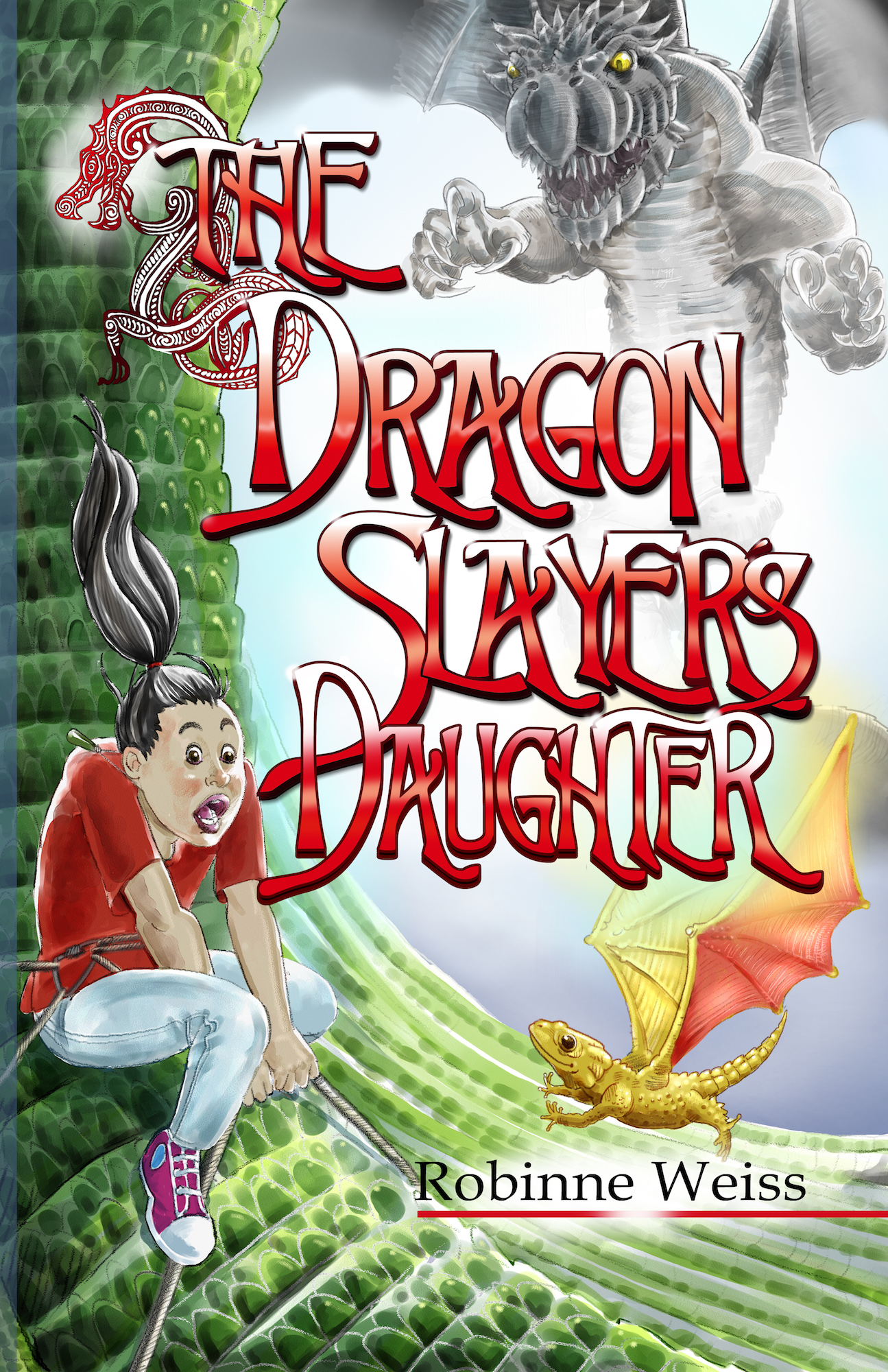
The Dragon Slayer’s Daughter–Cover Reveal

I’m thrilled to be able to reveal the cover of The Dragon Slayer’s Daughter.

There’s never a dull moment when you’re dealing with dragons.

Tui, Nathan, Ella and Oliver have saved Nathan’s dad. Now they need to save the dragons. Can they convince dragons and humans to work together? Not everyone is happy with their plans, and some are willing to kill to prevent them from succeeding.

Coming in April!

Hawksbeard: a Cheerful Weed

We’ve had recent, much-appreciated rain, and the grass is unusually green for January. But even with the grass growth, summer is weed season in the lawn.

More specifically, summer is weed flowering season.

Some of the weed flowers are uninspiring, and merely annoying—the dull greenish flowers of plantain, for example.

Others bring a splash of colour to what is normally a bleak time in the lawn.

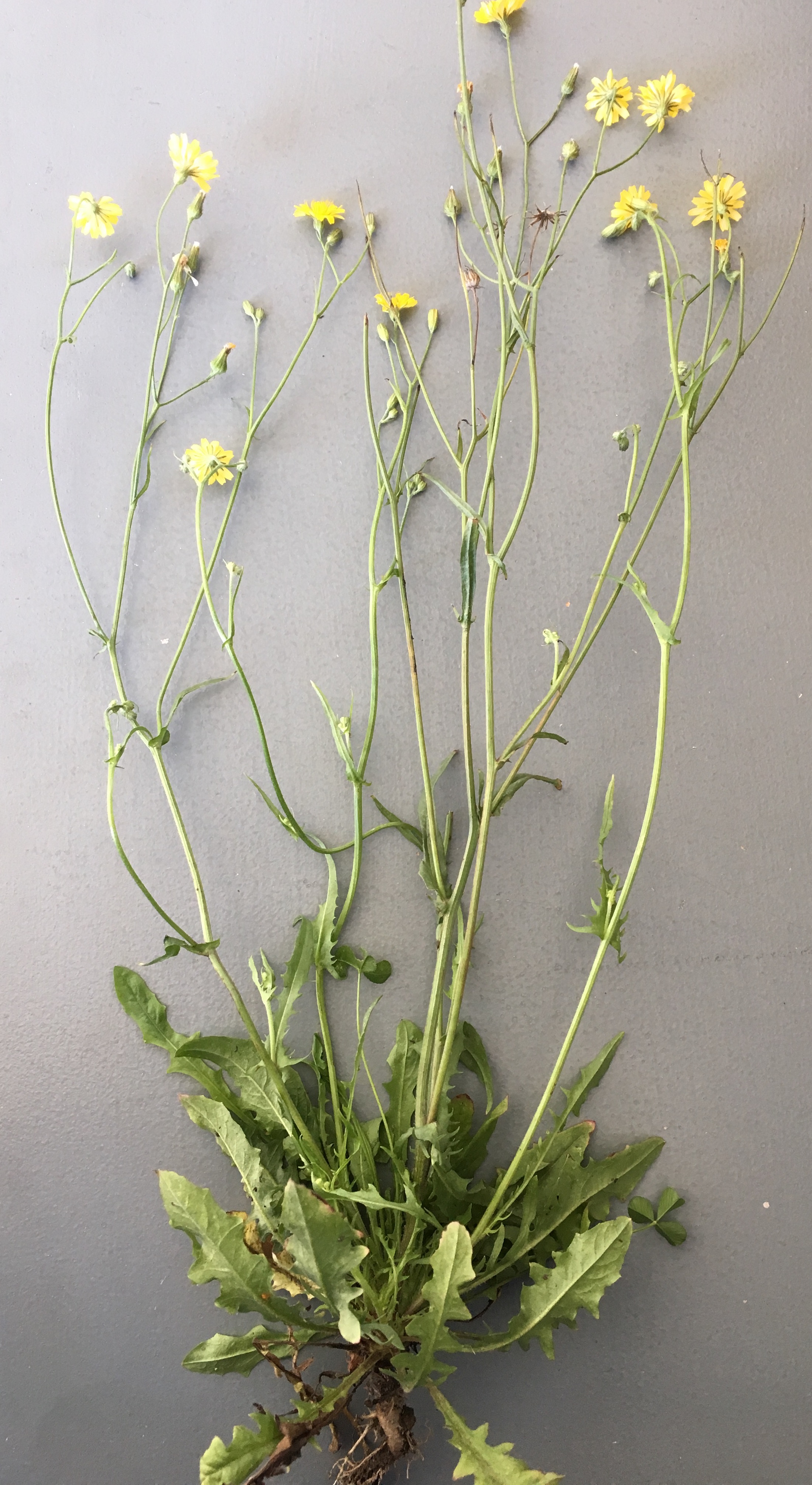
Hawksbeard (Crepis capillaris) is one of the more prolific colourful weeds in the lawn in summer. An annual or biennial member of the dandelion family, this plant bears small, cheery yellow blooms on tall, branched stems.

The NZ Plant Conservation Network shows hawksbeard as being naturalised in 1867 from Europe. Like its cousin dandelion, it was most likely brought to New Zealand on purpose as a food plant—it’s young leaves are edible. Like the dandelion, it is no longer valued as a food, but is considered a weed.

I will admit, the tall flower heads of hawskbeard can be annoying in the lawn. They seem to spring up overnight between mowings, and they slap against your legs as you walk through the yard. But I do appreciate their yellow blooms at a time of year when most other plants give up from the heat and drought. I have been known to use hawksbeard in flower arrangements, and their green rosettes are sometimes the only green to be found around the yard.

Rolling out the Welcome Mat

When we first moved to our house, most of the landscaping, at our place and at the neighbour’s, was non-native. Gorse, photinia, oaks, birch, macrocarpa…plants of little interest to native wildlife. We’ve slowly been replacing much of the non-native vegetation with natives. When the property next door changed hands, the new owner replaced the gorse hedges with natives. Our plantings are all maturing, and I’ve got my fingers crossed we’ll soon attract some native residents.

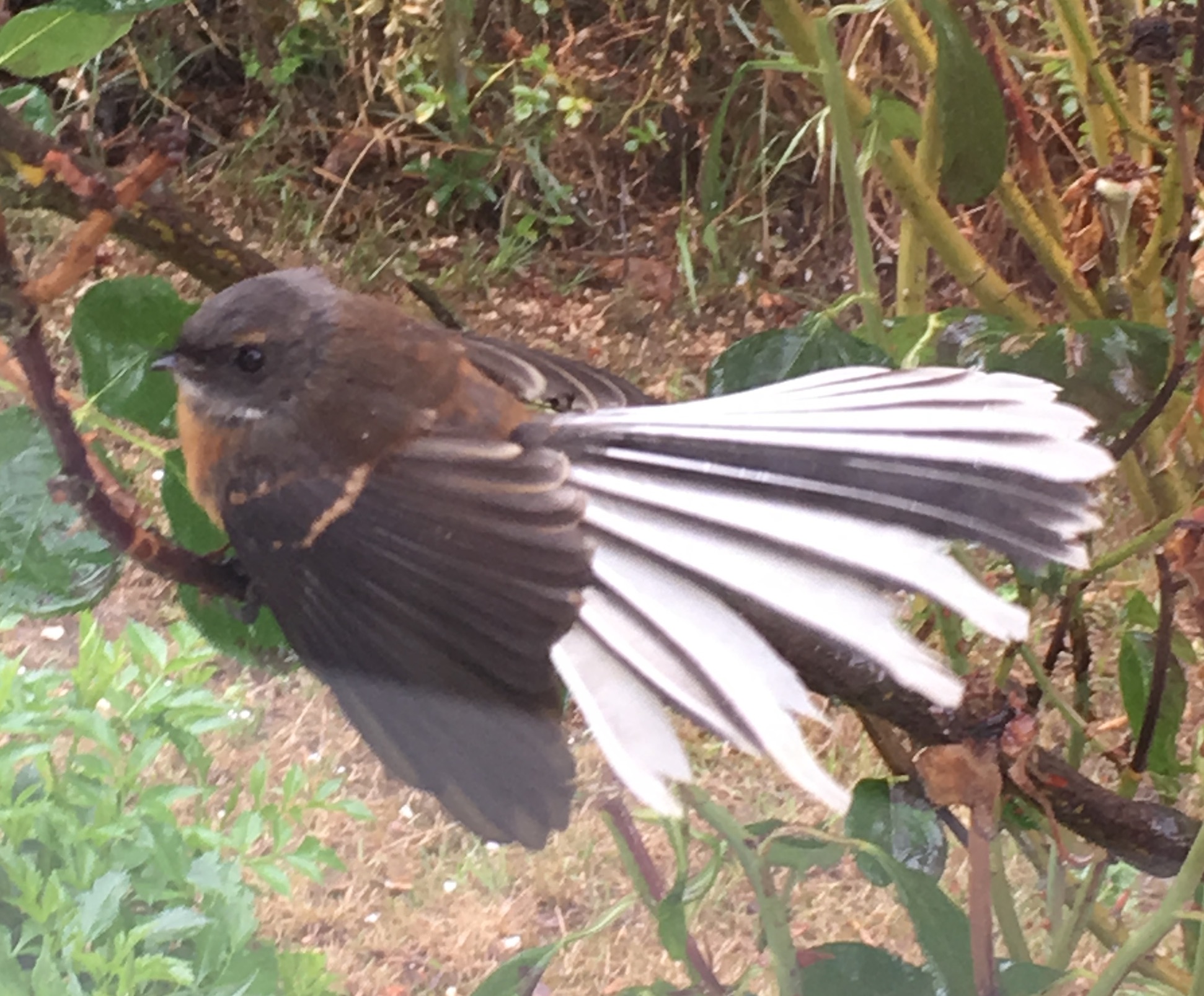
Over the years, piwakawaka (fantails) have shown up occasionally, usually in autumn, and only for a week or so before moving on. But this year, one has arrived in summer. He’s been flitting around for over a week now, chattering and declaring ownership of the place. I’m crossing my fingers, hoping he’ll stay.

Piwakawaka don’t stay still for photos, but he was talking to me through the kitchen window yesterday and, with the window as a bird blind, I was able to snap a couple of photos that weren’t just a blur of feathers. He’s a cute wee guy. I hope our welcome mat is acceptable to him.

Volcanoes in the Mist

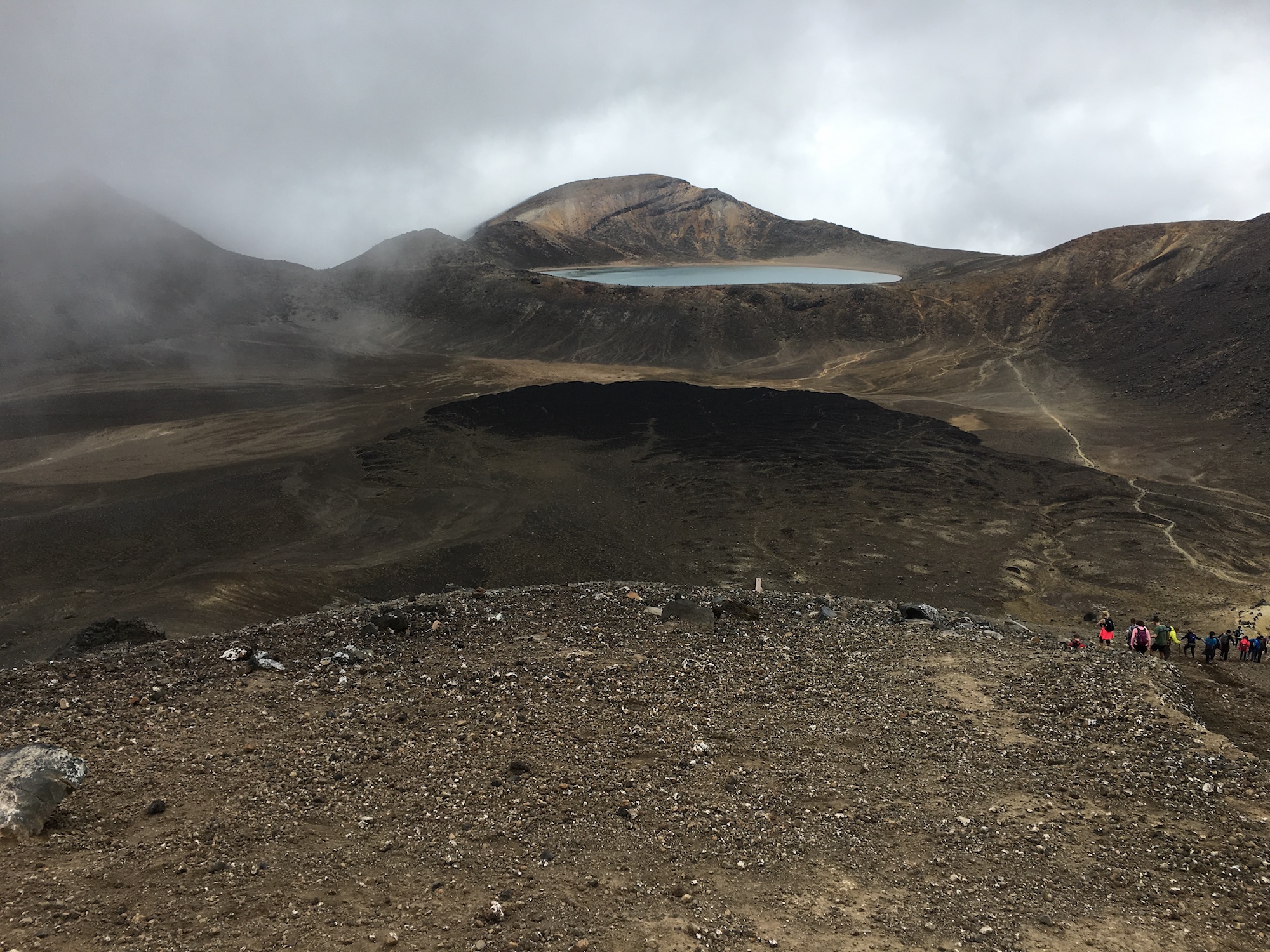
Our pre-Christmas family adventure this year took the form of a week on the North Island. One of the many things we did was to hike the Tongariro Crossing. The track climbs the slopes of Mt. Tongariro passes between Tongariro and Mt. Ngauruhoe. The volcanoes are active–the last eruption was in 1975, and they have a history of erupting about every nine years before that–so the landscape near the top is stark and raw, with sulphurous steam rising from fissures and craters, tumbled rock, and dark lava flows.

The area is tapu, sacred, to the local Māori, and it’s no surprise. Power and violence are written on the landscape, the lush lower slopes of the mountain only accentuating the devastation near the top. The awesome forces that shape the face of the planet are on display there. It is a place for gods to live.

Unfortunately, it has also become an incredibly popular tourist destination. The day we hiked it, there was a constant stream of shuttle buses arriving at the start of the track. We spent the day hiking on others’ heels, with hikers on our own heels. When we stopped for lunch, we counted sixty-eight people pass us in just 15 minutes. A quick back-of-the-envelope calculation, and we estimated that there were 1600 people on the track at the time.

It seemed to me that most of the people were treating the excursion as nothing but a physical challenge–a race to be completed or 19.4 km to tick off their to-do list. A large group of twenty-somethings all but pushed us off the track in their effort to pass us as they chatted loudly to one another, oblivious to the beauty around them. A group of teens playing loud music sauntered past. A man sat beside a crater lake doing a business deal on his cell phone.

I wanted to stop, to soak in the alien landscape, to feel the immense power of lava beneath my feet, to examine the crusted sulphur on the rocks and the tenacious plant life that colonised the harsh landscape. But like sheep being herded onto a truck, we were pushed along the narrow track by the people behind us. Fifteen seconds, thirty seconds was all we could snatch at a time to appreciate the landscape.

Like our favourite beach, the Tongariro Crossing has been diminished by its popularity. The gods are still there, in the steam and the lava, the raw craters blasted in the earth, but no one is paying attention.
Ruined by Popularity

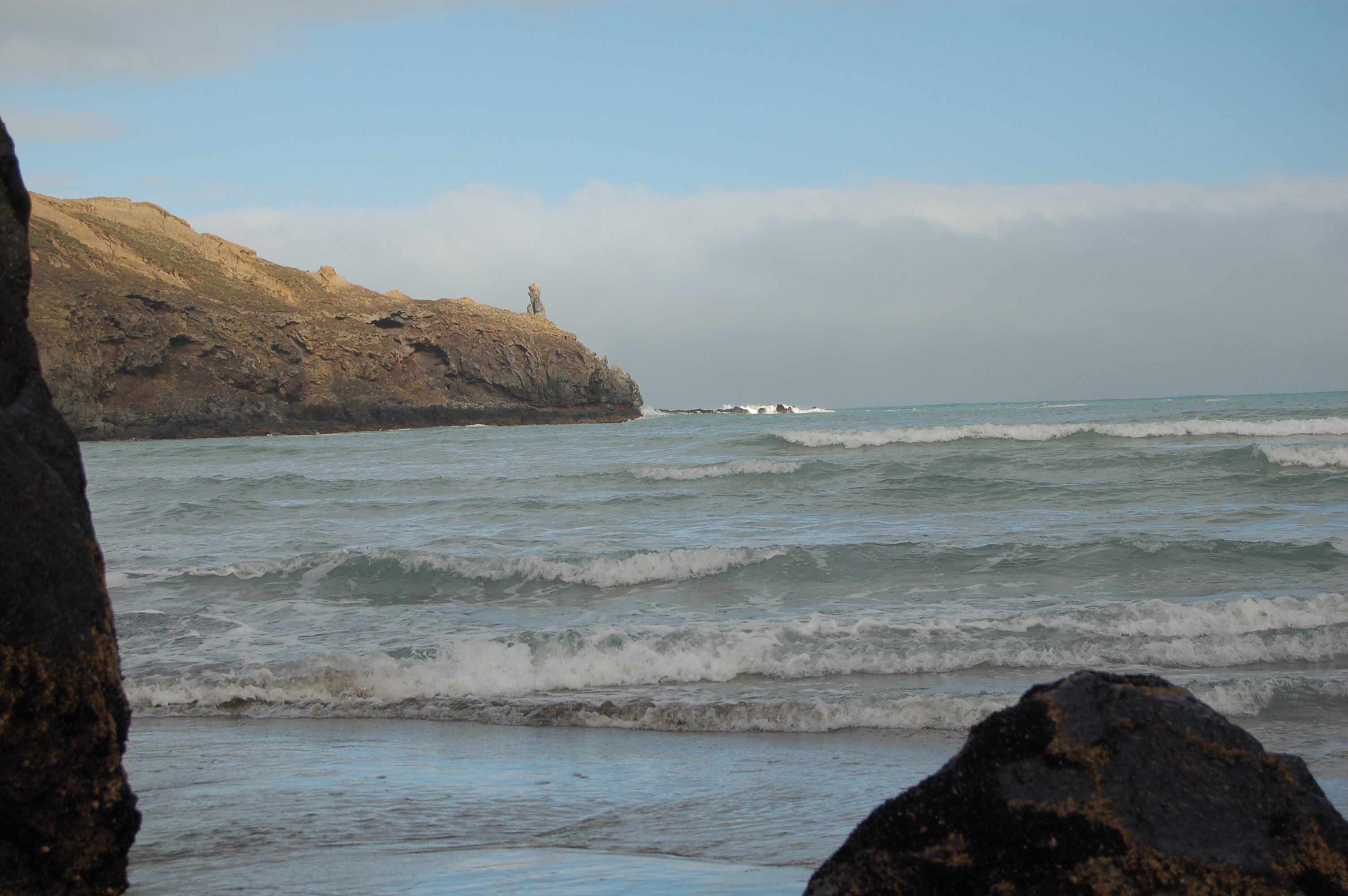
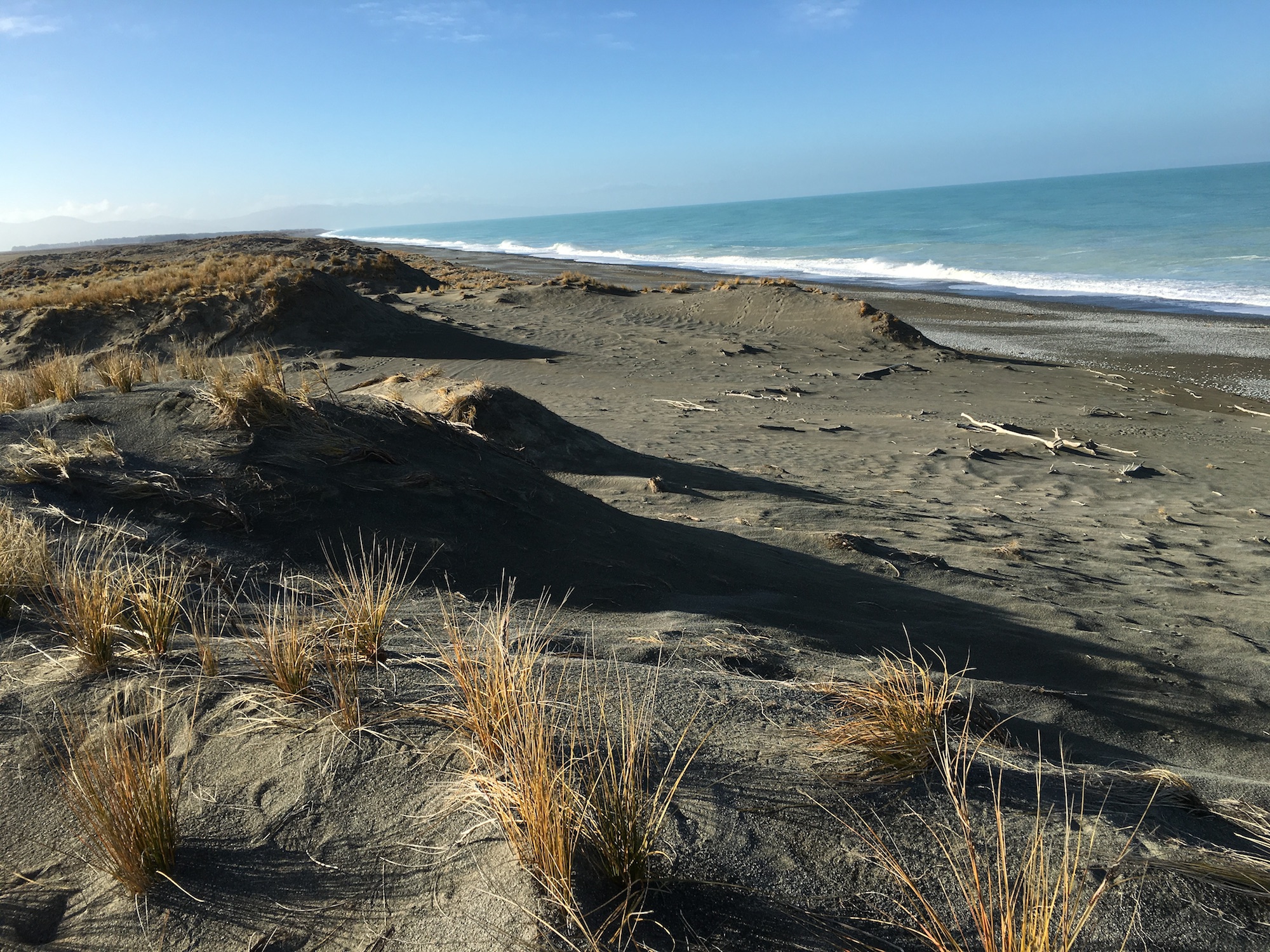
Twelve years ago, we made the hair-raising drive out to Tumbledown Bay, on the recommendation of a colleague.

We fell in love. The remote bay with its sandy beach, kid-friendly waves, stunning scenery, and fabulous wildlife was exactly what we wanted in a beach. We began going there regularly.

For a few years, we could count on sharing the beach with, at most, half a dozen other people–that was on busy days. It was an intimate, private sort of experience, and those who found themselves together at Tumbledown Bay often struck up conversations (or, as we did on one of our very first visits, lasting friendships). It was a certain kind of person who went to Tumbledown, and everyone respected the desire for a crowd-free beach experience.

But word got about. Partly our fault–we praised the beach and encouraged our friends to visit it. Last week, when we arrived at Tumbledown Bay, there were already a dozen cars there, and more kept pouring in as the day wore on. The narrow footpath over the dunes had been replaced by a wide, driveable lane, and there was even a car on the beach. A rubbish bin overflowed at the end of the lane. Beach tents, boom boxes, people harassing the seals, dogs leaving ‘gifts’ along the waterline…it was no longer our Tumbledown Bay.

By any Northern Hemisphere standards, the beach was sparsely populated. But Tumbledown Bay isn’t equipped to handle crowds. It has no facilities, and the road to and from the bay is steep, narrow, and in poor shape. It’s not a road on which you want to meet oncoming traffic, but last weekend there was no way to avoid it.

It was possibly the last time we will visit Tumbledown Bay. A shame, really. It was a magical spot.

Summer Rock Concert

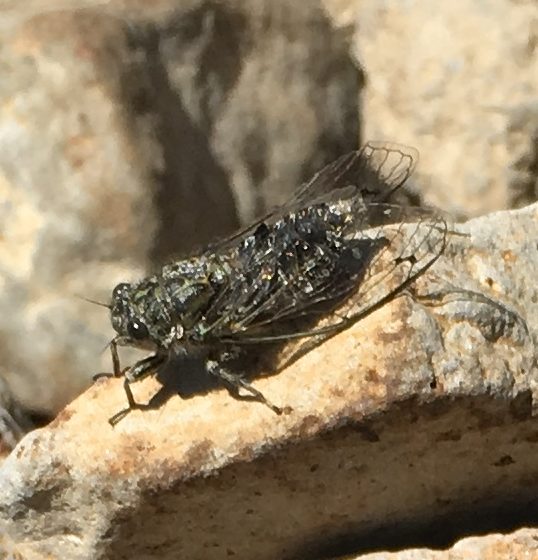
It’s a cicada; it must be summer.

The main cicada season doesn’t really start until the chorus cicadas (Amphisalta zealandica) come out after Christmas, but two weeks ago, we found a few chirping cicadas (Amphisalta strepitans) on the rocks around Okains Bay.

Cicadas are largish, as insects go, but they’re well camouflaged. Usually, you find them by sound. As with most insects, it’s the males that do the singing. The main part of a cicada’s song is made by flexing plates (tymbals) on top of the body. Built-in amplifiers (opercula) pump up the volume to an astonishing level. Cicadas are noisy. I don’t know if any of the New Zealand species have been tested, but the calls of some North American cicadas are over 105 decibels at a distance of 50 cm. That’s nearly as loud as a rock concert (115 decibels). When the chorus cicadas here in New Zealand come out in large numbers, they can be so loud in some places that it’s impossible to carry on a conversation.

Some New Zealand cicadas add an extra feature to their song—a bit of drumming called clapping. The cicada snaps the leading edge of its wings against a branch to make a sharp click. Females also clap, and I’ve read (though I’ve never tried it) that you can call the males to you by snapping your fingers.

There are about 2500 species of cicada worldwide. Because of their size and volume, they seem to be culturally important wherever they live. They are eaten as food in many areas, and sometimes used as fish bait. Growing up, my siblings and I used to collect the shed exoskeletons of cicadas and attach them to our clothing like jewellery. When I lived in Panama, the children would catch cicadas and tie strings to their feet, then carry them like helium balloons, flying on the end of the string.

Wherever they live, they mark the seasons. Here in New Zealand, and in America where I grew up, summer hasn’t really started until the cicadas sing.

Loud singing? Drumming? Must be a summer rock concert!

Spring Cuteness

‘Tis the season for growth and new life.

Unfortunately, that means lots and lots of weeds, birds nesting in the shed (and pooing on the car), and slugs multiplying like mad (and decimating the newly-planted lettuces).

But it also means the occasional cuteness overload, like this guy.

This newly-fledged magpie has been hanging out in various locations around the yard as he learns how to get around and hunt for himself. He’s quite tame at the moment, and you can even give him a little scratch without him fluttering away. I’m sure it won’t be long before he’s dive-bombing the cat with his cohort of teenage magpie thugs, but at least for now, he’s terribly cute.

Skink-scaping

Our property sits in the middle of an agricultural landscape. Not the quaint, woodsy sort of agricultural landscape favoured by jigsaw puzzle makers, but the scorched-earth type of agricultural landscape, where every square metre of land is ploughed, planted, sprayed, and sucked for all it’s worth. Not the sort of landscape that welcomes wildlife, particularly not native wildlife.

In spite of that, our property is home to native skinks (the common skink, Oligosoma nigriplantare). They stalk the vegetable garden and sun themselves on rocks in the flower garden. They rustle among the native grasses and slip into garden hoses left lying on the ground. I don’t know why we have so many skinks, but I aim to keep them here.

Habitat loss and predators are the main threats to skinks in New Zealand (though the common skink is not threatened, as many of our other lizards are). Skinks are preyed upon by cats, rats and stoats, all of which are plentiful around our place. We can’t eliminate all the predators, but we can provide plenty of hiding spots for the skinks. Dense native grasses, rocks, and even broken flower pots all provide shelter for skinks. The rocks and flower pots also make nice sunning spots.

Skinks eat mostly insects and spiders, along with the occasional fruit or seed snack. Our live-and-let-live attitude toward insect pests means there are plenty of arthropods for our skinks to eat. We’ve also planted a range of native plants to ensure there are berries available much of the year. (I also suspect the skinks of snapping up the currants that drop to the ground and taking the odd bite of my strawberries, but I’m happy to share.)

The end result is a healthy population of skinks on the property—welcome wildlife that makes me smile every time I see one basking outside my office window or rustling through the lettuces.