Dust bowl

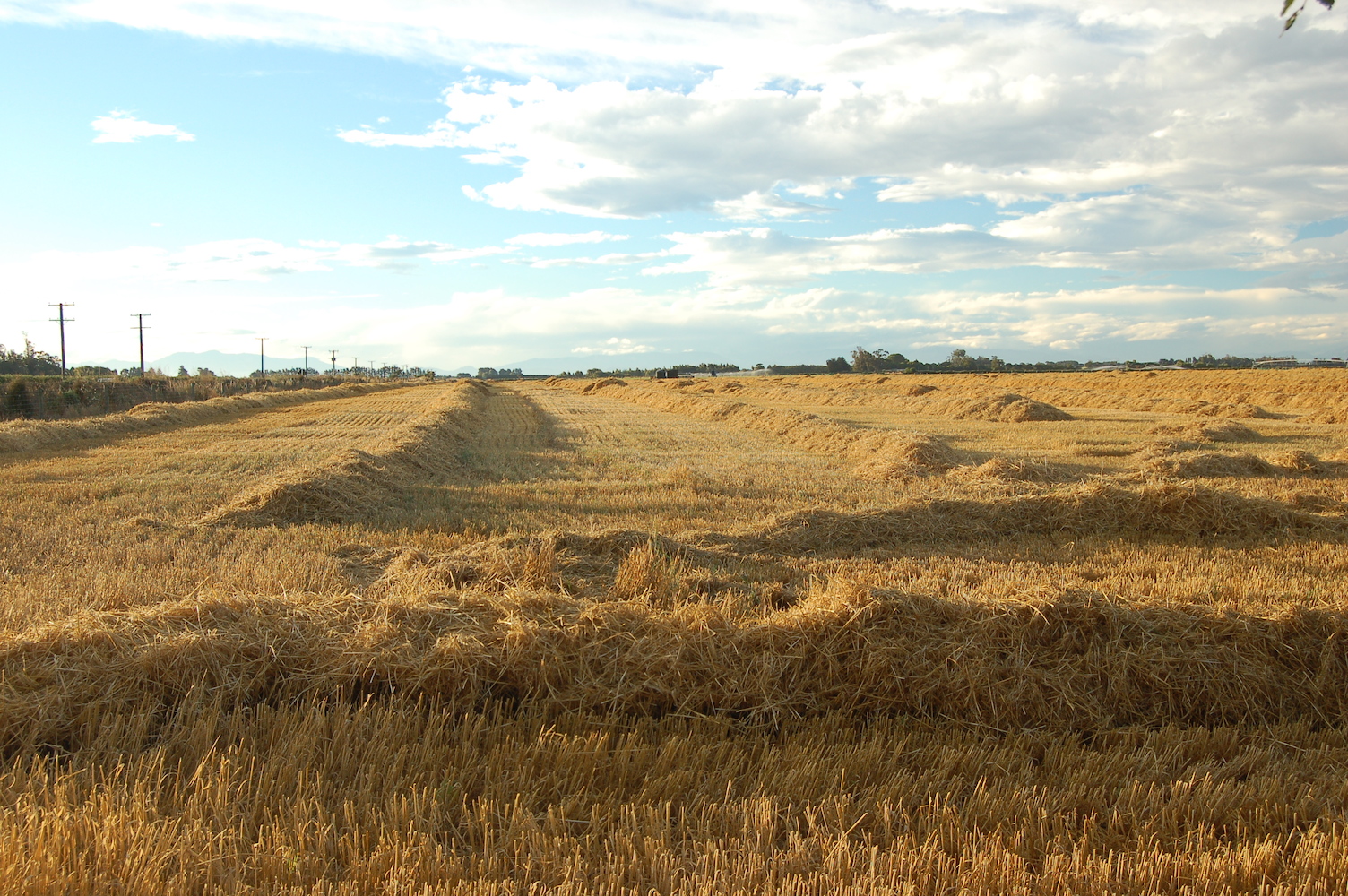
hay5 sm

On a relatively clear day, we can see the Southern Alps.

Sustained winds of 63 kph (39 mph) today, with gusts to 150 kph (93 mph). That’s not unheard of here, but it is severe. Though it is warm and sunny, we are largely spending the day indoors—it’s just not very pleasant out there!
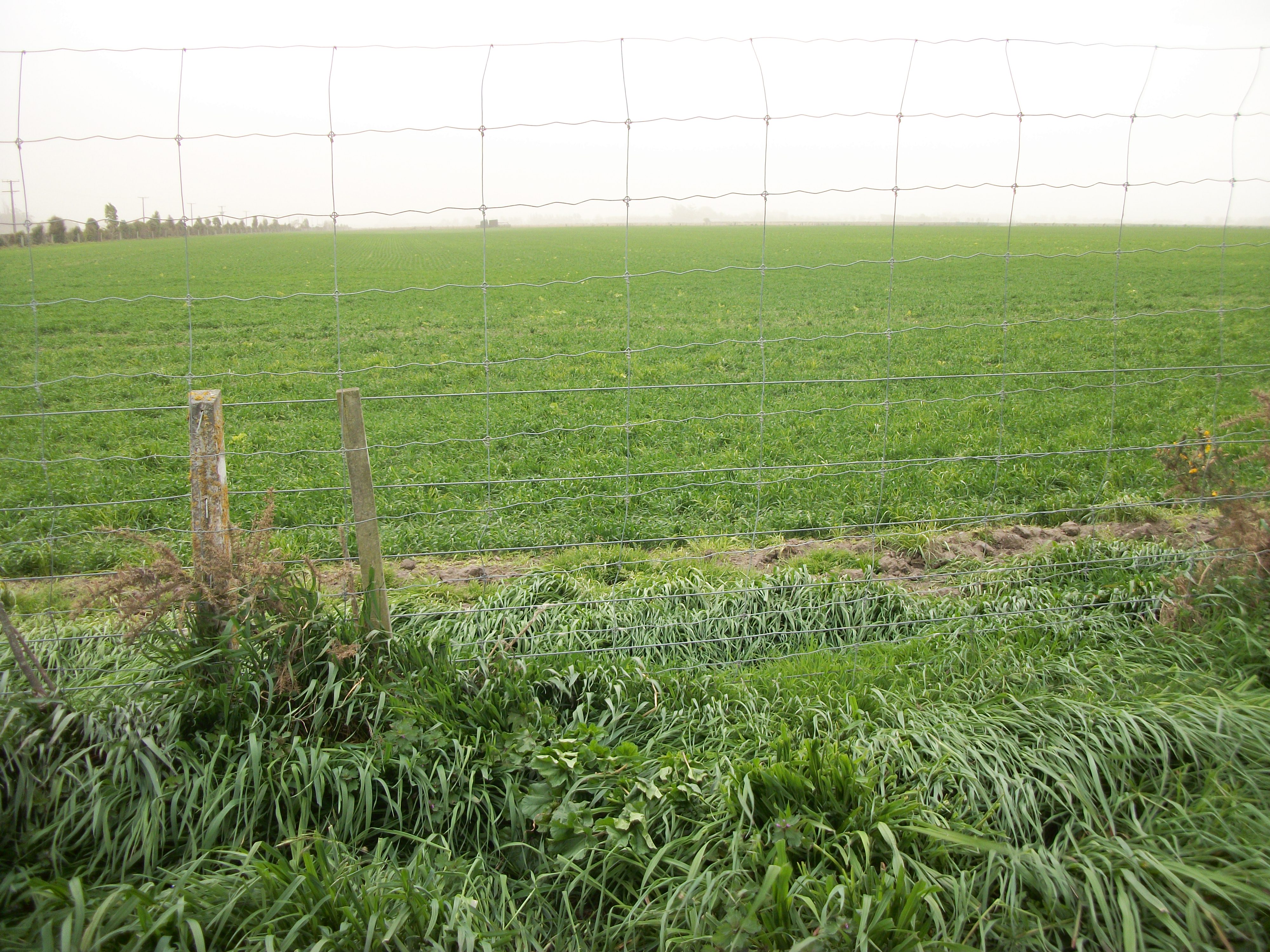
Today, we can barely make out the neighbour's hedge.

Today, we can barely make out the neighbour’s hedge.

I watered the garden well before the wind picked up, to give it the best possible chance to survive the day, and I added an extra tether to the greenhouse, lest it blow away entirely. So far, most everything seems to be holding up.

It’s really the dust that’s most bothersome. Visibility is poor—even the neighbour’s house looks vague and hazy. Indoors, a fine grit settles on everything. My mouth feels gritty, and I find myself wiping off the computer keyboard every few minutes. It’s nothing like the dust storm we had late last summer—the ground is relatively moist still—but it’s an impressive show, nonetheless.

Vernal equinox

100_3776 smToday is one of my favourite days of the year—the day my side of the planet tips over into the sunshine!

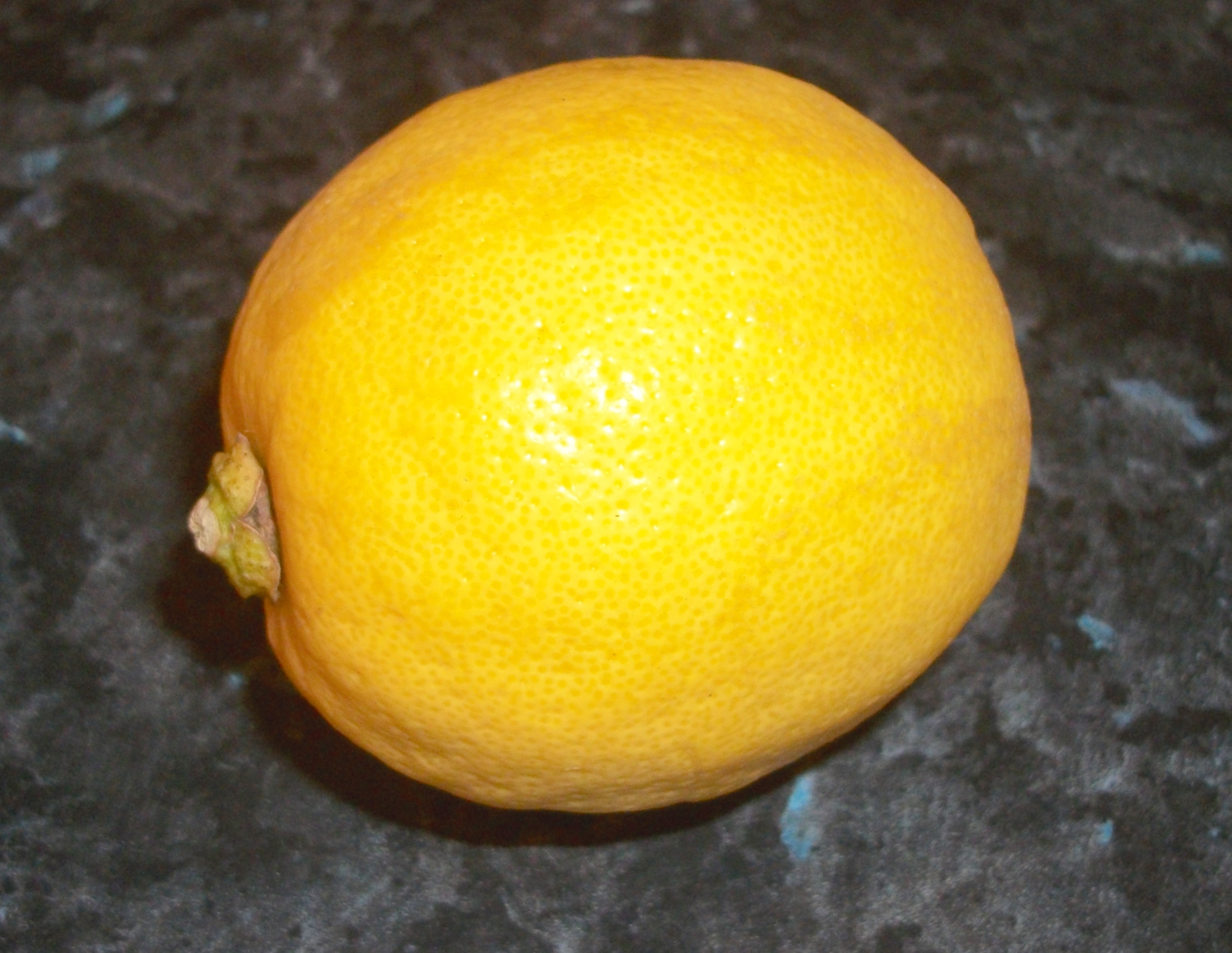
I always try to mark the day with a little something special. It might be a cake decorated as a sun, or cupcakes covered in flowers. This year, it was big chocolate cookies half spread with white chocolate to represent the equal night and day of the equinox.

From now until the solstice always seems like such a rush, with planting, kidding, milking, and harvesting. But today I will simply enjoy the sunlight.

So regardless of whether you are experiencing the vernal or the autumnal equinox today, make it a great one, and enjoy whatever the season offers!

Talk like a pirate, me hearties!

100_3775 cropAhoy, Maties! It’s Talk Like a Pirate Day today, so I figured I’d blog like a pirate!

And what would a pirate blog about?

Probably about the lousy food on board pirate ships, which would invariably lead to a discussion of scurvy.

Scurvy is a condition caused by the lack of vitamin C. It shows a variety of symptoms, including spongy gums, spots on the skin, bleeding of the mucous membranes, tooth loss and fever (just to name a few). Untreated, it is fatal—victims usually bleed to death.

Scurvy is not often a problem on land—most fresh fruits, many vegetables, and even some meats contain vitamin C. But in the days before refrigeration, sailors and pirates, eating a diet of salted meat and dry grains, would often suffer from scurvy. It used to be a major limitation to the length of sea voyages, and between the years 1500 and 1800, it is estimated that at least 2 million sailors died of scurvy. Some ships lost up to 90% of their crew on long journeys, mostly to scurvy.

The cause of scurvy wasn’t discovered until 1932, but folk remedies and herbal cures have been used for thousands of years. Without understanding exactly what caused the disease, however, the cures were often of limited use.

Oddly, most animals can synthesise their own vitamin C—only the higher primates (simians and tarsiers), guinea pigs, bats, and some fish and birds can’t.

(So your dog can never be a ‘scurvy dog’, because dogs don’t get scurvy.)

And on Talk Like a Pirate Day, I say…

Eat your greens you scurvy dog, or I’ll make ya walk the plank!

Blooming Broad Beans

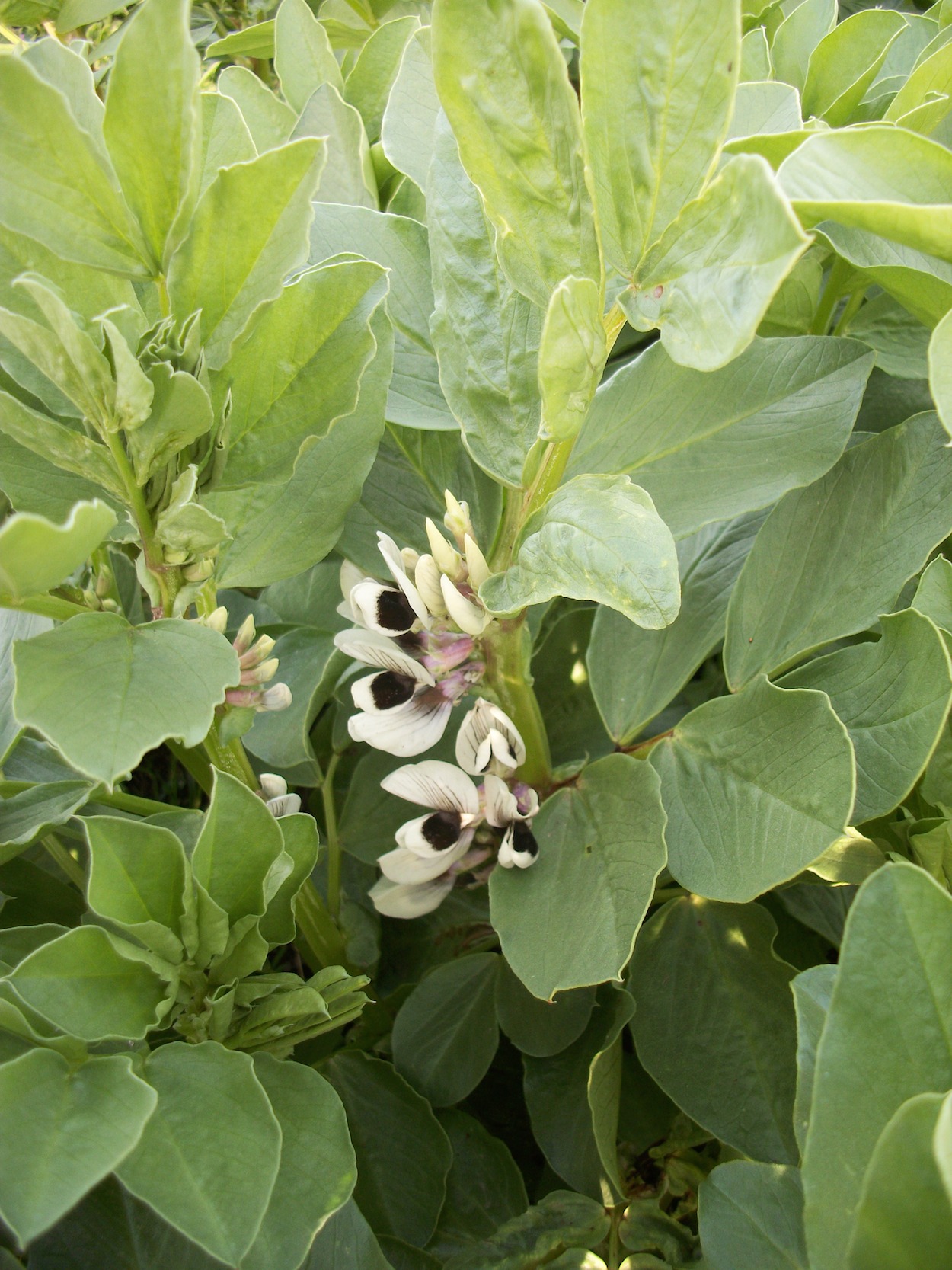
100_3703 smI walked past the garden on my way to the compost pile two days ago, and smelled what has become one of my favourite smells of spring.

It is sickly-sweet, and the first time I smelled it, I thought it was disgusting.

It is the smell of blooming broad beans. And I have grown to love it as a harbinger of spring.

My garden isn’t the only place smelling like an overwrought florist’s shop. Local farmers grow huge fields of broad beans, and the smell wafts into the open windows of the car as I drive by.

Unfortunately, the first blossoms are a tease. They attract primarily bumble bees in the very early weeks of spring. The bumble bees steal nectar by chewing through the base of the flower, and don’t actually pollinate the flower. I won’t get beans from these early flowers.

Later, once the honey bees are fully active, we’ll start seeing the first little beans begin to lengthen. Until then, we’ll have to make do with the smell.

Spring

100_3654 smYesterday was the official start of spring, though the plants have known it for weeks. The crocuses are all but over. The daffodils and snowdrops are blooming. The willow trees flushed green last Thursday. The grass needs mowing.

So, naturally, it’s been cold and rainy for five days.

But cold and rainy at the beginning of September is fundamentally different from cold and rainy in July.

It may be twelve degrees in the house in the morning, but I don’t feel the need to light the fire—it feels warmer than it is.

The sky is light at 6 am.

The sky is still light at 6 pm.

The magpies tussle on the lawn and sing in the early morning darkness.

The plovers run in fits and starts across the paddocks.

We are all restless to be outside, regardless of the weather.

Weeds seem to spring up overnight in the garden.

Yes, it is spring.

Broomrape

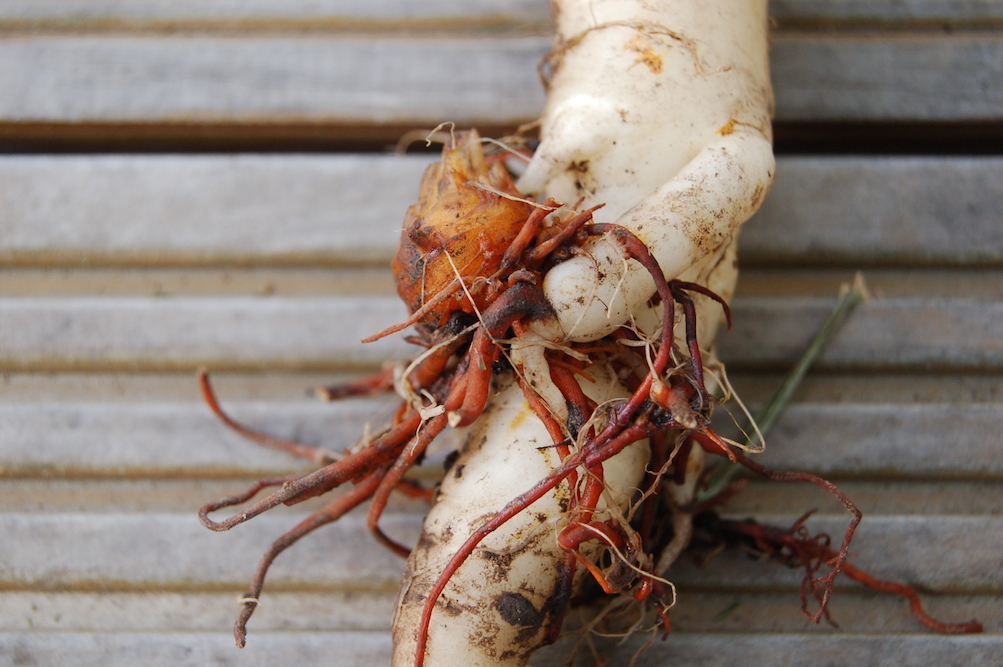
Belgian white carrot in a broomrape embrace

Belgian white carrot in a broomrape embrace

We have a moderate infestation of broomrape (Orobanche minor) on our property. It shows up here and there in perennial beds and in the vegetable garden.

Broomrape is a parasitic plant. It contains no chlorophyll, and when it is not flowering, the entire plant is below ground. Its fibrous, root-like tentacles encircle the host plant’s roots, sucking off nutrients and water from the host.

Though it “officially” prefers clover, in the vegetable garden, it seems particularly fond of carrots. I regularly find carrots being strangled in a broomrape embrace.

The gardener in me is dismayed every time I find one.

The scientist in me is fascinated.

Many parasites are very host-specific, that is, they only live on one or a limited number of host species. Orobanche minor appears to have a wide host range, but there is evidence that individuals parasitising different species are actually genetically isolated from one another, because the parasite’s reproductive cycle is tied to the host plant.

Eventually, that isolation could cause Orobanche minor to speciate…or maybe it has, and we haven’t noticed yet.

Perhaps some day my carrot-loving parasites will be different enough from my clover-loving parasites that they will have a new name. Maybe Orobanche carota!

It Ain’t Over ‘Til the Magpie Sings

Photo: Eric Weiss

Photo: Eric Weiss

We’ve had more than our fair share of beautiful warm winter days this year. Though we’ve had some very cold nights, the days have been sunny, and we’ve gotten only a fraction of the rain we normally do over winter.

So you could have been forgiven for thinking, back in July, that winter was over. In fact, my daughter argued that it was spring a month ago.

I knew better. Winter would assert itself again.

It did so this past weekend, with icy winds bringing sleet, snow and rain. We huddled by the fire, venturing outdoors only to take extra food to the animals and split more firewood.

But in between icy squalls, at 4:00 am two days ago, I heard it—the certain sign that winter is on its way out.

A magpie.

Magpies are noisy all year long, but when spring is almost upon us, their noise changes. They start their wardle-oodle-ardling at four in the morning, and carry on until the sun rises. They feel what we know only because of the calendar—spring is just around the corner.

When the magpies start calling, I get restless. I wake when they do, and their call urges me out of bed.

Wardle-oodle-ardle!

Get up! Get up! Get ready!

            But it’s dark and raining!

Wardle-oodle-ardle!

Get up! Get up! Get ready!

            But it’s cold! Can’t I stay in bed?

Wardle-oodle-ardle!

Get up! Get up! Get ready!

Wardle-oodle-ardle!

Get up! Get up! Get ready!

Spring is coming!

Rosemary

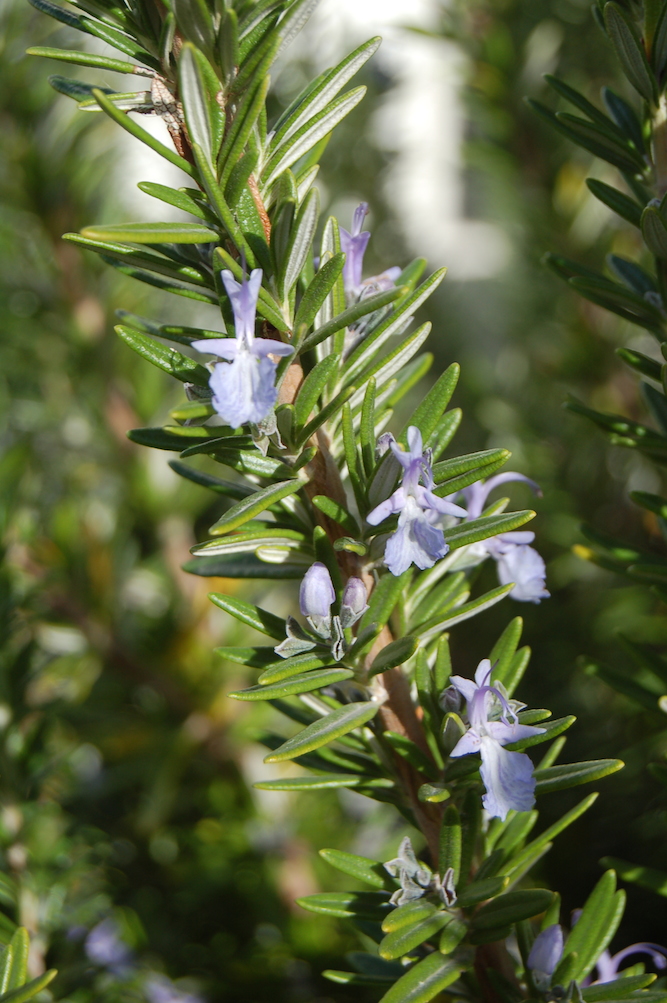
Rosemary1 smIn Minnesota, I grew rosemary in pots and brought it indoors for the winter, lest it be killed by the cold. Here in New Zealand, I grow my rosemary in the garden, and have to hack it back twice a year to keep it from growing taller than I am.

Rosemary is one of my favourite herbs, whether in dinner, in the garden, or in a flower arrangement. It is decorative as well as delicious.

Rosemary was named by Pliny in the first century. Ros (foam) mare (sea)—meaning that it grew so close to the sea that the foam sprayed on it. The Greek gods supposedly valued a rosemary wreath more highly than one made of gold (think how much I could make selling my biennial rosemary trimmings to Zeus!).

Rosemary was first used medicinally and culturally. It entered the kitchen in the Middle ages as a way to disguise the saltiness of salt-preserved meat. I’m told it goes well with lamb, pork, and game. As a vegetarian, I like rosemary with potatoes, pumpkin, and in Italian tomato sauces. And I love to brush the bushes with my hands as I walk past, so I can bring that lovely smell with me wherever I go!

Promise

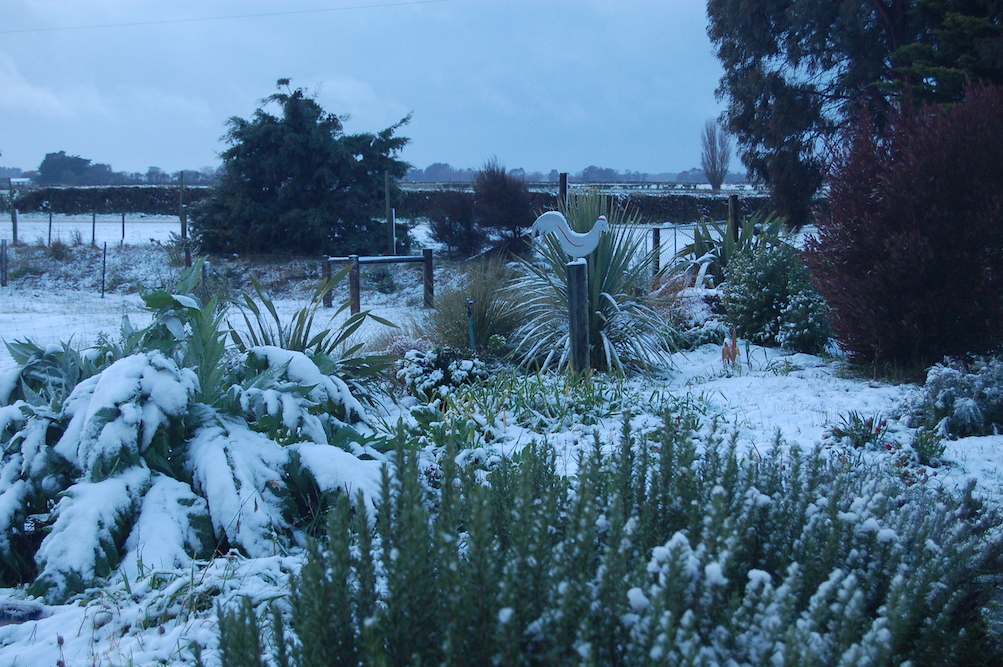
DSC_0046 smThere comes a day every year. A day when winter loses its grip.

A day when the wind vane lazily turns around and the breeze no longer cuts sharply into our cheeks, but gently caresses our faces and tucks the hair behind our ears.

It is a day when the lanolin of four hundred Romney lambs next door warms and mixes with the smell of freshly turned earth and the exhalations of the grass.

It is a day when we throw open the windows, though it is only fourteen degrees outside.

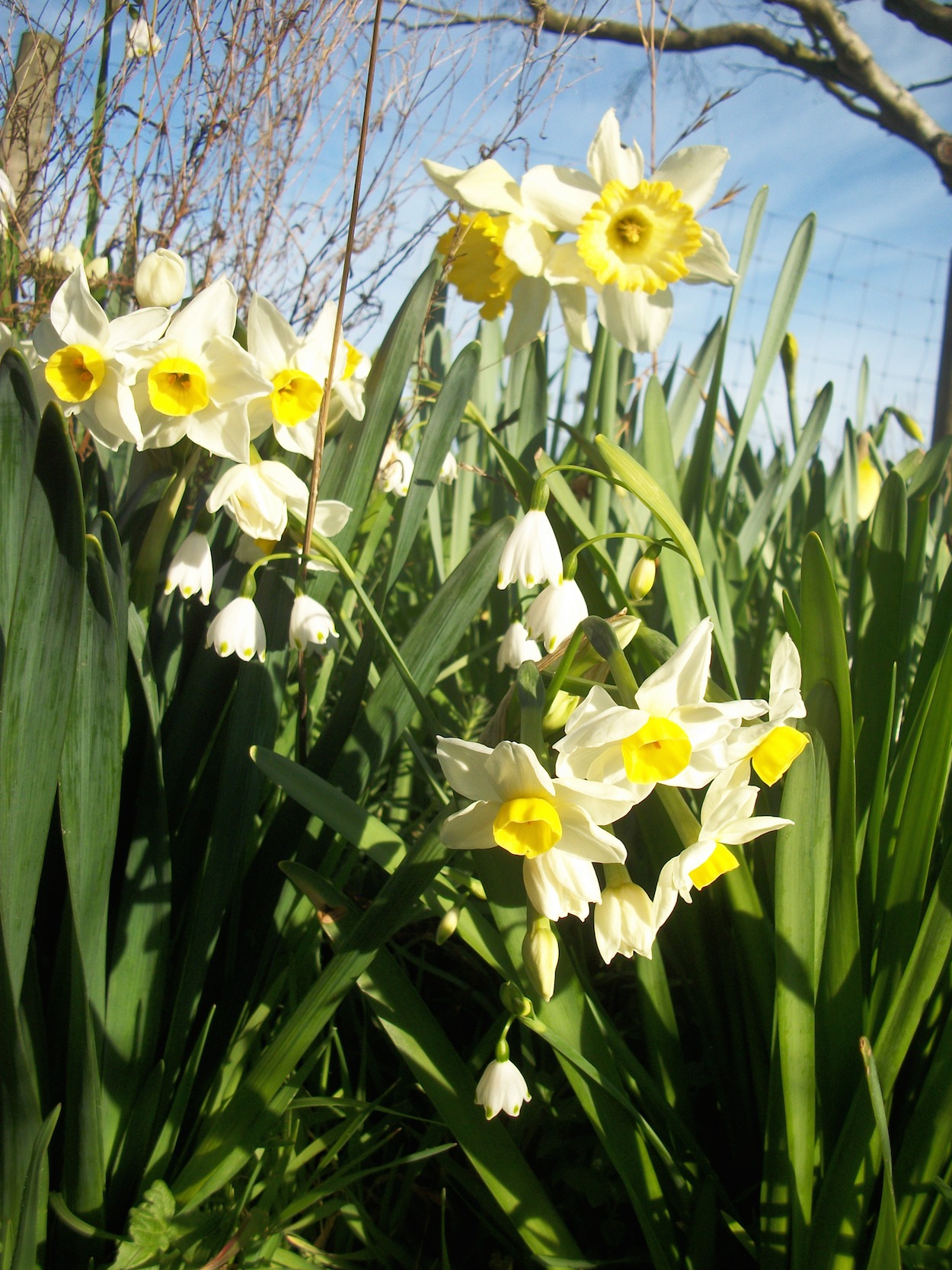
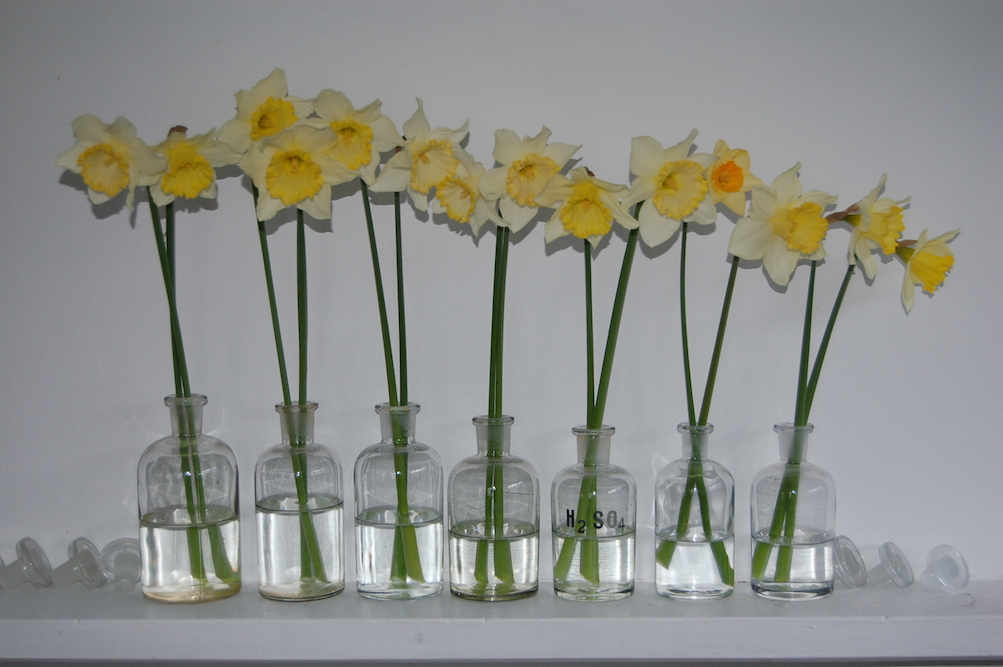
daffodils2 smIt is a day when we don’t worry that the firewood is scarce, when we can imagine a day that doesn’t start and end with a fire in the grate.

It is not spring. That day will come, but not yet. There are still weeks of kindling to split, and ice to break off the water troughs.

But it is the promise of spring.

And it is enough.

Ants!

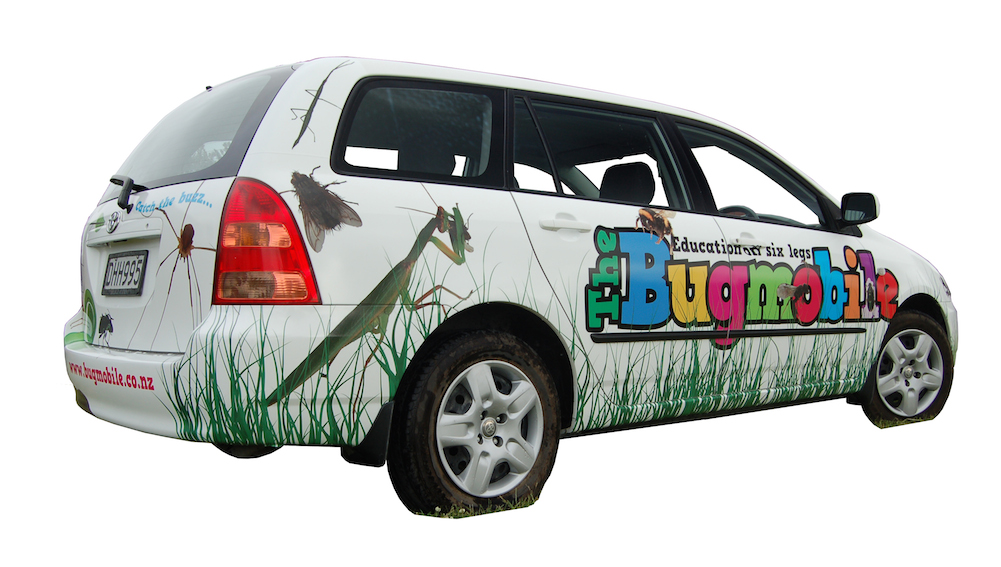
NewBugmobileclipsmFor nine years, I was owner/operator of The Bugmobile, taking live arthropods into classrooms all over Canterbury in a vehicle festooned with giant pictures of insects. I was known everywhere as The Bug Lady.

Last summer, when I closed my business, I didn’t expect to continue to think of my car as The Bugmobile. But fate, or rather a colony of ants, has interceded. My car is infested with ants.

I wouldn’t notice the ants if they weren’t so fond of Mentos…or if I weren’t so fond of Mentos.

I started keeping a roll of Mentos in the car when I was running The Bugmobile—if I had a sore throat, or needed a pick-me-up between programmes, a mint kept me going.

Apparently, they keep the ants going, too. I collected a few and identified them as the Black House Ant, Ochetellus glaber, an Australian ant that originally hitched a ride to New Zealand tucked in people’s belongings and in plant material. Ordinarily, these ants nest under stones and in tree cavities, but this particular nest is tucked neatly into a hollow in one of my mud flaps.

I should probably evict them…but they’re cute little creatures. Just 2mm long, and shiny black. I rather like them tootling around the car, cleaning up the crumbs the kids leave when they finish off their lunches on the way home from school. Maybe I’ll just find an ant-proof container for my mints.

Once The Bug Lady, always The Bug Lady…