2016 Blog Challenge

100_2118smNew year, new challenge. This year I’m going to stray from the table and the kitchen, though I’m sure I won’t leave the subject of food entirely.

This year I’m returning to my roots as an interpretive naturalist with my blog challenge—A Year Outdoors.

As I did with the 365 Days of Food challenge, I will interpret my theme broadly and explore a wide range of ideas and perspectives on the outdoors. I’ll range from garden to beach to mountaintop. I’ll look at microcosms and ecosystems, the tiny to the huge. I’ll explore outdoor work and play. Anything out of the confines of four walls and a roof is fair game.

Rain or shine, I’ll be out there. So grab your hat and come join me for another year!

(Not so) Plain Vanilla

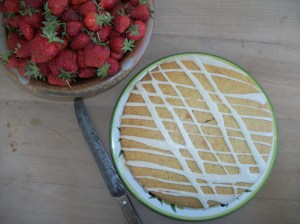
100_4048 smI knew I would be picking strawberries later in the day, so this morning when I was baking I made a simple vanilla cake, because it would go well with the berries.

But why do we consider vanilla simple, plain?

Vanilla is an exotic spice, made from the bean of a tropical orchid. Like most orchids, it has evolved a close relationship with it’s pollinator, and is only pollinated by one genus of bees. Outside its native Mexican range, vanilla must be hand pollinated. Though vanilla was introduced to Europe in the 1500s, it was more than 300 years before a viable hand-pollination technique was developed, allowing vanilla to be grown throughout the tropics.

To make vanilla even trickier to cultivate, it cannot germinate without the presence of specific mycorrhizal fungi.

Add to that the fact that it grows in regions prone to hurricanes and cyclones (which regularly wipe out regional production), and it’s not surprising that vanilla is the second most expensive spice after saffron.

So, why do we think of vanilla as ordinary and plain?

Perhaps it comes from the fact that vanillin, the artificial vanilla flavour that is used in 95% of “vanilla” flavoured products is made from lignin, a by-product of the papermaking industry. That makes artificial vanilla much cheaper than real vanilla—cheap enough to use in everything. Unfortunately, vanillin is only one of 171 different aromatic compounds found in the real vanilla bean, which is why artificial vanilla tastes so…well…plain.

This lovely, exotic spice has been rendered plain by its cheap imitation.

I use only real vanilla.

It’s not plain.

But it goes great with strawberries!
Aphids

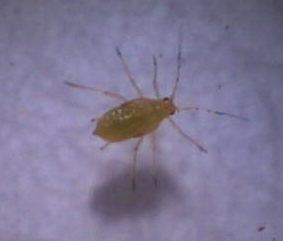
20151127_125023710It’s aphid season here. Lettuce, strawberries, dill, parsley, and roses are covered in the little green girls.

I used to fret about aphids—they can certainly cause a great deal of damage, particularly to young plants. But I’ve learned to live with them. Here are a few of my aphid strategies:

  1. When I plant out, I check every plant carefully, and squish any aphids—knocking back these early individuals goes a long way to limiting damage.
  2. If a plant is heavily infested, I turn my hose on jet and blast the aphids off. This technique doesn’t get them all, but it does knock the population back to manageable levels.
  3. I allow some plants to get covered. In my garden, my early dill always gets nailed by aphids. I accept this. I don’t kill the aphids, either. The aphids on the dill attract ladybugs, lacewings, and parasitic wasps that eat aphids. Lots of aphids on the dill means lots of predators later in the season.
  4. I plant purple varieties of crops, which are usually less attractive to aphids.
  5. I accept aphids as a source of extra protein and vitamin B in our diets. We eat aphids. They’re good for us.
  6. I have patience. By midsummer, the aphids have all but vanished, decimated by the predators I cultivated in springtime.
  7. I admire aphids’ abilities and beauty—parthenogenic reproduction (that is, the females clone themselves—no need for males), dainty legs and antennae, and a remarkable ability to survive.

Parsley

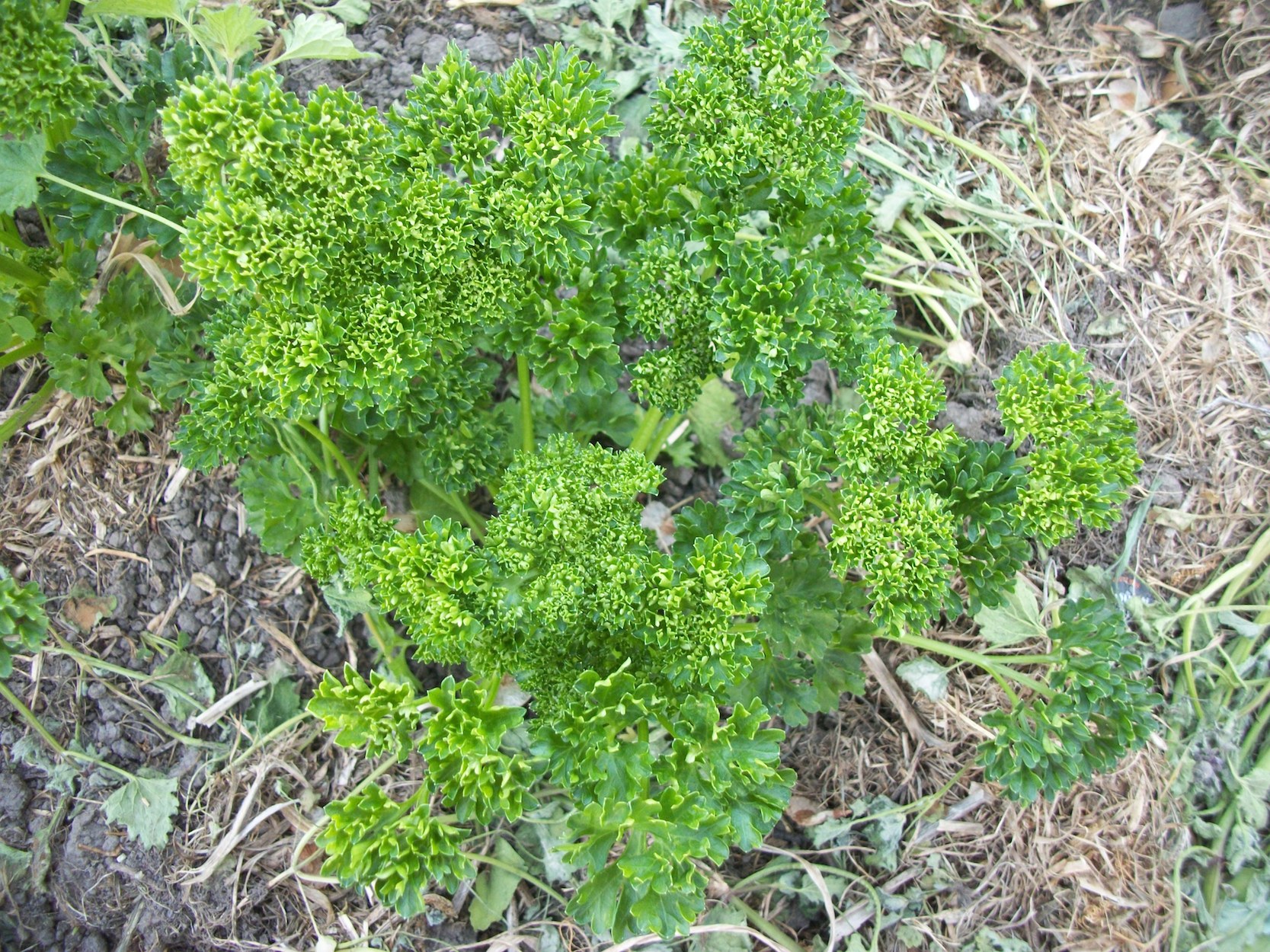
100_4036 smParsley is a ubiquitous herb, easy to overlook, easy to undervalue.

It is said its seeds must go to the devil and back seven times before germinating. I don’t think it takes quite that long, but parsley is slow to germinate.

Once up, though, parsley is tough and long-lasting. The plants I start in August will survive spring frosts to flourish through the heat and drought of summer, and continue flourishing through the cold wet winter, to be finally pulled out in October of the following year, when they begin to bolt, to make room for new plants.

We eat parsley by the handful (none of this Tablespoon stuff), and love it in risi e bisi, soup, potatoes, and gratins.

We grow both the Italian flat-leaf and the curly varieties (because, why not?), and enjoy the flat-leaf parsley fresh in salads (or just standing up in the garden as we pass by). We also enjoy parsley mixed with other fresh herbs to make a non-basil pesto that is lovely on pasta or as a topping for polenta crostini.

Of course, the best reason to grow parsley in much of the world is to attract the beautiful swallowtail butterflies, whose caterpillars specialise on parsley and related plants, incorporating the toxins from the plants into their exoskeletons to serve as defence. Unfortunately, we have no swallowtails in New Zealand, but the flowers of parsley attract bees, flies, and our native butterflies in large numbers.

Trench Warfare

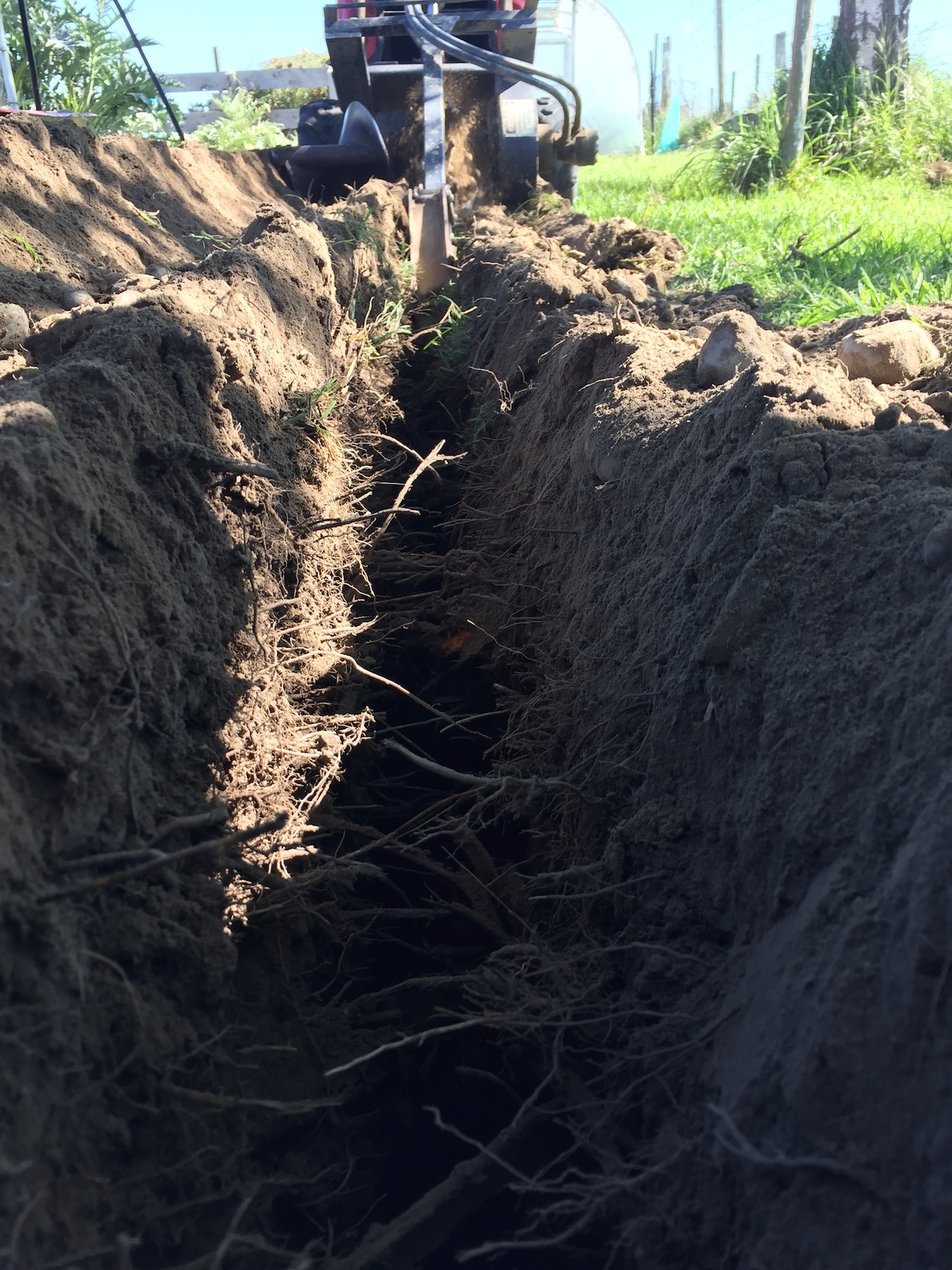
IMG_3951 smWe have precious few trees on our property, maybe a dozen in total, all clinging to the fence lines, out of the way.

Except that they’re not out of the way, really. Though they only cast brief shade on the vegetable garden, their roots encroach well into the garden. I know exactly where a tree has stretched its toes out by the swath of dead and dying vegetables, and the parched earth that accompanies them. Last year, I lost most of my zucchinis and an entire row of strawberries to the trees’ depredations.

I can pull some of the roots out when I’m weeding, but many invade deep in the soil.

So we resort to trench warfare to keep them out.

Every three or four years, we hire a trencher from the local equipment hire place (well, okay, my husband hires the trencher—I stay away from loud petrol-powered machines as much as possible), and dig a metre-deep trench all around the garden.

It makes an enormous difference to the vegetables—I can almost hear them breathe a sigh of relief when the tree roots are cut. The roots grow back, eventually, but the trench gives us a few years to garden without competition.


Grasp the Nettle

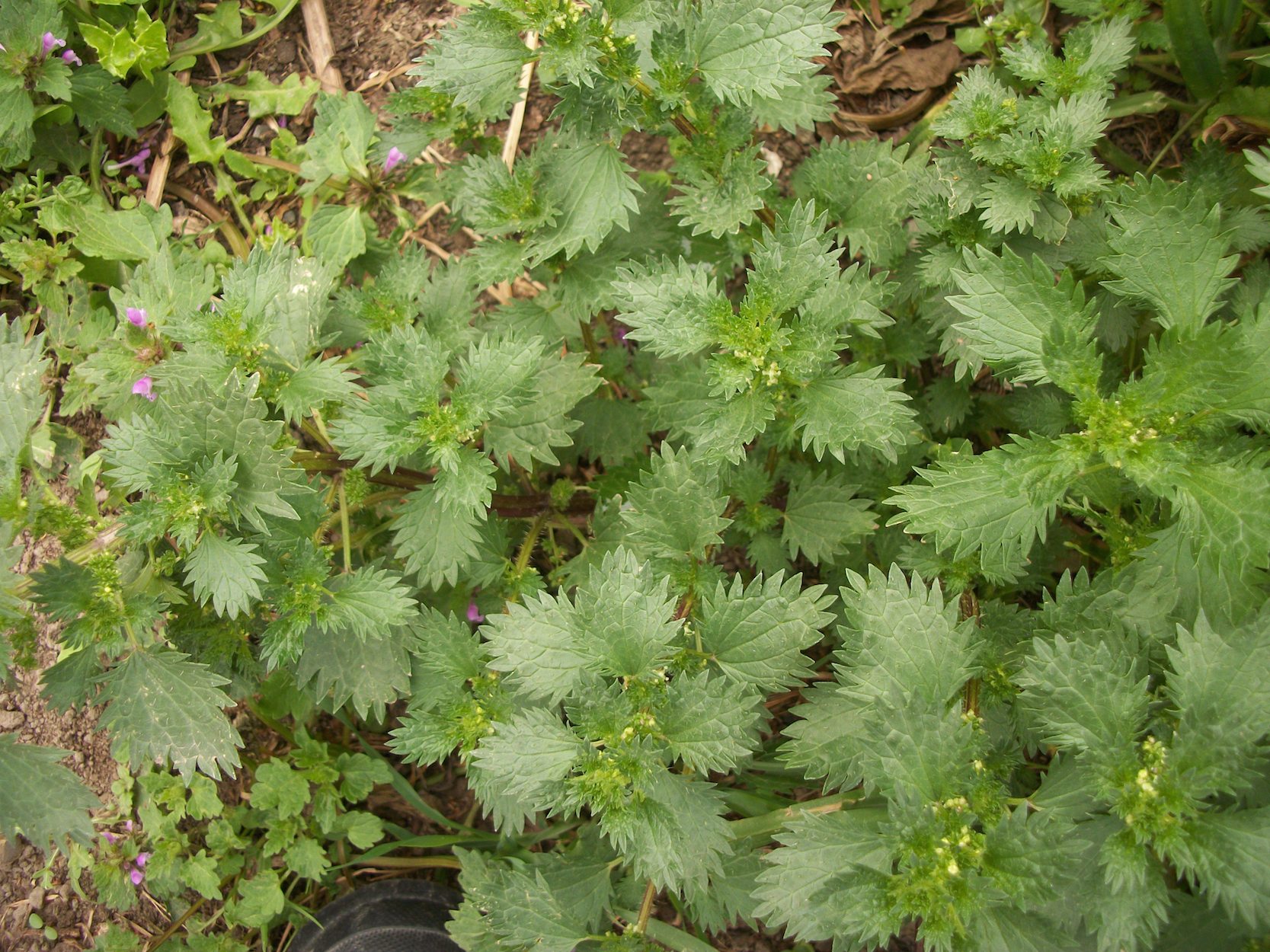
100_3950 smMy garden is blessed and cursed with an abundance of nettles. Blessed because they are the larval food plants for two attractive native butterflies—the red and the yellow admiral. I love watching the butterflies flit around the garden!

Blessed because nettles only thrive in good soil, and mine are the most vibrant and robust nettles anywhere.

Cursed because…well…they’re nettles. Careful as I may be, I can’t avoid being stung on a regular basis.

But like all problems, meeting them head-on is the best tactic. As they say, grasp the nettle. A nettle that brushes gently against your skin as you’re trying to avoid it will almost always sting. But grab a nettle firmly, even with bare hands, and you can usually pull it out without pain.

It really is a good metaphor for life (even if most people have no idea what it means).

And so I dive into the nettles of life like I dive into the ones in the garden—grappling them bare-handed and pulling them out with a quick, confident tug.

At least, that’s the theory, anyway…

Broccoli raab

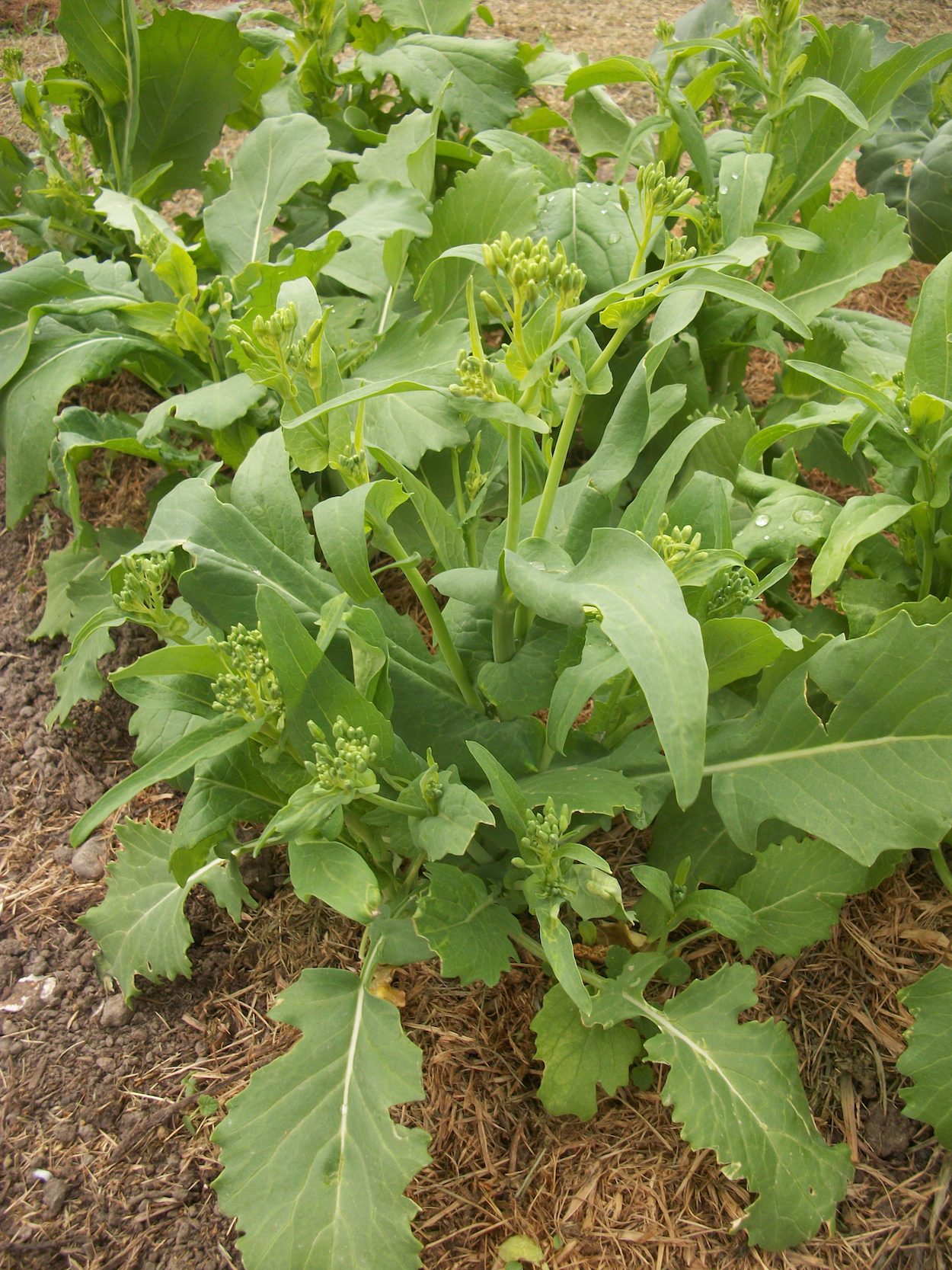
100_3940 smOne of my favourite spring vegetables is broccoli raab. Not so much because it is the best vegetable, but because it produces so early, before any of the other brassicas are ready.

Broccoli raab looks like mini-broccoli, though it is more closely related to turnip than to broccoli. Broccoli raab is eaten “lock, stock and barrel”—leaves, stem and flower buds. As one of the earliest spring vegetables at our house, it gets used in everything from stir fry to pasta to pizza to gratins.

It is more bitter and pungent than broccoli (more like turnip greens), and a little goes a long way in a dish. I plant just a small amount of broccoli raab, and by the time the other brassicas are producing, it has bolted and is ready to pull out. A perfect little filler crop that adds kick to springtime meals!

Artichokes

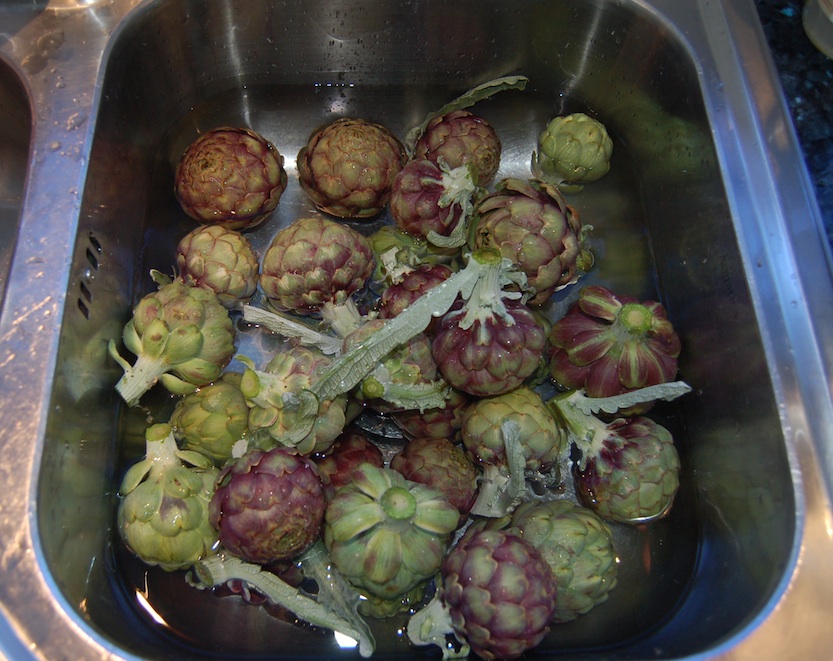
artichokes2cropsmI don’t think I ever ate an artichoke until I was an adult. They just weren’t a part of the diet in eastern Pennsylvania in the 1970s and 80s.

I probably could have counted on one hand the number of artichokes I’d eaten until I started growing them. And I had no idea how incredible and prolific they could be until I lived in a place where artichokes were perennial.

Now I can hardly imagine springtime without them.

The globe artichoke is a thistle (not to be confused with the very different Jerusalem artichoke, which is a sunflower). It grows as a large rosette of leaves and can reach over 1.5 metres tall. The edible part is the unopened flower bud. If you let the buds mature, they open into giant purple flowers that bumblebees can’t resist.

Artichokes are the same species (different variety) as cardoon which is more commonly planted as an ornamental. Cardoon flowers are smaller, and it is generally the leaf stems that are eaten. I grew cardoon for food briefly, before realising that blanching the leaves (by wrapping the plants in straw and cardboard as they grow) is time-consuming, and the final product—the cooked leaf stems—tastes a lot like artichoke, only more bitter and less rich. (Then, of course, I tried to get them out of the garden—it took four years—they are thistles after all) Now I keep just one in the flower garden as a stunning centrepiece plant.

The first records of artichokes come from ancient Greece, where wild varieties were selected and bred into the large-flowered plants we grow today.

Today Egypt and Italy produce about half the world’s artichokes, but with new cultivars that can tolerate cold winters, they can be grown just about anywhere. Put them in the perennial part of your garden, and even if you don’t like to eat them, you can enjoy their beauty!

Blue Sky Blues

Are we in for another dry summer?

Are we in for another dry summer?

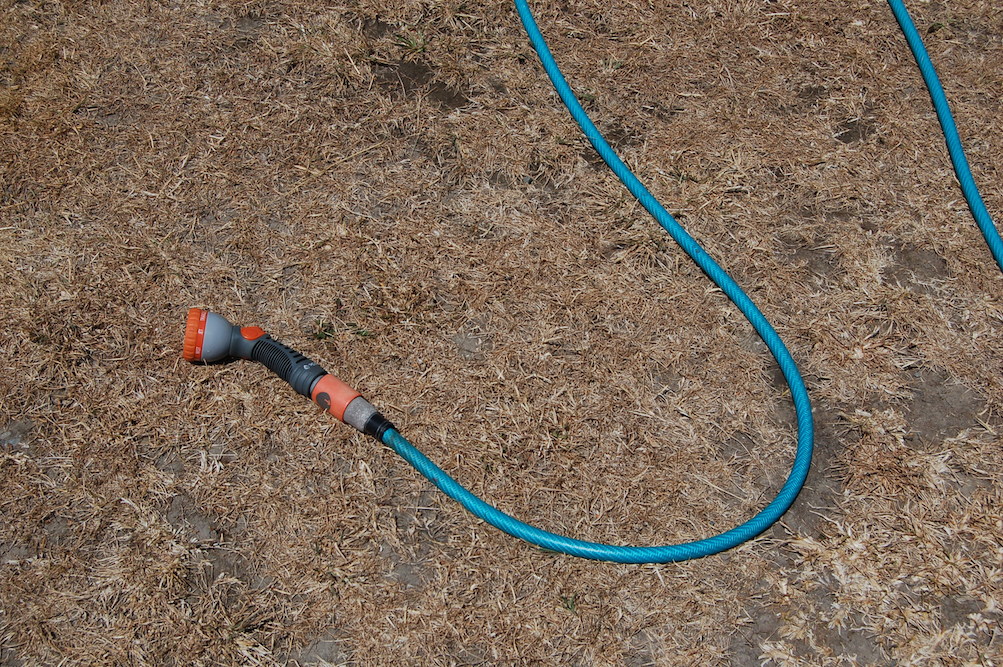
We had our first “dry southerly” today—a storm that is forecast to bring rain, but doesn’t. I fear it is a harbinger of the season to come.

Our rain comes primarily from southerly storms rolling in off the ocean. When the wind shifts to the south, we expect rain.

But during the summer, those southerly shifts often arrive without rain. The weatherman might forecast showers, but they never materialise.

A dry southerly at this time of year is not unheard of, but it’s not particularly common, either. With a dry year behind us, I worry about what an early dry southerly means for the spring and summer ahead.

A strong El Nino is predicted for this year. For us that means a parched summer. If we start off dry…well, there’s the grumpy farmer in me talking.

But I’m thankful to have the new water tank full. All I can do beyond that is mulch well, water while I can, and pray for rain.

Oregano

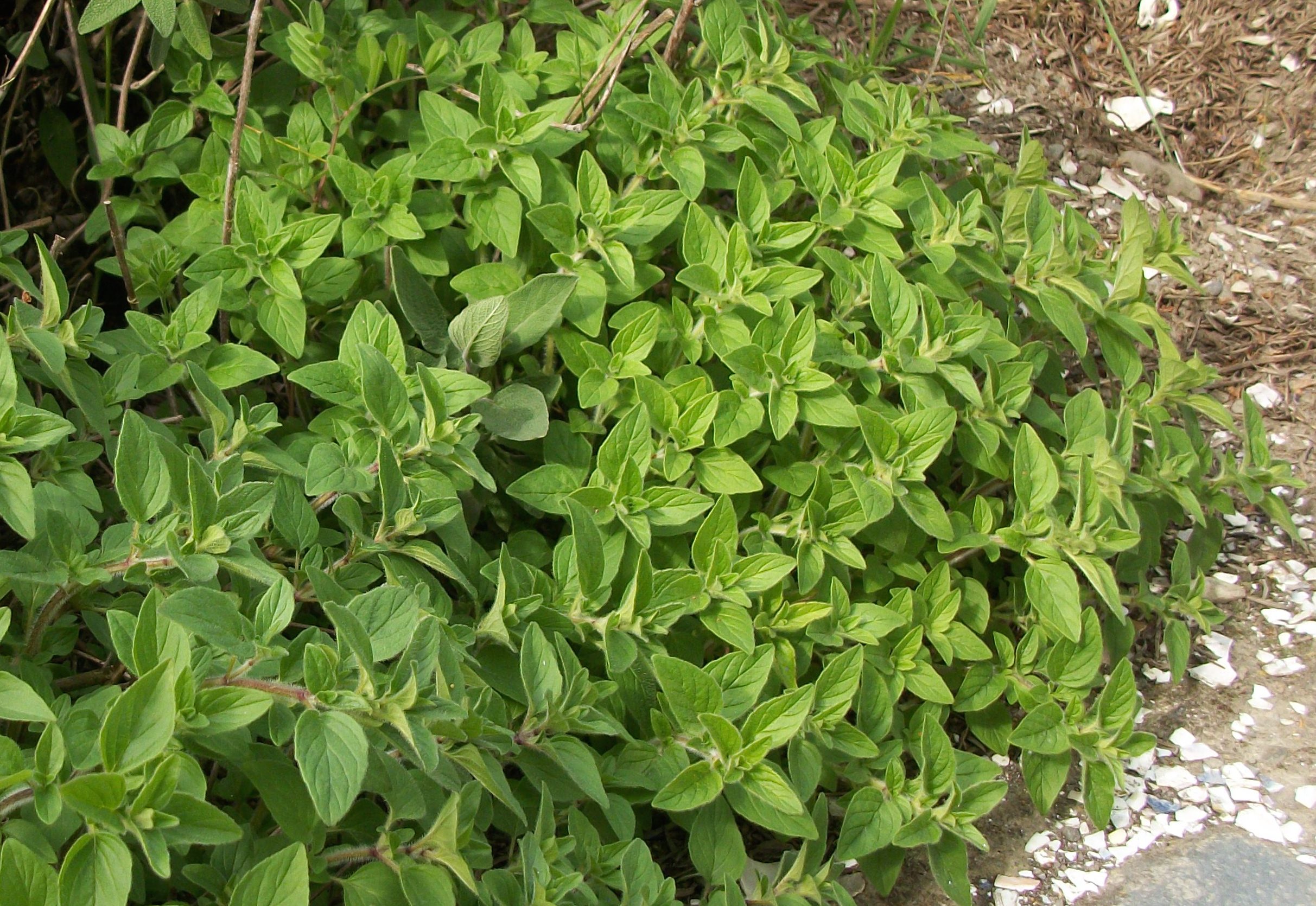
100_3863 cropOregano is marjoram’s wild cousin, and as such, is pungent and weedy. It seeds in all over the garden, and thrives even in the dry, rocky former driveway-turned-flowerbed. It is the first plant ready for harvest and storage each spring, and some years I miss it because I’m so busy planting everything else.

A woody perennial, oregano is available fresh almost all year in our mild climate, but the classic oregano flavour we all love on pizza comes only from the dried herb.

In winter, I cut the plants back nearly to the ground; the scraggly stems that have already flowered would survive and sprout new growth in the spring, but oregano needs an annual “haircut” to look good.

Early in spring, the trimmed plants send up a beautiful green cushion of new foliage. This fresh, even growth is easy to harvest and dry, and the plants will reward me with another crop when the first is shorn.

But for me, the best thing about oregano is its flowers. They aren’t particularly showy or pretty, but they attract a huge array of insects—bees, butterflies, hover flies—and those in turn attract preying mantids and spiders. When the oregano is flowering, I often take my lunch into the herb garden, just to watch the insects.