Pastry for Science

Photo: Simon Pierre Barrette

Photo: Simon Pierre Barrette

Yes! The next time anyone questions my predilection for pastry, all I have to do is say I’m making it for science!

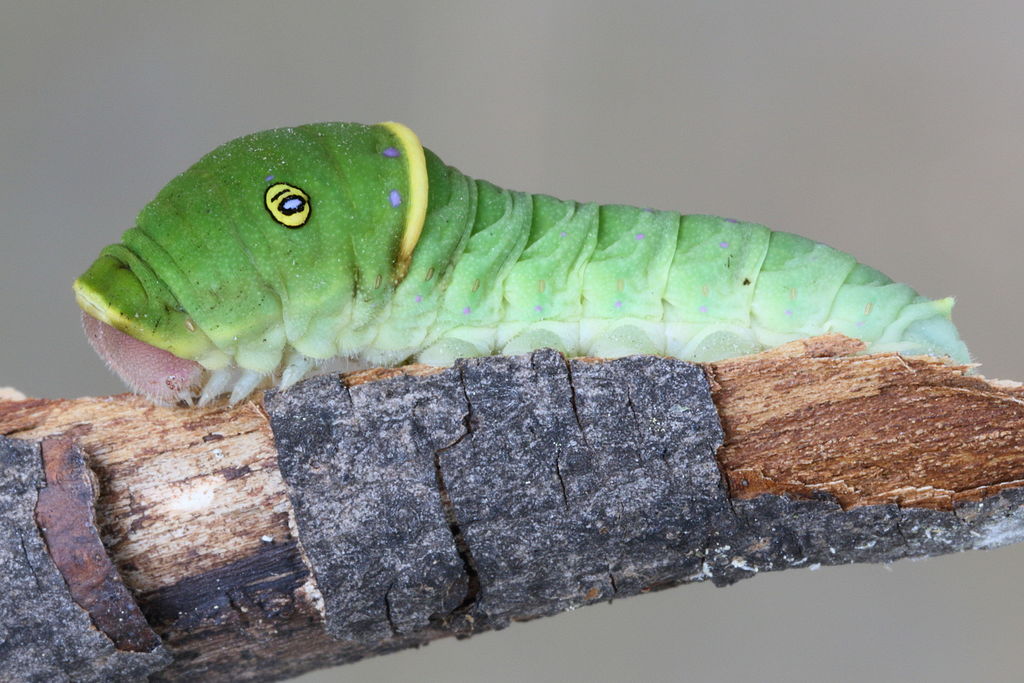
Researchers at Carleton University in Ontario made fake caterpillars from pastry in order to test the importance of the visual components of the tiger swallowtail caterpillar’s defence strategy (which is to look like a snake). The pastries were popular with birds, until they painted snake eyes on them. But young birds could learn that pastry with snake eyes was tasty, too, and then would only avoid pastry with eyes and the shape of a snake.

The researchers conclude that the combination of features the swallowtail caterpillar uses is a result of the selective pressure of smart birds, who aren’t fooled by imperfect disguises.

I might conclude that birds like pastry just as much as I do!

Ants!

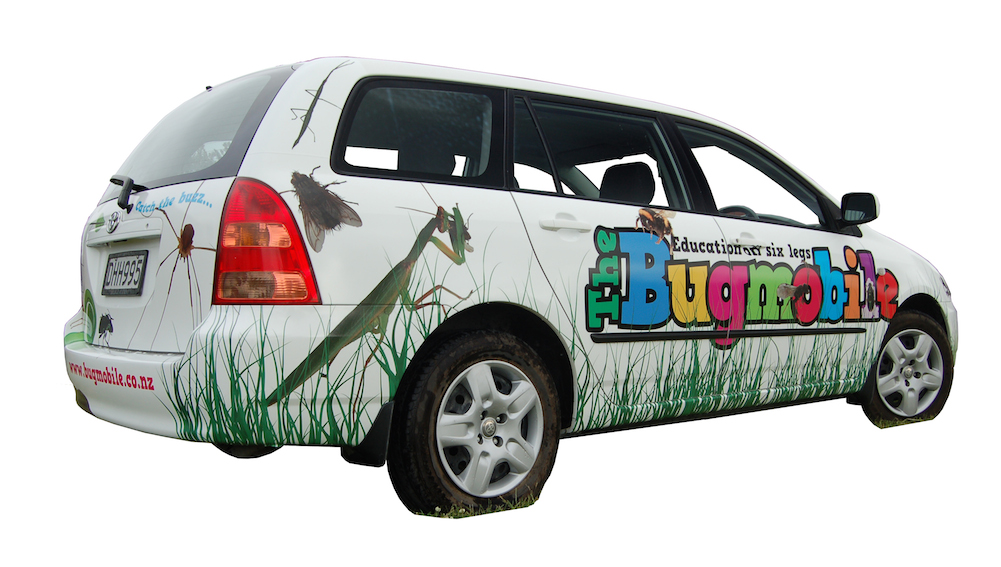
NewBugmobileclipsmFor nine years, I was owner/operator of The Bugmobile, taking live arthropods into classrooms all over Canterbury in a vehicle festooned with giant pictures of insects. I was known everywhere as The Bug Lady.

Last summer, when I closed my business, I didn’t expect to continue to think of my car as The Bugmobile. But fate, or rather a colony of ants, has interceded. My car is infested with ants.

I wouldn’t notice the ants if they weren’t so fond of Mentos…or if I weren’t so fond of Mentos.

I started keeping a roll of Mentos in the car when I was running The Bugmobile—if I had a sore throat, or needed a pick-me-up between programmes, a mint kept me going.

Apparently, they keep the ants going, too. I collected a few and identified them as the Black House Ant, Ochetellus glaber, an Australian ant that originally hitched a ride to New Zealand tucked in people’s belongings and in plant material. Ordinarily, these ants nest under stones and in tree cavities, but this particular nest is tucked neatly into a hollow in one of my mud flaps.

I should probably evict them…but they’re cute little creatures. Just 2mm long, and shiny black. I rather like them tootling around the car, cleaning up the crumbs the kids leave when they finish off their lunches on the way home from school. Maybe I’ll just find an ant-proof container for my mints.

Once The Bug Lady, always The Bug Lady…

Almond Conundrum

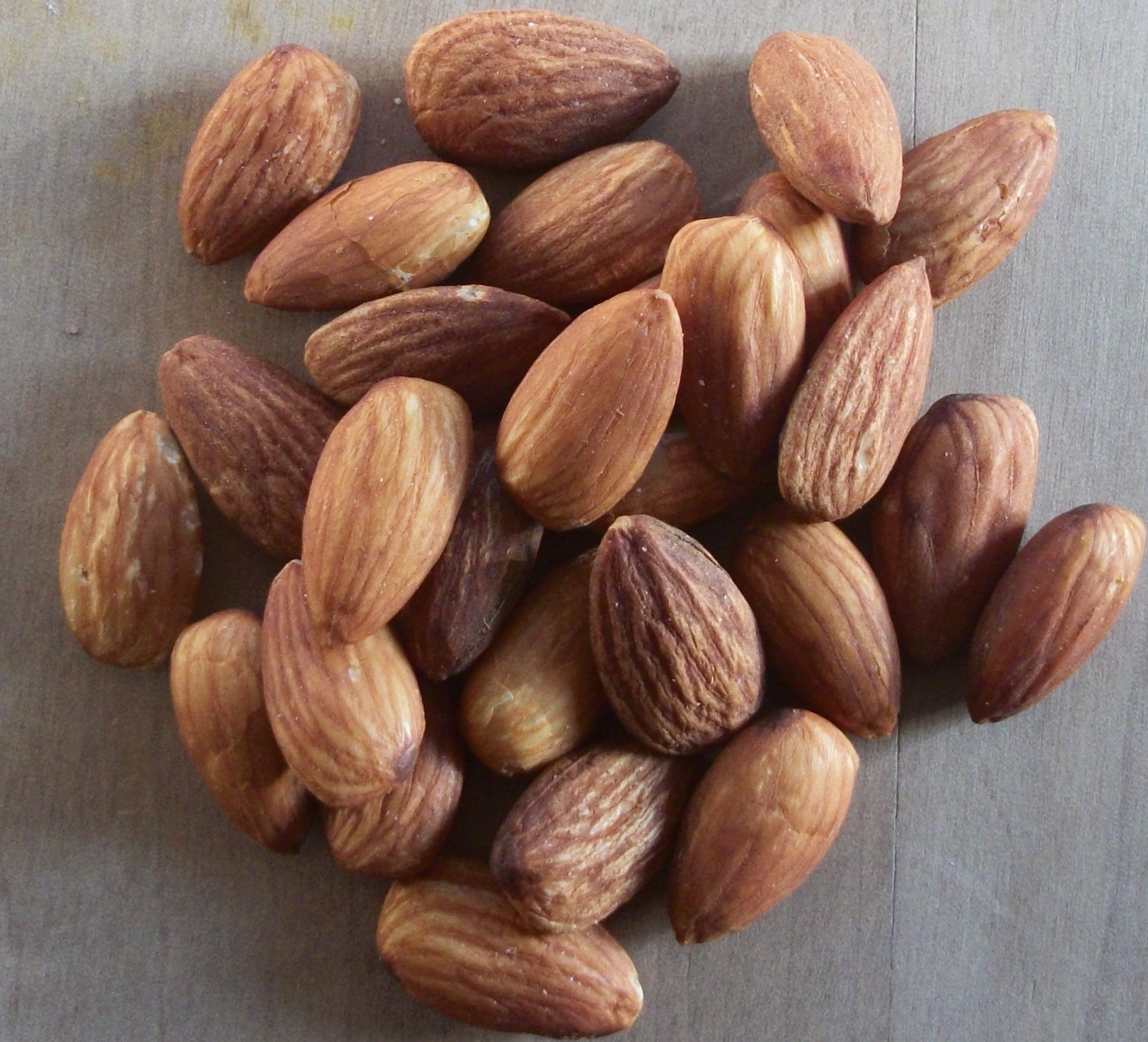
100_3428Well, there they go—the last of the almonds. The last I will buy for a long time.

I absolutely love almonds. They’re one of my favourite nuts. But I had already replaced most of the almonds we eat (which come from California, producer of 80% of the world’s almonds) with locally grown walnuts, in my effort to eat closer to home. Now, however, they’ll be a very rare treat.

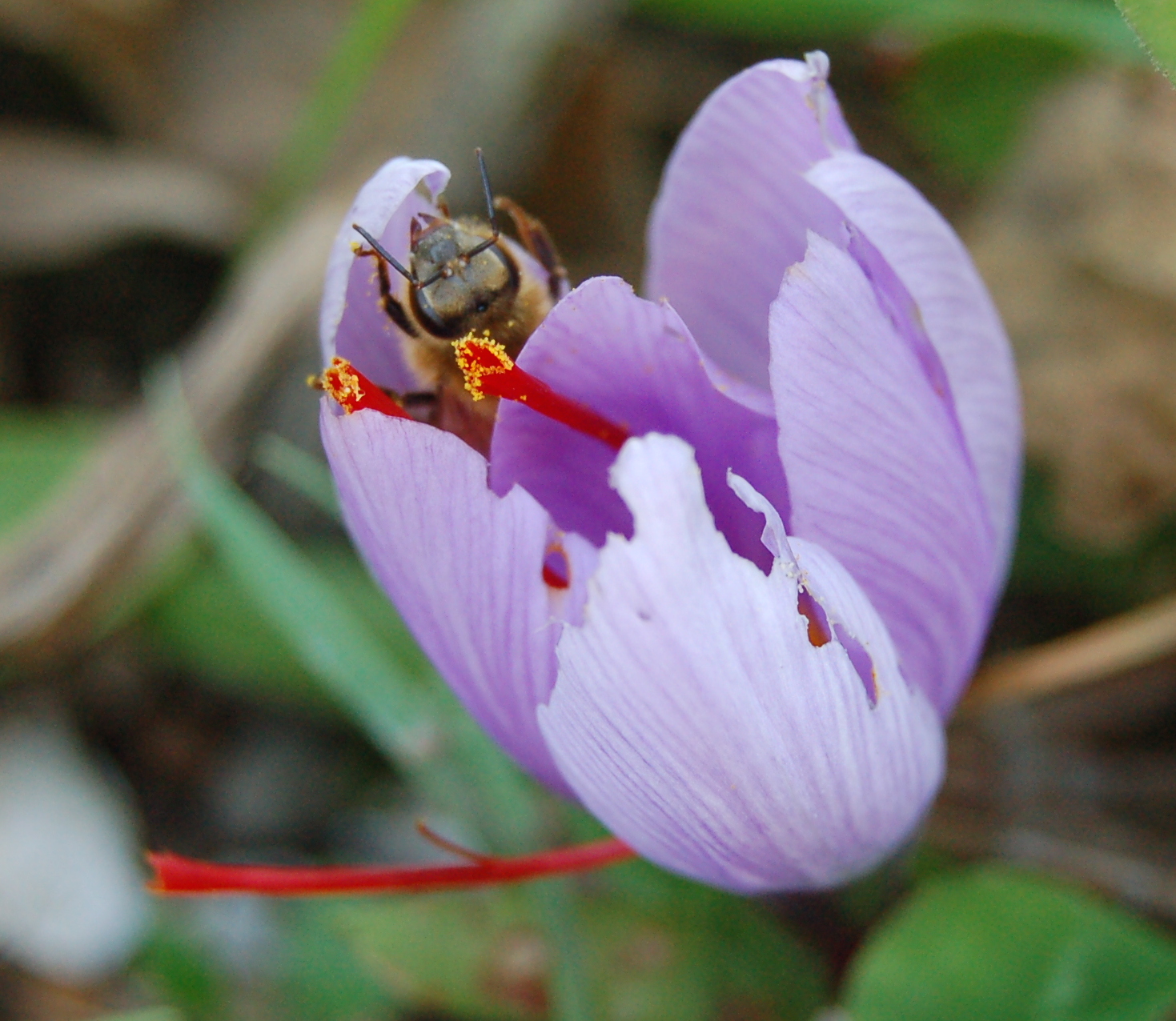
In my post last week about our relationship with bees, I talked about how North American bees are forced to forage in agricultural monocultures, leading to poor nutrition and exposure to pesticides. The largest of those monocultures is in California’s almond growing region, where the bees are “parked” every year during almond flowering in order to pollinate the trees.

Add to that the gallon of scarce California water that goes into producing each almond, and I find I can’t keep buying them. At least not the ones at the grocery store.

BUT, in deciding that, I’ve discovered that there are NZ almond growers as close to us as Marlborough, and that, with a little coddling, we might even be able to grow them ourselves!

So, with that, I have cheerfully sworn off California almonds. I’ll be checking out my local nurseries for almond trees, and tracking down those locally produced nuts!

A new relationship with bees

DSC_0005 cropMy friend, Maryann, researches pollinator decline. Her focus is on honey bees, and how honey bee management can affect bee health.

The picture is a complex and disheartening one, but one that offers glimpses of what sustainable bee management could look like. Wherever they live, honey bees are beset by an array of diseases and parasites. Under the non-intensive, almost natural management regimes used in much of Africa, the bees fight off these pathogens and parasites without intervention from bee keepers. Intensely managed North American hives crumble under their onslaught.

North American hives are shifted from place to place, following the flowering crops, in order to provide pollination services for huge monocultures of fruits, vegetables and nuts. Hives are packed close together in vast arrays, making it easy for disease to spread from hive to hive.

The heavy use of herbicides in the agricultural landscape mean that the only source of pollen and nectar may be the crop to be pollinated. Bees evolved to feed on a wide variety of flowers, and cannot survive on one food alone. Imagine being forced to eat only broccoli—it’s good for you, but if you ate nothing else, your health would suffer.

Add to malnutrition the fact that the pollen the bees are eating is laced with no fewer than 137 different pesticides, many of which are toxic to bees or interfere with their growth, development and learning. And these pesticides are mixed with a range of substances to help them stick to the plants or disperse evenly when sprayed; these chemicals can be as poisonous to bees as the pesticides, and they are virtually unregulated.

Poor nutrition, poisoned food, and crowded conditions make North American bees susceptible to disease and parasite outbreaks. Bee keepers’ response has largely been to treat hives with pesticides to kill the parasites that spread disease, further adding to the chemical load the bees must support. When parasites develop resistance to pesticides (which they do at an alarming rate), the weakened bees are overwhelmed, and the colony dies.

I have long been uncomfortable with the North American management of bees—we squeeze everything we can from the poor animals, pushing them to their physiological limits in poor conditions. It’s no wonder they are in trouble. If we forced any other livestock to live in overcrowded conditions and eat poisoned food that didn’t meet their nutritional needs, the public would be outraged. Now, this unsustainable management has created a crisis, as the animals we depend upon to produce much of our food die in unprecedented numbers.

We need to develop a more gentle approach to bee management—one that respects the needs of these little animals. We need to critically evaluate (and curtail) our use of pesticides, and reconsider our model of vast monocultures in favour of more mixed agriculture. We need to give bees a break from the agricultural landscape so they have opportunities to eat food not laced with pesticides. We need to manage bees less for our own convenience, and more for their health and well-being. We need a new relationship with bees, forged from an understanding of bees’ needs, and aimed at long-term sustainability.
Pest Control

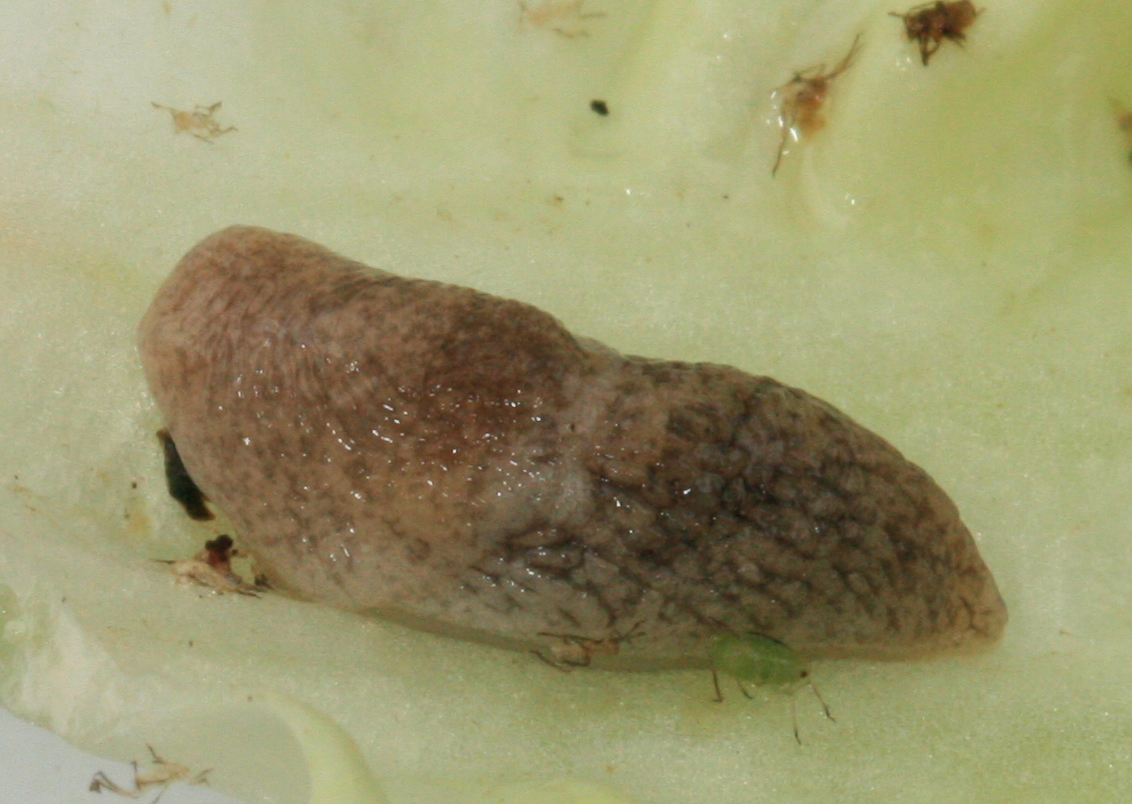
slug1cropAs an entomologist, I’m often asked, “How do you deal with (insert pest name here)?” What people really want to know is how they can kill said pest, so I usually give a two-part answer that goes something like, “Well, you can use (insert name of some agent of death), but what I do is…”

What I do is a reflection of my philosophy about humans’ place in the ecosystem, and how I believe we should treat fellow living things. If I had to boil it down to basic pest control strategies, it would be these:

1) Know thine enemy. Learn the life history and ecology of your pests. When do they emerge? How do they feed? How do they home in on your crops? Where do they overwinter? When you understand the pest, you can modify your garden to minimise trouble. For example, I’ve found that our aphids prefer green lettuce, so I plant mostly red ones, and get an extra month or more of pickings before the aphids get to them. I avoid cabbage white caterpillars by planting my broccoli as early as I can in spring. By the time the caterpillars infest the plants, they’re almost done giving anyway.

2) Don’t be squeamish. You can do everything right and still sometimes be overrun by pests. Before you reach for a bottle of some toxic brew, take the time to squish some bugs. Aphids are easily crushed with a swipe of the fingers along a leaf. Beetles make a satisfying pop when squeezed (Don’t try it with slugs, though—ick!) It’s amazing how easily you can knock pests back by hand, especially if you catch the infestation early. I apply the same principle to my vertebrate pests—though it’s more gruesome for me dealing with the bodies, a quick death in a trap is more humane than a slow death by poison. Also, don’t be shy about killing your beloved plants. If one plant is covered in pests, and the others aren’t, sometimes the best thing you can do is sacrifice the infested plant before the pests spread.

3) Share. You learned it in kindergarten, and it’s just as important in the garden. You are growing delicious food, and others will want some too. Be prepared to give a little, and accept that you will have some pests. In Panama, the farmers understood this. They planted three seeds in each hole—one for God, one for the pests, and one for themselves.